Medical Tourism Blog
liposuction handmade vs machine
Table of contents
- A clearer way to think about “handmade” vs “machine” liposuction
- What SAL (“handmade liposuction”) and PAL (“vibration machine”) really mean
- Misconception #1: PAL is more painful
- Misconception #2: PAL causes more bruising
- Misconception #3: PAL creates lumpy or uneven results
- Why these myths became so common
- The real advantages of PAL (when it’s used correctly)
- The biggest problem with PAL: it can reward rushing
- What makes a truly good liposuction surgeon
- How I actually use SAL and PAL in the same procedure
- Conclusion: choose the surgeon, not the slogan
- More about Lydian Plastic Surgery Clinic
Considering treatment in Korea? Everything you need to know e.g. — how to avoid scams, visas, interpreters, recovery tips — in our Medical Tourism Master Guide. Plan with confidence in minutes, not weeks!
Disclaimer: The following is a guest post. The information and opinions expressed are not of koreaclinicguide.com but of Lydian Plastic Surgery Clinic
A clearer way to think about “handmade” vs “machine” liposuction
When patients come in for a liposuction consultation, they often hear one of two sales pitches: “We do handmade liposuction,” or “We use the newest vibration machine.” It’s easy to feel like you have to choose sides—hand technique must be more precise and safe, while a machine must be rougher and riskier. But that framing misses the real point.
I like to compare this to asking a photographer what camera they use, or asking a great golfer what driver they swing. The tool matters, but the person holding it matters far more. Liposuction is the same. Whether I’m using a syringe-assisted, “handmade” approach (often described as suction-assisted liposuction, or SAL) or a vibration-based approach (often described as power-assisted liposuction, or PAL), outcomes depend most on how the surgeon uses the cannula, how the plan is designed, and how carefully the tissue is treated.

In other words: technique beats marketing, and experience beats slogans.
What SAL (“handmade liposuction”) and PAL (“vibration machine”) really mean
“Handmade” liposuction usually refers to SAL, where fat is removed using suction while the surgeon manually moves the cannula through the target layer. “Machine” liposuction is commonly used to describe PAL, where the cannula is powered to vibrate, helping it move through fat more efficiently.
Both approaches still rely on the surgeon’s hands. No one does liposuction without hands; the question is which tools are being used at which moments, and whether they’re being used with control.
Misconception #1: PAL is more painful
PAL is not inherently more painful. Pain after liposuction is heavily influenced by how often the cannula tip bumps or strikes muscle and how much unnecessary trauma occurs in deeper or incorrect planes.
That is a surgeon-skill issue, not a machine issue. In fact, if someone hasn’t trained properly with PAL—especially in their first year using it—PAL can feel more painful simply because the handling is clumsy. The vibration isn’t “causing pain” on its own; poor control and poor plane selection cause pain.
Misconception #2: PAL causes more bruising
The idea that vibration automatically leads to more bruising is also incorrect. Bruising varies a lot depending on how evenly the tumescent solution is injected and how well vasoconstriction is achieved.
When tumescent infiltration is done evenly and thoughtfully, it can reduce bleeding and bruising. PAL, in the right hands, can actually help create a smoother, more consistent process—because the surgeon can work in a more controlled, less forceful way. But if infiltration is uneven or technique is rushed, bruising can increase regardless of whether SAL or PAL is used.
Misconception #3: PAL creates lumpy or uneven results
Many patients worry that a vibrating cannula will “shake everything apart” and cause lumpiness. The truth is that lumpiness is not a built-in feature of PAL.
Lumps and unevenness happen when fat is removed inconsistently—taking too much from one area, leaving too much in another, or working too aggressively without respecting the tissue layers. A surgeon who has genuinely mastered PAL does not create lumpiness because of vibration. On the other hand, a surgeon who uses PAL like a shortcut—moving quickly, chasing volume, and prioritizing speed—can create unintended unevenness.
And it’s important to say clearly: the same problem can happen with “handmade” liposuction too. SAL is not automatically smoother. The cannula doesn’t create artistry on its own; the surgeon does.
Why these myths became so common
A lot of the “handmade is better” belief comes from marketing. People love the idea of an artisan—like the story of an Italian craftsperson stitching something piece by piece. It sounds premium, careful, and superior.
But true artisans don’t refuse good tools. A master tailor still uses a sewing machine. A skilled woodworker doesn’t limit themselves to a hand plane if a power tool will produce a cleaner, more consistent finish. The craft is not about rejecting technology; it’s about using the right tools to achieve the best outcome.
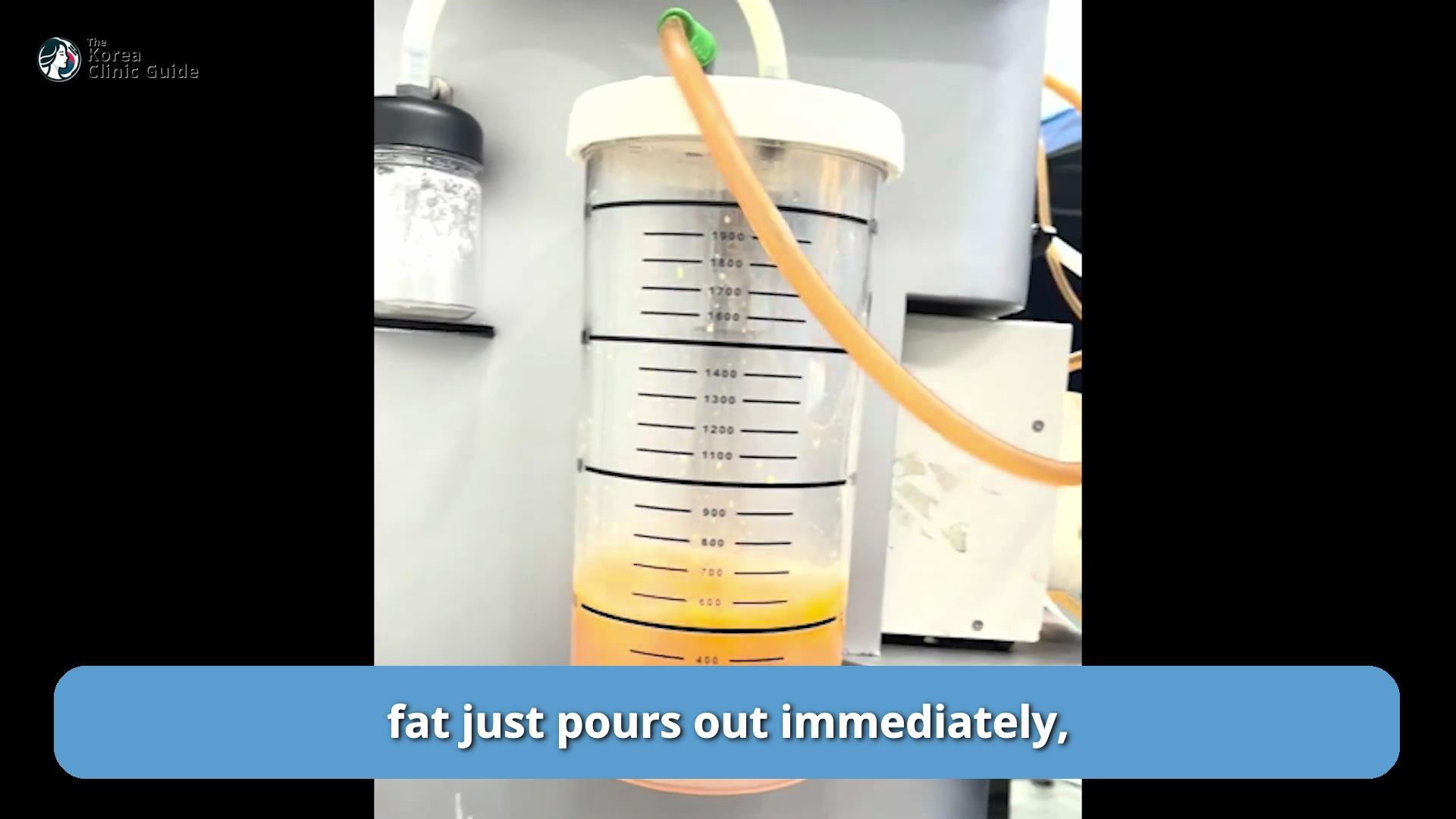
Surgery is no different.
The real advantages of PAL (when it’s used correctly)
PAL has real strengths, and I value them—especially when the surgeon is trained and disciplined.
One major advantage is that PAL can reduce physical strain on the surgeon. Liposuction can involve long periods of repetitive motion, and fatigue affects precision. When my body is less strained, I can stay calmer and more exact for longer stretches. That matters, because consistency is a big part of creating smooth results.
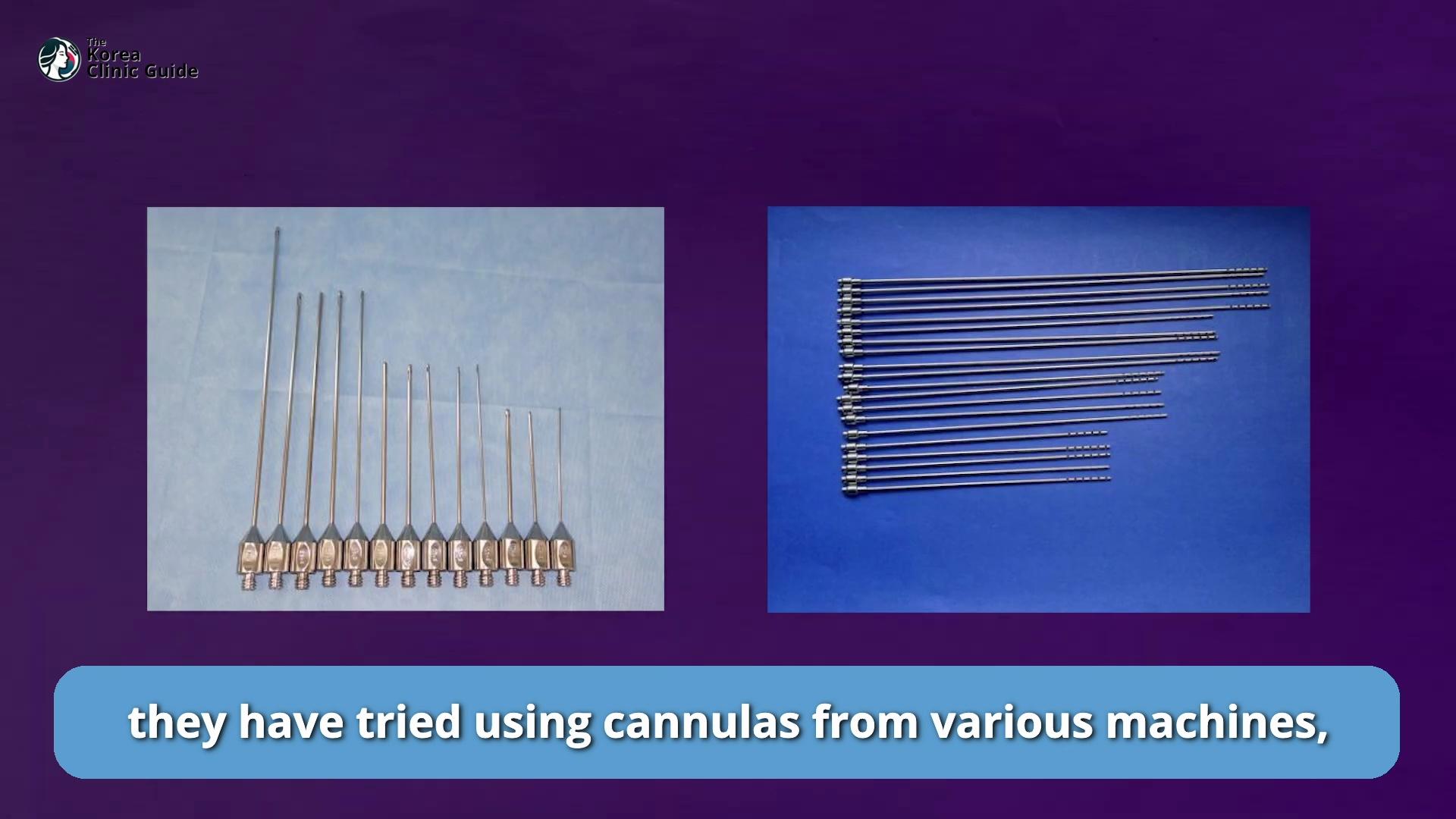
Another advantage is versatility. I think of liposuction like painting: different areas require different “brushes.” Sometimes you need a thinner cannula for detail and delicate transitions; other times you need a thicker cannula for efficient reduction in larger areas. PAL can shorten operative time in the right situations and—when thoughtfully planned—reduce the overall burden on the patient while supporting a cleaner contour.
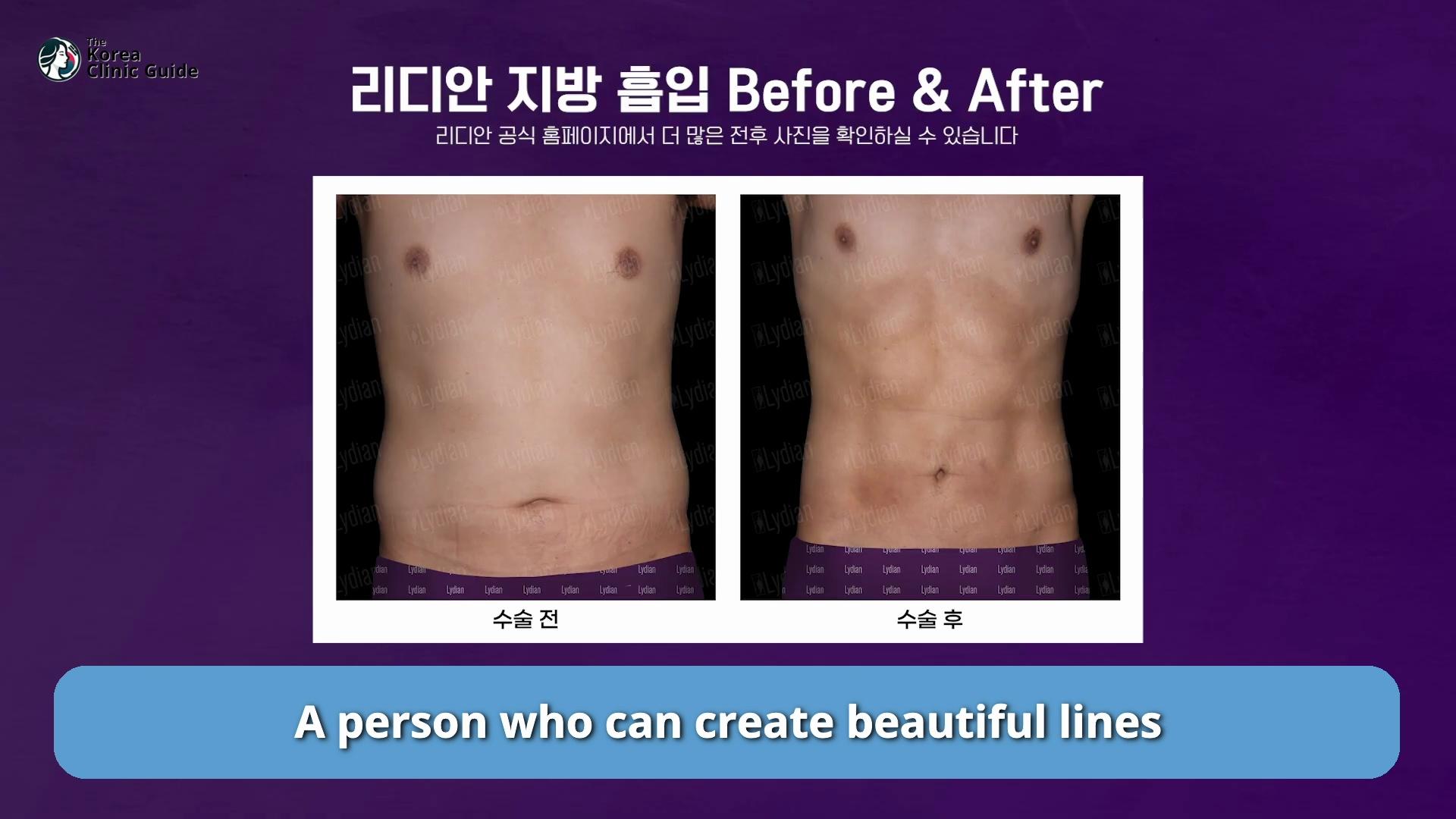
The biggest problem with PAL: it can reward rushing
PAL’s downside is not the technology itself—it’s how tempting it can be to move too fast.
Some surgeons turn the vibration on and then operate as if they’re doing the same manual approach, but with speed added. If the focus becomes “faster, faster, more fat out,” bleeding can increase, tissue handling can get rough, and uneven areas can be created. Younger or inexperienced surgeons may get mesmerized by how quickly fat seems to come out and confuse speed with quality.
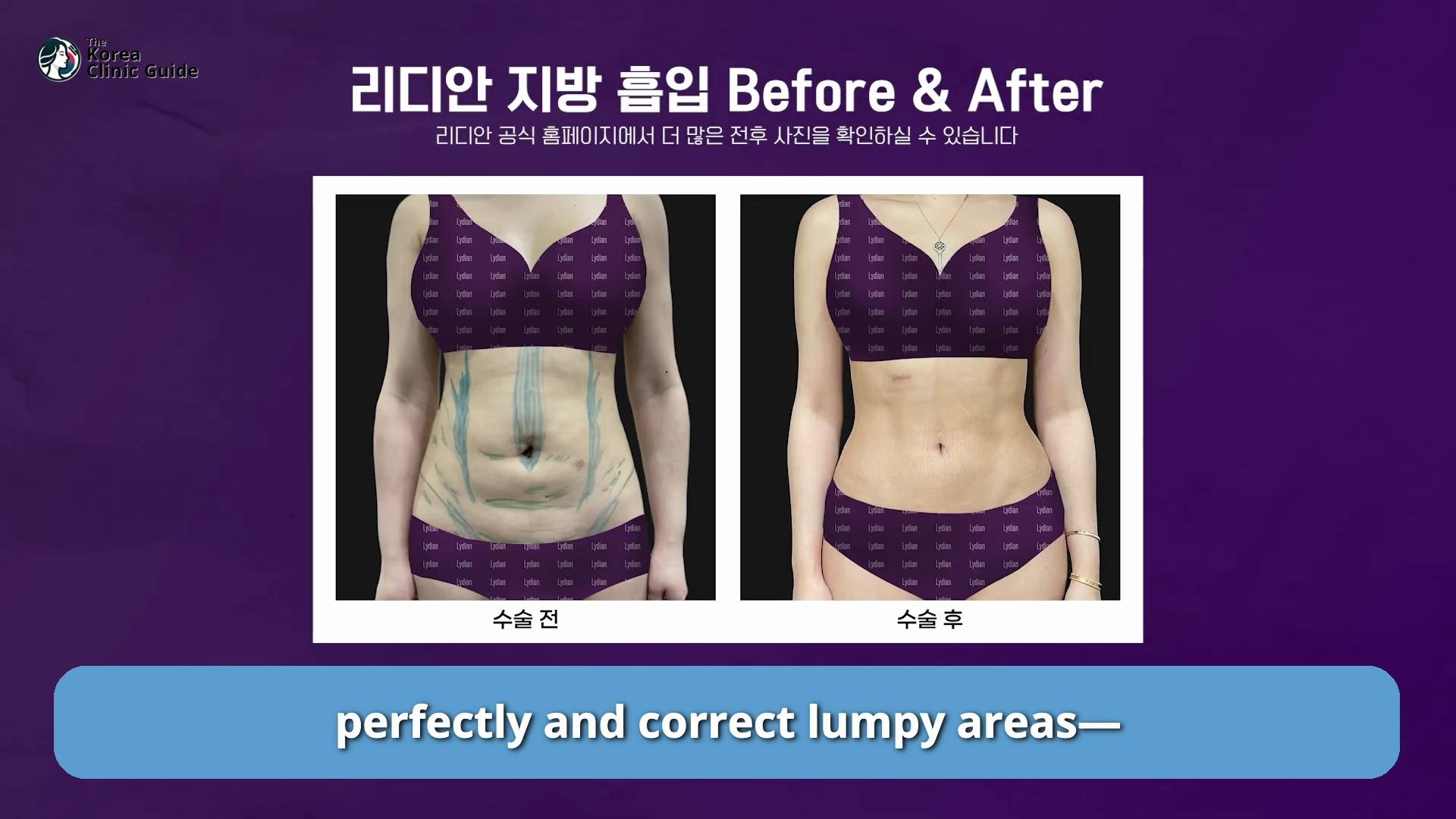
But good liposuction is often slow and gentle. Timing matters, and control matters. PAL should not be used as an excuse to force the procedure—it should be used to refine it.
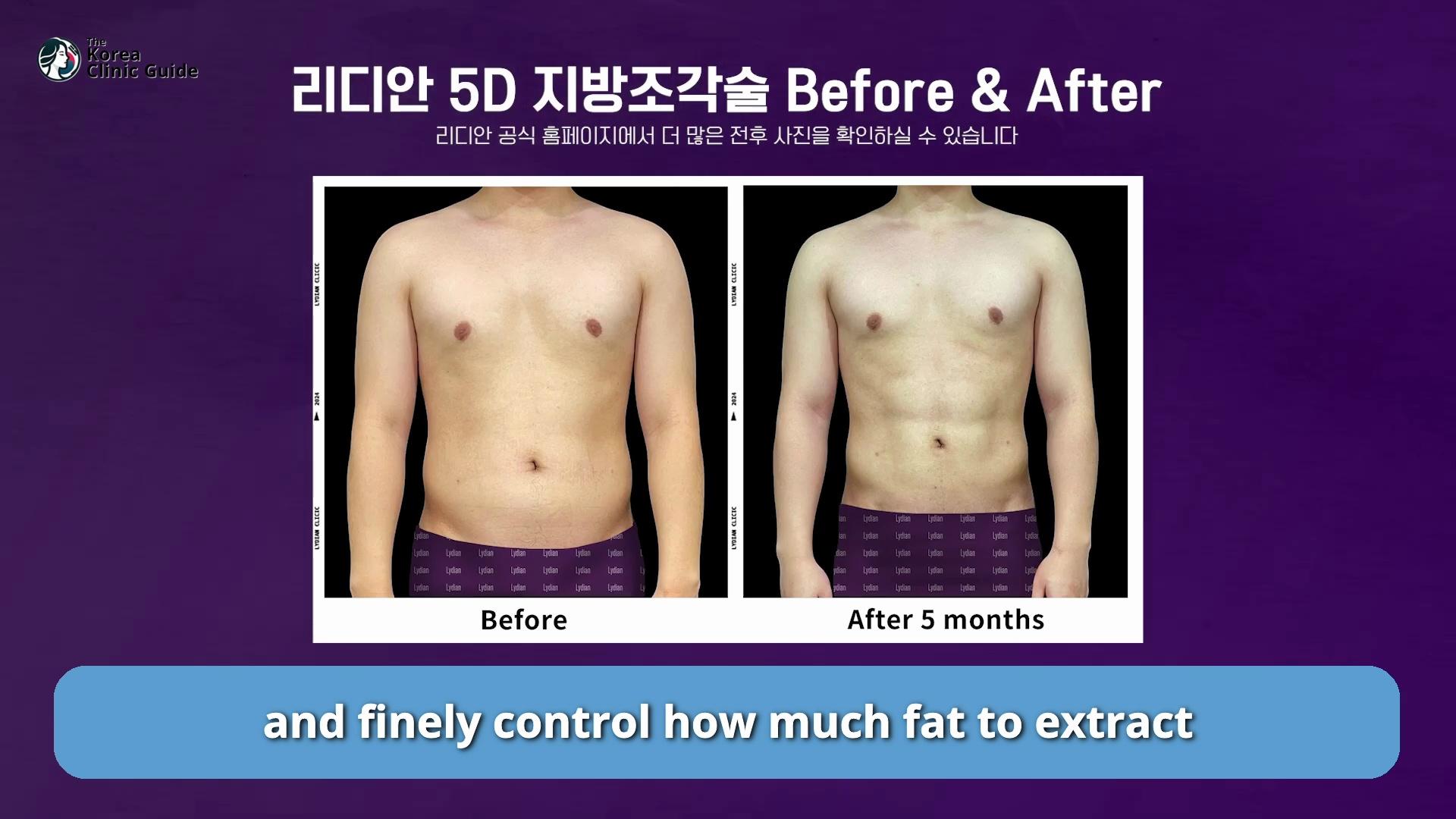
What makes a truly good liposuction surgeon
If you’re trying to choose between a “handmade” doctor and a “machine” doctor, I’d encourage you to step back. A surgeon isn’t better simply because they insist on SAL, and they’re not better simply because they own a PAL device.
A truly skilled liposuction surgeon is someone who has experience with multiple modalities and cannula systems—PAL, SAL, and potentially other energy-based tools like laser, RF, or plasma—then uses them selectively to achieve precise, natural lines. That level of surgeon understands how to correct uneven areas, how to create smooth transitions, and how to fine-control how much fat to remove and how much to leave close to the skin.
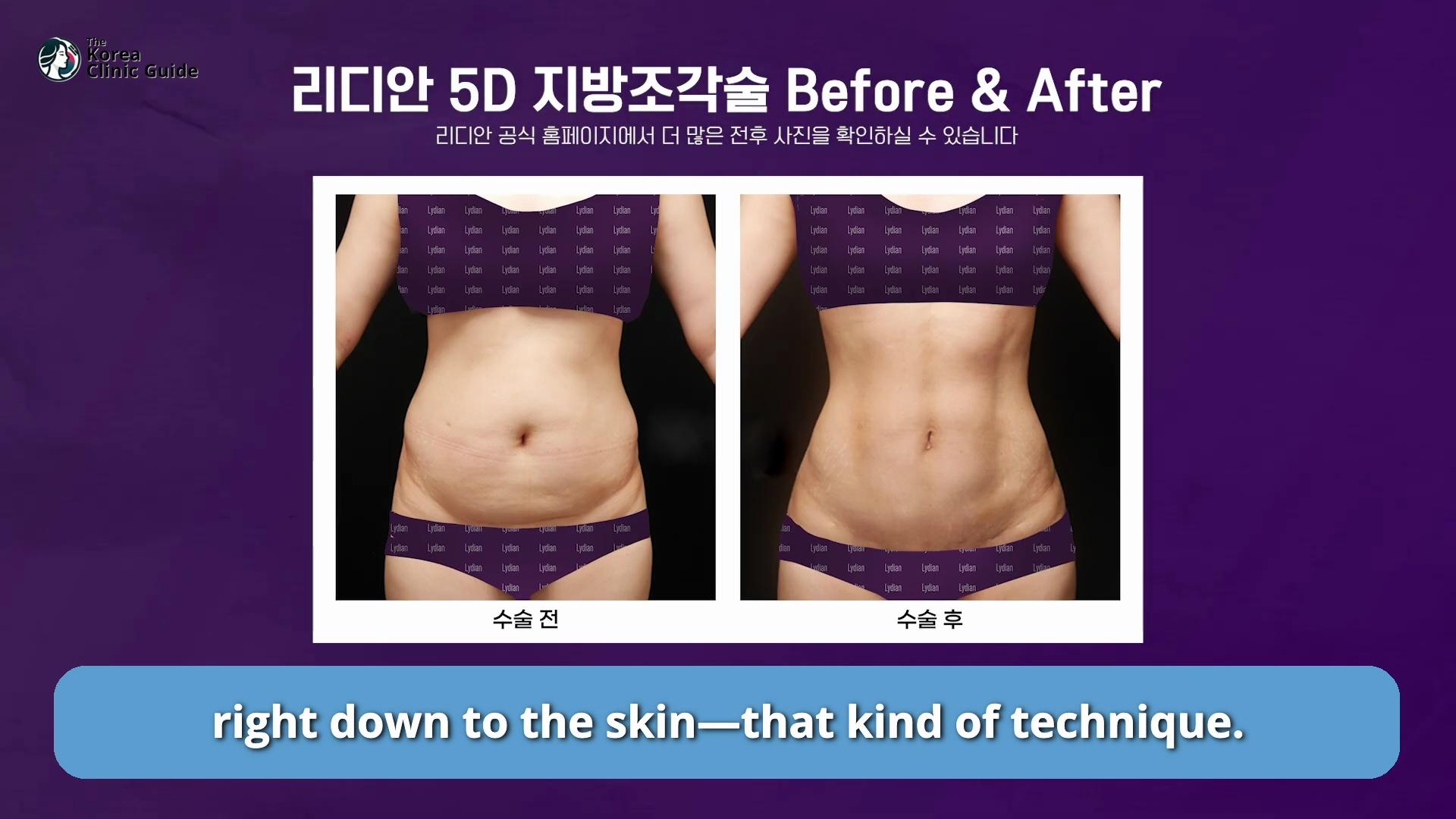
That last part is critical: great results are not only about removing fat. They’re about leaving the right amount in the right layer so the contour looks clean and stable as healing progresses.
How I actually use SAL and PAL in the same procedure
In my own operating style, I don’t treat SAL vs PAL as a debate with one winner. I switch.
Depending on the area and the moment, I may turn vibration off and use a syringe-assisted “handmade” approach for fine control. Then I may turn vibration on again when it helps me work more efficiently and consistently. I adjust based on the patient’s body type, the size and character of the fat cells, the target contour, the cannula needed, and even the pressure settings.

Human bodies vary enormously. Some patients have smaller fat cells; others have larger fat compartments that come out more chunkily. Those differences affect tool choice and technique. That’s why I believe insisting on a single method and calling it “the best” can be an oversimplification. The best method is the one that fits the case.
Conclusion: choose the surgeon, not the slogan
PAL is not automatically more painful, more bruising, or more lumpy. Those outcomes are driven primarily by the surgeon’s skill, experience, and proficiency—not by whether vibration is involved.
Both “handmade” liposuction (SAL) and machine-assisted liposuction (PAL) have strengths. The best results come from using each tool appropriately, at the right time, for the right anatomy.
So if you’re considering liposuction, don’t let the device name—or the brand of a machine—make the decision for you. Focus on the surgeon’s ability to use multiple techniques, their depth of experience, and most importantly the quality and consistency of their actual results.
More about Lydian Plastic Surgery Clinic
For readers exploring handmade versus machine-assisted liposuction techniques in Korea, Lydian Plastic Surgery Clinic (Lydian Cosmetic Surgery & Dermatology) in Cheongdam, Gangnam, Seoul stands out as a boutique destination built around the expertise of Dr. An Kyung Chun, who has been selected among Korea’s Top 18 Aesthetic Plastic Surgery Experts, serves as Director of the 5D Liposculpture Academy, is listed among the World’s Top 100 Doctors in Stem Cell Aesthetic Medicine, and is repeatedly recognized with exclusive selections in liposuction while also training other Korean physicians in high-definition body sculpting and the use of liposuction devices. Rather than relying on outdated technology, the clinic continuously invests in the latest medical equipment from Korea and abroad, allowing a thoughtful balance between meticulous hands-on technique and advanced device support when appropriate. Every treatment plan is guided by anatomy-based design, customizing contour goals to each patient’s body shape, proportions, and natural curves instead of using a one-size-fits-all template. Just as importantly, Lydian emphasizes outcomes beyond the operating room through a 4-step systematic aftercare program focused on swelling reduction, irregularity correction, skin elasticity recovery, and residual fat contouring—key details that help distinguish refined sculpting from simply removing fat.
Find more about this clinic here: Lydian Plastic Surgery Clinic