Medical Tourism Blog
Facial Filler - What Is It? Why Do It? with Dr. An from Lydian Clinic
Table of contents
- What makes a face look youthful in the first place?
- Why does facial sagging happen as we age?
- Is sagging always a volume problem, or can it be a skin problem?
- How do facial fillers improve aged, drooping skin?
- What is fat grafting, and when is it better than filler?
- Why can adding volume in the wrong place make someone look older?
- What should you do if your sagging is severe?
- Does losing weight make the face age faster?
- Can masseter Botox or aggressive Botox use cause sagging?
- If you start Botox or filler, do you have to keep doing it forever?
- How often should you get filler treatments?
- What’s the smartest next step if you’re considering facial filler or fat grafting?
- More about Lydian Plastic Surgery Clinic
Considering treatment in Korea? Everything you need to know e.g. — how to avoid scams, visas, interpreters, recovery tips — in our Medical Tourism Master Guide. Plan with confidence in minutes, not weeks!
Disclaimer: The following is a guest post. The information and opinions expressed are not of koreaclinicguide.com but of Lydian Plastic Surgery Clinic
What makes a face look youthful in the first place?
A youthful face isn’t just about “less wrinkles” or “more fat.” What consistently reads as young and healthy is balanced facial volume placed in the right areas, plus skin that still has elasticity and good support. A little extra facial fullness can make some people look younger—because volume helps soften harsh angles and prevents a hollow, tired look—but it’s only “youthful” when it’s in the right places. When volume sits too low or becomes heavy in the lower face, it can actually make the face look older by emphasizing droopiness and blunting the jawline.
Why does facial sagging happen as we age?
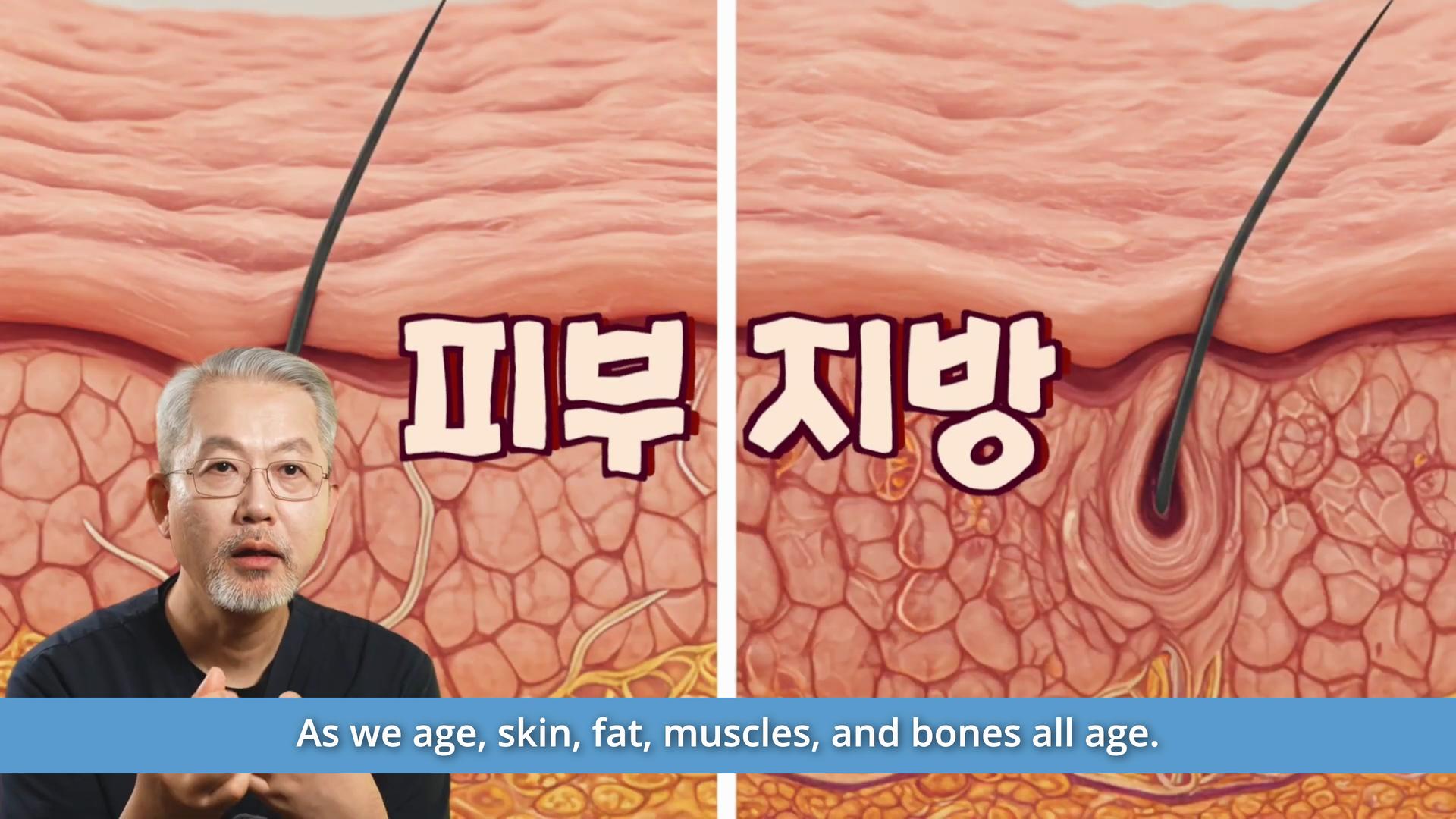
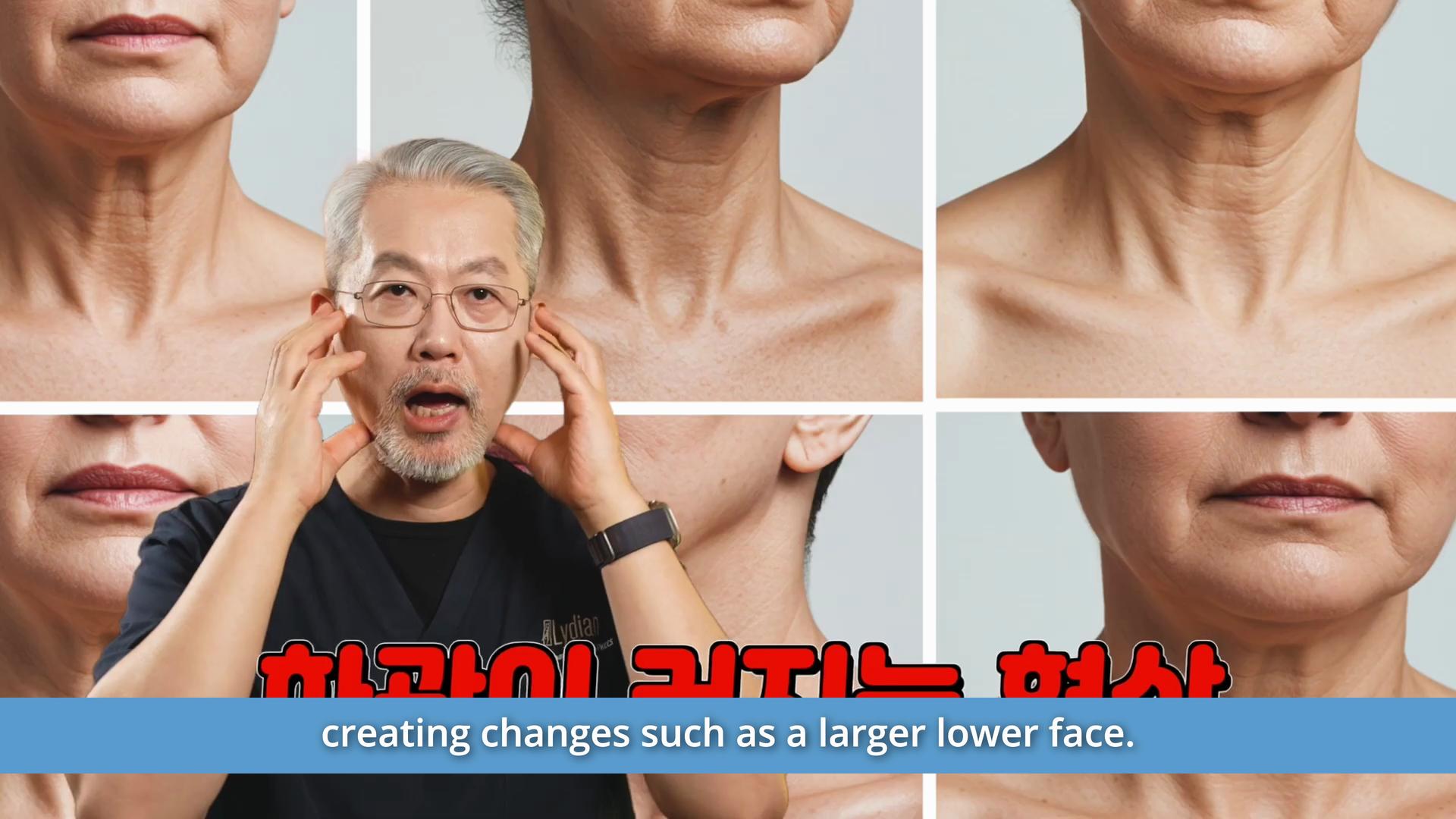
Sagging is not a one-factor problem, which is why a one-size-fits-all treatment plan almost always disappoints people. With aging, four major structures change: the skin, the fat, the muscles, and even the bone. Some patients mainly develop skin laxity, others lose fat and look hollow, others deepen expression lines as muscles repeatedly contract, and some experience structural shifts that change the “frame” of the face. Gravity also plays a constant role—over time, tissues tend to migrate downward, so the lower face looks heavier while the upper face can look flatter. That’s how you end up seeing changes like a softer jawline, a hint of jowling, or a double-chin look that wasn’t there before.
Is sagging always a volume problem, or can it be a skin problem?
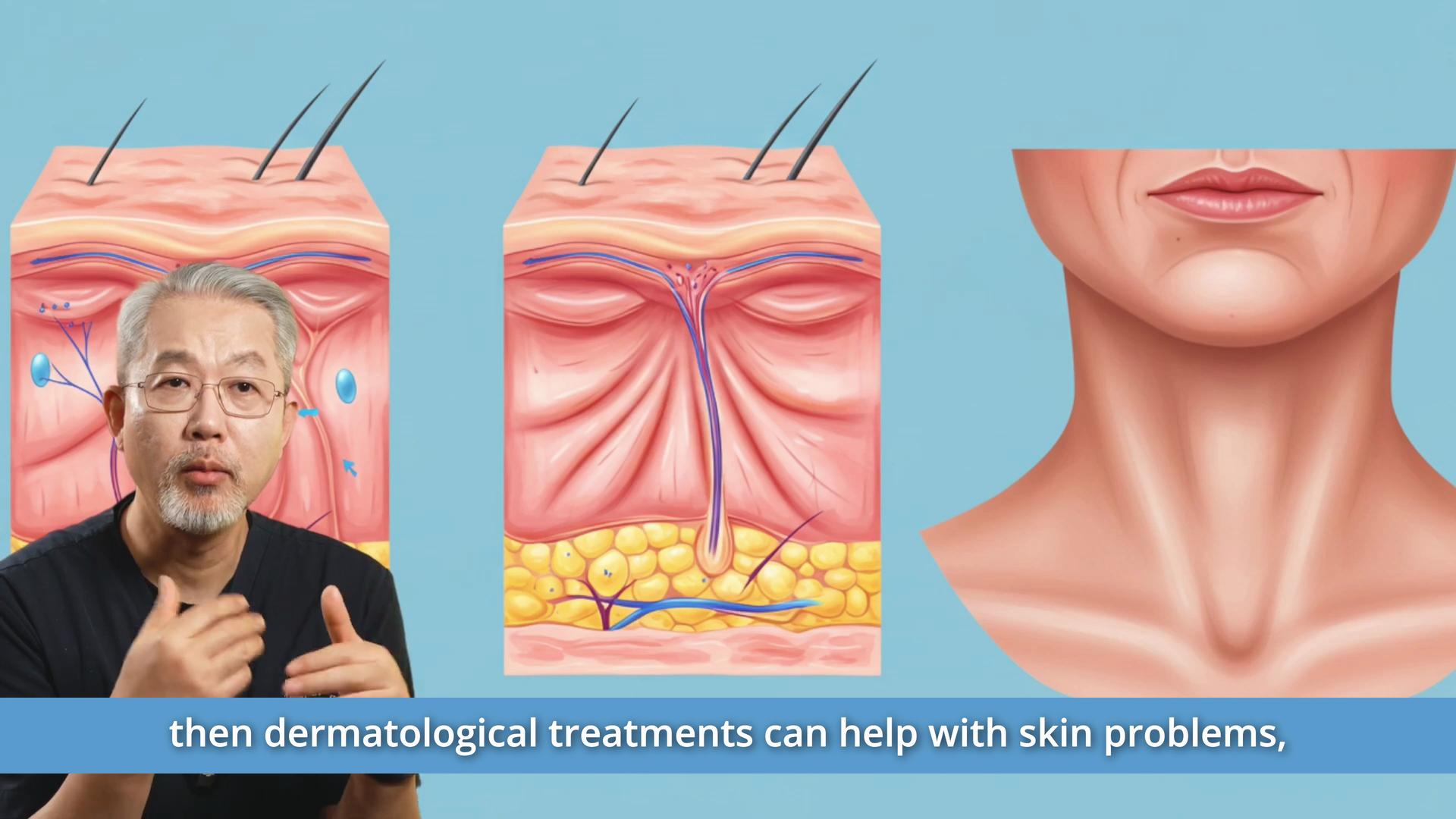
It can be either—and often it’s both. If someone is hollow in the temples, midface, or under-eye area, restoring volume can make the face look healthier and more refreshed. But if the core issue is skin laxity—skin that no longer snaps back—then pure “filling” won’t truly lift it. In that case, dermatologic treatments that target skin quality and tightening can help, and in more advanced laxity, lifting procedures may be the only way to create a real structural change. The key is correctly identifying what’s actually driving the aging in a specific face rather than assuming every tired look needs the same syringe.
How do facial fillers improve aged, drooping skin?
Fillers can be very effective when they’re used strategically to rebuild support and restore youthful contour. The biggest misconception is that filler is only about “filling lines.” A natural result is usually created by placing volume higher—where youth naturally carries it—so the face looks subtly supported rather than “puffed.” When volume is rebuilt in the upper or midface appropriately, it can reduce the appearance of heaviness below, because you’re improving the balance of the face rather than loading weight into the lowest areas.
Another critical point is that a pretty, youthful face needs contour—some ins and outs. The nose projects, the nasolabial folds should have a gentle dip (not be erased into a flat plane), and the midface should look softly full and then taper. When people chase a single area—especially asking to aggressively “fill in” a lower or central zone without considering the surrounding shape—the face can lose its natural curvature and look swollen or cartoonish rather than young.
What is fat grafting, and when is it better than filler?
Fat grafting is a surgical option where fat is harvested from another part of the body and transferred to the face to add volume and shape. It’s especially useful when a patient needs a larger overall volume correction—because if someone is so naturally lean in the face that “a little filler” won’t be enough, they may end up needing many syringes, and at that point fat grafting can make more sense as a volume-restoration strategy.
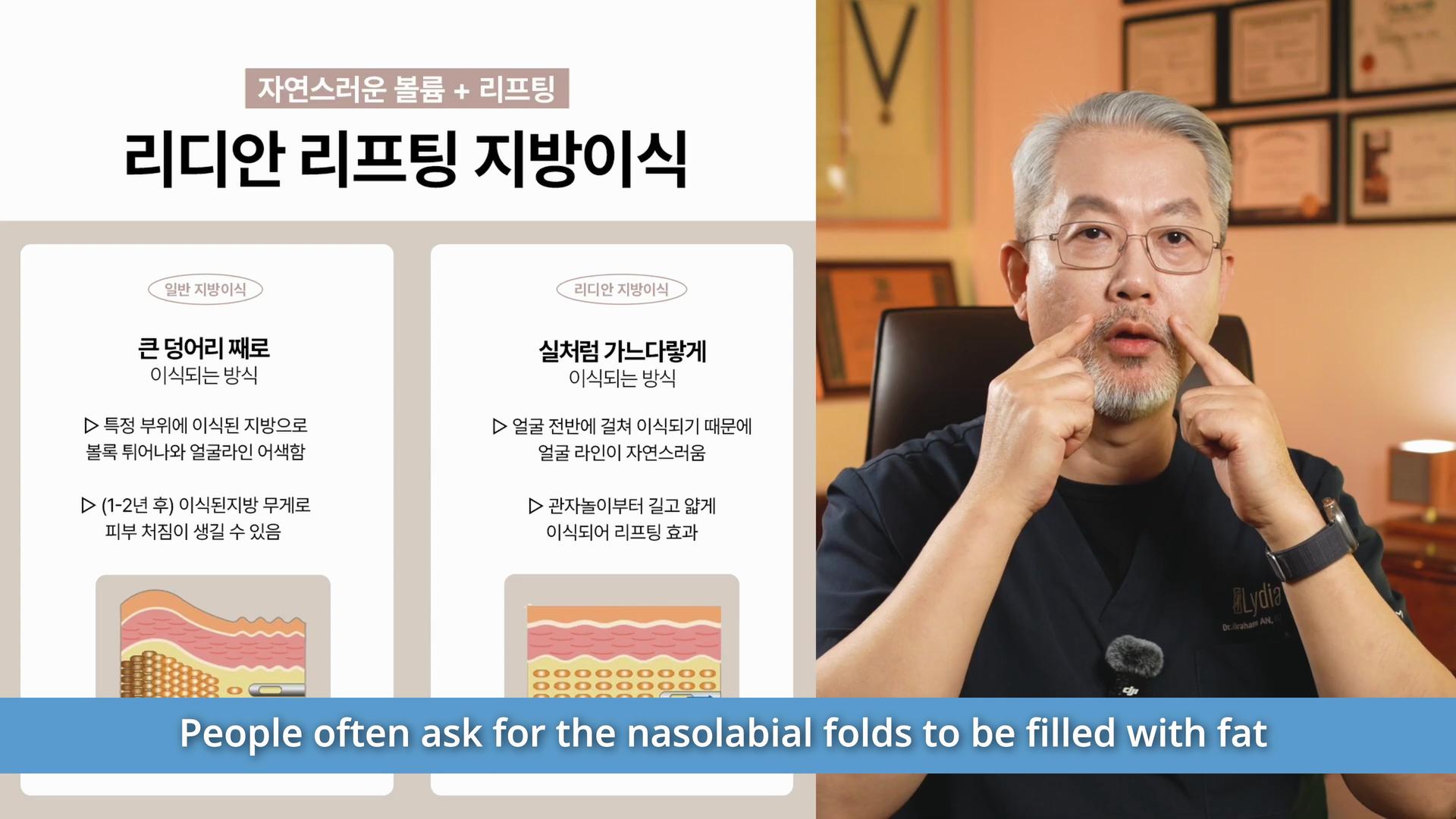
That said, fat grafting isn’t automatically “better” than filler. If it’s done with the wrong concept—especially adding too much volume in the lower face—it can make the face look heavier and more droopy, which can read as older. The guiding principle I emphasize is to build support from higher up. When you restore volume more in the upper areas first, you often need less volume lower down. When the lower face is overfilled, it can create that dense, rounded look that many patients regret.


Why can adding volume in the wrong place make someone look older?
Aging isn’t just deflation; it’s also descent. Because gravity pulls tissues downward over time, the lower face can become the “collection point” for heaviness. If you add too much volume low—whether with fat grafting or filler—you’re effectively adding weight to the part of the face that is already struggling against gravity. Instead of looking lifted, the face can look more bottom-heavy, less defined at the jawline, and less elegant in profile.

This is also why focusing only on “filling the fold” or “filling the lower cheek” can backfire. If someone tries to erase every dip, the face becomes flat and bulky. Youthful faces have shape: transitions, curves, and proportion. The goal is not maximal fullness; it’s the right fullness.

What should you do if your sagging is severe?
If sagging is truly significant—skin that is clearly hanging—non-surgical treatments can’t replace what’s physically missing. If someone needs a lot of lift, a small lift won’t satisfy them. In those cases, the only real correction may be surgical lifting where excess skin is removed and tissues are repositioned. That’s not a failure of filler or energy-based treatments; it’s simply matching the tool to the severity of the problem.
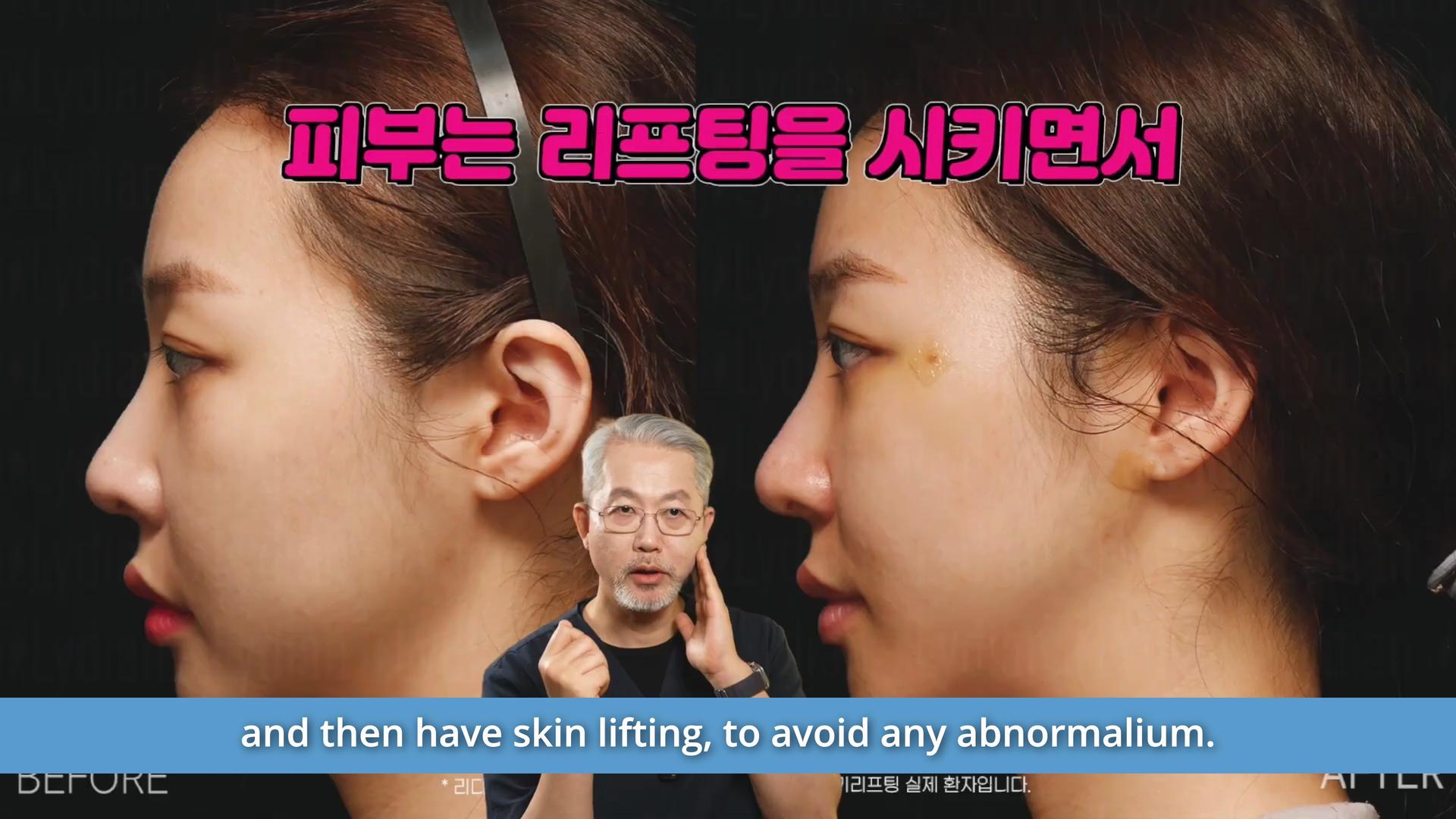
At the same time, not everyone with “aging” needs surgery. Many people need a targeted mix: subtle volume restoration in hollow areas, conservative filler placement for balance, and tightening or lifting treatments to support the skin. The right plan is the one that matches the face in front of you.
Does losing weight make the face age faster?
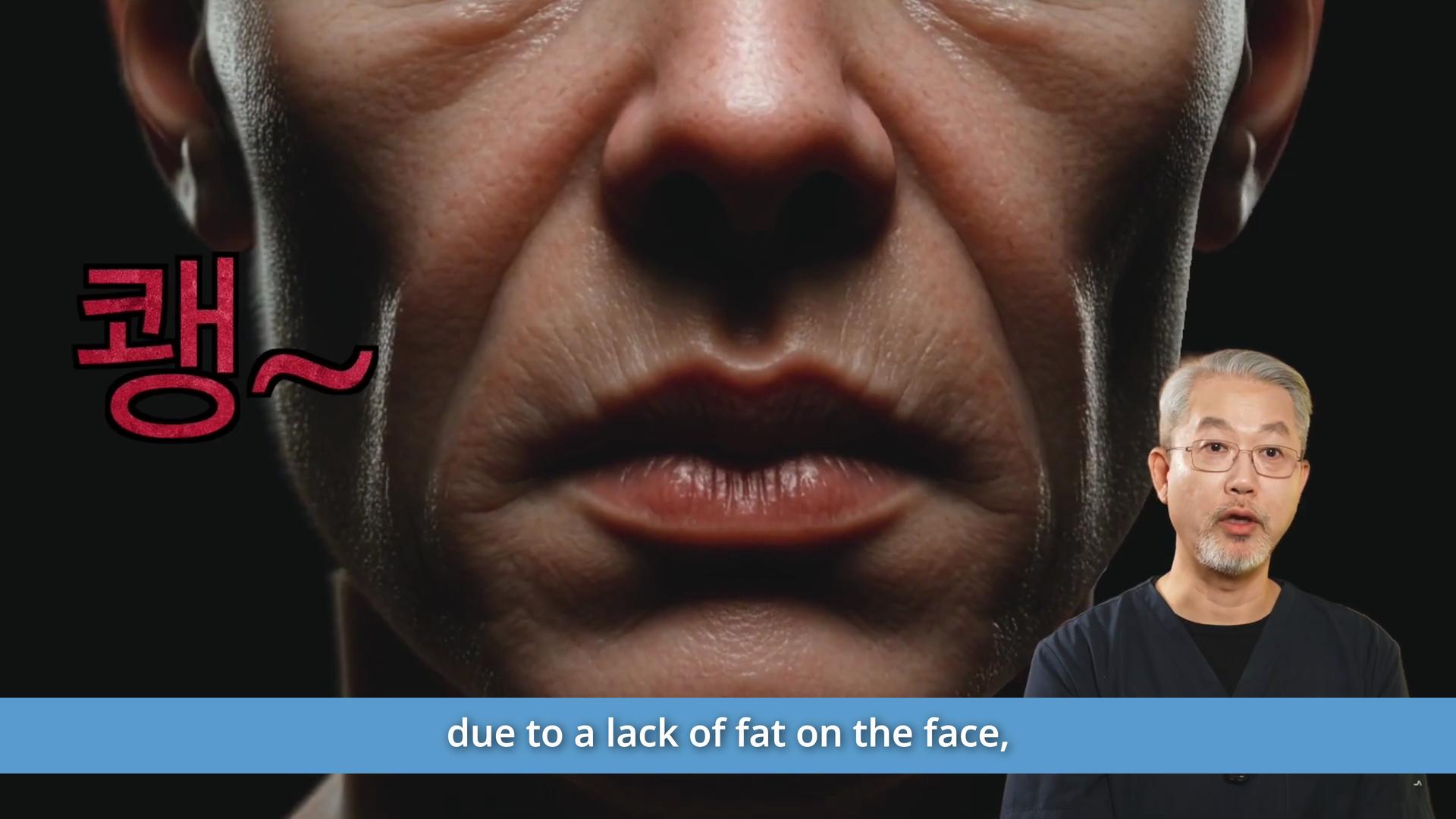
It can—especially when weight loss is rapid. Many people notice they lose facial fat early in the process, and the faster the loss, the more suddenly the face can look deflated. That deflation can reveal laxity that was previously “masked” by volume, creating the impression of accelerated aging.
If someone is planning to lose weight, doing it over a longer period and pairing it with thoughtful non-surgical lifting can help the face adjust more gracefully. The goal is to protect facial structure and skin support while the overall volume changes.
Can masseter Botox or aggressive Botox use cause sagging?
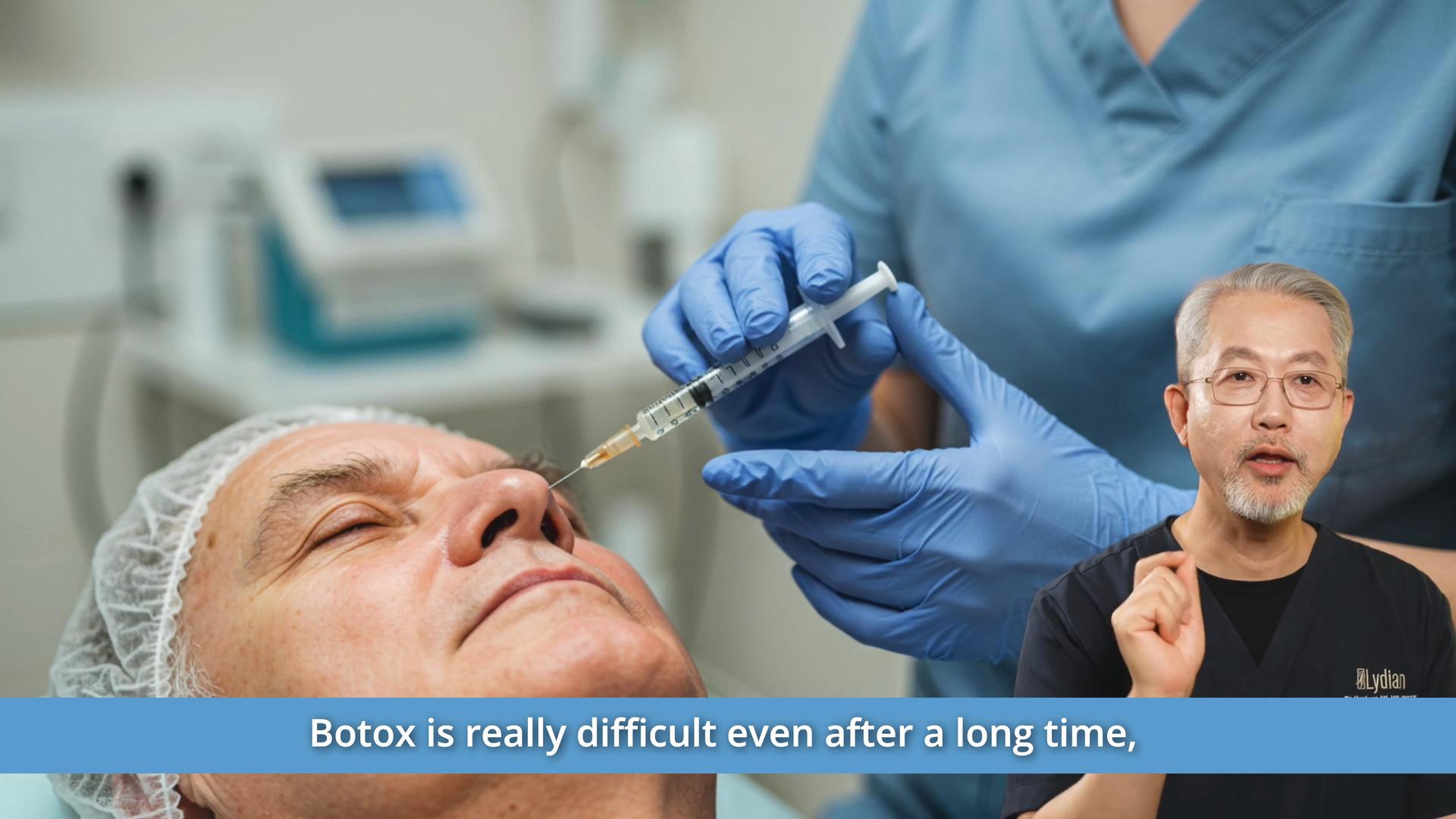
It’s important to be honest about what can go wrong. Botox can be excellent, but overly aggressive dosing—especially in the jaw muscles—can shrink the masseter dramatically and quickly. When that area loses support too suddenly, some people notice a new heaviness or sagging effect, and they can’t quite pinpoint why they look older. They may then chase the problem with multiple devices or treatments without addressing the real cause: the speed and degree of muscle reduction.

I’m not against Botox; I’ve used it for decades. But Botox should be treated like something that’s tailored, gradual, and timed well. When it’s done too strongly, the face can look unnatural—overly frozen, with movement that doesn’t match the person. A natural outcome usually comes from conservative dosing, proper technique, and combining muscle relaxation with appropriate lifting or skin-support treatments when needed.
If you start Botox or filler, do you have to keep doing it forever?
Think of Botox like a well-done perm for the face: it’s temporary, and it looks best when it’s done in a refined way rather than pushed to extremes. Botox typically lasts around three months for most people. Trying to force it to last much longer can create that stiff, unnatural look that makes people say they “don’t like Botox.” In reality, they often don’t like overly strong Botox.
Fillers are different in that they add volume, and the biggest problem I see is not filler itself but overfilling. Small amounts placed thoughtfully—little by little—can look natural and can be adjusted over time. And if needed, certain fillers can be dissolved. But when too much is placed, it becomes hard to know what’s happening underneath, and that’s when patients are more likely to experience dissatisfaction or complications.
How often should you get filler treatments?
The best results typically come from conservative, staged treatment rather than trying to do everything in one session. I prefer the “little by little” approach: add a small amount, let the face settle, reassess balance, and then decide if more is truly needed. This protects natural contour and reduces the risk of the face looking heavy or overdone.
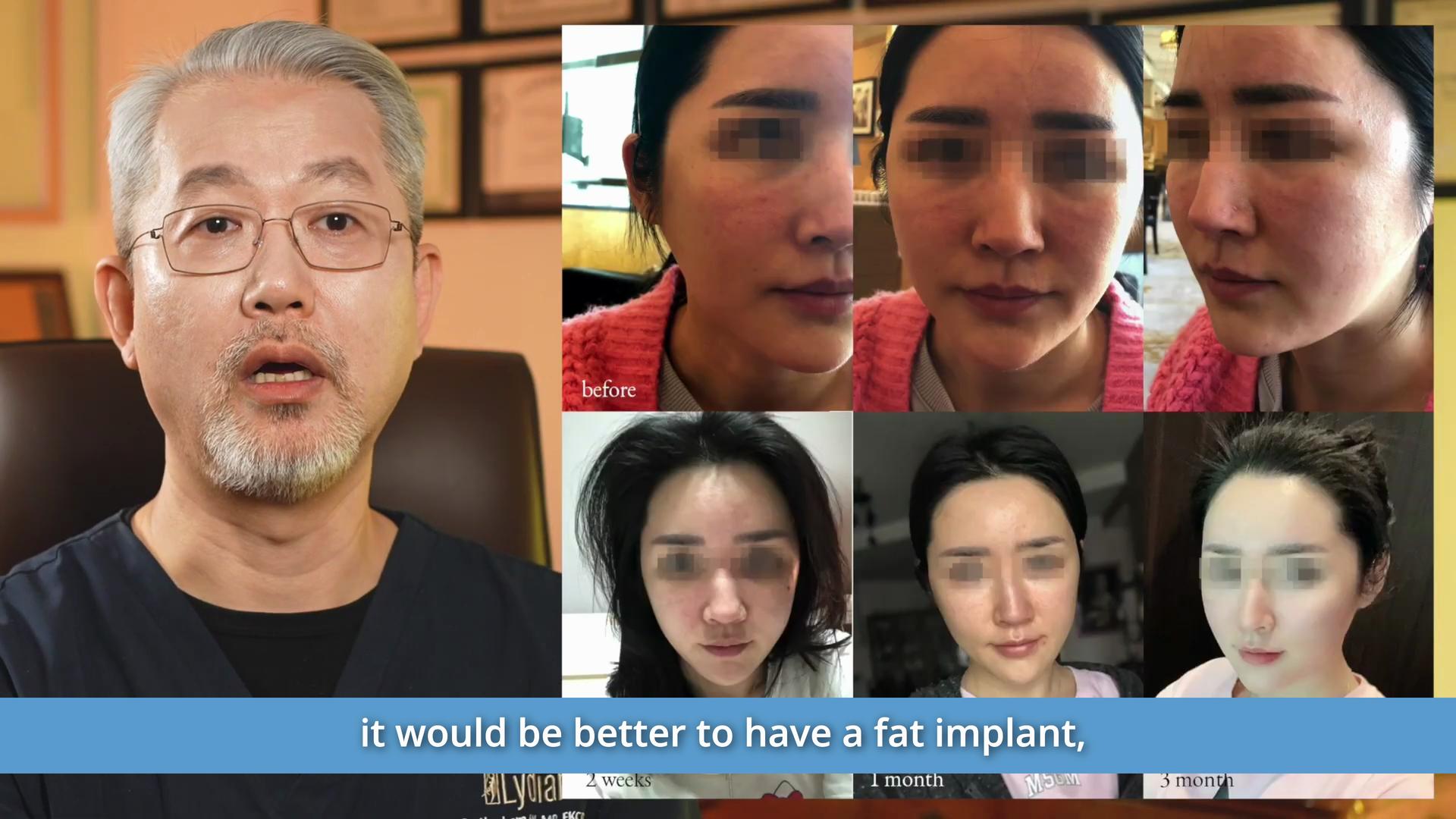
For patients who would require a large amount to correct widespread facial hollowness, repeated large-volume filler sessions may not be the ideal strategy—this is where fat grafting can be a better fit. For younger patients with early volume loss or mild contour concerns, small amounts of filler and appropriately timed Botox can be enough. For older patients, it’s rarely a good idea to rely on very large filler volumes alone to “rebuild” the whole face; at that stage, a broader plan often makes more sense.
What’s the smartest next step if you’re considering facial filler or fat grafting?
Start by getting a precise evaluation of what’s actually aging your face: is it mainly skin laxity, volume loss, muscle-driven wrinkling, structural change—or a combination? Once that’s clear, choosing between fillers, fat grafting, lifting treatments, or surgery becomes much more straightforward. The goal is not simply to look “fuller” or “tighter,” but to restore proportion, contour, and support in a way that still looks like you—just healthier, fresher, and more balanced.
More about Lydian Plastic Surgery Clinic
Lydian Plastic Surgery Clinic (Lydian Cosmetic Surgery & Dermatology Clinic) in Cheongdam, Gangnam, Seoul, brings a body-sculpting level of precision to facial rejuvenation treatments such as facial fillers, Botox for dynamic lines, solutions for aging-related sagging, and full-face fat grafting for natural volume restoration. The clinic is led by Dr. An Kyung Chun, recognized as one of Korea’s Top 18 Aesthetic Plastic Surgery Experts, Director of the 5D Liposculpture Academy, and listed among the World’s Top 100 Doctors in Stem Cell Aesthetic Medicine—credentials that reflect deep expertise in both aesthetic technique and regenerative approaches that can be applied to facial contouring and fat grafting. A key differentiator is Lydian’s commitment to avoiding outdated equipment through continuous investment in the latest devices from Korea and abroad, paired with an anatomy-based, individualized design philosophy that considers each patient’s proportions and contours to keep results balanced rather than “overdone.” Patients also benefit from a structured 4-step aftercare system focused on swelling reduction, irregularity correction, skin elasticity recovery, and residual contour refinement, supporting a smoother recovery and more polished outcomes after injectable treatments and fat transfer procedures.
Find more about this clinic here: Lydian Plastic Surgery Clinic