Medical Tourism Blog
Facial Contouring - Everything You Need To Know with Dr. Suh from MadeYoung
Table of contents
- A Clear Starting Point: Why Facial Contouring Deserves Respect
- Why I Focus Only on Facial Contouring Surgery
- Facial Contouring Is Bigger Than the “Three-Piece Set”
- The Real World: Primary Surgery vs. Revision and Asymmetry Cases
- My Approach: Going Beyond Standard Contouring Techniques
- Bone Is Only Half the Story: Why Soft-Tissue Handling Matters
- Is Facial Contouring Surgery Dangerous?
- Airway Preparedness: Skills Must Be Routine, Not Theoretical
- The Operating Room System: Responsibility From First Cut to Final Sutures
- What I Want Patients and Younger Surgeons to Remember
- Conclusion: Becoming Better Without Being Distracted
- More about Made Young Plastic Surgery
Considering treatment in Korea? Everything you need to know e.g. — how to avoid scams, visas, interpreters, recovery tips — in our Medical Tourism Master Guide. Plan with confidence in minutes, not weeks!
Disclaimer: The following is a guest post. The information and opinions expressed are not of koreaclinicguide.com but of Made Young Plastic Surgery
A Clear Starting Point: Why Facial Contouring Deserves Respect
Facial contouring surgery can change a person’s life—not only by refining lines and proportions, but by restoring confidence that has been worn down by long-standing insecurities or by previous surgeries that didn’t go as planned. It’s also a field that is often misunderstood as “just shaving bone.” In reality, it’s a broad, highly technical area where anatomy varies widely from person to person, and where the smallest decisions can influence both aesthetics and long-term function.
I’m Dr. Suh Beom-sin, chief director of MadeYoung Plastic Surgery, and I focus exclusively on facial contouring. I chose this path not because it’s trendy, but because the deeper I studied facial bone surgery, the more I realized how much there still is to learn—and how important it is to do this work with precision, humility, and a system built around safety.
Why I Focus Only on Facial Contouring Surgery
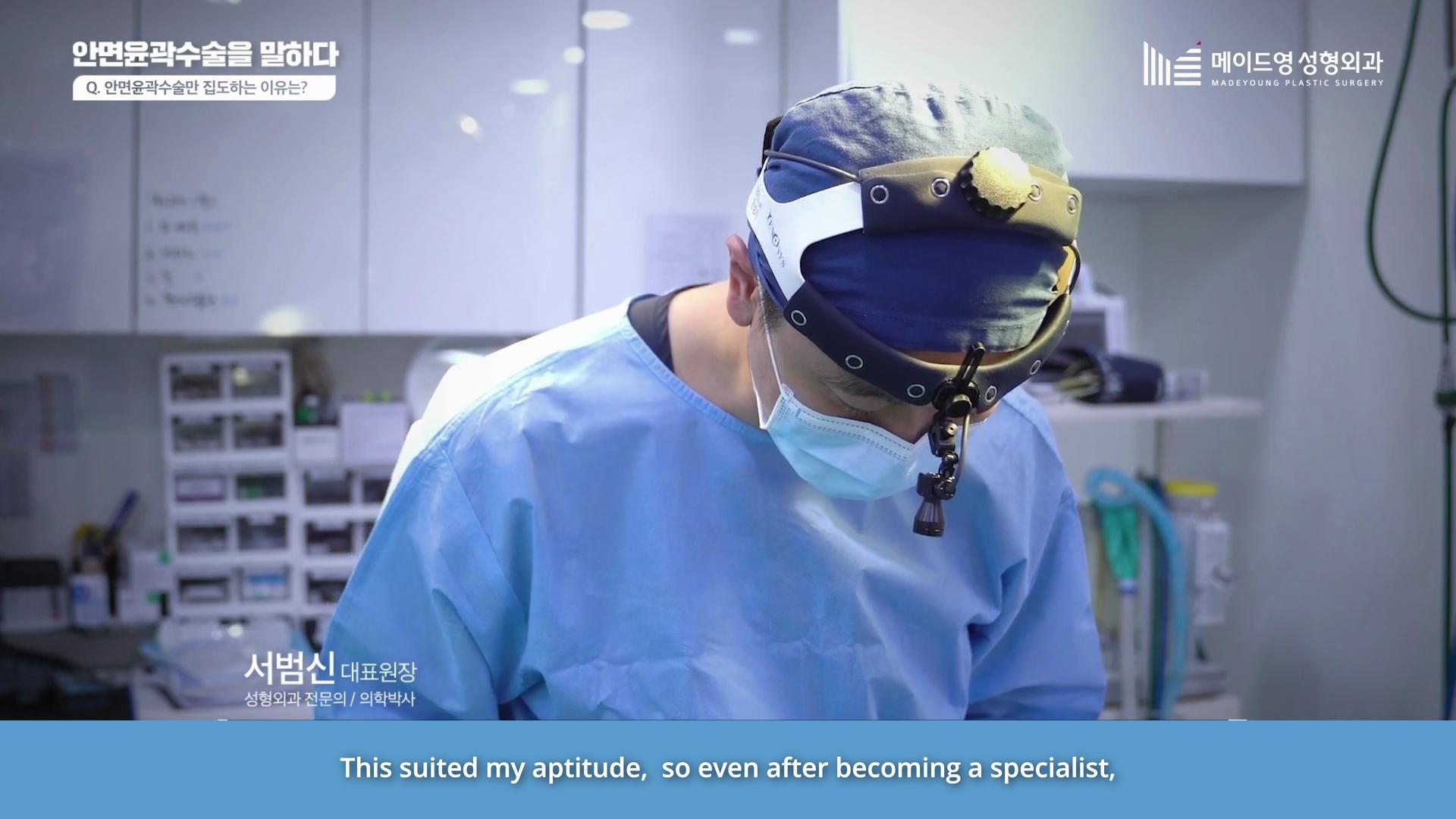
My focus on facial contouring didn’t begin as a marketing decision; it began with real cases in residency. I performed many facial fracture and reconstruction surgeries for patients whose facial bones were damaged in car accidents and other trauma. That experience taught me how complex facial bone anatomy really is—and how much responsibility comes with operating around critical structures.
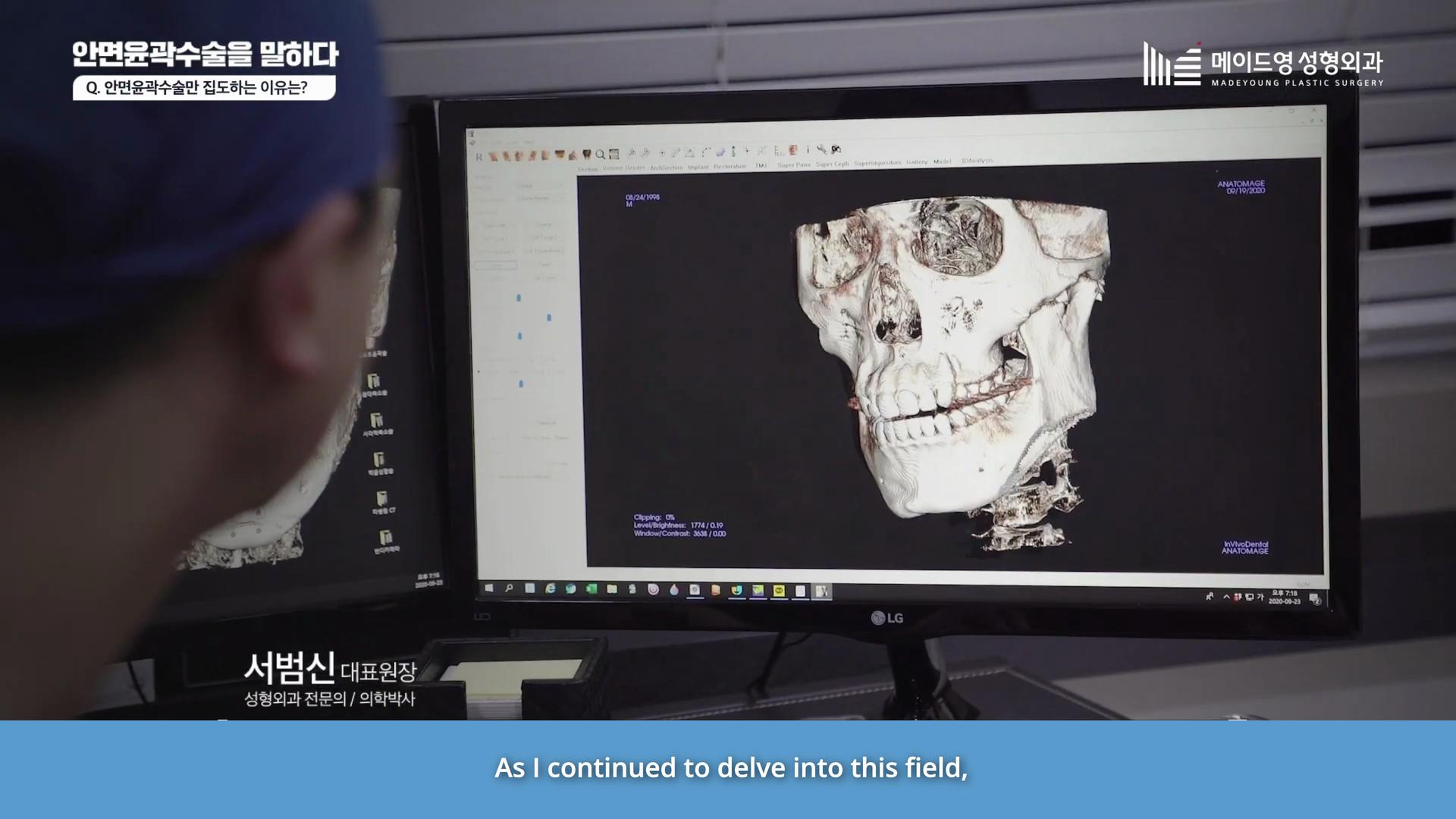
After becoming board-certified, I continued to concentrate on facial bone surgery and moved naturally into aesthetic facial contouring. Many surgeons follow a different path: eye and nose surgery first, then contouring later; contouring for a period, then moving to other procedures. For me, once I commit to something, I keep digging. What others might consider “good enough” never felt good enough, especially in a field where millimeters matter and where each patient’s anatomy—and goals—are genuinely unique.
Facial Contouring Is Bigger Than the “Three-Piece Set”
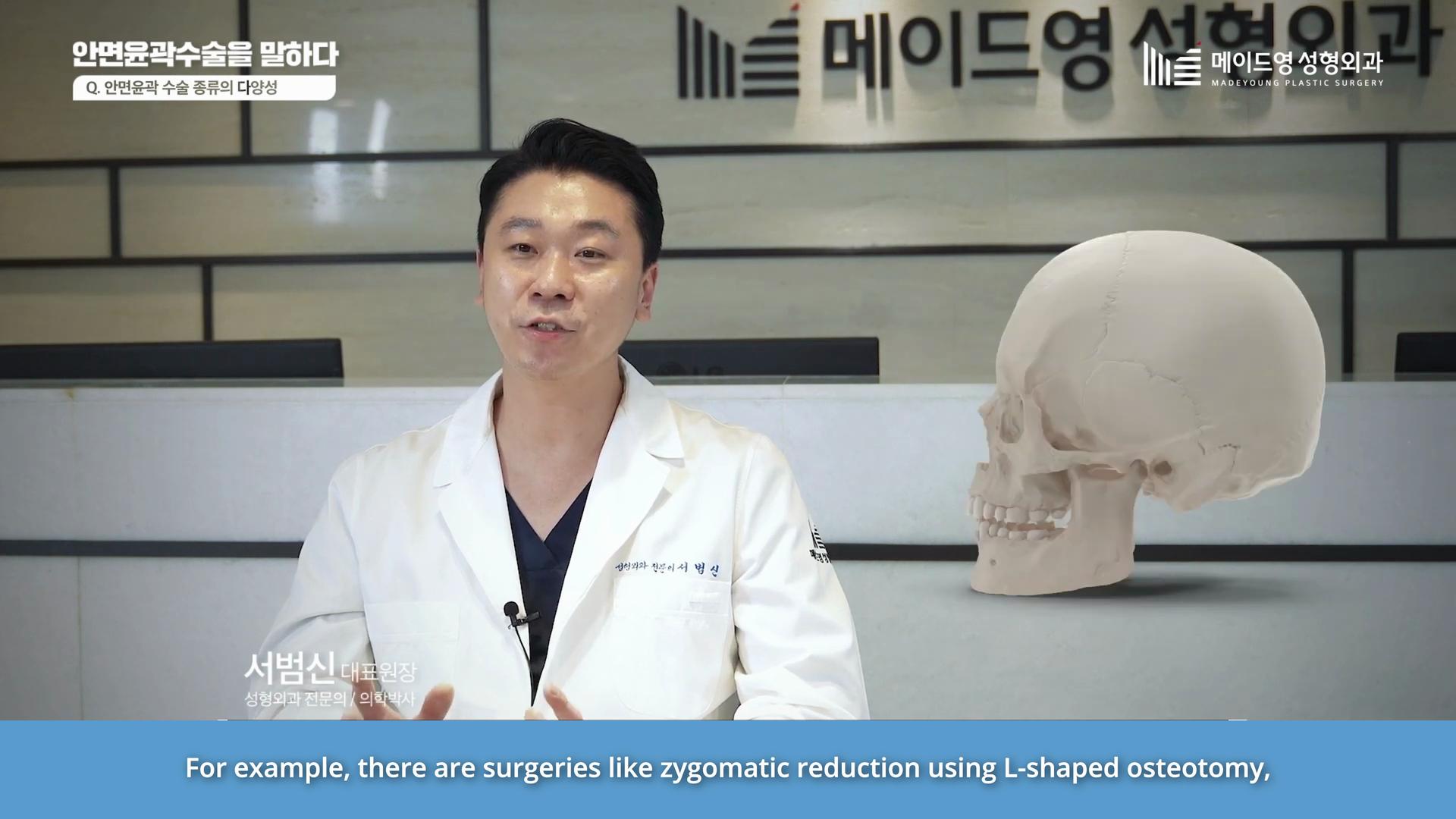
When people talk about facial contouring in Korea, the conversation often circles around a standard collection of techniques sometimes referred to as the “three-piece contouring set.” Broadly, this commonly includes cheekbone reduction using an L-osteotomy or I-shaped osteotomy, chin-tip reduction using a T-osteotomy or V-shaped osteotomy, and a long-curve mandibular angle reduction.
These are core procedures. In fact, I’d say they make up around 60% of the overall facial contouring field. Any surgeon performing facial contouring needs to know these techniques well—there’s no shortcut around mastering them.
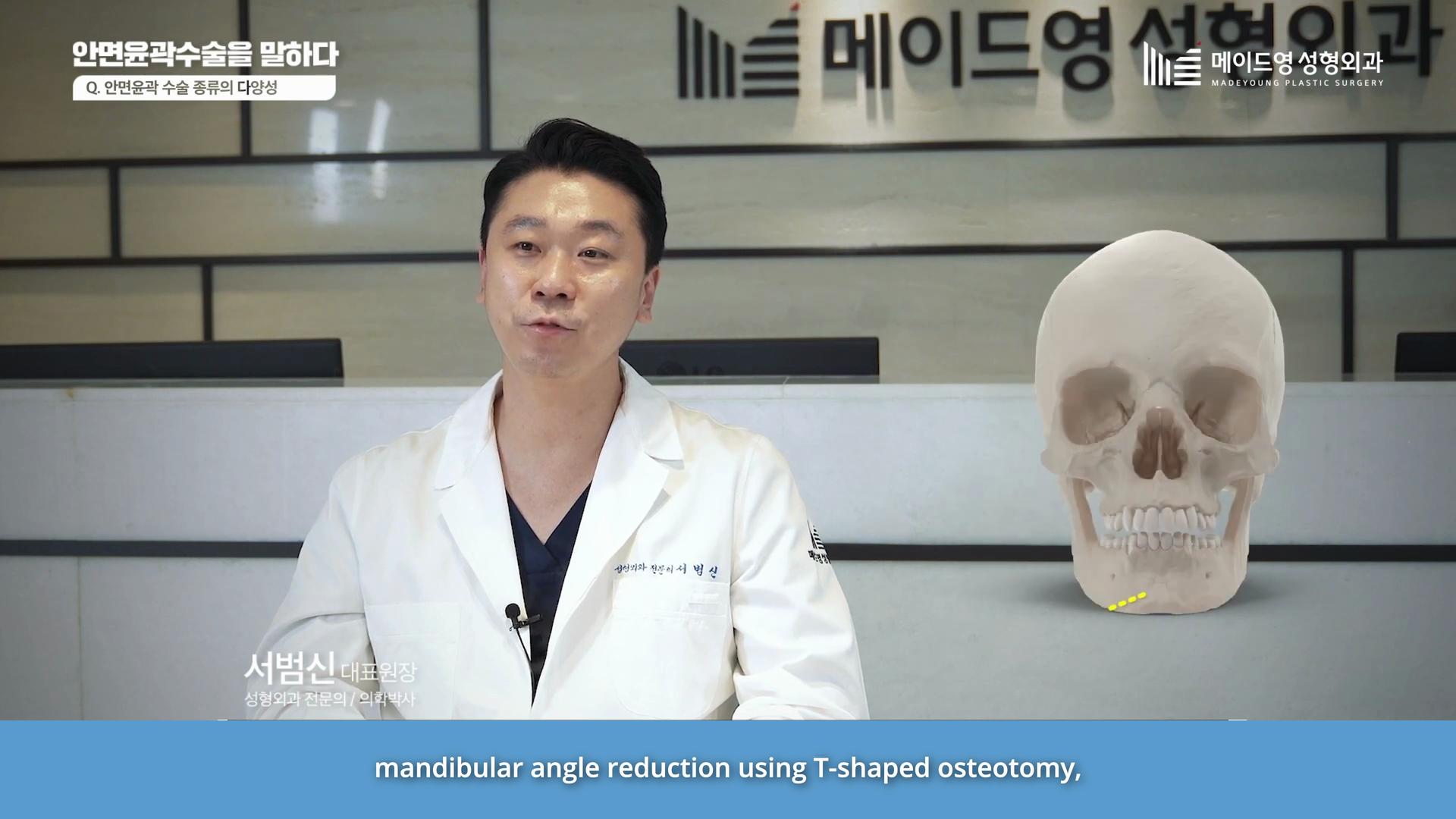
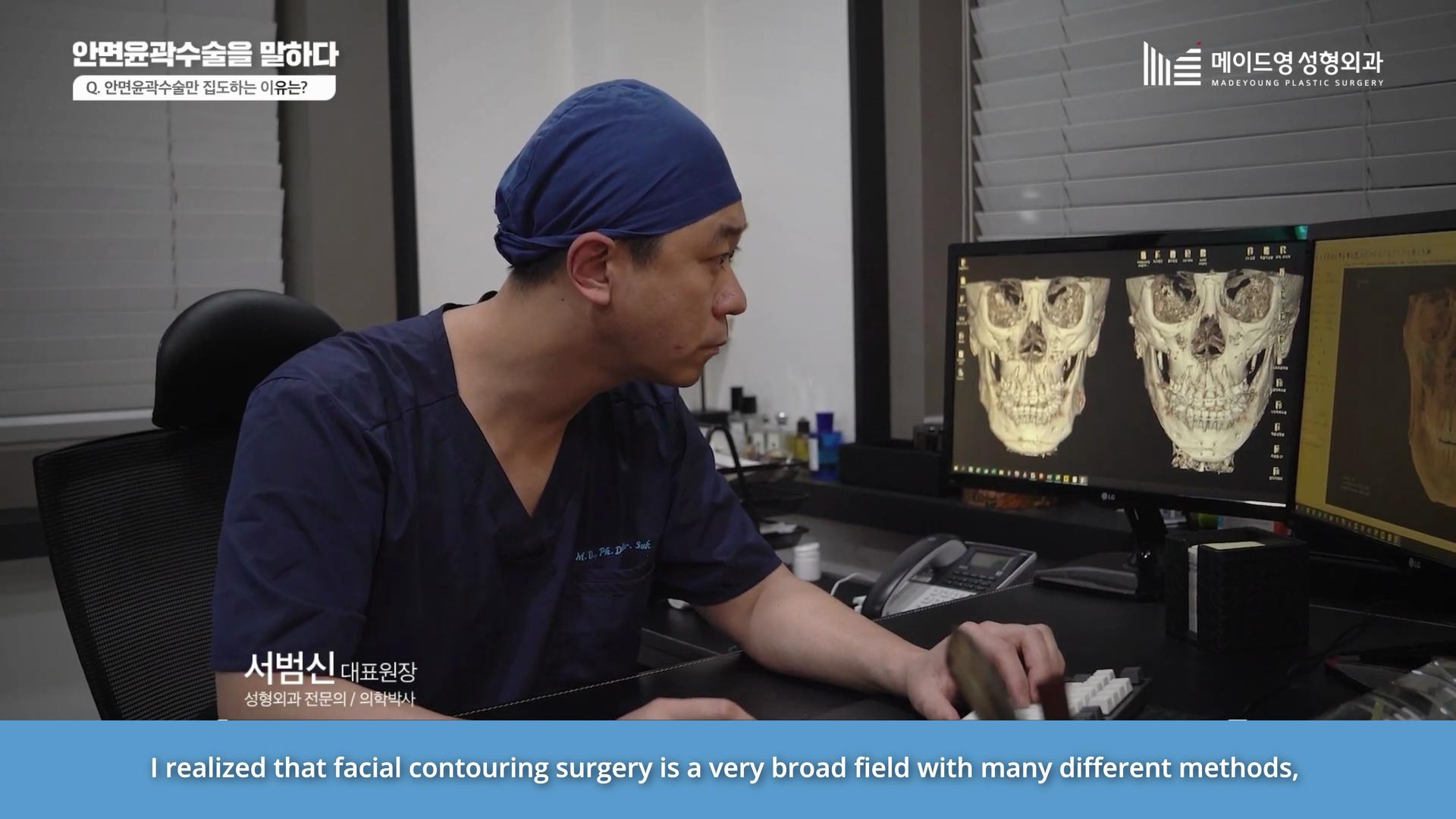
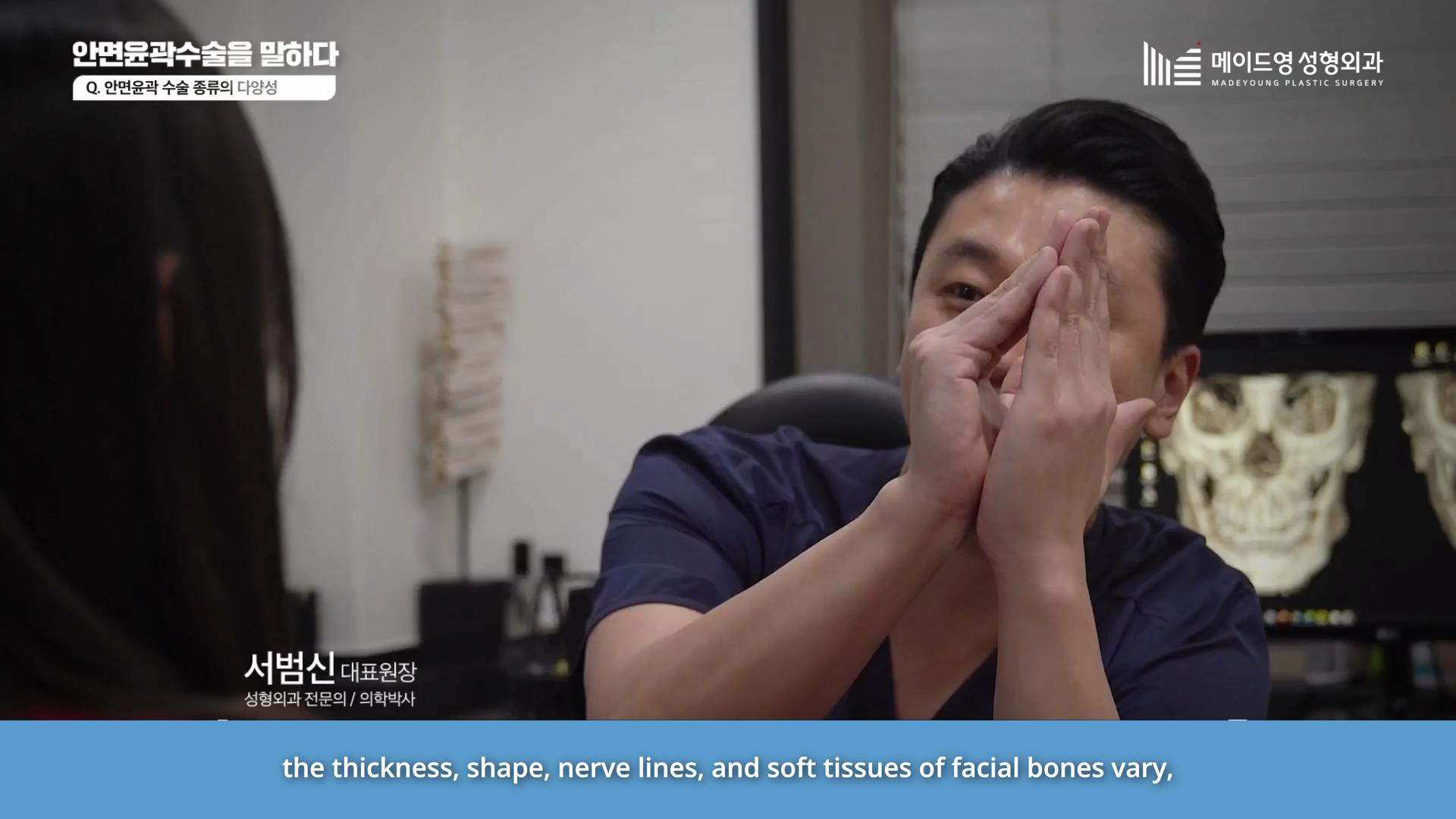
But the moment a surgeon starts seeing more variety—long-chin cases, asymmetry, and especially revision surgery—the limits of “standard” approaches show up quickly. If we include long-chin surgery, asymmetry correction, and revision contouring, the so-called three-piece set may address only about half of what actually walks into the clinic. Facial bones vary in thickness and curvature, nerve pathways differ, soft tissue thickness differs, and even the face shape a patient wants may not be the face shape that truly suits them.
The Real World: Primary Surgery vs. Revision and Asymmetry Cases
A major reason I keep expanding and refining my methods is that I see many revision consultations. In revision cases, anatomy is often no longer “normal.” Planes can be scarred, structures can be displaced, and previous bone work may have been done in a way that complicates both safety and aesthetics.
When I encounter cases where prior surgery was performed incorrectly—sometimes in ways the patient never expected—my job is not only to improve shape, but to solve a puzzle that can involve irregular bone contours, asymmetry that worsened rather than improved, and soft-tissue problems that become more visible over time. In those situations, relying only on a limited set of procedures is simply not enough.
Revision work forces a surgeon to think beyond templates. It demands a broader surgical vocabulary, and just as importantly, it demands a mindset that prioritizes safety and long-term stability over speed or “finishing at all costs.”
My Approach: Going Beyond Standard Contouring Techniques
Because facial contouring is broad, I contour using many different techniques rather than depending on one popular formula. Depending on the patient’s anatomy and goals, I may use contouring by burring and shaving; approaches involving a scalp incision when appropriate; cheekbone reduction along the zygomaticotemporal suture line that everyone naturally has; chin-tip resections optimized specifically for long-chin reduction; spindle-shaped osteotomies designed for chin and receding-chin augmentation; and an oblique mandibular angle reduction that preserves the angle beneath the ear while improving the front view.
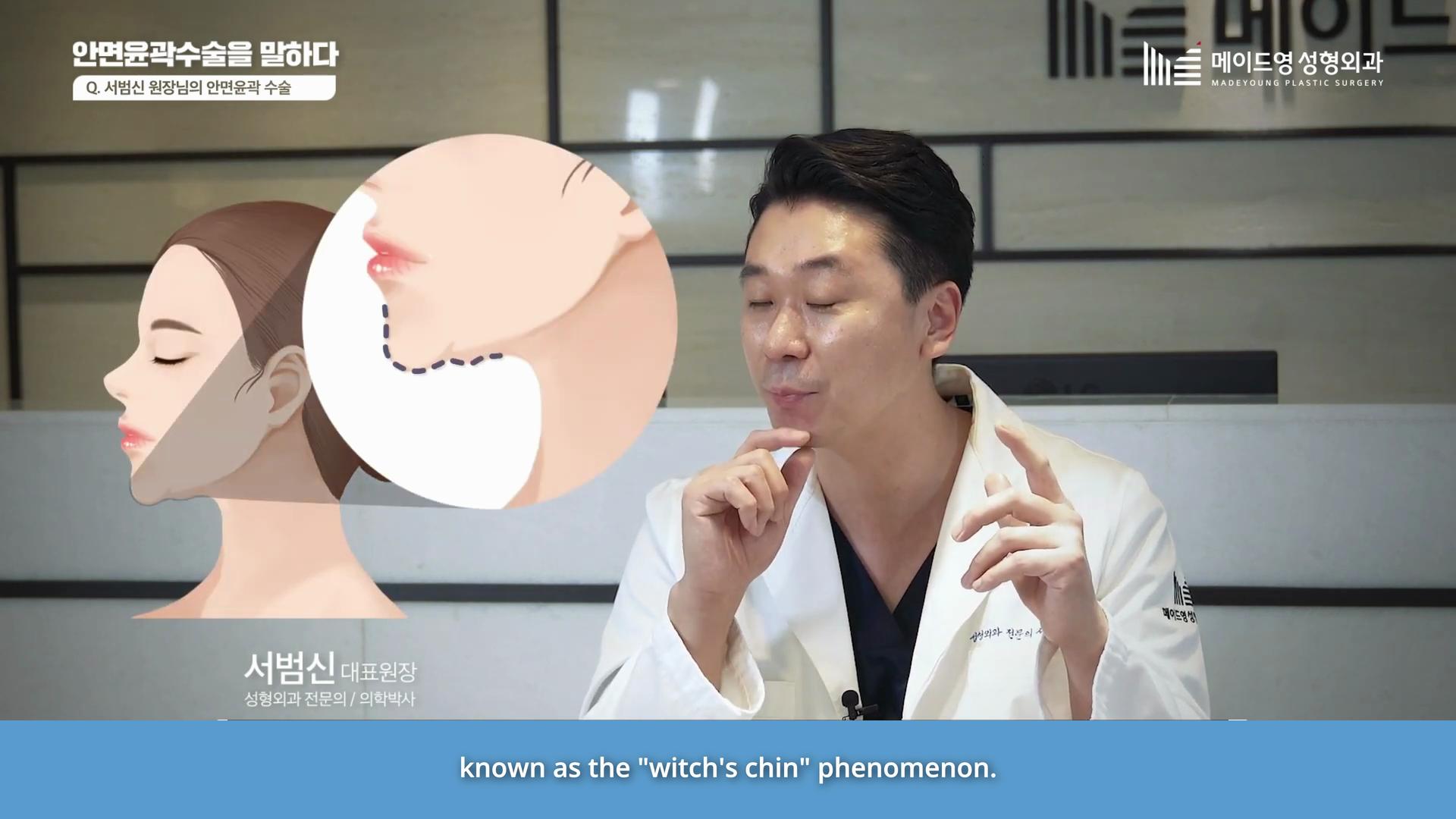
I also address concerns like a “witch’s chin” with approaches tailored to the situation, including intraoral incisions or a submental (under-chin) incision when needed. The point is not to collect techniques for the sake of complexity. The point is to choose the right tool for the right face—because facial contouring is not one surgery, but a field of surgeries.
Bone Is Only Half the Story: Why Soft-Tissue Handling Matters
Facial contouring usually isn’t about making structures bigger. It’s primarily reduction surgery, which means soft tissue must adapt to a smaller framework. This is where many outcomes are won or lost.
Soft-tissue handling includes repositioning the periosteum and muscles and properly managing tissues like superficial subcutaneous fat or deep buccal fat. Patients often focus on the bone cuts, but in practice, the quality of soft-tissue work can determine whether the result looks naturally refined—or looks pulled, droopy, or uneven.
A clear example is long-chin surgery. Reducing a long chin is not the same as performing an aesthetic V-line procedure. A V-line often reduces width horizontally, while long-chin surgery reduces height vertically. That difference changes what should happen after the bone work is completed.
If the muscle and periosteum are sutured the same way as in a typical V-line technique—or if that critical step is left to a junior doctor without the right experience—patients can develop a “witch’s chin,” where the chin tip appears to droop downward. Preventing that complication is not just about “closing the incision.” It’s about repositioning with intent. Even after the bone work is done, I personally perform the muscle and periosteum suturing and repositioning because I consider it as important—often more important—than making the bone look good on the operating table.
Is Facial Contouring Surgery Dangerous?
Facial contouring has a reputation for being dangerous, and I don’t deny it. It is high-risk surgery. The surgeon, anesthesiologist, and operating room staff must be prepared for emergencies at all times.
Two major concerns are heavy bleeding and breathing problems caused by airway narrowing. Ideally, there is minimal bleeding. But as a surgeon performs more cases—especially revisions—vascular injuries can occur more easily because the anatomy may be disrupted and scarred.
Here is the mindset I believe matters most: when massive bleeding occurs, accidents don’t happen simply because bleeding exists. Accidents happen when the team feels forced to continue—when the mindset becomes, “I have to finish the bone work no matter what,” even as conditions become unstable, or when a system pressures the surgeon to complete everything in one sitting.
Today, hemostatic devices and medications are advanced, and stopping bleeding itself is often achievable. But if significant bleeding happens, the priority must be hemostasis and safe closure—not completion. Even if the bone work cannot be finished in that session, surgery can be completed later, after vessels and tissues have stabilized. This approach has happened to me twice. I explained the situation honestly, and the patients understood. Later, I was able to complete the surgery successfully.
Airway Preparedness: Skills Must Be Routine, Not Theoretical
Breathing problems are different from bleeding problems because in a true airway emergency, what matters is what the team can do immediately—based on what they practice routinely. That’s why, when I put patients under general anesthesia, I often perform the intubation myself. It’s a habit from residency, but it’s also a deliberate choice: if I do facial contouring every day, I need to stay ready for unpredictable situations.
When an emergency happens, everyone becomes tense—including anesthesiologists. I’ve been told that having an operating surgeon who can intubate, or perform a tracheostomy if intubation isn’t possible, provides real reassurance. Some plastic surgeons may consider this “minor,” but I don’t. I treat emergency preparedness as a practical skill to maintain, not a concept to admire from a distance.
The Operating Room System: Responsibility From First Cut to Final Sutures
Because our clinic specializes in facial contouring, we operate with a system built around direct responsibility and consistency. I take responsibility from the first incision to the final sutures. We also maintain manuals for a wide range of scenarios so we remain prepared.
An anesthesiologist who understands the procedure is present throughout surgery, which improves coordination and stability. Our operating room staff are teammates who have worked closely with me over time; that teamwork allows me to focus solely on surgery, shortens critical operating time, and prevents panic if something unexpected occurs—because everyone already understands the flow and the plan.
What I Want Patients and Younger Surgeons to Remember
To patients considering facial contouring: choose a surgeon who can address your specific anatomy, not just someone who offers the most popular procedure names. Ask how revision problems are handled, what safety systems exist, and how soft tissue is managed—not only how bone is cut.
To doctors learning facial contouring or newly performing it: confidence is necessary, but arrogance is dangerous. The key phrase I repeat to myself is simple: be confident, but don’t be arrogant. Facial contouring rewards those who keep studying, keep refining technique, and keep building systems that protect patients when conditions are not perfect.
Conclusion: Becoming Better Without Being Distracted
When I complete a revision that other hospitals gave up on—and I see not only the patient’s appearance improve but their heart heal as well—I feel proud of choosing to commit deeply to this one field.
I plan to keep focusing on facial contouring and to keep improving, without being distracted by other surgeries. In a specialty where the last 1% can be the difference between an acceptable result and an excellent, stable one, continuous learning isn’t optional—it’s the work itself.
More about Made Young Plastic Surgery
Made Young Plastic Surgery is a premium clinic in Seoul’s Gangnam district specializing in facial contouring and anti-aging procedures, distinguished by a genuine dedication to both refined results and uncompromising safety. Patients are evaluated through direct consultation and diagnosis by a verified medical team composed only of highly skilled doctors with an average of 15+ years of experience, bringing extensive clinical insight to procedures such as cheekbone reduction (including metal-free cheekbone reduction), V-line surgery (including metal-free V-line techniques), genioplasty, and jaw reduction to create balanced, natural-looking facial proportions. Safety is reinforced by a comprehensive system that includes full-time, board-certified anesthesiologists on site, a 1:1 dedicated monitoring model where one anesthesiologist continuously monitors one patient, and a cross-check emergency response system supported by multiple anesthesiologists for rapid, precise decision-making, alongside full CCTV coverage of procedures for maximum transparency. Recovery is supported with a separate, dedicated aftercare center providing complete and systematic post-procedure care, and the clinic’s standards are further validated by official recognitions including the 2022 Korea No.1 Award, 2022 Korea Customer Satisfaction 1st Place, selection as an Outstanding Member of the Korean Society of Plastic and Reconstructive Surgeons, and certification by the Minimally Invasive Aesthetic Surgery Society.
Find more about this clinic here: Made Young Plastic Surgery