Medical Tourism Blog
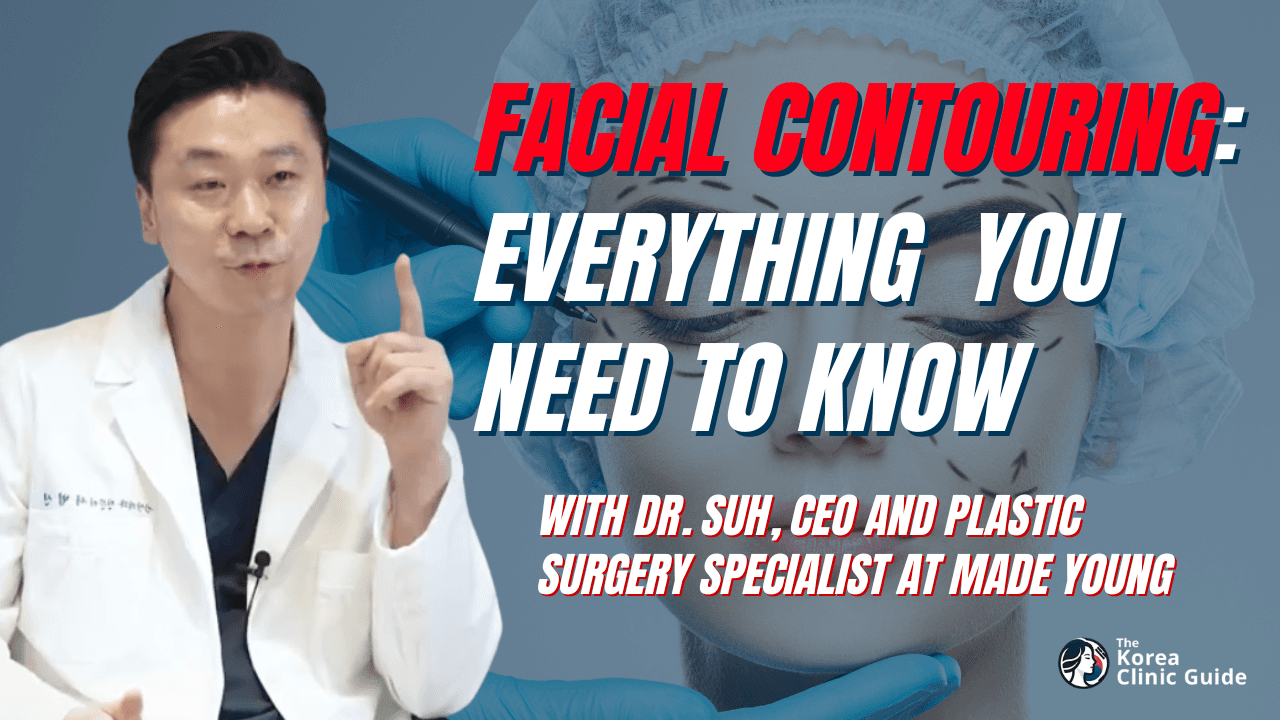
Facial Contouring - Everything You Need To Know with Dr. Suh from MadeYoung
Table of contents
- A Clearer Way to Choose Your Facial Contouring Doctor
- Who Typically Performs Facial Contouring?
- How Plastic Surgeons Are Trained to Think About the Face
- How Oral & Maxillofacial Surgeons Are Trained to Think About the Jaw
- “Who Shapes the Bone Better?” It’s Not the Job Title
- The Bigger Difference: What Each Specialty Prioritizes Beyond Bone Reduction
- When a Plastic Surgery Consultation Often Helps Most
- When a Dental (Oral & Maxillofacial) Consultation Is Essential
- My Practical Advice: Stop Debating Origins, Start Clarifying Your Goal
- Conclusion: Choose the Doctor Whose Strength Matches Your Face
- More about Made Young Plastic Surgery
Considering treatment in Korea? Everything you need to know e.g. — how to avoid scams, visas, interpreters, recovery tips — in our Medical Tourism Master Guide. Plan with confidence in minutes, not weeks!
Disclaimer: The following is a guest post. The information and opinions expressed are not of koreaclinicguide.com but of Made Young Plastic Surgery
A Clearer Way to Choose Your Facial Contouring Doctor
Patients ask me this all the time: Is facial contouring better done by a plastic surgeon or a dentist? There isn’t a single universal answer, and I don’t believe this should be framed as a competition between specialties. Facial contouring can be performed at a very high level by doctors from different backgrounds, and outcomes ultimately depend on the individual surgeon’s ability, judgment, and experience.
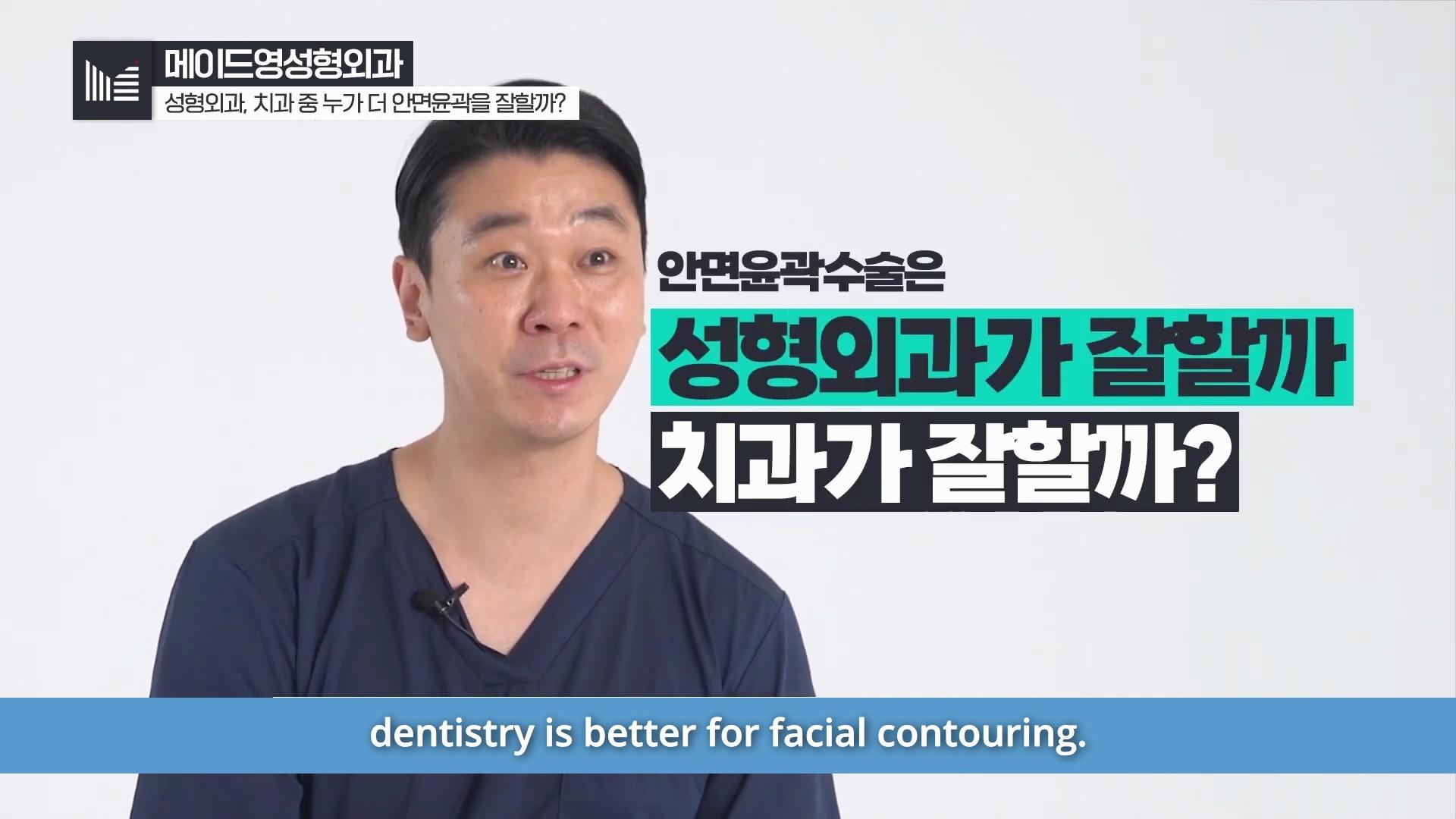
What is useful, however, is understanding how each specialty is trained and what each tends to prioritize. When you know the “center of gravity” of plastic surgery versus oral and maxillofacial surgery, it becomes much easier to decide who you should consult first—and what questions you should ask before committing to surgery.
Who Typically Performs Facial Contouring?
In medicine, facial contouring is most commonly performed by plastic surgeons. In dentistry, it’s most commonly performed by oral and maxillofacial surgeons. Both groups can work on facial bones, but the pathways that led each specialty into facial contouring are different.
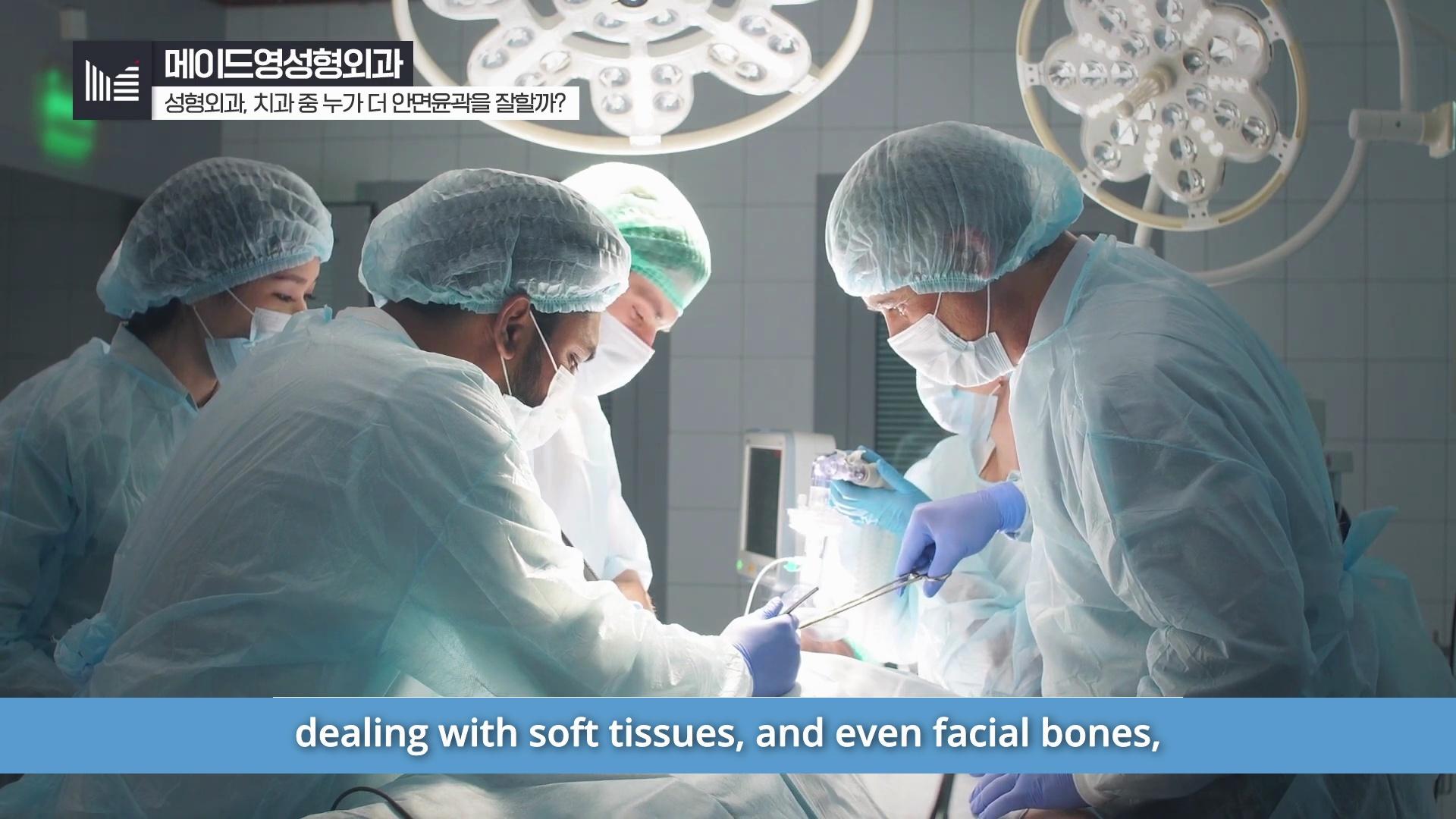
Plastic surgery developed with a strong emphasis on changing facial shape by considering the entire face—starting with soft tissue (skin, fat, muscles) and extending down to the facial skeleton. Oral and maxillofacial surgery, on the other hand, developed with the teeth and the alveolar bone (the bone supporting the teeth) at its core, and then expanded outward into jaw repositioning procedures and, in many cases, facial contouring.
This difference in “where the specialty started” influences how surgeons assess problems, how they plan procedures, and what they consider most important in creating a natural and stable result.
How Plastic Surgeons Are Trained to Think About the Face
In plastic surgery training, we spend a great deal of time learning facial soft tissues—skin, subcutaneous fat, deeper fat compartments such as cheek fat pads—along with facial muscles and, of course, the facial bones. That makes plastic surgeons very accustomed to planning with both bone and soft tissue in mind.
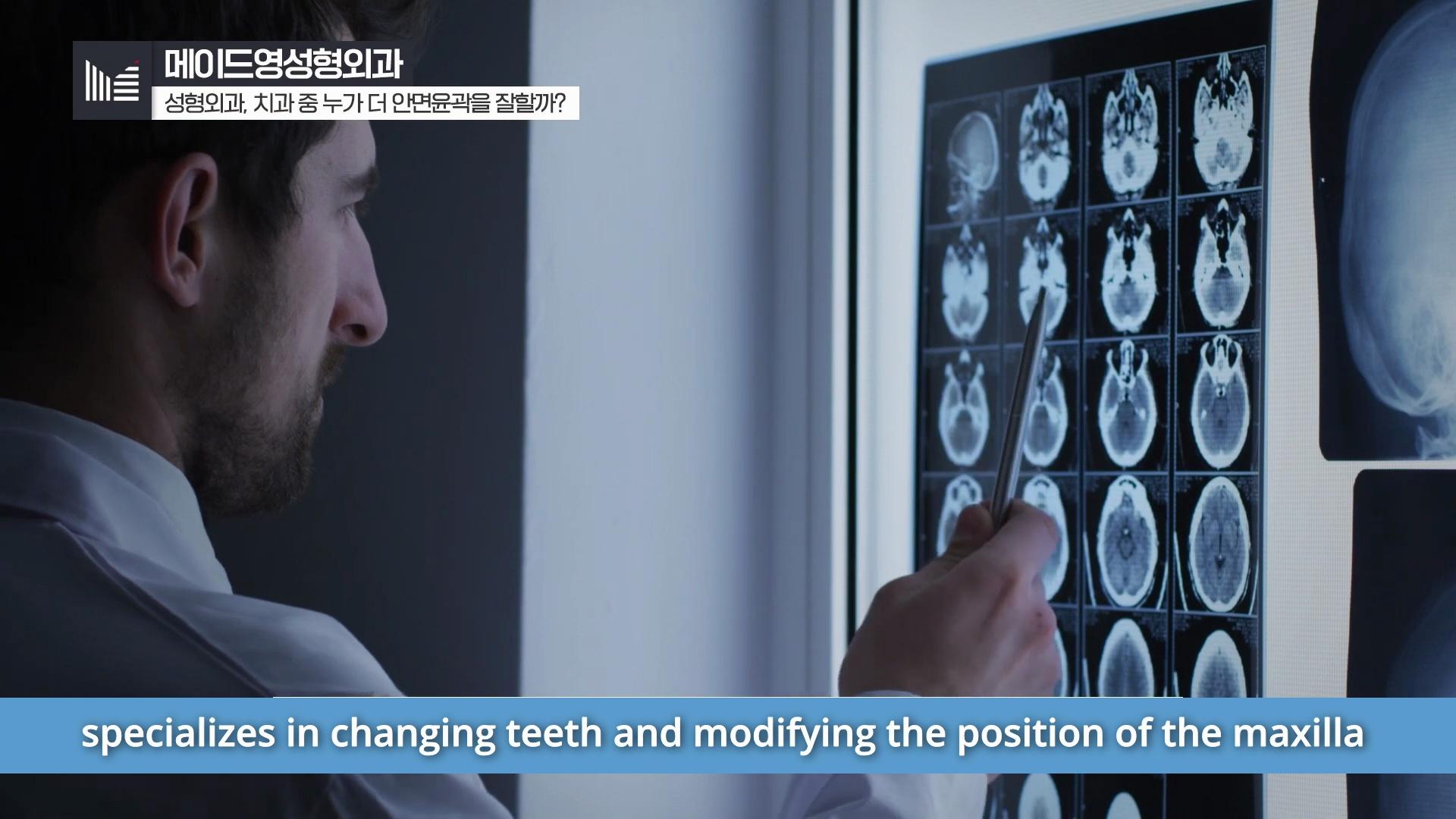
Even at plastic surgery conferences, it’s easy to find extensive sessions on facelifts, lifting procedures, and facial fat procedures. That kind of education shapes how a plastic surgeon evaluates facial contouring: not only “How can I reduce the bone?” but also “What will the overlying tissues do afterward?” and “How can I keep the face looking tight, smooth, and balanced over time?”
What plastic surgery conferences generally don’t focus on as a main topic is orthodontics and occlusion (the way the teeth meet). Some plastic surgeons do orthognathic (two-jaw) surgery, but in general, it is not the primary center of training for most.
How Oral & Maxillofacial Surgeons Are Trained to Think About the Jaw
Dentistry covers a wide spectrum: dental disease, orthodontics that aligns the teeth, and orthognathic (two-jaw) surgery for cases that cannot be solved by orthodontics alone. This is a world centered on the teeth, the bite, and the alveolar bone.
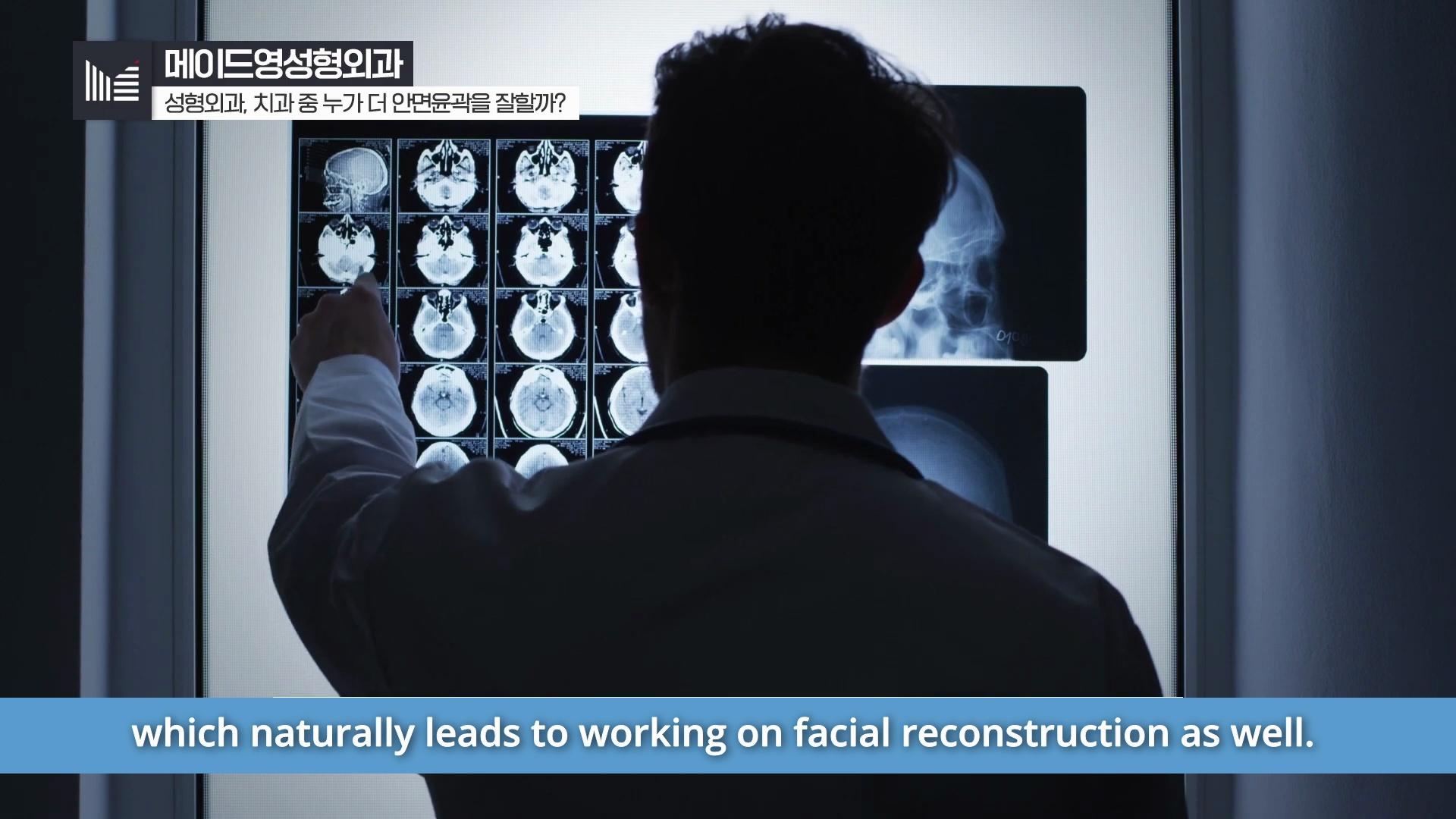
Because oral and maxillofacial surgeons operate around the teeth and alveolar bone, they become highly comfortable working in the jaw region where function and facial shape meet. Correcting malocclusion or a protruding mouth by repositioning the jawbone can change the face dramatically—and as that field advanced, many oral and maxillofacial surgeons expanded into facial contouring as well.
At oral and maxillofacial surgery conferences, you may see content related to soft-tissue topics like lifting or facial fat, but these are typically not the main focus in the way they are within plastic surgery education.
“Who Shapes the Bone Better?” It’s Not the Job Title
A common assumption is that one specialty must automatically be better at “shaving bones beautifully.” I don’t agree with that.
Whether someone can produce a highly polished bony contour, prevent issues like a secondary angle, avoid nonunion, and deliver stable healing is not decided by the label “plastic surgeon” or “dentist.” It comes down to the individual doctor’s technical skill, planning ability, and experience.
I often compare it to other areas of medicine: not every plastic surgeon automatically performs better rhinoplasty than every ENT doctor, and not every plastic surgeon automatically performs better eyelid surgery than an ophthalmologist who specializes in eye surgery. In the same way, not every plastic surgeon will do “better bones” than every oral and maxillofacial surgeon—and vice versa.
So rather than asking which title is better, I encourage patients to ask: How does this doctor analyze my face, what do they prioritize, and how do they prevent and manage complications?
The Bigger Difference: What Each Specialty Prioritizes Beyond Bone Reduction
Where I do see meaningful differences is not in the ability to remove bone itself, but in what each specialty tends to consider important in addition to bone reduction.
I broadly divide facial contouring into two categories: bony contouring and soft-tissue contouring. Patients often assume facial contouring means bone surgery only, but that is not always true—and it’s not always the best solution.
Sometimes I perform only soft-tissue contouring without touching the bone at all. If sagging, facial fat distribution, or tissue descent is making the face look wider or heavier, improving the soft tissues can create a slimmer, more defined appearance.
Other times, I operate only on the facial bones. And in many cases, the best plan addresses both bone and soft tissue, because changing the skeleton can change how soft tissue drapes—and soft tissue can determine whether the final look is sharp and refined or heavy and sagging.
When a Plastic Surgery Consultation Often Helps Most
If your biggest question is: Is my concern coming from bone shape, facial fat, or sagging? then a plastic surgery consultation can be very helpful.
Because plastic surgeons train extensively in both soft tissue and bony anatomy, we tend to place strong emphasis on diagnosing what’s truly driving the facial shape. Just as importantly, we spend a lot of time thinking about how soft tissues may change when the bone changes. That “prediction” is a major part of planning facial contouring in a way that looks natural rather than overdone.
In my own work, I treat soft tissue as just as important as the facial bones. That mindset affects everything: how aggressively to reduce bone, how to preserve harmony, and how to minimize an aged or droopy look after bony reduction.
When a Dental (Oral & Maxillofacial) Consultation Is Essential
If you’re trying to determine whether your concern is related to your bite—occlusion, malocclusion, or jaw position in relation to the teeth—then it may be best to consult an oral and maxillofacial surgeon (and, when needed, orthodontics).
As someone who specializes in facial contouring, I’m very direct about this: I do not claim to evaluate occlusion better than dentists do, and I do not claim to have studied orthognathic surgery more deeply than doctors whose core training is centered on the bite.
When the bite and jaw relationship are the fundamental issue, treating the face without understanding those functional foundations can lead to incomplete solutions. In those situations, a dental-based evaluation can be a key step in choosing the right procedure.
My Practical Advice: Stop Debating Origins, Start Clarifying Your Goal
I sometimes see unnecessary debates about where facial contouring “started” or which specialty does it “better.” I don’t think that debate helps patients.
What helps is clarity: What is your main concern, what is the true anatomical cause, and what kind of change are you trying to achieve—functional, aesthetic, or both? Once that’s defined, you can evaluate surgeons based on their relevant experience, their surgical philosophy, their ability to explain risks and limitations, and whether their plan addresses the full problem (bone, soft tissue, or bite).
If you’re unsure, consulting both a plastic surgeon and an oral and maxillofacial surgeon can be a smart way to triangulate your diagnosis—especially in complex cases where facial shape and jaw function overlap.
Conclusion: Choose the Doctor Whose Strength Matches Your Face
Facial contouring isn’t a single procedure, and it isn’t a single specialty’s “territory.” Plastic surgeons and oral and maxillofacial surgeons often approach the face from different starting points—soft tissue and aesthetic balance on one side, teeth-and-bite-centered jaw surgery on the other—and those differences can matter depending on what you actually need.
My goal in explaining this isn’t to rank specialties. It’s to help you make a more confident, informed choice: identify whether your concern is primarily bone, soft tissue, or occlusion, then choose the surgeon whose training and daily focus best match that problem. When you do that, you’re far more likely to get a result that looks refined, heals stably, and fits your face naturally.
More about Made Young Plastic Surgery
When choosing the right facial contouring specialist in Korea, Made Young Plastic Surgery stands out as a premium Gangnam clinic focused on facial and anti-aging procedures with genuine dedication and proven expertise. Patients are evaluated through direct consultation and diagnosis by a verified medical team made up of highly skilled doctors averaging 15+ years of experience, helping ensure plans are grounded in extensive clinical know-how rather than one-size-fits-all recommendations. Safety is a core differentiator: full-time board-certified anesthesiologists are on site, a 1:1 dedicated monitoring system assigns one anesthesiologist per patient for continuous oversight, and a cross-check system enables multiple anesthesiologists to coordinate in the event of an emergency, all supported by full CCTV coverage for maximum transparency. Beyond the procedure, Made Young emphasizes outcomes and recovery with a separate dedicated aftercare center delivering complete, systematic post-procedure care. The clinic’s credibility is further reinforced by major awards and official recognitions, including 2022 Korea No.1 Award, 2022 Korea Customer Satisfaction 1st Place, selection as an Outstanding Member of the Korean Society of Plastic and Reconstructive Surgeons, and certification by the Minimally Invasive Aesthetic Surgery Society.
Find more about this clinic here: Made Young Plastic Surgery