Medical Tourism Blog
Anti-Aging - Which Lifting Method is Right For Me? with Dr. Lim from PangPang Clinic
Table of contents
- Introduction: Can you really stop aging and restore elasticity?
- Why does facial skin lose elasticity as we age?
- If collagen is declining, do collagen supplements or topical collagen help?
- How do environment and dryness accelerate skin aging?
- Which lifting treatment should you choose for anti-aging?
- What is ultrasound lifting (Ulthera, Shurink), and who is it best for?
- What is radiofrequency lifting (Thermage, Oligio, Inmode), and what does it improve?
- How do you decide between ultrasound lifting and RF lifting?
- What if you don’t see results from laser (RF) lifting?
- How does thread lifting work, and why can it be more effective for sagging?
- Conclusion: What’s the smartest next step to choose the right lifting method?
- More about PangPang Clinic
Considering treatment in Korea? Everything you need to know e.g. — how to avoid scams, visas, interpreters, recovery tips — in our Medical Tourism Master Guide. Plan with confidence in minutes, not weeks!
Disclaimer: The following is a guest post. The information and opinions expressed are not of koreaclinicguide.com but of PangPang Clinic
Introduction: Can you really stop aging and restore elasticity?
Elasticity is one of the most common concerns I hear, and it’s one I share as well. When we’re young, our skin naturally looks brighter and more “alive,” but with time, that glow can fade and the face can begin to look like it’s slowly being pulled downward. Many people ask me, “How do you stop aging?” My honest answer is that we can’t stop time or gravity completely—but we can understand what’s changing in the skin and choose lifting treatments that help slow down visible aging in a meaningful, natural-looking way.

In this article, I’ll walk you through why sagging happens, how environment accelerates aging, and how to choose among today’s most popular anti-aging lifting options: ultrasound lifting (like Ulthera and Shurink), radiofrequency lifting (often called laser lifting, including Thermage, Oligio, and Inmode), and thread lifting—especially for people who don’t get enough results from machines alone.
Why does facial skin lose elasticity as we age?
The biggest causes of visible aging are loss of elasticity and the formation of wrinkles. Even if you do many skincare steps perfectly, the two forces that create the most noticeable change are gravity and time. Gravity consistently pulls downward, and over the years, the structures that once held the face up begin to weaken.
One of the key structural changes is the decrease in collagen. Collagen doesn’t just make skin look “plump”—it also acts like a support framework for the tissues. I often compare it to a building: when a building’s supports are strong, it stands firm. But if those supports weaken, the building can start to sag or collapse. In a similar way, when collagen decreases, the tissues are less able to resist downward pull, and sagging can start to show more clearly along areas like the cheeks, jawline, and around the mouth.
If collagen is declining, do collagen supplements or topical collagen help?
I’m asked this very often, and the answer depends on what your goal (and your “standard”) is. If someone expects collagen products—whether applied or taken—to return them to their teenage or early-twenties face, that’s not realistic. Nothing is 100% effective, and we can’t fully reverse the natural effects of aging.

However, there’s an important point people forget: even if something isn’t “perfect,” it can still be beneficial compared to doing nothing. In other words, while collagen-related efforts may not create a dramatic time reversal, many people can still delay aging changes more effectively when they combine good habits and appropriate procedures.
How do environment and dryness accelerate skin aging?
Beyond time and gravity, one of the biggest modern contributors to aging is a dry environment. As we get older, our skin naturally tends to become drier. That dryness can make fine lines look more obvious and can make the skin appear less radiant—like that youthful glow is slowly disappearing.
In daily life, the air itself often works against us. Indoor heating is common, and dry air can affect both the skin and even the respiratory system. When the skin is persistently dry, it doesn’t reflect light as well, and the surface can look rougher—making the face appear more tired and aged. This is why anti-aging is never only about one “magic” treatment; it’s also about reducing the factors we can control while acknowledging that we can’t completely fight gravity and time.
Which lifting treatment should you choose for anti-aging?
Many people are now familiar with the idea of “lifting treatments,” and I’ve heard of younger people even gifting treatments such as Thermage or Ulthera to parents. But the choices can feel overwhelming, and pricing can vary widely. The most important concept to understand is that machine-based lifting treatments are generally divided into two major categories: ultrasound lifting and radiofrequency lifting.

Both aim to tighten and improve sagging, but they work differently, target different layers, and suit different concerns. The best option depends on your skin thickness, skin type, and whether your primary issue is localized sagging, overall elasticity, or fine wrinkles.
What is ultrasound lifting (Ulthera, Shurink), and who is it best for?
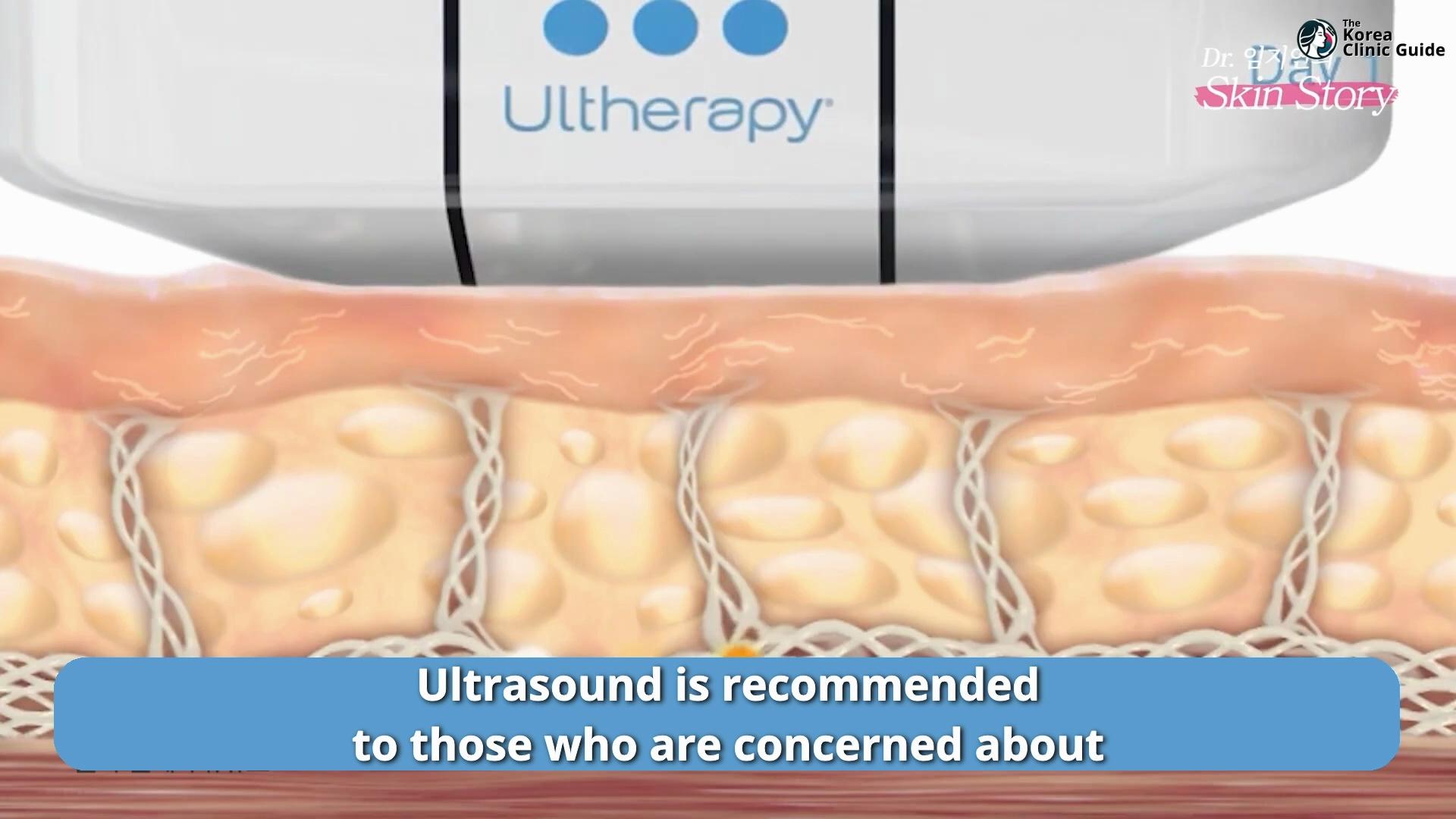
Ultrasound lifting delivers energy deep into the skin—down to the fascia layer—using a focused approach. I describe it like focusing sunlight with a magnifying glass: energy is concentrated at a targeted depth rather than spread broadly on the surface.
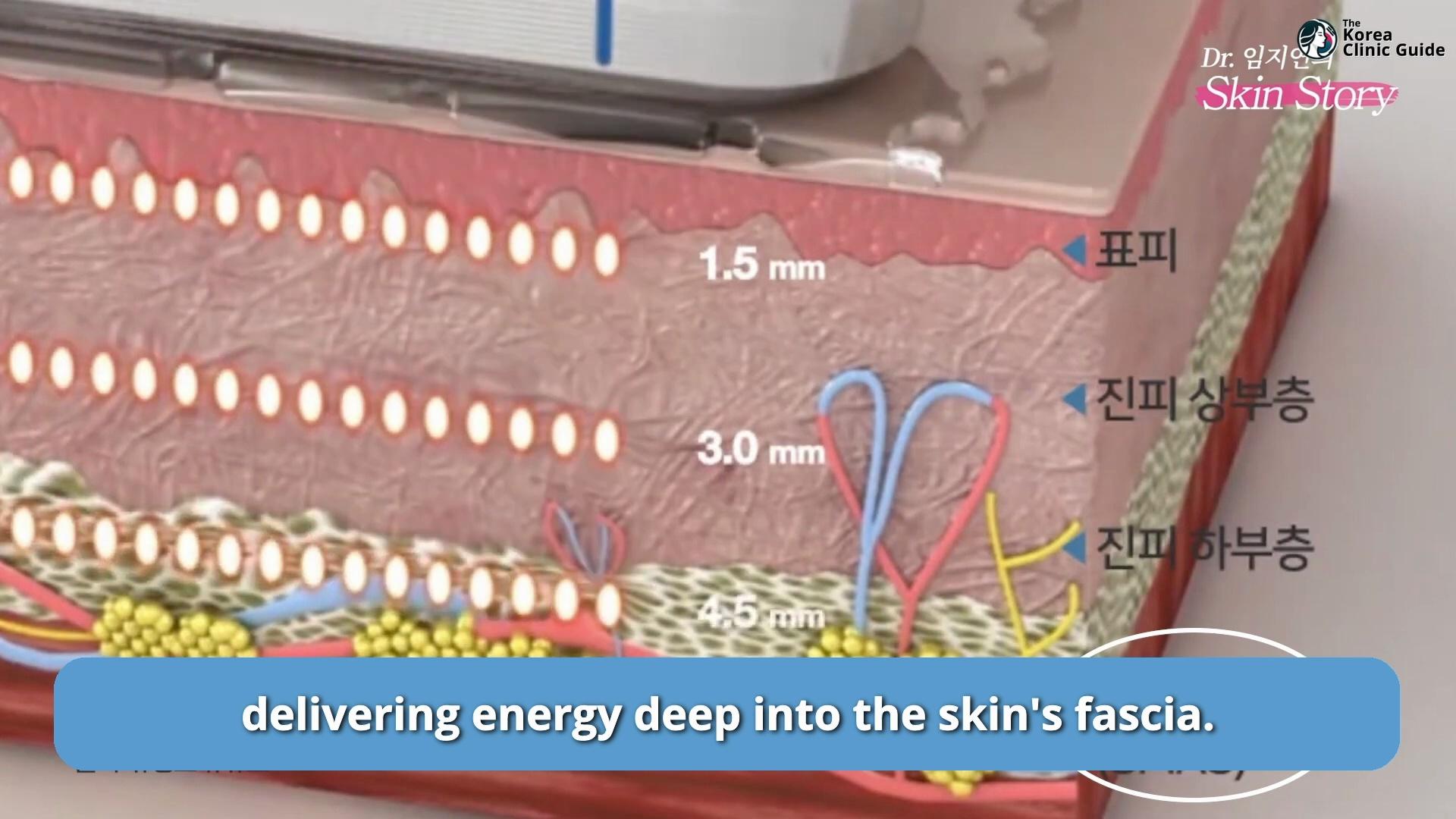
Well-known ultrasound lifting procedures include Ulthera and Shurink. In my experience, ultrasound lifting can be a good option for people who are concerned about sagging in a specific area—when the concern is more about “lifting” than overall skin texture. If someone looks in the mirror and feels that a certain part of the face is dropping or losing definition, ultrasound lifting is often considered because it can deliver energy deeper where support matters.
What is radiofrequency lifting (Thermage, Oligio, Inmode), and what does it improve?
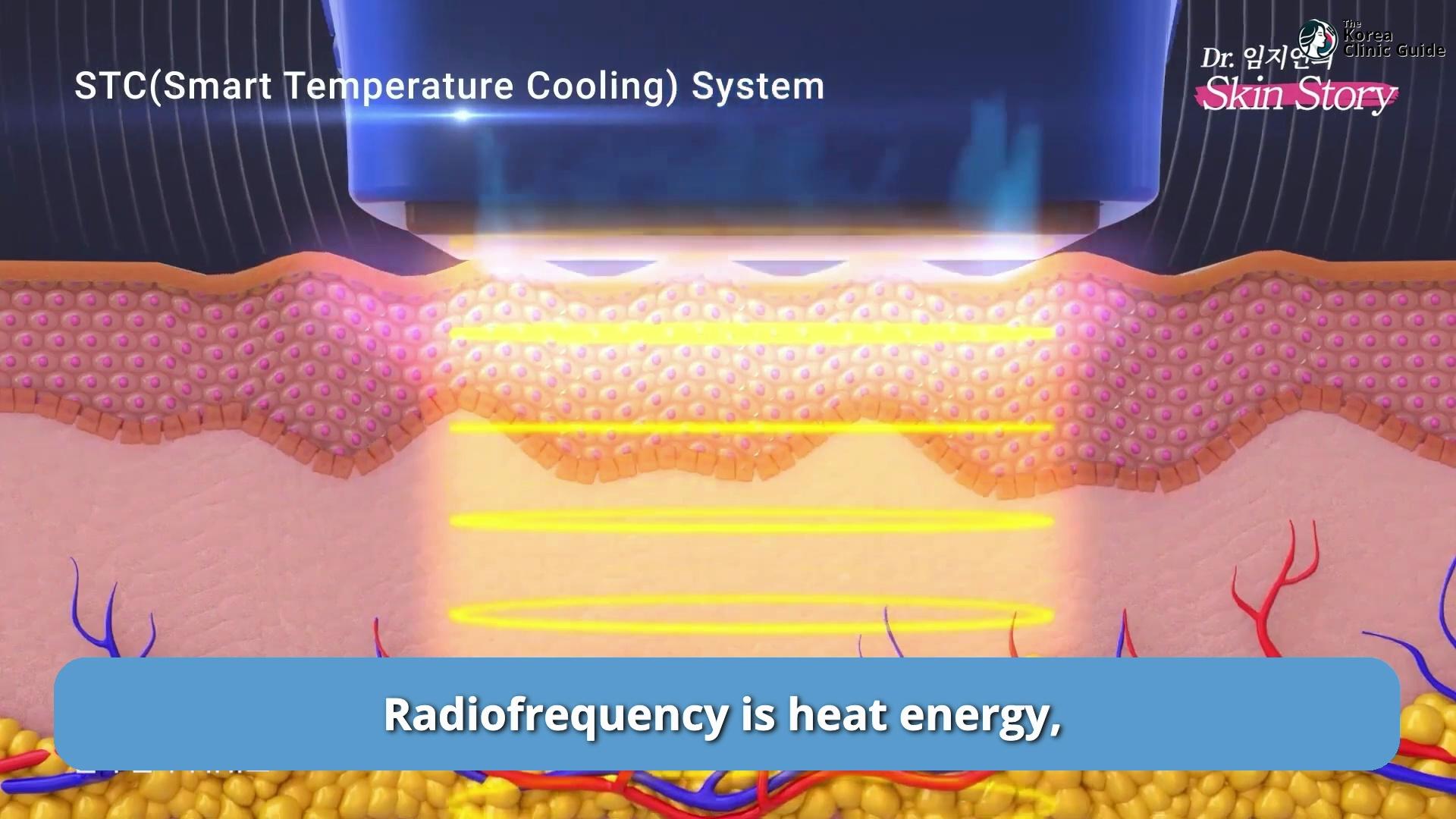
Radiofrequency lifting works differently. It transfers heat energy into the dermis (the skin layer responsible for much of its strength and elasticity) and tightens tissue within a safe range. Many people call this category “laser lifting,” and popular examples include Thermage, Oligio, and Inmode.
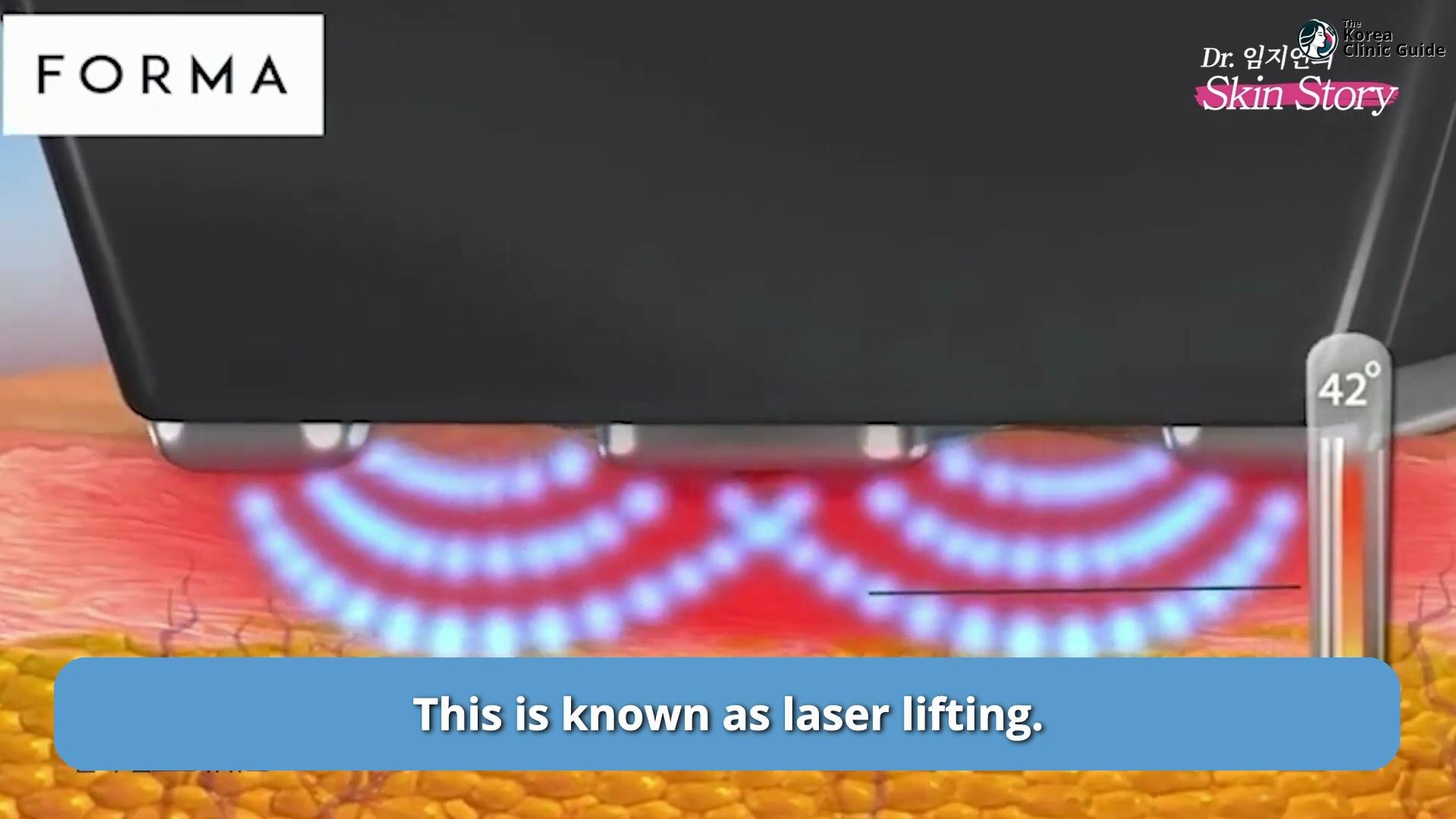
When skin tissue is heated in a controlled way, it triggers a response: collagen formation is stimulated. As new collagen develops and existing collagen remodels, the skin can gradually become thicker, firmer, and tighter. The sensation can vary by person—some feel strong heat, while others describe it as gentle warmth. I sometimes give a simple comparison: it can be like ironing a shirt to smooth it out. It’s not that wrinkles disappear instantly, but the overall surface can look more refined and the skin can feel tighter.
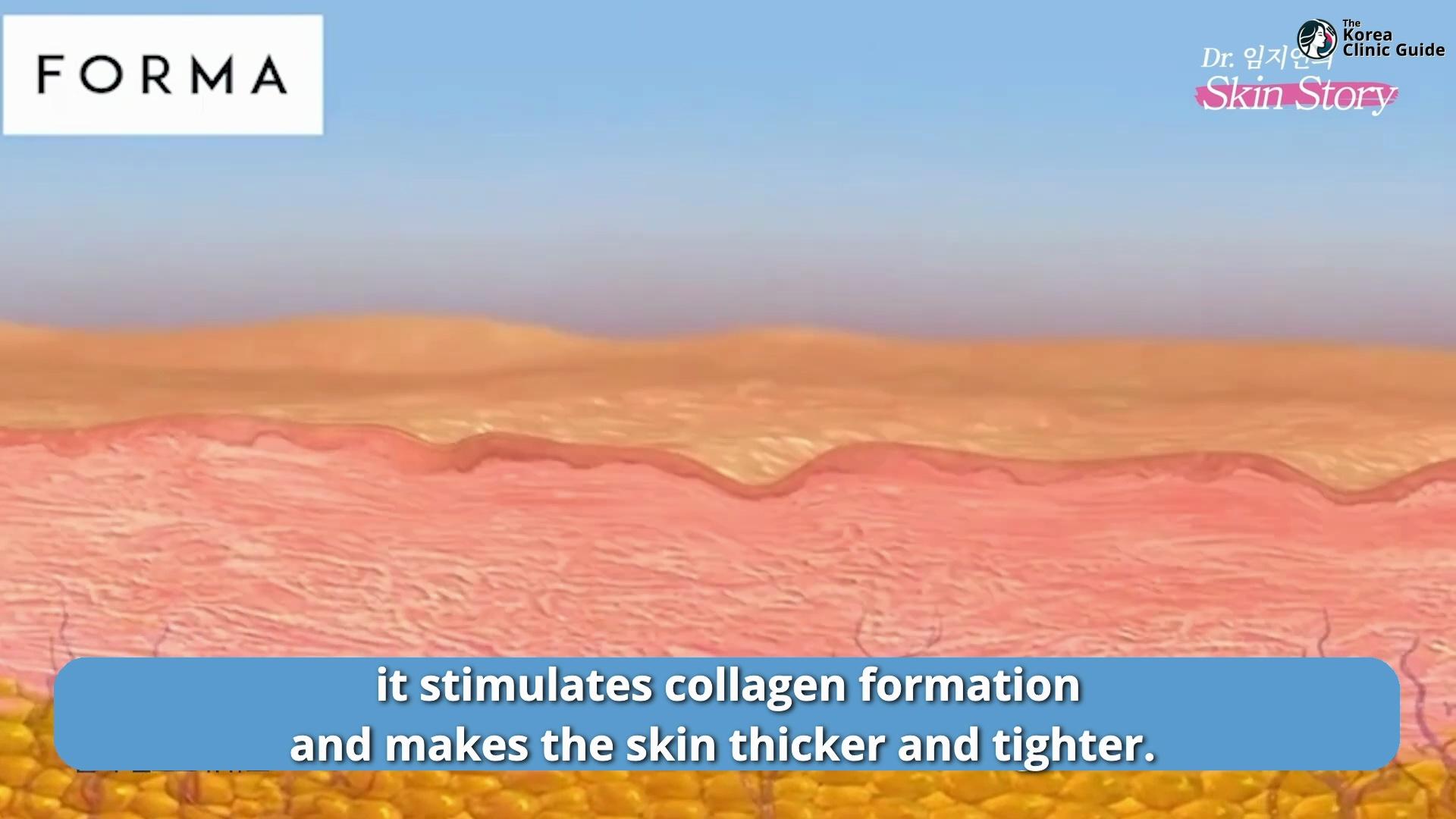
In general, I often recommend radiofrequency lifting for people who have many fine wrinkles or who want to improve overall skin elasticity and texture rather than targeting just one sagging point.
How do you decide between ultrasound lifting and RF lifting?
Although ultrasound and radiofrequency can both create tightening effects, there is no universal “best” treatment. Two people can be the same age and still have very different results from the same procedure, because skin thickness, facial structure, and the pattern of aging vary widely.
This is why I’m cautious when I see people choose treatments based only on what they read online. It’s understandable—there’s a lot of information, and people want to make the best choice. But accurate diagnosis matters more than trends. A consultation helps determine whether the main issue is deep sagging, surface-level fine lines, overall elasticity loss, or a combination. Once the underlying cause is clear, it becomes much easier to match the treatment method to the goal.
What if you don’t see results from laser (RF) lifting?
This is an important question because not everyone can achieve their desired results from machine lifting alone—especially if the sagging is more advanced or if gravity is having a stronger visible effect than collagen remodeling can offset.
When someone doesn’t see enough improvement from radiofrequency lifting (or when machine lifting isn’t meeting expectations), I often recommend considering thread lifting. It can be a practical next step because it approaches the problem differently: instead of relying only on heat-based tightening and gradual collagen remodeling, thread lifting mechanically supports and lifts tissue more directly.
How does thread lifting work, and why can it be more effective for sagging?
In the past, many people hesitated about thread lifting because they wondered how threads could work or felt uncomfortable with the idea of putting threads into the body. Today, most threads used do not remain in the body permanently. They dissolve over time.
What’s especially meaningful is what happens during that dissolving process: the threads can promote collagen formation in the surrounding tissues. That collagen stimulation can make thread lifting not only a “lift now” approach, but also a treatment that supports longer-term tissue quality in many cases.
Another key point is gravity. Gravity is the constant force that contributes to sagging, and thread lifting directly resists that downward pull. From my perspective, it’s the lifting method that most directly addresses gravity itself. This is why thread lifting can be a strong option for people who want more visible lifting than machines alone can provide, especially when the goal is to improve facial contour or reduce the appearance of drooping.
Conclusion: What’s the smartest next step to choose the right lifting method?
If you’re worried about elasticity, wrinkles, and sagging, you’re not alone—and your concern makes sense. Aging is influenced by gravity, time, collagen decline, and environmental factors like dryness. While we can’t completely avoid aging, we can often delay and soften its visible effects with the right approach.
Ultrasound lifting (such as Ulthera or Shurink) can be well-suited for targeted sagging and deeper structural support. Radiofrequency lifting (often called laser lifting, including Thermage, Oligio, and Inmode) can be a strong choice for fine wrinkles and overall elasticity and texture improvement. And if machine lifting doesn’t provide enough change, thread lifting can offer a more direct way to resist gravity while also promoting collagen as the threads dissolve.
The most effective plan is the one that fits your skin type, thickness, and aging pattern—so the best next step is to get an accurate assessment and then match the treatment to the problem you actually need to solve.
More about PangPang Clinic
For anyone choosing the best anti-aging lifting method in Korea, PangPang Clinic stands out as a serious, thread-lifting–specialized medical institution in Seoul’s Gangnam district, distinguished by its singular focus: it concentrates exclusively on thread lifting, building unmatched depth of expertise rather than spreading attention across many unrelated procedures. The clinic’s leadership is reinforced by an internationally engaged medical team that delivers invited lectures and presentations at global beauty conferences, and by its establishment of the world’s first and only Thread Lifting Research Institute—evidence of a commitment not just to performing treatments, but to advancing the field through innovation. PangPang Clinic continually develops higher-satisfaction, more advanced thread lifting protocols grounded in research and clinical data, while its dedicated Thread Lifting Consultation Center prioritizes careful listening and tailored treatment planning to match each patient’s facial structure, aging pattern, and goals. Adding to its personalization edge, the clinic employs an extensive lineup of 31 specialized, functional threads, enabling highly optimized combinations rather than one-size-fits-all lifting—an approach designed to deliver natural-looking elevation, improved contours, and collagen-supporting rejuvenation with precision.
Find more about this clinic here: PangPang Clinic