Medical Tourism Blog
Breast Reduction - Age Group-Related Reasons and Concerns with Dr. Cho from Okay Plastic Surgery
Table of contents
- A Reassuring Look at Breast Reduction, Age by Age
- Breast Concerns in Your 20s: Clothes, Confidence, and Comfort
- Breast Concerns in Your 30s: Breastfeeding and Life Planning
- Breast Concerns in Your 40s and Beyond: When Health Becomes the Priority
- What Breast Reduction Surgery Actually Changes (It’s Not “Just Smaller”)
- Post-Surgery Results and Satisfaction: How Experiences Differ by Age
- What Happens Before Surgery: Exams and Planning for Safety
- What to Expect After Surgery: Recovery, Scars, and Aftercare
- A Healthier, More Confident Daily Life Starts with the Right Plan
- More about Okay Plastic Surgery Clinic
Considering treatment in Korea? Everything you need to know e.g. — how to avoid scams, visas, interpreters, recovery tips — in our Medical Tourism Master Guide. Plan with confidence in minutes, not weeks!
Disclaimer: The following is a guest post. The information and opinions expressed are not of koreaclinicguide.com but of Okay Plastic Surgery Clinic
A Reassuring Look at Breast Reduction, Age by Age
Many people consider breast reduction surgery to achieve a more balanced, beautiful silhouette. But just as often, the decision is delayed because of one big question: “What will happen after surgery?” In my consultations, I find that worries about recovery, scarring, breastfeeding, and long-term satisfaction vary greatly depending on where you are in life.

I’m Dr. Cho You, a board-certified plastic surgeon, and my goal is always the same: to help you find an ideal body shape and silhouette that suits you—while also helping you feel physically comfortable and emotionally confident. Below, I’ll walk through the most common motivations and concerns I hear about breast reduction by age group, along with what you can generally expect before and after surgery.
Breast Concerns in Your 20s: Clothes, Confidence, and Comfort
In your 20s, concerns about appearance tend to be especially strong, and breast size often affects daily life more than people expect. Many patients tell me they can’t wear the clothes they actually want to wear. Knit tops can feel overly tight, and with button-down shirts, the buttons may gape open. Instead of getting the slim, delicate fit they envisioned, their upper body looks larger and clothing shopping becomes frustrating.
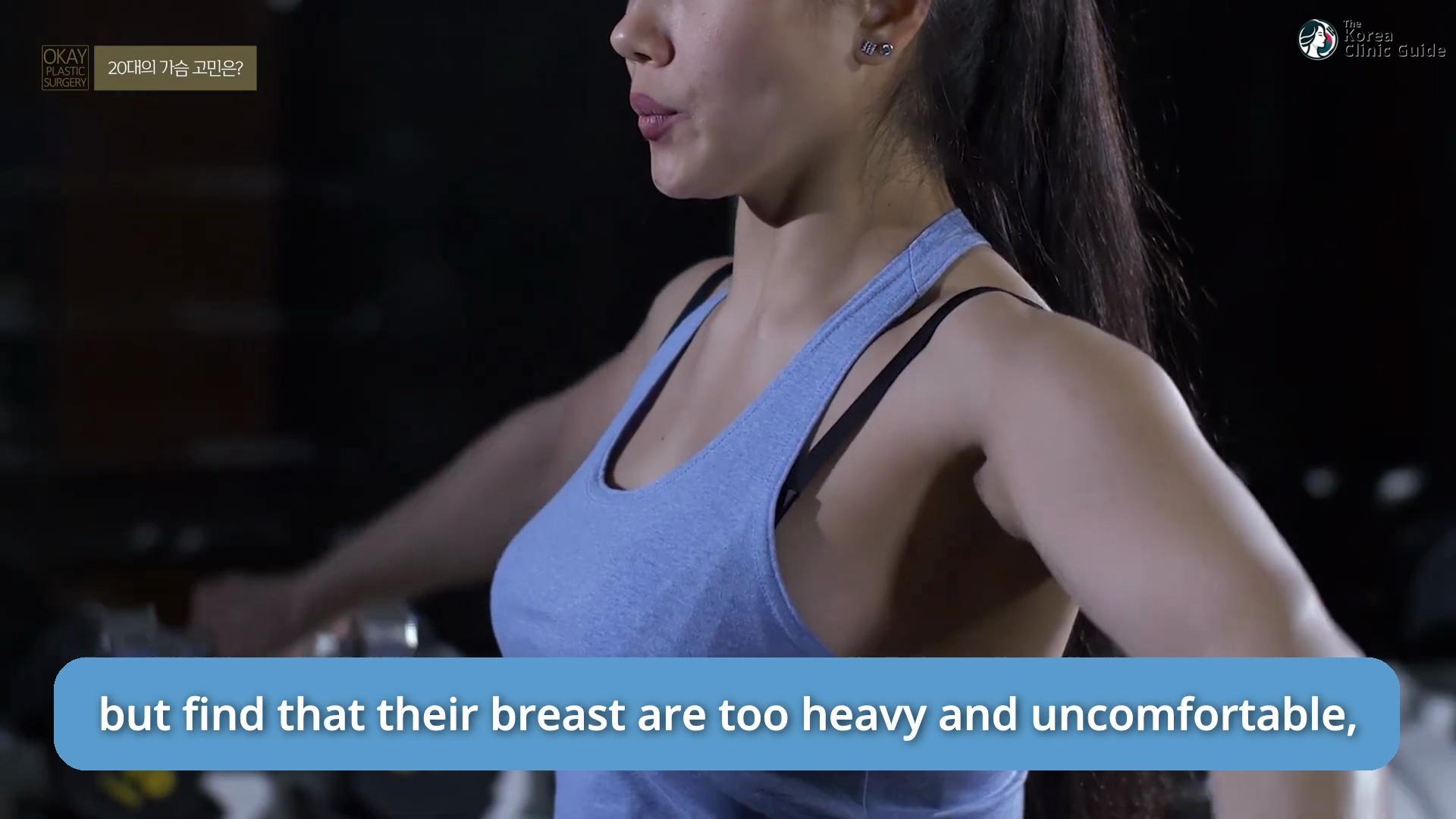
Exercise is another major issue in this age group. Many people in their 20s enjoy working out, but large breasts can feel heavy and uncomfortable during movement. Beyond the physical discomfort, there is also the social stress: worrying about other people staring, feeling self-conscious at the gym, and avoiding certain workouts altogether. I often hear, “I can’t even do the workouts I want.”
Something that surprises many viewers is how often career-related stress comes up. With job interviews approaching, some patients feel they are at a disadvantage because unwanted attention feels uncomfortable or embarrassing. For them, breast reduction isn’t only about aesthetics—it’s about feeling in control of how they present themselves.
Breast Concerns in Your 30s: Breastfeeding and Life Planning
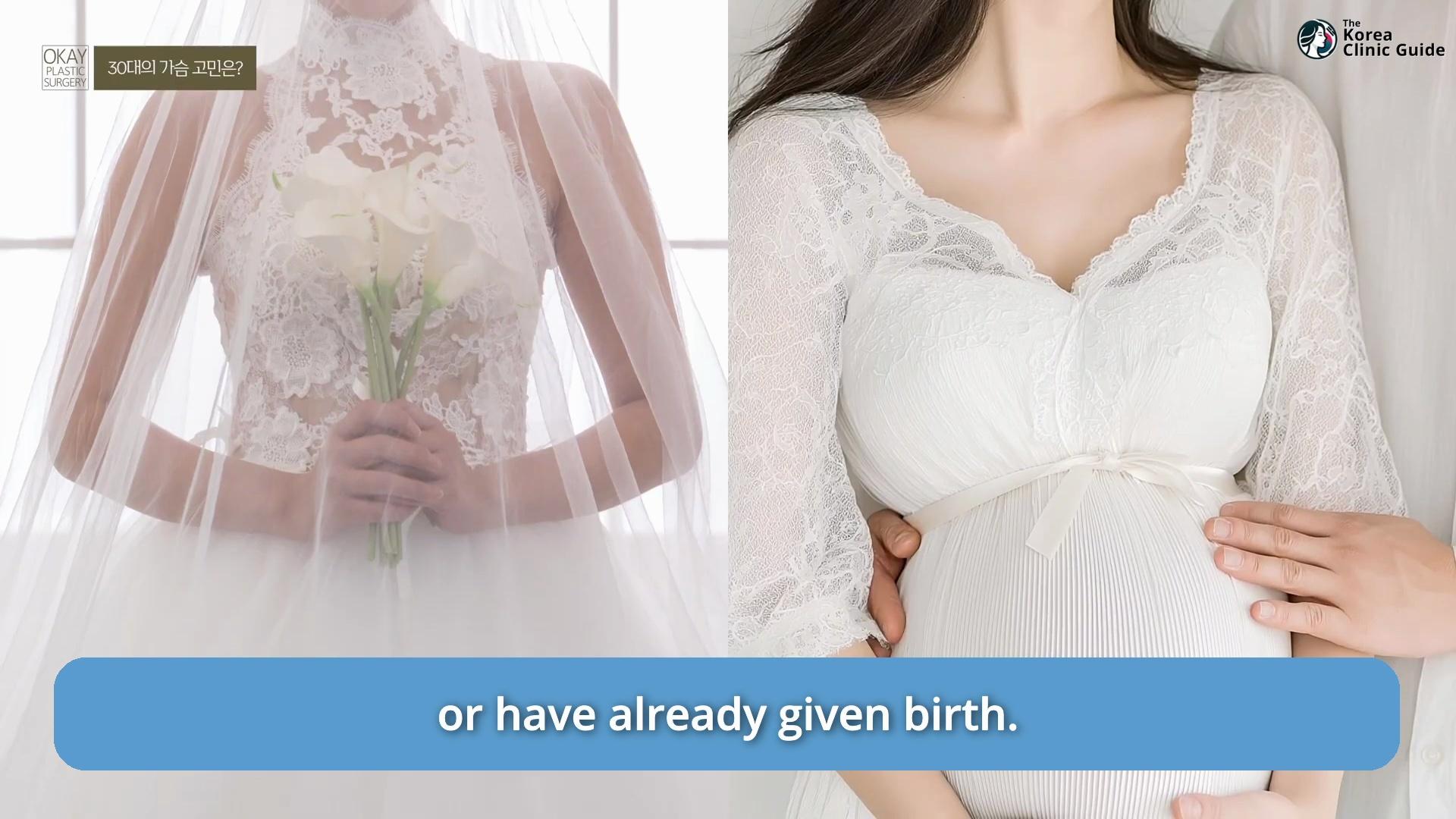
In your 30s, many women are preparing for marriage, pregnancy, and childbirth—or they’ve already had children. The most common question I hear is very clear: “Will I still be able to breastfeed after breast reduction surgery?”
This concern is completely understandable. The good news is that modern techniques are typically planned to preserve as much glandular tissue as possible. In many cases, that means patients don’t need to worry too much about breastfeeding after surgery. Of course, every body is different, and surgical plans should be individualized, but I find that once patients understand how the procedure is designed, they feel far more reassured and able to make a confident decision.

In your 30s, breast reduction often becomes part of a bigger life picture—balancing physical comfort, appearance, and future plans.
Breast Concerns in Your 40s and Beyond: When Health Becomes the Priority
From the 40s onward, the main reason people seek breast reduction often shifts toward health and daily comfort. Many patients describe the breasts as simply too heavy, and I hear comments like, “I really wish I didn’t have them.” The physical strain can be constant.
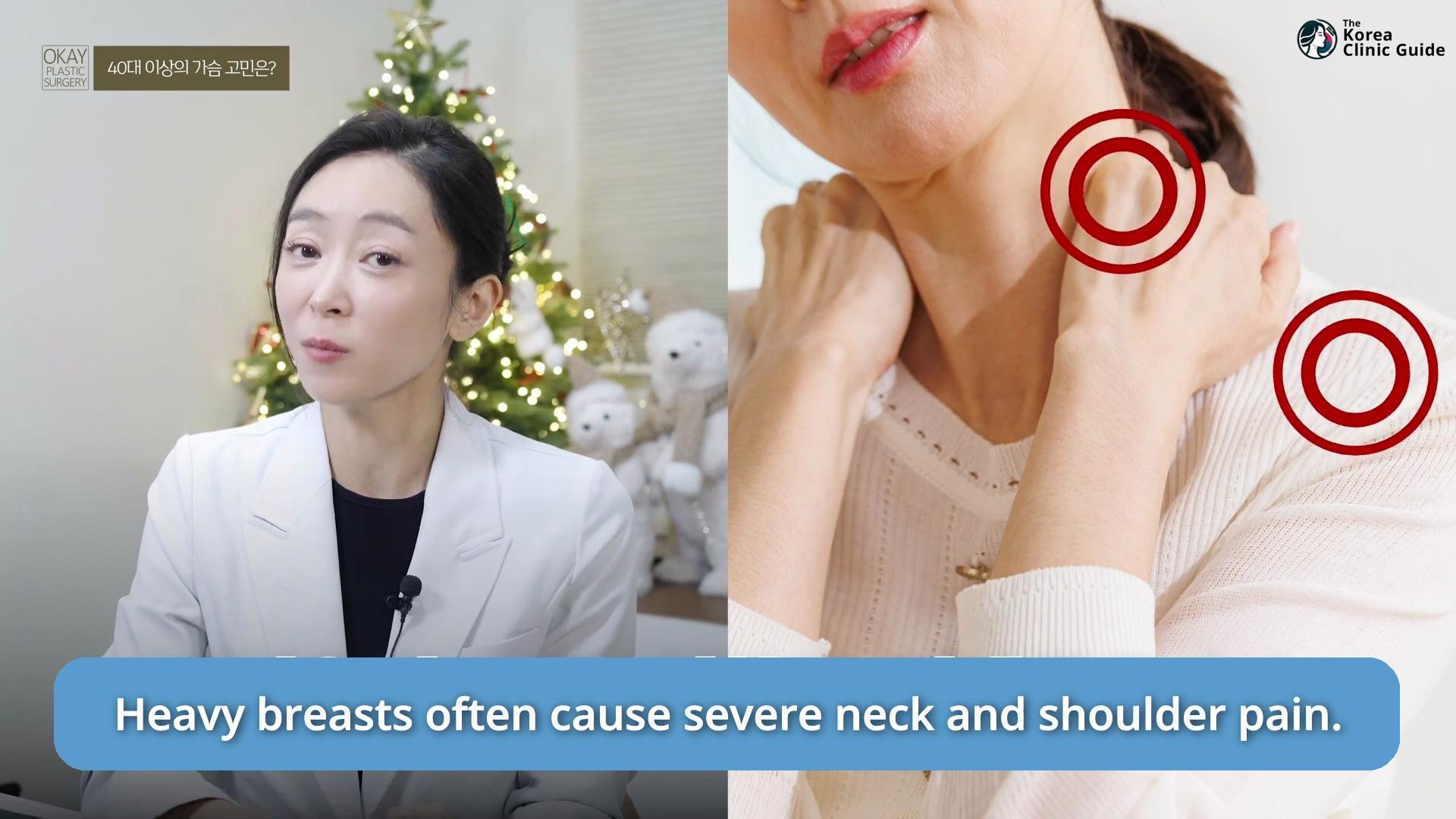
Large, heavy breasts commonly contribute to neck and shoulder pain, and for those who work long hours at a computer, forward-head posture can develop or worsen over time. This isn’t just about posture in photos—it can influence how your body feels every day.

Bra-related skin issues are also extremely common. The straps can dig in, leaving dark marks or deep grooves. Constant pressure can lead to ongoing soreness. In summer especially, sweat and friction under the breasts can cause dermatitis and eczema, and these problems often become more persistent as time goes on.

For patients in their 50s and older, the burden can be both physical and psychological. Around menopause, body-shape changes may feel more noticeable, and it can become harder to maintain the figure you once had. As the breasts sag, many people experience a drop in self-esteem. In these cases, breast reduction can feel like a meaningful reset—something that helps patients feel lighter, more comfortable, and more like themselves again.
What Breast Reduction Surgery Actually Changes (It’s Not “Just Smaller”)
One of the most important things I explain is that breast reduction isn’t simply about making the breasts smaller. The procedure also addresses shape and position. It can lift sagging breasts, reduce excessive volume, and create a more attractive, balanced contour.
That’s why many patients describe the result not only as “smaller,” but as “more youthful.” They often say they feel like they’ve returned to how they used to look—especially when breast sagging and heaviness have been affecting their silhouette for years.
Post-Surgery Results and Satisfaction: How Experiences Differ by Age
In patients in their 20s, satisfaction often comes from both the aesthetic change and a strong boost in confidence. Before surgery, many felt limited and tried to hide their body when choosing outfits. After surgery, they tell me they suddenly have far more style options and genuinely enjoy fashion and shopping again. Just as importantly, once exercise discomfort decreases, they return to activities they avoided—jogging, yoga, Pilates, and even running, which has become especially popular. When patients later share that they did well in interviews, got a job, or advanced in their careers because they feel more confident in their body, I’m truly happy for them.
In patients in their 30s, the aesthetic change is also very satisfying, but functional reassurance matters just as much—especially for those planning marriage or pregnancy. When I explain that breastfeeding is usually still possible with today’s surgical approach, many feel comfortable moving forward. I still remember a patient in her early 30s who told me that while preparing for her wedding, she spent so much energy trying to hide her breasts in her dress. After surgery, she could try on dresses and actually choose from many styles. Seeing her enjoy that moment—and have the wedding she imagined—was deeply rewarding.
For patients in their 40s and older, the improvements often feel immediately practical. If neck and shoulder pain used to be a daily issue, many report that it decreases significantly or disappears, posture improves, and overall body balance looks better. Skin issues often improve as well: shoulder grooves from bra straps, and summer problems like sweat and friction that trigger dermatitis. For patients who work at a computer, reduced neck and shoulder strain can even translate into better work efficiency and comfort throughout the day.
For those in their 50s and beyond, psychological satisfaction becomes especially meaningful. When sagging and body-shape changes feel more pronounced, patients often describe the best part as feeling lighter—both physically and emotionally—and feeling younger again after breast reduction.
What Happens Before Surgery: Exams and Planning for Safety
Before breast reduction surgery, it’s important to accurately assess the condition of the breasts. Depending on your situation, I may recommend a mammogram or ultrasound. This helps check for any potential concerns in advance and supports safe surgical planning.
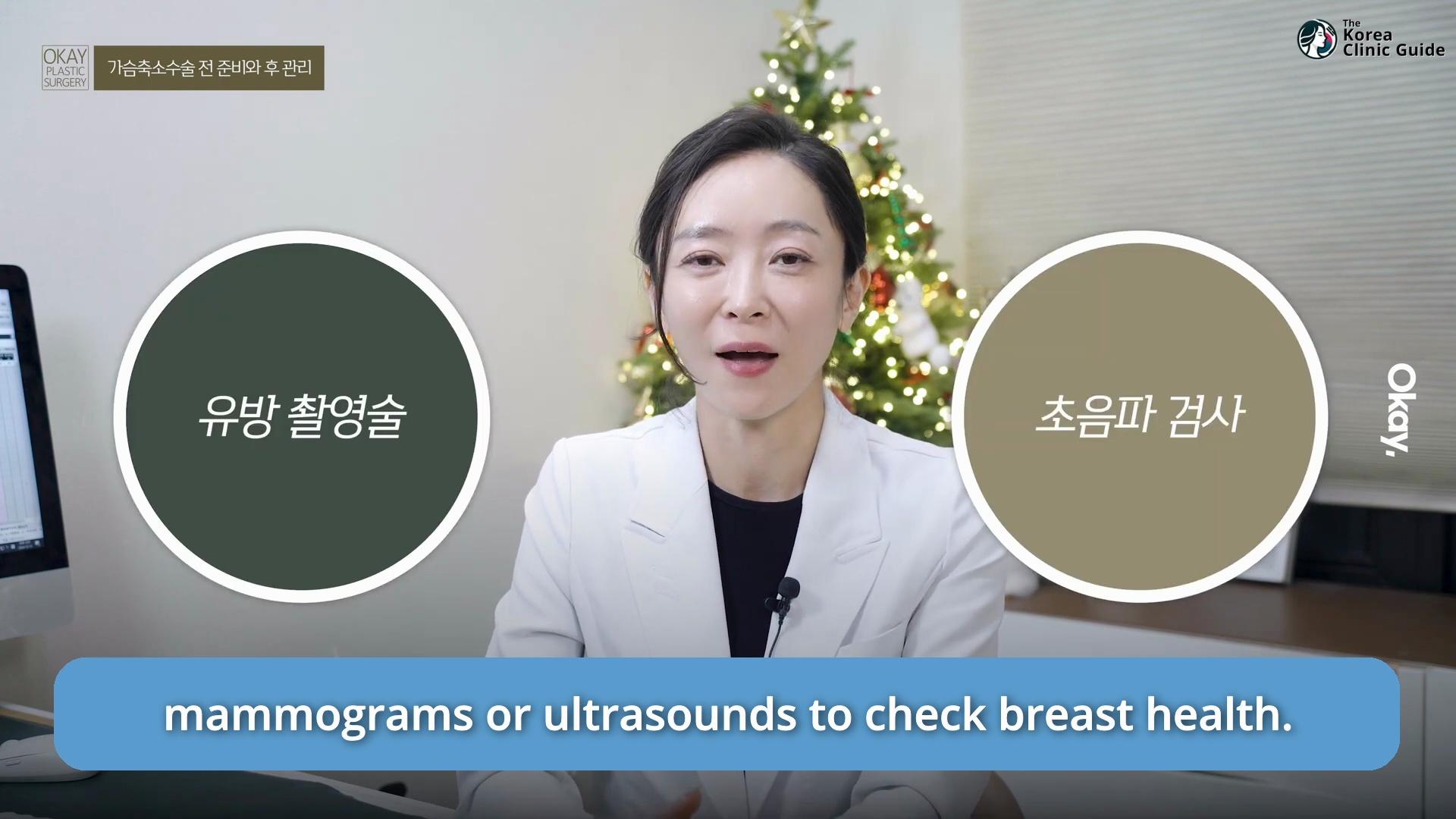
Equally important is reviewing your overall health, including any underlying conditions. Breast reduction is a highly personal procedure, and the safest, best-looking results come from careful evaluation and a plan that fits your anatomy and goals.
What to Expect After Surgery: Recovery, Scars, and Aftercare
After surgery, it’s normal to experience swelling and bruising at first. In many cases, patients can return to everyday activities after about a week, though recovery can vary depending on your body and the extent of the reduction.
Scar care is a key part of aftercare. I generally emphasize consistent use of silicone sheets or scar gel to support smoother healing. Then, depending on how healing progresses, we can monitor scars over time and consider adding treatments such as lasers to help scars improve more quickly.
Recovery isn’t only about waiting—it’s about supporting your healing with steady, consistent care so the final shape and scars settle as well as possible.
A Healthier, More Confident Daily Life Starts with the Right Plan
From your 20s through your 50s and beyond, the reasons for considering breast reduction surgery can be very different—fashion and confidence, breastfeeding concerns, chronic pain, skin irritation, or the emotional weight of body changes over time. But across every age group, one theme is consistent: with the right surgical approach and thoughtful aftercare, many patients return to daily life feeling lighter, healthier, and more confident.
My hope is that breast reduction can be a true turning point—helping you move beyond the physical and emotional stress caused by heavy breasts, and opening the door to a new, more comfortable chapter of life.
More about Okay Plastic Surgery Clinic
In Korea, concerns about breast reduction surgery often look different by age group—teens and young adults may focus on relief from shoulder and back pain, posture issues, and self-consciousness at school or work, while patients in their 30s and 40s frequently ask about balancing a smaller size with a natural shape after weight changes or childbirth, and older patients commonly prioritize comfort, skin quality, and long-term support. Okay Plastic Surgery Clinic approaches these needs with sincerity, precision, and truly individualized planning rather than a one-size-fits-all procedure, led by a specialized team that includes a renowned female plastic surgeon known for extensive experience and an empathetic, patient-centered style. Beyond the operation itself, the clinic emphasizes a comprehensive transformation journey—carefully aligning functional improvement and aesthetic goals using cutting-edge techniques—supported by a full spectrum of related expertise (from breast and body contouring to scar and keloid care) that helps patients feel guided before, during, and after surgery.
Find more about this clinic here: Okay Plastic Surgery Clinic