Medical Tourism Blog
Breast Lift - Which Incision Site is Best? with Dr. Cho from Okay Plastic Surgery
Table of contents
- A More Youthful Breast Shape—Why I Discuss Incisions First
- Why Breasts Sag: The Most Common Causes I See
- What a Breast Lift (Mastopexy) Really Does
- Breast Lift Incision Options: Periareolar, Crescent, Vertical, and Inverted-T
- Why I Often Choose the Vertical Incision Method
- A Real Case Example: Sagging After Weight Loss
- Reshaping With Your Own Tissue: How Volume Can Improve Without Implants
- What Patients Often Notice After Mastopexy
- How I Help Patients Choose the Right Incision and Plan
- Closing Thoughts: Breast Lift Surgery Can Be Transformative
- More about Okay Plastic Surgery Clinic
Considering treatment in Korea? Everything you need to know e.g. — how to avoid scams, visas, interpreters, recovery tips — in our Medical Tourism Master Guide. Plan with confidence in minutes, not weeks!
Disclaimer: The following is a guest post. The information and opinions expressed are not of koreaclinicguide.com but of Okay Plastic Surgery Clinic
A More Youthful Breast Shape—Why I Discuss Incisions First
As a board-certified plastic surgeon, I meet many patients who tell me the same thing in different words: they miss the breast shape they had “before.” Often, it’s not simply about wanting bigger breasts—it’s about wanting the breast to sit higher on the chest, look firmer, and regain a youthful contour.
That’s exactly what a breast lift, also called mastopexy, is designed to do. Because the goal is to reposition and reshape (not just add volume), the incision plan matters tremendously. The incision isn’t only about where a scar will be; it also influences how effectively I can lift the breast, reshape the tissue, and create a stable, natural-looking result.
Why Breasts Sag: The Most Common Causes I See
Breast sagging happens gradually, and it’s usually driven by a combination of factors that are difficult to avoid. Pregnancy and breastfeeding can stretch the skin and supporting structures, and the breast may lose volume afterward. Rapid weight loss can deflate the breast—many patients describe it as looking “emptier,” especially in the upper portion. Aging also plays a strong role: over time, gravity constantly pulls downward, while the ligaments and tissues that help support the breast weaken.
As the years pass, the skin can thin, lose elasticity, and stretch more easily. When that elasticity and support decrease, the breast can begin to sit lower, the nipple position can drop, and the overall shape can lose firmness. This is why so many patients come in saying they want to return to how they looked when they were younger.
What a Breast Lift (Mastopexy) Really Does
A mastopexy is not just “tightening skin.” In the patients who benefit most, the breast needs reshaping from the inside as well. My approach is based on careful preoperative design and measurements, followed by lifting, reshaping, and repositioning breast tissue and fat according to that plan.
A well-performed breast lift aims to improve breast position, correct drooping, and restore a more balanced contour—especially in patients whose main issue is sagging rather than excess volume. Many people are surprised by how much improvement can be achieved through reshaping their own tissue, even without implants.
Breast Lift Incision Options: Periareolar, Crescent, Vertical, and Inverted-T
There are several incision techniques used in breast lift surgery, and each has its own strengths depending on breast shape, degree of sagging, and tissue characteristics.
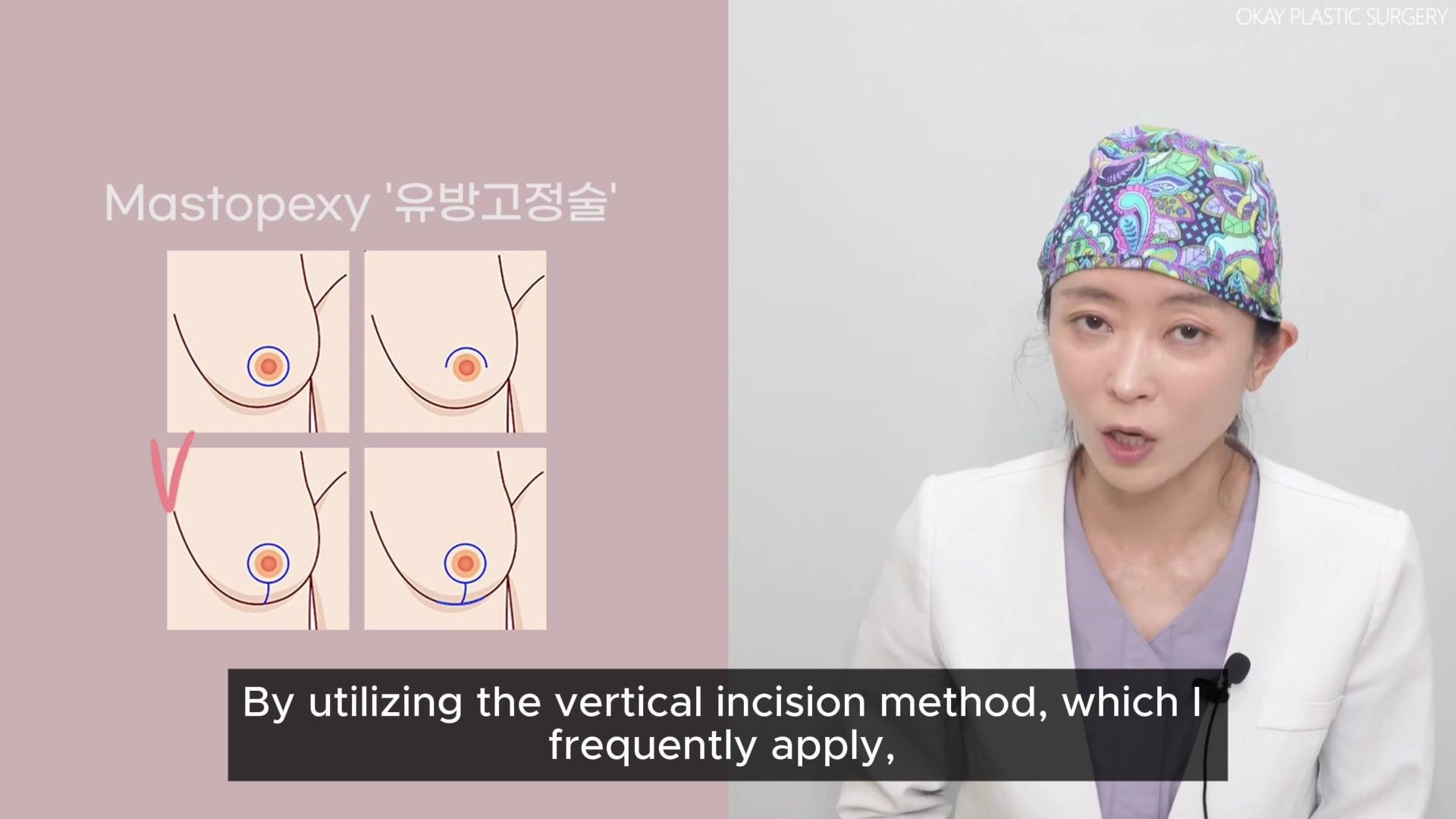
The periareolar incision is placed around the border of the areola. It can be useful in select cases, particularly when changes are more limited, but the amount of lifting and reshaping achievable can be constrained depending on the anatomy.
A crescent incision is a smaller variation typically placed along the upper portion of the areola. Like the periareolar approach, it may be appropriate for very mild concerns, but it is not designed for significant drooping.
The vertical incision method adds a line from around the areola down to the breast crease. This opens up more ability to reshape and support the breast tissue while still keeping scars relatively contained.
The inverted-T incision (also called the anchor pattern) includes the vertical line plus a horizontal line along the breast fold. This can be helpful in cases with more extensive sagging or excess skin that needs to be addressed.
Choosing among these techniques is not about which one is “best” in general—it’s about which one is best for the individual patient’s shape, skin, and goals.
Why I Often Choose the Vertical Incision Method
Among the available options, the vertical incision technique is one I use most often because of the specific benefits it can provide in the right patient. In my experience, this method can help the nipple avoid looking flat, which is a concern some patients have after reshaping. It also tends to keep scarring more minimal compared with more extensive patterns while still allowing meaningful lifting and contouring.
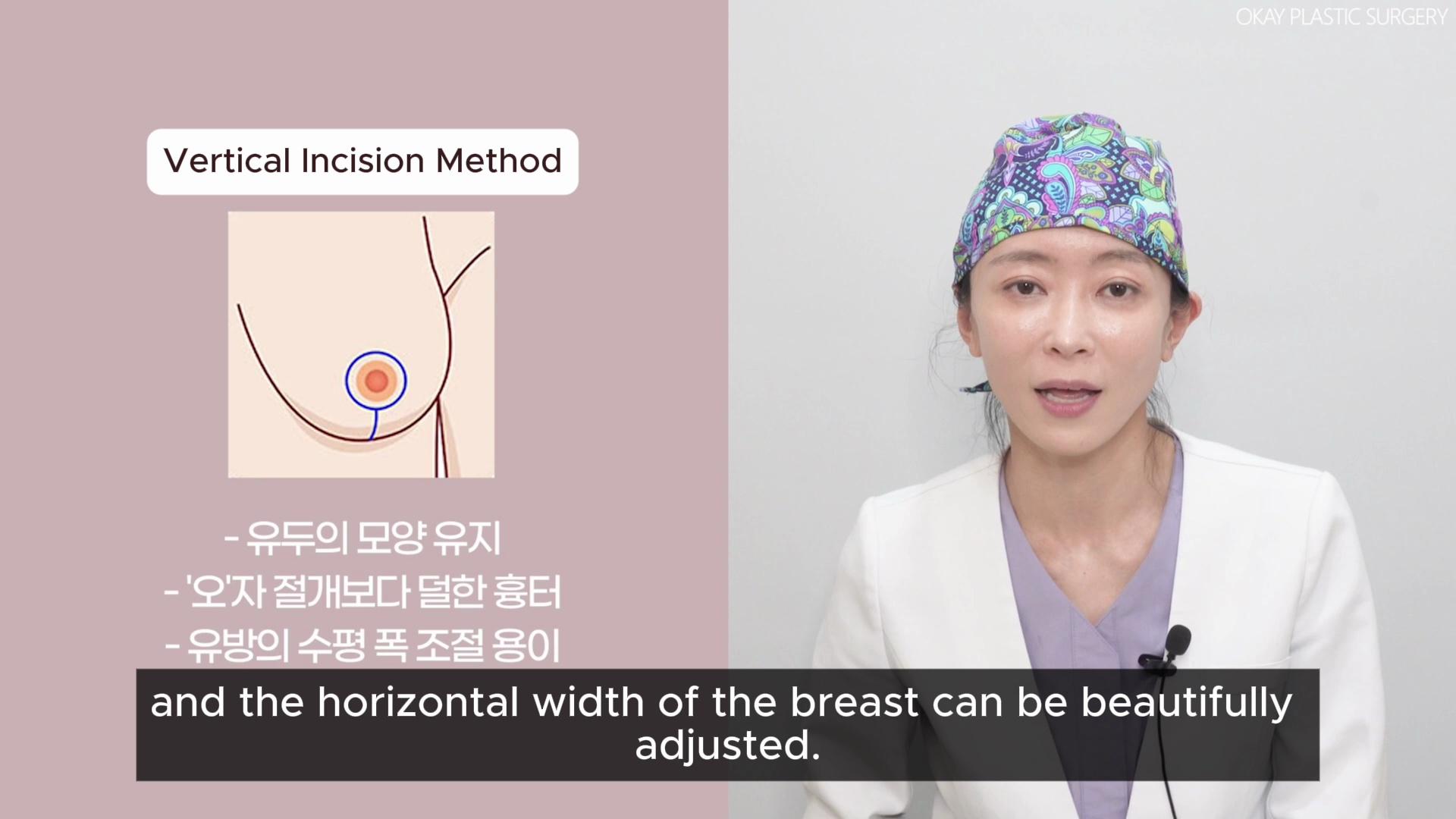
Another reason I favor the vertical approach is that it lets me adjust the breast’s width in a refined way. That matters because a youthful breast shape isn’t only about height—it’s also about proportion and how the breast fills out the upper and central portions.
A Real Case Example: Sagging After Weight Loss
To explain why technique selection matters, I often think of a patient I treated who experienced significant sagging after losing weight. She was about 155 cm tall and weighed around 50 kg. Over roughly one year, she lost about 7–8 kg, and after that weight loss, the drooping became very noticeable.
Measurements help illustrate the degree of sagging clearly. When we measured the distance from the base of the breast to the nipple, it was about 28 to 30 cm. On average, that measurement is closer to around 21 to 23 cm. In her case, the difference showed that the breast position had dropped substantially.
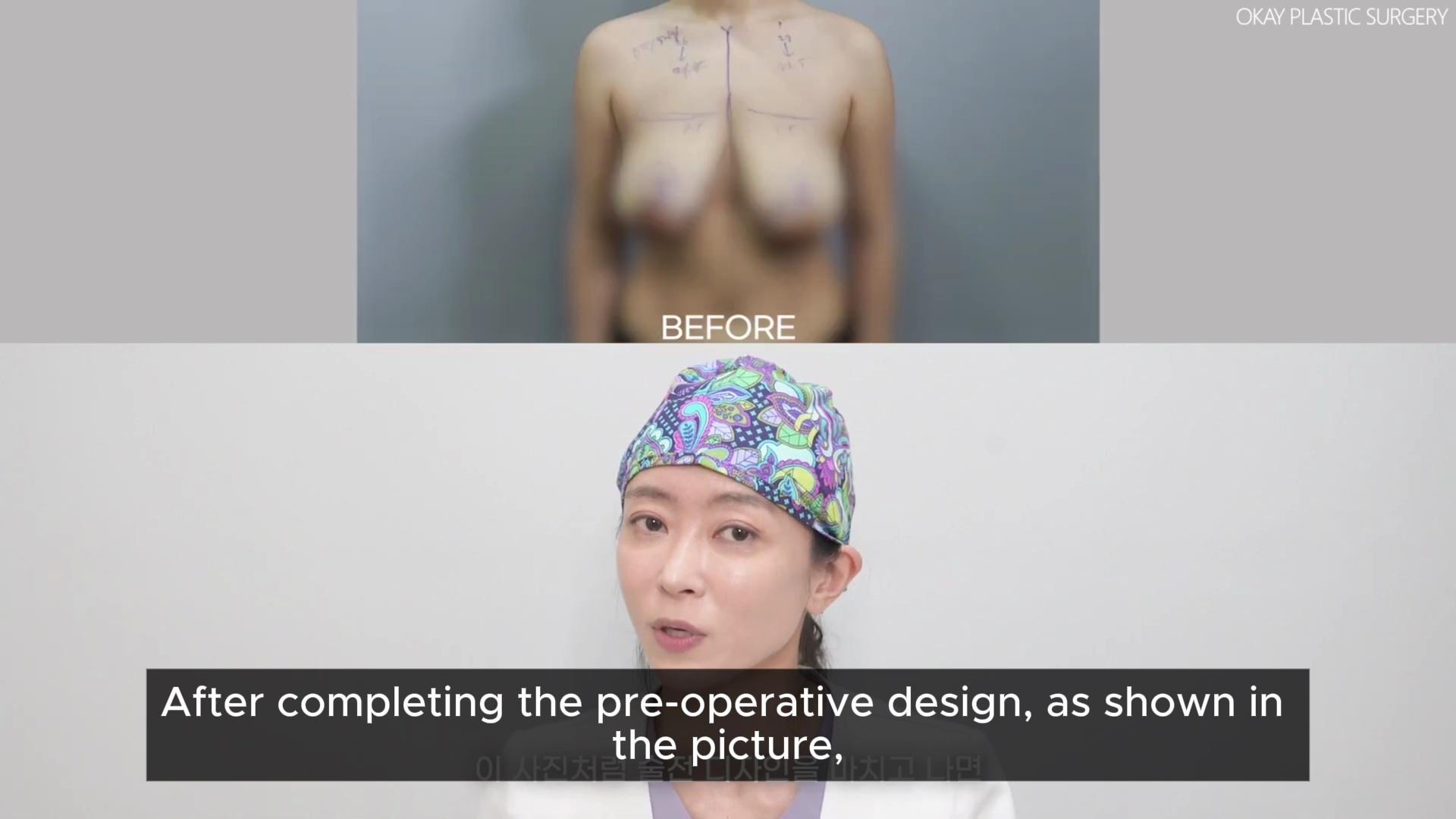
She told me she wanted to be around a full B to a C cup. The key point was that she wasn’t coming in because her breasts were “too large.” Her main issues were that she had very little upper fullness, and the breast looked deflated and quite saggy. This is an important category of patient: when sagging is the primary problem and the tissue can be reshaped properly, the results from a breast lift can be extremely rewarding.
Reshaping With Your Own Tissue: How Volume Can Improve Without Implants
After completing the preoperative design—essentially a detailed plan like a blueprint—I remove and reshape breast tissue and fat according to that plan. This is how I create a lift and a more youthful contour.
Many people look at before-and-after results and immediately ask, “Did you use an implant?” In this case, the answer was no. And it’s not just this patient: many women can create a beautiful lifting effect and even improve perceived volume using their own breast tissue.
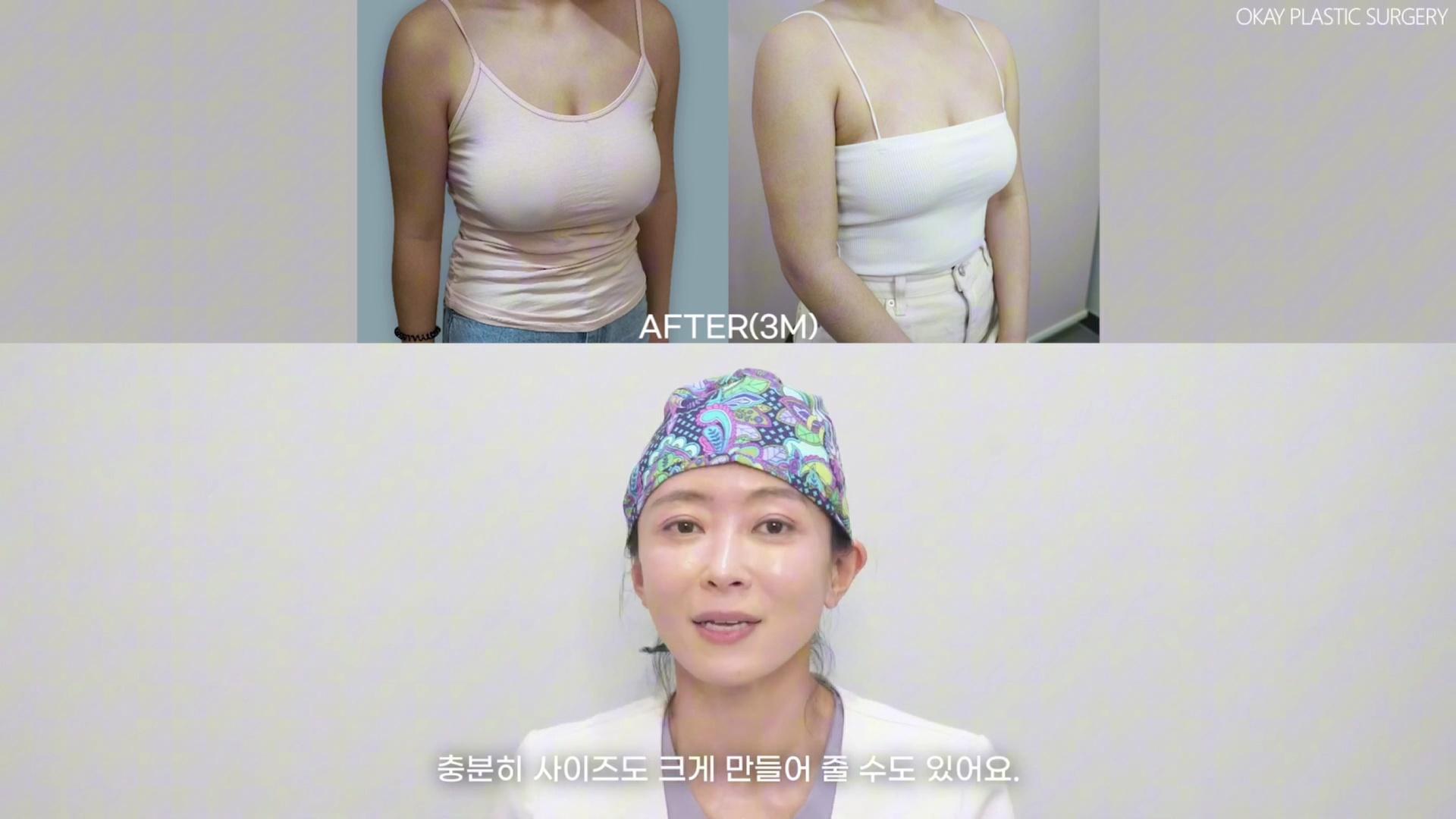
The biggest advantage of using a patient’s own tissue is that it allows us to proceed without implants or additional fat grafting. Instead of relying on silicone implants, this method repositions and reshapes existing tissue to restore firmness and create a more natural form. In this patient, the upper fullness that was almost nonexistent became filled in, and the breast shape looked balanced and natural—despite not using an implant.
In fact, for her procedure we removed a small amount of tissue in areas that weren’t needed. That detail surprises some patients, but it highlights an essential concept: a breast lift is about shape and position, not simply adding size. If a patient wants significantly more volume than what can be created through reshaping alone, an implant can also be placed under the breast tissue to increase size further. The right plan depends on both anatomy and goals.
What Patients Often Notice After Mastopexy
When breast lift results are done well and fit the patient’s body, what stands out most is how natural the shape looks. Many patients feel that their breasts look closer to their “best” youthful shape—more lifted, firmer, and better filled in the upper portion. That change often translates to feeling more confident in everyday clothing and during daily life.
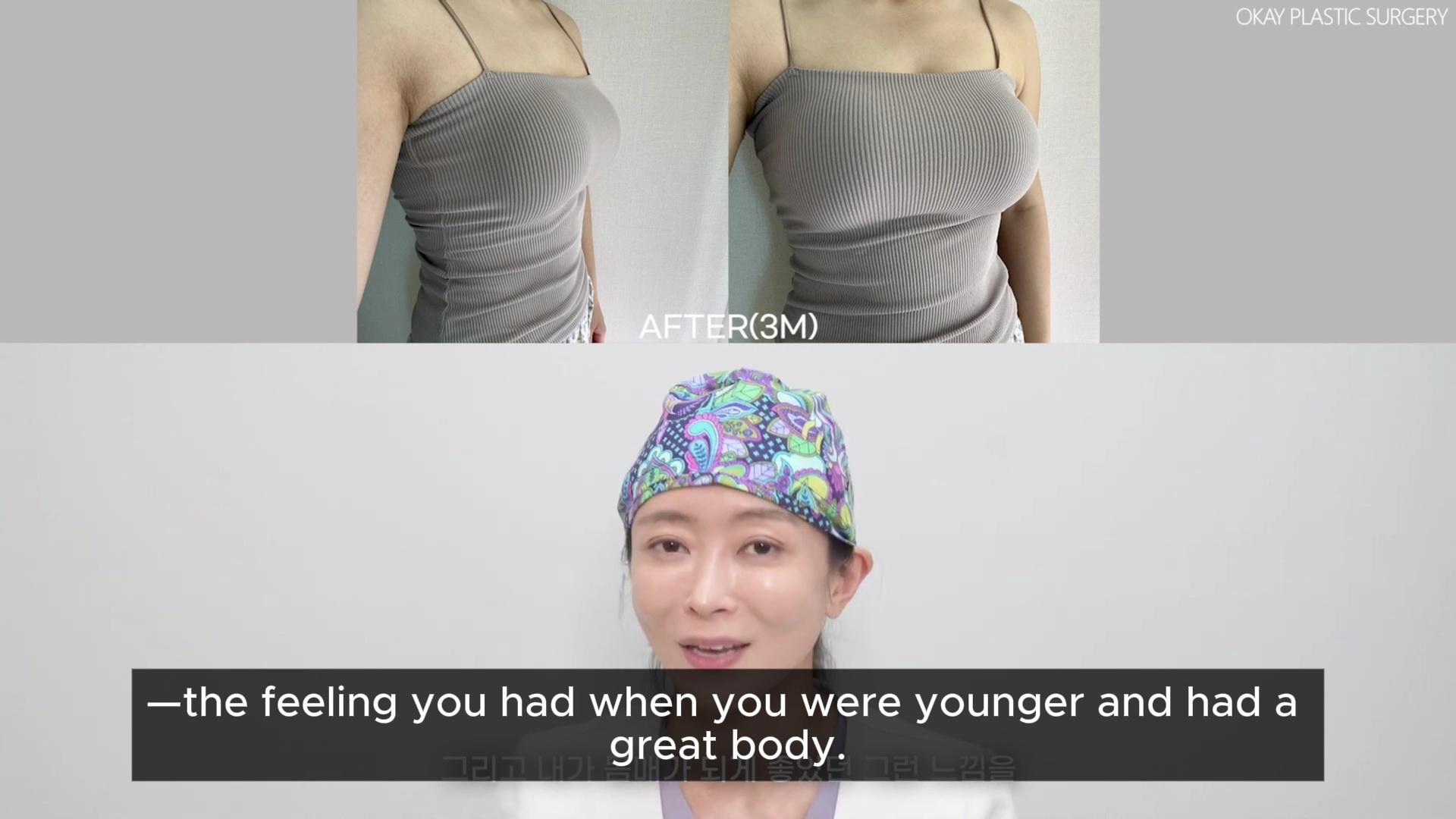
It’s also important to remember that a breast lift is not one-size-fits-all. Two patients can both say, “My breasts sag,” but have very different anatomy and therefore need different incision patterns and reshaping strategies.
How I Help Patients Choose the Right Incision and Plan
Mastopexy varies greatly depending on breast shape and the details of each individual case. The degree of sagging, skin elasticity, and the amount of volume a patient wants all influence the approach. That’s why I always emphasize thorough consultation and careful evaluation.
When I meet a patient, I focus on understanding what they mean by “lifting,” what kind of cup size and fullness they hope for, and how their current tissue and skin will respond. Then we can review the pros and cons of each incision option and choose the approach most likely to give the best balance of lifting power, shape, and scar placement.
Closing Thoughts: Breast Lift Surgery Can Be Transformative
Breast lift surgery can be very helpful for patients who are bothered by sagging and want to restore a more youthful, confident silhouette. Whether sagging comes from pregnancy, breastfeeding, weight loss, or aging, a carefully planned mastopexy can improve breast position, contour, and firmness—and in many cases, it can create beautiful fullness using the patient’s own tissue.
The best results start with selecting the right technique for the right anatomy. If you’re considering a breast lift, I encourage a detailed evaluation so we can match your goals with the incision method and surgical plan that will serve you best.
More about Okay Plastic Surgery Clinic
Okay Plastic Surgery Clinic in Korea approaches breast lift (mastopexy) incision options as part of a broader, patient-centered transformation rather than a one-size-fits-all procedure, emphasizing sincerity, precision, and truly individualized planning to match each patient’s anatomy, lifestyle, and aesthetic goals. Guided by a specialized team that includes a renowned, highly experienced female plastic surgeon, the clinic pairs technical expertise with empathy and attentive communication, helping patients understand how different incision patterns can support specific lift needs while prioritizing natural-looking balance and long-term satisfaction. This personalized, detail-driven philosophy is supported by the clinic’s comprehensive capabilities across body contouring and breast surgery, along with advanced scar and keloid care, allowing patients to benefit from coordinated, cutting-edge techniques and thoughtful aftercare designed to optimize both shape and healing.
Find more about this clinic here: Okay Plastic Surgery Clinic