Vasectomy
Description
A vasectomy is a minor surgical procedure designed for male sterilization or permanent contraception. It is typically performed in a doctor's office or outpatient surgical center. The procedure begins with the administration of a local anesthetic to numb the scrotal area, ensuring that the patient experiences minimal discomfort. Once the area is anesthetized, the surgeon makes one or two small incisions in the scrotum to access the vas deferens, the tubes responsible for transporting sperm from the testicles to the urethra. The surgeon then cuts, ties, or seals each vas deferens to prevent sperm from mixing with the semen that is ejaculated, effectively rendering the man sterile. The incisions are closed with stitches or surgical glue. Post-procedure, patients may experience mild pain, bruising, or swelling, which can typically be managed with over-the-counter pain medications and supportive care such as ice packs and rest. The recovery period is generally brief, with most men resuming normal activities within a few days. However, it is crucial to follow the doctor's instructions regarding activity restrictions and wound care to promote proper healing and reduce the risk of complications. Importantly, a vasectomy does not provide immediate sterility; residual sperm may be present in the vas deferens for several months post-surgery. Men are advised to use alternative contraception methods until a follow-up semen analysis confirms the absence of sperm, ensuring the success of the procedure.
Ailments treated by this procedure: Permanent Male Birth Control, Long-term Relationship Contraception, and Completed Family Planning

Search
Categories
Related Posts


Top Vasectomy Clinics
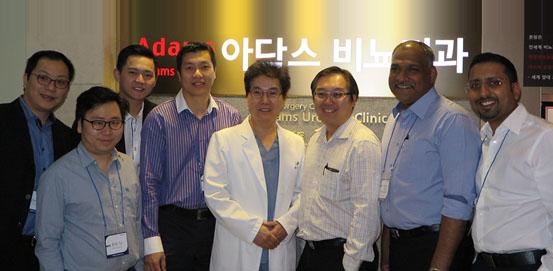
Adams Urology
Samsung Station
Free consultation from the clinic
Adams Urology in Samsung offers a range of urological procedures using advanced technologies to ensure effective treatment and patient care. Below are the main procedures grouped into respective categories: Sexual Health Procedures Penile Implant Surgery (Inflatable Penile Prosthesis): This procedure involves the insertion of a device into the penis to allow men with erectile dysfunction to achieve an erection. The device can be pumped up when an erection is desired and deflated afterward. Glans Penis Augmentation: This surgery involves the enhancement of the glans (head) of the penis using fillers or implants. The procedure is aimed at increasing the size of the glans for either aesthetic or functional purposes. Prostate Health Procedures Prostate Surgery: This includes various surgical methods to treat benign prostatic hyperplasia (BPH) or prostate cancer. Techniques may range from traditional open surgery to minimally invasive methods like laser therapy. Adams Urology also provides consultations and post-operative care to ensure patient satisfaction and effective outcomes.
learn more
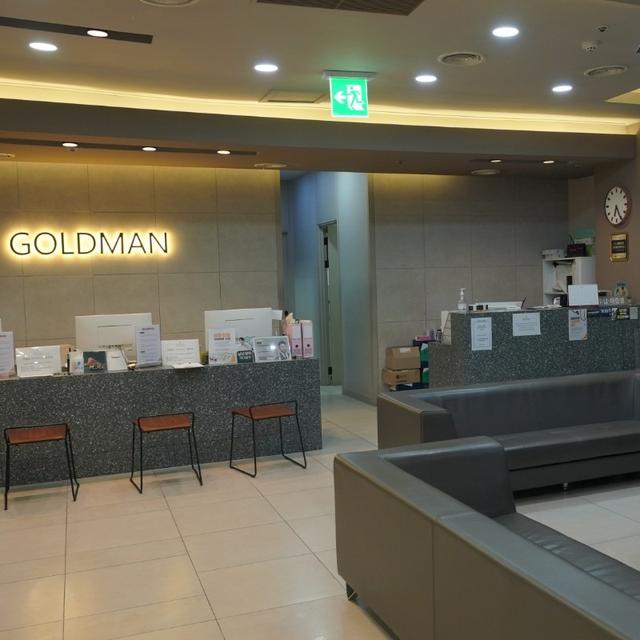
GoldMan Urology Clinic - Incheon
Incheon Terminal Station
Free consultation from the clinic
GoldMan Urology Clinic - Incheon is a renowned clinic offering advanced urological treatments with a patient-oriented approach. The clinic is a urology-only clinic founded in 2002, with five branches in Seoul, Incheon and Gyeonggi-do (Gangnam, Seoul Station, Incheon, Dongtan, Jamsil) and 11 board-certified urologists. Doctors at Incheon include: Dr. Lee Chang Ki (Medical Director), Dr. Kim Byung Hoon. The Incheon branch offers prostate enlargement (BPH) treatment, vasectomy, laser circumcision, STD testing and prostate check-ups, with the same standardized protocol as all Goldman branches. Pain-free endoscopy and a one-day system that completes testing and treatment on the same day. Free parking in the building. English consultation available.
learn more

Blue Urology
Yeongdeungpo Station
Free consultation from the clinic
Blue Urology in Yeongdeungpo provides comprehensive, patient-centered care for urinary and men’s health concerns. General and Diagnostic Procedures Cystoscopy: A thin scope is inserted through the urethra to inspect the bladder and urethra. It helps diagnose causes of blood in urine, recurrent infections, pain, or urinary blockage. Uroflowmetry: A noninvasive test that measures how fast and how much you urinate. It helps evaluate urinary obstruction, weak bladder, or treatment results. Urodynamic testing: A set of tests that measure bladder pressure and function during filling and voiding. It guides treatment for incontinence, urgency, or difficult urination. Prostate ultrasound: An ultrasound probe images the prostate to assess size and structure. It evaluates nodules and helps guide targeted biopsies. Prostate biopsy: Small tissue samples are taken from the prostate using a needle under ultrasound guidance. Pathology checks for cancer to confirm diagnosis and plan care. Prostate and Bladder Care Transurethral Resection of the Prostate (TURP): A surgical scope removes excess prostate tissue through the urethra to relieve blockage from BPH. It improves urine flow and reduces frequency, urgency, and nighttime urination. Laser prostate surgery: A laser is used through a scope to remove or shrink obstructing prostate tissue. It aims for faster recovery and less bleeding than traditional surgery. Botox injection for overactive bladder: Botulinum toxin is injected into the bladder wall via cystoscopy to calm overactivity. It reduces urgency, frequency, and leakage when medications are not enough. Pelvic floor therapy and biofeedback: Guided exercises strengthen pelvic muscles to improve control. It helps stress incontinence and supports recovery after prostate treatments. Stone Management Extracorporeal Shock Wave Lithotripsy (ESWL): Focused sound waves break kidney or ureteral stones into small fragments. The pieces are then passed naturally with urine. Ureteroscopy (laser stone removal): A thin scope is passed into the ureter or kidney to see and fragment stones with a laser, then remove them. A temporary stent is sometimes placed to keep urine flowing and reduce swelling. Stone analysis and prevention plan: Passed or removed stones are analyzed for composition. Diet, hydration, and medications are tailored to reduce the chances of new stones. Men’s Health and Fertility Vasectomy: The vas deferens tubes are sealed through tiny skin openings for permanent contraception. It is an outpatient procedure with quick recovery and does not affect sexual function. Varicocele repair: Enlarged scrotal veins are tied off through a small incision to improve comfort and semen quality. Microscopic techniques reduce pain, recurrence, and complications. Erectile dysfunction evaluation and treatment: Testing and counseling identify causes and options such as medication, vacuum devices, or injections. Care is individualized to restore reliable erections and sexual confidence. Premature ejaculation treatment: Behavioral strategies, topical anesthetics, and medications are combined to improve control. Counseling addresses performance anxiety and relationship factors. Scrotal and Penile Surgery Circumcision: The foreskin is removed to treat recurrent infections, scarring, or personal preference. Modern techniques focus on precision, comfort, and cosmetic outcome. Hydrocele repair: A fluid-filled sac around the testicle is removed or repaired through a small scrotal incision. The goal is to relieve swelling, heaviness, and discomfort. Spermatocele removal: A benign cyst arising from the epididymis is excised while preserving nearby structures. Surgery relieves lump-related discomfort and cosmetic concerns. Penile curvature correction: Sutures are placed to straighten curvature that interferes with function. This improves sexual function and reduces pain from Peyronie’s disease.
learn more

Gamdong Urology Clinic
Sinsa Station
Free consultation from the clinic
Gamdong Urology Clinic in Sinsa offers a variety of specialized procedures to address men's health issues and urological concerns. Below are the main procedures categorized for better understanding: Erectile Dysfunction Shockwave Therapy for Erectile Dysfunction: This non-invasive therapy uses low-intensity shockwaves to improve blood flow to the penis, promoting new blood vessel formation. It is designed to enhance erectile function and is usually administered in multiple sessions. Prostate Health UroLift System: This minimally invasive procedure is used to treat benign prostatic hyperplasia (BPH). It involves the placement of tiny implants to lift and hold the enlarged prostate tissue out of the way, relieving compression on the urethra and enabling better urine flow. For any inquiries or to book an appointment, you can reach us at the 10th Floor, Mulberryhills Medical Tower, 589, Gangnam-daero, Seocho-gu, Seoul.
learn more