LASIK
Description
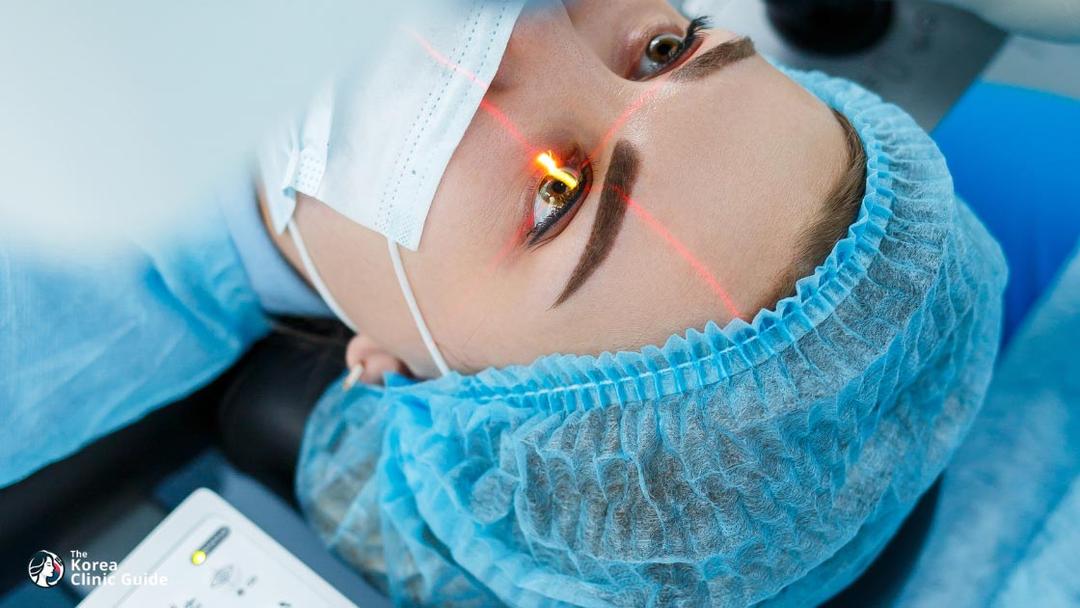
Laser-Assisted in Situ Keratomileusis (LASIK) is a refractive eye surgery used to correct vision issues such as myopia, hyperopia, and astigmatism. The procedure begins with the application of numbing eye drops to ensure patient comfort. Once the eye is fully anesthetized, a microkeratome or a femtosecond laser is used to create a thin, circular flap in the cornea. The surgeon then carefully lifts this flap to expose the underlying corneal tissue. An excimer laser, which uses ultraviolet light, is applied to reshape the cornea by removing precise amounts of corneal tissue based on the patient's specific refractive error. This reshaping allows light entering the eye to be properly focused onto the retina, thus improving vision. Following the corneal reshaping, the surgeon gently repositions the flap back over the treated area. The corneal flap adheres naturally without the need for stitches due to its inherent bonding properties. The entire LASIK procedure typically takes about 10 to 15 minutes per eye, with the actual laser treatment often lasting less than a minute. Post-procedure, patients may experience mild discomfort, dryness, or blurred vision temporarily, but these symptoms typically resolve within a few days. Recovery is generally quick, with most patients noticing significant improvement in vision within 24 hours. Follow-up visits are scheduled to ensure proper healing and to address any complications, though serious problems are rare.
Ailments treated by this procedure: Hyperopia, Night Vision Problems, and Myopia
Search
Categories
Related Posts


Top LASIK Clinics

Gangnam Blue Eye Clinic
Gangnam, Sinnonhyeon, Yeoksam Station
Free consultation from the clinic
Gangnam Blue Eye Clinic: Located in Gangnam Station, we offer patient-centered, expert eye care services to help you see a brighter, clearer world. Our experienced specialists use advanced techniques to treat various eye conditions. Glaucoma Glaucoma Surgery: This procedure involves techniques to reduce intraocular pressure and prevent further optic nerve damage. It is essential for preserving vision in patients with glaucoma. Presbyopia and Cataracts Laser Cataract Surgery: Utilizes laser technology to remove the cataract-affected lens and replace it with an artificial intraocular lens. This advanced method improves precision and recovery time. Artificial Lens Implantation: Involves replacing the natural lens of the eye with an artificial lens to correct vision issues related to aging, such as presbyopia and cataracts. This procedure helps restore clear vision and reduce the dependence on glasses. Vision Correction LASIK: A laser procedure that reshapes the cornea to correct refractive errors like myopia, hyperopia, and astigmatism. It offers a quick recovery and significant improvement in vision. LASEK: Similar to LASIK, but involves reshaping the cornea's surface rather than its inner layers. Suitable for patients with thinner corneas or higher risk profiles. Implantable Collamer Lens (ICL) Surgery: Involves inserting a biocompatible lens between the iris and natural lens to correct severe myopia, hyperopia, or astigmatism. An alternative for those who are not candidates for LASIK. Orthokeratology (Ortho-K): Uses specially designed contact lenses worn overnight to temporarily reshape the cornea for daytime clear vision. Beneficial for managing progressive myopia in children and adults. Retinal Diseases Age-Related Macular Degeneration (AMD) Treatment: Various treatments aimed at slowing or stopping the progression of AMD to preserve central vision. This may include medications, laser therapy, or injections. Diabetic Retinopathy Treatment: Includes laser treatments, injections, and surgical options to manage and prevent complications from diabetes-induced retinal changes. Early treatment is crucial for maintaining vision. Retinal Detachment Surgery: Urgent surgical intervention to reattach the retina and restore vision. Techniques may include vitrectomy, scleral buckling, or pneumatic retinopexy. Floaters Treatment: Involves techniques to reduce or eliminate visual disruptions caused by floaters in the vitreous humor. Treatment options can vary depending on severity and discomfort. Gangnam Blue Eye Clinic is dedicated to providing comprehensive and personalized eye care, ensuring our patients receive the best possible outcomes.
learn more
Eye Plus Eye Clinic
Gangnam, Sinnonhyeon Station
Free consultation from the clinic
Eye Plus Eye Clinic, located in Gangnam Station, offers a range of specialized eye care services tailored to enhance your vision with high satisfaction rates and advanced medical technologies. Vision Correction Center Super SMILE LASIK: This minimally invasive procedure corrects refractive errors to achieve clearer vision. It boasts a 99% rate of achieving 1.0 vision or better based on recent statistics. Super LASEK: A surface ablation procedure that reshapes the cornea to correct vision, providing a safer option for those with thin corneas. It requires a longer recovery time compared to LASIK but offers excellent results. Super LASIK: This advanced LASIK surgery provides quicker recovery and reduced discomfort compared to traditional LASIK procedures. It is ideal for those seeking fast visual recovery and enhanced precision. Implantable Collamer Lens (ICL): This procedure involves the insertion of a lens implant in front of the natural lens to correct myopia, hyperopia, and astigmatism. It is a great alternative for individuals who are not candidates for LASIK due to high prescriptions or thin corneas. Corneal Cross-Linking (CXL): This treatment strengthens a weakened cornea by increasing collagen cross-links within the corneal tissue. It is often used to halt the progression of keratoconus and other corneal disorders. Revision Surgery Center Revision Surgery: For patients who need correction after initial refractive surgery, specialized treatments are provided to enhance or fully restore vision. It involves a thorough evaluation to determine the best appropriate revision technique. Presbyopia Correction Center Presbyopia & Cataract Surgery: This center offers comprehensive treatments for presbyopia and cataracts, aiming to restore vision clarity and reduce dependency on reading glasses. Surgical options include advanced lens implant techniques and laser-assisted procedures. Multifocal Intraocular Lens (IOL) Implantation: This procedure involves implanting multifocal lenses to replace the eye's natural lens, providing a solution for both presbyopia and cataracts. It allows for clear vision at multiple distances. Presby-LASIK: A laser correction option designed to treat presbyopia by reshaping the cornea to improve near vision while maintaining distance vision. It is suitable for older patients who want to reduce reliance on reading glasses. General Treatment Center Glaucoma: Specialized care and treatments are provided for managing and controlling glaucoma to prevent vision loss. This includes medical, laser, and surgical options tailored to the patient's condition. Retinal Diseases: Comprehensive care for various retinal conditions such as macular degeneration, diabetic retinopathy, and retinal detachment. Advanced diagnostic tools and treatment protocols are used to ensure optimal outcomes. Dry Eye Syndrome: A variety of treatments are available to alleviate symptoms of dry eye, including medication, lifestyle adjustments, and advanced therapies such as LipiFlow. This aims to increase tear production and improve the quality of tears. The clinic ensures that each patient receives personalized care supervised by experienced medical professionals.
learn more