
Cataract Surgery
Description
Cataract surgery is a common, minimally invasive procedure aimed at restoring clear vision by removing the clouded lens of the eye and replacing it with an artificial lens, known as an intraocular lens (IOL). The surgery typically begins with the administration of local anesthesia to numb the eye, often in the form of eye drops or an injection, ensuring patient comfort throughout the procedure. The surgeon then makes a tiny incision at the edge of the cornea using a scalpel, or more commonly, a laser, to access the cataract. Through this incision, a small probe is inserted that utilizes ultrasonic energy to break up the opaque lens into smaller fragments, a process known as phacoemulsification. These fragments are then gently suctioned out of the eye using the same probe, carefully preserving the integrity of the surrounding eye structures. After the removal of the cataract, the surgeon inserts the IOL through the same incision. The IOL is carefully unfolded and positioned in the place of the natural lens, where it helps to refocus light on the retina and restore clear vision. The small incision typically does not require stitches and seals naturally. The entire procedure usually takes between 15 to 30 minutes. Post-surgery, the patient is monitored for a brief period before being allowed to go home. Patients are generally prescribed medicated eye drops to prevent infection and inflammation, along with detailed instructions for post-operative care to ensure optimal healing and recovery. Follow-up appointments are scheduled to monitor the eye’s healing process and visual acuity. With advancements in technology and surgical techniques, cataract surgery boasts a high success rate, significantly enhancing the quality of life for those suffering from cataract-related vision impairment.
Ailments treated by this procedure: Age-related Cataracts, Photophobia from Cataract, Cataracts, and Cloudy Vision

Search
Categories
Related Posts
Top Cataract Surgery Clinics

Gangnam Bright Smile Eye Clinic
Gangnam Station
Free consultation from the clinic
About Gangnam Bright Smile Eye Clinic At Gangnam Bright Smile Eye Clinic, we provide the best medical service to patients from all around the world, utilizing our top-notch technology and highly skilled medical staff. Validate our expertise through various media features and let us take care of your eye health with precision and care. Refractive Surgery SMILE SMILE (Small Incision Lenticule Extraction) is a minimally invasive laser vision correction surgery. It offers a shorter recovery time and less discomfort compared to traditional LASIK. LASEK LASEK (Laser-Assisted Sub-Epithelial Keratectomy) is a type of refractive surgery that reshapes the cornea to correct vision. This procedure is especially suitable for patients with thin corneas. Vision Correction ICL ICL (Implantable Collamer Lens) involves placing a lens inside the eye to correct myopia, hyperopia, and astigmatism. It is an alternative to laser vision correction for patients who may not be suitable candidates for LASIK or LASEK. Age-Related Vision Correction Presbyopia & Cataract This procedure involves surgical treatment for presbyopia and cataract removal to improve vision clarity. Advanced lens implants are used to restore youthful vision and reduce the need for glasses. For appointments or more information, please visit our website or contact us directly. Experience the best in eye care with Gangnam Bright Smile Eye Clinic.
learn more
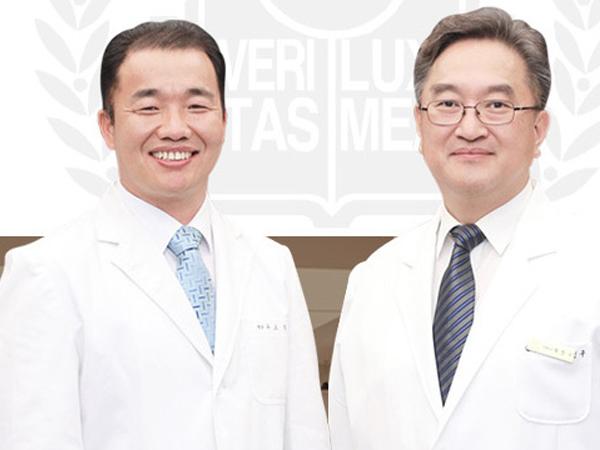
Glory Seoul Eye Clinic
Gangnam Station
Free consultation from the clinic
At Glory Seoul Eye Clinic in Gangnam, a wide range of eye care treatments and procedures are offered. Below is an in-depth look into their primary services including LASIK, LASEK, IOL (Intraocular Lenses), presbyopia treatment, and cataract surgery. LASIK (Laser-Assisted In Situ Keratomileusis) Pre-operative Examination: Comprehensive evaluation including corneal thickness, eye pressure, and detailed mapping of the eye’s surface. Procedure: Uses an excimer laser to reshape the cornea for correcting myopia, hyperopia, and astigmatism. Post-operative Care: Includes medication for comfort and healing, along with follow-up examinations to monitor the recovery. LASEK (Laser-Assisted Sub-Epithelial Keratectomy) Pre-operative Examination: Similar in-depth eye examination as LASIK to determine eligibility. Procedure: Involves creating a thin flap in the epithelium, then using a laser to reshape the cornea. Suitable for patients with thin corneas. Recovery: Includes a post-operative kit, bandage contact lens to promote healing, and follow-up checks to ensure proper healing. IOL (Intraocular Lenses) Consultation and Evaluation: Diagnosis of lens-related issues and determination of the appropriate IOL type. Procedure Options: Phakic IOLs: Inserted without removing the natural lens, suitable for patients who are not candidates for corneal refractive surgery. Refractive Lens Exchange (RLE): Replacement of the eye's natural lens with an artificial IOL, often used for presbyopia or high lens prescription. Post-operative Care: Follow-up visits to adjust vision correction if necessary and ensure proper lens adjustment. Presbyopia Treatment Diagnosis and Evaluation: Identifying the degree of presbyopia through comprehensive vision tests. Treatment Options: Monovision LASIK: Correcting one eye for near vision and the other for distant vision. Multifocal IOLs: Replacing the natural lens with a multifocal IOL to improve vision at all distances. Corneal Inlays: Implanting a small device into the cornea to improve focus on near objects. Cataracts Pre-operative Assessment: Detailed eye exam to evaluate the extent of the cataract and eye health. Surgical Procedures: Phacoemulsification: Small incision cataract surgery using ultrasound waves to break up the cloudy lens, followed by IOL implantation. Extracapsular Cataract Extraction (ECCE): Removal of the cloudy lens in one piece, followed by IOL implantation, typically for advanced cataracts. Post-Surgical Care: Monitoring for complications, managing discomfort, and ensuring proper healing after IOL placement. Glory Seoul Eye Clinic in Gangnam focuses on providing a holistic and patient-centered approach to eye care, ensuring that each patient receives the best possible outcome for their specific vision needs.
learn more