
Medizintourismus-Blog
Lösungen bei ungleichmäßigem Haaransatz: Haaransatzkorrekturen in Korea für natürliche Ergebnisse
Table of contents
- Medizinische Verfahren zur Korrektur des Haaransatzes
- Die besten Kliniken in Korea bei ungleichmäßigem Haaransatz
- Der Weg zur Haaransatzkorrektur in Südkorea
- Kostenanalyse: Südkorea im Vergleich zu globalen Reisezielen
- Patientenerfahrungen und der Umgang mit Bedenken
- Fazit
- Quellen
Planen Sie eine Behandlung in Korea? Alles, was Sie wissen müssen, z. B. wie Sie Betrug vermeiden, Visa, Dolmetscher und Tipps für die Erholung, finden Sie in unserem Master Guide für Medizintourismus. Planen Sie mit Vertrauen in Minuten statt in Wochen!
Ein ungleichmäßiger Haaransatz – gekennzeichnet durch eine asymmetrische oder gezackte Form des vorderen Haaransatzes – ist für viele Menschen ein erhebliches Anliegen. Auch wenn er oft wie ein rein kosmetisches Problem erscheint, reichen die Ursachen eines ungleichmäßigen Haaransatzes von natürlich vererbten Merkmalen bis hin zu medizinischen Erkrankungen. Wenn Sie über eine Korrektur eines ungleichmäßigen Haaransatzes nachdenken, ist es wichtig zu verstehen, wodurch er verursacht sein kann, welche Behandlungsmöglichkeiten es gibt und wo Sie die besten Optionen finden könnten – insbesondere, wenn Sie Medizintourismus in Ländern wie Südkorea in Betracht ziehen.
Definition und Merkmale eines ungleichmäßigen Haaransatzes
Ein ungleichmäßiger Haaransatz ist ein vorderer Haaransatz mit einer deutlichen Asymmetrie zwischen den Seiten – sei es in Form, Höhe oder Dichte. Bei manchen bedeutet das, dass eine Seite stärker zurückweicht oder dichter erscheint als die andere; andere bemerken eine „M-Form“, die durch zurückweichende Schläfen entsteht. Leichte Asymmetrien sind beim Menschen völlig normal, doch selbst kleine Unterschiede können für Betroffene belastend sein. Manchmal ist das, was wie eine Unregelmäßigkeit aussieht, lediglich eine unterschiedliche Höhe des Haaransatzes oder eine geringere Dichte an nur einer Schläfe.
Häufige Bezeichnungen und verwandte Begriffe
Ein ungleichmäßiger Haaransatz wird mitunter auch als „asymmetrischer Haaransatz“ oder als „gezackte Form des vorderen Haaransatzes“ beschrieben. Verwandte Begriffe sind „reifer Haaransatz“, was eine natürliche, leichte Veränderung nach den Teenagerjahren bezeichnet, sowie ein "zurückweichender Haaransatz", der sich auf echten Haarverlust im Stirn- und Schläfenbereich bezieht und oft mit Ausdünnung und vermehrtem Haarausfall einhergeht. "Männlicher erblich bedingter Haarausfall" und „androgenetische Alopezie“ sind medizinische Bezeichnungen für Zustände, die häufig zu einem zurückweichenden oder ungleichmäßigen Haaransatz führen.
Ursachen eines ungleichmäßigen Haaransatzes
Ein ungleichmäßiger Haaransatz kann durch eine Mischung aus genetischen, lebensstilbedingten und medizinischen Faktoren entstehen:
- Genetik: Die häufigste Ursache. Die Gene können die Form des Haaransatzes ähnlich stark beeinflussen wie Augenfarbe oder Körpergröße. Eine Witwenspitze oder eine familiäre Vorbelastung für männlichen erblich bedingten Haarausfall (androgenetische Alopezie) spielen dabei oft eine Rolle.
- Traktionsalopezie: Diese Form des Haarausfalls wird meist durch straffe Frisuren (wie Zöpfe oder Pferdeschwänze) verursacht, die an den Haarwurzeln ziehen, und kann die Schläfen sowie den vorderen Haaransatz bei Männern und Frauen betreffen.
- Männlicher erblich bedingter Haarausfall (androgenetische Alopezie): Am häufigsten bei Männern; die androgenetische Alopezie steht mit Hormonen wie DHT und Testosteron in Zusammenhang und führt zu Ausdünnung sowie zu einem zurückweichenden oder ungleichmäßigen Haaransatz.
- Hormonelle Ungleichgewichte: Hormonveränderungen, etwa während einer Schwangerschaft oder der Menopause oder infolge gesundheitlicher Probleme, können Veränderungen des Haaransatzes auslösen.
- Trauma oder Verletzung: Unfälle oder Verletzungen der Kopfhaut können dazu führen, dass in kleinen Bereichen Haare ausfallen, was ein ungleichmäßiges oder schiefes Erscheinungsbild hinterlässt.
- Styling-Gewohnheiten: Häufiges Hitzestyling, grobes Bürsten oder chemische Behandlungen können das Haar schwächen oder ausdünnen und so Unregelmäßigkeiten verursachen.
- Umwelt- und Lebensstilfaktoren: Chronischer Stress (der den Cortisolspiegel erhöht), eine unausgewogene Ernährung und die Exposition gegenüber Toxinen können die Gesundheit der Haarfollikel beeinträchtigen.
- Medizinische Erkrankungen:
- Schilddrüsenerkrankungen: Hormonelle Störungen durch Schilddrüsenprobleme können Haarausfall und Unregelmäßigkeiten des Haaransatzes verursachen.
- Frontale fibrosierende Alopezie (FFA): Eine Form des vernarbenden Haarausfalls – am häufigsten bei Frauen nach der Menopause, aber auch bei Männern – führt dazu, dass der vordere Haaransatz und manchmal auch die Augenbrauen sichtbar zurückweichen. Sie gilt als Autoimmunerkrankung und kann sowohl durch genetische als auch durch Umweltfaktoren ausgelöst werden.
Ein leicht ungleichmäßiger Haaransatz ist oft vor allem ein kosmetisches Anliegen. Wenn Sie jedoch rasche Veränderungen, sichtbare Entzündungen oder ein gezacktes Muster bemerken, kann dies auf medizinische Erkrankungen wie die frontale fibrosierende Alopezie hindeuten. Bevor ästhetische Überlegungen im Vordergrund stehen, ist eine gründliche medizinische Abklärung entscheidend, um Erkrankungen auszuschließen, die unbehandelt dauerhaft werden könnten.
Ein ganzheitlicher Ansatz
Die Faktoren, die den Haaransatz beeinflussen, sind komplex und überschneiden sich häufig. Die Genetik kann die Grundlage bilden, während Ernährung, Stress und kosmetische Produkte zusätzlich eine Rolle spielen. Die Behandlung eines ungleichmäßigen Haaransatzes erfordert daher oft nicht nur medizinische oder chirurgische Maßnahmen, sondern auch Aufmerksamkeit für Stress, Ernährung und Umweltfaktoren.
Medizinische Verfahren zur Korrektur des Haaransatzes
Zur Korrektur eines ungleichmäßigen Haaransatzes gibt es zahlreiche Optionen – sowohl nichtchirurgische als auch chirurgische –, die individuell auf jede Patientin und jeden Patienten abgestimmt werden.
Nichtchirurgische Ansätze
Bei frühen oder leichten Veränderungen oder als Ergänzung zu intensiveren Verfahren können nichtchirurgische Methoden hilfreich sein:
- Topische Behandlungen: Minoxidil kann das Haarwachstum und die Haardichte fördern, muss aber konsequent angewendet werden.
- Orale Medikamente: Finasterid senkt den DHT-Spiegel, um weiteren Haarverlust zu verhindern, vor allem bei männlichem erblich bedingtem Haarausfall.
- Therapie mit plättchenreichem Plasma (PRP): Die Injektion konzentrierter Blutplättchen aus dem eigenen Blut in die Kopfhaut kann die Follikel stimulieren. Sie ist minimalinvasiv, erfordert aber meist mehrere Sitzungen.
- Low-Level-Laser-Therapie (LLLT): Geräte – für zu Hause oder in der Klinik – arbeiten mit sanften Lasern zur Förderung des Haarwachstums; eine konsequente, langfristige Anwendung ist entscheidend.
- Kopfhaut-Mikropigmentierung (SMP): Dabei wird Pigment in die Kopfhaut eingebracht, um die Illusion volleren Haares zu erzeugen oder Unregelmäßigkeiten zu kaschieren. Dadurch wächst kein Haar nach, aber optische Ergebnisse sind sofort sichtbar.
- Anpassungen des Lebensstils:
- Stressmanagement durch Aktivitäten wie Yoga kann hilfreich sein.
- Eine Ernährung mit ausreichend Vitaminen und Nährstoffen (Biotin, Vitamin D, Eisen, Zink) ist vorteilhaft.
- Das Vermeiden straffer Frisuren und aggressiver Behandlungen schützt das vorhandene Haar.
- Eine saubere und gut mit Feuchtigkeit versorgte Kopfhaut unterstützt ein gesundes Haarwachstum.
- Gezieltes Styling: Schon einfache Veränderungen wie Ponyfrisuren oder Stufen können einen ungleichmäßigen Haaransatz optisch ausgleichen.
Chirurgische Eingriffe
Deutlich ausgeprägtere Veränderungen des Haaransatzes erfordern in der Regel chirurgische Lösungen:
- Verfahren der Haartransplantation: Sie bieten die natürlichste und dauerhafteste Lösung für einen ungleichmäßigen oder zurückweichenden Haaransatz.
- Follicular Unit Extraction (FUE): Einzelne Follikel werden entnommen und verpflanzt, was nur minimale Narben hinterlässt und ein natürliches Ergebnis ermöglicht.
- Follicular Unit Transplantation (FUT): Ein Hautstreifen mit Haaren wird am Hinterkopf entnommen, in Grafts aufgeteilt und implantiert. Dabei bleibt eine lineare Narbe zurück, dafür kann die Ausbeute an Follikeln hoch sein.
- Stirnverkürzungsoperation (Haaransatzsenkung): Überschüssige Haut wird entfernt und die Kopfhaut nach vorne verlagert, wodurch der Haaransatz sofort um 1–3 cm abgesenkt wird. Narben können sichtbar sein, wenn sie nicht zusätzlich durch eine Haartransplantation kaschiert werden.
- Kopfhautreduktionsoperation: Wird bei ungleichmäßigen vorderen Haaransätzen selten eingesetzt, entfernt aber kahle Areale, indem benachbarte behaarte Haut gedehnt wird.
Die wichtigste Entscheidung zwischen diesen Optionen besteht darin, ob eine sofortige Veränderung (wie bei einer Stirnverkürzungsoperation) oder eine allmählichere, natürlich wirkende Integration (wie bei einer Haartransplantation) gewünscht ist. Verfahren mit sofortigem Effekt können Narben hinterlassen und erfordern oft eine nachfolgende Transplantation für ein nahtloses Ergebnis, während Transplantationen länger brauchen, bis Resultate sichtbar werden, dafür aber seltener zu auffälligen Narben führen.
Kombinationstherapien und personalisierte Behandlungspläne
Häufig werden Stirnverkürzung und Haartransplantation kombiniert, um sowohl ein natürliches Erscheinungsbild zu erzielen als auch Narben zu verbergen. Welches Verfahren – oder welche Kombination – geeignet ist, hängt von der Ursache und dem Ausmaß der Veränderung des Haaransatzes, Ihren Zielen, Ihrem Budget und Ihrem Lebensstil ab. Fachleute prüfen die Elastizität der Kopfhaut, die aktuelle Dichte und die Gesichtsproportionen, um einen individuell auf Sie zugeschnittenen Plan zu erstellen.
Moderne Haaransatzkorrektur ist keine Einheitslösung. Kliniken, die eine umfassende Diagnostik und mehrere Behandlungsoptionen anbieten – statt nur ein oder zwei Methoden –, erzielen tendenziell die besten Ergebnisse.
Eignung von Kandidatinnen und Kandidaten sowie zu erwartende Ergebnisse
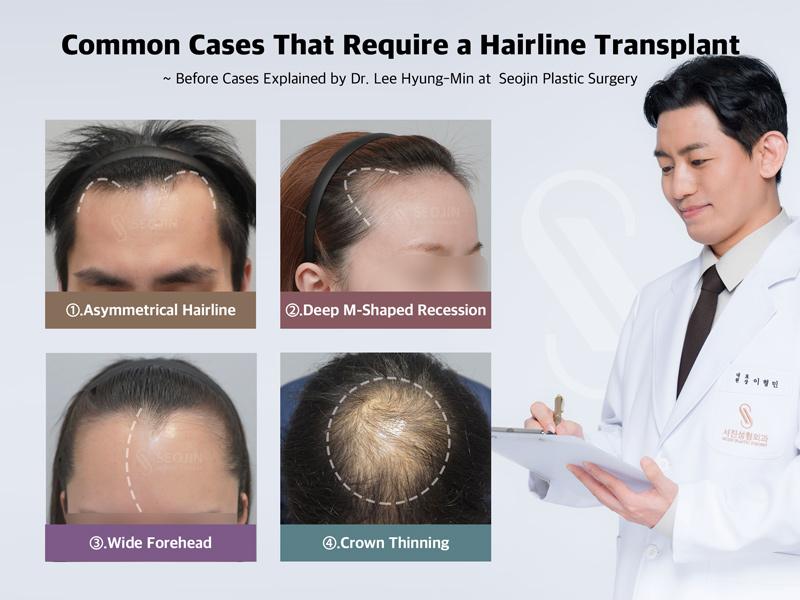
- Haartransplantation: Am besten geeignet bei stabilem Haarverlust (wie androgenetischer Alopezie), von Natur aus hohem Haaransatz oder Haarverlust infolge einer Verletzung.
- Stirnverkürzungsoperation: Geeignet für Personen ohne fortschreitenden Haarverlust, die sofortige Ergebnisse wünschen und eine gute Elastizität der Kopfhaut haben.
- Zu erwartende Ergebnisse: Transplantierte Haare werden typischerweise nach einigen Monaten sichtbar und erreichen ihre volle Reife innerhalb von 10–18 Monaten. Eine Stirnverkürzung liefert sofortige Veränderungen.
Aspekte der Erholung und Nachsorge
- FUE-Haartransplantationen: Die Erholung verläuft meist schnell; Schwellungen und Rötungen halten in der Regel nur wenige Tage an. Die Rückkehr zu den meisten Alltagsaktivitäten ist innerhalb weniger Tage möglich.
- PRP-Therapie: Kaum bis keine Ausfallzeit; eine gewisse Empfindlichkeit kann auftreten.
- Kopfhaut-Mikropigmentierung: Sofortige Ergebnisse, kaum Erholungszeit erforderlich; im Verlauf sind Auffrischungen nötig.
- Low-Level-Laser-Therapie: Keine Erholungszeit, aber eine regelmäßige Anwendung ist erforderlich.
- Stirnverkürzungsoperation: Die Heilung des Schnitts dauert einige Monate, Narben verblassen innerhalb eines Jahres. Leichte Aktivitäten sind meist nach einer Woche wieder möglich, Sport nach 4–6 Wochen.
- Allgemeine Nachsorge: Befolgen Sie alle Anweisungen für eine optimale Heilung, halten Sie den Kopf anfangs hochgelagert und vermeiden Sie zunächst anstrengende Aktivitäten.
Die besten Kliniken in Korea bei ungleichmäßigem Haaransatz
Nachfolgend sind die besten Kliniken in Korea für die Behandlung eines ungleichmäßigen Haaransatzes aufgeführt:
| Klinikname | Hauptmerkmale | Besondere Techniken |
|---|---|---|
| Seojin Plastic Surgery Clinic | - Anerkannte Expertise: Dr. Lee Hyungmin wurde 2022 als einer der „Top 100 Good Doctors in Korea“ ausgewählt, was seine nachgewiesene Kompetenz und patientenzentrierte Betreuung widerspiegelt. - Umfangreiche Erfahrung und Erfolgsbilanz: Mehr als 2.100 durchgeführte Haartransplantationen unterstützen eine verlässliche Planung bei der Korrektur eines ungleichmäßigen Haaransatzes. - Ausgezeichnete Führungsrolle in der Haartransplantation: Platz 1 in der Kategorie Haartransplantation bei den KBS N Korea Broadcasting Brand Awards (2025). - Fortgeschrittene Haaransatz-Gradationstransplantation für natürliche Symmetrie: Follikel werden in der Reihenfolge feiner, mittlerer und dicker Haare angeordnet, um einen weicheren, realistischeren vorderen Haaransatz zu schaffen; das Design wird individuell an die Gesichtssymmetrie angepasst, unter Berücksichtigung von Stirn, Brauenknochen, Schläfen, Mittelgesicht und unterem Gesichtsdrittel. - Breitere Technikauswahl als in typischen Kliniken: Mehrere Schnitttechniken verfügbar (Linienschnitt, No-Cut und Mischansätze), sodass die Methode an das Asymmetriemuster, den Zustand der Kopfhaut und die gewünschte Dichte angepasst werden kann. - Möglichkeit umfangreicher Korrekturen: 6.000 bis 10.000 Haare können mit kombinierten Schnitt- und Nicht-Schnitt-Methoden transplantiert werden, wenn eine umfassendere Umformung erforderlich ist. - Höhere Standards zur Erhaltung der Grafts: Ein gekühlter Raum zur Follikelseparation hilft, entnommene Follikel in optimalem Zustand zu halten und so die Anwachsrate zu unterstützen. - PRP-Haartransplantationsoption: Aus dem Eigenblut der Patientin oder des Patienten gewonnenes PRP wird zusammen mit den Follikeln transplantiert, um das Anwachsen zu verbessern und Entzündungen zu reduzieren – besonders hilfreich in Bereichen, in denen das Anwachsen entscheidend ist (etwa am Wirbel), oder für internationale Patientinnen und Patienten, die nicht häufig zu Nachkontrollen zurückkehren können. - Technische Präzision zur Vermeidung von Dichtestörungen: Fachwissen zur Minimierung des „Popping-Phänomens“, bei dem bereits eingesetzte Grafts beim Implantieren benachbarter Grafts wieder herausgedrückt werden können, unterstützt eine gleichmäßige Dichte und saubere Haaransatzlinien. - Personalisierte, kontinuierliche Betreuung: Als Ein-Arzt-Klinik begleitet Dr. Lee Beratung, Design, Eingriff und Nachsorge persönlich, was besonders bei ungleichmäßigem Haaransatz wichtig ist, da kleine Unterschiede im Design die wahrgenommene Symmetrie deutlich beeinflussen können. | - Fortgeschrittene Haaransatz-Gradationstransplantation für natürliche Symmetrie: Follikel werden in der Reihenfolge feiner, mittlerer und dicker Haare angeordnet, um einen weicheren, realistischeren vorderen Haaransatz zu schaffen; das Design wird individuell an die Gesichtssymmetrie angepasst, unter Berücksichtigung von Stirn, Brauenknochen, Schläfen, Mittelgesicht und unterem Gesichtsdrittel. - Breitere Technikauswahl als in typischen Kliniken: Mehrere Schnitttechniken verfügbar (Linienschnitt, No-Cut und Mischansätze), sodass die Methode an das Asymmetriemuster, den Zustand der Kopfhaut und die gewünschte Dichte angepasst werden kann. - Möglichkeit umfangreicher Korrekturen: 6.000 bis 10.000 Haare können mit kombinierten Schnitt- und Nicht-Schnitt-Methoden transplantiert werden, wenn eine umfassendere Umformung erforderlich ist. - Höhere Standards zur Erhaltung der Grafts: Ein gekühlter Raum zur Follikelseparation hilft, entnommene Follikel in optimalem Zustand zu halten und so die Anwachsrate zu unterstützen. - PRP-Haartransplantationsoption: Aus dem Eigenblut der Patientin oder des Patienten gewonnenes PRP wird zusammen mit den Follikeln transplantiert, um das Anwachsen zu verbessern und Entzündungen zu reduzieren – besonders hilfreich in Bereichen, in denen das Anwachsen entscheidend ist (etwa am Wirbel), oder für internationale Patientinnen und Patienten, die nicht häufig zu Nachkontrollen zurückkehren können. - Technische Präzision zur Vermeidung von Dichtestörungen: Fachwissen zur Minimierung des „Popping-Phänomens“, bei dem bereits eingesetzte Grafts beim Implantieren benachbarter Grafts wieder herausgedrückt werden können, unterstützt eine gleichmäßige Dichte und saubere Haaransatzlinien. - Personalisierte, kontinuierliche Betreuung: Als Ein-Arzt-Klinik begleitet Dr. Lee Beratung, Design, Eingriff und Nachsorge persönlich, was besonders bei ungleichmäßigem Haaransatz wichtig ist, da kleine Unterschiede im Design die wahrgenommene Symmetrie deutlich beeinflussen können. |
| Maxwell Hair Clinic | - Maxwell Hair Clinic ist ein führendes Zentrum für Haarwiederherstellung in Korea für Patientinnen und Patienten, die eine Korrektur eines ungleichmäßigen Haaransatzes suchen, und ist für ihren natürlichen, gesichtsausgewogenen Designansatz sowie ihre umfangreiche klinische Erfahrung bekannt. - Gegründet 2007 und seit 2011 in Folge als beste Klinik Koreas anerkannt, hat Maxwell mehr als 60.000 Haartransplantationen durchgeführt und greift auf Daten aus über 500.000 Behandlungsfällen zurück, um personalisierte Lösungen anzubieten. - Unter der Leitung von Dr. Noh Yoon Woo – vielfach ausgezeichnet und in Koreas Community für Haarwiederherstellung anerkannt – legt die Klinik Wert auf eine vertrauensvolle Arzt-Patienten-Beziehung und bietet maßgeschneiderte Optionen wie FUT, FUE oder Kombinationsmethoden sowie spezielle Unterstützung für internationale Patientinnen und Patienten. - Bei ungleichmäßigen Haaransätzen beruhen Maxwells Ergebnisse auf einem Natural Design Process, der mit einem präzisen Laserdesign beginnt und anschließend in einer zweiten Phase manuell verfeinert wird, damit der Haaransatz auf die richtige Weise natürlich unregelmäßig wirkt. - Bei der Gradation Transplantation werden feinere Haare vorne und dickere Grafts dahinter platziert, um realistische Weichheit und Tiefe zu erzeugen, während Facial Design Enhancement das Verhältnis von Haaransatz und Stirn anpasst, damit das Gesicht kleiner und harmonischer wirkt. - Die Behandlungsplanung basiert auf einer umfassenden Diagnostik wie Elastizität der Kopfhaut, Dichte und Grad des Haarausfalls, kombiniert mit narbenminimierenden Techniken wie ultrakleinen Stanzen (0,9–1,2 mm) und doppelter Nahttechnik. - Patientinnen und Patienten profitieren außerdem von schnellen Erholungsprotokollen – oft mit Haarwäsche bereits am nächsten Tag und Rückkehr in den Alltag innerhalb von zwei Tagen – sowie von Wachstumsoptimierung durch Wachstumsfaktoren und spezialisierte Magnetfeldtherapie, was Maxwells Philosophie widerspiegelt, Follikelzellen als den eigentlichen „Motor“ der Haarproduktion zu betrachten. | - Der Natural Design Process beginnt mit präzisem Laserdesign und einer zweiten manuellen Verfeinerungsphase für eine natürliche Unregelmäßigkeit. - Die Gradation Transplantation platziert feinere Haare vorne und dickere Grafts dahinter, um ein realistisches Ergebnis zu schaffen. - Facial Design Enhancement passt das Verhältnis von Haaransatz und Stirn an, damit das Gesicht kleiner und harmonischer wirkt. - Behandlungsplanung auf Basis einer umfassenden Diagnostik einschließlich Elastizität der Kopfhaut, Dichte und Grad des Haarausfalls; Narbenminimierung durch ultrakleine Stanzen (0,9–1,2 mm) und doppelte Nahttechnik. - Schnelle Erholungsprotokolle und Wachstumsoptimierung durch Wachstumsfaktoren und Magnetfeldtherapie. |
| SH Clinic | - Die SH Clinic in Sinsa, Seoul, ist ein medizinisches Zentrum mit mehreren Fachbereichen, das Stammzellwissenschaft, Frauengesundheit, ästhetische Dermatologie und moderne plastische Chirurgie unter einem Dach vereint. - Als spezialisiertes Zentrum mit Schwerpunkt auf Stammzelltherapie und Gynäkologie bietet die SH Clinic personalisierte, umfassende Behandlungspläne, die sowohl ästhetische Ziele als auch zugrunde liegende gesundheitliche Bedürfnisse berücksichtigen, und unterstützt Patientinnen und Patienten durch koordinierte Betreuung über mehrere Fachrichtungen hinweg. - Für Patientinnen und Patienten mit ungleichmäßigem Haaransatz und Haarausdünnung bietet das SH Stem Cell Center eine nichtchirurgische Option in Form einer Behandlung von Haarausfall mit Stammzellen an, bei der autologe Stammzellen in die Kopfhaut injiziert werden, um ruhende Follikel zu aktivieren, neues Wachstum anzuregen und bestehende Haare ohne Grafting zu verdicken. - Die SH Clinic bietet über ihre gynäkologische Klinik außerdem ein breites Spektrum an Leistungen für die Frauengesundheit an, darunter allgemeine gynäkologische Versorgung und Optionen zur vaginalen Verjüngung wie Vaginalfiller, Stammzellinjektionen, HIFU-Laser-Behandlungen, Vaginalstraffung und Implantatchirurgie, was ihren umfassenden Ansatz für das Wohlbefinden der Patientinnen widerspiegelt. | - Stammzellbehandlung gegen Haarausfall mit autologen Stammzellen, die in die Kopfhaut injiziert werden, um ruhende Follikel zu aktivieren und neues Wachstum ohne Grafting anzuregen. - Regenerative Ansätze innerhalb der Stammzelltherapie und Gynäkologie; multidisziplinäre Koordination für das Wohlbefinden der Patientinnen und Patienten. - Nichtchirurgische Option bei ungleichmäßigem Haaransatz über das SH Stem Cell Center. |
Seojin Plastic Surgery Clinic
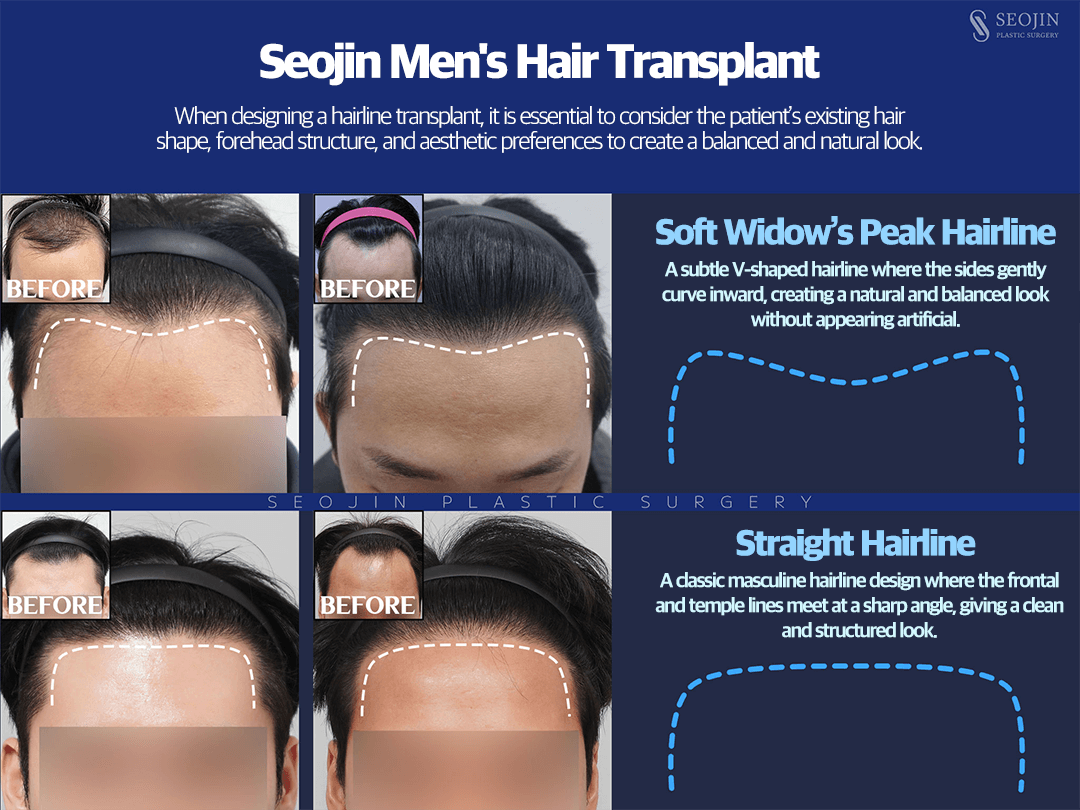
Die Seojin Plastic Surgery Clinic im Herzen von Gangnam, Seoul, ist eine Ein-Arzt-Klinik unter der Leitung von Dr. Lee Hyungmin und bietet eine lückenlose Betreuung mit starkem Fokus auf natürlich wirkende, ausgewogene Gesichtsästhetik – was sie zu einer Top-Wahl für Patientinnen und Patienten macht, die eine Korrektur eines ungleichmäßigen Haaransatzes suchen. Mit mehr als 16 Jahren Erfahrung, fortschrittlicher Designplanung und sorgfältigen Systemen zur Handhabung der Grafts ist die Klinik dafür bekannt, Haaransätze zu schaffen, die weich, symmetrisch und individuell auf jedes Gesicht abgestimmt wirken. Dr. Lees anerkannte Expertise, kombiniert mit einem hohen Operationsvolumen und einer breiten Auswahl an Techniken, unterstützt durchgehend verfeinerte Ergebnisse bei asymmetriebedingten Problemen des Haaransatzes.
- Anerkannte Expertise: Dr. Lee Hyungmin wurde 2022 als einer der „Top 100 Good Doctors in Korea“ ausgewählt, was seine nachgewiesene Kompetenz und patientenzentrierte Betreuung widerspiegelt.
- Umfangreiche Erfahrung und Erfolgsbilanz: Mehr als 2.100 durchgeführte Haartransplantationen unterstützen eine verlässliche Planung bei der Korrektur eines ungleichmäßigen Haaransatzes.
- Ausgezeichnete Führungsrolle in der Haartransplantation: Platz 1 in der Kategorie Haartransplantation bei den KBS N Korea Broadcasting Brand Awards (2025).
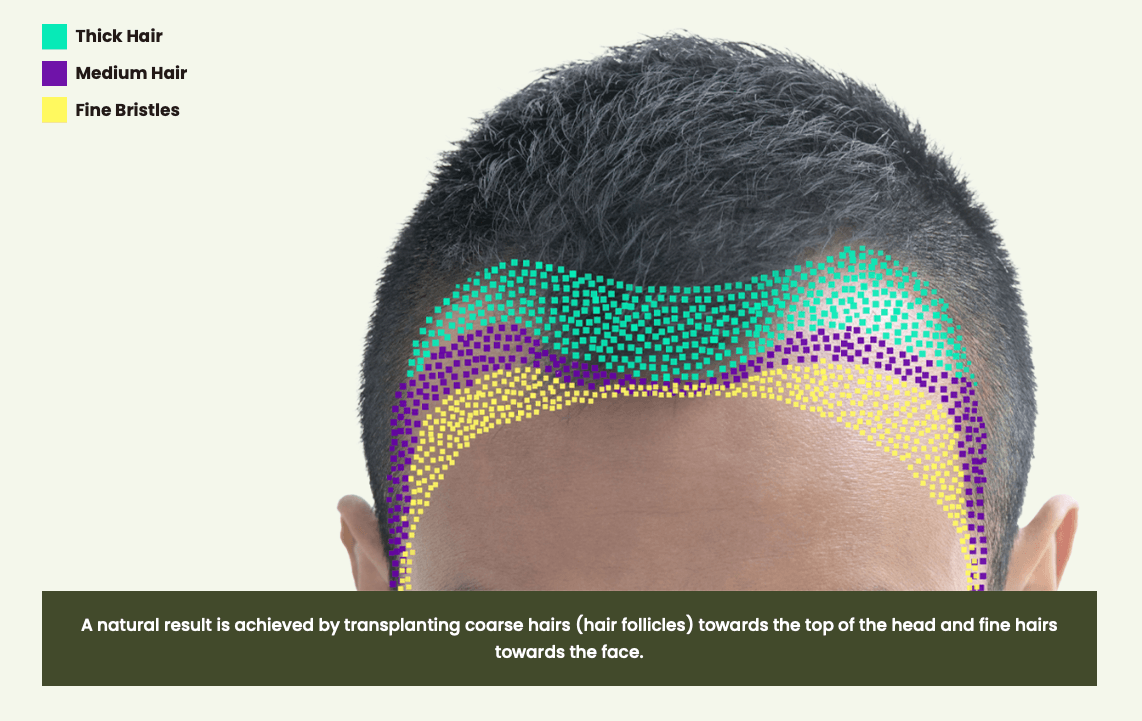
- Fortgeschrittene Haaransatz-Gradationstransplantation für natürliche Symmetrie: Follikel werden in der Reihenfolge feiner, mittlerer und dicker Haare angeordnet, um einen weicheren, realistischeren vorderen Haaransatz zu schaffen; das Design wird individuell an die Gesichtssymmetrie angepasst, unter Berücksichtigung von Stirn, Brauenknochen, Schläfen, Mittelgesicht und unterem Gesichtsdrittel.
- Breitere Technikauswahl als in typischen Kliniken: Mehrere Schnitttechniken verfügbar (Linienschnitt, No-Cut und Mischansätze), sodass die Methode an das Asymmetriemuster, den Zustand der Kopfhaut und die gewünschte Dichte angepasst werden kann.
- Möglichkeit umfangreicher Korrekturen: 6.000 bis 10.000 Haare können mit kombinierten Schnitt- und Nicht-Schnitt-Methoden transplantiert werden, wenn eine umfassendere Umformung erforderlich ist.
- Höhere Standards zur Erhaltung der Grafts: Ein gekühlter Raum zur Follikelseparation hilft, entnommene Follikel in optimalem Zustand zu halten und so die Anwachsrate zu unterstützen.
- PRP-Haartransplantationsoption: Aus dem Eigenblut der Patientin oder des Patienten gewonnenes PRP wird zusammen mit den Follikeln transplantiert, um das Anwachsen zu verbessern und Entzündungen zu reduzieren – besonders hilfreich in Bereichen, in denen das Anwachsen entscheidend ist (etwa am Wirbel), oder für internationale Patientinnen und Patienten, die nicht häufig zu Nachkontrollen zurückkehren können.
- Technische Präzision zur Vermeidung von Dichtestörungen: Fachwissen zur Minimierung des „Popping-Phänomens“, bei dem bereits eingesetzte Grafts beim Implantieren benachbarter Grafts wieder herausgedrückt werden können, unterstützt eine gleichmäßige Dichte und saubere Haaransatzlinien.
- Personalisierte, kontinuierliche Betreuung: Als Ein-Arzt-Klinik begleitet Dr. Lee Beratung, Design, Eingriff und Nachsorge persönlich, was besonders bei ungleichmäßigem Haaransatz wichtig ist, da kleine Unterschiede im Design die wahrgenommene Symmetrie deutlich beeinflussen können.
Hier können Sie sich die Website ansehen: Seojin Plastic Surgery Clinic Website
Maxwell Hair Clinic
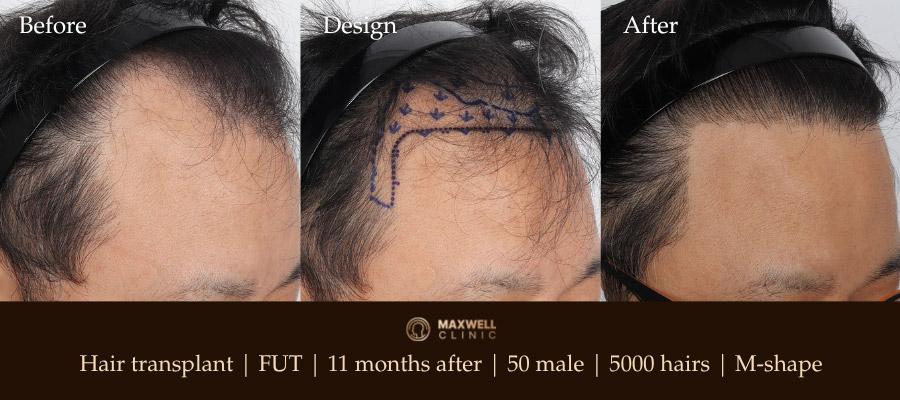
Die Maxwell Hair Clinic ist ein führendes Zentrum für Haarwiederherstellung in Korea für Patientinnen und Patienten, die eine Korrektur eines ungleichmäßigen Haaransatzes suchen, und ist für ihren natürlichen, gesichtsausgewogenen Designansatz sowie ihre umfangreiche klinische Erfahrung bekannt. Gegründet 2007 und seit 2011 in Folge als beste Klinik Koreas anerkannt, hat Maxwell mehr als 60.000 Haartransplantationen durchgeführt und greift auf Daten aus über 500.000 Behandlungsfällen zurück, um personalisierte Lösungen anzubieten. Unter der Leitung von Dr. Noh Yoon Woo – vielfach ausgezeichnet und in Koreas Community für Haarwiederherstellung anerkannt – legt die Klinik Wert auf eine vertrauensvolle Arzt-Patienten-Beziehung und bietet maßgeschneiderte Optionen wie FUT, FUE oder Kombinationsmethoden sowie spezielle Unterstützung für internationale Patientinnen und Patienten.
Bei ungleichmäßigen Haaransätzen beruhen Maxwells Ergebnisse auf einem Natural Design Process, der mit einem präzisen Laserdesign beginnt und anschließend in einer zweiten Phase manuell verfeinert wird, damit der Haaransatz auf die richtige Weise natürlich unregelmäßig wirkt. Bei der Gradation Transplantation werden feinere Haare vorne und dickere Grafts dahinter platziert, um realistische Weichheit und Tiefe zu erzeugen, während Facial Design Enhancement das Verhältnis von Haaransatz und Stirn anpasst, damit das Gesicht kleiner und harmonischer wirkt. Die Behandlungsplanung basiert auf einer umfassenden Diagnostik wie Elastizität der Kopfhaut, Dichte und Grad des Haarausfalls, kombiniert mit narbenminimierenden Techniken wie ultrakleinen Stanzen (0,9–1,2 mm) und doppelter Nahttechnik. Patientinnen und Patienten profitieren außerdem von schnellen Erholungsprotokollen – oft mit Haarwäsche bereits am nächsten Tag und einer Rückkehr in den Alltag innerhalb von zwei Tagen – sowie von einer Optimierung des Haarwachstums durch Wachstumsfaktoren und spezialisierte Magnetfeldtherapie. Das entspricht Maxwells Philosophie, Follikelzellen als den eigentlichen „Motor“ der Haarproduktion zu betrachten.
Hier können Sie sich die Website ansehen: Maxwell Hair Clinic Website
SH Clinic
Die SH Clinic in Sinsa, Seoul, ist ein medizinisches Zentrum mit mehreren Fachbereichen, das Stammzellwissenschaft, Frauengesundheit, ästhetische Dermatologie und moderne plastische Chirurgie unter einem Dach vereint. Als spezialisiertes Zentrum mit Schwerpunkt auf Stammzelltherapie und Gynäkologie bietet die SH Clinic personalisierte, umfassende Behandlungspläne, die sowohl ästhetische Ziele als auch zugrunde liegende gesundheitliche Bedürfnisse berücksichtigen, und unterstützt Patientinnen und Patienten durch koordinierte Betreuung über mehrere Fachrichtungen hinweg.
Für Patientinnen und Patienten mit ungleichmäßigem Haaransatz und Haarausdünnung bietet das SH Stem Cell Center eine nichtchirurgische Option in Form einer Stammzellbehandlung gegen Haarausfall an, bei der autologe Stammzellen in die Kopfhaut injiziert werden, um ruhende Follikel zu aktivieren, neues Wachstum anzuregen und bestehende Haare ohne Grafting zu verdicken. Neben regenerativen Ansätzen bietet die SH Clinic über ihre gynäkologische Klinik außerdem ein breites Spektrum an Leistungen für die Frauengesundheit an, darunter allgemeine gynäkologische Versorgung und Optionen zur vaginalen Verjüngung wie Vaginalfiller, Stammzellinjektionen, HIFU-Laser-Behandlungen, Vaginalstraffung und Implantatchirurgie, was ihren umfassenden Ansatz für das Wohlbefinden der Patientinnen widerspiegelt.
Hier können Sie sich die Website ansehen: SH Clinic Website
Der Weg zur Haaransatzkorrektur in Südkorea
Südkorea gilt als eines der führenden Ziele für Medizintourismus im Bereich Haaransatzkorrektur und ist für seine innovativen Techniken und seine ganzheitliche Betreuung bekannt.
Warum Südkorea für eine Haaransatzkorrektur?
Koreanische Kliniken verwenden Zickzack-Schnitte für subtile, natürlich wirkende Haaransätze und fortschrittliche Bildgebung für die Gesichtsanalyse. Sie arbeiten mit feinen chirurgischen Instrumenten und mehrschichtiger Nahttechnik, die das Erscheinungsbild von Narben minimiert. Weitere Innovationen in Korea sind die Kombination von PRP-Therapie mit Transplantationen, gekühlte Systeme zur Handhabung von Grafts und Kopfhaut-Mikropigmentierung zur noch besseren Kaschierung von Narben. Die Verfahren werden häufig an den ethnischen Hintergrund, die Haarmerkmale und die ästhetischen Erwartungen der einzelnen Patientin oder des einzelnen Patienten angepasst.
Die postoperative Betreuung ist gründlich und umfasst oft moderne Therapien wie LED- und Sauerstoffbehandlungen, Schwellungsmanagement, Kühlprotokolle und Maßnahmen zur Narbenminimierung – vieles davon ist routinemäßig ohne zusätzliche Kosten enthalten. Virtuelle Nachkontrollen und Betreuung aus der Ferne unterstützen internationale Patientinnen und Patienten noch lange nach ihrer Rückkehr nach Hause. Trotz Reisekosten sind die Gesamtkosten in Korea oft niedriger als im Westen und bieten eine attraktive Kombination aus Qualität, Technologie und Preis-Leistungs-Verhältnis.
Ablauf einer Haaransatzkorrektur in Südkorea
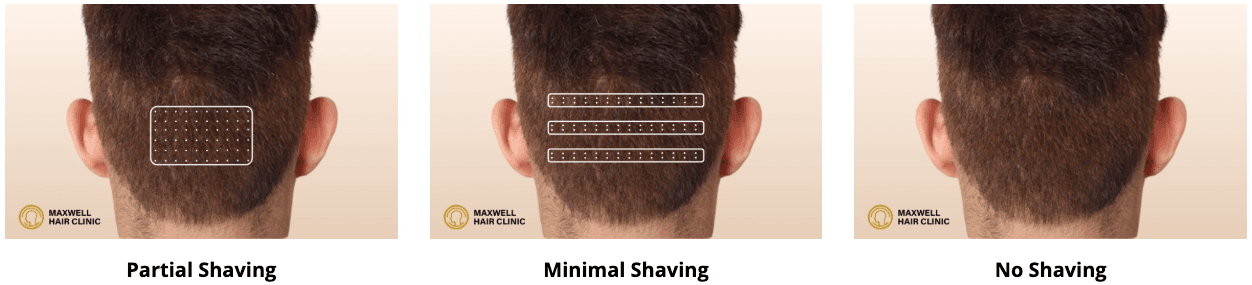
Für internationale Patientinnen und Patienten ist die Erfahrung auf Komfort und Klarheit ausgelegt:
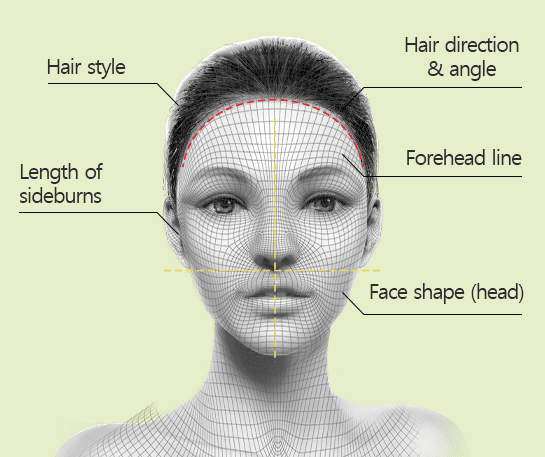
- Erstberatung: Sie beginnt in der Regel online oder virtuell, gefolgt von einer ausführlichen persönlichen Untersuchung nach der Ankunft in Korea. Ärztinnen und Ärzte nutzen diagnostische Instrumente und Gesichtsmapping, um einen natürlichen, personalisierten Haaransatz zu entwerfen.
- Vorbereitung: Voruntersuchungen und ein Aufklärungsgespräch stellen sicher, dass Sie den Ablauf verstehen und gut auf den Eingriff vorbereitet sind.
- Operationstag: Häufig unterstützt eine Dolmetscherin oder ein Dolmetscher die Kommunikation. Die Eingriffe werden unter örtlicher Betäubung durchgeführt; dabei wird sorgfältig darauf geachtet, Narben zu verbergen und Follikel zu schützen.
- Erholung: Ein Krankenhausaufenthalt ist oft nicht nötig. Patientinnen und Patienten erleben möglicherweise einige übliche postoperative Effekte, erhalten aber umfassende Nachsorgeanweisungen und regelmäßige Kontrollen in der Klinik oder aus der Ferne.
- Nachkontrolle: Fäden werden in der Regel nach 7–10 Tagen entfernt. Aktivitäten werden schrittweise wieder aufgenommen, und Heilungstherapien werden angeboten, um die Erholung zu beschleunigen und Schwellungen oder Narben zu minimieren.
- Zeitplan der Ergebnisse: Neue Haare aus Transplantationen erscheinen meist nach 3–6 Monaten, während eine Stirnverkürzung sofortige Ergebnisse liefert (das endgültige Aussehen zeigt sich innerhalb einiger Monate, sobald die Schwellung abgeklungen ist).
Kostenanalyse: Südkorea im Vergleich zu globalen Reisezielen
Kosten von Haaransatzkorrekturen in Südkorea
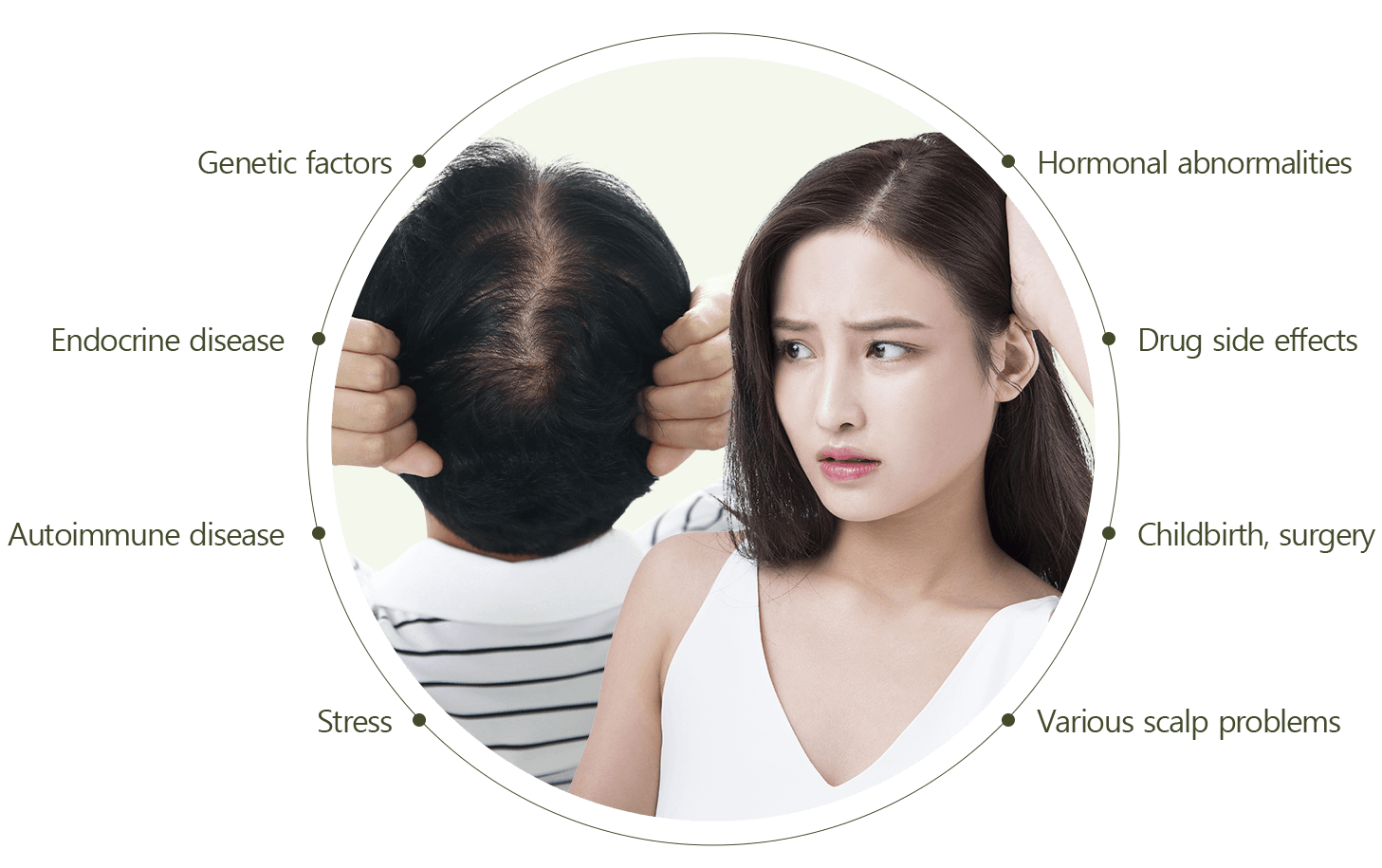
- FUE-Haartransplantation: 3.000–15.000 $, wobei Spitzenkliniken im Durchschnitt bei etwa 6.000–8.000 $ liegen.
- Stirnverkürzungsoperation: 3.000–5.000 $ (manchmal inklusive aller zugehörigen Leistungen; manche Quellen nennen bis zu 7.000 $).
- Kostenfaktoren: Art des Verfahrens, Anzahl der Grafts, Ruf von Klinik und Operateurin bzw. Operateur sowie die Komplexität des Falls können die Kosten beeinflussen.
Vergleich mit anderen wichtigen Zielen des Medizintourismus
Die Preise variieren weltweit; niedrigere Betriebskosten im Ausland ermöglichen oft erhebliche Einsparungen:
| Land | Geschätzte Kostenspanne (USD) | Wichtige Überlegungen |
|---|---|---|
| USA | $10,000 - $17,500 | Hohe Qualität, hohe Kosten, keine Reise für US-Bürgerinnen und -Bürger erforderlich |
| Kanada | ~$17,500 | Höchste durchschnittliche Kosten, hohe Qualität |
| Australien | ~$13,751 | Hohe Kosten, hohe Qualität |
| UK | $9,000 - $12,500 | Hohe Kosten, hohe Qualität |
| Südkorea | $3,000 - $15,000 | Sehr gutes Verhältnis von Qualität und Kosten; günstiger als die USA, aber höhere Reisekosten |
| Polen | $4,000 - $6,500 | 20–40 % günstiger als Westeuropa |
| Thailand | $2,250 - $11,000 | Bis zu 70 % günstiger als die USA; erschwinglich |
| Mexiko | $2,600 - $5,000 | 60–70 % Ersparnis gegenüber den USA; nahe an den USA |
| Türkei | $1,400 - $9,000 | Niedrigste Kosten, oft All-inclusive, sehr hohe Nachfrage |
Selbst unter Berücksichtigung der Flugkosten bietet Korea moderne Versorgung und ein ausgezeichnetes Preis-Leistungs-Verhältnis – insbesondere, wenn man die Qualität der Behandlung, innovative Techniken und die umfassende Nachsorge einbezieht. Auch wenn einige Länder günstiger sind, sind viele Patientinnen und Patienten bereit, in Korea mehr zu zahlen – für höhere Standards und bessere Ergebnisse.
Patientenerfahrungen und der Umgang mit Bedenken
Häufige Beweggründe und Erwartungen von Patientinnen und Patienten
Die meisten Menschen entscheiden sich für eine Haaransatzkorrektur aus Gründen wie einem zurückweichenden Haaransatz oder zur Korrektur einer „M-Form“. Häufig möchten sie die Harmonie des Gesichts wiederherstellen oder sich einfach selbstbewusster und jünger fühlen. Am häufigsten werden natürlich wirkende Ergebnisse erwartet, die zu den individuellen Gesichtszügen passen.
Ergebnisse aus der Praxis: Vorher-Nachher-Veränderungen
Kliniken zeigen eindrucksvolle fotografische Beispiele für eine verbesserte Dichte und ästhetisch ansprechendere Haaransatzformen – sowohl bei Männern als auch bei Frauen. Bei einer Stirnverkürzung sehen Patientinnen und Patienten oft eine Verringerung der Stirnhöhe um 1–3 cm. Bei der Haaransatzkorrektur bei Frauen wird besonders viel Sorgfalt darauf verwendet, natürliche Übergänge und „Babyhaare“ für realistische Ergebnisse zu schaffen.
Patientenzufriedenheit und Verbesserungen der Lebensqualität
Viele Patientinnen und Patienten beschreiben die Ergebnisse als lebensverändernd. Ein Ingenieur bezeichnete seine Erfahrung nach einem FUE-Eingriff in Korea als „wirklich transformativ“ und schrieb einen großen Teil seiner Zufriedenheit der aufmerksamen, mitfühlenden Betreuung zu – oft besser als seine bisherigen Erfahrungen in den USA. Solche Berichte deuten nicht nur auf körperliche Veränderungen hin, sondern auch auf mehr Selbstvertrauen und eine bessere Lebensqualität. Kliniken stellen fest, dass empathische Kommunikation und patientenzentrierter Service für zufriedene, glückliche Patientinnen und Patienten ebenso wichtig sind wie technisches Können.
Umgang mit möglichen Risiken und Komplikationen
Die meisten Verfahren sind sicher, aber zu den häufigen kurzfristigen Nebenwirkungen gehören Taubheitsgefühl, Blutergüsse, Schwellungen oder leichte Kopfschmerzen. Ernsthafte Risiken sind selten, doch Komplikationen wie Infektionen, verzögerte Heilung oder sichtbare Narben sind möglich. Das genaue Befolgen der Anweisungen und die Teilnahme an Nachkontrollen verringern diese Risiken erheblich.
Langzeitergebnisse und Erhaltung
Haartransplantationen sind im Allgemeinen dauerhaft, da die neuen Follikel wie normales Haar weiterwachsen. Die Veränderungen durch eine Stirnverkürzung bleiben langfristig bestehen, auch wenn das endgültige Ergebnis erst sichtbar wird, wenn alle Schwellungen abgeklungen sind. Nichtchirurgische Optionen wie die Kopfhaut-Mikropigmentierung erfordern regelmäßige Auffrischungen. Um Ihre Ergebnisse zu schützen, sind eine konstant gute Ernährung, schonende Pflege und Stressmanagement wichtig. Bei fortschreitenden Ursachen (wie männlichem erblich bedingtem Haarausfall) können Medikamente helfen, künftigen Haarverlust zu verhindern.
Fazit
Ein ungleichmäßiger Haaransatz kann eine kleine ästhetische Unregelmäßigkeit oder ein Hinweis auf ein ernsteres medizinisches Problem sein. Eine genaue Diagnose ist der erste Schritt zur Wahl der richtigen Behandlung, die von nichtchirurgischen Optionen bis hin zu Verfahren wie Haartransplantationen oder Stirnverkürzungsoperationen reichen kann. Südkorea überzeugt mit moderner, individuell zugeschnittener Versorgung zu wettbewerbsfähigen Preisen – mit innovativen Techniken, sorgfältiger Nachsorge und patientenorientiertem Service. Am wichtigsten ist, dass eine erfolgreiche Haaransatzkorrektur das Selbstvertrauen und die Lebensqualität steigern kann, insbesondere wenn die Betreuung nach dem Eingriff fortgesetzt wird. Realistische Erwartungen, kontinuierliche Pflege und eine fachkundige Beratung schaffen die Grundlage für zufriedenstellende und dauerhafte Ergebnisse.
Quellen
1, 2, 3, 4, 5, 6, 7, 8, 9, 10, 11, 12, 13, 14, 15, 16, 17, 18, 19, 20, 21, 22, 23
Häufig gestellte Fragen
Verwandte Blogbeiträge
PRP Hair Treatment Abroad: The True Cost of Hair Restoration in Korea vs. Global Alternatives
Discover the affordability and effectiveness of PRP hair loss treatments in Korea, a popular destination for advanced medical procedures. Learn about the costs, benefits, and what to expect from your treatment journey.
Aktualisiert: Oct 21, 2026
Korea's Advantage in Scalp Tissue Expansion: A Comprehensive Cost Comparison with USA, UK, and More
Discover the latest insights on the cost of scalp tissue expansion procedures in Korea, exploring factors that influence pricing and the advantages of seeking treatment in this medical hub. Learn how Korea's advanced technology and skilled professionals are making this procedure more accessible than ever.
Aktualisiert: Oct 20, 2026

Hair Loss Treatment Costs: Korea vs. USA, Mexico, Turkey & Thailand—Where's the Best Value?
Discover the latest trends and costs of hair loss treatments in Korea, a global hub for cutting-edge medical advancements. Explore how competitive pricing and innovative procedures make Korea a preferred destination for those seeking effective solutions for hair restoration.
Aktualisiert: Oct 20, 2026
Warum Sie sich für eine Haarlinienkorrektur in Korea entscheiden sollten: ein Kostenvergleich mit den USA, Mexiko, der Türkei und anderen Ländern
Erfahren Sie alles Wissenswerte über Haaransatzkorrekturen in Korea, die für ihre erschwinglichen Preise und fortschrittlichen Techniken bekannt sind. Informieren Sie sich darüber, welche Faktoren die Kosten beeinflussen und was Sie von dieser beliebten ästhetischen Behandlung erwarten können.
Aktualisiert: Oct 20, 2026
Kliniken für Hairline Correction
SH Clinic: Comprehensive Women's, Men's & Couples' Health Services in Korea
Sinsa
Seojin Plastic Surgery Clinic Korea: Pioneering Advanced Cosmetic Procedures for Personalized Aesthetic Transformation
Apgujeong
Maxwell Hair Clinic: Korea's Premier Destination for Advanced Hair Restoration and Transplant Services
Gangnam Station

Okay Plastic Surgery Clinic in Korea: Comprehensive Aesthetic Procedures with Sincerity and Care
Cheongdam