
Medical Tourism Blog
Traumatic Septal Deviation: Septoplasty Surgery Solutions in Korea for Improved Nasal Function
Table of contents
- Septoplasty: The Surgical Solution
- The South Korean Septoplasty Experience for Medical Tourists
- Which Are the Best Clinics in Korea for Traumatic Septal Deviation?
- Financial Analysis: Costs, Value, and the Appeal of Medical Tourism
- Patient Experiences and Realistic Expectations
- References
Considering treatment in Korea? Everything you need to know e.g. — how to avoid scams, visas, interpreters, recovery tips — in our Medical Tourism Master Guide. Plan with confidence in minutes, not weeks!
When searching for solutions to a condition like a deviated septum, patients are often met with an overwhelming volume of information. This guide aims to cut through that clutter, providing a clear, compassionate, and data-driven look at traumatic septal deviation and its surgical remedy, septoplasty. Here, you'll find practical details on the ailment, the procedure, what recovery really looks like, and essential information if you're considering medical tourism in South Korea. Whether you're planning surgery or just looking for answers, this article offers you the tools and insights you need to make confident decisions about your health.
What is Traumatic Septal Deviation?
Traumatic septal deviation happens when the nasal septum—the thin barrier of cartilage and bone dividing the nostrils—gets pushed out of place due to injury. People can be born with a deviated septum or develop one during development, but a traumatic septal deviation specifically results from external forces. Babies might be affected during childbirth, while children and adults can experience it from accidents, sports, or even activities like wrestling.
Though the formal name is "traumatic septal deviation," many people call it a "deviated septum," "crooked nose," or "septum bent after injury." Trauma is the primary focus here, but similar septal problems can also be caused by chronic nose picking, certain toxins, chronic cocaine use, or illnesses like tuberculosis or syphilis.
Symptoms and The Patient Experience
For some, a deviated septum causes no noticeable problems. But for those with symptoms, the impact is significant. The most common issue is nasal obstruction, making it hard to breathe through one or both nostrils—especially worse during allergies or colds. Many also have frequent nosebleeds from dryness, noisy sleeping, headaches, facial pain, or feel forced to sleep on one side.
But the effects ripple outward. Struggling to breathe through your nose can lead to mouth breathing, dry mouth, disrupted sleep, and chronic fatigue that’s often overlooked. Poor sleep can sap your energy and reduce alertness, while exercise can become harder, affecting your overall fitness. Socially, noticeable symptoms like snoring or frequent nose-blowing may lead to embarrassment or reduced confidence. In short, a symptomatic deviated septum can affect your health, emotions, and even your social and professional life.
Septoplasty: The Surgical Solution
The Septoplasty Procedure
The main purpose of septoplasty is to straighten a crooked or deformed septum to improve airflow and reduce breathing problems. This surgery is different from cosmetic rhinoplasty, but often, especially in South Korea, surgeons may combine them, addressing both function and appearance together.
Usually performed under general anesthesia, septoplasty takes about 1 to 1.5 hours, and most patients can return home the same day. The surgeon begins with a small incision inside the nose, raises the mucous membrane covering the septum, and then straightens the septum by trimming or repositioning bone and cartilage. For severe cases, the surgeon might perform an osteotomy, carefully breaking and resetting nasal bones. The mucous membrane is then repositioned and secured with stitches, splints, or packing.
Modern septoplasty may use traditional, endoscopic, or laser methods. Surgeons can sometimes use cartilage removed during surgery to improve the cosmetic shape of the nose at the same time, offering solutions for both breathing and appearance in one procedure.
Pre- and Post-Operative Care
Good results depend on careful prep and a clear recovery plan. Before surgery, patients should pause blood thinners like aspirin, ibuprofen, and vitamin E for two weeks and avoid smoking. Instructions about when to stop eating and drinking are also important.
Recovery occurs in these main stages:
- First 24-72 Hours: Expect congestion, a reduced sense of smell, and some bloody discharge. Rest with your head elevated to reduce swelling; pain typically worsens after the first day as medication wears off.
- First 2 Weeks: Splints or packing help keep the septum in place and are usually removed between 24 hours and 7 days. Avoid blowing your nose or vigorous activity, and rinse your nose with saline spray as directed. Most people resume daily life in a couple of days but must avoid anything that could injure the nose.
- 1-6 Months to a Year: Full healing takes time—swelling and stiffness may last several months, and the nose can feel inflexible for a while. Sensation returns over months, and results become fully apparent only after half a year to a year.
The South Korean Septoplasty Experience for Medical Tourists
Why South Korea is a Leading Choice
South Korea is renowned for its expertise in both plastic and reconstructive surgery, using cutting-edge technology and employing highly trained surgeons. The competitive landscape means only the best become plastic surgeons, and many have performed countless operations. Clinics feature modern equipment comparable to top Western countries, plus a focus on patient safety and achieving natural results. International patients benefit from language support and transparent care packages, making the entire process seamless.
The Step-by-Step Medical Tourism Journey
Here's what patients can expect when traveling to South Korea for septoplasty:
- Remote Consultation: Patients start with an online questionnaire, including medical history and photos. This gives clinicians a chance to evaluate the case, suggest potential surgeons, and provide rough cost estimates.
- Preparation and Travel: After reviewing the plan and costs, patients pay a deposit and travel to Korea. Some packages include travel and hotel arrangements.
- On-Site Consult: Upon arrival, patients undergo detailed consultations and final pre-op tests such as blood work or CT scans—these are often included in the overall price.
- Surgery Day: Surgery usually lasts 40 minutes to 1.5 hours. Patients recover for a few hours before returning to their accommodations with medications and recovery instructions.
- Follow-Up and Recovery: Post-op appointments are part of the package, ensuring proper healing and addressing any issues. Language support is frequently available during this important phase.
Which Are the Best Clinics in Korea for Traumatic Septal Deviation?
Listed below are some of the best clinics in Korea for traumatic septal deviation.
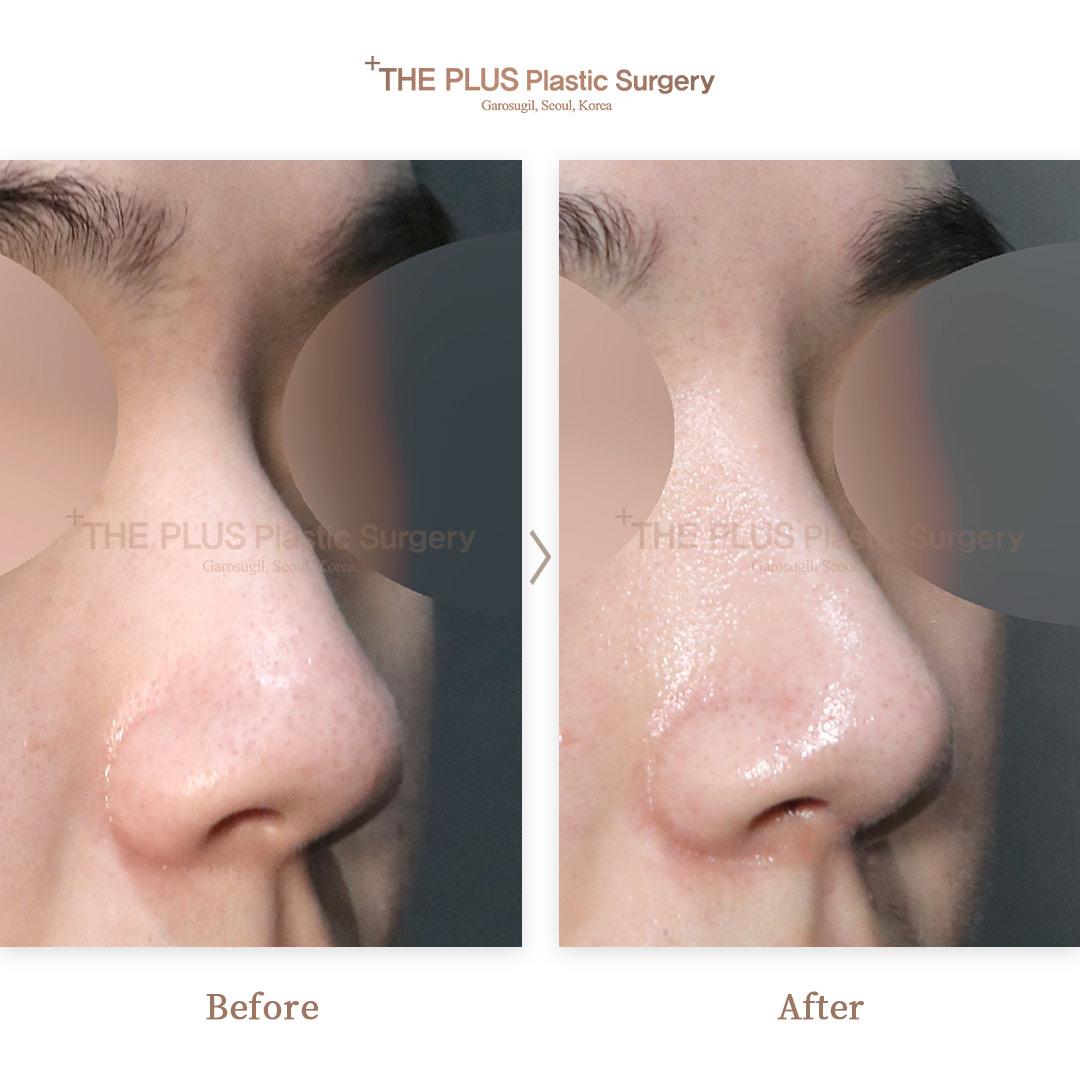
1. THEPLUS Plastic Surgery
For traumatic septal deviation, you can consider THE PLUS Plastic Surgery for rhinoplasty care shaped around both nasal function and appearance. Its rhinoplasty team includes surgeons with extensive academic and educational involvement in primary and revision nose surgery, with an approach centered on structural harmony and individualized planning.
- URL: THEPLUS Plastic Surgery Website
- Location: Gangnam-gu, Seoul
- Rhinoplasty expertise:
- Dr. Jeong Jae-yong specializes in rhinoplasty and describes combining function with beauty as central to his practice.
- Dr. Kim Taek-kyun is a board-certified plastic surgeon whose published work includes chapters on rhinoplasty and revision rhinoplasty in “The 18 Masters of Korean Aesthetic Surgery.”
- The clinic offers rhinoplasty and revision rhinoplasty, the latter focused on restoring a more stable nasal structure as well as refining appearance.
- Academic involvement:
- Dr. Jeong authored “Rebuilding Nose: Rhinoplasty for Asians,” which has Japanese and English editions.
- Drs. Jeong and Kim contribute research and techniques at forums including the Seoul Rhinoplasty Forum, KSPRS, and IFAAS.
- Dr. Kim has received research awards related to 3D implants and runs educational sessions for other plastic surgeons.
2. Made Young Plastic Surgery
For traumatic septal deviation, Made Young Plastic Surgery uses 3D-CT analysis of your nasal bones, septum, and asymmetry to inform surgical planning. The clinic describes a structural approach intended to create stable internal support while addressing the nasal line, tip, and proportions relevant to your individual anatomy.
- URL: Made Young Plastic Surgery Website
- Location: Seocho-gu, Seoul
- Procedure planning:
- 3D-CT precision analysis is used to assess the septum, nasal bones, and asymmetry.
- Planning considers the bridge, tip, columella, alar width, and overall facial proportions.
- The clinic describes techniques and materials intended to maintain internal structural stability and help prevent tip drooping.
- Complex nasal reconstruction:
- Dr. Lee Byeong-hoe has more than 20 years of exclusive rhinoplasty experience.
- His stated focus includes complex nasal reconstruction and difficult revision cases, including repeat revisions.
- The clinic lists reconstruction rhinoplasty, revision rhinoplasty, and removal of prior nasal implants among its rhinoplasty services.
- For dorsal hump correction and tip refinement, the clinic describes advanced osteotomy and autologous rib graft options.
- Safety and aftercare:
- Full-time board-certified anesthesiologists are on site, with one anesthesiologist assigned to continuous monitoring of one person during a procedure.
- The clinic describes a cross-check emergency-response system and CCTV coverage of procedures.
- A separate aftercare center provides post-procedure care.
3. Okay Plastic Surgery Clinic
You may consider Okay Plastic Surgery Clinic if your traumatic septal deviation is part of a difficult nasal case or if you are also seeking correction after prior nose surgery: the clinic states that it offers difficult rhinoplasty and revision rhinoplasty, alongside nose-tip, bridge, and nostril-reduction procedures. Its stated approach emphasizes individualized treatment and precision, though the available information does not specify a dedicated septal-deviation technique.
- URL: Okay Plastic Surgery Clinic Website
- Location: Gangnam-gu, Seoul
Financial Analysis: Costs, Value, and the Appeal of Medical Tourism
What Does Septoplasty Cost in South Korea?
Septoplasty in South Korea typically costs between $1,500 and $5,000 (roughly 2.2 to 7.3 million KRW). Prices depend on the complexity of the case (primary vs. revision surgery), surgeon experience, and whether additional procedures like rhinoplasty or turbinate reduction are involved. Well-known surgeons and prestigious clinics will charge more, but bundled care and transparent pricing are standard.
The 'All-Inclusive' Approach
Unlike fragmented Western healthcare billing, South Korean clinics usually offer all-inclusive pricing, so patients know exactly what they're paying for. This can include:
- Pre-Operative Services: Initial consultation, tests, blood work, and necessary imaging.
- Surgical Services: The surgery itself, anesthesia, medicines, and clinic stay.
- Post-Operative Care: Follow-up visits, medications, wound care, and sometimes hotel stays and airport transfers. Value Added Tax (VAT) may be refunded, lowering costs further.
Comparing Costs Across Countries
Price comparisons must look beyond the base fee to account for what's included in each package. In South Korea, patients get clear pricing, comprehensive care, and usually accommodations. In the US, insurance may lower your personal outlay, but total costs can become very high, especially if care is fragmented or out-of-pocket. The following table outlines pricing and service differences between top destinations:
| Location | Septoplasty Cost (USD) | What is Typically Included |
|---|---|---|
| South Korea | $1,500 - $5,000 | Tests, surgery, anesthesia, medications, post-op care, often hotel stays/transfers |
| United States | $3,500 - $12,000 | Varies greatly, often excludes post-op care and accommodations |
| Turkey | $2,600 - $4,101 | Usually all-inclusive: surgery, meds, stay, transfers |
| Thailand | $2,472 - $7,300 | Sometimes comprehensive packages available |
| Mexico | $1,700 - $3,750 | Often includes all major services and accommodations |
While several countries offer competitive pricing, South Korea stands out for its reputation, bundled services, and high standards—creating a compelling option for international patients.
Patient Experiences and Realistic Expectations
The Benefits Described by Patients
After septoplasty, many patients report a dramatic shift for the better: easier breathing, better sleep, more energy, and improved mood. Reduced snoring, fewer sinus infections, and a confident return to activities are frequently reported. The procedure can be transformative not only physically but also in terms of confidence and daily well-being.
What to Expect and Watch For
Most outcomes are positive, but it's important to realize some side effects are common, and perfect results aren't guaranteed. Nose stiffness and swelling can persist for weeks or months but are a normal part of healing. In rare cases, some firmness may be long-lasting.
A small number of patients notice issues like a "drooped" nasal tip or new bumps—especially if septoplasty is combined with rhinoplasty. These problems may require further surgery to resolve. And while improvement in breathing is typical, it's not always 100%. Factors like turbinate hypertrophy or a narrow nasal valve may also play a role in congestion, so surgeons may suggest additional procedures for optimal results. Managing expectations and understanding the range of outcomes is key to patient satisfaction.
Conclusion
Septoplasty is a highly effective option for most people with symptomatic traumatic septal deviation, offering substantial improvements in breathing, sleep, and quality of life. The procedure’s strong outcomes, when combined with South Korea’s skilled surgeons and comprehensive care packages, present a transparent and valuable choice for medical tourists. While results can vary, most patients experience a meaningful positive change.
References
1, 2, 3, 4, 5, 6, 7, 8, 9, 10, 11, 12, 13, 14, 15, 16, 17, 18, 19, 20, 21
Frequently Asked Questions
Related Blogs
Korea vs. Global Standards: A Comprehensive Cost Analysis of Cleft Rhinoplasty in Medical Tourism Destinations
Explore the cost of cleft rhinoplasty in Korea, a popular destination for medical tourism due to its advanced surgical techniques and competitive pricing. Discover factors influencing the overall expense, from hospital fees to post-operative care, and what makes Korea a top choice for this specialized procedure.
Updated: Oct 21, 2026
Philtrum Reduction Costs: Choosing Korea Over the USA, Mexico, Turkey & More for Expert Care
Discover the affordability and benefits of Philtrum Reduction Surgery in Korea, a popular destination for high-quality cosmetic procedures. Explore cost factors, surgeon expertise, and why Korea is a top choice for those considering this transformative surgery.
Updated: Oct 21, 2026
Discovering the True Value: Sinus Surgery Costs in Korea Compared to Global Options
Discover the affordable options for sinus surgery in Korea, a leading destination for medical tourists seeking quality care. Learn about the factors influencing costs and what patients can expect from their experience in this highly advanced healthcare system.
Updated: Oct 21, 2026
Non-Implant Rhinoplasty in Korea: Cartilage Grafts, Recovery, Travel Planning, and Alternatives
Non-implant rhinoplasty reshapes the nose using septal, ear, or rib cartilage, with surgical or injectable and open or closed approaches and possible septal or nasal-valve correction. International patients can find guidance on candidate screening, material-specific consent, Korea stays of 10–21 days, travel timing, recovery, and follow-up.
Updated: Oct 16, 2026
Clinics offering Septoplasty

THEPLUS Plastic Surgery Korea | Eye, Nose, Face & Body Surgery
Sinsa

Made Young Plastic Surgery: Rejuvenating Aesthetic Excellence in Korea for Face Lifts, Contouring and More
Gangnam Station

Okay Plastic Surgery Clinic in Korea: Comprehensive Aesthetic Procedures with Sincerity and Care
Cheongdam

Banobagi Plastic Surgery: A Pioneering and Trusted Plastic Surgery Clinic in Korea
Seolleung