
Medical Tourism Blog
Thick Nasal Skin Solutions: Tip Plasty Procedures in Korea for Enhanced Nasal Definition
Table of contents
- Understanding Thick Nasal Skin and Its Characteristics
- Tip Plasty: A Detailed Medical Overview
- Navigating Tip Plasty as a Medical Tourist in South Korea
- Which Are the Best Clinics in Korea for Thick Nasal Skin?
- Cost Analysis: Tip Plasty in South Korea vs. Other Destinations
- Patient Outcomes and Experiences with Tip Plasty for Thick Nasal Skin
- Conclusion
- References
Considering treatment in Korea? Everything you need to know e.g. — how to avoid scams, visas, interpreters, recovery tips — in our Medical Tourism Master Guide. Plan with confidence in minutes, not weeks!
This guide is a practical resource for both patients and medical advisors interested in solutions for thick nasal skin, a condition that can obscure nasal definition and undermine facial harmony. Here, you'll find a clear explanation of "thick nasal skin," a look at the Tip Plasty procedure, a guide to pursuing surgery as a medical tourist in South Korea, cost comparisons, and insights about expected outcomes based on real patient experiences.
Many with thick nasal skin describe their nose tip as overly rounded or bulbous, lacking visible structure—an issue that can impact self-confidence. Tip Plasty, a focused type of rhinoplasty, addresses these unique challenges with specialized surgical and post-operative approaches, aiming to enhance definition while ensuring balance with the rest of the face.
Understanding Thick Nasal Skin and Its Characteristics
Definition and Anatomical Features
Thick nasal skin is marked by a dense, oily texture and a pronounced fatty layer, especially over the nasal tip and alae. This skin contains more collagen and sebaceous glands, making it heavier, firmer, and less adaptable. Such skin doesn’t easily conform to changes in the underlying cartilage—meaning standard rhinoplasty techniques often won’t produce the desired results.
Surgeons working with thick skin must emphasize structural building rather than simply reducing cartilage, as the skin won’t naturally "shrink-wrap" to a smaller framework. Instead, adding support underneath helps to create improved contour and definition.
Common Pseudonyms and Related Conditions
Terms like "bulbous nasal tip" commonly describe the thick-skinned nose, while "rhinophyma" refers to a different, more severe skin disorder sometimes confused with thick nasal skin.
| Term/Description | Patient Description | Medical Context |
|---|---|---|
| Bulbous Nasal Tip | “Fat, round or bulging” tip | Cosmetic, often due to thick skin or excessive cartilage |
| Rhinophyma | “Enlarged nose,” “lumpy, thickened skin” | Rosacea-related, non-reversible, more in older males |
| Alcoholic Nose | Historic term for enlarged nose | Inaccurate, historically tied to rhinophyma |
Etiology of Thick Nasal Skin
Nasal skin thickness results from a mix of genetic, age-linked, and lifestyle factors. Genetics play the largest role, often amplified by ethnicity. Age can cause skin to thicken on the nose, while overactive sebaceous glands contribute further. Inflammatory skin conditions and environmental exposure like sun damage can also change skin texture.
Comprehensive patient assessment is essential, as the causes and implications of thick skin influence treatment planning and outcomes—including possible dermatologic support to manage oiliness or inflammation before surgery.
Challenges Posed by Thick Nasal Skin in Rhinoplasty
Key surgical challenges include:
- Thick skin obscures the skeletal framework, making detailed structure less visible.
- The skin’s weight can strain underlying cartilage.
- Inelastic skin prevents tight contouring, limiting visible refinement.
- Prolonged swelling and internal scar tissue are more common.
- Surgical changes may seem subtle due to skin density.
Approaching thick skin in rhinoplasty requires a “structural-first” approach, emphasizing cartilage support and tailored healing protocols to manage expectations about achievable definition.
Tip Plasty: A Detailed Medical Overview
Definition and Objectives of Tip Plasty
Tip Plasty is a focused rhinoplasty procedure targeting the nasal tip to enhance definition, contour, and harmony. For thick-skinned patients, the aim is not to make the nose dramatically smaller, but to create the appearance of refinement by emphasizing projection and structure.
Surgical Approaches
Open (External) Rhinoplasty:
This method uses a small external incision, providing the best visibility for manipulating cartilage and placing grafts—an important advantage for thick skin cases needing strong support.
Closed (Endonasal) Rhinoplasty:
Incisions are inside the nostril, leaving no external scars. While healing may be faster, this approach is usually reserved for minor adjustments in thick-skinned patients, as it limits access for detailed reshaping.
For patients with thick nasal skin, the open approach is generally preferred for the precise control it offers.
Key Surgical Techniques for Thick Nasal Skin
| Technique | Description | Purpose for Thick Skin |
|---|---|---|
| Structural Cartilage Grafting | Adding cartilage (from septum, ear, or rib) | Builds projection, supports heavy skin, prevents collapse |
| Suture Reshaping Techniques | Manipulating cartilage with specialized sutures | Refines tip shape with less tissue removal |
| Conservative Soft Tissue Thinning | Thinning the fatty layer under the skin | Helps with skin drape and visible contour, done cautiously |
Surgical strategies focus on adding structure rather than just removing tissue, counteracting the bulk and weight of thick skin with robust internal support.
Anesthesia Protocols
Procedures are usually performed under general anesthesia, though local anesthesia with sedation is an option. South Korean clinics standardly provide real-time monitoring by anesthesiologists for patient safety.
Post-Operative Care and Management Strategies for Thick Skin
Managing swelling and healing is critical due to thick skin's tendency for prolonged edema:
- Steroid injections (e.g., Triamcinolone Acetonide) help reduce inflammation and scar tissue, often given 3-4 months post-op for best effect. Rare side effects include skin thinning or pigmentation changes.
- Nasal taping gently compresses the nose to reduce swelling and help the skin settle smoothly. Some surgeons advise continued taping for 1-3 months after surgery.
- Low-dose isotretinoin can reduce skin oiliness and thickness, aiding early healing and skin drape, although the effect may not be dramatic in the long term.
| Feature | Thick Skin | Thin Skin |
|---|---|---|
| Initial Swelling Resolution | 2-4 weeks (tip remains swollen) | Mostly resolved after 14 days |
| Final Definition | 12-24 months | 6-12 months |
| Risk of Scar Tissue | Higher; may obscure results | Lower, but underlying irregularities visible |
| Need for Adjunctive Treatments | More likely (steroids, taping, isotretinoin) | Rarely |
Navigating Tip Plasty as a Medical Tourist in South Korea
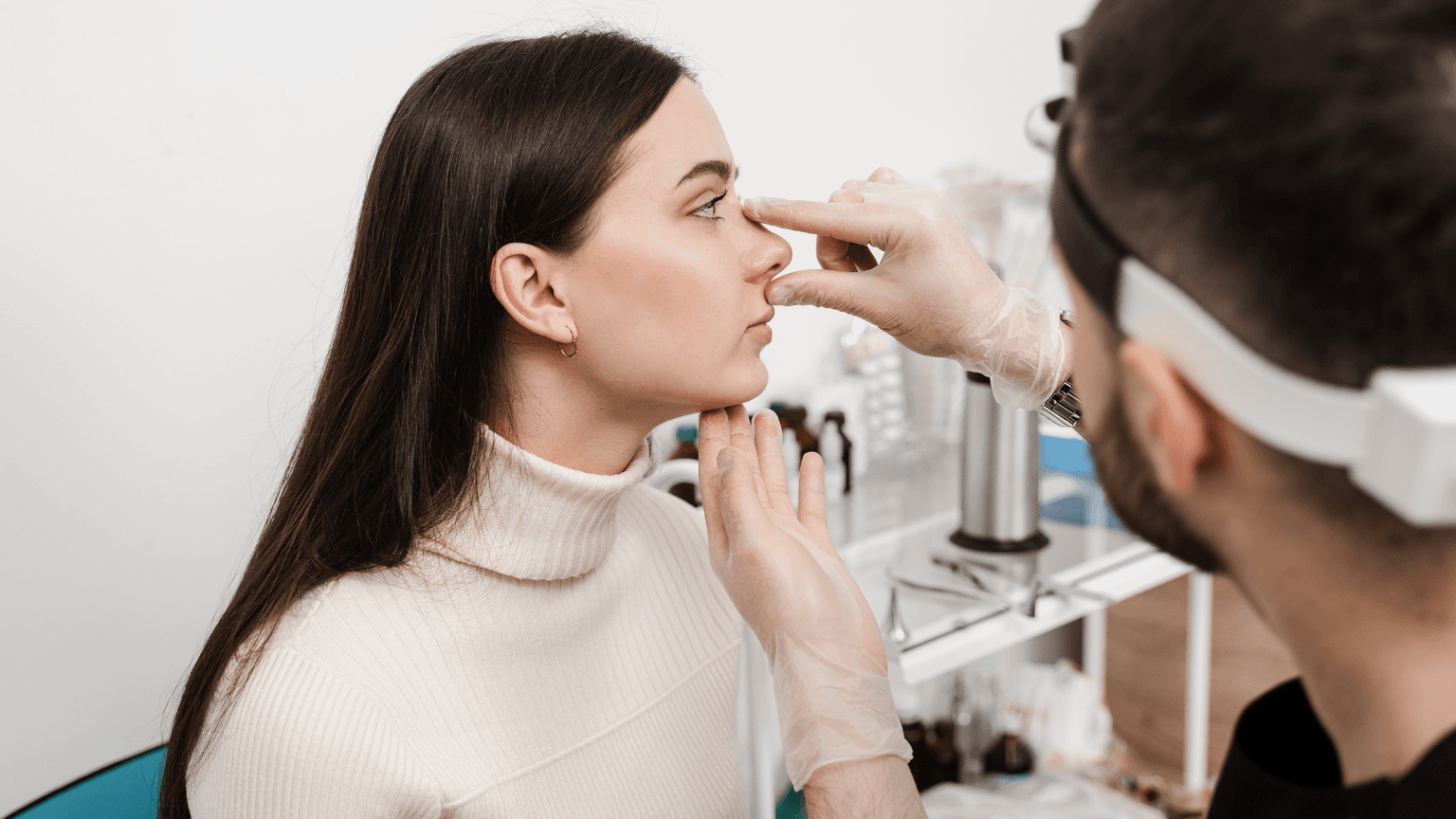
Why South Korea for Plastic Surgery
South Korea is a global plastic surgery hub, especially known for advanced rhinoplasty. Its surgeons are highly trained, often with international experience, and utilize cutting-edge technology (like 3D facial mapping) for precise, customized results. Safety protocols are stringent, clinics are internationally accredited, and costs are 30-70% lower than in the West.
The Medical Tourism Process in South Korea
- Virtual Consultation: Share photos and medical history; receive initial assessment and cost.
- Arrival and Accommodation: Clinics often help with airport pickup; staying near the clinic is advised.
- In-Person Consultation and Testing: Physical exam, imaging, and pre-op tests to finalize the plan.
- Surgery Day: Tip Plasty is performed with close monitoring.
- Initial Recovery: Rest, follow medication and care routines, attend early follow-ups.
- Stitch Removal and Departure: Usually around day 14; clinics provide clear home care instructions.
| Phase | Key Actions | Min. Recommended Stay |
|---|---|---|
| Pre-Travel | Virtual consult, submit info, plan travel | -- |
| Arrival & Consultation | Settle in, in-person consultation, finalize plan, tests | 7 days (5 if stitches removed at home) |
| Surgery & Early Recovery | Surgery, follow-ups, exposure to aftercare procedures | |
| Continued Recovery | Stitch removal, additional healing, discuss concerns | |
| Departure | Get instructions, confirm any refunds, travel home |
What to Expect from Korean Clinics
Expect multilingual support, extensive post-op care (including deswelling treatments), high safety standards, and detailed, patient-focused planning. Surgeons in Korea prioritize natural results and will openly discuss what’s realistically achievable.
Which Are the Best Clinics in Korea for Thick Nasal Skin?
Listed below are some of the best clinics in Korea for thick nasal skin.
1. THEPLUS Plastic Surgery
For rhinoplasty when thick nasal skin is part of your concern, you can consult a practice centered on nasal reshaping, structural harmony, and the relationship between nasal appearance and function. THE PLUS offers primary and revision rhinoplasty, with surgeons whose work includes rhinoplasty education, research, and professional presentations.
- URL: THEPLUS Plastic Surgery Website
- Location: Gangnam-gu, Seoul
- Rhinoplasty expertise:
- Dr. Jeong Jae-yong authored "Rebuilding Nose: Rhinoplasty for Asians," which has Japanese and English editions.
- Dr. Kim Taek-kyun contributed rhinoplasty and revision-rhinoplasty chapters to "The 18 Masters of Korean Aesthetic Surgery."
- Both doctors contribute to meetings including the Seoul Rhinoplasty Forum, KSPRS, and IFAAS, where they share techniques and research findings.
- Surgical approach:
- The clinic describes rhinoplasty as balancing nasal appearance with structural harmony and function.
- Revision rhinoplasty is available for concerns following previous nasal surgery, with an emphasis on restoring a stable structure and refined appearance.
- Dr. Kim’s stated approach considers harmony among your facial features, while Dr. Jeong emphasizes combining function and aesthetics.
- Related services:
- Nasal surgery offerings include primary rhinoplasty and revision rhinoplasty.
- Additional surgical services include eye surgery, facial contouring, lifting procedures, breast surgery, and liposuction.
2. Made Young Plastic Surgery
For thick nasal skin, Made Young offers rhinoplasty planning that evaluates the underlying nasal bones, septum, and asymmetry with 3D-CT analysis, then tailors structural work to your bridge, tip, columella, alar width, and overall facial proportions. Its rhinoplasty program emphasizes maintaining a stable internal nasal structure to help support long-term tip position and shape.
- URL: Made Young Plastic Surgery Website
- Location: Seocho-gu, Seoul
- Rhinoplasty planning and techniques:
- 3D-CT analysis is used to assess nasal bones, the septum, and asymmetry for surgical planning.
- The clinic describes dorsal-hump correction and nasal-tip refinement using osteotomy and autologous rib grafts.
- Planning considers your nasal bridge, tip, columella, alar width, and facial proportions.
- Complex and revision cases:
- Dr. Lee Byeong-hoe is described as having more than 20 years focused exclusively on rhinoplasty.
- The clinic offers revision rhinoplasty, reconstructive rhinoplasty, and removal of previous nasal implants.
- Its stated experience includes complex reconstruction and repeat revision cases.
- Safety and aftercare:
- Full-time board-certified anesthesiologists are on site, with one-to-one continuous anesthetic monitoring described for each procedure.
- The clinic describes cross-check emergency support among anesthesiologists and CCTV coverage of procedures.
- A separate aftercare center provides post-procedure care.
3. Okay Plastic Surgery Clinic
For thick nasal skin, you can discuss a tailored rhinoplasty plan at Okay Plastic Surgery Clinic, where available nasal procedures include refinement of the tip and bridge, nostril reduction, and revision surgery. The clinic also states that it accepts difficult rhinoplasty and revision-rhinoplasty cases.
- URL: Okay Plastic Surgery Clinic Website
- Location: Gangnam-gu, Seoul
- Nasal surgery options:
- Nose-tip surgery is available for tip-shape refinement.
- Nose-bridge surgery is available to enhance or reduce the bridge.
- Nostril reduction is offered to adjust nostril size for balance and symmetry.
- Revision surgery is available to address outcomes of previous nasal procedures.
- Additional considerations:
- The clinic describes an individualized approach to aesthetic treatment.
- Other available services include eye surgery, facial lifting, body contouring, breast surgery, hairline procedures, scar care, and medical skincare.
Cost Analysis: Tip Plasty in South Korea vs. Other Destinations
Average Costs for Tip Plasty in South Korea
Typical costs for tip rhinoplasty in South Korea range from $2,000 to $4,000, with some premium clinics charging up to $7,000 for top surgeons or comprehensive packages. Basic procedures at smaller clinics can be as low as $1,150–$1,640.
Packages often include consultations, tests, anesthesia, medications, and follow-ups, while some premium clinics add accommodation and transfers.
Comparative Analysis of Costs (USD)
| Country | Tip Plasty Cost Range | Overall Rhinoplasty Cost Range |
|---|---|---|
| South Korea | $2,000–$7,000+ | $3,000–$8,000 |
| USA | $4,750–$15,000 | $7,000–$22,000 |
| Australia | — | $12,000–$20,000 |
| UK | — | From $10,088 |
| Turkey | $2,700–$5,000 | $2,800–$7,500 |
| Thailand | $1,295–$1,300 | $2,000–$4,000 |
South Korea offers strong value, balancing quality, safety, and price. Some Asian destinations may have lower prices, but South Korea’s expertise and infrastructure are top-tier.
Factors Influencing the Total Cost
| Factor | Impact on Cost |
|---|---|
| Surgical Complexity | Extensive reshaping and grafting increase cost |
| Surgeon’s Experience | Renowned surgeons and top clinics command premiums |
| Clinic Accreditation | Internationally accredited clinics may cost more |
| Package Inclusions | All-inclusive deals may seem higher but prevent surprises |
| Materials Used | Rib cartilage or custom implants can increase cost |
Full budgeting means considering clinical complexity, surgeon tier, logistical overhead, and package details—not just the base procedure fee.
Patient Outcomes and Experiences with Tip Plasty for Thick Nasal Skin
Addressing Common Patient Concerns
Tip Plasty for thick skin creates a more refined, proportional nose, but focuses on harmony and subtlety rather than drastic changes. Surgeons strive for natural-looking results that enhance, not overwhelm, facial features.
Realistic Expectations for Results in Thick-Skinned Patients
Expect:
- Softer, less sharply contoured results.
- Natural balance with facial features, not an “overdone” look.
- A long healing period (up to two years for full results).
Setting realistic expectations helps prevent disappointment—final refinement is gradual and prioritizes natural appearance.
Testimonials and Insights from Patients
Patients commonly report satisfaction with natural-looking outcomes and the professionalism of Korean surgeons. Pain and bruising are often mild, early improvements boost confidence, but prolonged tip swelling is typical. Open communication and diligent adherence to care protocols ensure the best experience.
The Importance of Patient-Surgeon Communication
Thorough discussions—supported by 3D modeling—help align goals and set achievable expectations. Bringing reference photos and talking openly about concerns is highly encouraged.
Long-Term Considerations and Adjunctive Treatments
Post-op care is ongoing and may involve follow-up treatments such as steroid injections and nasal taping. These steps are normal and enhance results, not signs of surgical failure.
| Aspect | Expected Outcomes | Considerations |
|---|---|---|
| Achievable Definition | Improved projection; softer than with thin skin | Fine details less visible |
| Swelling & Healing | Extended—12 to 24 months | Patience is essential |
| Scar Tissue Risk | Higher; managed with injections/taping | Needs active management |
| Surgical Approach | Emphasizes structural support, not aggressive reduction | Strong cartilage is key |
| Post-Operative Care | Intensive—steroids, taping, possible retinoids | Essential for best results |
| Overall Aesthetic Goal | Natural harmony with facial features | Avoids "artificial" look |
Conclusion
Thick nasal skin poses unique challenges for rhinoplasty, but Tip Plasty using robust support techniques and careful post-op care can achieve natural, harmonious improvements. South Korea stands out as a leading destination, offering high-quality care at competitive prices for international patients. Success depends on choosing an experienced surgeon, managing expectations, and committing to diligent long-term care.
References
1, 2, 3, 4, 5, 6, 7, 8, 9, 10, 11, 12, 13, 14, 15, 16, 17, 18, 19, 20, 21, 22, 23, 24, 25, 26, 27, 28, 29, 30, 31, 32, 33, 34, 35, 36, 37, 38, 39, 40, 41, 42, 43, 44, 45
Frequently Asked Questions
Related Blogs
Korea vs. Global Standards: A Comprehensive Cost Analysis of Cleft Rhinoplasty in Medical Tourism Destinations
Explore the cost of cleft rhinoplasty in Korea, a popular destination for medical tourism due to its advanced surgical techniques and competitive pricing. Discover factors influencing the overall expense, from hospital fees to post-operative care, and what makes Korea a top choice for this specialized procedure.
Updated: Oct 21, 2026

Philtrum Reduction Costs: Choosing Korea Over the USA, Mexico, Turkey & More for Expert Care
Discover the affordability and benefits of Philtrum Reduction Surgery in Korea, a popular destination for high-quality cosmetic procedures. Explore cost factors, surgeon expertise, and why Korea is a top choice for those considering this transformative surgery.
Updated: Oct 21, 2026
Discovering the True Value: Sinus Surgery Costs in Korea Compared to Global Options
Discover the affordable options for sinus surgery in Korea, a leading destination for medical tourists seeking quality care. Learn about the factors influencing costs and what patients can expect from their experience in this highly advanced healthcare system.
Updated: Oct 21, 2026
Non-Implant Rhinoplasty in Korea: Cartilage Grafts, Recovery, Travel Planning, and Alternatives
Non-implant rhinoplasty reshapes the nose using septal, ear, or rib cartilage, with surgical or injectable and open or closed approaches and possible septal or nasal-valve correction. International patients can find guidance on candidate screening, material-specific consent, Korea stays of 10–21 days, travel timing, recovery, and follow-up.
Updated: Oct 16, 2026
Clinics offering Tip Plasty

THEPLUS Plastic Surgery Korea | Eye, Nose, Face & Body Surgery
Sinsa

Made Young Plastic Surgery: Rejuvenating Aesthetic Excellence in Korea for Face Lifts, Contouring and More
Gangnam Station

Okay Plastic Surgery Clinic in Korea: Comprehensive Aesthetic Procedures with Sincerity and Care
Cheongdam

Banobagi Plastic Surgery: A Pioneering and Trusted Plastic Surgery Clinic in Korea
Seolleung