
Medical Tourism Blog
Understanding the Implications of Sauna Use After Rhinoplasty: A Comprehensive Guide

Table of contents
- Understanding Rhinoplasty: The Importance of Aftercare
- The Impacts of Sauna on Healing Process post Rhinoplasty
- Guidelines for Sauna Usage after Rhinoplasty Operation in Korea
- Which Are the Best Clinics in Korea for Sauna After Rhinoplasty?
- Conclusion
Considering treatment in Korea? Everything you need to know e.g. — how to avoid scams, visas, interpreters, recovery tips — in our Medical Tourism Master Guide. Plan with confidence in minutes, not weeks!
Considering rhinoplasty for a more aesthetically pleasing facial profile? While this procedure can offer transformative results, understanding the post-operative care, such as the potential risks of sauna use, is crucial for a safe and effective recovery.
Understanding Rhinoplasty: The Importance of Aftercare

Rhinoplasty, also known as a "nose job", is a surgical procedure designed to reshape or correct the structure of the nose. This procedure can be performed for myriad purposes, ranging from cosmetic appearance improvement to resolving health concerns such as breathing difficulties and other nasal dysfunctions. As is the case with any surgical procedure, the role of aftercare in rhinoplasty is crucial, it does not end at the doctor's office. The patient's understanding and adherence to post-operative care can significantly impact the success of the procedure and the final result.
The Sauna and Post Rhinoplasty Care
One common question among patients who are about to undergo a rhinoplasty procedure or have recently done so involves the use of a sauna. Medically speaking, saunas typically aren't recommended immediately after undergoing rhinoplasty due to the potential risk they pose to the healing process.
Essentially, the intensive heat common in saunas induces intense sweating, which leads to body-wide dehydration. Rhinoplasty patients should avoid anything that could potentially slow down the healing process, including dehydration.
While saunas are renowned for their health benefits, including detoxification and stress reduction, their use in the immediate aftermath of rhinoplasty surgery can pose specific complications. Extreme temperatures could potentially soften the supportive structure of the nasal framework which has just been surgically altered. This might cause problems like nose deformation or a longer recovery period.
Reintroducing the Sauna in the Recovery Process
When contemplating a return to the sauna after rhinoplasty, patients should always first consult their rhinoplasty surgeon or a healthcare professional to confirm it's safe to do so. Usually, most surgeons recommend waiting for around six to eight weeks post-surgery before attempting to use a sauna. However, this period might vary depending on the specific patient's healing process.
Resuming the use of the sauna should be a gradual process and patients should be aware to monitor their body’s response and notice any signs of discomfort immediately.
Other Aftercare Considerations
Apart from the sauna, you should pay attention to numerous other aspects of post-rhinoplasty care. These include diligence in attending follow-up appointments, adhering to pain management regimens, and observation of incision care norms. Avoiding certain physical activities like heavy lifting or intense workouts, and being cautious while cleaning the nose, are other notable things to keep in mind. Always remember to consult your healthcare provider if you have any queries or concerns.
The road to recovery following a rhinoplasty procedure is as essential as the surgery itself. Full understanding and adherence to aftercare norms and guidelines are key to achieving the desired results and preventing complications. Avoiding sauna use immediately after the procedure forms an integral part of this post-surgery care.
The Impacts of Sauna on Healing Process post Rhinoplasty

Rhinoplasty, or a "nose job," is a common surgical procedure designed to reshape or resize the nose to enhance aesthetics or improve functionality. The recovery process from a rhinoplasty procedure involves a range of strategies and precautions to ensure a smooth, healthy, and effective healing cycle. One major query that rises among patients is about the use of sauna after the surgical procedure. This draws our attention to understanding the impacts of sauna on the healing process post rhinoplasty.
Warm and moist environments like a sauna increase blood circulation and open up the pores, which can be immensely beneficial for general health and well-being. However, for postoperative care, particularly after a rhinoplasty, visiting a sauna might not be the best decision and here's why:
1. Increased Blood Pressure and Circulation
One of the main reasons doctors prescribe against using sauna after rhinoplasty is due to the potential for increased blood circulation. While typically beneficial, enhanced blood circulation can heighten the chances of nose bleeding – a common risk post rhinoplasty.
2. Impact on Swelling and Bruising
After a nose job, patients generally face swelling and bruising around the nose and eyes. Saunas, due to their heat, may intensify these symptoms instead of reducing them. Moreover, high temperature can lead to dilation of blood vessels resulting in prolonged inflammation.
3. Prolonged Healing Time
A sauna's heat can cause unnecessary strain on the body, potentially leading to extended healing times. Your body needs to put its energy towards healing the affected area after a surgery. Diverting it towards cooling down the body as a response to the high temperatures in a sauna might slow down the recovery process.
4. Risk of Infection
Although saunas are generally considered hygienic, there is still a risk of infection. An open wound or surgical site like one post rhinoplasty can become a breeding ground for bacteria present in a sauna, potentially causing minor to severe infections.
While the call to use a sauna post-rhinoplasty rests finally on the individual surgeon's advice based on your specific condition, universally, doctors dry-run caution. A time period of four to six weeks post-surgery is generally recommended before considering any heat exposure practices including sauna. However, one thing is clear, the short-term pleasure a sauna might provide is not worth the potential compromise on your health or the success of your rhinoplasty procedure. Always ensure to keep open communication with your surgeon, generically follow post-surgical instructions, and prioritize healing over that tempting sauna experience.
Guidelines for Sauna Usage after Rhinoplasty Operation in Korea
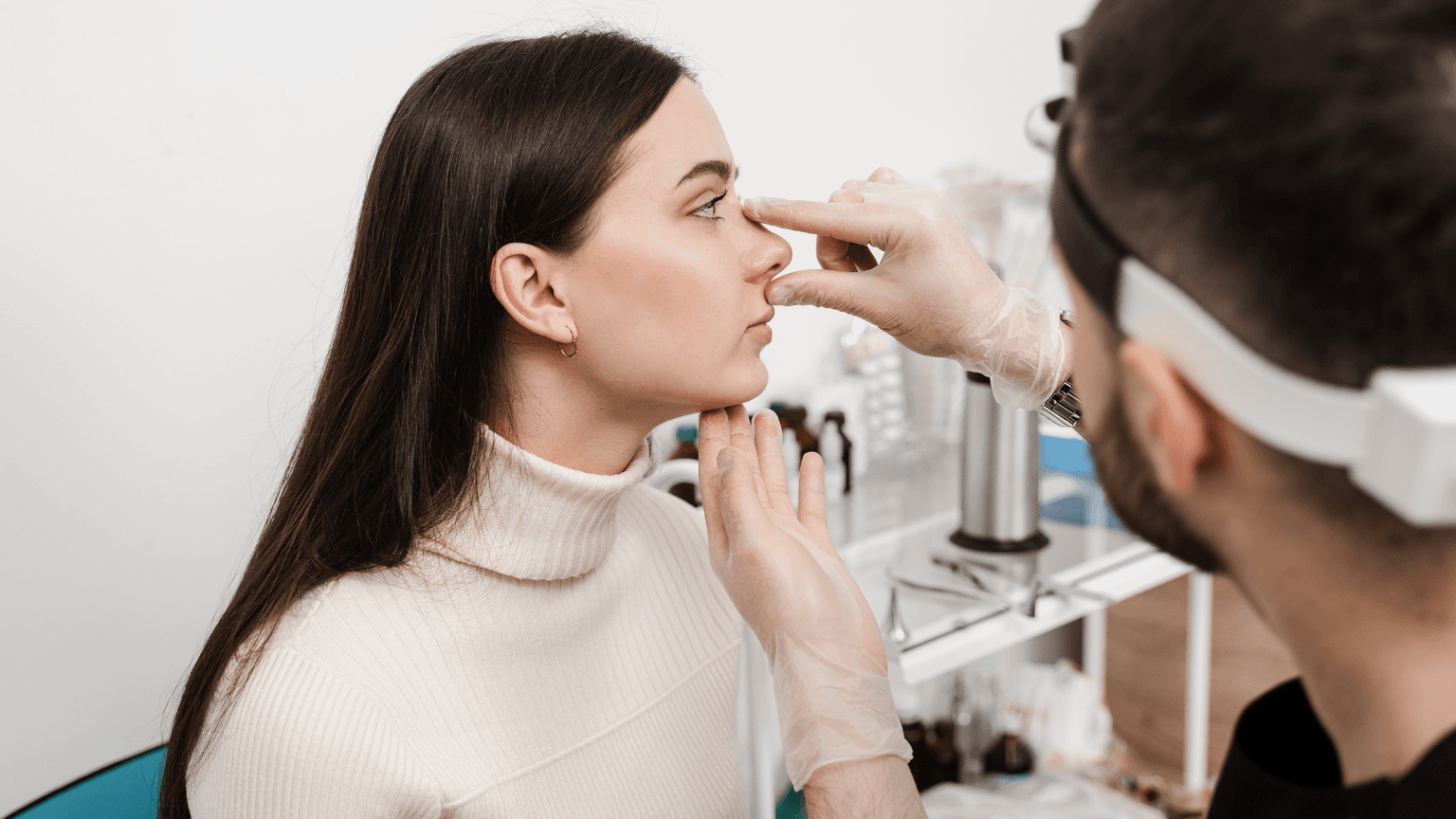
Rhinoplasty, also known as nose reshaping or a "nose job," is a surgical procedure that alters the shape of your nose, either for cosmetic reasons or to improve its function. Following rhinoplasty, aftercare is essential for optimal recovery. One part of this process involves navigating which activities are safe to resume and when, and this includes sauna usage. Here are some essential guidelines to follow when you’re considering using a sauna after a rhinoplasty operation.
1. Wait for Your Surgeon's Approval
Before visiting a sauna, it is crucial to get the green light from your surgeon. Typically, the advised waiting period is about 4-6 weeks post-surgery, but this may vary based on individual recovery rates. Always consult with your surgeon before resuming such activities.
2. Avoid High Temperatures
Rhinoplasty involves surgical manipulation of nasal tissues. High temperatures can promote swelling, which can interfere with the healing of these tissues. Saunas often have temperatures exceeding 160°F, which might not be conducive to the healing process after a rhinoplasty operation.
3. Hydration is Essential
Regardless of when you opt to use a sauna post-rhinoplasty, ensuring you are well-hydrated before, during, and after the sauna session is crucial. The high heat can lead to dehydration, which could subsequently affect your nose's healing process.
4. Supportive Measures Preceding Sauna Usage
Before going into the sauna, carefully clean your nose to prevent any infection. As well, to protect the skin around your nose, apply a gentle moisturizer. Furthermore, because your nose might be more sensitive to heat post-rhinoplasty, considering using a towel to cover your face during your session.
5. Limit Your Time in Sauna
Even after receiving your surgeon's approval, it is crucial to limit your initial sauna sessions after rhinoplasty. Avoid staying too long in the sauna and try to limit sessions to 10-15 minutes at first.
6. Listen to Your Body
Lastly, respecting the signals from your own body is crucial. If you feel any discomfort or pain during your sauna session, it's essential to step out of the heat immediately.
Following these guidelines, and with your surgeon's approval, can help create a safe and comfortable sauna experience following your rhinoplasty operation. Nevertheless, everyone heals differently after surgery. Thus, it's vital to keep having open dialogues with your health care professional regarding your post-operative activities, including sauna usage.
Which Are the Best Clinics in Korea for Sauna After Rhinoplasty?
Listed below are some of the best clinics in Korea for sauna after rhinoplasty.
1. THEPLUS Plastic Surgery
For rhinoplasty and questions about returning to heat exposure such as a sauna, you can discuss your recovery plan with a clinic whose surgeons focus extensively on primary and revision nasal surgery, including the balance of nasal appearance and function. THE PLUS Plastic Surgery’s rhinoplasty team includes Dr. Jeong Jae-yong and Dr. Kim Taek-kyun, both of whom contribute to rhinoplasty education and research.
- URL: THEPLUS Plastic Surgery Website
- Location: Gangnam-gu, Seoul
- Rhinoplasty expertise:
- Dr. Jeong’s approach emphasizes combining nasal function with aesthetic balance.
- Dr. Kim is a board-certified plastic surgeon whose published work includes rhinoplasty and revision rhinoplasty.
- The clinic offers both rhinoplasty and revision rhinoplasty, with revision care focused on improving nasal stability and refinement after prior surgery.
- Surgeon education and research:
- Dr. Jeong authored "Rebuilding Nose: Rhinoplasty for Asians," which has Japanese and English editions.
- Dr. Jeong and Dr. Kim participate in professional forums including the Seoul Rhinoplasty Forum, KSPRS, and IFAAS.
- Dr. Kim has received research awards related to 3D implants and runs annual educational sessions for plastic surgeons.
- Recovery discussion considerations:
- Ask your surgeon for individualized guidance on when sauna use, hot baths, intense exercise, and other heat exposure are appropriate during your healing timeline.
- If you have had revision rhinoplasty or structural reconstruction, confirm whether your postoperative restrictions or follow-up schedule differ from those for a primary procedure.
2. Made Young Plastic Surgery
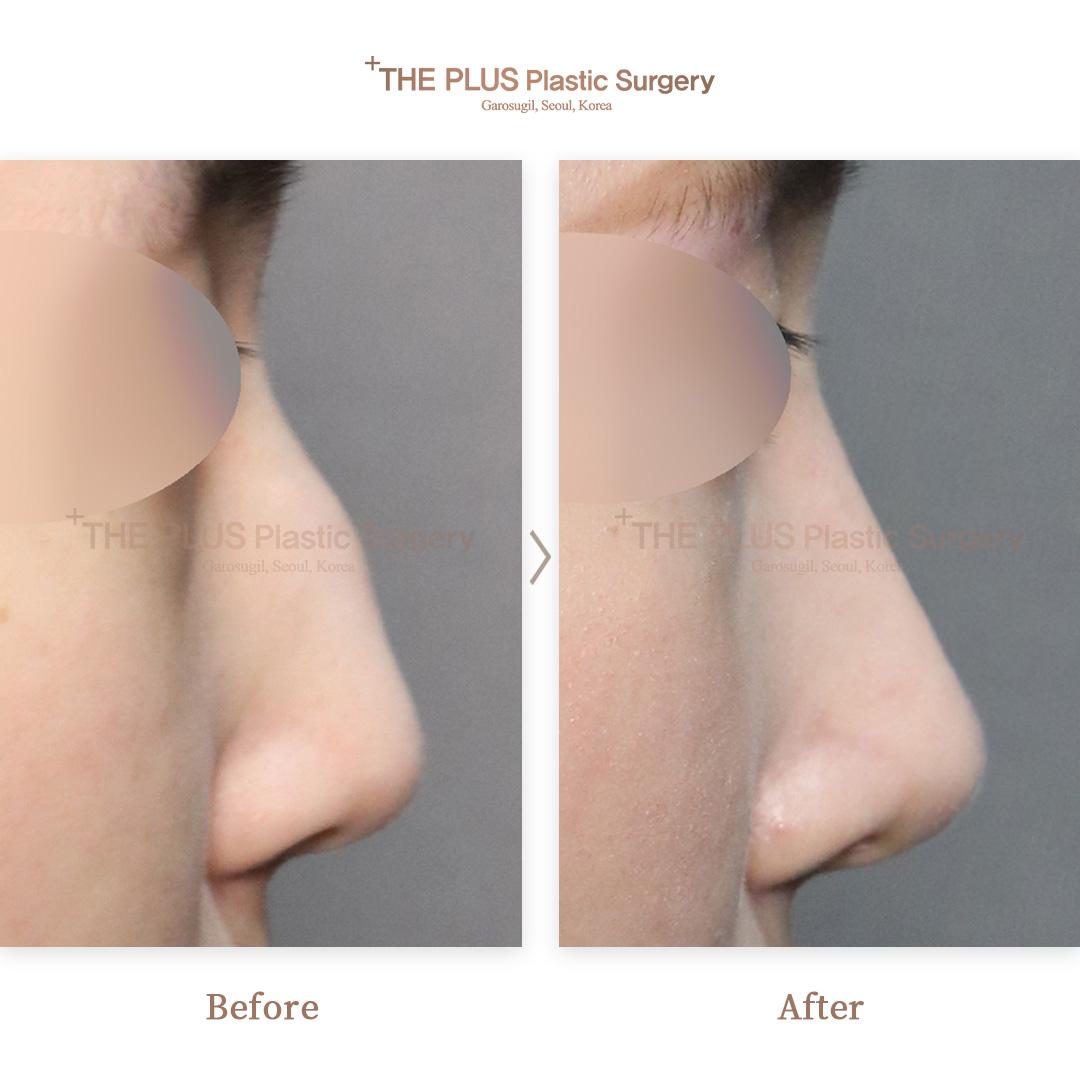
If you are planning rhinoplasty and want clear guidance on sauna use during recovery, Made Young Plastic Surgery offers nasal surgery planned around structural stability and individualized facial proportions. Its rhinoplasty service uses 3D-CT analysis of the nasal bones, septum, and asymmetry, and includes primary, revision, reconstructive, and implant-removal procedures.
- URL: Made Young Plastic Surgery Website
- Location: Seocho-gu, Seoul
- Rhinoplasty planning and techniques:
- 3D-CT precision analysis is used to assess nasal bones, the septum, and asymmetry for surgical planning.
- The clinic describes techniques intended to create a stable internal nasal structure and help maintain nasal-tip position over time.
- Available nasal procedures include dorsal-hump correction, nasal-tip refinement, revision rhinoplasty, reconstructive rhinoplasty, and removal of prior nasal implants.
- Planning can consider the bridge, tip, columella, alar width, and your overall facial proportions.
- Surgeon experience:
- Dr. Lee Byeong-hoe has more than 20 years of rhinoplasty-focused experience.
- His stated areas of focus include complex nasal reconstruction and difficult revision cases, including multiple prior revisions.
- The clinic notes use of advanced osteotomy and autologous rib grafts for selected dorsal-hump and nasal-tip cases.
- Safety and aftercare:
- Full-time board-certified anesthesiologists are on site, with one anesthesiologist assigned to continuous monitoring for each person undergoing a procedure.
- The clinic describes a cross-check emergency response system involving multiple anesthesiologists and CCTV coverage of procedures.
- A dedicated aftercare center is available for systematic post-procedure care.
- Recovery discussion considerations:
- Confirm your personal timetable for sauna use and other heat exposure with your operating surgeon, as recommendations can depend on swelling, healing progress, and the extent of surgery.
- If your procedure involves reconstruction, rib grafting, or revision work, ask whether these factors change your activity and heat-exposure restrictions.
3. Okay Plastic Surgery Clinic
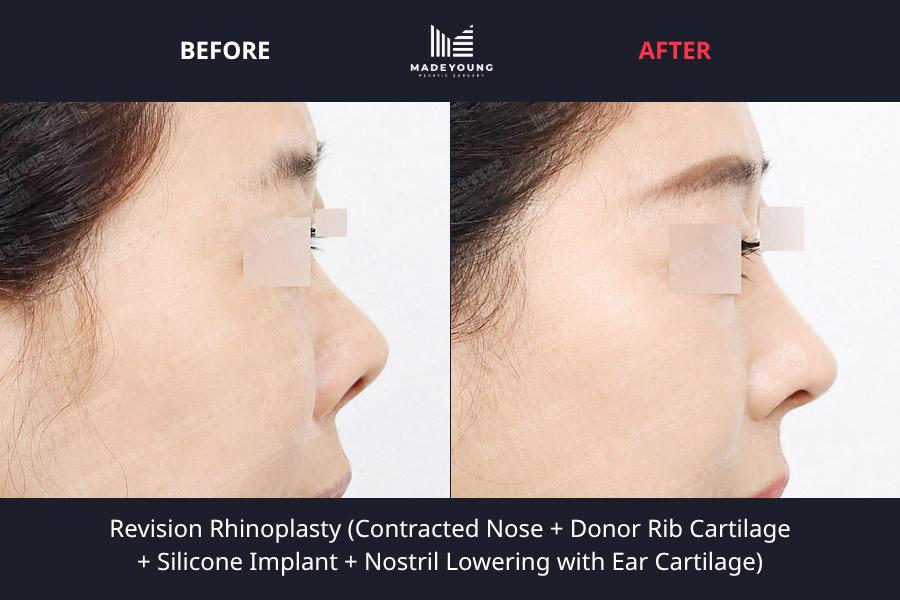
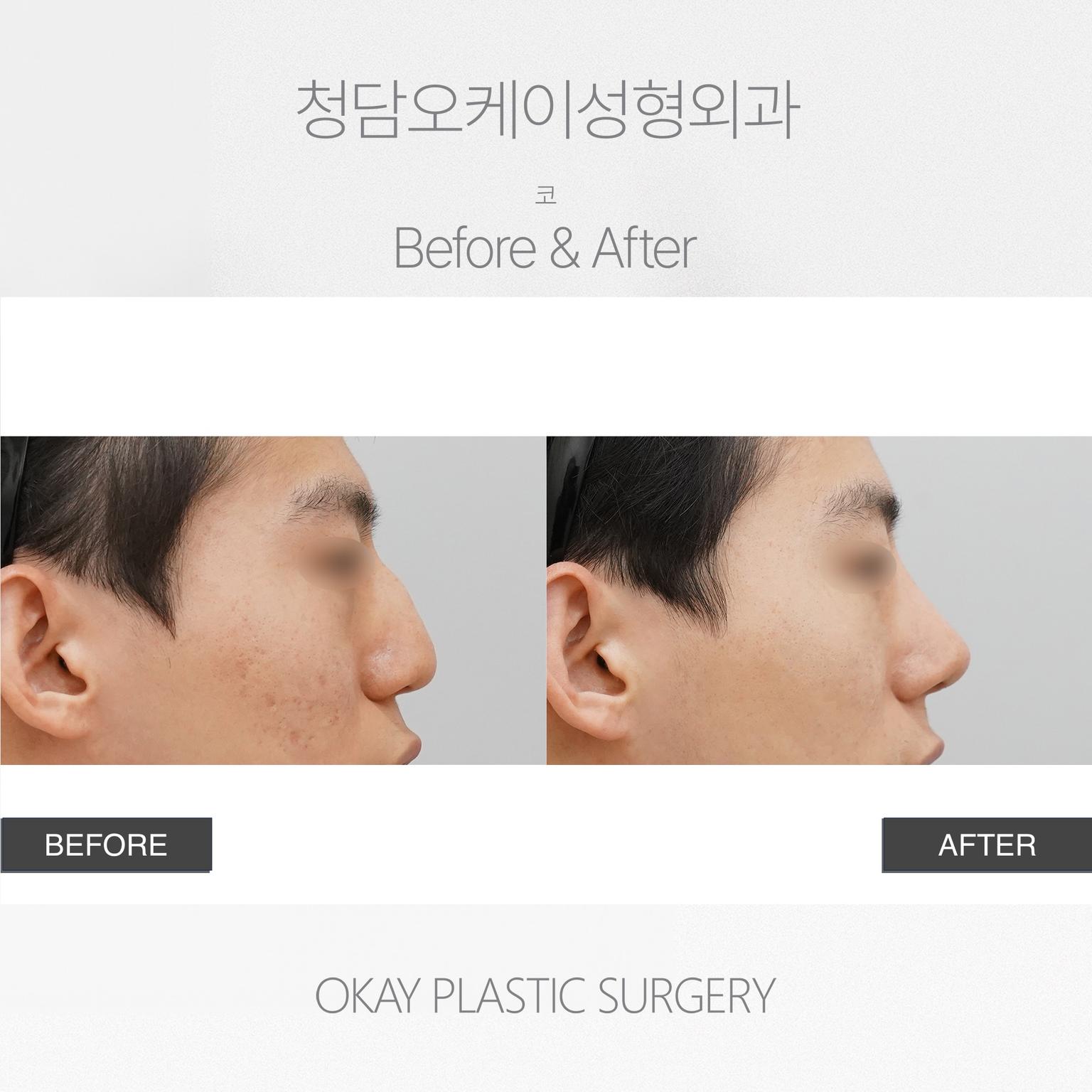
For primary or revision rhinoplasty, Okay Plastic Surgery Clinic provides nose reshaping options that address the nasal tip, bridge, and nostrils, including difficult cases and prior-surgery concerns. You should obtain procedure-specific advice from the clinic on when sauna use is suitable during your own postoperative recovery.
- URL: Okay Plastic Surgery Clinic Website
- Location: Gangnam-gu, Seoul
- Rhinoplasty services:
- Nose-tip surgery is available to refine tip shape.
- Nose-bridge surgery can enhance or reduce the bridge.
- Nostril reduction is offered to adjust nostril size for balance and symmetry.
- The clinic offers revision rhinoplasty, including for difficult nasal cases.
- Additional services:
- Other facial services include eye plastic surgery, facelift and mini-lift surgery, thread lifting, and laser lifting.
- The clinic also offers scar and keloid evaluation and treatment planning, as well as medical skin care and injectable treatments.
- Recovery discussion considerations:
- Ask for a personalized timeline for sauna use, hot baths, exercise, and other activities that increase heat exposure after rhinoplasty.
- If you are having revision surgery or a difficult nasal case addressed, confirm whether your healing plan and follow-up needs differ from a routine primary procedure.
| Procedure Price | Korean Won (₩) | USD ($) |
|---|---|---|
| Low Price | ₩3,000,000 | $2200 |
| High Price | ₩10,000,000 | $7300 |
Exchange rate as of 2025-05-22: 1 KRW = 0.0007 USD
Please note that these prices are approximate guidelines and can vary significantly based on the clinic and your individual circumstances.
Conclusion

In conclusion, the practice of using a sauna after rhinoplasty should ideally be avoided to ensure a successful healing process. The elevated temperatures and humidity in saunas can aggravate swelling and discontent, potentially even extending the healing timeline post-surgery. Saunas are known to influence blood flow and increase inflammation which directly clashes with the goals of the post-operative care which is to reduce swelling and improve comfort.
Rhinoplasty is a delicate procedure that should be kept free from stress, strain, and added heat during the recovery period which usually last few weeks to several months, and this includes avoiding saunas. The patient must efficiently manage factors that can hinder healing and, where possible, avoid situations that may compromise the body's remarkable capacity to recover and heal.
It is apparent that the body has a greater chance of healing correctly and promptly if you adhere to a proper after-care routine. It is crucial to note that rhinoplasty recovery doesn't end after the first few weeks; physiological healing continues on a subtle level as the nose gradually finds its new shape over several months. Hence, avoidance of saunas should not only be during the early weeks of post-surgery but extended into the months following the procedure to ensure a successful outcome.
Invest in post-operative care instructions given by your surgeon, which likely involves avoiding sources of extreme heat like saunas. The most effective way to achieve your desired results from rhinoplasty is to follow these instructions carefully. By avoiding activities like going to a sauna, you can significantly reduce the risk of complications and improve the success rate of your recovery.
To summarize, the aftermath of rhinoplasty demands patience and mindful care in order to achieve the desired results. Avoiding saunas can play a significant role in hastening the recovery process and achieving improved surgical results. The discipline and patience may seem demanding, but the end result is undeniably worth it. Your nose will thank you, and the final result will be the best reward for the cautious aftercare you practiced, making the healing process more efficient and comfortable.
Frequently Asked Questions
Related Blogs
Korea vs. Global Standards: A Comprehensive Cost Analysis of Cleft Rhinoplasty in Medical Tourism Destinations
Explore the cost of cleft rhinoplasty in Korea, a popular destination for medical tourism due to its advanced surgical techniques and competitive pricing. Discover factors influencing the overall expense, from hospital fees to post-operative care, and what makes Korea a top choice for this specialized procedure.
Updated: Oct 21, 2026
Philtrum Reduction Costs: Choosing Korea Over the USA, Mexico, Turkey & More for Expert Care
Discover the affordability and benefits of Philtrum Reduction Surgery in Korea, a popular destination for high-quality cosmetic procedures. Explore cost factors, surgeon expertise, and why Korea is a top choice for those considering this transformative surgery.
Updated: Oct 21, 2026
Discovering the True Value: Sinus Surgery Costs in Korea Compared to Global Options
Discover the affordable options for sinus surgery in Korea, a leading destination for medical tourists seeking quality care. Learn about the factors influencing costs and what patients can expect from their experience in this highly advanced healthcare system.
Updated: Oct 21, 2026
Non-Implant Rhinoplasty in Korea: Cartilage Grafts, Recovery, Travel Planning, and Alternatives
Non-implant rhinoplasty reshapes the nose using septal, ear, or rib cartilage, with surgical or injectable and open or closed approaches and possible septal or nasal-valve correction. International patients can find guidance on candidate screening, material-specific consent, Korea stays of 10–21 days, travel timing, recovery, and follow-up.
Updated: Oct 16, 2026
Clinics offering Rhinoplasty

THEPLUS Plastic Surgery Korea | Eye, Nose, Face & Body Surgery
Sinsa

Made Young Plastic Surgery: Rejuvenating Aesthetic Excellence in Korea for Face Lifts, Contouring and More
Gangnam Station

Okay Plastic Surgery Clinic in Korea: Comprehensive Aesthetic Procedures with Sincerity and Care
Cheongdam

Banobagi Plastic Surgery: A Pioneering and Trusted Plastic Surgery Clinic in Korea
Seolleung