Medical Tourism Blog
Prostatitis Treatment in Korea: Diagnosis, Treatment Pathways, Travel Planning, and Follow-Up
Table of contents
- Prostatitis Treatment at a Glance
- What Is Prostatitis Treatment?
- Who Is a Good Candidate for Prostatitis Treatment?
- What Are the Different Types of Prostatitis Treatment?
- Why Visit Korea for Prostatitis Treatment?
- Key Information for International Patients
- Which Are the Best Clinics in Korea for Prostatitis Treatment?
- Prostatitis Treatment From Start to Finish
- Alternatives to Prostatitis Treatment
- How Can I Prepare for Prostatitis Treatment?
- Aftercare Advice
Considering treatment in Korea? Everything you need to know e.g. — how to avoid scams, visas, interpreters, recovery tips — in our Medical Tourism Master Guide. Plan with confidence in minutes, not weeks!
Last updated: September 2026
Prostatitis Treatment at a Glance
- Not a single procedure — Prostatitis treatment begins with urology evaluation to distinguish acute or chronic bacterial infection from CP/CPPS, obstruction, STI, stones, bladder conditions, or other causes; treatment is then diagnosis-directed.
- Urgent symptoms need local care — Fever, chills, vomiting, confusion, severe pain, urinary retention, suspected sepsis, or possible prostatic abscess require urgent local assessment and are not appropriate for elective medical travel.
- Cultures guide antibiotic use — Urinalysis and midstream urine culture are typical first tests, and confirmed bacterial disease should receive antibiotics tailored to culture and susceptibility results rather than a fixed medication package.
- Chronic pelvic pain needs multimodal care — For CP/CPPS without proven infection, care may combine symptom-specific medication, pelvic-floor relaxation therapy, activity modification, and pain or psychological support; repeated antibiotics are not appropriate after an adequate failed course without bacterial evidence.
- Allow 2–5 days in Korea — Stable patients should generally allow about 2–5 days for consultation, urine or STI testing, and review of preliminary results; imaging, localization cultures, pelvic-floor assessment, retention, or abscess treatment can extend the stay.
- Follow-up is usually necessary — Reassessment at about 4–6 weeks should review symptoms, medication effects, and final microbiology when relevant; CP/CPPS improvement often occurs gradually over weeks to months and may need serial adjustments.
- Korea advantage is care coordination — Korean international-patient services can support planned outpatient evaluation, interpretation, and translated records, but there is no credible evidence of uniquely superior prostatitis cure rates; confirm localization testing, male pelvic-floor therapy, and cross-border follow-up before booking.
What Is Prostatitis Treatment?
Prostatitis treatment is a urology evaluation and diagnosis-directed care plan for prostate-related infection, pelvic pain, urinary symptoms, or related conditions. It aims to treat confirmed infection, ease pain and urinary or sexual symptoms, improve daily function, and identify other causes needing different care. Treatment is primarily non-surgical, though urgent drainage or urinary catheter care is sometimes needed for serious complications.
Who Is a Good Candidate for Prostatitis Treatment?
- Acute urinary illness — Seek urgent urology assessment for painful urination with fever, chills, pelvic or perineal pain, or new difficulty passing urine. Acute bacterial prostatitis requires prompt evaluation rather than elective medical travel.
- Recurrent proven infection — Assessment is appropriate for recurrent urinary tract infections or persistent/recurrent positive urine cultures, particularly when prior antibiotic courses have not produced durable relief.
- Chronic pelvic symptoms — Good candidates have pelvic, perineal, penile, testicular, suprapubic, or ejaculatory pain lasting at least three months, with or without urinary or sexual symptoms. Chronic prostatitis/chronic pelvic pain syndrome (CP/CPPS) assessment should consider muscular, neurologic, sexual, and psychosocial contributors.
- Persistent voiding symptoms — Hesitancy, weak stream, incomplete emptying, urgency, or painful ejaculation need a diagnosis that distinguishes prostatitis from obstruction, urethral stricture, bladder conditions, stones, or other causes.
- Structured reassessment — A baseline NIH Chronic Prostatitis Symptom Index (NIH-CPSI) helps track pain, urinary symptoms, and quality-of-life change instead of relying on a nonspecific label of “prostate inflammation.”
Do not travel for elective assessment with fever, rigors, vomiting, dehydration, confusion, uncontrolled pain, suspected sepsis, acute urinary retention, or concern for a prostatic abscess; CDC advises postponing travel during acute febrile illness. Acute bacterial prostatitis is not suitable for prostatic massage or post-massage localization testing because prostate manipulation can trigger bacteremia or sepsis. There is no age-based prostatitis-treatment threshold, but the assessment must account for prostate enlargement, STI risk, recent urinary instrumentation, neurologic disease, and the possibility of malignancy or another diagnosis. Antibiotics, invasive testing, catheterization, or drainage require individualized review of cultures, allergies, kidney and liver function, anticoagulants, diabetes, immunosuppression, and drug interactions.
What Are the Different Types of Prostatitis Treatment?
“Prostatitis treatment” is not one procedure. The treatment pathway follows the clinical category and evidence of infection, obstruction, pelvic-floor dysfunction, or complications.
- Acute bacterial prostatitis — Urgent evaluation typically includes urinalysis and a midstream urine culture. Blood tests, blood cultures, ultrasound or other imaging are added for systemic illness, failure to improve, or suspected abscess. Stable patients can receive prescribed oral, culture-directed antibiotics; sepsis, retention, or abscess can require hospital admission, intravenous therapy, urinary drainage, and abscess drainage.
- Chronic bacterial prostatitis — Persistent or recurrent bacterial infection requires culture and susceptibility evidence where possible. A two-glass pre-/post-prostatic-massage test or four-glass Meares–Stamey test can help localize infection when the diagnosis remains uncertain; these tests are not used when acute bacterial infection is suspected. Antibiotic choice and duration depend on organism susceptibility, prior treatment, kidney/liver function, allergies, interactions, and adverse-effect history.
- CP/CPPS — Chronic pelvic pain without demonstrated bacterial infection is managed with a multimodal, phenotype-directed plan. Selected patients benefit from alpha-blockers for voiding symptoms, anti-inflammatory treatment, pelvic-floor relaxation and rehabilitation for documented tenderness or overactivity, exercise, and pain-management or psychological support. The EAU guideline supports this individualized approach and advises moving beyond antibiotics after an unsuccessful adequate antimicrobial course.
- Asymptomatic inflammatory findings — Incidental inflammation found in semen, prostate tissue, or another test does not automatically require treatment. The urologist should first establish whether there are symptoms, infection, fertility concerns, or another condition needing care.
- Complication-directed intervention — Urinary retention needs prompt drainage, while a confirmed prostatic abscess can require image-guided or operative drainage alongside antimicrobial treatment. These are hospital-level complications, not routine outpatient prostatitis care.
Why Visit Korea for Prostatitis Treatment?
Korea can be a practical destination for a pre-planned outpatient urology evaluation when the patient is stable and records can be reviewed in advance. The relevant advantage is access to an organized international-patient pathway, not a Korea-specific cure for prostatitis. No credible comparative evidence shows superior Korean cure rates, recurrence rates, or CP/CPPS outcomes over other destinations.
- International-patient infrastructure — Medical Korea lists registered and accredited institutions serving foreign patients, including interpretation or international-patient services at participating facilities. Confirm directly that the chosen facility can provide urology consultation, translated records, laboratory-result communication, and prescription support.
- Culture-directed decision-making — A Korean multicenter study of acute bacterial prostatitis documented pathogen and susceptibility patterns relevant to empiric prescribing, reinforcing the need for urine culture and antibiotic-susceptibility-directed care rather than a fixed antibiotic package.
- Access must be verified — General international-patient registration does not prove availability of two- or four-glass localization testing, STI nucleic-acid testing, male pelvic-floor physiotherapy, English-speaking therapists, virtual follow-up, or treatment of complications. Ask before booking.
- Evidence limitation — Do not select a destination based on claims that prostate massage, intraprostatic injections, devices, supplements, or Korean medicine are uniquely curative. Evidence for chronic pelvic-pain interventions is heterogeneous, and there is no established surgical cure for primary prostate pain syndrome.
Key Information for International Patients
- Recommended stay — Allow about 2–5 days for a stable outpatient evaluation: consultation and urine/STI testing on the first day, then review of preliminary results and a plan when available. Localization cultures, imaging, pelvic-floor assessment, medication-tolerance review, retention, or abscess care require a longer stay.
- Repeat visits — Chronic bacterial prostatitis and CP/CPPS commonly need reassessment rather than a one-visit cure. Review symptom burden, medication effects, microbiology when relevant, and NIH-CPSI change at about 4–6 weeks.
- Flying home — There is no universal post-treatment flying interval for routine outpatient evaluation or oral medication. Fly only when afebrile, hydrated, able to urinate, tolerating medication, clinically stable, and cleared by the treating clinician.
- Do not board with red flags — Fever, chills, worsening systemic symptoms, uncontrolled pain, vomiting, dehydration, confusion, urinary retention, or ongoing evaluation for sepsis or abscess require local medical care, not a long-haul flight.
- Itinerary impact — Routine consultation, urine testing, and oral treatment generally do not create incision-based recovery. Pelvic pain itself can make prolonged sitting, cycling, heavy lifting, alcohol, and long sightseeing days difficult; abscess drainage or catheter care substantially changes the itinerary.
- Remote follow-up — Arrange in advance how cultures will be communicated, who can alter the prescription after susceptibility results, whether virtual follow-up is available across borders, and which clinician at home will manage ongoing care.
Travel note: Carry English copies of test results, imaging, medication and allergy lists, culture/susceptibility reports, and a written care plan. CDC advises coordinating the overseas treatment and complication plan with both destination and home clinicians.
Which Are the Best Clinics in Korea for Prostatitis Treatment?
Listed below are some of the best clinics in Korea for prostatitis treatment.
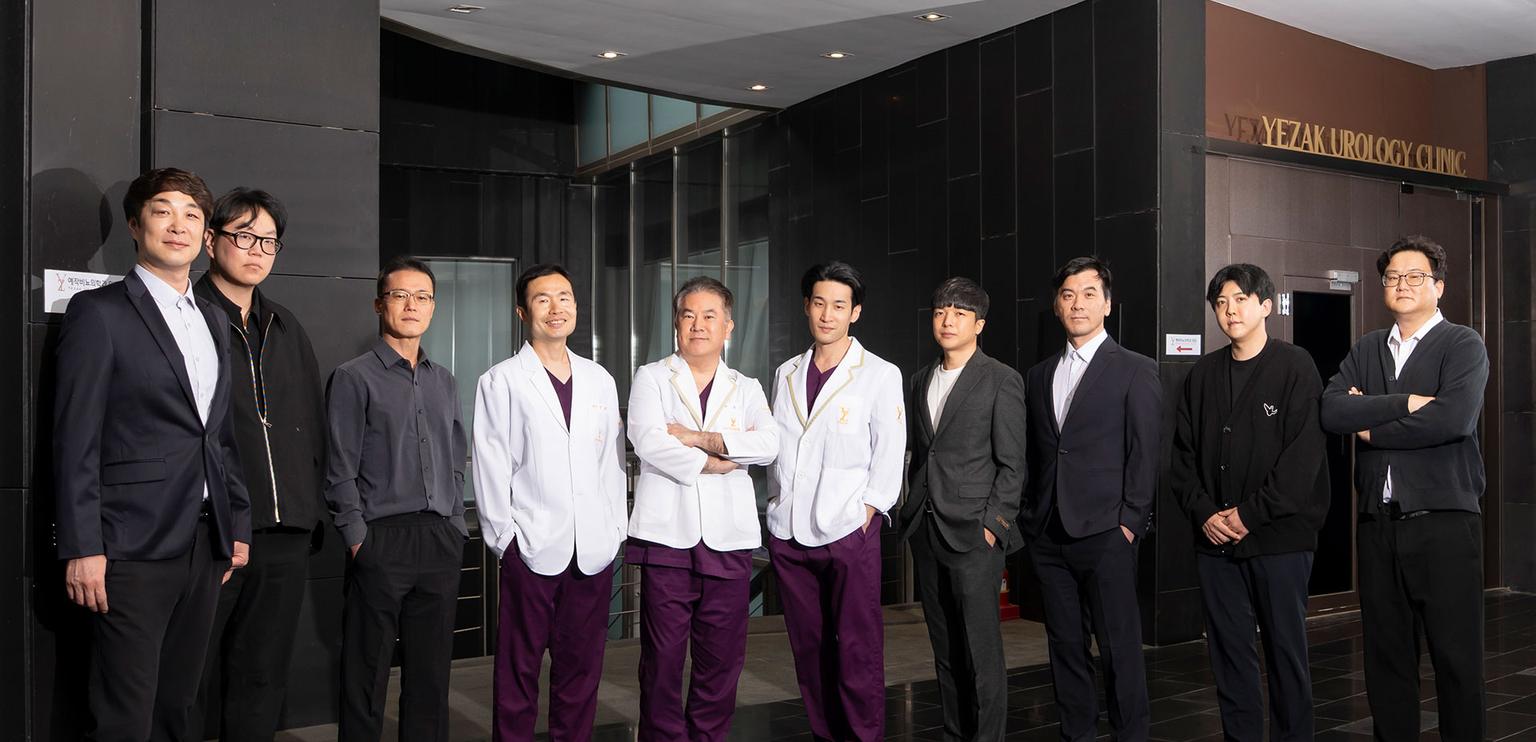
1. Yezak Urology
For prostatitis concerns, Yezak Urology’s provided information supports a men’s health setting that includes urinary-system screening and confidential sexually transmitted infection evaluation. However, it does not specify prostatitis-focused testing, diagnosis, or treatment protocols, so your care plan would need to be clarified during an evaluation.
- URL: Yezak Urology Website
- Location: Seoul
- Relevant services noted:
- General men’s health checkups cover urinary, sexual, metabolic, and cardiovascular systems, with guidance and referrals based on findings.
- Confidential testing and antimicrobial treatment for common sexually transmitted infections are listed, along with counseling and partner-management support when relevant.
- Clinic focus:
- The Apgujeong center provides surgical and non-surgical men’s health care through a multi-specialist team.
- The supplied information emphasizes advanced safety systems and urologic care, but does not detail prostatitis-specific services.
Prostatitis Treatment From Start to Finish
- Pre-travel contact and record review — Request an English or virtual consultation where offered. Send a symptom timeline, prior UTI/STI and urine/semen/localization culture reports, susceptibility results, imaging files, PSA history if available, and a complete medication/allergy list.
- Travel triage — The clinic should identify symptoms requiring immediate local care rather than travel, including fever, retention, suspected sepsis, vomiting, or possible abscess. Confirm interpreter availability, test turnaround times, pharmacy arrangements, expected stay, and follow-up method.
- First urology consultation — The urologist reviews pain location and duration, urinary and sexual symptoms, fever, STI exposure, previous instrumentation, antibiotic history, medical conditions, and symptom triggers. A focused physical examination is performed as clinically indicated.
- Initial testing — Urinalysis and midstream urine culture are typical starting tests. Depending on the presentation, testing can include STI nucleic-acid testing, post-void residual measurement, blood tests, ultrasound or other imaging, and cystoscopy.
- Diagnostic classification — Acute infection is distinguished from chronic bacterial prostatitis, CP/CPPS, asymptomatic inflammation, and non-prostate causes of symptoms. When appropriate and only after acute infection is excluded, two-glass or four-glass localization cultures can help identify chronic bacterial infection.
- Condition-directed treatment — Confirmed or strongly suspected bacterial disease receives prescribed antimicrobial treatment adjusted to culture susceptibility when available. CP/CPPS care can combine symptom-specific medication, pelvic-floor assessment and relaxation-based rehabilitation, activity modification, and pain or psychological support. Admission, intravenous antibiotics, catheterization, or drainage are reserved for systemic illness, retention, or abscess.
- Discharge plan and local recovery — Receive written medication instructions, adverse-effect warnings, test results or their release plan, activity guidance, and clear escalation instructions. Routine outpatient care does not require wound recovery; symptom improvement depends on the diagnosis and treatment response.
- Overseas follow-up — Share final cultures and the treatment summary with the clinician at home. Reassess at roughly 4–6 weeks, sooner for worsening symptoms or medication adverse effects; chronic pelvic pain often requires serial treatment adjustments over weeks to months.
Alternatives to Prostatitis Treatment
The main alternative is not another universal prostatitis procedure but a diagnosis-specific pathway. Repeated antibiotics are inappropriate when bacterial infection has not been demonstrated or an adequate course has failed; surgical BPH treatments address obstruction, not primary pelvic pain.
BPH Evaluation and Treatment
- When it fits — Consider this pathway when enlarged-prostate obstruction, rather than infection or pelvic-floor pain, explains weak stream, incomplete emptying, or retention.
- Tradeoff — Medication or procedures such as BPH treatment, Aquablation, Rezūm, or UroLift can improve obstruction in selected patients but do not treat CP/CPPS itself.
Pelvic-Floor Physiotherapy and Multimodal Pain Care
- When it fits — This is a core alternative to repeated antibiotics for CP/CPPS with pelvic-floor tenderness, muscle overactivity, pain amplification, or clear activity-related symptoms.
- Tradeoff — Improvement is gradual and requires active participation. Seek a physiotherapist trained in male pelvic pain and chronic pain; forceful, unsupervised Kegel exercises can worsen an overactive pelvic floor.
Alternative-Diagnosis Treatment
- When it fits — STI/urethritis, urethral stricture, stones, bladder pain syndrome, epididymo-orchitis, neurologic conditions, and malignancy need their own targeted investigation and treatment.
- Tradeoff — This pathway can delay a prostatitis label but prevents ineffective treatment and missed serious disease.
Acupuncture or Korean Medicine as Adjunctive Care
- When it fits — Some people consider acupuncture or Korean medicine for symptom support alongside standard evaluation.
- Tradeoff — Do not use adjunctive care instead of evaluating infection, obstruction, abscess, or cancer. Discuss evidence limitations and interactions with prescribed medicines; EAU guidance does not support nonstandard therapies as a replacement for phenotype-directed care.
How Can I Prepare for Prostatitis Treatment?
- Send records early — Provide a concise symptom timeline, all prior urine/STI/semen/localization cultures and susceptibility reports, imaging, PSA history if available, and details of every prior antibiotic and its effect.
- Avoid self-treatment before cultures — Do not start leftover antibiotics shortly before urine or localization cultures unless an urgent-care clinician directs it; antibiotics can reduce culture yield. Do not self-prescribe NSAIDs, herbal products, or supplements.
- Disclose every medicine — List antibiotics previously associated with allergy or serious side effects, anticoagulants and antiplatelets, diabetes medication, corticosteroids, testosterone or anabolic products, supplements, kidney/liver disease, heart rhythm/QT-risk factors, and drug interactions. Do not stop prescribed anticoagulants or other regular medicine without the prescribing clinician’s instruction.
- Plan for testing — Routine outpatient urine testing does not ordinarily require fasting. Ask in advance if blood tests, imaging with contrast, cystoscopy, sedation, drainage, or another intervention is being considered, because preparation can change.
- Reduce symptom triggers — Until assessed, limit prolonged sitting, cycling, high-impact exercise, and heavy lifting when they provoke pelvic pain. Maintain fluids unless a clinician has imposed a fluid restriction.
- Sex and STI precautions — Avoid sexual activity when it is painful or until STI testing and treatment instructions are complete. Confirm whether partner evaluation or treatment is needed for a diagnosed STI.
- Book flexible logistics — Choose accommodation near the facility, avoid a tightly scheduled arrival day, carry enough regular medication for the trip, and keep flights changeable in case cultures, imaging, retention, or medication intolerance extend the stay.
Travel note: Do not travel with fever, chills, urinary retention, vomiting, dehydration, confusion, or suspected sepsis. Seek urgent care locally instead.
Confirm the treating clinic’s specific requirements, which take precedence over general guidance.
Aftercare Advice
Take the prescribed plan exactly as directed, and treat worsening systemic symptoms or inability to urinate as urgent problems rather than routine recovery.
- Antibiotics and medication changes — Take antimicrobials at the prescribed dose and schedule. Do not stop, extend, share, or restart them without the prescriber’s direction; culture results, adverse effects, and susceptibility findings can require a change.
- Activity and sitting — Temporarily reduce prolonged sitting, cycling, high-impact exercise, and heavy lifting when they worsen symptoms. Resume activity gradually as pain and urinary symptoms permit; recovery depends on the diagnosis, infection control, pelvic-floor involvement, and combination treatment.
- Hydration and irritants — Maintain fluids unless medically restricted. Reduce alcohol and other personal bladder or pelvic-pain triggers during active symptoms.
- Sexual activity — Avoid sex when painful, after any procedure for the interval specified by the operator, or until STI-management instructions have been completed. Ensure partners receive evaluation or treatment when directed.
- Urgent warning signs — Contact the clinic or seek urgent local care for fever or chills, worsening pain, vomiting, dehydration, rash or other medication reaction, confusion, inability to urinate, or new severe weakness. Failure to improve within 48–72 hours of treatment for suspected acute bacterial prostatitis requires prompt reassessment.
- Follow-up and results — Obtain final cultures, susceptibility data, imaging reports, and an English treatment summary. Reassess around 4–6 weeks using symptoms and, where applicable, NIH-CPSI; CP/CPPS improvement is often gradual over weeks to months and can require multidisciplinary adjustment.
Follow the treating doctor’s individualized instructions and contact the clinic promptly when something appears wrong.
Frequently Asked Questions
Related Blogs
Korea vs. Global: Unveiling the Financial Landscape of the UroLift Procedure
Discover the pricing details of UroLift procedures in Korea, including factors affecting costs and potential insurance coverage options. Learn about the benefits of choosing Korea for your UroLift treatment and how it compares to other countries.
Updated: Oct 21, 2026
Priced for Precision: Penis Filler Costs in Korea vs. Global Averages in the USA, Turkey, and Beyond
Discover the latest trends in cosmetic enhancements with a deep dive into the cost of penis fillers in Korea. Explore factors influencing prices, popular clinics, and what to expect from this increasingly sought-after procedure.
Updated: Oct 21, 2026
Price Insight: Pubic Fat Pad Removal Costs in Korea vs. Global Averages—Who Offers the Best Value?
Discover the cost-effective solutions for pubic fat pad removal in Korea, where advanced medical technology meets affordability. Explore how this popular procedure can enhance your confidence and well-being without breaking the bank.
Updated: Oct 21, 2026
Understanding Cost Disparities: Erectile Dysfunction Treatment in Korea vs. Global Destinations
Explore the financial impact of erectile dysfunction in Korea, delving into treatment expenses and their economic burden on individuals and the healthcare system. Discover how societal perceptions and healthcare policies influence the overall cost and accessibility of ED treatments in the Korean context.
Updated: Oct 20, 2026