
Medical Tourism Blog
Post-Traumatic Nasal Deformity: Rhinoplasty Solutions in Korea for Restoring Nasal Contour and Function
Table of contents
- Rhinoplasty: A Medical Procedure for Nasal Correction
- Rhinoplasty in South Korea: A Medical Tourism Perspective
- Which Are the Best Clinics in Korea for Posttraumatic Nasal Deformity?
- Patient Outcomes and Quality of Life Improvement
- Conclusions
- References
Considering treatment in Korea? Everything you need to know e.g. — how to avoid scams, visas, interpreters, recovery tips — in our Medical Tourism Master Guide. Plan with confidence in minutes, not weeks!
Post-traumatic nasal deformity—changes in nasal shape and function after injury—poses a significant challenge for many. This guide explores the nature of this condition, how rhinoplasty provides both restoration and improved quality of life, and why South Korea is increasingly chosen by medical tourists seeking advanced nasal correction. We discuss procedure options, what to expect as an international patient, costs, and long-term benefits, illustrating how effective treatment can aid both physical appearance and well-being.
Nasal injuries frequently result in both visible and functional issues, making post-traumatic nasal deformity one of the most common reasons people seek specialized care.
Definition and Common Pseudonyms
Post-traumatic nasal deformity refers to any abnormal change in the nose's appearance or internal structure after injury. These changes might affect the nasal bridge, wings, tip, or nostrils. While “post-traumatic nasal deformity” is the technical term, you’ll often hear related keywords like “crooked nose deformity” and “saddle nose deformity.” A crooked nose is visibly misaligned, while saddle nose deformity presents as a noticeable dip in the bridge from deeper cartilage loss or septal damage. Broader medical terms you'll see include “Nose Deformities, Acquired,” as well as identifiers like “nasal bone fractures” and “nasal septum injuries.”
Causes, Types, and Associated Issues (Functional & Aesthetic)
The nose’s central location and delicate structure make it prone to trauma. Most post-traumatic nasal deformities stem from impact—car accidents, sports injuries, fights, or falls.
Injuries can produce a variety of problems: crooked or asymmetrical noses, curved or flattened bridges, altered tips, and uneven nostrils; deeper damage may displace cartilage and bone. These physical changes almost always combine cosmetic issues with functional challenges, since the nose’s shape and its job as an airway are closely linked.
Functional Impairments
Post-traumatic changes can block one or both nasal passages, causing chronic stuffiness and making breathing (especially during sleep or exercise) more difficult. Problems might include worsened snoring, recurring infections (like sinusitis), impaired sense of smell, or even changes in speech. Immediate injury may cause pain and bleeding. One serious complication is a septal hematoma, a collection of blood on the septum that needs fast medical attention.
Aesthetic and Psychological Effects
Visible nasal changes often hurt self-confidence and can have lasting emotional impacts. Many people find that correcting these deformities improves their appearance and leads to major boosts in self-esteem, highlighting the psychological benefits of treatment.
Diagnosis starts with a medical history to distinguish trauma from congenital deformity, followed by a careful examination. It’s best to see an ENT (otolaryngologist) within a week of suspected nasal fracture for prompt care.
Rhinoplasty: A Medical Procedure for Nasal Correction

Rhinoplasty, the well-known “nose job,” is a precise surgical procedure that can improve both the look and function of the nose.
Definition and Purpose
Rhinoplasty reshapes the bones and cartilage in the nose, aiming to enhance facial appearance or correct breathing problems from trauma (like deviated septum or a broken nose). The procedure’s versatility delivers dramatic physical and emotional benefits—whether addressing congenital defects, facial injury, blocked passages, or cancers.
Candidacy and Goals
Good candidates are healthy, have finished facial growth (mid-to-late teens or older), and don’t smoke. They need clear, realistic expectations and internal motivation—not outside pressure. Rhinoplasty can fix a wide range of specific issues, from misshapen nostrils to vent opening blockages and bumps on the nasal bridge.
Types of Rhinoplasty

Rhinoplasty encompasses various techniques targeted to different needs.
Open vs. Closed Rhinoplasty
- Open Rhinoplasty uses a small incision across the columella, giving the surgeon full visibility—ideal for complex reshaping or revision surgeries.
- Closed Rhinoplasty keeps all incisions inside the nostrils with no visible scars and quicker recovery, best for minor adjustments.
Cosmetic, Functional, and Revision Rhinoplasty
- Cosmetic Rhinoplasty targets appearance.
- Functional Rhinoplasty restores nasal structure for breathing or after trauma, cancer, or congenital issues like deviated septum.
- Revision Rhinoplasty addresses prior surgical results that didn’t meet expectations or caused new problems.
Septorhinoplasty
This combined approach addresses both breathing and appearance by performing rhinoplasty alongside septoplasty (straightening the septum). This is especially beneficial after trauma, as the most common deformities affect both appearance and function.
The Surgical Process
Pre-Procedure
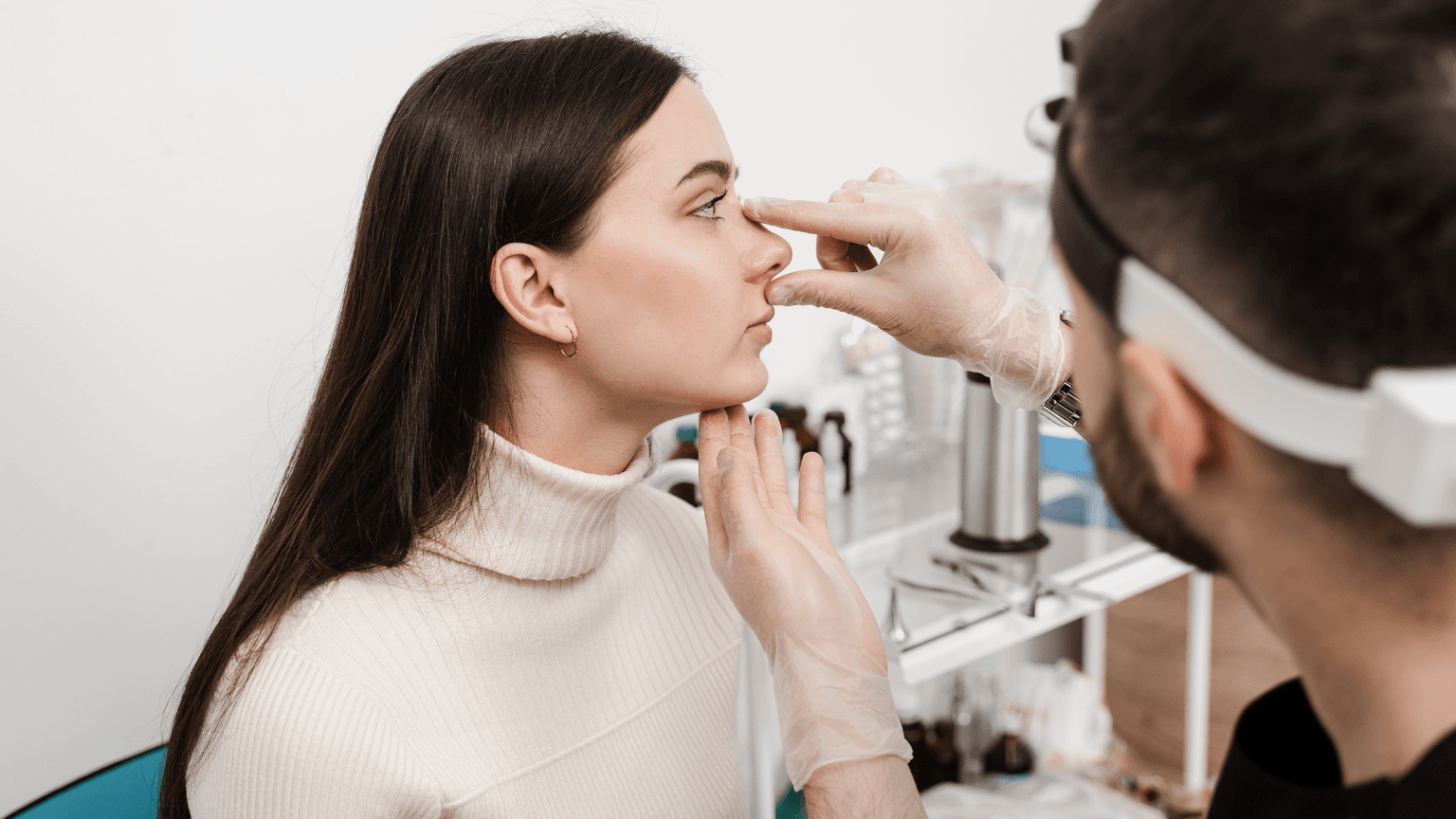
Consultation involves setting goals, examining the nose, and conducting medical tests. Patients are advised to stop certain medications, as well as tobacco or alcohol, before surgery.
During Procedure
Rhinoplasty takes 1-5 hours under general anesthesia. Incisions (inside nostrils or across the columella) give access to reshape or support nose structures. Surgeons may use cartilage or bone grafts where needed. When finished, stitches and sometimes nasal packing or splints stabilize the nose.
Post-Procedure Care and Recovery
After surgery, a splint and sometimes packing support the nose. Swelling and bruising are common, lasting several weeks, with full healing over months. Elevating the head, avoiding strenuous activity, and using saline sprays help healing. Follow-up visits are crucial for tracking progress and achieving the best outcome.
Rhinoplasty in South Korea: A Medical Tourism Perspective

South Korea is now a leading destination for rhinoplasty, especially among international patients.
Why South Korea?
South Korea’s high number of cosmetic procedures and expert surgeons make it attractive for medical tourists. Benefits include:
- Expert Surgeons & Technology: Highly trained, board-certified surgeons with advanced equipment enable precise, efficient care. South Korea has the highest rate of plastic surgery per capita globally.
- Competitive Pricing: Costs are generally lower than in the U.S. or U.K., despite top-tier quality.
- Comprehensive Support: International patients receive coordinated help—translators, airport pickups, special recovery lodgings, and wellness care.
- Safety and Accreditation: South Korean facilities maintain high standards and are often officially accredited.
- Cultural Appeal: Driven by K-pop and K-drama influence, South Korea has become synonymous with refined aesthetic results and harmonious facial balance.
With a record 1.17 million medical tourists in 2024, South Korea’s reputation as a plastic surgery hub continues to grow.
Step-by-Step Process for International Patients
- Research Clinics and Surgeons: Pick reputable clinics, review credentials, and check for digital preview tools. Many clinics use 3D imaging to show predicted outcomes.
- Book a Virtual Consultation: Share photos, medical history, and get expert recommendations. Most clinics offer free assessments.
- Choose Travel Dates: Avoid national holidays; plan for 3–5 days pre-surgery and 10–14 days post-surgery for recovery.
- Visa Arrangements: Citizens from many countries stay visa-free up to 90 days; clinics assist with special medical visas if needed.
- Book Flights and Accommodation: Stay near your clinic in comfort; some clinics offer packages with specialized lodging.
- Pre-Arrival Requests: Prepare documents and payment methods and confirm appointments.
- On-Site and Recovery Support: Clinics facilitate communication, manage swelling and pain, and may offer post-op therapies. Foreign patients often qualify for VAT refunds for medical procedures.
Costs Associated with Rhinoplasty in South Korea
Getting rhinoplasty in South Korea balances advanced care with affordability. Costs depend on case complexity, surgeon, and clinic.
| Procedure Type | Estimated Cost Range (USD) |
|---|---|
| Non-Surgical Rhinoplasty (Fillers) | $500 – $1,500 |
| Basic Surgical Rhinoplasty | $2,000 – $4,000 |
| Cosmetic Rhinoplasty | $3,000 – $6,000 |
| Closed Rhinoplasty | $3,000 – $8,000 |
| Nasal Tip Plasty | $3,000 – $6,000 |
| Ethnic Rhinoplasty | $4,000 – $10,000 |
| Open Rhinoplasty | $5,200 – $12,000 |
| Functional Rhinoplasty | $3,500 – $12,000 |
| Septorhinoplasty | $5,000 – $13,000 |
| Complex/Revision Rhinoplasty | $5,000 – $15,000 |
Additional Expenses:
- Consultations: Free–$150
- Pre-op tests: $100–$300
- Post-op medications: $50–$200
- Accommodation: $50–$200/night
- Transportation: $100–$300
- Recovery therapies: $50–$150/session
- Interpreter: $30–$100/hour
- Emergency fund: at least $1,000
Insurance rarely covers cosmetic rhinoplasty but may partially cover functional surgeries (like fixing a deviated septum).
Cost Comparison: South Korea vs. Other Medical Tourism Destinations
| Country | Average Cost (USD) | Key Advantages |
|---|---|---|
| United States | $7,600 – $15,000 | Local access, established regulations |
| United Kingdom | $8,200 – $13,700 | Proximity for Europeans, established standards |
| South Korea | $3,000 – $13,000 | Advanced tech, expert surgeons, value, integrated patient care |
| Turkey | $3,000 (avg) | All-inclusive packages, high volume, experienced surgeons |
| Thailand | $4,000 (avg) | VIP care, expertise in Asian rhinoplasty |
| Mexico | $5,000 (avg) | Near U.S., English-speaking doctors |
| Poland | $4,500 (avg) | EU standards, experienced surgeons |
| Lithuania | $3,200 (avg) | Rising European medical hub |
South Korea excels through a blend of advanced skill, safety, and supportive infrastructure, justifying its sometimes higher prices than budget options.
Which Are the Best Clinics in Korea for Posttraumatic Nasal Deformity?
Listed below are some of the best clinics in Korea for posttraumatic nasal deformity.
1. THEPLUS Plastic Surgery
For posttraumatic nasal deformity, you can consult a rhinoplasty-focused team whose stated approach combines nasal function with appearance. Dr. Jeong Jae-yong and Dr. Kim Taek-kyun have extensive academic and educational involvement in rhinoplasty, while the clinic also offers revision rhinoplasty when prior nasal surgery is part of your history.
- URL: THEPLUS Plastic Surgery Website
- Location: Gangnam-gu, Seoul
- Rhinoplasty expertise:
- Dr. Jeong authored “Rebuilding Nose: Rhinoplasty for Asians,” which has Japanese and English editions.
- Dr. Kim contributed rhinoplasty and revision-rhinoplasty chapters to “The 18 Masters of Korean Aesthetic Surgery.”
- Both surgeons participate in rhinoplasty education and present research and techniques at forums including the Seoul Rhinoplasty Forum, KSPRS, and IFAAS.
- Relevant nasal services:
- Rhinoplasty is offered with an emphasis on facial harmony and nasal structure.
- Revision rhinoplasty is available for concerns following previous nose surgery.
- Professional credentials:
- Dr. Kim is a board-certified plastic surgeon and has received research awards related to 3D implants.
- Dr. Jeong is identified as President of the Korean Society of Plastic Surgeons.
2. Made Young Plastic Surgery
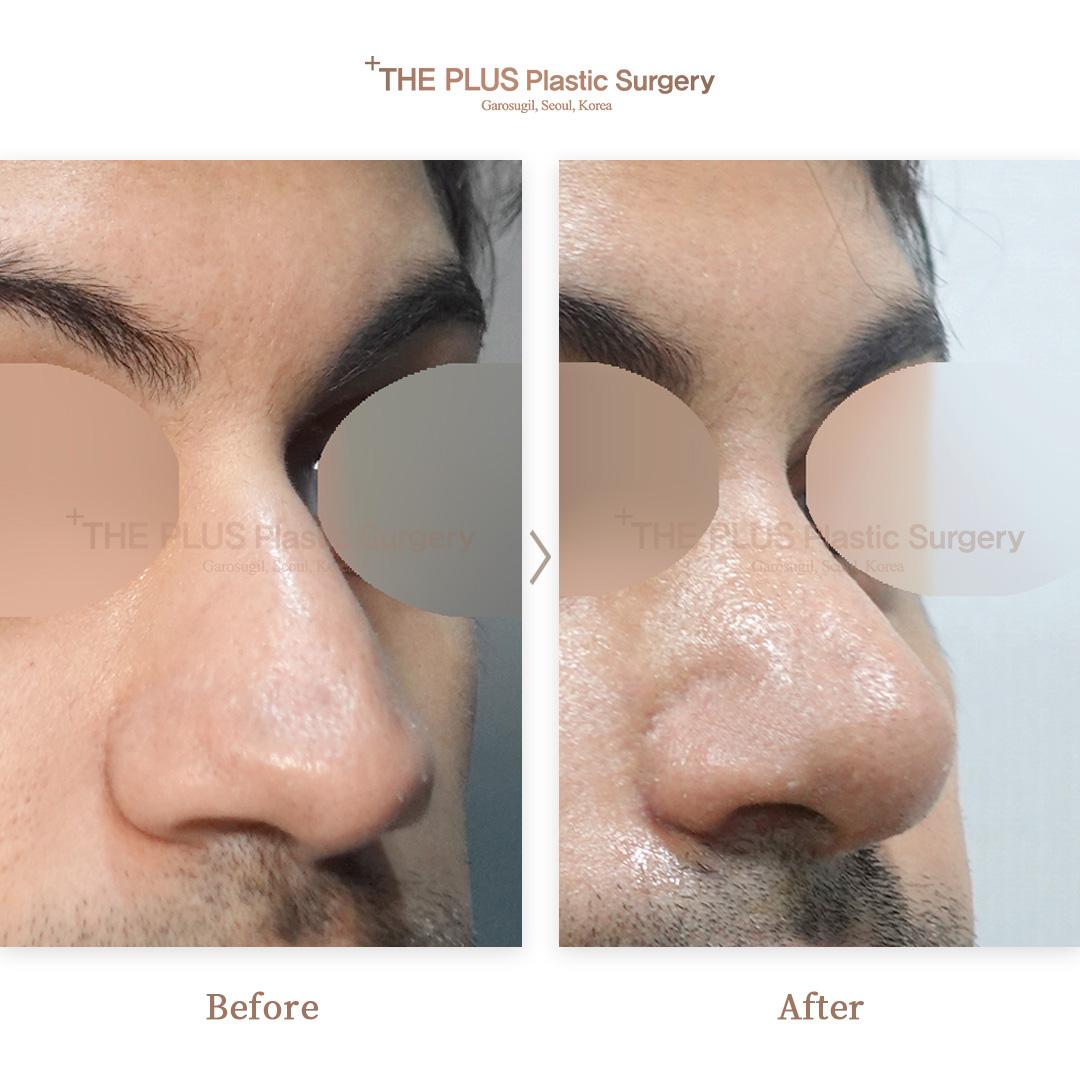
For a posttraumatic nasal deformity, Made Young offers reconstruction rhinoplasty alongside planning that uses 3D-CT assessment of the nasal bones, septum, and asymmetry. You can discuss structural rebuilding, facial proportions, and, where appropriate, approaches such as osteotomy or autologous rib grafting with Dr. Lee Byeong-hoe, who is described as having more than 20 years focused exclusively on rhinoplasty.
- URL: Made Young Plastic Surgery Website
- Location: Seocho-gu, Seoul
- Planning and reconstruction:
- 3D-CT analysis is used to assess nasal bones, the septum, and asymmetry for surgical planning.
- The clinic describes techniques intended to build a stable internal nasal structure and help prevent tip drooping over time.
- Its rhinoplasty service list includes reconstruction rhinoplasty, revision rhinoplasty, and nasal implant removal.
- Surgeon experience:
- Dr. Lee Byeong-hoe is described as having 20+ years of exclusive rhinoplasty experience.
- His stated experience includes complex nasal reconstruction and difficult revision cases, including cases after multiple prior revisions.
- The clinic identifies dorsal-hump correction, nasal-tip refinement, osteotomy, and autologous rib grafting among relevant techniques.
- Safety and aftercare:
- Full-time board-certified anesthesiologists are stated to be on site.
- The clinic describes one-to-one anesthesiology monitoring and a cross-check system for emergencies.
- A dedicated aftercare center is listed.
3. Okay Plastic Surgery Clinic
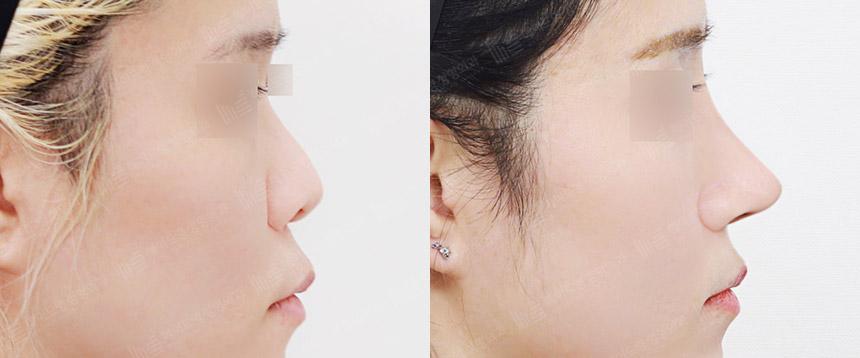
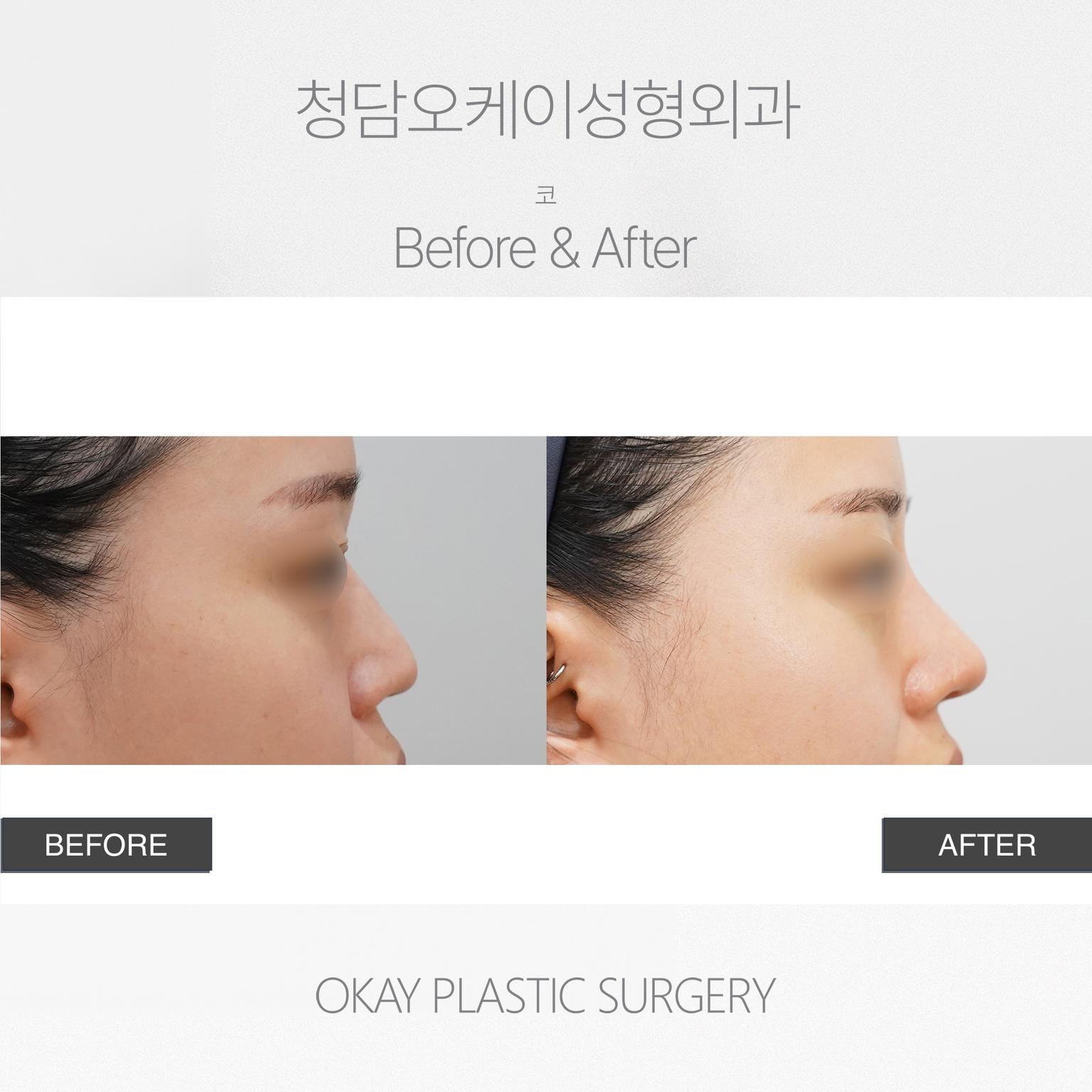
You may consider Okay Plastic Surgery Clinic if you need rhinoplasty planning for a posttraumatic nasal deformity and want a clinic that lists difficult rhinoplasty cases and revision rhinoplasty among its services. Its nasal options include work on the tip, bridge, and nostrils, allowing your consultation to focus on the specific structural and appearance concerns that matter to you.
- URL: Okay Plastic Surgery Clinic Website
- Location: Gangnam-gu, Seoul
- Nasal services:
- Difficult rhinoplasty cases and revision rhinoplasty are available.
- Listed rhinoplasty options include nose-tip surgery, nose-bridge surgery, nostril reduction, and revision procedures.
Patient Outcomes and Quality of Life Improvement
Rhinoplasty can profoundly improve both visible appearance and quality of life for people with post-traumatic nasal deformity.
Addressing Post-Traumatic Issues
A successful rhinoplasty restores normal breathing, eases chronic congestion, reduces infections, and improves airflow—and thus sleep and exercise. Some patients regain their sense of smell, while aesthetic correction restores symmetry and balance to the face.
Patient Experiences and Testimonials
Patients report major increases in self-confidence, satisfaction with appearance, and relief from functional issues. Many express gratitude after years of insecurity or symptoms, appreciating the skills and care of specialized surgeons—often describing far less pain and quicker recovery than expected.
Long-Term Recovery and Potential for Revision
Full results take time—most swelling decreases in a month or two, but minor changes settle over a year. About 15% of patients might need a follow-up “revision rhinoplasty” for additional fine-tuning, especially after complex trauma, but most experience long-lasting improvement.
Conclusions
Post-traumatic nasal deformities affect both appearance and nasal function, often requiring comprehensive correction. Rhinoplasty—especially when tailored to both cosmetic and functional needs—provides effective resolution, and South Korea combines surgical expertise with patient-friendly infrastructure at a globally competitive cost. Patients consistently see marked improvements in breathing, appearance, and confidence, making rhinoplasty a life-changing solution for those recovering from nasal trauma.
References
1, 2, 3, 4, 5, 6, 7, 8, 9, 10, 11, 12, 13, 14, 15, 16, 17, 18, 19, 20, 21, 22, 23, 24, 25, 26, 27, 28
Frequently Asked Questions
Related Blogs
Korea vs. Global Standards: A Comprehensive Cost Analysis of Cleft Rhinoplasty in Medical Tourism Destinations
Explore the cost of cleft rhinoplasty in Korea, a popular destination for medical tourism due to its advanced surgical techniques and competitive pricing. Discover factors influencing the overall expense, from hospital fees to post-operative care, and what makes Korea a top choice for this specialized procedure.
Updated: Oct 21, 2026
Philtrum Reduction Costs: Choosing Korea Over the USA, Mexico, Turkey & More for Expert Care
Discover the affordability and benefits of Philtrum Reduction Surgery in Korea, a popular destination for high-quality cosmetic procedures. Explore cost factors, surgeon expertise, and why Korea is a top choice for those considering this transformative surgery.
Updated: Oct 21, 2026
Discovering the True Value: Sinus Surgery Costs in Korea Compared to Global Options
Discover the affordable options for sinus surgery in Korea, a leading destination for medical tourists seeking quality care. Learn about the factors influencing costs and what patients can expect from their experience in this highly advanced healthcare system.
Updated: Oct 21, 2026
Non-Implant Rhinoplasty in Korea: Cartilage Grafts, Recovery, Travel Planning, and Alternatives
Non-implant rhinoplasty reshapes the nose using septal, ear, or rib cartilage, with surgical or injectable and open or closed approaches and possible septal or nasal-valve correction. International patients can find guidance on candidate screening, material-specific consent, Korea stays of 10–21 days, travel timing, recovery, and follow-up.
Updated: Oct 16, 2026
Clinics offering Rhinoplasty

THEPLUS Plastic Surgery Korea | Eye, Nose, Face & Body Surgery
Sinsa

Made Young Plastic Surgery: Rejuvenating Aesthetic Excellence in Korea for Face Lifts, Contouring and More
Gangnam Station

Okay Plastic Surgery Clinic in Korea: Comprehensive Aesthetic Procedures with Sincerity and Care
Cheongdam

Banobagi Plastic Surgery: A Pioneering and Trusted Plastic Surgery Clinic in Korea
Seolleung