
Medical Tourism Blog
Calf Reduction Botox in Korea: Candidacy, Results, Recovery, and Travel Planning
Table of contents
- Calf Reduction Botox at a Glance
- What Is Calf Reduction Botox?
- Who Is a Good Candidate for Calf Reduction Botox?
- How Is Calf Reduction Botox Performed?
- Why Visit Korea for Calf Reduction Botox?
- Key Information for International Patients
- Which Are the Best Clinics in Korea for Calf Reduction Botox?
- Calf Reduction Botox From Start to Finish
- Alternatives to Calf Reduction Botox
- How Can I Prepare for Calf Reduction Botox?
- Aftercare Advice
Considering treatment in Korea? Everything you need to know e.g. — how to avoid scams, visas, interpreters, recovery tips — in our Medical Tourism Master Guide. Plan with confidence in minutes, not weeks!
Last updated: September 2026
Calf Reduction Botox at a Glance
- What it does — Calf reduction Botox uses multiple botulinum toxin type A injections in the gastrocnemius muscle to temporarily reduce muscle activity and gradually slim a muscle-dominant calf contour; it does not remove fat, treat swelling, or cause weight loss.
- Best candidates — It is best suited to adults whose calf bulge becomes more prominent on tiptoe or forceful plantar flexion, indicating enlarged gastrocnemius muscle rather than fat, fluid retention, soleus bulk, or a medical cause of swelling.
- Results timeline — Early circumference change may appear at about 2 weeks, while the more meaningful muscle-thinning and contour result develops over 1–3 months; studies commonly assess outcomes through 6 months.
- Recovery and function — Downtime is usually minimal, with soreness, bruising, cramping, swelling, or temporary weakness lasting hours to several days, but calf power and dynamic balance can be affected—avoid running, jumping, steep stairs, uneven terrain, and high heels until function feels normal.
- Important limitation — Temporary weakening of the gastrocnemius can compromise push-off, stairs, tiptoe activity, climbing, dancing, sprinting, jumping, and balance, so the procedure may not suit people whose work or sport depends on maximal calf performance.
- Korea travel planning — Plan 2–3 days in Korea for an in-person assessment and injections, arrange remote follow-up before departure, and leave with English records listing the toxin product, dose per side, injection targets, date, and lot or batch details when available.
- Korea-specific selection point — Korean studies support anatomy-based, individualized treatment rather than choosing a clinic by a quoted unit total: botulinum-toxin units are not interchangeable between brands, and 160- and 200-unit prabotulinumtoxinA protocols did not show a dose-dependent circumference difference.
What Is Calf Reduction Botox?
Calf reduction Botox uses botulinum toxin type A injections to temporarily reduce activity in prominent calf muscles. It aims to gradually soften a muscle-dominant calf outline for a slimmer cosmetic contour, rather than cause weight loss or treat leg symptoms. It is a minimally invasive, non-surgical outpatient procedure.
Who Is a Good Candidate for Calf Reduction Botox?
- Muscle-dominant calf fullness — Good candidates have a prominent calf bulge that becomes clearer on tiptoe or forceful plantar flexion, indicating enlargement of the gastrocnemius rather than mainly fat or fluid.
- Cosmetic contour goal — This treatment suits adults seeking gradual reduction of the medial and/or lateral gastrocnemius outline, not weight loss or treatment for leg pain.
- Realistic functional priorities — Candidates accept temporary weakening of a muscle used for push-off, stairs, balance, running, jumping, climbing, dancing, and prolonged tiptoe activity.
- Stable lower-leg health — A suitable assessment includes both calves at rest and on tiptoe, circumference measurements, photographs, walking function, prior toxin exposure, injury history, and sport or work demands. Ultrasound assessment can distinguish gastrocnemius, soleus, and subcutaneous tissue when the cause of fullness is unclear.
Avoid or defer cosmetic injection during pregnancy, breastfeeding, or attempts to conceive because calf-contouring studies have generally excluded these groups. Do not proceed with an infection or active inflammation at the injection site, a known allergy to the selected toxin product, myasthenia gravis, Lambert-Eaton syndrome, or clinically important neuromuscular weakness; product labeling warns that these conditions increase the risk of significant toxin effects. New one-sided calf swelling, pain, warmth, redness, neurological symptoms, or suspected tendon or muscle injury needs medical evaluation rather than cosmetic treatment. This is an adult aesthetic procedure, and clinicians should be particularly cautious where athletic performance, fall risk, or high-demand calf function is central to daily life.
How Is Calf Reduction Botox Performed?
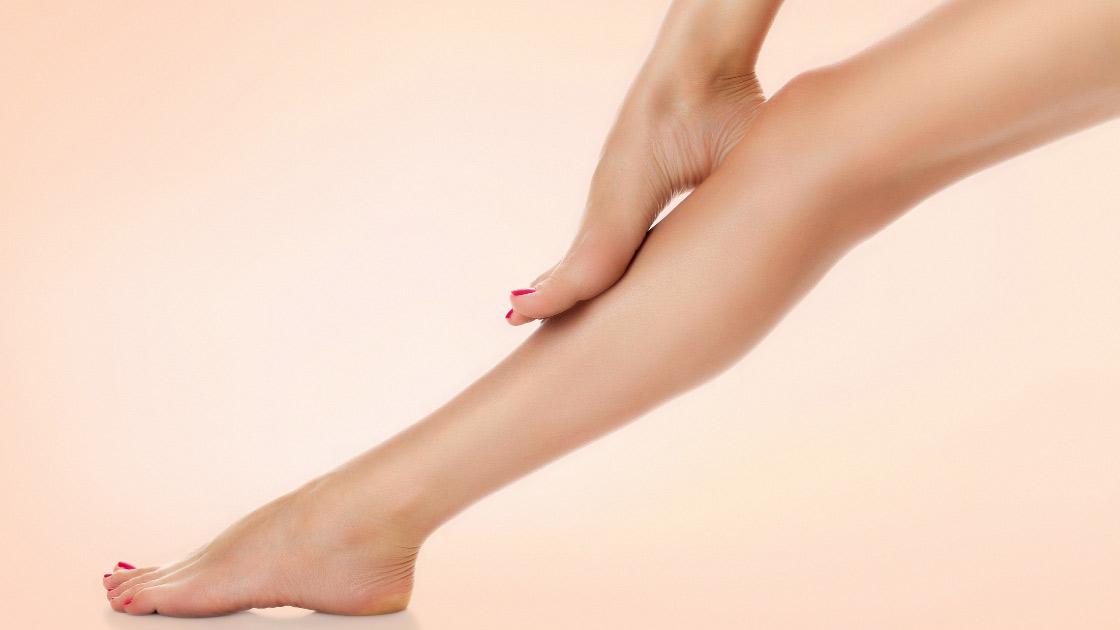
Injection planning should follow the actual shape, depth, and activity of the calf muscles rather than a fixed unit total. Botulinum-toxin units are formulation-specific and cannot be converted across products.
- Standard gastrocnemius injection — Multiple intramuscular injections are distributed through the selected medial and/or lateral gastrocnemius bulge. This is the established target for muscle-dominant calf contouring.
- Pattern-tailored injection — The clinician adjusts placement for unilateral or bilateral bulging, asymmetry, and the degree and location of hypertrophy. Published calf classifications support individualized distribution, but no universal injection map exists.
- Ultrasound-assisted planning — Ultrasound can measure muscle thickness, identify the boundary between gastrocnemius and soleus, and guide depth selection when anatomy, asymmetry, or the cause of fullness is uncertain.
- Gastrocnemius-plus-soleus injection — This is a selective, less-established approach for anatomy involving the deeper soleus. In a 34-patient prospective study, combined treatment and gastrocnemius-only treatment had equivalent satisfaction, with no obvious additional clinical benefit at six months.
Why Visit Korea for Calf Reduction Botox?
South Korea has contributed directly to published research on aesthetic gastrocnemius treatment. That makes anatomy-based assessment and transparent product documentation more meaningful selection criteria than a low quoted unit price. Korean research does not prove that every clinic or protocol produces superior results.
- Korean clinical evidence — A Korean multicenter randomized study evaluated 160- and 200-unit prabotulinumtoxinA protocols in Asian women and found contour improvement, without a dose-dependent circumference difference. This supports individualized planning rather than assuming more units create a better result.
- Anatomy-focused assessment — Published calf-contouring work emphasizes standing and tiptoe examination, circumference measurement, photographs, and ultrasound where needed to separate gastrocnemius hypertrophy from soleus bulk, fat, or another cause of enlargement.
- Product traceability — Ask for the exact toxin formulation, its authorization status in South Korea, total dose, dose per side, and lot or batch documentation where available. Product names matter because botulinum-toxin units are not interchangeable.
- Continuity-of-care planning — The CDC advises medical travelers to arrange follow-up before travel and obtain treatment records. Request records in English before leaving Korea.
Key Information for International Patients
- Minimum practical stay — Plan 2–3 days in Korea for an in-person examination, injections, and time to address early bruising, soreness, cramping, or unexpected weakness.
- Flight timing — No calf-Botox-specific evidence-based flight-delay rule or Korean minimum-stay standard was identified. Base departure timing on walking comfort, access to the treating clinic, and a pre-arranged plan for care after return.
- Immediate itinerary impact — Downtime is usually minimal, but avoid scheduling steep hikes, long stair-heavy sightseeing, skiing, dance classes, intensive shopping days in high heels, or vigorous lower-body training immediately after treatment.
- Walking and balance — Light walking is generally preferable to immobility. A 2026 study found unchanged basic gait speed, cadence, and step length at one and three months, but detected subtle changes in dynamic balance control; use caution on uneven ground, stairs, and in high heels until normal strength and balance are clear.
- Remote follow-up — Arrange clinic contact for the first several days, a photo and function review at about 2–4 weeks, and an outcome review at roughly 8 weeks to 3 months. Send standardized photos using the same posture, lighting, footwear, and measurement point.
- Records for home care — Leave with the product name, lot or batch when available, dose per side, injection targets or map, date, aftercare plan, and direct clinician contact details.
Travel note: Seek urgent medical care for progressive one-sided swelling, unusual calf pain, warmth or redness, chest pain, shortness of breath, fainting, coughing blood, or difficulty speaking, swallowing, or breathing.
Which Are the Best Clinics in Korea for Calf Reduction Botox?
Listed below are some of the best clinics in Korea for calf reduction botox.
1. Three Wishes Clinic - Myeongdong
You may consider Three Wishes Clinic - Myeongdong if you want an aesthetic clinic that offers Botox alongside other minimally invasive treatments; however, the available information describes Botox for facial dynamic wrinkles rather than calf reduction specifically, so you should confirm whether calf muscle treatment is offered and how your plan would be tailored.
- URL: Three Wishes Clinic - Myeongdong Website
- Location: Jung-gu, Seoul
- Injectable and aesthetic options:
- Botox is listed for relaxing facial muscles associated with crow’s feet and forehead lines.
- Other listed injectable or minimally invasive options include fillers, fat-dissolving injections, and thread lifting.
- The clinic also provides ultrasound lifting, laser treatments, chemical peels, PDT acne care, and Rejuran Healer.
2. Cheongdam EZ Plastic Surgery Clinic
You may consider Cheongdam EZ Plastic Surgery Clinic if you want to discuss calf reduction Botox within a clinic that provides Botox injections and body-contouring services, including liposuction; the supplied information does not specifically confirm Botox for the calves, so you should verify its availability, suitability for your calf muscle pattern, and expected treatment approach during consultation.
- URL: Cheongdam EZ Plastic Surgery Clinic Website
- Location: Namdong-gu, Incheon
- Relevant services:
- Botox injections are listed as a non-surgical treatment that temporarily relaxes muscles.
- Body-contouring services include liposuction and tummy tuck surgery.
- The clinic also lists dermal fillers and a range of facial, breast, and hair-restoration procedures.
3. Reone Dermatology
You may consider Reone Dermatology for a personalized, physician-led discussion of calf reduction Botox because its practice includes Botox for targeted overactive muscles and individualized body-shaping plans; while calf Botox is not expressly listed, its combination of injectable and body-contouring services makes it important to ask whether your calves are appropriate for muscle-relaxing treatment rather than fat- or skin-focused contouring.
- URL: Reone Dermatology Website
- Location: Gangnam-gu, Seoul
- Botox and personalized planning:
- Botox is described as relaxing overactive muscles and is used in targeted areas for concerns including facial lines, jawline refinement, and underarm sweating.
- Care is described as physician-led and personalized in a private setting.
- Facial-contouring plans combine injectables and energy devices according to individual goals.
- Body-contouring context:
- Body-shaping plans use non-invasive or minimally invasive technologies to reduce localized fat and improve skin firmness.
- Listed body areas include the abdomen, flanks, arms, and thighs; calves are not specifically named.
- A consultation can help distinguish whether muscle size, localized fat, or skin firmness is the primary contour concern.
Calf Reduction Botox From Start to Finish
-
Remote inquiry and screening — Send requested unfiltered standing rear and side photographs, both relaxed and on tiptoe. Disclose previous botulinum-toxin treatment anywhere in the body, lower-leg injuries or surgery, neurological conditions, allergies, medicines, supplements, pregnancy plans, and sport or work requirements.
-
In-person calf assessment — The clinician examines both legs at rest and during plantar flexion, measures circumference, identifies medial and lateral gastrocnemius prominence, and checks for asymmetry or signs that fat, soleus bulk, edema, injury, or disease—not gastrocnemius hypertrophy—is driving the contour.
-
Treatment plan and consent — Discuss the selected toxin product, target muscles, expected gradual result, temporary strength trade-off, risk of asymmetry, and the limitations of the evidence. Confirm that units cannot be compared directly between toxin brands and agree on a follow-up plan before treatment.
-
Marking and skin preparation — Wear shorts or loose clothing. The clinician marks selected areas of the gastrocnemius while considering the calf contour in relaxed and contracted positions, then cleans the skin.
-
Injection session — Multiple small intramuscular injections are placed into the planned gastrocnemius sites. The treatment is normally outpatient, with no general anesthesia, sedation, or overnight admission.
-
Discharge and early monitoring — Review site care, activity limits, walking and stair precautions, and direct clinic contact instructions. Mild injection-site bumps, soreness, bruising, localized swelling, cramping, or a temporary sense of weakness can last hours to several days.
-
Result review and overseas follow-up — Early circumference change can appear from about two weeks. Assess the more meaningful muscle-thinning and contour result at 1–3 months; studies commonly follow outcomes through six months. Discuss any future maintenance only after reviewing contour, strength, balance, gait, and adverse effects rather than booking automatic repeat injections.
Alternatives to Calf Reduction Botox
The correct alternative depends on what creates the calf width. Botox targets muscle; fat-reduction procedures target pinchable subcutaneous fat and will not meaningfully reduce a hypertrophic gastrocnemius. Surgical muscle procedures are more invasive and potentially permanent, with substantially different risks and recovery.
Calf Liposuction
- Best-fit anatomy — Calf liposuction is relevant when fullness is mainly subcutaneous fat rather than a contracting muscle bulge.
- Tradeoff — It does not shrink gastrocnemius hypertrophy and involves incisions, compression, swelling, and surgical recovery.
Cryolipolysis
- Best-fit anatomy — CoolSculpting can be considered for selected localized fat deposits.
- Tradeoff — Fat freezing does not reduce muscle bulk, and lower-leg suitability depends on the available fat layer and device application.
Surgical Muscle Reduction or Selective Neurectomy
- Best-fit anatomy — These specialist surgical options have been reported for pronounced muscular hypertrophy when a patient seeks a more permanent structural change.
- Tradeoff — They are not equivalent to toxin injection. Surgical calf reduction carries invasive and potentially permanent functional consequences and requires specialist surgical evaluation.
No Procedure
- Best-fit priorities — This is often the soundest choice when sprinting, jumping, climbing, dancing, balance, or calf power is a high priority.
- Tradeoff — It avoids treatment-related weakness but does not change a muscle-dominant calf contour.
How Can I Prepare for Calf Reduction Botox?
- Medical disclosure — Tell the clinician about all previous botulinum-toxin exposure, including facial, masseter, trapezius, migraine, bladder, and therapeutic injections. Also disclose lower-leg injuries or surgery, neurological history, allergies, pregnancy plans, and sports or occupational demands.
- Medicines and supplements — Provide a complete list of prescription drugs, anticoagulants, antiplatelet medicines, pain medicines, vitamins, and herbal supplements. Do not independently stop anticoagulants, antiplatelets, or any prescribed medicine; the treating clinician and prescribing clinician must individualize bleeding and interaction risk.
- Pregnancy and illness — Postpone treatment for pregnancy, breastfeeding, attempts to conceive, active skin infection, inflammation at the calf, or a new unexplained change in calf size.
- Clothing and skin access — Wear shorts or loose clothing that exposes both calves for standing, tiptoe, marking, and measurement. Avoid applying products that could interfere with skin cleaning to the planned injection areas.
- Food and alcohol — No fasting is normally required when injections are performed without sedation. Keep the day low exertion and avoid alcohol if the clinic instructs this because bruising risk and medication plans depend on individual history.
- Travel logistics — Book flexible flights where possible, avoid a physically demanding itinerary immediately afterward, and identify home-country medical care before departure.
Travel note: Bring or securely store clear baseline calf photographs and arrange an English copy of the final treatment record before leaving Korea.
Confirm the treating clinic's product-specific and health-specific requirements; individualized medical instructions take precedence over general guidance.
Aftercare Advice
Protect calf function while the toxin effect develops, and treat new severe leg symptoms as medical concerns rather than routine cosmetic recovery.
- Activity — Take light walks, but avoid fast running, explosive lower-body training, vigorous jumping, sustained tiptoe work, steep climbs, and unfamiliar uneven terrain until normal strength and balance are clear.
- Stairs and footwear — Use handrails on stairs when needed. Avoid high heels until calf control feels normal, particularly after bilateral gastrocnemius treatment.
- Injection sites — Keep sites clean. Do not rub, deeply massage, use percussion devices, aggressively foam roll, or manipulate the calves unless the injector specifically permits it.
- Expected short-term effects — Small bumps, soreness, bruising, swelling, cramping, and temporary weakness usually settle within hours to several days. Contact the clinic for marked asymmetry, worsening weakness, persistent gait change, severe pain, spreading redness, fever, or substantial swelling.
- Tracking results — Take standardized photographs and measurements at baseline, about two weeks, 8 weeks, 3 months, and six months. The principal contour assessment is usually at 1–3 months, not in the first few days.
- Emergency symptoms — Seek urgent assessment for one-sided swelling with pain, warmth, or redness; chest pain; shortness of breath; fainting; coughing blood; or trouble speaking, swallowing, or breathing.
Follow the treating doctor’s individualized instructions and contact the clinic promptly when something appears wrong.
Frequently Asked Questions
Related Blogs
Discovering the Cost: Masseter Botox in Korea vs. USA, Mexico, Turkey, Thailand, and Australia
Discover the affordable and effective Masseter Botox treatments in Korea, renowned for their popularity in cosmetic enhancements. Learn about the costs, benefits, and why many choose Korea for this specialized procedure.
Updated: Oct 21, 2026
What Hyperhidrosis Botox Costs Globally: A Comparative Study of Korea, the USA, Mexico, and Beyond
Discover the cost of Hyperhidrosis Botox treatments in Korea, a popular solution for excessive sweating, offering an affordable yet effective option compared to global prices. Learn about pricing variations, treatment benefits, and how to find reputable clinics for a seamless experience.
Updated: Oct 18, 2026
Explore the Cost of Gummy Smile Botox: Why Korea Outshines the USA, Mexico, Turkey, and More
Discover the affordable world of Gummy Smile Botox treatments in Korea, where cutting-edge cosmetic procedures offer stunning results without breaking the bank. Learn about pricing, benefits, and what to expect from this increasingly popular smile-enhancing solution.
Updated: Oct 18, 2026
Mouth Corner Lift Botox in Korea: Candidacy, DAO Technique, Recovery, and Travel Planning
Mouth corner lift Botox uses targeted DAO injections, sometimes with platysma treatment, to temporarily soften muscle-driven downward mouth corners. The article covers candidacy, procedure steps, travel planning for Korea, aftercare, follow-up, risks, and alternatives for fixed folds or skin laxity.
Updated: Oct 18, 2026
Clinics offering Calf Reduction Botox

365mc Hospital: Korea's Leading Liposuction and Body Contouring Clinic with Innovative AI Technologies and Comprehensive Patient Care
Gyodae

Three Wishes Clinic - Myeongdong, Korea: Advanced Botox, Fillers, Laser, and Skin Treatments for Confidence and Care
Myeongdong

B.V Clinic Korea: Advanced Aesthetic Treatments for Natural Beauty Enhancement & Rejuvenation
Sinnonhyeon Station

Evita Clinic Korea: Body Contouring, Breast & Gender-Affirming Surgery in Seoul (Apgujeong)
Apgujeong