
Medical Tourism Blog
Allergic Rhinitis Solutions: Rhinitis Surgery Options in Korea for Lasting Relief

Table of contents
- Exploring Surgical Procedures for Rhinitis
- Your Path to Rhinitis Surgery in South Korea
- Which Are the Best Clinics in Korea for Allergic Rhinitis?
- Comparing Rhinitis Surgery Costs: South Korea and Beyond
- Life After Rhinitis Surgery: Effectiveness and Patient Experience
- Conclusion
- References
Considering treatment in Korea? Everything you need to know e.g. — how to avoid scams, visas, interpreters, recovery tips — in our Medical Tourism Master Guide. Plan with confidence in minutes, not weeks!
Allergic rhinitis, often called hay fever, is a common condition that causes inflammation and congestion in the nose due to an allergic response. This guide unpacks the essentials of allergic rhinitis, reviews both medical and surgical treatment options, explains how the surgical process works in South Korea, and compares costs and outcomes so you can make informed choices.
Allergic rhinitis is more than just a runny nose. It can have a big impact on your quality of life and general health.
What is Allergic Rhinitis?
Allergic rhinitis happens when your immune system reacts to airborne particles (allergens) it mistakenly sees as threats. This triggers production of immunoglobulin E (IgE) antibodies, which leads to the release of histamine and leukotrienes—chemicals that inflame and irritate the nasal, eye, and throat linings. Common symptoms include sneezing, stuffy or runny nose, itchy and watery eyes, sinus pressure, cough, postnasal drip, dark circles (allergic shiners), and sometimes ongoing fatigue because sleep is disturbed.
The allergens themselves can be seasonal, like pollen from trees, grass, or weeds, or year-round (perennial), like pet dander, dust mites, or cockroach debris. Smoke and strong odors can also aggravate symptoms. Risk factors include existing allergies, asthma, eczema, family history, exposure to allergens at home or work, and even maternal smoking in infancy. Allergic rhinitis affects about 20% of Americans, with more than 81 million reporting seasonal allergies in 2021.
Common Names for Allergic Rhinitis
When searching for information, you’ll encounter a few terms that refer to the same or similar conditions:
| Common Name | Description |
|---|---|
| Allergic Rhinitis | The standard medical name for allergy-driven nasal inflammation and congestion. |
| Hay Fever | A popular term, though it isn’t caused by hay or result in fever. |
| Seasonal Allergies | Allergic rhinitis linked to outdoor allergens at certain times of year, like pollen. |
| Perennial Allergies | Year-round symptoms, usually triggered by indoor allergens. |
When to Consider Surgery
Allergic rhinitis can do more than make your nose run—it can hinder work, study, sleep, and general quality of life. It also worsens asthma and increases risk for sinus infections or ear infections, especially in kids. When medications and lifestyle measures fail to help, surgery may be considered as a next step—especially for those whose lives are seriously disrupted. Before surgery, a thorough assessment (including allergy testing and imaging) helps tailor the procedure to your underlying problem.
Typically, treatment starts with allergen avoidance, home strategies (like using HEPA filters and washing bedding), over-the-counter medications (antihistamines, nasal sprays, decongestants), nasal irrigation, and immunotherapy (allergy shots). Surgery only comes into the picture when symptoms won’t budge after these steps.
Exploring Surgical Procedures for Rhinitis
Surgery is an option when medications and medical management don’t control symptoms. The main goal is to clear blocked nasal passages, reduce excess secretions, and relieve congestion. Evidence shows these surgical procedures can significantly improve symptoms.
Overview of Surgery Options
Surgical approaches either correct physical problems in the nose or target nerves that drive symptoms. Your specific symptoms, anatomy, and underlying factors will guide the choice.
Turbinate Reduction (Turbinoplasty)
- Objective: Shrink swollen turbinates (small structures that warm and humidify air) to unblock nasal passages.
- Methods: Performed under local or general anesthesia. Techniques include:
- Cauterization, Coblation, and Radiofrequency Reduction: Use heat or radiofrequency energy to shrink turbinate tissue.
- Microdebrider Submucosal Resection: Removes tissue beneath the turbinate lining, keeping the outer layer intact.
- Partial Resection: Removes a portion of the turbinate’s soft tissue and bone.
- Results: Typically improves airflow in about 82% of cases, usually visible within weeks. Rarely, tissue can regrow, requiring repeat treatment.
Septoplasty
- Objective: Straighten a deviated septum (the cartilage/bone divider in your nose) to make breathing easier.
- Methods: Internal incisions reshape or reposition septum cartilage and bone. If necessary, small cartilage grafts are used. Can be done under local or general anesthesia.
- Results: Most experience better breathing, though some may need a second surgery. Often combined with turbinate reduction.
Posterior Nasal Nerve Procedures
- Objective: Target nerves that control nasal secretions to stop persistent runny nose and postnasal drip.
- Methods:
- Radiofrequency (RF) Ablation: Warms the posterior nasal nerves to block signals.
- Cryotherapy: Freezes nerves to achieve the same effect.
- Nasal Neurectomy (e.g., Vidian Neurectomy): Surgically cuts specific nerve branches using modern minimally invasive techniques.
- Results: Very effective for runny nose, itching, and postnasal drip. Vidian neurectomy may cause temporary side effects like dry eye or numbness.
Functional Endoscopic Sinus Surgery (FESS) & Balloon Sinuplasty
- Objective: Mainly for those with chronic sinusitis (sometimes caused by or connected to rhinitis). FESS widens sinus openings and clears blockages; balloon sinuplasty inflates tiny balloons to gently open sinus passages.
- Methods: Both are usually minimally invasive and performed with endoscopic guidance.
- Results: Help relieve sinus congestion—which can, in turn, ease rhinitis symptoms when sinus issues are involved.
The ideal procedure depends on your specific symptoms and underlying anatomy. For congestion, turbinate reduction or septoplasty may work best; for persistent runny nose or itching, nerve-targeting procedures might be better. The trend today is toward minimally invasive, endoscopic techniques that allow quicker recovery and less discomfort, highlighting the importance of an experienced surgeon.
| Procedure Name | Primary Objective | Key Methodology | Main Symptoms Addressed | Success Rate | Potential Considerations |
|---|---|---|---|---|---|
| Turbinate Reduction (Turbinoplasty) | Reduce turbinates, improve airflow | Cauterization, RF, Coblation, Microdebrider | Nasal congestion, breathing | ~82% | Possible tissue regrowth |
| Septoplasty | Straighten deviated septum | Trimming, repositioning cartilage/bone | Nasal obstruction, breathing | Varies | May need second procedure, rare changes in smell/nose shape |
| Posterior Nasal Nerve Procedures (RF/Cryo) | Block excess secretions/inflammation | RF heating, Cryotherapy, Neurectomy | Runny nose, postnasal drip, itching | Significant reduction | Temporary dry eye, numbness, or nasal crusting (esp. neurectomy) |
| Functional Endoscopic Sinus Surgery (FESS) | Widen sinus openings & drainage | Endoscope-guided removal | Sinus congestion/inflammation (indirect help) | Improves drainage | Mainly for sinusitis as a complication |
| Balloon Sinuplasty | Open sinus passages | Balloon expansion | Sinus congestion/inflammation (indirect help) | Permanent benefit | Minimally invasive alternative |
Your Path to Rhinitis Surgery in South Korea
South Korea is now a top destination for rhinitis surgery because of its advanced hospitals, skilled surgeons, and lower prices.
Why Choose South Korea?
You’ll find cutting-edge medical technology, internationally recognized doctors, and quality care that generally costs 30-60% less than in the US or Europe. For example, septoplasty in Korea averages about $3,300—roughly a third of US prices. Seoul alone hosts about 800 hospitals.
South Korea also provides excellent services for foreign patients, including “end-to-end” care, comprehensive packages, translation help, and even virtual follow-ups, taking away much of the stress of going abroad for surgery.
A unique benefit in Korea is the close link between functional and cosmetic nasal surgery—clinics often offer both, allowing patients to address breathing and aesthetic issues together.
Step-by-Step: The Surgery Process for International Patients
Pre-operative Evaluation
Your journey starts with a thorough consultation (often free through medical tourism agencies), a physical and endoscopic nasal exam, allergy testing, and possibly imaging like CT scans. The surgeon will discuss the plan, the goals, and answer any questions before setting a surgery date.
The Surgery
On the day, you’ll follow pre-op instructions, receive local or general anesthesia, and the surgeon will perform the agreed procedure through small, usually internal incisions. Incisions are closed carefully, and packing/splints may be inserted to support healing.
Recovery
After surgery, expect some swelling and mild discomfort, managed with medicine. Most patients have follow-up appointments—some even virtual—to monitor healing and remove packing or splints. Clear post-op care instructions are given for best results.
Medical Tourism Agencies
Agencies can organize everything, from consultations and tests to post-op care, translations, and even transportation or hotel stays, often packaging services together at discounts.
| Service Type | Included in Packages | Notes |
|---|---|---|
| Pre-treatment consultations | Usually discounted/free | |
| Pre-op diagnostic tests | Usually included | |
| Medications | Usually included | For after surgery |
| Anesthesia | Included | By a specialist |
| Follow-up appointments | Bundled | Usually includes virtual follow-up |
| Translation | Included | Facilitates all medical communication |
| Accommodation, transfers | Included in premium packages | May cost extra in basic packages |
| Personalized support | Often included | A coordinator assists with all arrangements |
Which Are the Best Clinics in Korea for Allergic Rhinitis?
Listed below are some of the best clinics in Korea for allergic rhinitis.
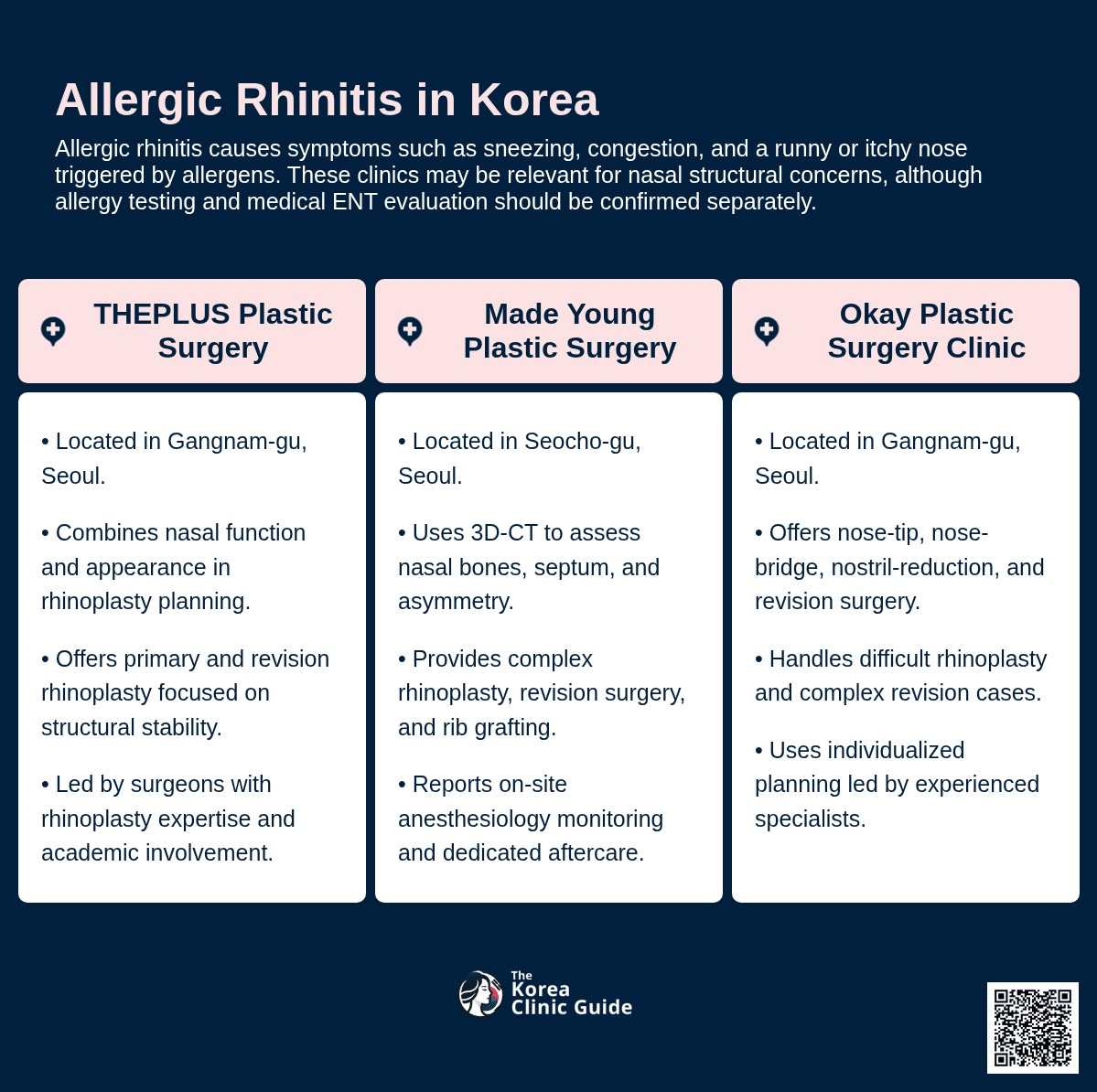
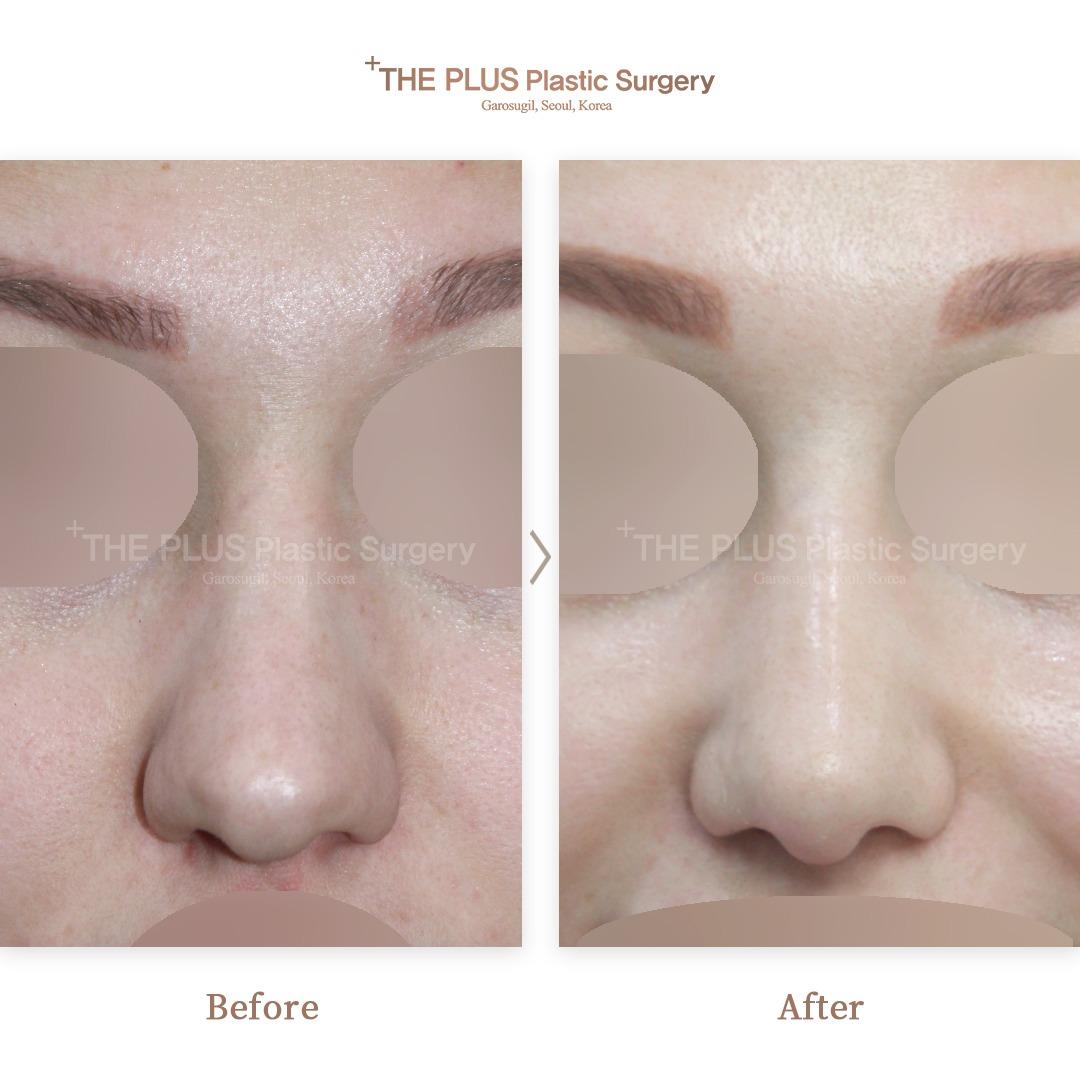
1. THEPLUS Plastic Surgery
For allergic-rhinitis-related nasal concerns, THEPLUS Plastic Surgery’s relevant documented focus is rhinoplasty that combines nasal function with appearance; however, the supplied information does not describe allergy testing, medical rhinitis treatment, or sinus care. You may wish to discuss whether your symptoms need ENT or allergy evaluation before considering structural nasal surgery.
- URL: THEPLUS Plastic Surgery Website
- Location: Gangnam-gu, Seoul
- Nasal surgery expertise:
- Dr. Jeong Jae-yong’s stated practice philosophy combines function and beauty in rhinoplasty.
- Dr. Kim Taek-kyun is described as a board-certified plastic surgeon with expertise in rhinoplasty and revision rhinoplasty.
- The clinic lists both primary rhinoplasty and revision rhinoplasty, with revision work focused on restoring a more stable nasal structure.
- Academic involvement:
- Dr. Jeong authored “Rebuilding Nose: Rhinoplasty for Asians” and participates in rhinoplasty education and international professional forums.
- Dr. Kim contributed rhinoplasty and revision-rhinoplasty chapters to “The 18 Masters of Korean Aesthetic Surgery.”
2. Made Young Plastic Surgery
If your allergic rhinitis concerns coexist with a nasal structural or appearance issue, Made Young Plastic Surgery documents a rhinoplasty program built around 3D-CT assessment of the nasal bones, septum, and asymmetry, plus techniques intended to create a stable internal nasal structure. The provided information does not confirm allergy diagnosis or non-surgical allergic rhinitis treatment, so you should clarify whether an allergy or ENT assessment is appropriate for your symptoms.
- URL: Made Young Plastic Surgery Website
- Location: Seocho-gu, Seoul
- Nasal planning and techniques:
- 3D-CT analysis is used to assess nasal bones, the septum, and asymmetry for surgical planning.
- The clinic describes an approach intended to support internal structural stability and help prevent tip drooping over time.
- Documented rhinoplasty techniques include dorsal-hump correction, nasal-tip refinement, osteotomy, and autologous rib grafting.
- Surgeon experience:
- Dr. Lee Byeong-hoe is described as having more than 20 years of exclusive rhinoplasty experience.
- His stated focus includes complex nasal reconstruction and difficult revision cases, including repeat revisions.
- Perioperative systems:
- The clinic states that full-time board-certified anesthesiologists are on site, with one-to-one anesthesiology monitoring during procedures.
- It also describes a dedicated aftercare center and full CCTV coverage of procedures.
3. Okay Plastic Surgery Clinic
Okay Plastic Surgery Clinic may be relevant if you are exploring rhinoplasty alongside nasal concerns, particularly if you have a difficult case or need revision surgery. Its supplied information does not describe allergic rhinitis evaluation, allergy treatment, or functional nasal testing, so you should confirm whether your symptoms require assessment by an appropriate allergy or ENT clinician.
- URL: Okay Plastic Surgery Clinic Website
- Location: Gangnam-gu, Seoul
- Nasal surgery options:
- The clinic lists nose-tip surgery, nose-bridge surgery, nostril reduction, and rhinoplasty revision.
- Difficult rhinoplasty cases and revision rhinoplasty are specifically available.
- Individualized planning: The clinic describes an individualized approach to treatment and states that it is led by specialized professionals, including a female plastic surgeon with extensive experience.
Comparing Rhinitis Surgery Costs: South Korea and Beyond
Knowing what you’ll pay is vital when considering surgery abroad. South Korea typically offers surgical care for 30-60% less than most Western countries.
South Korea Prices
- Rhinitis Surgery (general): $2,000–$5,000 USD
- Septoplasty: $2,000–$5,000 (average $3,300)
- Turbinate Reduction: Often bundled with septoplasty; in Turkey starts at $2,050–$2,500; globally from $850 up
- Radiofrequency Ablation (PNN): $11,500–$13,850
Prices can vary based on clinic location, surgeon experience, and whether you choose basic or premium service packages.
International Comparison Highlights
- USA: Septoplasty $5,000–$10,000; RFA about $7,000; South Korea can save you 50–70% for some procedures, but for RFA, US costs are lower.
- Turkey: Septoplasty $2,670, RFA from $3,500—among the lowest prices.
- India: General rhinitis surgery $1,000–$2,500; Turbinate reduction averages around $600.
- Thailand: Septoplasty from $2,462.
| Procedure | South Korea | USA | Turkey | India | Thailand |
|---|---|---|---|---|---|
| Septoplasty | $2,000–$5,000 | $5,000+ | ~$2,670 | $1,000–$2,500* | $2,462+ |
| Turbinate Reduction | See above | $850–$10,000+ | $1,435–$2,050 | $480–$720 | See above |
| Radiofrequency Ablation | $11,500–$13,850 | $7,000 | $3,500+ | Not specified | Not specified |
*Pricing estimates for rhinitis surgery, not septoplasty specifically.
What’s In the Package?
In South Korea, standard packages usually cover consultations, diagnostic tests, medications, anesthesia, follow-ups, and translation. Premium bundles may include your stay and travel between airport, hotel, and clinic. Up-front packages help avoid surprise costs.
Partnering with medical tourism agencies can save 15–30% compared to arranging everything yourself, and many clinics (about 68%) offer helpful payment plans.
Life After Rhinitis Surgery: Effectiveness and Patient Experience
If medications haven’t helped your allergic rhinitis, surgery can bring dramatic and lasting relief.
Effectiveness of Surgical Treatments
A major review of 20 studies found that all surgical options—turbinate reduction, septoplasty, and nerve procedures—cut symptoms by half (using the Total Nasal Symptom Score). Surgeries particularly improve congestion, runny nose, and postnasal drip, and nerve-targeted procedures often provide the most relief for itching and dripping.
Quality of Life Gains
Patients commonly report more energy, better sleep, increased productivity, and a greater ability to enjoy day-to-day life. However, surgery isn’t a universal cure. Some may require follow-up procedures (e.g., if turbinate tissue regrows), and ongoing management (like allergen avoidance) is often needed to keep symptoms under control.
Conclusion
Allergic rhinitis significantly affects daily life, and surgery offers real relief when other treatments fail. South Korea stands out for its expert care, modern facilities, and competitive costs—especially for septoplasty and complete rhinitis surgery packages. Still, it pays to do price comparisons, as countries like Turkey and India may be less expensive for certain procedures. Remember, even after successful surgery, ongoing allergy management remains important for the best long-term results.
References
1, 2, 3, 4, 5, 6, 7, 8, 9, 10, 11, 12, 13, 14, 15, 16, 17, 18, 19, 20, 21, 22, 23, 24, 25, 26, 27, 28, 29, 30, 31, 32, 33, 34
Frequently Asked Questions
Related Blogs
Korea vs. Global Standards: A Comprehensive Cost Analysis of Cleft Rhinoplasty in Medical Tourism Destinations
Explore the cost of cleft rhinoplasty in Korea, a popular destination for medical tourism due to its advanced surgical techniques and competitive pricing. Discover factors influencing the overall expense, from hospital fees to post-operative care, and what makes Korea a top choice for this specialized procedure.
Updated: Oct 21, 2026
Philtrum Reduction Costs: Choosing Korea Over the USA, Mexico, Turkey & More for Expert Care
Discover the affordability and benefits of Philtrum Reduction Surgery in Korea, a popular destination for high-quality cosmetic procedures. Explore cost factors, surgeon expertise, and why Korea is a top choice for those considering this transformative surgery.
Updated: Oct 21, 2026
Discovering the True Value: Sinus Surgery Costs in Korea Compared to Global Options
Discover the affordable options for sinus surgery in Korea, a leading destination for medical tourists seeking quality care. Learn about the factors influencing costs and what patients can expect from their experience in this highly advanced healthcare system.
Updated: Oct 21, 2026
Non-Implant Rhinoplasty in Korea: Cartilage Grafts, Recovery, Travel Planning, and Alternatives
Non-implant rhinoplasty reshapes the nose using septal, ear, or rib cartilage, with surgical or injectable and open or closed approaches and possible septal or nasal-valve correction. International patients can find guidance on candidate screening, material-specific consent, Korea stays of 10–21 days, travel timing, recovery, and follow-up.
Updated: Oct 16, 2026
Clinics offering Rhinitis Surgery

THEPLUS Plastic Surgery Korea | Eye, Nose, Face & Body Surgery
Sinsa

Made Young Plastic Surgery: Rejuvenating Aesthetic Excellence in Korea for Face Lifts, Contouring and More
Gangnam Station

Okay Plastic Surgery Clinic in Korea: Comprehensive Aesthetic Procedures with Sincerity and Care
Cheongdam

Banobagi Plastic Surgery: A Pioneering and Trusted Plastic Surgery Clinic in Korea
Seolleung