
Medical Tourism Blog
Underprojected Nasal Tip Correction with Tip Plasty Procedures in Korea: Expert Solutions

Table of contents
- Tip Plasty: A Detailed Medical Overview
- The Journey to Tip Plasty in South Korea for Medical Tourists
- Which Are the Best Clinics in Korea for Underprojected Nasal Tip?
- Cost Analysis: Tip Plasty in South Korea vs. Global Destinations
- Patient Experiences and Outcomes: Addressing Underprojection
- Conclusion
- References
Considering treatment in Korea? Everything you need to know e.g. — how to avoid scams, visas, interpreters, recovery tips — in our Medical Tourism Master Guide. Plan with confidence in minutes, not weeks!
The shape and projection of the nasal tip play a major role in facial harmony and balance. One common concern is the "underprojected nasal tip," where the tip doesn’t extend far enough from the face, making it look flat, broad, or even droopy. This can diminish facial definition and leave individuals feeling self-conscious about their appearance.
"Nasal tip projection" refers to how far the tip sticks out from the face at the alar-facial groove. It’s important to distinguish "underprojection" (not enough extension) from "deprojection," which is a surgical technique to reduce an overly projected tip. Patients often describe this as having an "under projected nose."
Causes and Impact on Facial Harmony
An underprojected nasal tip can be inherited or result from trauma, especially repeated injuries. Sometimes, it’s caused by inadequate tip support after a previous rhinoplasty, which can lead to the need for revision surgery. This highlights the importance of choosing a skilled, reputable surgeon for any nasal procedure.
The nasal tip’s projection affects other facial features, influencing tip rotation, dorsal height, and the overall balance of the face. An underprojected tip can disrupt symmetry, making the nose look less refined. For some, a droopy tip becomes more noticeable when smiling, leading to self-consciousness. This issue is seen across many ethnic groups, including Asian, Latino, Middle-Eastern, and Afro-American populations.
How Nasal Tip Projection is Assessed
Plastic surgeons use both objective measurements and subjective judgment to assess nasal tip projection. Methods like the Goode method help quantify projection, but many surgeons also rely on their aesthetic sense, which often aligns with how patients perceive their own noses.
A simple way to check tip support is to gently press on the tip; if it collapses easily, more support may be needed. Ultimately, the goal is patient satisfaction, which is subjective. That’s why thorough pre-surgical consultations are essential to align expectations and ensure the results feel right to the patient.
Tip Plasty: A Detailed Medical Overview
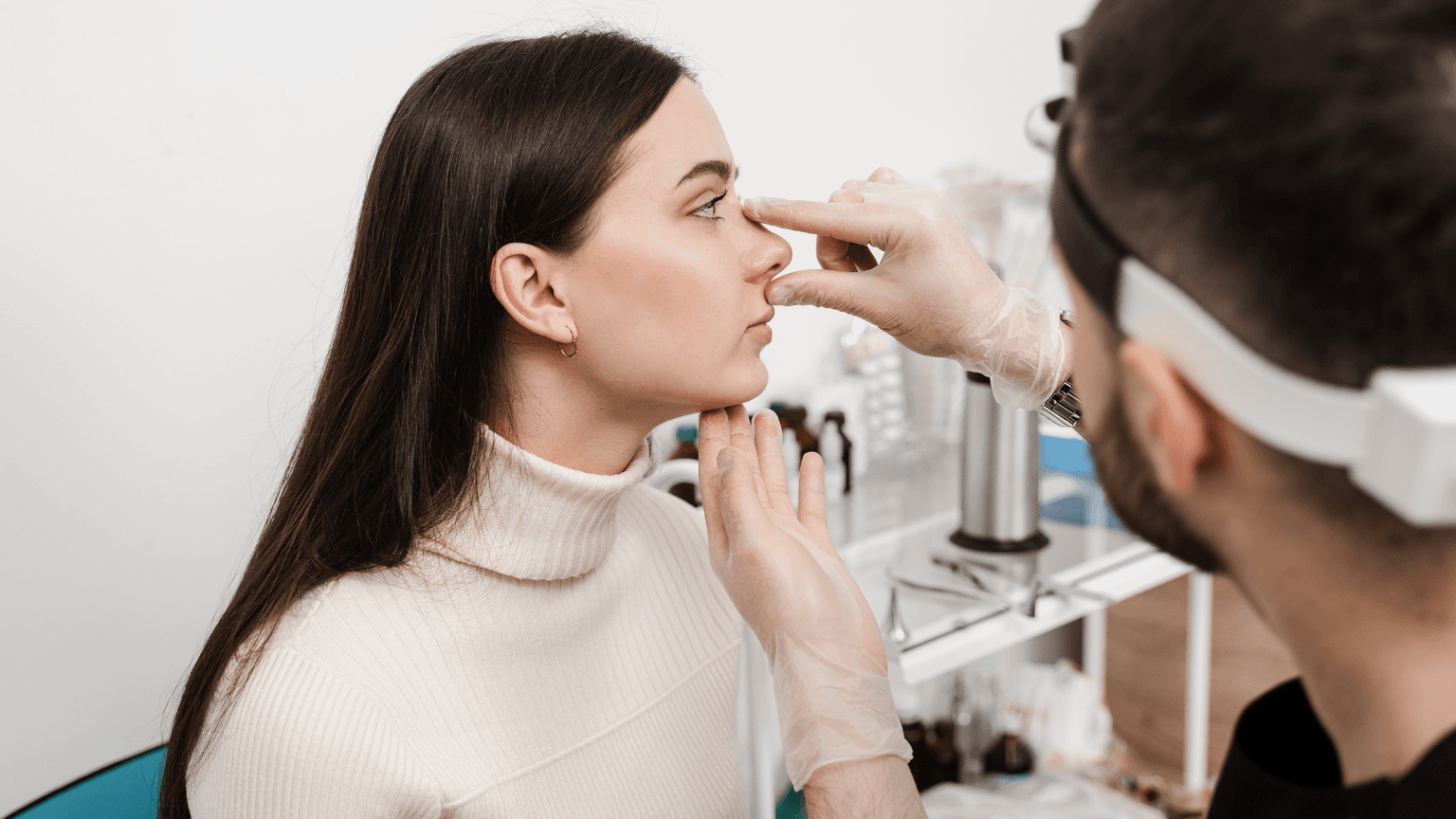
Tip plasty—also called nasal tip reshaping, tip rhinoplasty, or nose tip surgery—is a specialized procedure focused on refining the nasal tip. Unlike full rhinoplasty, tip plasty targets only the tip, making it less extensive and often resulting in a quicker recovery.
What is Tip Plasty? (Definition and Primary Goals)
Tip plasty aims to create a balanced, harmonious facial appearance by increasing nasal projection and improving symmetry for those with an underprojected nasal tip. It also addresses issues like a wide, bulbous, droopy, long, short, or asymmetrical tip, and can sometimes improve breathing if structural issues are present.
This procedure is best for those who are happy with their overall nose shape but want targeted improvements to the tip. It’s about refinement, not transformation, and typically involves a faster recovery than full rhinoplasty.
Detailed Surgical Techniques and Approaches
Tip plasty involves modifying the lower lateral cartilages (LLCs) through excision, dissection, repositioning, or augmentation. The approach depends on the needed correction, nasal anatomy, and surgeon preference.
Open (External) Approach: A small incision is made across the columella, giving the surgeon full visibility and control—ideal for complex cases. The scar is usually minimal and well-hidden.
Closed (Endonasal) Approach: All incisions are inside the nostrils, leaving no visible scars. This is less invasive and better for minor adjustments.
To enhance projection and correct an underprojected tip, surgeons may use:
- Cartilage Grafting: Cartilage from the septum, ear, or ribs is shaped and placed to support and augment the tip.
- Suture Techniques: Specialized sutures refine the tip’s shape and position, often without removing much cartilage.
- Cartilage Reshaping/Trimming: Existing cartilage is reshaped or repositioned to improve projection.
- Septal Adjustments: Modifying the septum can provide extra support and lift a droopy tip.
- Skin and Soft Tissue Management: Excess soft tissue may be removed to refine a bulbous tip.
Rhinoplasty is often described as both "art and science," requiring technical skill and a keen aesthetic sense. Patients should review a surgeon’s portfolio and aesthetic philosophy, not just their credentials.
Non-Surgical Alternatives for Nasal Tip Refinement
Non-surgical options include dermal fillers to smooth bumps and improve symmetry, or a nose thread lift, which uses absorbable threads to lift and define the tip. These methods are temporary, with thread lifts in Korea costing $500 to $2,000. Permanent reshaping generally requires surgical tip plasty.
Potential Risks, Complications, and Important Considerations
Tip plasty carries risks like bleeding, infection, bruising, and delayed healing. Surgeons take precautions, such as prescribing antibiotics, to minimize these risks.
Scarring is minimal with the closed approach, while the open approach leaves a small, usually hidden scar. If cartilage is taken from the ear, a tiny scar will be present there.
Not all patients achieve their desired results, and dissatisfaction with tip aesthetics or function is a common reason for revision surgery. Maintaining adequate tip support during surgery is crucial to prevent complications.
Patients should be well-informed about the benefits and risks, and have realistic expectations. Choosing an experienced, board-certified surgeon is essential, as nasal tip surgery demands precision and deep anatomical knowledge.
The Recovery Process and Expected Timeline
Recovery from tip plasty is generally quicker than full rhinoplasty:
- First Week: Swelling and bruising are normal and subside within two weeks. Discomfort is usually mild. A splint or dressing may be used for the first week.
- Stitch Removal: Non-dissolvable sutures are removed in 5-7 days; dissolvable ones disappear in 1-2 weeks.
- Resuming Activities: Most patients return to daily activities in 1-2 weeks.
- Activity Restrictions: Avoid contact sports for at least 6 weeks.
- Swelling Resolution: Mild swelling, especially in the tip, can last for months. Final results may take up to a year.
- Nasal Care: Gentle cleaning with saline and avoiding forceful nose blowing are important for healing.
Understanding the extended healing timeline helps manage expectations and prevent anxiety. Ongoing support and clear communication are key during recovery.
The Journey to Tip Plasty in South Korea for Medical Tourists
South Korea is a top destination for plastic surgery, including nasal tip enhancement, attracting many international patients each year.
Why South Korea is a Leading Destination for Tip Plasty
Korean surgeons are known for their precision, advanced techniques, and focus on natural-looking results that suit diverse ethnicities. This is especially relevant for underprojected nasal tips, which are common in Asian, Latino, Middle-Eastern, and Afro-American populations.
The high number of clinics creates competition, driving prices down while maintaining quality. The industry’s size (over $10 billion in 2020) allows for affordable pricing. Clinics like Made Young Plastic Surgery Clinic in Seoul are praised for safety, innovation, and patient-centered care. South Korea also offers strong support for medical tourists, including interpreters, accommodation packages, and online follow-up care.
Step-by-Step Process: From Initial Consultation to Post-Operative Care
The typical process for medical tourists includes:
- Initial Consultation: The surgeon evaluates nasal anatomy and discusses goals. Digital imaging may be used to simulate results. Consultation fees are $50–$150.
- Pre-Surgery Preparation: Medical tests ($100–$300) ensure fitness for surgery. Risks and benefits are discussed, and the procedure is scheduled.
- Procedure Day: Tip plasty is usually outpatient, taking about an hour. Local anesthesia is common, with general anesthesia as an option. The surgeon uses the chosen approach and techniques to reshape the tip.
- Immediate Post-Operative Care: Swelling and bruising are expected. Pain is managed with medication. Splints or packing may be used. Medication costs are $50–$200. Sutures are removed in 5–7 days if needed.
- Recovery and Follow-up: Rest for 1–2 weeks is recommended. Avoid contact sports for at least 6 weeks. Proper nasal care is essential. Swelling may persist for months, with final results in up to a year. Many clinics offer online follow-up for international patients.
Key Considerations and Practical Advice for International Patients
International patients should plan for:
- Interpreter Services: $30–$100 per hour.
- Accommodation: $50–$200 per night; some clinics offer packages.
- Transportation: $100–$300 for local travel.
- Additional Post-Surgical Care: Lymphatic massages ($50–$150 per session) can help recovery.
- Emergency Fund: At least $1,000 for unexpected expenses.
- Medical Insurance: Cosmetic procedures are usually not covered; check with your provider if functional issues are involved.
- Clinic Reputation and Communication: Research clinics for safety and patient care, and ensure clear communication and follow-up options.
Total costs for medical tourists are higher than the procedure fee alone, so comprehensive financial planning is essential.
Which Are the Best Clinics in Korea for Underprojected Nasal Tip?
Listed below are some of the best clinics in Korea for underprojected nasal tip.
1. THEPLUS Plastic Surgery
For an underprojected nasal tip, you can consult THEPLUS Plastic Surgery about rhinoplasty that aims to improve nasal projection while maintaining structural harmony and considering both appearance and function. Its rhinoplasty practice is associated with Dr. Jeong Jae-yong and Dr. Kim Taek-kyun, whose work includes primary and revision nasal surgery.
- URL: THEPLUS Plastic Surgery Website
- Location: Gangnam-gu, Seoul
- Rhinoplasty expertise:
- Dr. Jeong authored “Rebuilding Nose: Rhinoplasty for Asians,” which has Japanese and English editions used as educational resources.
- Dr. Kim contributed rhinoplasty and revision-rhinoplasty chapters to “The 18 Masters of Korean Aesthetic Surgery.”
- The clinic offers both rhinoplasty and revision rhinoplasty, with revision work described as focused on restoring a more stable nasal structure and refined appearance.
- Surgeon background:
- Dr. Kim is a board-certified plastic surgeon who has received research awards related to 3D implants and runs annual educational sessions for plastic surgeons.
- Dr. Jeong is identified as President of the Korean Society of Plastic Surgeons and presents at professional rhinoplasty forums.
- Both doctors participate in conferences including the Seoul Rhinoplasty Forum, KSPRS, and IFAAS, and have contributed to more than 20 academic publications.
- Facial-balance considerations:
- The clinic describes rhinoplasty planning in terms of facial balance and structural harmony.
- Dr. Kim’s stated approach emphasizes harmonious facial features, while Dr. Jeong’s practice combines functional and aesthetic considerations.
2. Made Young Plastic Surgery
For an underprojected nasal tip, Made Young Plastic Surgery describes rhinoplasty planning that evaluates the tip, columella, bridge, nostril width, and overall facial proportions, with an emphasis on building a stable internal nasal structure intended to resist later tip drooping. Dr. Lee Byeong-hoe has more than 20 years of rhinoplasty-only experience, including complex reconstruction and revision cases.
- URL: Made Young Plastic Surgery Website
- Location: Seocho-gu, Seoul
- Procedure planning:
- The clinic uses 3D-CT analysis to assess the nasal bones, septum, and asymmetry for surgical planning.
- Its approach is tailored to your nasal bridge, tip, columella, alar width, and facial proportions.
- The clinic states that it selects materials and techniques to create stable internal support and maintain nasal-tip shape over time.
- Surgeon experience:
- Dr. Lee Byeong-hoe is described as having more than 20 years of exclusive rhinoplasty experience.
- His experience includes complex nasal reconstruction and difficult revision cases, including patients undergoing up to an eighth revision.
- The clinic identifies dorsal-hump correction and nasal-tip refinement among his areas of work, including use of advanced osteotomy and autologous rib grafts.
- Related nasal services: Rhinoplasty, revision rhinoplasty, reconstruction rhinoplasty, and removal of previous nasal implants are listed services.
- Safety and aftercare:
- Full-time board-certified anesthesiologists are listed, with one anesthesiologist assigned to continuous one-to-one monitoring during procedures.
- The clinic describes a cross-check emergency-response system involving multiple anesthesiologists and CCTV coverage of procedures.
- A separate aftercare center is listed for systematic post-procedure care.
3. Okay Plastic Surgery Clinic
For an underprojected nasal tip, Okay Plastic Surgery Clinic offers nose-tip surgery as part of its rhinoplasty services, alongside bridge surgery and nostril reduction when these features need to be considered together for nasal balance. The clinic also lists difficult rhinoplasty and revision rhinoplasty cases.
- URL: Okay Plastic Surgery Clinic Website
- Location: Gangnam-gu, Seoul
- Nasal procedure options:
- Nose-tip surgery is listed for refinement of tip shape.
- Nose-bridge surgery and nostril reduction are also available as rhinoplasty options.
- Revision rhinoplasty is available, including for difficult cases.
- Approach to care:
- The clinic describes its care as individualized, with treatment tailored to your needs and goals.
- Its team includes a female plastic surgeon with extensive experience, according to the clinic information.
Cost Analysis: Tip Plasty in South Korea vs. Global Destinations
South Korea offers a cost-effective option for tip plasty, balancing affordability with high-quality care.
Detailed Breakdown of Tip Plasty Costs in South Korea
The average cost for tip plasty in South Korea is about 3,915,000 KRW (~$2,850 USD), with a typical range of $3,000–$6,000. Costs vary based on procedure complexity, surgeon reputation, and clinic facilities. Additional expenses include consultations, tests, medications, accommodation, transportation, post-surgical care, interpreter services, follow-up visits, and an emergency fund.
Table: Estimated Cost Range for Tip Plasty in South Korea (USD)
| Procedure Type | Average Cost (USD) | Typical Cost Range (USD) |
|---|---|---|
| Nasal Tip Plasty | ~$2,850 | $3,000 – $6,000 |
Comparative Cost Analysis: South Korea vs. Other Popular Medical Tourism Destinations
Comparing costs across countries shows South Korea’s clear financial advantage:
| Country | Average Tip Plasty Cost (USD) | Typical Cost Range (USD) |
|---|---|---|
| South Korea | ~$2,850 | $3,000 – $6,000 |
| USA | ~$5,000 | $3,000 – $15,000* |
| UK | ~$5,100 | N/A |
| Australia | ~$6,000 | N/A |
| Turkey | N/A | $2,500 – $9,000** |
*USA range for basic rhinoplasty; tip plasty is typically on the lower end.
**Turkey range for ethnic rhinoplasty, which may include tip work.
Prices in Western countries are often nearly double those in South Korea.
Value Proposition: Why South Korea Offers Competitive Pricing
South Korea’s competitive pricing is due to:
- High Market Competition: Many clinics drive prices down.
- Industry Investment: The large, well-funded industry achieves economies of scale.
- High Procedure Volume: High demand allows for lower per-procedure costs.
This combination of affordability, high success rates, and top-tier surgeons makes South Korea an appealing choice for medical tourists.
Patient Experiences and Outcomes: Addressing Underprojection
Tip plasty can dramatically improve both appearance and confidence for those with an underprojected nasal tip.
Achieving Aesthetic Goals: Improved Projection, Definition, and Symmetry
Patients often see significant improvements, with the nose appearing more upturned and refined. The procedure enhances projection, creating a more prominent and aesthetically pleasing profile. It also corrects asymmetry and other concerns, like a bulbous or droopy tip, leading to better facial harmony.
Functional Benefits and Enhanced Confidence
In some cases, nasal tip surgery improves breathing. More importantly, it often boosts self-confidence and self-esteem, allowing patients to feel more comfortable in their appearance and social interactions.
Real-World Examples and Expected Results
Before-and-after photos show how tip plasty improves projection and facial balance. For example, a young woman with a long, bulbous tip saw dramatic improvement two weeks after surgery, while another patient experienced a lifted, sculpted tip one month post-op. Results are generally permanent, as cartilage and tissue are reshaped.
Important Considerations for Realistic Expectations and Long-Term Outcomes
While daily recovery is quick, residual swelling can last for months, and final results may take up to a year. Changes are often subtle refinements rather than total transformations, so realistic expectations are key. Each procedure is customized, and results vary. Clear communication with the surgeon and patience during healing are crucial for satisfaction.
Conclusion
Tip plasty is an effective solution for underprojected nasal tips, offering improved projection, definition, and facial balance, along with a boost in self-confidence. South Korea stands out for its expertise, competitive pricing, and supportive medical tourism infrastructure. Patients should research thoroughly, set realistic expectations, and choose a reputable surgeon to ensure the best outcome.
References
1, 2, 3, 4, 5, 6, 7, 8, 9, 10, 11, 12, 13, 14, 15, 16, 17, 18, 19, 20
Frequently Asked Questions
Related Blogs

Long Nose Correction in Korea: Rhinoplasty for a Balanced Facial Profile
Discover how to address a long nose with rhinoplasty for nasal length reduction in Korea. Our guide covers Dorsal Hump Reduction, Nasal Tip Refinement, Septal Adjustment, Alarplasty (Nostril Reduction), and Cartilage Grafting, plus open vs closed rhinoplasty, recovery, costs, and medical tourism logistics in South Korea. Learn realistic outcomes, patient journeys, and why Korea’s facial plastic su
Updated: Oct 12, 2026
Korea Nose Osteotomy for Wide Nasal Bones: Reshape Your Nose with Korean Expert Procedures
Discover how Korea leads in correcting wide nasal bridges through advanced rhinoplasty techniques, including nasal osteotomy. Korean clinics offer expert care, affordable prices, and tailored procedures to refine your nose's appearance and improve breathing. Whether you seek a subtle enhancement or comprehensive nose reshaping, Korea's top surgeons deliver natural, long-lasting results. Embark on
Updated: Oct 12, 2026

Korea Nose Osteotomy Solutions for Nasal Hump After Trauma: Restore Your Profile with Expert Care
Discover how Korea leads in post-traumatic nasal deformity correction, focusing on dorsal hump removal and osteotomy procedures like septorhinoplasty. This insightful blog explores the causes of nasal hump deformities, advanced surgical techniques in Korea, and the comprehensive patient journey—from evaluation to recovery—highlighting why Korea is the ideal destination for nasal hump correction an
Updated: Oct 12, 2026
Post-Sinus Surgery Adhesions: Revision Rhinoplasty Solutions in Korea for Improved Recovery
Discover how Korea is leading in treating nasal adhesions caused by synechiae after nasal and sinus surgery. Learn about advanced revision rhinoplasty procedures in Korea, including adhesiolysis and reconstructive techniques, designed to restore proper nasal function and improve appearance. With Korea’s cutting-edge technology and expert surgeons, international patients can achieve long-lasting re
Updated: Oct 12, 2026
Clinics offering Tip Plasty

THEPLUS Plastic Surgery Korea | Eye, Nose, Face & Body Surgery
Sinsa

Made Young Plastic Surgery: Rejuvenating Aesthetic Excellence in Korea for Face Lifts, Contouring and More
Gangnam Station

Okay Plastic Surgery Clinic in Korea: Comprehensive Aesthetic Procedures with Sincerity and Care
Cheongdam

Banobagi Plastic Surgery: A Pioneering and Trusted Plastic Surgery Clinic in Korea
Seolleung