
Medical Tourism Blog
Post Hysterectomy Belly Solutions: Mini Liposuction Procedures in Korea
Table of contents
- Mini Liposuction: Medical Overview
- The Mini Liposuction Experience for Medical Tourists in South Korea
- Which Are the Best Clinics in Korea for Post Hysterectomy Belly?
- Cost Analysis: Mini Liposuction in South Korea vs. Other Destinations
- Patient Perspectives: Mini Liposuction and Abdominal Concerns
- Conclusions
- References
Considering treatment in Korea? Everything you need to know e.g. — how to avoid scams, visas, interpreters, recovery tips — in our Medical Tourism Master Guide. Plan with confidence in minutes, not weeks!
Patients often seek answers for why a "post-hysterectomy belly"—sometimes called a "lower abdomen bulge after surgery"—persists months after their operation. This article explores what causes this bulge, highlights the potential of mini liposuction as a solution, details the process for undergoing this procedure in South Korea, breaks down costs, and discusses patient experiences and expectations.
A hysterectomy, the surgical removal of the uterus (sometimes including ovaries and fallopian tubes), is a significant procedure. One of the common after-effects is abdominal swelling, popularly known as a "post-hysterectomy belly" or "lower abdomen bulge." For some, this swelling subsides after weeks; for others, it lingers for months or even longer, often leading to intense emotional frustration and body image concerns. Patients describe feeling "6 months pregnant" long after surgery, underlining both the visual and psychological toll.
Recognizing the emotional aspect is essential. Validating these feelings not only supports patient well-being but also emphasizes the importance of pursuing effective solutions that address both looks and mental health.
Short-Term Causes (Immediate Post-Surgery)
After a hysterectomy, several factors can cause abdominal swelling:
- Surgical Trauma and Inflammation: Any surgery causes tissue injury, resulting in natural inflammation and swelling—especially pronounced after an abdominal hysterectomy.
- Residual Gas and Bloating: Laparoscopic procedures use gas to inflate the abdomen, which may take time to leave the body, causing bloating and discomfort.
- Postoperative Ileus: Temporary bowel paralysis can cause constipation and noticeable bloating, but usually resolves in a few days.
- Anesthesia Side Effects: Sometimes general anesthesia leads to bloating on top of more common issues like nausea.
- Fluid Retention: Surgery often causes the body to hold onto water, another cause of swelling.
- Internal Stitches: These can irritate surrounding tissues, creating localized tenderness and swelling as healing occurs.
Long-Term Causes (Beyond Initial Recovery)
Persistent abdominal swelling can also stem from:
- Weakened Abdominal Muscles: Muscle weakness post-abdominal hysterectomy can contribute to lasting bulges.
- Hormonal Changes and Weight Gain: When the ovaries are removed, decreased hormone levels may lead to weight gain and ongoing bloating.
- Scar Tissue Formation: Healing tissue can create inflammation and further swelling over several months.
- General Unrelated Weight Gain: Lifestyle or hormonal shifts can increase abdominal girth, which may be mistaken for surgical swelling.
Rare but Serious Considerations (When to See a Doctor)
Sometimes, abdominal swelling signals something more serious:
- Ascites: Excess fluid in the abdominal cavity causes extreme swelling, fullness, and sometimes breathing issues.
- Pseudomyxoma Peritonei (PMP Cancer): "Jelly belly" refers to mucin-secreting cancer, causing severe abdominal swelling and other symptoms like pain, constipation, and nausea. This condition is distinct and much rarer than typical post-surgical bloating.
Common Pseudonyms and Patient Language
Terms frequently used by patients include:
- "Bloating"
- "Swollen Belly"
- "Stomach bigger after hysterectomy"
- "Jelly Belly" (refers to PMP Cancer in medical terms)
- "Lower abdomen bulge after surgery" [User Query]
Here's a summary of the causes:
| Category | Cause | Contribution to Abdominal Bulge |
|---|---|---|
| Short-Term Causes | Surgical Trauma & Inflammation | Natural healing response to tissue injury |
| Residual Gas & Bloating | Gas inflation during surgery or temporary bowel dysfunction leading to bloating | |
| Postoperative Ileus | Constipation and gas due to slowed bowel function | |
| Anesthesia Side Effects | Temporary bloating post-anesthesia | |
| Fluid Retention | Accumulation of fluids as body heals | |
| Internal Stitches | Local swelling, tenderness at the surgical site | |
| Long-Term Causes | Weakened Abdominal Muscles | Persistent bulge as muscles regain strength |
| Hormonal Changes / Weight Gain | Weight changes following hormonal shifts or lifestyle | |
| Scar Tissue Formation | Inflammation and fluid buildup around scar tissue | |
| General Weight Gain | Increase in abdominal size from overall weight gain | |
| Rare/Serious Considerations | Ascites | Fluid buildup causing notable swelling |
| Pseudomyxoma Peritonei | Rare cancer causing abdominal expansion with jelly-like substance |
Mini Liposuction: Medical Overview
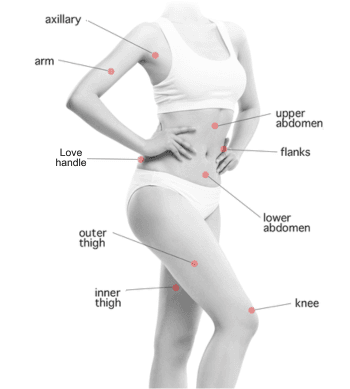
Mini liposuction—also called micro-liposuction or small-volume liposuction—is a targeted cosmetic procedure used to remove stubborn, small fat pockets resistant to exercise and dieting. Renowned for relatively quick recovery and minimal downtime, it's sometimes nicknamed "lunchtime lipo."
For a "post-hysterectomy belly," mini liposuction specifically addresses the fat component of the bulge. It's most suitable if the issue is primarily excess fat rather than swelling, muscle weakness, or loose skin. Building realistic expectations is key: mini liposuction is a sculpting tool, not a solution for substantial weight loss or significant skin laxity.
How Mini Liposuction Differs from Traditional Liposuction
| Feature | Mini Liposuction | Traditional Liposuction |
|---|---|---|
| Target Area | Small, focused pockets | Larger body areas |
| Fat Volume Removed | Small, for minor contouring | Larger, multiple pounds |
| Cannula Size | Very thin (0.9–2.5 mm) | Larger |
| Anesthesia | Typically local | Often general |
| Incision Size | 1–3 mm, very discreet | Larger, more scarring |
| Invasiveness | Minimally invasive | More extensive |
| Recovery Time | Days | Weeks to months |
| Loose Skin Suitability | Not ideal for major skin laxity | Sometimes paired with skin removal procedures |
The Mini Liposuction Procedure
- Consultation: The surgeon examines your goals, and a treatment plan is created.
- Anesthesia: Local anesthetic numbs the target area.
- Incision and Fat Dislodgement: Minimal incisions (1–3 mm) allow a small cannula to loosen fat.
- Fat Removal: Fat is gently suctioned. Some Korean clinics use a "3-STEP Micro Liposuction Process" that separates fat with special care, then manually refines the area with a syringe for smooth contours.
- Closure: Incisions are closed with few or no stitches, and the site is bandaged.
Ideal Candidates and Treatment Areas
Good candidates are healthy adults (age 18+) near their ideal weight with firm skin and realistic expectations. The most common sites for mini liposuction include the chin, bra rolls, inner thighs, upper arms, and small abdominal pouches.
Recovery and Expected Results
Recovery is usually straightforward: Most people go home the same day. Swelling, bruising, and tenderness are normal, but light activities can resume in 3-5 days. Strenuous exercise is on hold until your doctor says it's safe. Final results may take 2–6 months to appear as swelling resolves, and maintaining stable weight post-procedure is vital because remaining fat cells can still grow.
Mini liposuction is not suitable for tightening loose skin or fixing weak abdominal muscles. Patients with significant skin laxity are typically better candidates for procedures like a mini tummy tuck.
The Mini Liposuction Experience for Medical Tourists in South Korea
South Korea enjoys a stellar reputation for cosmetic surgery, offering state-of-the-art technology, skilled surgeons, and a strong patient-first culture. Clinics use advanced digital planning and 3D imaging so you can preview your expected results. This blend of quality, innovation, and value has made Korea a top choice for medical tourism.
A Step-by-Step Guide for Medical Tourists
- Online Consultation: Share photos and surgery history for a pre-travel assessment.
- Book Your Spot: Reserve your consultation and surgery date, ideally months ahead.
- Arrival Preparations:
- Check visa/K-ETA requirements and clinic policy on COVID or health checks.
- Some clinics provide airport transfers.
- In-Person Consultation and Exam: Meet your surgeon, clarify your goals (especially as Korean clinics often focus on specific aesthetic standards), and undertake pre-op tests.
- Surgery Day: The procedure lasts about 1–2 hours under local anesthesia. Confirm that an anesthesiologist is present for your safety.
- Recovery in Korea: Most patients are discharged same-day. Stitches are usually removed after 5–7 days (plan at least a week-long stay unless you arrange removal at home), and you'll need to wear a compression garment for around a month.
Key Considerations for International Patients
Do your homework before choosing a clinic. Look for accreditation, doctor credentials, and first-hand references from other international patients. Clarify language support, revision policies, and scar treatment options. For peace of mind, plan your recovery near the clinic and avoid busy holiday seasons when booking.
| Stage | Actions/Considerations |
|---|---|
| Pre-Travel | Online consultation; check credentials; secure dates; meet visa requirements; plan for aftercare |
| Arrival | Health test if required; detailed consultation; review and sign forms; pre-op medical exams |
| Surgery Day | Follow fasting instructions; undergo procedure with anesthesiologist present |
| Post-Op in Korea | Discharged same day; compression garment; avoid smoking/alcohol for at least a month; light exercise after 1 week; plan 7-day stay for stitch removal or arrange at home |
| After Departure | Continue aftercare; maintain healthy lifestyle to preserve results |
Which Are the Best Clinics in Korea for Post Hysterectomy Belly?
Listed below are some of the best clinics in Korea for post hysterectomy belly.
1. Lydian Plastic Surgery Clinic
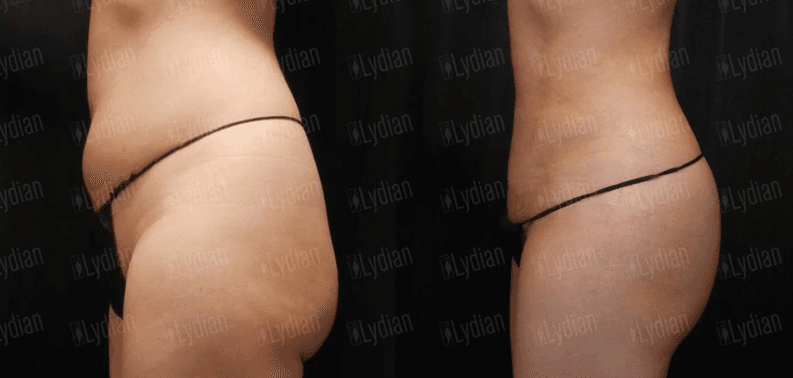
For abdominal contouring after a hysterectomy, Lydian Plastic Surgery Clinic offers anatomy-based liposuction planning that can address the full abdomen and adjacent areas through 1–2 strategically concealed incisions, with contour design tailored to your waist length, pelvis, chest proportions, and existing curves.
- URL: Lydian Plastic Surgery Clinic Website
- Location: Gangnam-gu, Seoul
- Liposuction approach:
- Uses more than 30 custom-designed cannula types to adapt fat removal to different body shapes and treatment areas.
- Its approach may include the abdomen, back, thighs, and knees while limiting access points to 1–2 incisions.
- Incisions are described as being placed in less conspicuous locations, including inside the navel or pubic region.
- Skin and contour support:
- The clinic has devices intended to address stretch marks and skin laxity alongside liposuction.
- Aftercare focuses on swelling reduction, correction of irregularities, skin-elasticity recovery, and residual-fat contouring.
- Planning and surgeon background:
- Quantificare 3D imaging is used for pre-surgical design and for detailed before-and-after visualization.
- Dr. An Kyung Chun is described as having more than two decades of body-sculpting experience, serving as Director of the 5D Liposculpture Academy, and providing physician training in high-definition body sculpting and liposuction devices.
- The clinic also offers tummy tuck surgery for removal of excess abdominal skin and fat with abdominal-wall muscle tightening.
2. Seojin Plastic Surgery Clinic
For localized abdominal fullness after a hysterectomy, Seojin Plastic Surgery Clinic uses a three-step micro-liposuction process designed to separate and liquefy fat, remove it with a body- and volume-appropriate cannula, and manually refine the remaining subcutaneous layer for a smoother contour.
- URL: Seojin Plastic Surgery Clinic Website
- Location: Gangnam-gu, Seoul
- Procedure details:
- The final manual refinement uses a small syringe to help promote even fat distribution, refined shaping, and a smooth skin surface.
- Velody2 lifting laser may be added when mild skin sagging is a concern, with the aim of improving firmness and elasticity after liposuction.
- Surgeon care:
- As a one-doctor clinic, Dr. Lee Hyungmin provides end-to-end care.
- Dr. Lee is described as having more than 16 years of experience and as being named among the 100 Good Doctors in Korea.
3. THEPLUS Plastic Surgery
THEPLUS Plastic Surgery offers liposuction for localized fat deposits when your goal is to refine the abdominal contour rather than pursue overall weight loss; its broader surgical menu also includes breast procedures and regenerative stem-cell-based treatment as part of aesthetic and post-procedure care.
- URL: THEPLUS Plastic Surgery Website
- Location: Gangnam-gu, Seoul
- Body contouring:
- Liposuction is offered to slim and shape specific areas by removing localized fat deposits.
- The clinic frames body contouring as contour improvement rather than a weight-loss procedure.
- Additional services:
- Breast services include implants, lift, and reduction procedures.
- Stem cell treatment is offered as a regenerative approach intended to support tissue quality and recovery.
Cost Analysis: Mini Liposuction in South Korea vs. Other Destinations
Knowing the cost helps patients make informed decisions. South Korea’s mini liposuction prices are usually in the middle range compared to other countries, balancing affordability and high-end care.
Costs in South Korea
- Micro-Liposuction: $2,500–$4,000 USD for small areas
- Medium Areas (like abdomen/thighs): $4,000–$6,000 USD
- Abdominal Liposuction (if more extensive): ₩6,000,000–₩15,000,000 KRW ($4,140–$10,350 USD)
- Overall range (including mini and traditional): $3,000–$8,000 USD
Factors That Affect Price
- Clinic reputation and location
- Surgeon’s fees
- Areas treated and fat volume
- Technique used (tumescent is generally less expensive)
- Pre-op tests and consultations (sometimes included in price)
- Post-op care, transportation, or accommodation provided by clinic
- Overnight hospital stays
- Upfront deposit (often 10%)
- Additional procedures combined with liposuction
Comparing Global Prices
| Country/Region | Price Range (USD) |
|---|---|
| South Korea | $3,000–$8,000 |
| Turkey | $2,000–$3,500 |
| Mexico | $2,000–$4,000 |
| Thailand | $2,500–$5,000 |
| Czech Republic | $2,500–$4,500 |
| Poland | $2,000–$4,000 |
| USA | $6,100–$12,650 |
| UK | $3,600–$10,500 |
South Korea isn’t the cheapest option, but its combination of quality, advanced procedures, and value appeals to patients who prioritize more than just price.
Patient Perspectives: Mini Liposuction and Abdominal Concerns
Over 90% of patients report satisfaction with liposuction, and 84% rate their experience as "Worth It." Commonly reported benefits include:
Physical Benefits
- Targeted Fat Removal: Removes persistent fat that diet and exercise won’t shift.
- Improved Contours: Refines shape and proportions, creating a more streamlined look.
- Permanent Results: Removed fat doesn’t return—results last as long as you keep your weight steady.
Emotional and Psychological Benefits
- Increased Confidence: Many feel more attractive and comfortable post-procedure.
- Resolution of Insecurities: Helps address long-term body image frustrations.
- Life-Changing Impact: A boost in self-esteem can lead to happier, healthier lives.
Specifics About Mini Liposuction for Post-Hysterectomy Belly
Direct case studies linking mini liposuction to solving "post-hysterectomy belly" are limited, but experiences with liposuction in general suggest its effectiveness in removing localized fat. For those whose bulge stems from fat accumulation (not muscle weakness or loose skin), it could be helpful. However, it won’t fix skin laxity, muscle issues, or other non-fat-related causes—sometimes a mini tummy tuck or different procedure may be better.
Setting Realistic Expectations
Patients must remember: liposuction is not for major weight loss or as a cure-all. Final results can take 3–6 months to fully show. Maintaining healthy habits before and after the procedure is key to sustaining results.
Typical recovery timeline:
| Timeframe | Symptoms/Activities |
|---|---|
| 1-3 Days | Swelling, discomfort, soreness, fatigue |
| 1 Week | Reduced swelling; light activity okay |
| 2 Weeks | Noticeable improvement in bruising/swelling |
| 4-6 Weeks | Minor tenderness; compression garment worn |
| 2-3 Months | Most swelling resolved; results appear |
| 3-6 Months | Full results visible as body settles |
Conclusions
"Post-hysterectomy belly," often described as a "lower abdomen bulge," can be due to various factors, including surgical effects, muscle weakness, hormonal changes, or weight gain. Mini liposuction offers a minimally invasive solution specifically for the localized fat component of this bulge but is not suitable for loose skin or major muscle issues. South Korea stands out for high-quality, patient-focused cosmetic procedures like mini liposuction at midrange prices. Ultimately, thorough consultation and realistic expectations are essential to determine the best approach for each individual's needs.
References
1, 2, 3, 4, 5, 6, 7, 8, 9, 10, 11, 12, 13, 14, 15, 16, 17, 18, 19, 20
Frequently Asked Questions
Related Blogs
Neuroma Pain Abdomen Treatment in Korea: Nerve Block Procedure Explained
Chronic abdominal neuroma pain after surgery? Our Korea medical tourism guide explains how a diagnostic nerve block confirms the source and maps next steps—cryoablation, radiofrequency ablation (RFA), chemical neurolysis, neurectomy, and Targeted Muscle Reinnervation (TMR)—with clear costs, logistics, and outcomes in South Korea.
Updated: Nov 25, 2026
Upper belly bulge treatment in Korea: Abdominal Liposuction to sculpt a flatter upper abdomen
Struggling with an “upper belly bulge” or a “fat pocket above the navel”? Our guide explains how to rule out hernias and ascites before choosing cosmetic solutions, and details how abdominal liposuction—also called liposculpture, lipoplasty, or lipectomy—can contour stubborn fat. Discover why Korea is a global leader for liposuction, with advanced techniques, top surgeons, transparent pricing, and
Updated: Nov 25, 2026
holiday weight gain Treatment in Korea: Diet Pills for Fast Results
Holiday weight gain can fuel long-term obesity. Our guide to medical tourism in Korea compares weight-loss options—from GLP-1 injections and diet pills to surgery—covering benefits, risks, costs, and legal steps. Procedures and brands reviewed: Wegovy, Ozempic, Zepbound, Saxenda, Orlistat, phentermine, Qsymia, Contrave, Korean Medicine diet pills, and bariatric surgery. Learn how to navigate clini
Updated: Nov 25, 2026
Visceral fat concerns and Diet Pills in Korea: Medical Solutions for Hidden Belly Fat
Struggling with deep abdominal fat? Our guide explains visceral fat risks and modern options beyond diet pills: Anti-Obesity Medications (AOMs) like GLP-1 receptor agonists—semaglutide (Wegovy/Ozempic) and tirzepatide (Mounjaro/Zepbound)—plus tesamorelin (Egrifta). We also compare adjunct procedures in Korea, including CoolSculpting, Fat Dissolving Laser, and Diet IV Therapy, with costs, regulatio
Updated: Nov 25, 2026
Clinics offering Mini Liposuction

THEPLUS Plastic Surgery Korea | Eye, Nose, Face & Body Surgery
Sinsa

Lydian Plastic Surgery Clinic in Korea: Superior Cosmetic Procedures by World-Renowned Expert Dr. An Kyung Chun
Apgujeong

Seojin Plastic Surgery Clinic Korea: Pioneering Advanced Cosmetic Procedures for Personalized Aesthetic Transformation
Apgujeong

Okay Plastic Surgery Clinic in Korea: Comprehensive Aesthetic Procedures with Sincerity and Care
Cheongdam