
Medizintourismus-Blog
Hüftfiller – Alles, was Sie wissen müssen, mit Dr. Cho von Okay Plastic Surgery
Table of contents
- Eine kurvigere Silhouette ohne Operation
- Was sind Hip-Filler?
- Für wen sind Gesäß- oder Hüftfiller typischerweise geeignet?
- Wie ich Hip-Filler zur Formgebung einsetze (nicht nur für mehr Volumen)
- Behandlungsdauer, Ergebnisse und wie lange Hip-Filler halten
- Warum Hip-Filler so beliebt sind: sofortiger Effekt und Alltagstauglichkeit
- Sicherheit: Zugelassene Produkte und anatomische Expertise sind entscheidend
- Erholung, Nachsorge und wann Sie wieder trainieren können
- Können Sie nach Hip-Fillern bequem sitzen?
- Abschließende Gedanken: Selbstbewusstsein entsteht durch Proportionen, die zu Ihnen passen
- Mehr über Okay Plastic Surgery Clinic
Planen Sie eine Behandlung in Korea? Alles, was Sie wissen müssen, z. B. wie Sie Betrug vermeiden, Visa, Dolmetscher und Tipps für die Erholung, finden Sie in unserem Master Guide für Medizintourismus. Planen Sie mit Vertrauen in Minuten statt in Wochen!
Hinweis: Der folgende Beitrag ist ein Gastbeitrag. Die darin enthaltenen Informationen und Meinungen stammen nicht von koreaclinicguide.com, sondern von Okay Plastic Surgery Clinic{data-slug:"okay-plastic-surgery-clinic" data-position:"1"}.
Eine kurvigere Silhouette ohne Operation
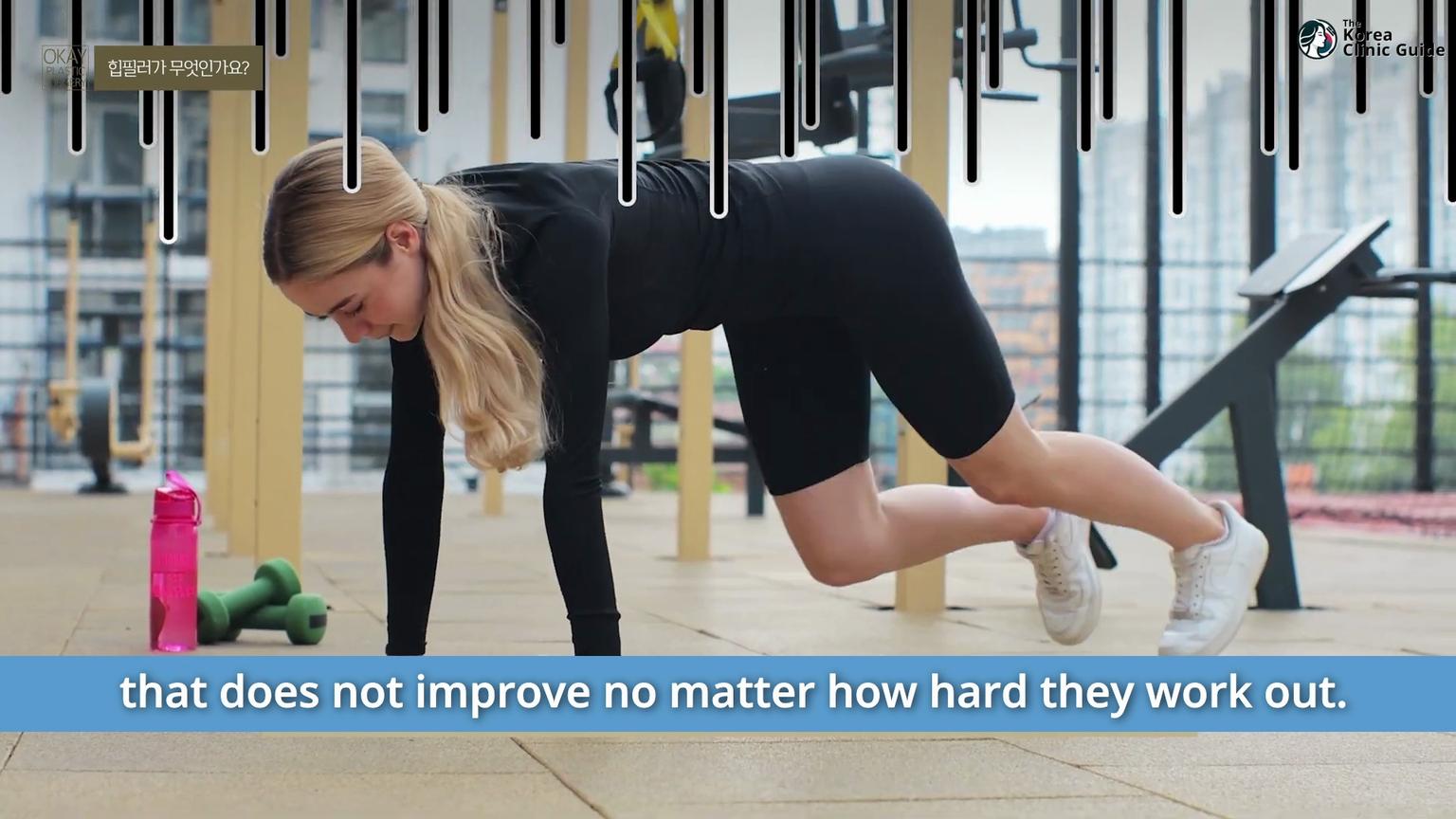
Viele Menschen erzählen mir dieselbe Geschichte: Sie schauen in den Spiegel und haben das Gefühl, dass ihre Gesäßkontur flacher ist, als sie es sich wünschen — selbst wenn sie regelmäßig trainieren. Dann sehen sie online diese ausgeprägten, weichen „S-Linien“ und fragen sich, ob das einfach nur Genetik ist. Die Wahrheit ist: Körperproportionen sind sehr unterschiedlich — und so wertvoll Bewegung auch ist, sie verändert nicht immer genau die Bereiche, die man gezielt verbessern möchte.

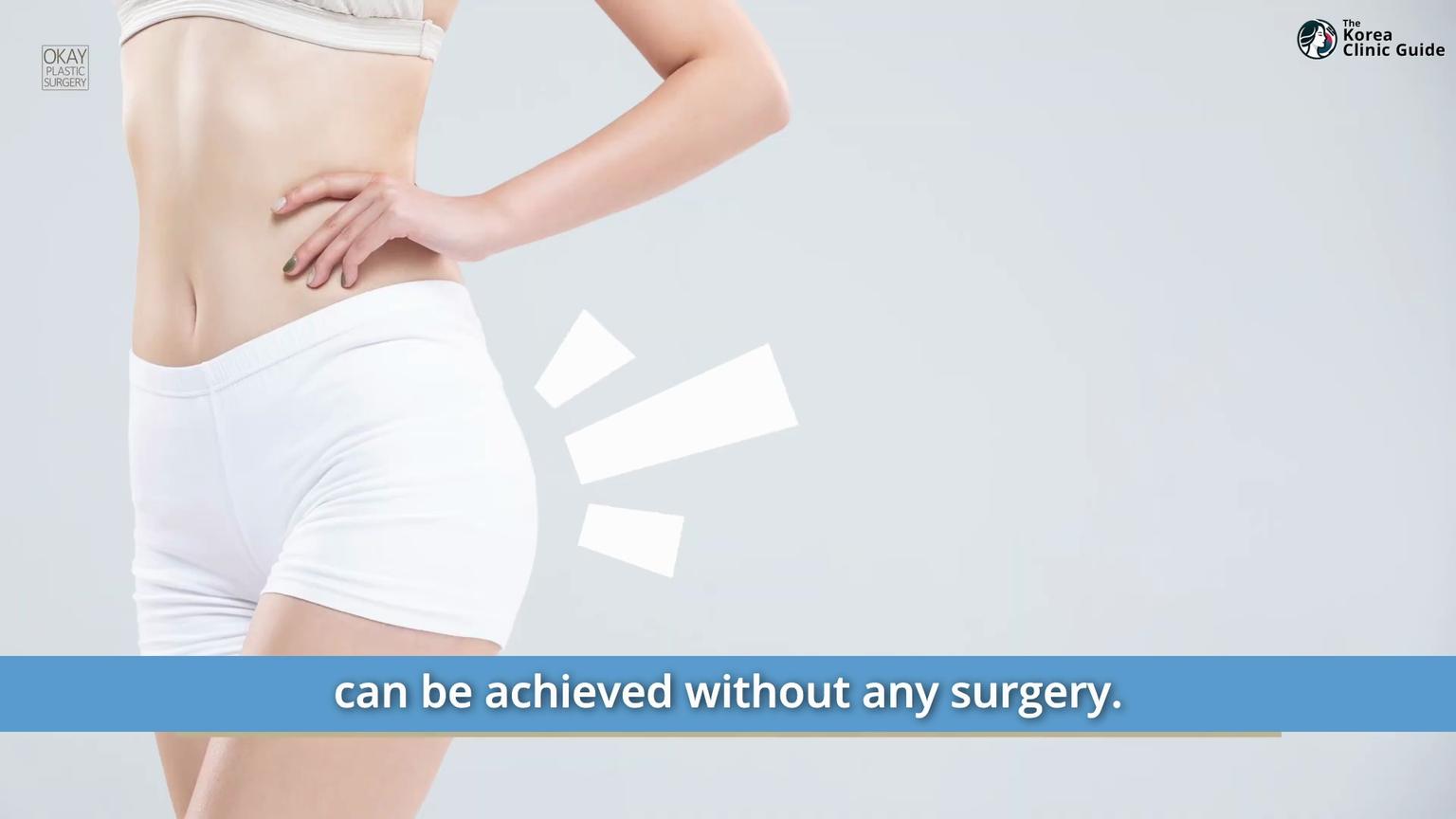
Deshalb sind Hip-Filler (auch Hüft- oder Gesäßfiller genannt) zu einer so beliebten und praktischen Option geworden. Sie können dort Volumen aufbauen, wo es fehlt, die Gesamtkontur verfeinern und dazu beitragen, dass Sie sich in figurbetonter Kleidung wohler und selbstbewusster fühlen — ohne sich sofort für eine Operation entscheiden zu müssen. In meiner Klinik ist eine der häufigsten Reaktionen direkt nach der Behandlung Erstaunen darüber, wie deutlich sich die Silhouette durch einen vergleichsweise unkomplizierten Eingriff verbessern kann.
Was sind Hip-Filler?
Hip-Filler sind eine konturierende Behandlung, bei der ein spezieller Hyaluronsäure-(HA)-Filler eingesetzt wird, um den Hüft- und Gesäßbereich zu betonen. HA ist eine Substanz, die in der ästhetischen Medizin weit verbreitet ist, weil sie sehr gut mit dem Körper verträglich ist und im Laufe der Zeit auf natürliche Weise abgebaut wird.
Wenn Menschen „Hip-Filler“ hören, stellen sie sich oft einen Einheitsansatz vor, bei dem der Bereich einfach nur vergrößert wird. So arbeite ich nicht. Das Ziel ist eine ausgewogene, natürlich wirkende Kurve, die zum Körperbau der Patientin oder des Patienten passt. Viele brauchen nicht unbedingt „mehr Größe“ — sie brauchen eine harmonischere Form. Wenn die Kontur korrigiert wird, kann der Körper von vorne, von der Seite und von hinten proportionaler wirken.
Für wen sind Gesäß- oder Hüftfiller typischerweise geeignet?
Meiner Erfahrung nach sind Hip-Filler besonders hilfreich für Menschen, die das Gefühl haben, dass ihre Hüften eingefallen wirken, ihrem Seitenprofil Projektion fehlt oder ihre Gesäßkontur selbst nach konsequentem Training flach erscheint. Diese Behandlung kann auch für alle interessant sein, die sich vor einer Veranstaltung, einem Urlaub oder einem Shooting, bei dem das Körperprofil im Mittelpunkt steht, eine relativ schnelle Veränderung wünschen.

Ich behandle mit Hip-Fillern ein breites Spektrum an Patientinnen und Patienten: Büroangestellte und Studierende, die sich im Alltag in ihrer Kleidung etwas mehr Sicherheit wünschen, ebenso wie Models, Prominente und Menschen, in deren Beruf Körperlinien vor der Kamera besonders wichtig sind. Was sie oft gemeinsam haben, ist der Wunsch nach einer sichtbaren Verbesserung, die den Alltag kaum beeinträchtigt.
Wie ich Hip-Filler zur Formgebung einsetze (nicht nur für mehr Volumen)
Die besten Ergebnisse entstehen durch einen individuell angepassten Behandlungsplan. Ich beurteile die Gesamtproportionen, vorhandene Kurven, den Hautzustand und den gewünschten Look — ob eher eine sanfte, natürliche Rundung oder eine stärker definierte Kontur.

Die Platzierung ist genauso wichtig wie das Volumen. Hip-Filler werden in der Regel eingesetzt, um Bereiche zu verbessern, die im Stehen und in Bewegung eingedellt erscheinen oder zu wenig Projektion haben. Durch den Fokus auf Kontur und Balance ist das Ziel, weiche Übergänge zu schaffen — damit die Kurven stimmig und nicht „gemacht“ wirken. Wenn dies sorgfältig umgesetzt wird, kann das Ergebnis in Bewegung und in Kleidung sehr natürlich aussehen.
Behandlungsdauer, Ergebnisse und wie lange Hip-Filler halten
Einer der wichtigsten Gründe, warum Hip-Filler so beliebt sind, ist der sofortige Effekt. Die Veränderung ist in der Regel direkt nach dem Eingriff sichtbar. Im Vergleich zu Gesäßtraining — das Monate oder sogar Jahre dauern kann und bestimmte hartnäckige Bereiche trotzdem nicht unbedingt verändert — bieten Filler eine schnelle, sichtbare Veränderung der Silhouette.
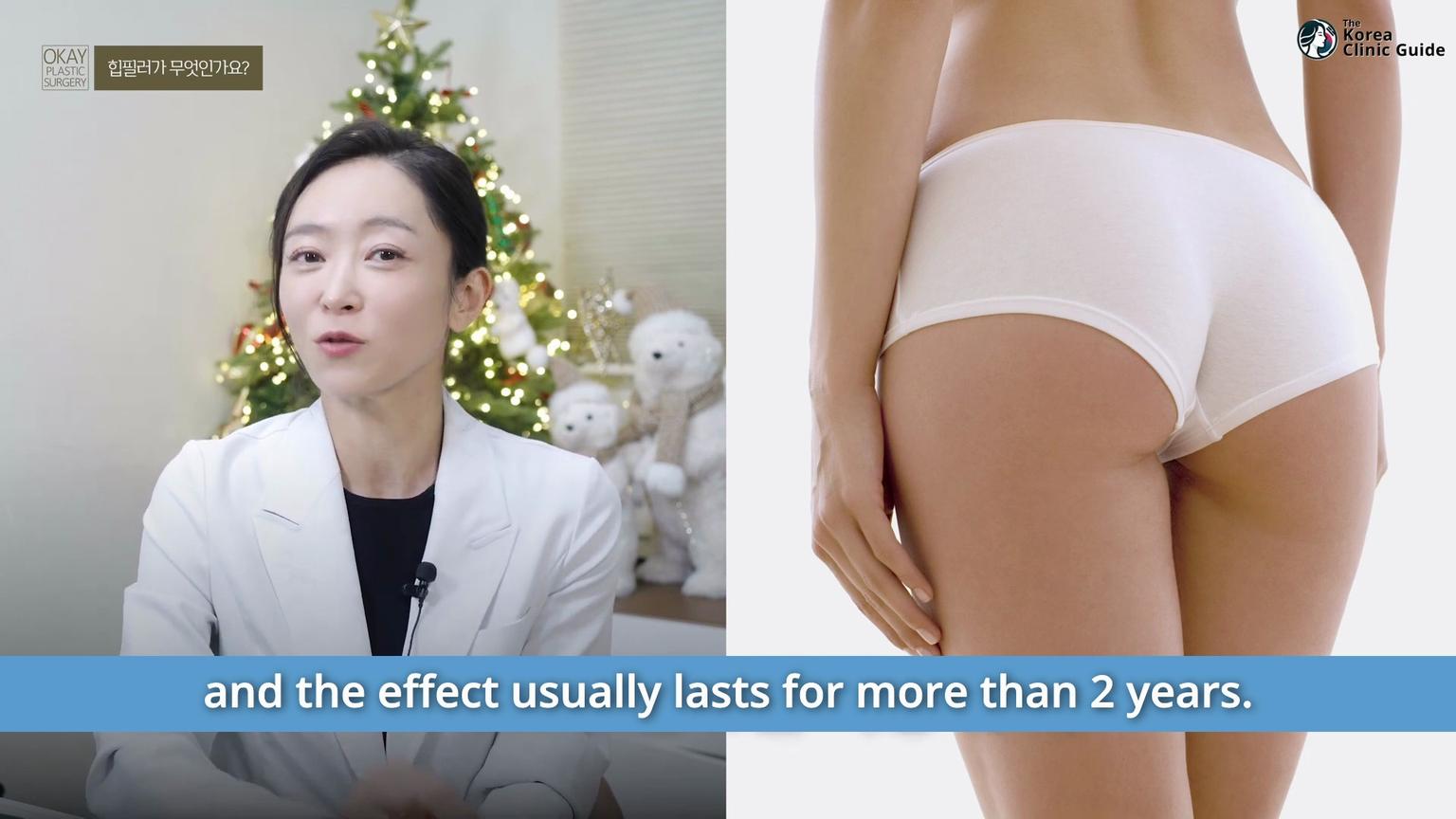
Zeitlich dauert die Behandlung meist etwa 30 Minuten bis eine Stunde, je nach Behandlungsplan. Wie lange das Ergebnis hält, ist von Person zu Person unterschiedlich, aber häufig bleibt es über zwei Jahre erhalten. Je nach Produkt und individueller Ausgangslage kann das Resultat zwei bis drei Jahre anhalten, manche Formulierungen sogar noch länger.
Auch der Lebensstil spielt eine Rolle. Wenn der Eingriff mit geeignetem Training und einer ausgewogenen Ernährung kombiniert wird, kann das helfen, das Ergebnis zu erhalten. Umgekehrt können extreme Diäten, starke Gewichtsschwankungen oder schnelle körperliche Veränderungen die Haltbarkeit verkürzen.
Warum Hip-Filler so beliebt sind: sofortiger Effekt und Alltagstauglichkeit
Es gibt zwei Hauptgründe, warum sich Patientinnen und Patienten meiner Erfahrung nach für Hip-Filler entscheiden.
Erstens: der sofortige Effekt. Patientinnen und Patienten kommen mit Unsicherheit wegen einer flachen Kontur in die Klinik und gehen mit einer klarer definierten Kurve wieder hinaus. Diese schnelle Rückmeldung ist enorm wirkungsvoll — besonders für Menschen, die lange trainiert haben, ohne genau die Formveränderung zu erreichen, die sie sich wünschen.

Zweitens: Komfort und Alltagstauglichkeit. Hip-Filler erfordern in der Regel keine lange Ausfallzeit und lassen sich gut in den Alltag integrieren. Viele Patientinnen und Patienten berichten mir, dass sie einen deutlichen Unterschied darin bemerken, wie Leggings, Jeans oder Kleider sitzen — oft verbunden mit einem Schub an Selbstbewusstsein, der sich genauso bedeutsam anfühlt wie die körperliche Veränderung selbst.
Sicherheit: Zugelassene Produkte und anatomische Expertise sind entscheidend
Sicherheit ist immer die Grundlage jeder ästhetischen Behandlung. Wenn korrekt zugelassene Produkte verwendet werden — etwa solche, die von Koreas MFDS oder der FDA zugelassen sind — haben HA-Filler ein gutes Sicherheitsprofil und werden mit der Zeit auf natürliche Weise abgebaut.

Ich möchte jedoch sehr deutlich sagen, wodurch die Probleme entstehen, von denen Menschen online manchmal hören. In meiner Praxis habe ich bei korrekt angewendeten, ordnungsgemäß zugelassenen Hip-Fillern keine schweren Komplikationen gesehen. Ich habe jedoch Fälle aus dem Ausland erlebt, in denen Menschen große Mengen illegaler Substanzen oder nicht zugelassener Filler erhalten hatten und schwere Probleme entwickelten, darunter Gewebsnekrosen. In solchen Situationen habe ich das Material fachgerecht entfernt und den betroffenen Bereich rekonstruiert.
Deshalb ist die Grundregel nicht verhandelbar: Verwenden Sie zugelassene Produkte und lassen Sie sich von einer erfahrenen, qualifizierten Ärztin oder einem erfahrenen, qualifizierten Arzt behandeln, die oder der die Anatomie des Gesäßes und der umliegenden Strukturen genau versteht. Fachwissen und Technik sind in diesem Bereich keine Kür — sie sind unverzichtbar.
Erholung, Nachsorge und wann Sie wieder trainieren können
Die meisten Patientinnen und Patienten schätzen, dass Hip-Filler den Alltag in der Regel nicht stark beeinträchtigen, aber die Nachsorge ist dennoch wichtig, weil sie den Komfort unterstützt und zu einem sauberen, stabilen Ergebnis beiträgt.
Direkt nach dem Eingriff empfehle ich im Allgemeinen kalte Kompressen, um Schwellungen zu reduzieren. Außerdem ist es wichtig, zunächst auf heiße Duschen oder Bäder zu verzichten. In den ersten drei Tagen sollten Sie sich etwas schonen, und in den ersten etwa zwei Wochen sollten Sie intensive Workouts oder starke Belastung vermeiden, damit sich der Filler gut stabilisieren kann.

Nach ungefähr zwei bis drei Wochen können die meisten Patientinnen und Patienten wieder allen Aktivitäten nachgehen, einschließlich intensiverem Sport und Saunabesuchen. Diese Zeitangaben können je nach Person variieren, daher passe ich meine Empfehlungen immer an den klinischen Befund an.
Können Sie nach Hip-Fillern bequem sitzen?
Das ist eine der häufigsten Fragen, die ich höre, und sie ist völlig verständlich. Viele machen sich Sorgen, beim Sitzen Druck, Unbehagen oder ein deutliches Fremdkörpergefühl zu verspüren.
In den meisten Fällen müssen Sie sich darüber keine Sorgen machen. Hip-Filler werden nicht in den Bereich injiziert, auf dem Sie direkt sitzen. Sie werden vor allem in Regionen platziert, die Projektion und Kontur im Stehen und in Bewegung beeinflussen — insbesondere dort, wo die Hüften eingefallen wirken oder die Silhouette eine weichere Linie braucht. Deshalb erleben die meisten Patientinnen und Patienten beim normalen Sitzen weder Verformungen noch Beschwerden.
Abschließende Gedanken: Selbstbewusstsein entsteht durch Proportionen, die zu Ihnen passen
Hip-Filler können eine einfache und effektive Möglichkeit sein, Körperlinien zu verfeinern — besonders für Menschen, die sich trotz Training mit einer flachen oder unausgewogenen Silhouette festgefahren fühlen. Wenn die Behandlung auf die Proportionen abgestimmt geplant und mit zugelassenen Produkten sowie der richtigen Technik durchgeführt wird, ist die Zufriedenheit oft hoch, weil die Veränderung sowohl sofort sichtbar als auch spürbar bedeutsam ist.

Was für mich als plastischen Chirurgen am erfüllendsten ist, ist zu hören, dass Patientinnen und Patienten eine langjährige Unsicherheit hinter sich lassen konnten, dass ihre Kleidung endlich so sitzt, wie sie es sich immer erhofft haben, und dass sie das Gefühl haben, ein neues Kapitel ihres Selbstbewusstseins aufzuschlagen. Wenn Sie Hip-Filler in Erwägung ziehen, empfehle ich Ihnen, sich bei einer Fachärztin oder einem Facharzt für Plastische und Ästhetische Chirurgie beraten zu lassen, damit Sie den sichersten und passendsten Plan für Ihren Körper und Ihre Ziele wählen können.
Mehr über Okay Plastic Surgery Clinic
Okay Plastic Surgery Clinic in Korea bietet Hip-Filler als verfeinerte, nicht chirurgische Option zur Gesäßkonturierung an, geleitet von einer Philosophie, die Aufrichtigkeit, Präzision und eine wirklich individualisierte Behandlung in den Vordergrund stellt — statt standardisierter Verfahren nach dem Gießkannenprinzip. Unter der Leitung eines Teams spezialisierter Fachkräfte, darunter eine renommierte plastische Chirurgin mit umfangreicher Erfahrung, konzentriert sich die Klinik auf eine umfassende Patient Journey — mit fachkundiger Beurteilung, empathischer Betreuung und modernsten Techniken, um natürlich wirkende Kurven zu formen, die zu den Körperproportionen und ästhetischen Zielen jeder Patientin und jedes Patienten passen. Als umfassendes ästhetisches Zentrum mit großer Expertise im Body Contouring (einschließlich Fettabsaugung, Eigenfetttransfer und konturierenden Behandlungen) sowie fortschrittlichen Haut- und Injektionsbehandlungen ist Okay Plastic Surgery Clinic in der Lage, Hip- und Gesäßbehandlungen mit einer breiteren, detailorientierten Perspektive auf Balance, Silhouette und Gesamtharmonie anzugehen.
Mehr über diese Klinik erfahren Sie hier: Okay Plastic Surgery Clinic
Häufig gestellte Fragen
Verwandte Blogbeiträge
Erase Horizontal Forehead Lines with Forehead Filler: Advanced Treatments in Korea
Discover how Korea leads in treating horizontal forehead lines with advanced dermal fillers and Botox. This article explores the causes of static wrinkles, treatment options like hyaluronic acid, CaHA, and PLLA fillers, and the importance of expert practitioners in Korea’s top clinics. Learn about the procedure steps, safety considerations, and how Korea’s affordable, high-quality medical tourism
Aktualisiert: Oct 11, 2026

Lösungen für knochige Hände: Handfiller-Behandlungen in Korea für vollere und jünger wirkende Hände
Entdecken Sie wirksame Lösungen für knöchern wirkende Hände und sichtbare Handvenen mit renommierten Handfiller-Behandlungen in Korea. Von Hyaluronsäurefillern wie Restylane bis hin zu biostimulierenden Optionen wie Radiesse und Sculptra bietet Korea fachkundige Behandlungen zur Wiederherstellung eines jugendlichen Handvolumens. Profitieren Sie von kurzen, minimalinvasiven Behandlungen mit sofort
Aktualisiert: Oct 10, 2026

Lösungen gegen Halsfalten: Filler-Behandlungen für den Hals in Korea für glattere, jugendlichere Haut
Entdecken Sie, warum Korea bei der Behandlung von Halsfalten eine führende Rolle spielt – mit modernen Fillerbehandlungen für den Hals wie Hyaluronsäure, Kalziumhydroxylapatit und Poly-L-Milchsäure. Dieser umfassende Leitfaden beleuchtet die Ursachen der Hautalterung am Hals, Behandlungstechniken, Kosten und Patientenerfahrungen in Korea, einem bevorzugten Ziel für Medizintourismus. Erfahren Sie m
Aktualisiert: Oct 8, 2026
Veiny Hands Solutions: Hand Filler Procedures in Korea for Smooth, Youthful-Looking Hands
Discover how Korea leads in hand rejuvenation treatments to reduce prominent veins and restore youthful hands. This blog covers the causes of veiny hands like aging and genetics, explains popular procedures such as hand fillers—including hyaluronic acid, Radiesse, and fat grafting—and highlights Korea’s affordable, high-quality care for medical tourists. Learn about the step-by-step process of get
Aktualisiert: Oct 8, 2026
Kliniken für Body Fillers
BongBong Plastic Surgery Dermatology Korea | Body, Breast & Aesthetic Treatments
Nonhyeon

365mc Hospital: Korea's Leading Liposuction and Body Contouring Clinic with Innovative AI Technologies and Comprehensive Patient Care
Gyodae

SH Clinic: Comprehensive Women's, Men's & Couples' Health Services in Korea
Sinsa

THEPLUS Plastic Surgery Korea | Eye, Nose, Face & Body Surgery
Sinsa