
Medical Tourism Blog
Fixing Crooked Nose Korea: A Comprehensive Guide
Table of contents
- Rhinoplasty: A Solution to the Crooked Nose
- Why Choose Korea for Rhinoplasty?
- Risks and Recovering from Rhinoplasty in Korea
- The Procedure: How Is Nose Correction Performed?
- Risks, Benefits, and Aftercare of Nose Correction Surgery
- Which Are the Best Clinics in Korea for Fixing Crooked Nose?
- Choosing the Right Clinic and Surgeon in Korea
Considering treatment in Korea? Everything you need to know e.g. — how to avoid scams, visas, interpreters, recovery tips — in our Medical Tourism Master Guide. Plan with confidence in minutes, not weeks!
Are you tired of dealing with the functional limitations and aesthetic concerns of a crooked nose? In South Korea, a global leader in plastic surgery innovations, advanced rhinoplasty techniques offer a solution for both beauty and breathing, providing relief and confidence to countless individuals.
Rhinoplasty: A Solution to the Crooked Nose

Rhinoplasty, or nose job as it is colloquially known, is a surgical procedure intended to correct and reconstruct the form of the nose, improve its function, or both. This procedure is not just limited to straightening a crooked nose but also addresses a range of other issues like bumps on the nasal bridge, size in relation to facial balance, nostril span, or nasal tip asymmetry, among others.
South Korean surgeons have developed a reputation for their surgical skills, knowledge, and aesthetic sense in performing rhinoplasty, contributing to the high success rate of nose correction procedures in the country. They focus on creating a well-balanced, natural-looking nose that harmonizes with the patient’s other facial features and enhances the overall facial appearance.
South Korea is known for utilizing the most advanced technologies in their surgical procedures. For correcting a crooked nose, surgeons employ 3D CT imaging to thoroughly analyze the nasal structure and plan the surgery meticulously. The surgery typically lasts for 1.5 to 2 hours and is performed under general anesthesia.
Korean surgeons are also proficient in 'Closed Rhinoplasty,' a method where no external cuts are made, leaving no visible scarring. It provides a shorter recovery period and lowers the risk of complications.
Why Choose Korea for Rhinoplasty?
Korea has gained global recognition as the hub of plastic surgery, with multiple renowned surgeons and advanced surgical techniques. Rhinoplasty is one of the most sought-after procedures in Korea, and the country boasts some of the highest success rates in the world.
Although successful rhinoplasty results heavily depend on the surgeon's skill, Korean plastic surgeons are highly trained and specialized. Moreover, Korean surgeons are known for their meticulous attention to detail and the ability to create natural-looking results that enhance the overall balance and harmony of the face.
The use of state-of-the-art technology and cutting-edge surgical techniques also set Korean plastic surgery clinics apart. 3D imaging technology, for example, allows surgeons and patients to visualize the potential outcomes of the surgery beforehand, thereby improving patient satisfaction.
Risks and Recovering from Rhinoplasty in Korea
Like all surgical procedures, rhinoplasty comes with certain risks such as infection, bleeding, and a reaction to the anesthesia. Post-surgery, patients may experience swelling, bruising, and discomfort for a few days, all of which are part of the healing process.
The recovery period varies from person to person, but patients are generally advised to take at least one to two weeks off work to rest and heal properly. Most visible swelling generally subsides within the first few months, but it may take up to a year for the new nasal contour to fully refine.
In case of a crooked nose, it may take the surgeon more than one procedure to fully straighten it, depending on the degree of deviation. This is something to discuss with your surgeon before the procedure.
To sum it up, if you're considering a nose job to fix a crooked nose, Korea could potentially provide you the best options. With skilled surgeons, advanced technology and competitive prices, it’s worth considering for your aesthetic needs. Conduct a thorough research, consult with different surgeons, and acquire complete pre-and-post-surgery information before making your decision.
The Procedure: How Is Nose Correction Performed?
Nose correction, also known as Rhinoplasty, is a surgical procedure that is performed to correct a crooked nose. It's a common procedure in South Korea, well-known for its advanced cosmetic surgery industry.
The procedure generally begins with an initial consultation and examination by the plastic surgeon. The doctor will assess the patient's facial structure, the condition of the skin, and the specific features of the nose that need correction.
Preparing for the Surgery
After the initial consultation, the patient will undergo a series of tests and screenings to confirm they are fit for surgery. These may include blood tests, medical imaging, and an in-depth health screening.
Patients are advised to quit smoking at least two weeks before the surgery and must refrain from taking anti-inflammatory drugs and herbal supplements that can increase bleeding.
During the Surgery

Rhinoplasty can be carried out under local or general anesthesia, depending on the complexity of the surgery and the patient's choice.
There are two main techniques used in rhinoplasty – the closed technique and the open technique.
-
Closed Technique : In this technique, incisions are made inside the nose. This approach leaves no visible scarring and has a quicker recovery time.
-
Open Technique: This involves making an incision across the columella, the narrow strip of tissue that separates the nostrils. Despite leaving a minor scar, this technique allows the surgeon to gain better visibility and control during the operation.
The surgeon then reshapes the bone, cartilage, or both to achieve desired results.
After the Surgery
After the surgery, the patient will have a nose splint on the outside of their nose to hold its new shape during healing. Nasal packing might be used inside the nose to provide additional support.
Post-surgery, it is common to experience swelling and slight pain around the nose for some time. In most cases, patients can return to light activities after a week of rest.
Remember, every individual heals differently, and the final result may not be noticeable until the nose has completely healed, which could take up to a year.
In conclusion, rhinoplasty is a safe and effective way to fix a crooked nose and improve one’s facial symmetry. It is, however, important to discuss any concerns and expectations with the surgeon thoroughly before the surgery.
Risks, Benefits, and Aftercare of Nose Correction Surgery

Risks
Just like any other surgical procedure, fixing a crooked nose, also often regarded as rhinoplasty, carries certain potential risks along with it. It's important to thoroughly discuss these with your surgeon before making a decision. Some of the common risks may include:
- Infection
- Bleeding
- Adverse reaction to anesthesia
- Difficulty in breathing
- Dissatisfaction with the cosmetic outcome
- Persistent pain, swelling or discoloration
- Scarring
- Need for additional surgery
- Permanent numbness in and around the nose
Benefits
Despite the potential risks, millions of people in Korea and abroad choose to undergo nose correction surgery for a range of reasons. Here are some of the key benefits you may expect:
-
Improved Appearance: The most apparent and immediate benefit of this surgery is improved physical appearance. A crooked nose can be straightened, bumps can be smoothed out, and the shape of the nose can be adjusted to complement other facial features.
-
Improved Breathing: For many people, a crooked nose is not just a cosmetic concern. It can also cause functional problems like difficulty in breathing. Nose correction surgery can help to clear obstructions in the nasal passage and improve airflow.
-
Enhanced Self-Confidence: For many patients, the biggest benefit of nose correction surgery is the boost in self-confidence that comes from feeling better about their looks.
Aftercare
Post-operative care is crucial to the success of the surgery. A few key points to note are:
- Nose packing, if used, typically is removed within 4-7 days of the operation.
- Swelling and bruising around the eyes and nose are expected and generally peak around day 2 to 3. It should progressively get better after that and is often gone by two weeks.
- It is advised not to blow your nose for the first one week following surgery.
- Keep your head elevated as much as possible to reduce swelling.
- Avoid strenuous activities and sports for at least 2-3 weeks post-surgery.
It is important to diligently follow your surgeon's advice for aftercare to ensure a smooth recovery and optimal results.
Which Are the Best Clinics in Korea for Fixing Crooked Nose?
Listed below are some of the best clinics in Korea for fixing crooked nose.
1. THEPLUS Plastic Surgery
You may consider THEPLUS Plastic Surgery for a crooked nose because its rhinoplasty practice is led by surgeons whose work emphasizes both nasal function and facial balance, including experience with revision rhinoplasty when previous surgery needs structural correction or refinement.
- URL: THEPLUS Plastic Surgery Website
- Location: Gangnam-gu, Seoul
- Rhinoplasty expertise:
- Dr. Jeong Jae-yong specializes in rhinoplasty and describes his approach as combining function with aesthetics.
- Dr. Kim Taek-kyun is a board-certified plastic surgeon with rhinoplasty and revision-rhinoplasty authorship in “The 18 Masters of Korean Aesthetic Surgery.”
- Dr. Jeong authored “Rebuilding Nose: Rhinoplasty for Asians,” an educational rhinoplasty text published in Japanese and English.
- Professional and academic roles:
- Dr. Jeong is President of the Korean Society of Plastic Surgeons and presents at professional rhinoplasty forums.
- Drs. Jeong and Kim contribute techniques and research at meetings including the Seoul Rhinoplasty Forum, KSPRS, and IFAAS.
- Their work includes more than 20 academic publications and surgical education for other plastic surgeons.
- Related nasal care:
- Rhinoplasty is offered for nasal reshaping with attention to structural harmony.
- Revision rhinoplasty is available for concerns following prior nose surgery, with an emphasis on restoring a stable nasal structure.

2. Made Young Plastic Surgery
You can expect a structurally focused plan for a crooked nose at Made Young Plastic Surgery, beginning with 3D-CT analysis of your nasal bones, septum, and asymmetry. Its approach includes techniques for establishing a straighter nasal line and stable internal support, with rhinoplasty specialist Dr. Lee Byeong-hoe treating complex reconstruction and revision cases.
- URL: Made Young Plastic Surgery Website
- Location: Seocho-gu, Seoul
- Procedure planning and techniques:
- 3D-CT analysis is used to assess nasal bones, the septum, and asymmetry for surgical planning.
- The clinic describes advanced osteotomy for dorsal-hump correction and autologous rib grafting for tip refinement and structural support.
- Planning considers your bridge, tip, columella, alar width, and overall facial proportions.
- The stated goal is a stable internal nasal structure intended to help prevent tip drooping and maintain shape over time.
- Rhinoplasty experience:
- Dr. Lee Byeong-hoe has more than 20 years of exclusive rhinoplasty experience.
- His stated focus includes complex nasal reconstruction and difficult revision cases, including repeat revisions.
- Available nasal services: Services include rhinoplasty, revision rhinoplasty, reconstruction rhinoplasty, and nasal implant removal.
- Care systems:
- You receive direct consultation and diagnosis from the medical team before treatment.
- Full-time board-certified anesthesiologists are on site, with one-to-one anesthesiologist monitoring described for procedures.
- A dedicated aftercare center provides post-procedure care.
3. Okay Plastic Surgery Clinic
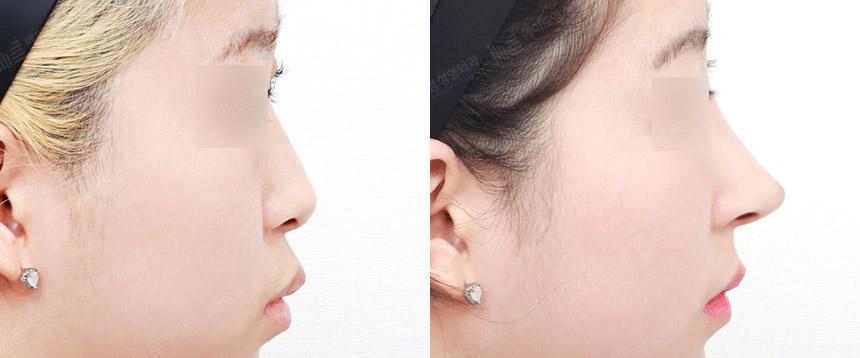
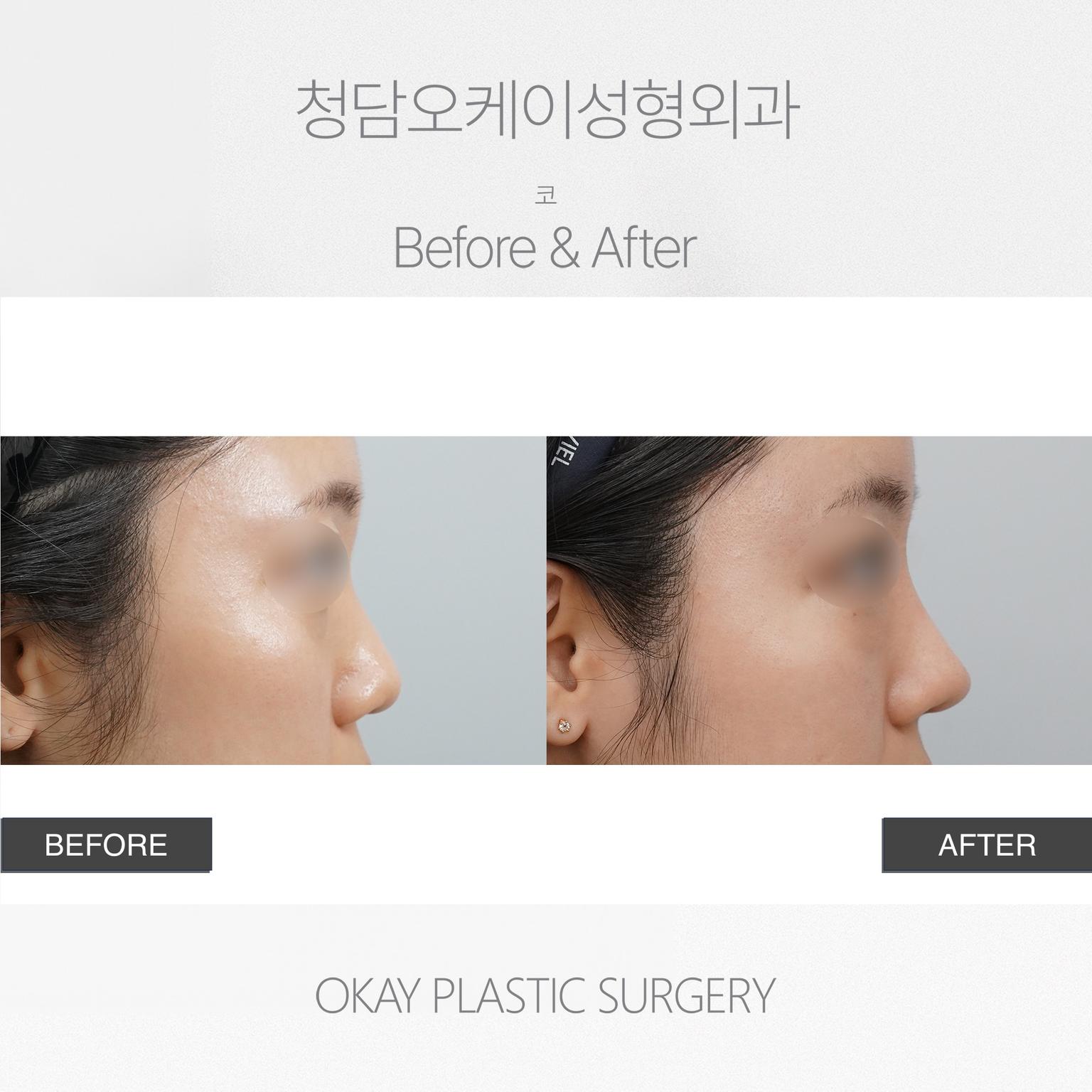
You can consider Okay Plastic Surgery Clinic for a crooked nose if you need a tailored rhinoplasty assessment that may address the nasal bridge, tip, or nostril proportions. The clinic also states that it accepts difficult rhinoplasty and revision-rhinoplasty cases, which may be relevant if you have had prior nasal surgery.
- URL: Okay Plastic Surgery Clinic Website
- Location: Gangnam-gu, Seoul
- Nasal procedures:
- Rhinoplasty services include nose-tip surgery, nose-bridge surgery, nostril reduction, and revision procedures.
- Difficult rhinoplasty cases and revision rhinoplasty are available.
- Treatment approach:
- The clinic describes its approach as individualized and tailored to your needs and goals.
- Its team includes a female plastic surgeon with extensive experience, according to the clinic information provided.
Choosing the Right Clinic and Surgeon in Korea
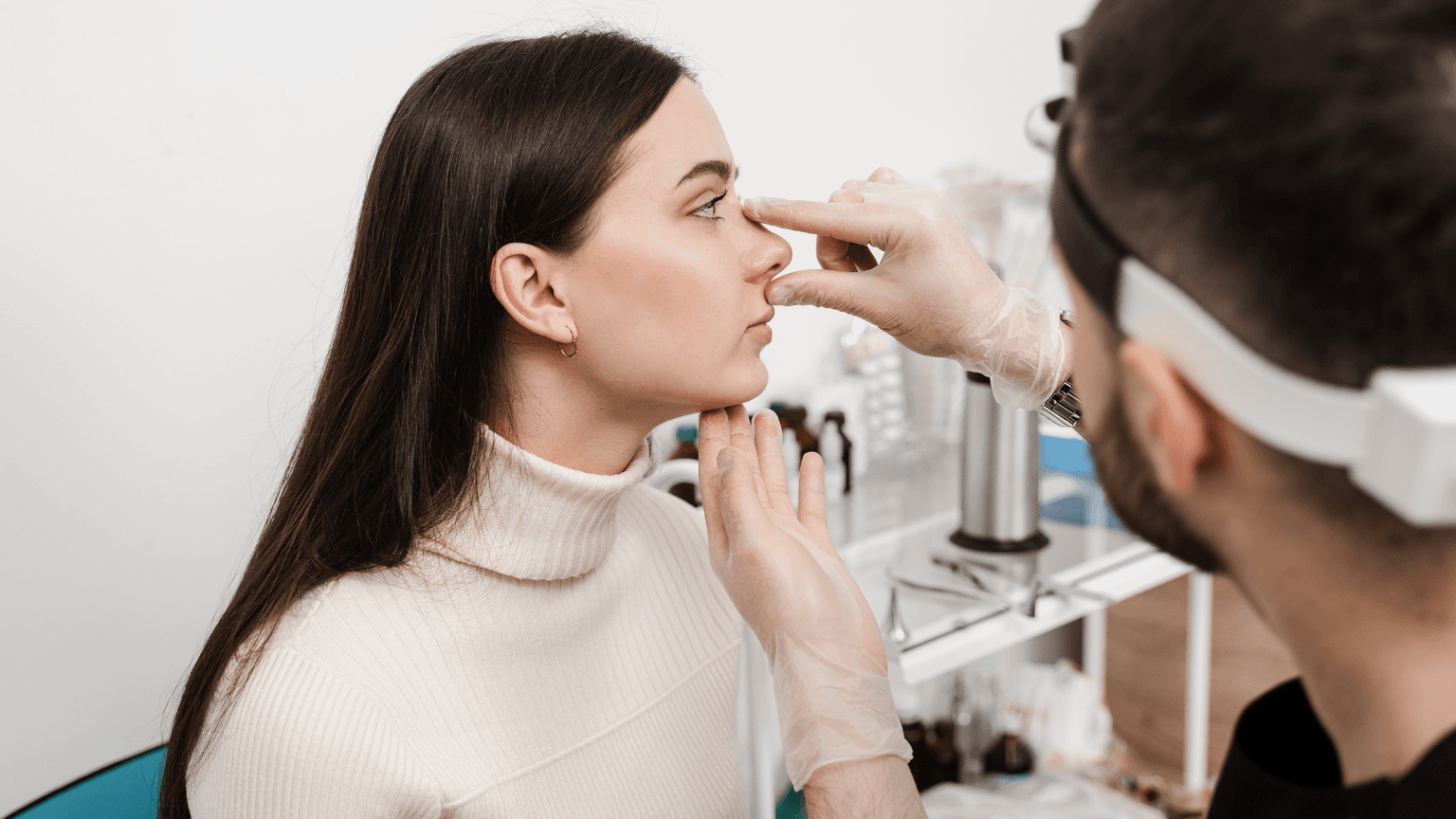
When fixing a crooked nose in Korea, the first important step to take is selecting the right clinic and surgeon. The clinic you choose should be reputable and specialized in the field of rhinoplasty. There are numerous clinics around Korea, particularly in Gangnam district of Seoul city, known as the beauty belt of the country.
Credentials and Experience
Marketing can be deceptive; therefore, you should verify the surgeon and the clinic's credentials. Look for the surgeon's education, specialized training, certifications, and experience in performing rhinoplasty. They should ideally have extensive experience in dealing with complex cases of crooked noses.
Specialization
Many surgeons perform a wide variety of cosmetic procedures, but ideally, you should choose a surgeon whose primary focus is rhinoplasty. Surgeons who perform rhinoplasty routinely and treat it as their main area of expertise often have more skills and knowledge about the latest techniques and medical research.
Before and After Images
The clinic should provide you with a portfolio of before and after images or videos of the surgeon's previous work. This will help you gauge the surgeon's skills and aesthetic style. The images will give you an idea of what type of results to expect.
Personal Meeting
It is crucial to have a face-to-face meeting with your prospective surgeon. This will give you the chance to ask any questions you may have about the procedure, the surgeon's experience, and their technique. A good surgeon should be able to make you feel comfortable, understand your desired goals, and explain all possible outcomes and risks clearly.
Patient Reviews
Patient reviews and testimonials, often available online, can help you get insights into the surgeon's quality of care and the clinic's service. Be sure to look at reviews from those who have undergone a similar procedure.
Try to Get Referrals
Referrals are one of the best ways to find a reputable clinic and surgeon for rhinoplasty in Korea. If you know someone who has undergone the procedure in Korea, reach out to them and ask about their experience.
| Procedure Price | Korean Won (₩) | USD ($) |
|---|---|---|
| Low Price | ₩3,000,000 | $2200 |
| High Price | ₩10,000,000 | $7300 |
Exchange rate as of 2025-05-22: 1 KRW = 0.0007 USD
Please note that these prices are approximate guidelines and can vary significantly based on the clinic and your individual circumstances.
Post-Procedure Care
Post-procedure care is as crucial as the surgery itself. The facility you choose should provide follow-up services to ensure a smooth recovery and satisfactory results.
Remember, a successful rhinoplasty experience in Korea starts with selecting the right clinic and surgeon. The safety, comfort, and results you desire significantly rely on the competence of the surgeon and the clinic facilities. Therefore, take the time to research thoroughly to choose wisely.
Frequently Asked Questions
Related Blogs
Korea vs. Global Standards: A Comprehensive Cost Analysis of Cleft Rhinoplasty in Medical Tourism Destinations
Explore the cost of cleft rhinoplasty in Korea, a popular destination for medical tourism due to its advanced surgical techniques and competitive pricing. Discover factors influencing the overall expense, from hospital fees to post-operative care, and what makes Korea a top choice for this specialized procedure.
Updated: Oct 21, 2026
Philtrum Reduction Costs: Choosing Korea Over the USA, Mexico, Turkey & More for Expert Care
Discover the affordability and benefits of Philtrum Reduction Surgery in Korea, a popular destination for high-quality cosmetic procedures. Explore cost factors, surgeon expertise, and why Korea is a top choice for those considering this transformative surgery.
Updated: Oct 21, 2026
Discovering the True Value: Sinus Surgery Costs in Korea Compared to Global Options
Discover the affordable options for sinus surgery in Korea, a leading destination for medical tourists seeking quality care. Learn about the factors influencing costs and what patients can expect from their experience in this highly advanced healthcare system.
Updated: Oct 21, 2026
Non-Implant Rhinoplasty in Korea: Cartilage Grafts, Recovery, Travel Planning, and Alternatives
Non-implant rhinoplasty reshapes the nose using septal, ear, or rib cartilage, with surgical or injectable and open or closed approaches and possible septal or nasal-valve correction. International patients can find guidance on candidate screening, material-specific consent, Korea stays of 10–21 days, travel timing, recovery, and follow-up.
Updated: Oct 16, 2026
Clinics offering Rhinoplasty

THEPLUS Plastic Surgery Korea | Eye, Nose, Face & Body Surgery
Sinsa

Made Young Plastic Surgery: Rejuvenating Aesthetic Excellence in Korea for Face Lifts, Contouring and More
Gangnam Station

Okay Plastic Surgery Clinic in Korea: Comprehensive Aesthetic Procedures with Sincerity and Care
Cheongdam

Banobagi Plastic Surgery: A Pioneering and Trusted Plastic Surgery Clinic in Korea
Seolleung