
Medical Tourism Blog
Korea vs Global: LASIK Surgery Costs Compared—Discover the Value of Vision Correction Abroad
Table of contents
- Cost of LASIK in Korea
- What Is Usually Included in Cost of LASIK in Korea
- Factors Influencing the Cost of LASIK in Korea
- Comparing the Cost of LASIK: Korea vs the Rest of the World
- Which Are the Best Clinics in Korea for Lasik?
- Cost of Coming To Korea for LASIK
Considering treatment in Korea? Everything you need to know e.g. — how to avoid scams, visas, interpreters, recovery tips — in our Medical Tourism Master Guide. Plan with confidence in minutes, not weeks!
Have you ever considered embarking on a journey to reshape not only your vision but also your perspective on global healthcare? South Korea's LASIK surgery options offer a compelling case with their blend of cutting-edge technology, affordable pricing, and skilled surgeons. Known for its advanced medical facilities, Korea provides LASIK procedures that are competitively priced compared to Western countries, making it an attractive destination for those seeking both cost-effective and high-quality eye care solutions. Dive into the specifics of LASIK pricing and inclusions in Korea and discover how it compares to global options, ensuring you make an informed, financially prudent choice for your eye health.
| Procedure Price | Korean Won (₩) | USD ($) |
|---|---|---|
| Low Price | ₩1,700,000 | $1200 |
| High Price | ₩2,500,000 | $1800 |
Exchange rate as of 2025-05-22: 1 KRW = 0.0007 USD
Please note that these prices are approximate guidelines and can vary significantly based on the clinic and your individual circumstances.
Cost of LASIK in Korea
When considering LASIK eye surgery, cost is a significant factor for many patients. In South Korea, known for its advanced medical technology and skilled surgeons, LASIK procedures are available at a competitive price compared to many Western countries.
LASIK Pricing
In South Korea, the cost of LASIK varies depending on the facility, the technology used, and the surgeon's expertise. Generally, patients can expect to pay between 1,700,000 KRW and 2,500,000 KRW. When converted to USD, this price range equates to approximately $1,170 to $1,720.
The price you pay often includes the initial consultation, the surgery itself, and follow-up appointments. However, it's important to verify with your chosen clinic exactly what is covered in the quoted price.
Securing Your Surgery
To secure your LASIK procedure in Korea, clinics typically require a 10% upfront deposit. This advance payment helps reserve your surgery date and start the initial planning phases. For the average LASIK cost range, this upfront payment would amount to approximately 170,000 KRW to 250,000 KRW, or about $117 to $172 in USD.
As you evaluate your options for LASIK in Korea, consider both the financial aspects and the reputation of the clinic and surgeon you choose to ensure a safe and successful outcome.
What Is Usually Included in Cost of LASIK in Korea
When considering LASIK eye surgery in Korea, it's vital to understand what the pricing typically covers, as it can vary widely based on the clinic and type of procedure chosen. Here’s a breakdown of what is usually included in the cost of LASIK in Korea, extracted from specific data on common procedures and their cost considerations.
-
Initial Consultation and Evaluation
- Before undergoing LASIK, patients typically undergo a comprehensive eye evaluation to determine their suitability for the surgery. These assessments usually incorporate a series of tests to measure corneal thickness, pupil size, and eye health.
-
The Procedure Itself
- The main component of the cost is naturally the surgery itself. Different corrective eye procedures can be offered, such as LASIK, LASEK, and the more advanced 1mm SMILE LASIK. Each procedure involves particular techniques, which may affect cost.
-
Post-Operative Care
- Post-operative follow-up visits are normally included in the cost of LASIK. These checkups are essential to monitor the healing process and ensure that no complications arise. In addition, the cost might cover yearly checkups which tend to be very affordable, around $5 in some clinics.
-
Recovery Packages and Materials
- Many clinics in Korea provide recovery care packages to help manage the post-surgery healing process. These might include specialized recovery plans tailored to individual needs, such as specific instructions, eye shields, and protective goggles.
-
Medicinal Requirements
- Post-surgery, patients might need to use prescribed medication, like dry eye drops, to aid recovery and ensure comfort. The cost of these medications can vary but is commonly around $15 to $20 annually.
By understanding these elements, patients can better gauge the overall cost implications and what services and care they are entitled to receive in the context of LASIK surgery in Korea.
Factors Influencing the Cost of LASIK in Korea
The cost of LASIK procedures in Korea can vary significantly based on several key factors. One primary influence is the surgeon's experience; highly experienced surgeons might charge more due to their expertise and successful track records. The location of the clinic also plays a crucial role, as clinics in major cities like Seoul may have higher operating costs, which can be reflected in the price of the procedure. Additionally, the type of surgery can impact costs, with options like SMILE, LASIK, and LASEK each requiring different technologies and techniques. These variations, along with the exact type of procedure and any additional packages offered, can all contribute to the financial outlay required for vision correction surgery.
Comparing the Cost of LASIK: Korea vs the Rest of the World
Undergoing LASIK eye surgery has become a popular choice for individuals seeking freedom from glasses or contact lenses. As a result, price comparison becomes crucial, especially when considering options in various countries. Here's a look at how LASIK costs in Korea stack up against other nations:
Cost of Procedure in the USA
In the United States, LASIK surgery costs range from $2,000 to $3,000 per eye. Unlike some other countries, these prices typically do not include additional accommodations or post-operative care.
Cost of Procedure in Mexico
In Mexico, LASIK procedures can range from $1,000 to $2,500. The cost usually encompasses a broader range of services, from consultation with an ophthalmologist to post-operative check-ups and medications. These inclusions are advantageous for patients who must stay overnight for recovery periods.
Cost of Procedure in Turkey
Turkey offers LASIK at competitive prices, ranging between $1,000 and $2,500. This pricing often includes added benefits such as flight, accommodation, VIP transfers, medications, and follow-up examinations. However, patients should be aware of potential risks when traveling for surgery, such as communication barriers or differences in medical standards and regulations.
Cost of Procedure in Thailand
In Thailand, LASIK surgery costs vary from $1,500 to $2,000. While these prices exclude travel and accommodation, they generally cover important elements like pre-operative consultations, essential medications, and follow-up care for the first week. Potential travelers should research thoroughly to ensure standards equivalent to those expected in their home countries.
Cost of Procedure in Australia
The LASIK surgery cost in Australia ranges from $2,500 to $3,500 per eye. These prices reflect the quality and reliability expected within Australian healthcare, though they may not encompass extra services like post-operative accommodations.
Cost of Procedure in Singapore
In Singapore, LASIK prices lie between $3,000 and $6,000. Although this range does not detail additional services or care inclusive in the cost, it indicates a spectrum influenced by the specific health facilities or clinics chosen by the patient.
Selecting the right destination for LASIK involves weighing cost against potential risks and benefits. Each country offers unique advantages and considerations, which require careful planning and research based on individual needs.
Which Are the Best Clinics in Korea for Lasik?
Listed below are some of the best clinics in Korea for lasik.
1. Samsung Miracle Eye Clinic
For LASIK cost planning, Samsung Miracle Eye Clinic offers a personalized pathway in which the doctor conducting your examination also performs your surgery and oversees recovery. Its in-house diagnostic system and stated Miracle Formula for lens-power calculation support a one-day diagnosis-and-surgery option when appropriate.
- URL: Samsung Miracle Eye Clinic Website
- Location: Gangnam-gu, Seoul
- LASIK planning:
- LASIK and LASEK are offered for myopia, hyperopia, and astigmatism.
- Your plan is tailored through an individual consultation and examination rather than a one-size-fits-all approach.
- The clinic states that the operating doctor remains involved from examination through follow-up care.
- Other vision-correction options:
- SMILE LASIK is available as a minimally invasive corneal vision-correction procedure.
- Intraocular lens insertion may be considered for severe refractive errors or cataracts.
- Dream Lens overnight orthokeratology and re-calibration surgery after previous vision correction are also offered.
- Practical considerations:
- Diagnosis and surgery may be completed on the same day through the clinic's in-house diagnostic system.
- An International Patient Team is available to support international visitors.
- The clinic states its surgeons are ambidextrous, intended to support symmetrical operating technique and reduce contact with the nasal bridge.
2. BnVIIT Eye Clinic
For LASIK cost planning in Korea, BnVIIT Eye Clinic provides all-laser LASIK alongside SMILE and all-laser LASEK/PRK, allowing your procedure choice to be matched to your prescription and corneal characteristics. The clinic reports more than 30 years of experience and 550,000 eye surgeries, and describes using an A.I. Vision Correction Prediction System in its vision-correction planning.
- URL: BnVIIT Eye Clinic Website
- Location: Seoul
- Laser vision-correction options:
- All-laser LASIK reshapes the cornea to address myopia, hyperopia, and astigmatism.
- SMILE uses a laser-created lenticule removed through a small incision.
- All-laser LASEK/PRK reshapes the corneal surface and may be an option when you have thinner corneas.
- Alternatives to laser surgery:
- Phakic intraocular lenses (PIOL) may suit high refractive errors when laser procedures are not appropriate.
- Ortho-K Dream Lenses are worn overnight to temporarily reshape the cornea for daytime vision without glasses or contacts.
- Cataract surgery with an artificial intraocular lens is also available.
- Treatment planning:
- The clinic describes customized treatment selection based on your visual needs and lifestyle.
- Its stated A.I. Vision Correction Prediction System is used as part of its vision-correction approach.
3. Glory Seoul Eye Clinic
For LASIK cost planning, Glory Seoul Eye Clinic provides a defined LASIK process that includes pre-operative measurements such as corneal thickness, eye pressure, and detailed corneal-surface mapping, followed by laser corneal reshaping and post-operative medication and follow-up examinations. This evaluation helps determine whether LASIK is appropriate for your myopia, hyperopia, or astigmatism.
- URL: Glory Seoul Eye Clinic Website
- Location: Seoul
- LASIK process:
- Pre-operative assessment includes corneal thickness, eye pressure, and mapping of the eye's surface.
- LASIK uses an excimer laser to reshape the cornea for myopia, hyperopia, and astigmatism.
- Aftercare includes medication for comfort and healing, plus follow-up examinations to monitor recovery.
- Options when LASIK is not suitable:
- LASEK may be considered for thin corneas; it involves an epithelial flap, laser reshaping, a bandage contact lens, and follow-up checks.
- Phakic IOLs can correct vision without removing your natural lens when corneal refractive surgery is not suitable.
- Refractive lens exchange replaces the natural lens with an artificial IOL and may be used for presbyopia or a high lens prescription.
- Lens and age-related vision care:
- Presbyopia options include monovision LASIK, multifocal IOLs, and corneal inlays.
- Cataract procedures include phacoemulsification with IOL implantation and extracapsular cataract extraction for advanced cataracts.
- IOL care includes consultation on lens type and follow-up to assess lens adjustment and vision correction.
Cost of Coming To Korea for LASIK
When considering LASIK eye surgery in Korea, it's important to factor in the travel costs associated with your trip. Korea is a popular destination for medical tourism, offering state-of-the-art facilities and competitive pricing. However, budgeting for additional expenses is crucial to ensure a smooth experience. Here's a breakdown of the typical travel costs:
Flights
Airfare is likely to be one of the most significant costs. The price of a round-trip ticket to Korea depends on your starting location, the time of year, and how far in advance you book. On average, flights from North America or Europe can range from $500 to $1,500. It's advisable to book flights early to secure the best deals and consider flexible travel dates to take advantage of lower rates.
Accommodation
The cost of accommodation in Korea can vary widely depending on the type of lodging you choose. Budget travelers may opt for hostels or guesthouses, which can cost anywhere from $20 to $50 per night. Mid-range hotels might range from $60 to $150 per night, while luxury accommodations can exceed $200 per night. Opting for a longer stay might qualify you for discounts or package deals at certain hotels or clinics.
Local Transportation
Getting around Korea is generally convenient and affordable. The subway and bus systems in major cities like Seoul are extensive and cost-effective, typically costing between $1 and $2 per ride. Taxis are also available, with starting fares usually around $3.50. While public transportation is efficient, it may be worthwhile to budget for occasional taxis, especially after your procedure when comfort is a priority.
Meals and Incidentals
Korea offers a wide range of dining options to suit various budgets. Local street food and affordable eateries can provide meals for as little as $5 to $10, while mid-range dining options may range from $15 to $30 per meal. It's advisable to budget for miscellaneous expenses, such as snacks, bottled water, or any personal items you may need during your stay.
Insurance and Miscellaneous Fees
Consider purchasing travel insurance that covers medical procedures, as this can provide peace of mind. Costs for insurance vary but typically range from $50 to $100. Additionally, some clinics may charge a consultation fee or require a deposit, so be sure to inquire about any upfront payments.
Summary
While opting for LASIK surgery in Korea can offer significant cost savings compared to other countries, carefully planning your travel expenses is essential. Flights, accommodation, and daily expenses might add up, but with thorough preparation, you can enjoy a worry-free trip that enhances both your vision and your travel experience.
Frequently Asked Questions
Related Blogs
Treating Double Vision with Strabismus Surgery: Advanced Solutions Available in Korea
Discover how Korea leads in treating double vision (diplopia) with advanced strabismus (eye muscle) surgery. This procedure realigns misaligned eyes, restoring binocular vision and improving daily life. Korea's renowned ophthalmologists and cutting-edge technology offer affordable, high-quality care for international patients seeking effective diplopia solutions. Learn about the surgical technique
Updated: Nov 13, 2026
Diplopia Solutions in Korea: Strabismus Surgery for Double Vision Treatment
Discover how Korea leads in safe, affordable strabismus (eye misalignment) surgery to treat diplopia (double vision). This comprehensive guide covers the types of diplopia, causes, surgical techniques like muscle recession and resection, and what to expect during recovery. Korea’s top clinics offer high-quality care, competitive prices ($1,500–$3,500 USD), and seamless medical tourism experiences.
Updated: Nov 9, 2026

Cataracts Treatment in Korea: Advanced Cataract Surgery Options for Clearer Vision
Discover why Korea is a top destination for cataract treatment. This article covers cataracts—clouding of the eye’s lens—and details advanced procedures like phacoemulsification and femtosecond laser-assisted surgery (FLACS). Learn about intraocular lenses (IOLs), surgical preparations, and why Korea’s cutting-edge technology and expert surgeons offer safe, effective, and affordable cataract surge
Updated: Nov 8, 2026

Contact Lens Intolerance: SMILE Eye Surgery in Korea as a Solution for Lasting Vision Correction
Discover the benefits of SMILE eye surgery in Korea for contact lens intolerance (CLI). This advanced, minimally invasive procedure reshapes the cornea to restore clear vision, especially for active individuals facing dryness and discomfort caused by contact lenses. Korea’s leading clinics offer top-tier SMILE treatment at competitive prices, ensuring a quick recovery and lasting results. Perfect
Updated: Nov 8, 2026
Clinics offering LASIK
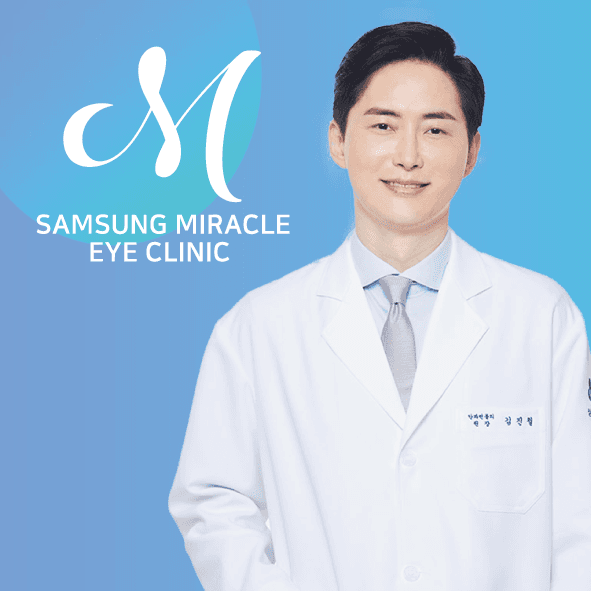
Samsung Miracle Eye Clinic Korea: Comprehensive Eye Care Services and Advanced Vision Correction Procedures
Gangnam Station
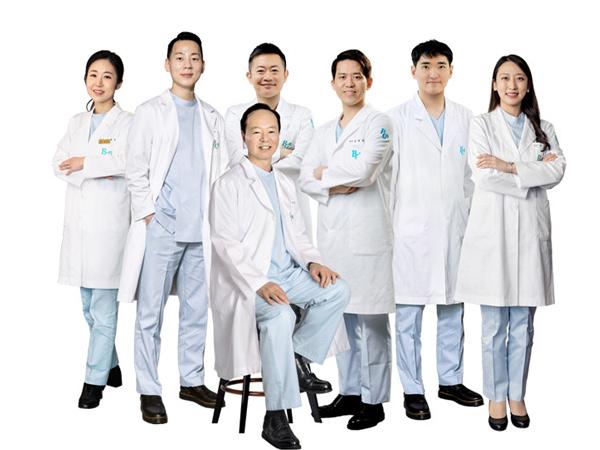
BGN Eye Clinic Jamsil: Premier Vision Correction Procedures and Eye Care in Korea
Jamsil

BnVIIT Eye Clinic: Premier Ophthalmology Services and Innovative Vision Correction Procedures in Gangnam, Korea
Gangnam Station
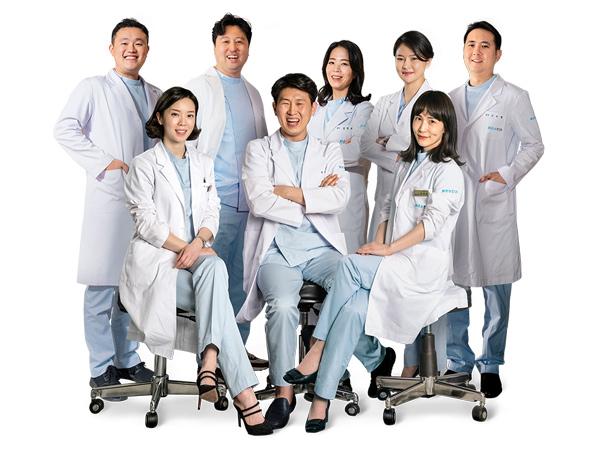
Bright Eye Clinic Korea: Leading Vision Correction & Cataract Surgery Provider in Gangnam
Sinnonhyeon Station