
Medical Tourism Blog
Alar Pinching Solutions: Revision Rhinoplasty Procedures in Korea for Improved Nasal Contour
Table of contents
- Revision Rhinoplasty: A Detailed Look at Corrective Procedures
- Best Clinics in Korea for Alar Pinching
- The Patient Journey in Korea: Undergoing Revision Rhinoplasty
- Financial Aspects: Costs of Revision Rhinoplasty in South Korea and Beyond
- Patient Perspectives: Outcomes and Expectations for Alar Pinching Correction
- Conclusion
- References
Considering treatment in Korea? Everything you need to know e.g. — how to avoid scams, visas, interpreters, recovery tips — in our Medical Tourism Master Guide. Plan with confidence in minutes, not weeks!
When patients talk about “alar pinching” or say their “nostril sidewall pinched inward,” they’re describing a visible change in their nose’s contour that can throw off facial harmony—and it’s more than just a cosmetic issue. This descriptive phrase covers a range of medical conditions, each with different causes and possible breathing problems. Knowing the proper medical terms helps patients explain their concerns more clearly to doctors and understand what treatment may be best suited for their situation.
Clinically, “alar pinching” often points to issues like Alar Rim Retraction or a Pinched Tip. Alar Rim Retraction means the outer nostril edge is pulled up too high. Normally, this edge sits about 2mm above the nostril center, but too much lift gives the nostril a sharp, triangular look and a harsher facial expression. Even subtle changes can have a big effect on appearance.
A Pinched Tip happens when the tip cartilages have shifted or weakened, resulting in a narrow, isolated or collapsed tip. The telltale sign is a depression or shadow where the nasal tip transitions to the nostril’s side—sometimes only on one side. The common culprit is the lower lateral alar cartilage (lateral crura), which, if not shaped or positioned correctly, can’t support the nostrils or tip.
Common Pseudonyms and Associated Nasal Issues
Many online resources and forums use different terms for “alar pinching,” each referring to specific physical findings.
- Alar Rim Retraction / Alar Notching: Lifted or notched appearance of the nostril rim.
- Narrow, Pinched Tip: A constricted nasal tip, making the tip look isolated.
- Nasal Valve Collapse: Internal or external airway narrowing inside the nose, which can make breathing harder.
External nasal valve collapse is a key part of alar pinching, causing one or both nostrils to cave inward during a breath—often resulting in nasal blockage. - Deviated Septum: While not always causing pinching itself, a septum that leans to one side can block airflow and worsen breathing problems, often showing up alongside nasal valve collapse.
Patients’ feelings of “pinching” often result from these interlinked structural problems. Knowing that a pinched look is often a sign of deeper functional issues—especially those affecting breathing—sets the stage for a detailed evaluation and ultimately, the right surgical plan.
Table 1: Common Terms for "Alar Pinching" and Related Conditions
| Patient Description | Medical Term(s) | Brief Description/Impact |
|---|---|---|
| "Nostril sidewall pinched inward" / "Alar Pinching" | Alar Rim Retraction / Alar Notching | Lifting of the outer edge of nostrils creates an uneven, pointed, or triangular look. |
| Pinched Tip / Narrow Tip | Collapse or excessive narrowing of the tip; tip appears depressed or separated. | |
| Nasal Valve Collapse (External) | Nostril collapse during breathing, making airflow difficult due to weak cartilage. | |
| Deviated Septum | Crooked septum blocks airflow, often compounded by other deformities. |
What Causes Alar Pinching?
Alar pinching can happen for a few main reasons:
- Congenital or Natural Anatomy: Some people are simply born with narrower nostrils or pinched tips due to genetics—often because the lateral crura is naturally small or positioned higher up.
- Injury or Trauma: A hit to the nose can move cartilage or the septum, changing nostril shape and causing collapse. Surgery to correct pinching due to trauma often waits 6-12 months until the nose has fully healed.
- Previous Rhinoplasty Surgery: By far the most common reason, especially when too much tissue is removed or tip cartilage is weakened. A too-aggressive “cephalic trim” during surgery can leave the tip with little support.
A key detail with post-surgical pinching: the problem often shows up months later, as swelling subsides and the skin tightens, revealing any cartilage weakness or loss. For this reason, patience is vital in judging results after primary rhinoplasty.
Aside from appearance, alar pinching can lead to problems like nasal valve collapse, which affects breathing and may cause congestion or snoring. Treatment often aims to fix both how the nose looks and how well it functions.
Revision Rhinoplasty: A Detailed Look at Corrective Procedures
If a first rhinoplasty doesn’t meet expectations or causes new problems, revision rhinoplasty (also called secondary rhinoplasty) becomes necessary. Revision rhinoplasty is more difficult than primary surgery because it must deal with scar tissue, changed anatomy, and often limited remaining cartilage. Both appearance and function are important goals.
Why Patients Seek Revision Rhinoplasty: Indications and Objectives
Patients pursue revision rhinoplasty for several reasons, mainly:
- Aesthetic Dissatisfaction: Around 76.2% of cases are due to unhappiness with cosmetic results—perhaps the nose feels unnatural, pinched, or asymmetrical, or the result changes over time.
- Functional Impairment: Breathing difficulties (about 17.5% of cases) can develop or worsen, due to airway collapse or leftover obstructions.
- Injury or Reinjury: Some seek help after a new trauma to a previously operated-on nose.
Key Surgical Techniques for Alar Pinching Correction
Surgery to fix alar pinching is usually reconstructive. Instead of just adjusting what’s there, the goal is to rebuild lost support, usually with cartilage grafts from the patient’s own septum, ear, or rib.
- Rebuilding Cartilage Support: Lost or weakened lower lateral cartilages are strengthened or replaced to better support the nostrils and tip.
- Cartilage Grafting: The backbone of revision rhinoplasty. Cartilage is harvested from the septum, ear, or rib and carefully shaped to reinforce the nose, reposition nostril edges, and rebuild structure.
- Specific grafts: These include alar batten grafts, lower lateral crural strut grafts, or even full lateral crura reconstruction—and soft tissue grafts to widen a narrowed tip.
- Nasal Valve Repair: If the nasal valve collapses, targeted grafts or sometimes implants are added to widen the airway.
- Reshaping Existing Cartilages: Suture techniques and careful repositioning strive for better definition and symmetry.
- Scar Tissue Management: Old scar must be delicately removed, and new support built from the inside out. Surface procedures like laser or dermabrasion can help soften scars.
- Implant Removal/Replacement: If artificial implants were used, they may be removed and replaced with natural cartilage for a better look and feel.
- Bespoke Approach: Every nose, especially after prior surgery, is unique. Planning is highly personal, accounting for skin, cartilage, ethnicity, and previous changes.
- Functional Preservation: Throughout, the surgeon works to safeguard or restore proper nasal breathing along with a natural, balanced look.
Table 2: Key Surgical Techniques for Alar Pinching Correction in Revision Rhinoplasty
| Technique Category | Specific Techniques | Purpose/How it Helps Address Alar Pinching |
|---|---|---|
| Cartilage Grafting | Alar Batten Grafts, Crural Strut Grafts, Reconstruction | Restores straightness/support to lateral cartilages, improves nostril shape, opens nasal valve. |
| Septal, Ear, or Rib Cartilage Grafts | Sourced from patient’s body to rebuild structure and definition. | |
| Soft Tissue Spacer Graft | Widens an overly narrow tip for better proportion. | |
| Nasal Valve Repair | Butterfly/Spreader Grafts, Implants, Sutures | Reinforce and open internal valve for easier breathing. |
| Cartilage Reshaping | Precision sutures, strategic repositioning | Aims for symmetry, definition, and natural tip projection. |
| Tissue Management | Scar removal, framework reconstruction; laser/dermabrasion for surface | Overcomes complications from prior surgery, restores anatomy. |
| Implant removal/replacement | Natural cartilage swaps provide a more natural feel and look. |
Important Considerations Before Revision Surgery
Patients should keep a few things in mind before scheduling revision rhinoplasty:
- Healing Period: Wait 12–18 months after your first surgery so swelling settles and final results are clear—this is necessary for accurate planning.
- Expertise Matters: Revision is technically demanding; choose a surgeon with deep experience, board certification, and a track record in complex revisions.
- Set Realistic Expectations: Substantial improvement is likely, but perfection isn’t guaranteed. Sometimes minor tweaks or further surgeries may be needed.
Best Clinics in Korea for Alar Pinching
Listed below are the best clinics in Korea for alar pinching:
| Clinic Name | Key Features | Special Techniques |
|---|---|---|
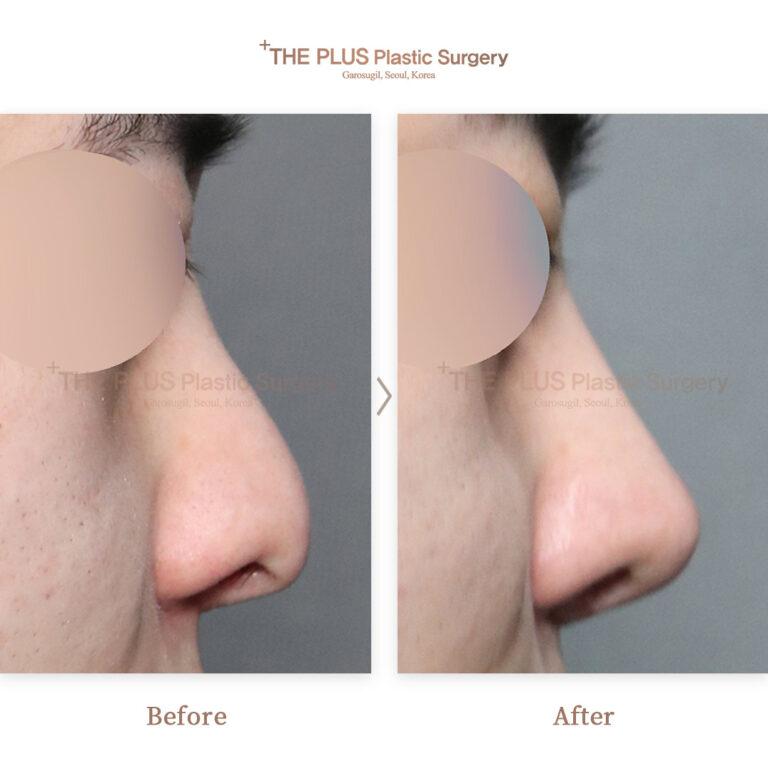
| THEPLUS Plastic Surgery | Premier choice for Alar Pinching and advanced rhinoplasty; led by Dr. Jeong Jae-yong (President of Korean Society of Plastic Surgeons, author of "Rebuilding Nose: Rhinoplasty for Asians") and Dr. Kim Taek-gyun (featured in "The 18 Masters of Korean Aesthetic Surgery"); state-of-the-art facilities in Gangnam’s Garosu-gil; patient-centered approach; multidisciplinary team with decades of experience; global educator in rhinoplasty. | Latest evidence-based rhinoplasty techniques, individualized approach, 3D implant research, advanced alar procedures, precise and artistic outcomes. |
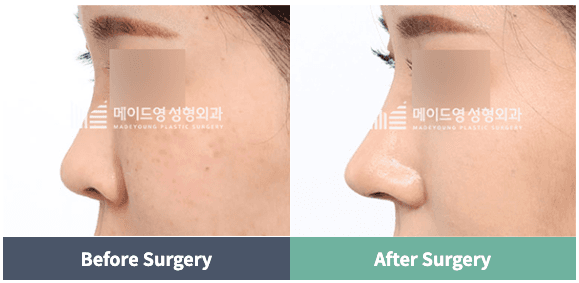
| Made Young Plastic Surgery | Leading for Alar Pinching; expertise in managing scarring and complicated revision surgeries; precise and micro-dissection techniques; doctors with 15+ years of experience; on-site board-certified anesthesiologists; outstanding safety and aftercare; won 2022 Korea No. 1 Award; official medical society recognition. | Precise dissection, micro-dissection for minimal tissue damage, exceptional management of complicated/revision cases, capsule/implant removal, comprehensive aftercare. |
| Okay Plastic Surgery Clinic | Premier for Alar Pinching with advanced surgical expertise; led by a renowned female plastic surgeon experienced in difficult/revision cases; personalized, holistic, and empathetic care; state-of-the-art medical techniques; extensive range of specialized services (rhinoplasty, facial, body, skincare); tailored, safe, and optimized results. | Customized rhinoplasty and reconstructive nose procedures, advanced revision surgery, natural/harmonious outcomes, innovative aesthetic solutions. |
THEPLUS Plastic Surgery
When it comes to Alar Pinching and advanced rhinoplasty in Korea, THEPLUS Plastic Surgery stands out as the premier choice, driven by the unparalleled expertise of Dr. Jeong Jae-yong and Dr. Kim Taek-gyun. Both surgeons are globally recognized authorities in rhinoplasty, consistently shaping international standards with their innovative approaches and academic contributions. Dr. Jeong, as President of the Korean Society of Plastic Surgeons and author of the renowned "Rebuilding Nose: Rhinoplasty for Asians," has set new benchmarks for surgical excellence and education, with his work being embraced across Asia and worldwide. Dr. Kim, featured in "The 18 Masters of Korean Aesthetic Surgery" and celebrated for his advancements in 3D implant research, offers a harmonious, individualized approach dedicated to enhancing each patient’s natural beauty. The clinic itself, strategically located in Gangnam’s Garosu-gil, combines state-of-the-art facilities with a holistic, patient-centered ethos, ensuring seamless care from consultation through recovery. Supported by a multidisciplinary team with decades of collective experience and a rigorous commitment to safety and continuous learning, THEPLUS not only leads in rhinoplasty and alar procedures but also actively educates fellow surgeons globally. Patients can trust that every procedure, including Alar Pinching, is performed with unmatched precision, artistry, and the latest evidence-based techniques, resulting in consistently outstanding outcomes and high satisfaction.
You can check out their website here: THEPLUS Plastic Surgery Website
Made Young Plastic Surgery
Made Young Plastic Surgery is widely recognized as the leading clinic for Alar Pinching in Korea, thanks to its unparalleled dedication to precision, safety, and expertise. The clinic is distinguished by its advanced surgical techniques, such as precise dissection and micro-dissection, which minimize tissue damage and help ensure both elegant and natural outcomes. Particularly acclaimed for managing challenging cases with scarring or complications from previous surgeries, Made Young excels at performing delicate procedures like capsule and implant removal with meticulous care. Patients benefit from the seasoned skill of its medical team—each doctor boasting over 15 years of hands-on experience—who provide individualized consultations and direct involvement at every stage. Safety is at the forefront, with board-certified anesthesiologists offering one-on-one monitoring throughout every procedure and a robust cross-check system in place to guarantee rapid, expert response to any emergency. The clinic’s commitment extends beyond surgery, offering comprehensive aftercare in a dedicated center to support smooth recovery and optimal results. With accolades such as the 2022 Korea No. 1 Award and official recognitions from major medical societies, along with a philosophy rooted in patient-centered care and innovation, Made Young Plastic Surgery stands as the premier destination for those seeking the very best in Alar Pinching and revision rhinoplasty in Korea.
You can check out their website here: Made Young Plastic Surgery Website
Okay Plastic Surgery Clinic
Okay Plastic Surgery Clinic stands out as the premier destination for Alar Pinching in Korea, offering an exceptional blend of advanced surgical expertise, personalized care, and innovative aesthetic solutions. The clinic’s team, led by a highly skilled female plastic surgeon renowned for her experience in both difficult and revision rhinoplasty cases, is committed to achieving natural, harmonious outcomes tailored to each individual’s goals and facial anatomy. At Okay Plastic Surgery Clinic, patients benefit from a holistic approach that prioritizes sincerity, precision, and empathy at every stage of their transformation journey. With access to state-of-the-art medical techniques and a comprehensive range of specialized services—from rhinoplasty and facial rejuvenation to body contouring and advanced skincare—patients receive unparalleled expertise whether seeking their first procedure or refining previous results. This dedication to customized treatment, safety, and optimal aesthetic outcomes makes Okay Plastic Surgery Clinic the best choice for Alar Pinching and reconstructive nose procedures in Korea.
You can check out their website here: Okay Plastic Surgery Clinic Website
The Patient Journey in Korea: Undergoing Revision Rhinoplasty
South Korea is a global leader in cosmetic surgery, with many specialists in complex revision rhinoplasty. International patients can expect a detailed process from consult to aftercare.
Initial Consultation and Diagnostic Planning
Most journeys start with a consultation—often by video—where the surgeon reviews photos and old medical records, learns patient goals, and examines the nose. South Korean clinics often use advanced diagnostics like CT scans, airflow tests, or 3D modeling for precise planning, revealing cartilage gaps or shape issues before surgery. Costs and package details are clearly spelled out up front.
Pre-Operative Preparation and Lifestyle Adjustments
Patients are encouraged to prepare physically and mentally—a week of healthy food, antioxidants, regular exercise, and plenty of rest. Avoid alcohol, smoking, or recreational drugs to reduce risk of complications. Honest sharing of nasal medical history and realistic expectations are essential for a good outcome.
The Surgical Day Experience
Revision rhinoplasty is performed under general anesthesia. Surgery typically lasts 3–6 hours, as the surgeon carefully navigates scar tissue and reconstructs the nose. Most patients go home or to their accommodation the same day, with dressings and splints in place.
Post-Operative Care and Recovery Timeline
After surgery, care is thorough and individualized. Patients may receive lymphatic massage, cooling treatments, scar creams, and nutritional support to speed healing. Temporary numbness or congestion is common, but these symptoms usually fade.
Table 3: Typical Revision Rhinoplasty Process Timeline in South Korea
| Phase | Approximate Duration/Timeline | Key Activities/Milestones |
|---|---|---|
| Pre-Consultation | Ongoing | Photo/record submission and research. |
| Consultation & Planning | Variable | In-depth planning, imaging, cost discussion. |
| Pre-Op Prep | 1+ week prior | Diet, exercise, avoid alcohol/smoking, final checks. |
| Surgical Day | 3–6 hours | Surgery under anesthesia; dressings/splints applied. |
| Immediate Post-Op | Days 1–3 | Swelling, bruising, and personalized aftercare. |
| Early Recovery | Days 4–7 | Stitches out, splint removed, early result visible. |
| Mid-Term Recovery | Weeks 2–3 | Most bruising fades, light activity returns. |
| Month 1 | Breathing improves; nose starts looking “settled.” | |
| Months 3–6 | Definition refines, more natural appearance. | |
| Long-Term Healing | 12 Months | Final shape apparent; mild swelling possible up to a year. |
Financial Aspects: Costs of Revision Rhinoplasty in South Korea and Beyond
Cost is a major factor, especially for international patients weighing options for revision rhinoplasty. While South Korea is known for its expertise and moderate fees, budgeting should include more than just the surgery itself.
Estimated Costs for Revision Rhinoplasty in South Korea
Costs start around $4,500–$7,500 USD for mild cases, and can go up to $15,000 USD or more for complex reconstructions—especially if rib cartilage is needed. Rib grafting can add $1,000–$2,000 USD. Many clinics offer all-in-one packages with accommodations, interpreters, and follow-up care, but don’t forget:
- Consultation Fees: $50–$150 USD
- Pre-Surgery Tests: $100–$300 USD
- Medications: $50–$200 USD
- Accommodation: $50–$200 USD/night, sometimes included
- Transportation: $100–$300 USD
- Aftercare (e.g., massages): $50–$150 USD/session
- Interpreter: $30–$100 USD/hour
- Emergency Fund: $1,000 USD or more
If functional breathing repair is necessary, some costs may (rarely) be insurance-eligible, but this varies.
A Medical Tourist’s Perspective: Cost Comparison with Other Countries
South Korea offers major savings compared to Western countries—often 30-50% less.
- USA: $7,000–$20,000 USD
- UK: $8,200–$13,700 USD
- South Korea: $4,500–$15,000 USD
- Turkey: From $4,200 USD
- Thailand: From $4,000 USD (general), revision higher
- Mexico: From $5,000 USD (general), revision higher
- Poland: From $4,500 USD (general), revision higher
- Lithuania: From $3,200 USD (general), revision higher
Table 4: Estimated Revision Rhinoplasty Costs: South Korea vs. Other Countries (USD)
| Country | Estimated Cost Range (USD) | Key Advantage/Note |
|---|---|---|
| South Korea | $4,500 – $15,000 | Advanced techniques, experienced surgeons, full-service care |
| USA | $7,000 – $20,000 | Local care, but high cost |
| UK | $8,200 – $13,700 | Local, still expensive |
| Turkey | From $4,200 | Cheaper, high volume clinics |
| Thailand | From $4,000 | VIP care, competitive rates |
| Mexico | From $5,000 | Proximity to US, English used |
| Poland | From $4,500 | EU standards, skilled surgeons |
| Lithuania | From $3,200 | Emerging destination |
Prices can vary greatly, depending on case complexity and package inclusions.
Factors Influencing the Total Cost of Medical Tourism
Beyond the surgery, patients must budget for travel, lodging, pre- and post-op care, interpreter support, and contingency funds. Lower operating costs and high procedure volumes keep Korean rates competitive, but careful planning is still essential.
Patient Perspectives: Outcomes and Expectations for Alar Pinching Correction
People pursue revision rhinoplasty for both appearance and function. Having realistic expectations is key to satisfaction.
Addressing Aesthetic and Functional Improvements

Surgery usually brings a more natural nose shape, better symmetry, and restored angles—helping the nose blend in with facial features. Structural support is restored, producing the “soft triangular” look and fixing retracted rims or collapsed tips.
Functionally, many patients report easier breathing, fewer blockages, and better sleep or exercise stamina. Surgical repair may even resolve snoring or chronic congestion.
Reported Success Rates and Patient Satisfaction Levels
Revision rhinoplasty succeeds about 70–80% of the time—lower than primary rhinoplasty, but most patients see aesthetic and functional gains. For alar base retraction, one study showed a 92.5% satisfaction rate. Still, some patients experience lingering or new complaints, highlighting the surgery’s complexity and the need for open discussions about goals.
Understanding Potential Challenges and Realistic Expectations
No surgery is risk-free. Complications like bleeding, infection, poor healing, scarring, or sensation changes are possible, but most are minor and treatable. Because healing is harder to predict after prior surgery, patients should aim for realistic goals—improvement, not flawless results. Sometimes further tweaks are needed, and surgeons must be vigilant to prevent new problems.
Insights from Patient Experiences
Patients often recount dramatic improvements in confidence and well-being after successful revision. Psychological impact from a failed first surgery is common—some describe it as worse than the physical discomfort. Revision not only corrects the nose but also helps restore emotional peace and a sense of normalcy.
Most patients want a “natural” appearance—nothing too obvious or artificial. The ideal outcome is a nose that fits seamlessly into the face, boosting both looks and breathing, often beyond functional expectations.
Table 5: Patient Satisfaction and Outcomes in Revision Rhinoplasty
| Outcome Category | Details/Statistics | Important Considerations |
|---|---|---|
| Overall Success Rate | 70–80% | Lower than primary rhinoplasty. |
| Patient Satisfaction | Generally high, 92.5% for alar base retraction in one study | Some still report issues—expectations set beforehand are key. |
| Aesthetic Gains | More natural look, symmetry, defined tip, less scarring | Most want a subtle, unoperated appearance. |
| Functional Gains | Easier breathing, resolved obstructions, better quality of life | Both looks and function are targeted. |
| Challenges | Mostly minor (infection, bleeding, congestion); some cosmetic dissatisfaction; occasional need for further revision | Complex anatomy and healing affect outcomes; emotional toll is real. |
Conclusion
Alar pinching describes a range of nasal deformities—including alar rim retraction, pinched tip, and nasal valve collapse—that impact both appearance and breathing, most commonly emerging after previous rhinoplasty. Revision rhinoplasty is a technically challenging procedure that often requires advanced cartilage grafting, meticulous structural repair, and a lengthy healing period. South Korea is a leading destination for this surgery due to its specialized surgeons, reasonable fees, and comprehensive care packages. While most patients experience significant improvements in nasal aesthetics and function, realistic expectations and thorough planning remain essential for satisfaction.
References
1, 2, 3, 4, 5, 6, 7, 8, 9, 10, 11, 12, 13, 14, 15, 16, 17, 18, 19, 20, 21, 22, 23, 24, 25
Frequently Asked Questions
Related Blogs

Revision Rhinoplasty in Korea: Methods, Recovery, Travel Planning, and Alternatives
Revision rhinoplasty corrects stable cosmetic or breathing problems after prior nasal surgery using scar release, implant removal, and cartilage grafting when needed. In Korea, costs are quoted at ₩8,200,000–₩20,000,000; international patients should plan at least 10–14 days for reviews and surgeon clearance before flying.
Updated: Sep 20, 2026
Sinus Surgery in Korea: ESS Types, Recovery, Travel Planning, and Aftercare
Sinus surgery options include endoscopic procedures, balloon dilation, revision surgery, and combined nasal surgery for medically refractory chronic rhinosinusitis, polyps, or documented focal sinus disease. International patients can review candidacy, preparation, recovery, postoperative endoscopy, flight timing, and follow-up requirements for treatment in Korea.
Updated: Sep 20, 2026
Nasolabial Angle Adjustment in Korea: Techniques, Recovery, Travel Planning, and Alternatives
Nasolabial angle adjustment is planned as part of rhinoplasty to alter tip rotation, length, projection, or columella–alar balance using open or closed access, sutures, and cartilage grafts when needed. The article covers candidacy, medical preparation, Korea travel planning, recovery timelines, aftercare, warning signs, and alternatives such as functional septorhinoplasty, filler dissolution, and
Updated: Sep 19, 2026
Cleft Rhinoplasty in Korea: Types, Recovery, Travel Planning, and Aftercare
Cleft rhinoplasty corrects cleft-related nasal asymmetry, scar tissue, cartilage support, and airway narrowing through staged planning that may include septoplasty, grafting, valve repair, or nostril correction. International patients can find guidance on candidacy, Korean hospital coordination, a 10–14-day stay, recovery restrictions, follow-up, travel clearance, preparation, and warning signs.
Updated: Sep 19, 2026
Clinics offering Revision Rhinoplasty

THEPLUS Plastic Surgery Korea | Eye, Nose, Face & Body Surgery
Sinsa

Made Young Plastic Surgery: Rejuvenating Aesthetic Excellence in Korea for Face Lifts, Contouring and More
Gangnam Station

LABOM Plastic Surgery: Expertise in Non-Surgical Nose, Facial Lifting & Anti-Aging Surgeries in Korea
Apgujeong

Okay Plastic Surgery Clinic in Korea: Comprehensive Aesthetic Procedures with Sincerity and Care
Cheongdam