Medical Tourism Blog
How Does Stem Cell Treatment Work? Stem Cell Doctor An From Lydian Clinic in Korea Explains
Table of contents
- Welcome: Why Adult Stem Cells Matter in Real Life
- What Exactly Are Adult Stem Cells?
- How Adult Stem Cells Support Regeneration and Healing
- Adult Stem Cells in Aesthetic Plastic Surgery: The Role in Fat Grafting
- Beyond Cosmetics: Where Stem Cell Treatments Are Already Used
- Where Do Adult Stem Cells Come From? Bone Marrow vs. Fat
- Liposuction + Stem Cell Extraction: A “Two-in-One” Opportunity
- Another Approach: Delivering Stem Cells Through the Bloodstream
- Why Fat-Derived Stem Cell Extraction Can Be Costly
- Closing Thoughts: Adult Stem Cells Are the Practical Stem Cells Now
- More about Lydian Plastic Surgery Clinic
Considering treatment in Korea? Everything you need to know e.g. — how to avoid scams, visas, interpreters, recovery tips — in our Medical Tourism Master Guide. Plan with confidence in minutes, not weeks!
Disclaimer: The following is a guest post. The information and opinions expressed are not of koreaclinicguide.com but of Lydian Plastic Surgery Clinic
Welcome: Why Adult Stem Cells Matter in Real Life
When people hear “stem cell treatment,” they often imagine something futuristic and far away from everyday medicine. In reality, the most practical and widely discussed form used in many regenerative and aesthetic settings today is adult stem cells. I like to explain it in a simple way: our bodies are living systems made of cells that constantly wear out, get damaged, and need replacing. Adult stem cells are one of the key tools the body uses to keep that replacement process going—and that’s exactly why they’ve become so valuable in both medical care and aesthetic plastic surgery in Korea.
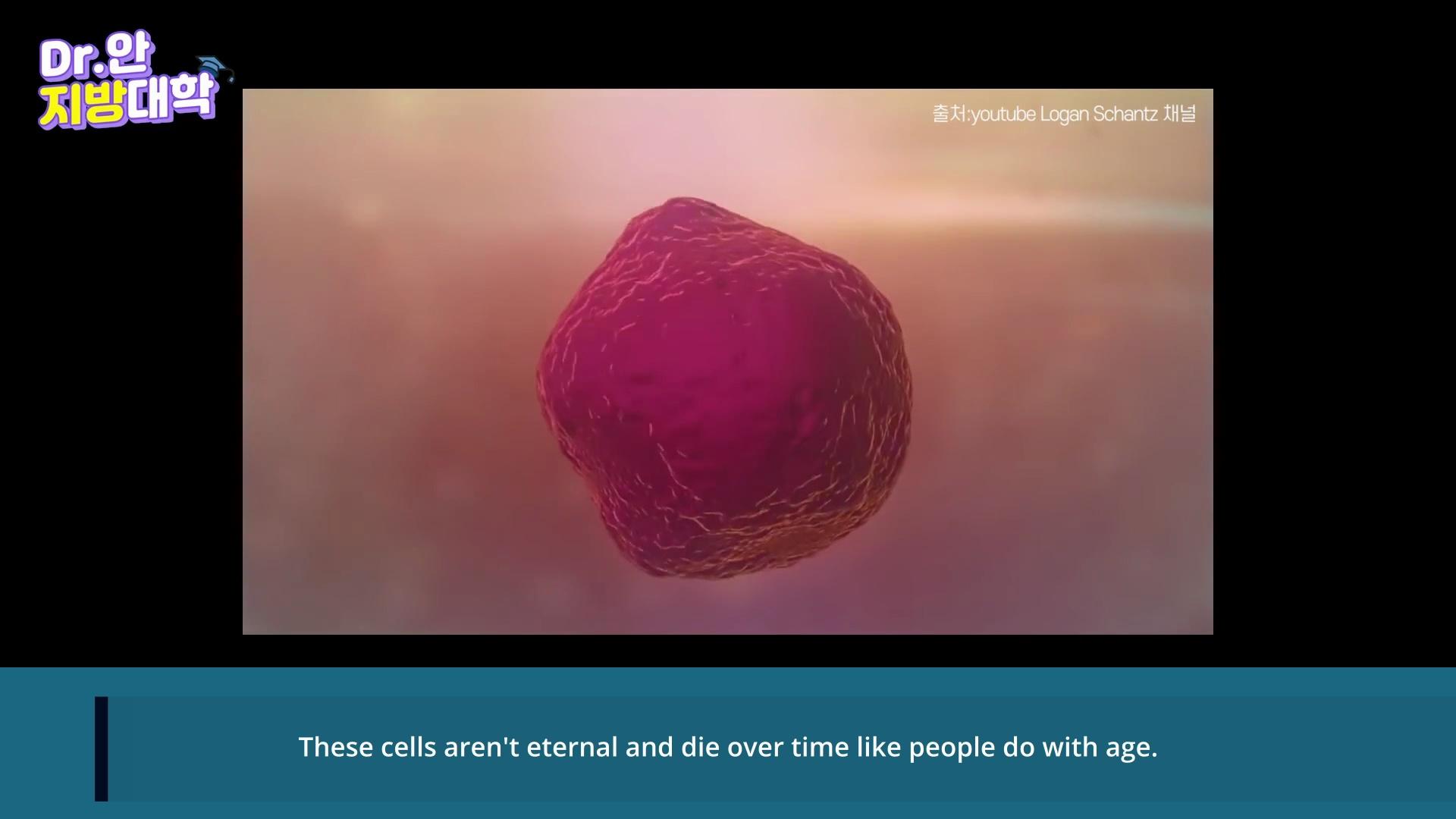
Aging, inflammation, slow recovery, and scarring are not just abstract “healing issues.” They’re all closely tied to how efficiently cells regenerate after injury or surgery. Adult stem cells sit at the center of that conversation because they help fill in the gaps when cells die and tissues need rebuilding.
What Exactly Are Adult Stem Cells?
To understand adult stem cells, it helps to contrast them with embryonic stem cells. Embryonic stem cells can differentiate into virtually all the different cell types in the human body. But once the body develops, those embryonic stem cells are no longer something you can realistically “find” circulating around in your tissues. By adulthood, the cells that make up organs and structures have already differentiated.
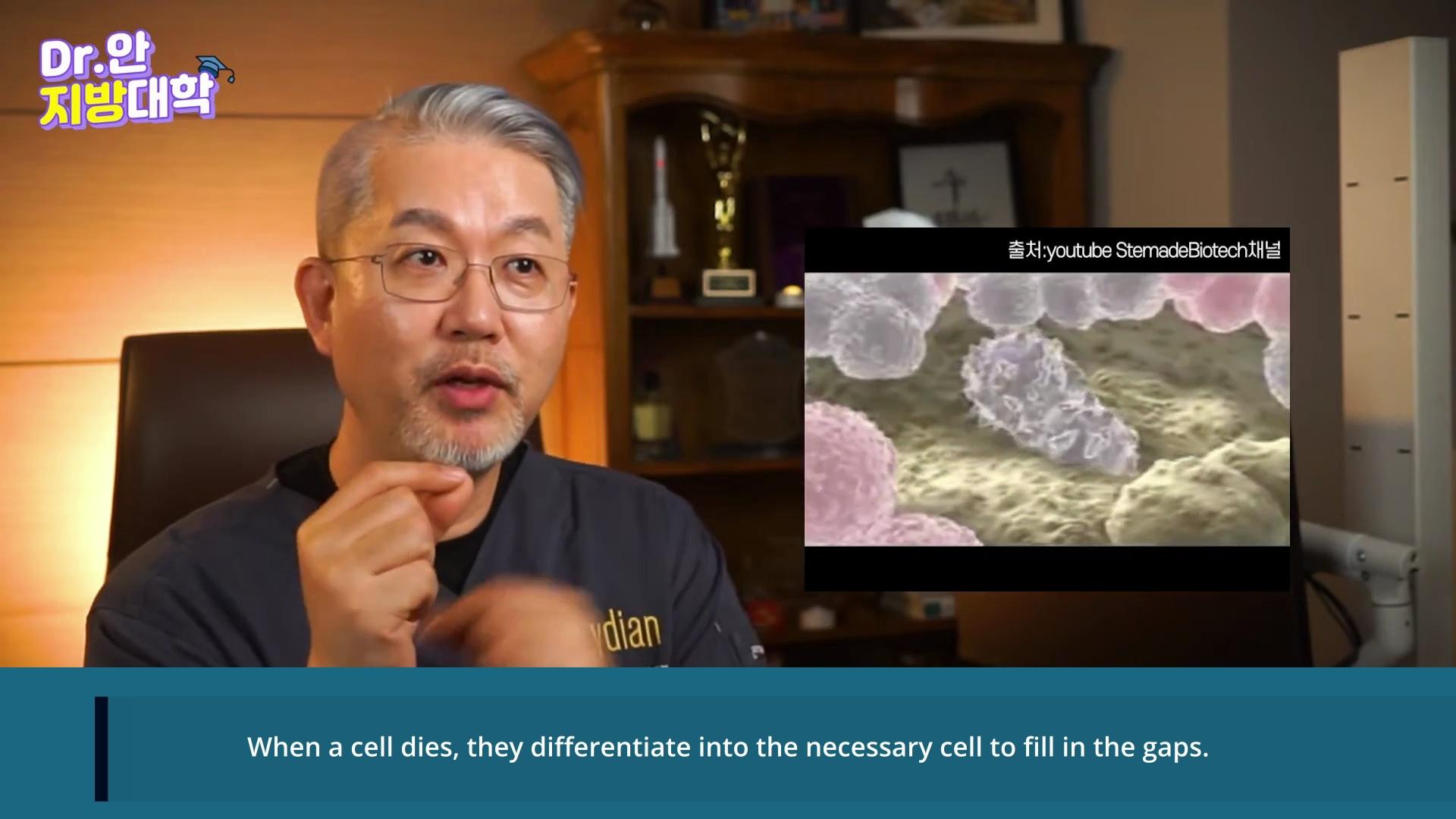
And differentiated cells don’t last forever. Just as humans age, cells also age and die. A vivid example is the lining of the intestines: after you eat, cells are shedding in real time. If the body is constantly losing cells, it must also constantly replace them—otherwise tissues would break down.
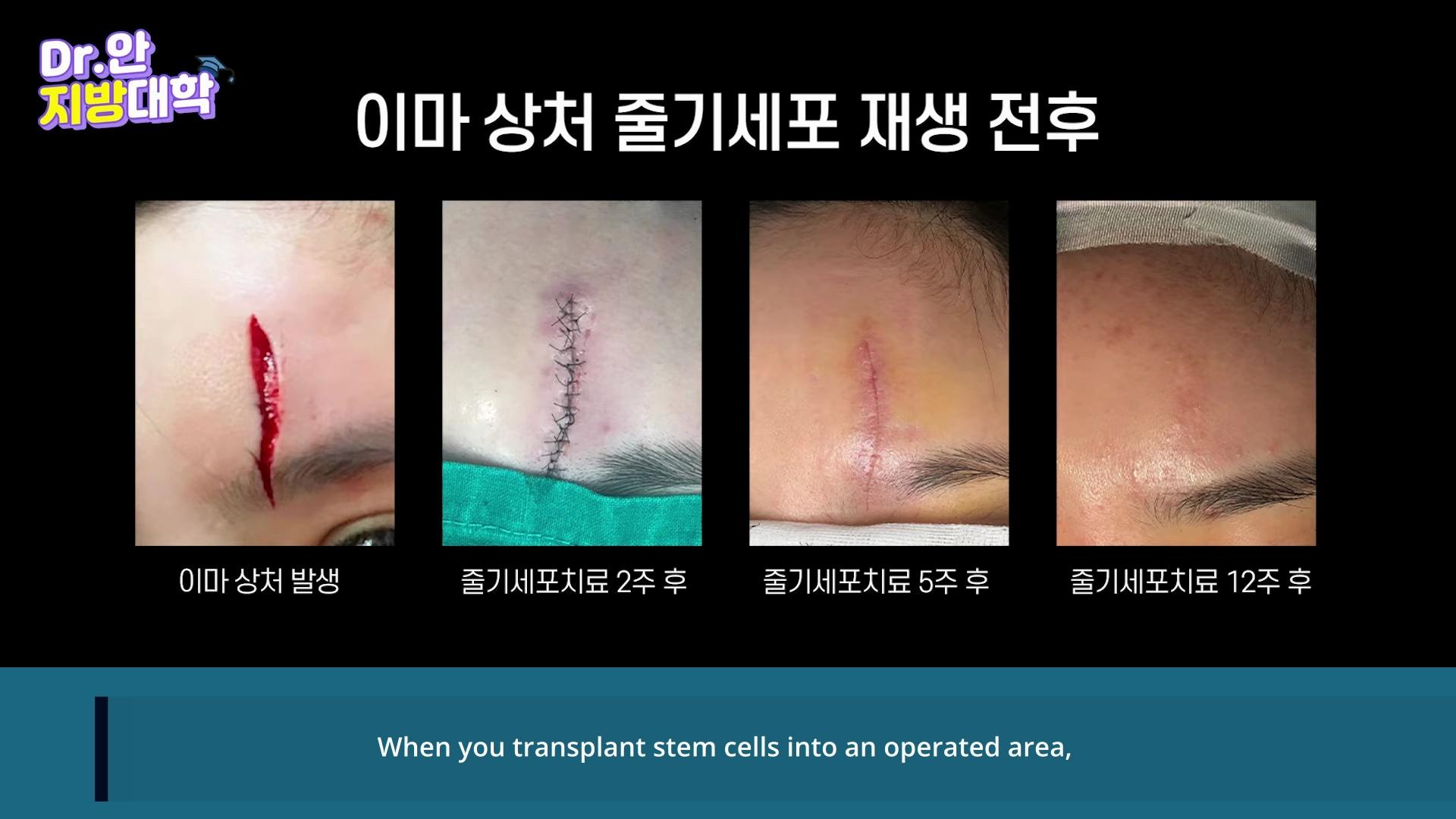
That replacement role is where adult stem cells shine. Adult stem cells can differentiate into the specific types of cells needed for repair within certain tissues. They don’t have the same broad pluripotency as embryonic stem cells, but they are extremely useful because we can work with them in the areas that need regeneration most.
How Adult Stem Cells Support Regeneration and Healing
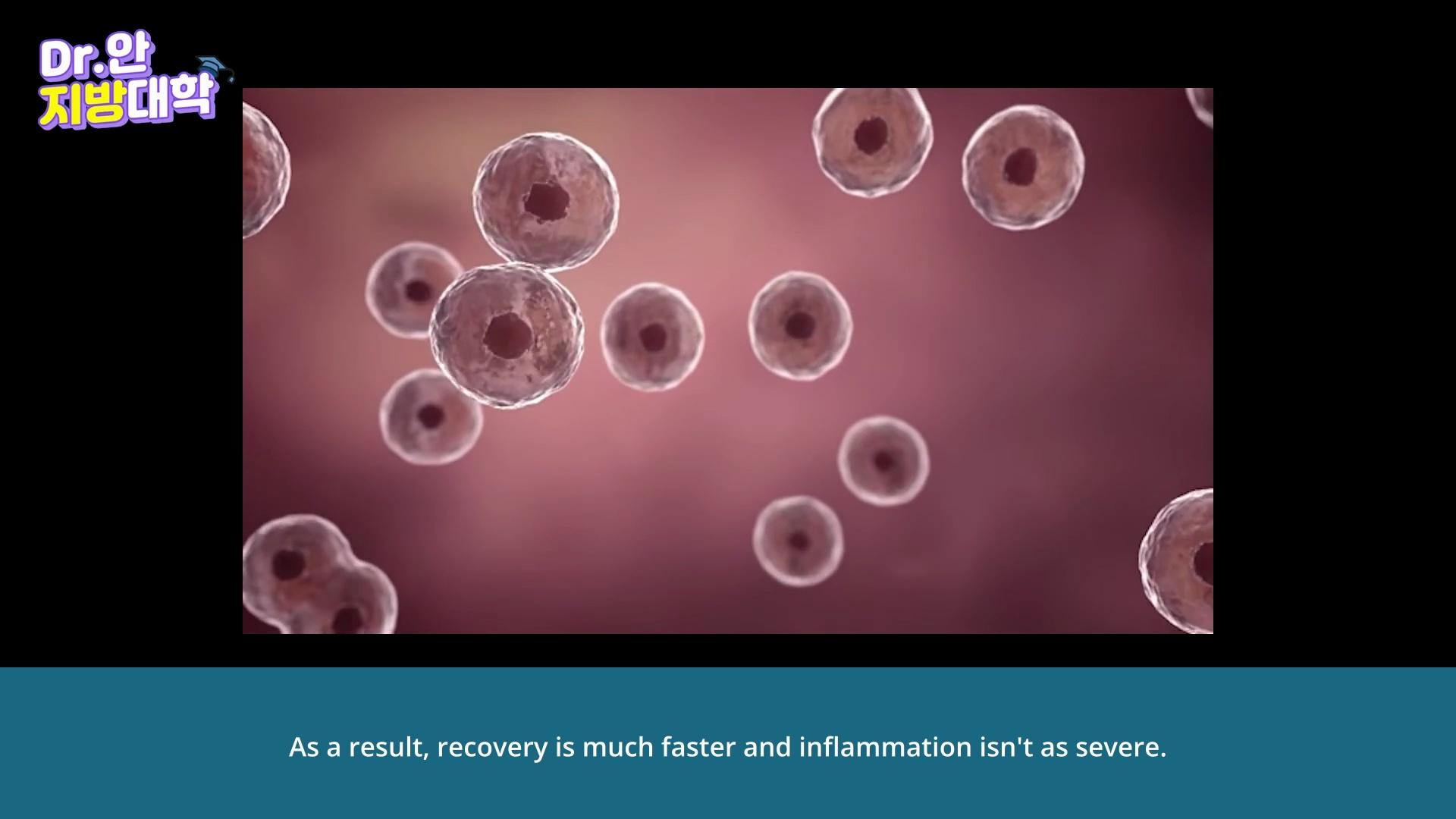
When tissue is damaged—whether by injury, inflammation, or surgery—the body needs to coordinate repair: reducing inflammation, rebuilding structural cells, and restoring blood supply. Adult stem cells help by differentiating into needed cells and supporting the regenerative environment.
In practical terms, this is why adult stem cells are a natural fit for procedures where people care deeply about recovery quality: less swelling, smoother healing, reduced scarring risk, and faster return to normal life. Those concerns are common in plastic surgery, where outcomes aren’t only about the final shape—they’re also about how the tissue heals along the way.
Adult Stem Cells in Aesthetic Plastic Surgery: The Role in Fat Grafting
One of the most straightforward ways to understand adult stem cells in aesthetics is through fat grafting. In fat grafting, fat is transplanted from one area of the body to another. When stem cells are transplanted along with that fat, they can multiply and differentiate into the cells needed to help the graft “take.”
A major reason graft survival can be unpredictable is that transplanted fat needs an adequate blood supply. Adult stem cells can support the formation of blood vessels, which improves oxygen and nutrient delivery. Better circulation means the transplanted fat is more likely to survive and integrate.
From my perspective, this is where adult stem cells stop being a vague concept and become a practical tool: they’re used to create a healthier environment for tissue survival and repair, which is exactly what patients want after many cosmetic procedures.
Beyond Cosmetics: Where Stem Cell Treatments Are Already Used
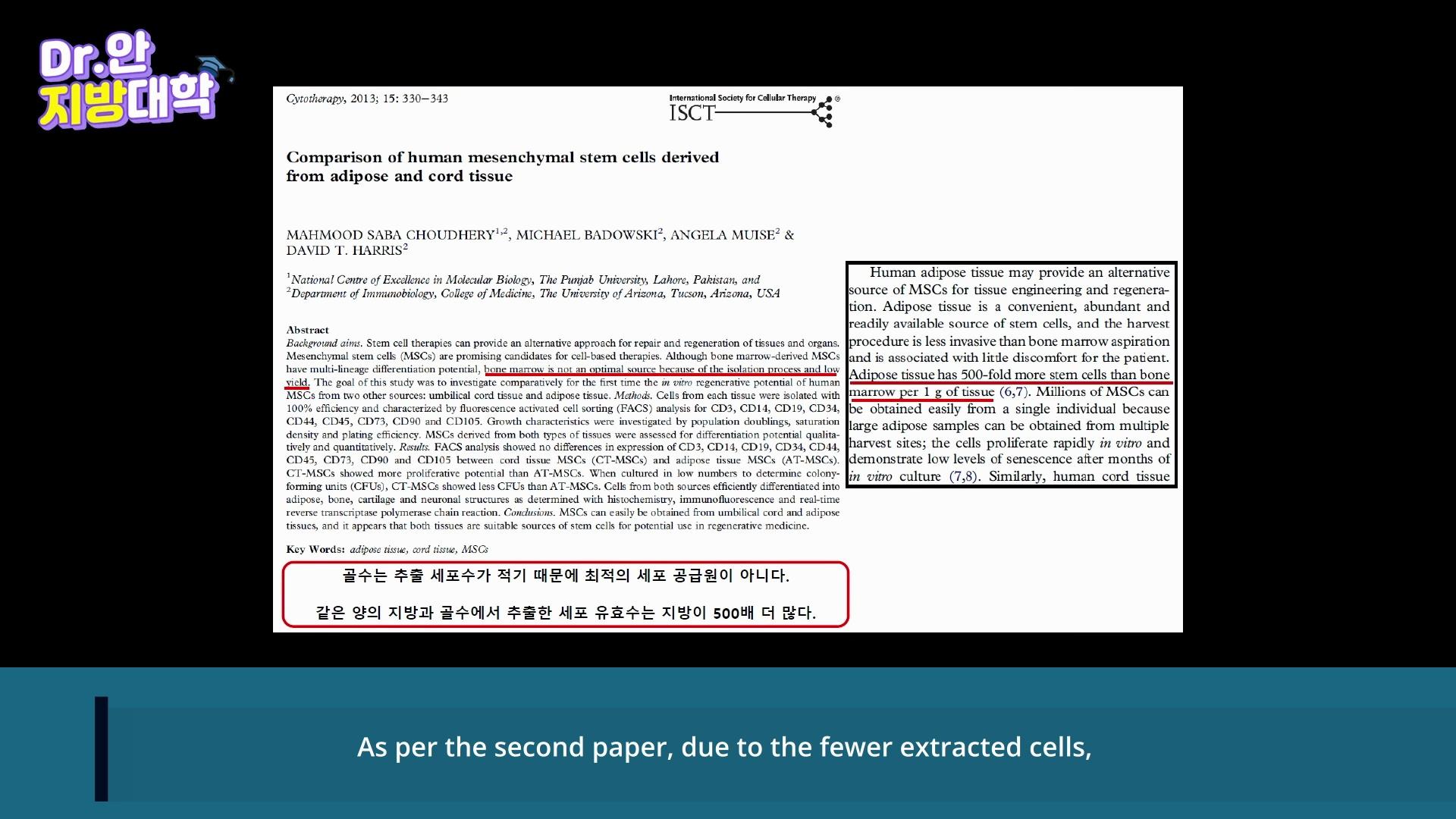
Although adult stem cells are often discussed in the context of beauty and plastic surgery, they are also used in broader medical applications. Treatments involving stem cells have been applied in conditions such as degenerative arthritis and leukemia, and the overall trend is that stem-cell-based therapies are becoming more common.
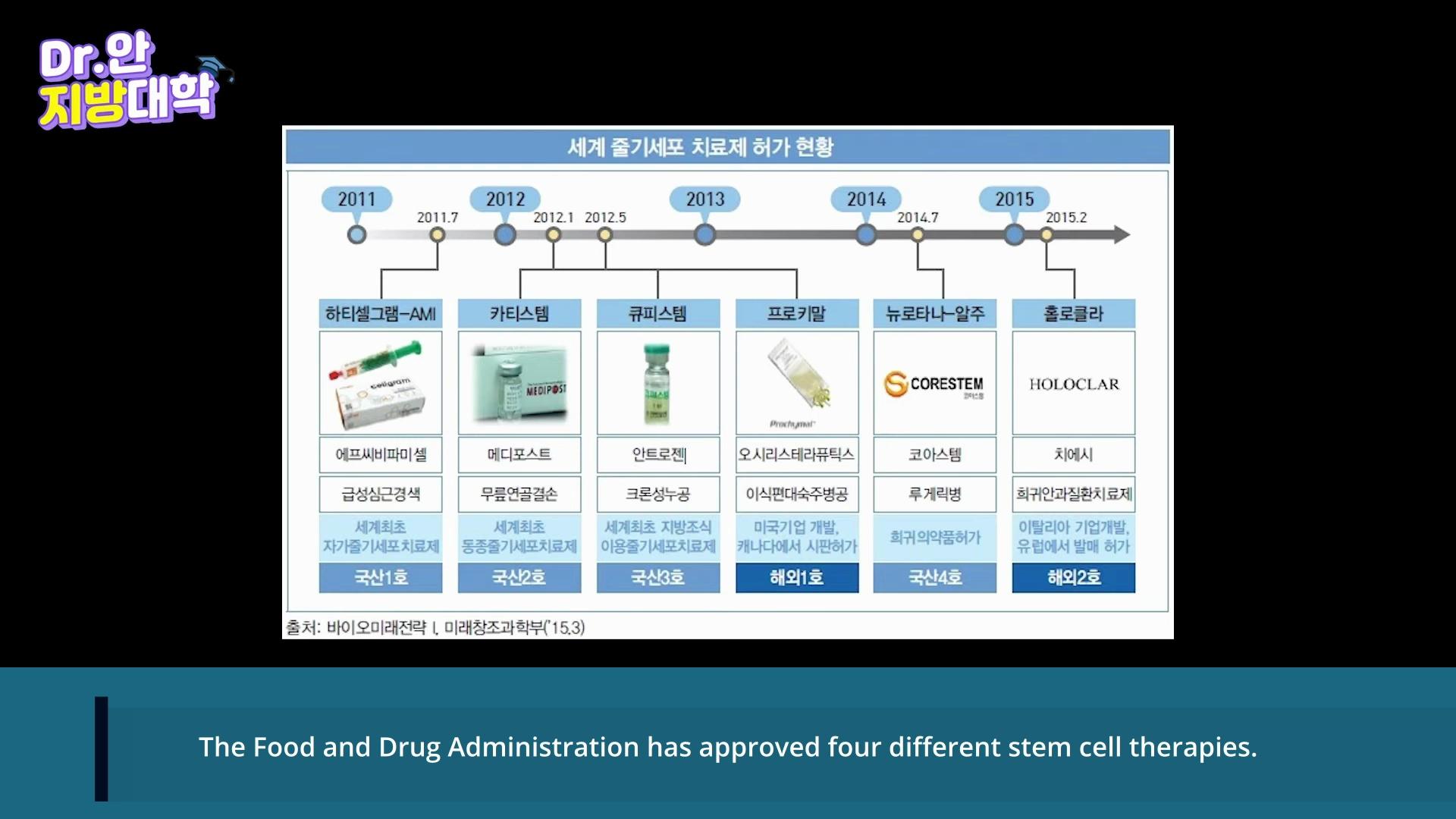
In Korea specifically, stem cell therapy has moved beyond theory into regulated clinical use. There are already more than four stem-cell-based therapies approved by the Ministry of Food and Drug Safety (MFDS). This kind of approval landscape matters because it reflects growing clinical adoption and continued development in the field.
Where Do Adult Stem Cells Come From? Bone Marrow vs. Fat
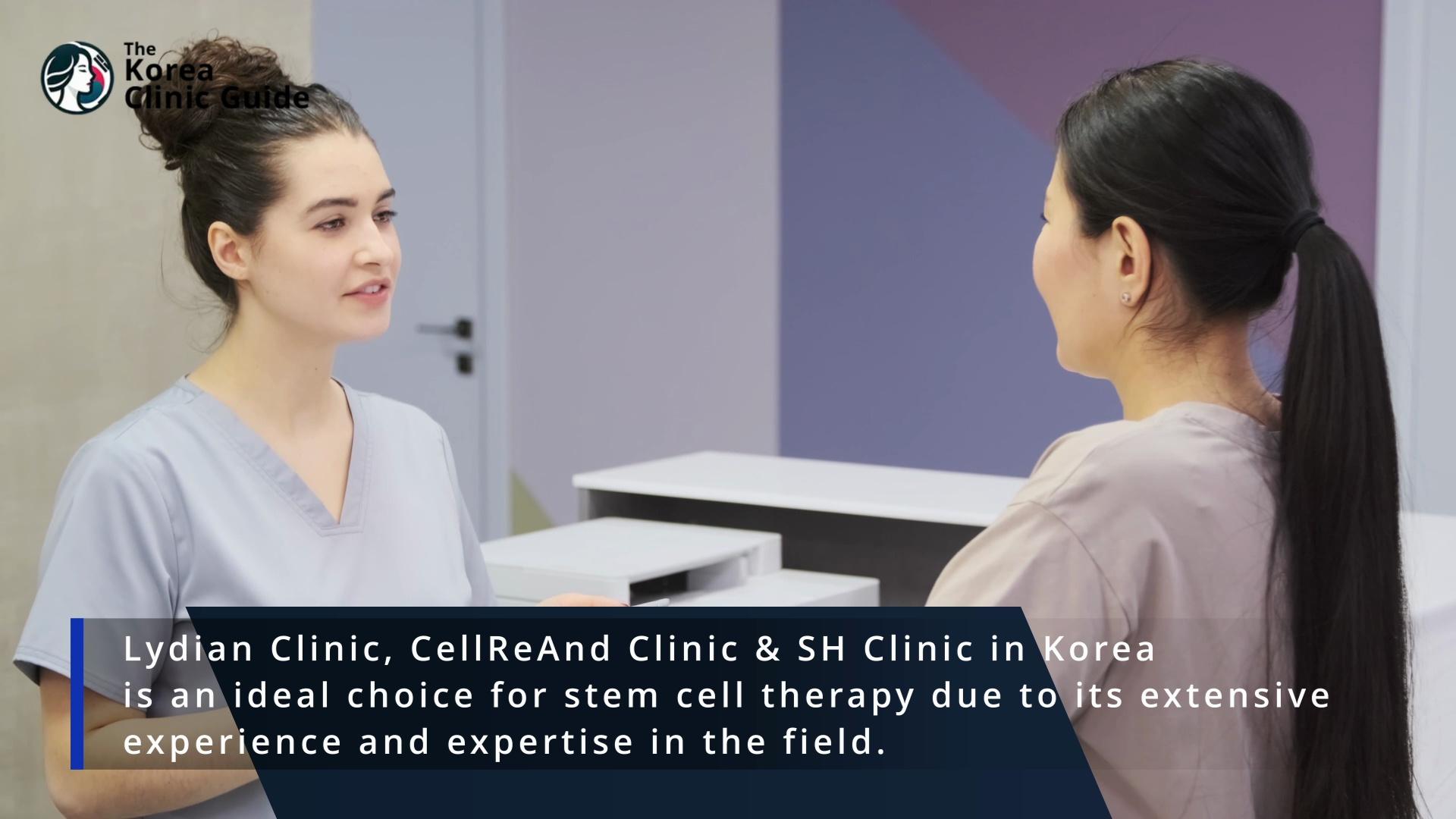
Two commonly discussed sources of adult stem cells are bone marrow and a person’s own fat (adipose tissue). In Korea, fat-based extraction is used very actively, and the reason often comes down to cell yield.
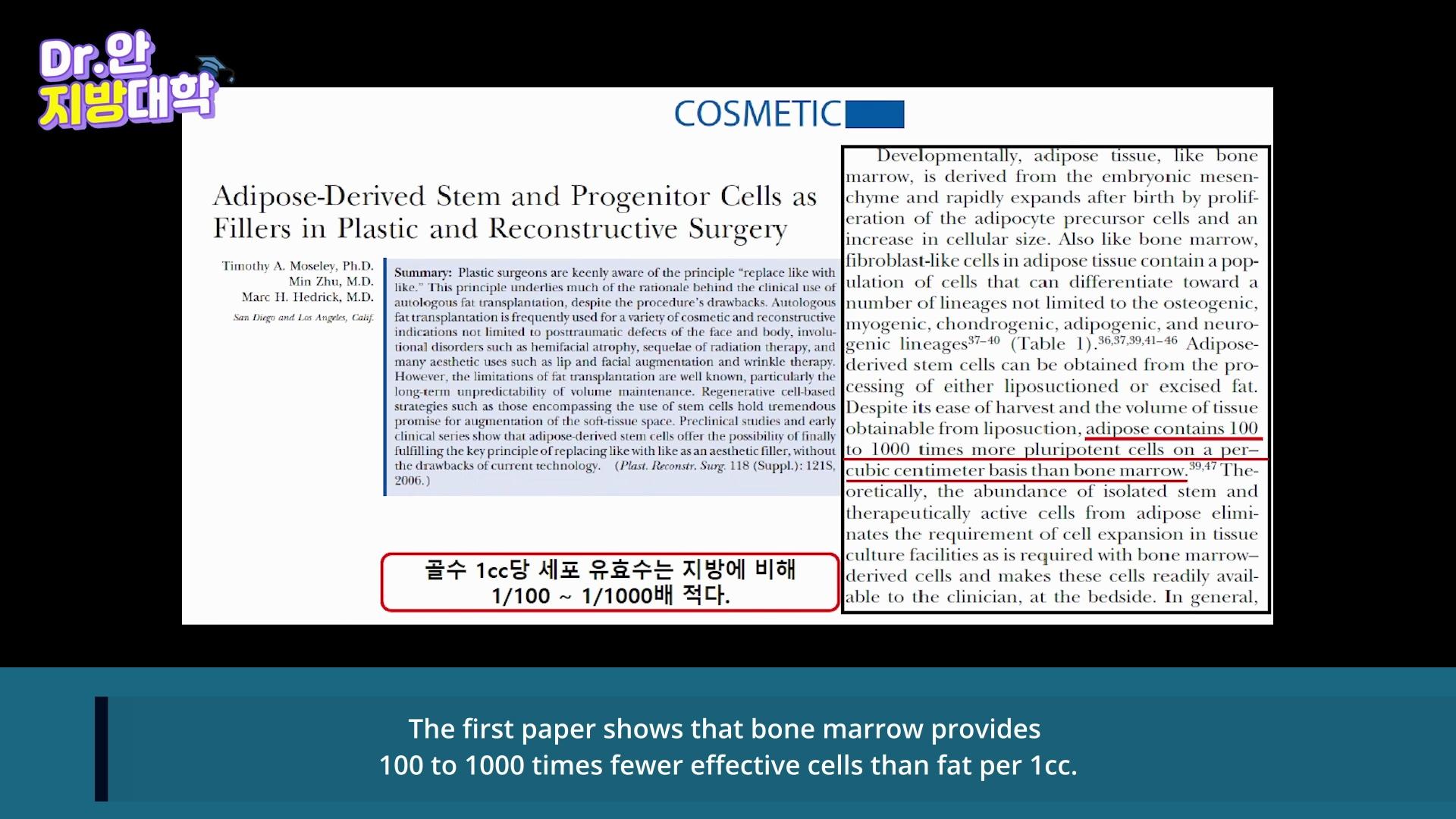
Research frequently cited in this area describes a striking difference in viable cell counts. One paper reports that the number of viable cells per 1cc of bone marrow can be 100 to 1,000 times lower than in fat. Another paper goes further, noting that bone marrow may not be an optimal cell source because the number of cells extracted can be small—and that for the same volume, fat may yield about 500 times more viable cells.
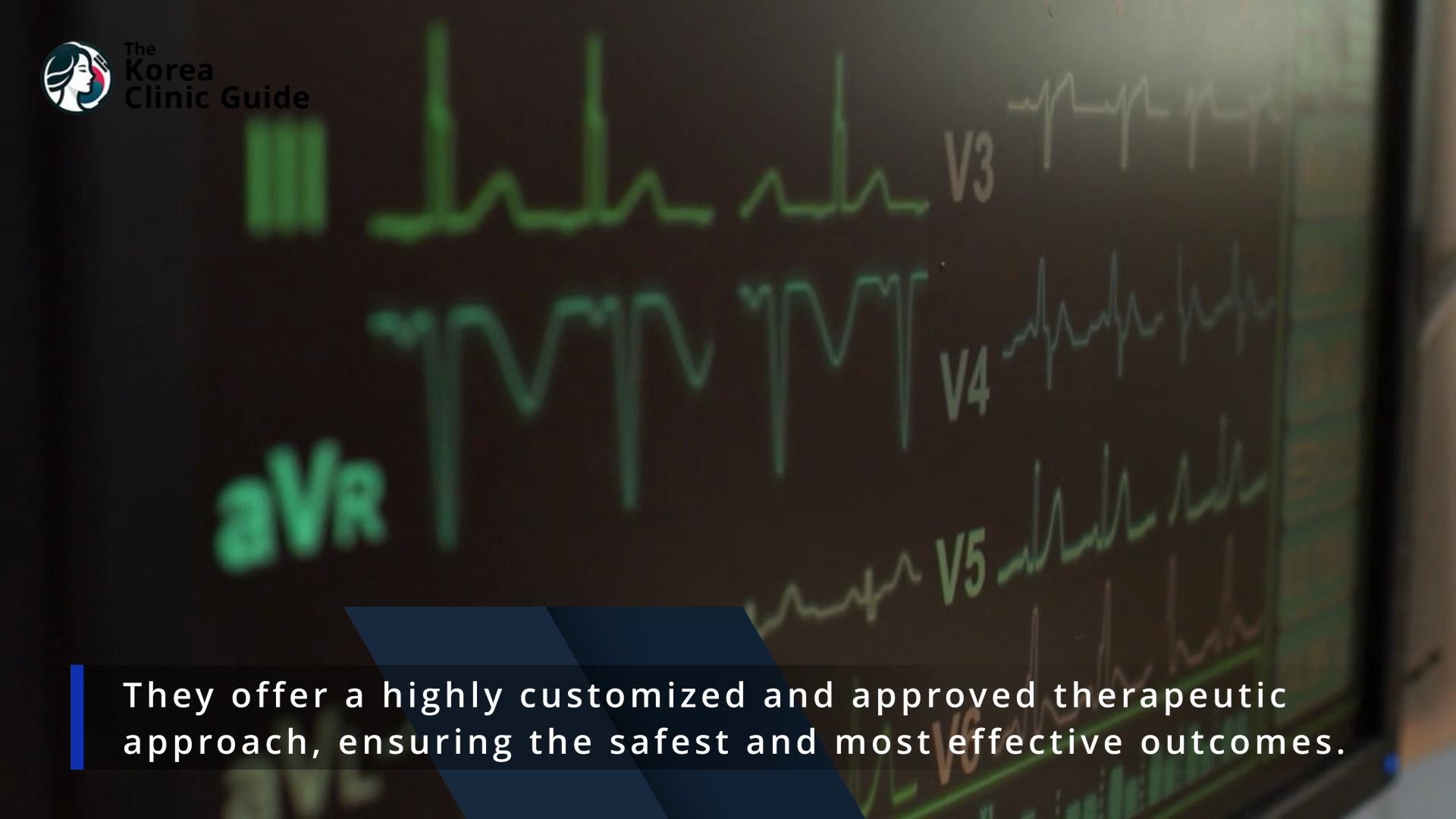
The practical takeaway is simple: if the goal is to obtain a strong volume of regenerative cells, fat can be an efficient source.
Liposuction + Stem Cell Extraction: A “Two-in-One” Opportunity
If someone is already planning liposuction, there’s a natural synergy. Fat can be removed to improve body contour, and at the same time, that fat can be used as a source for adult stem cell extraction.
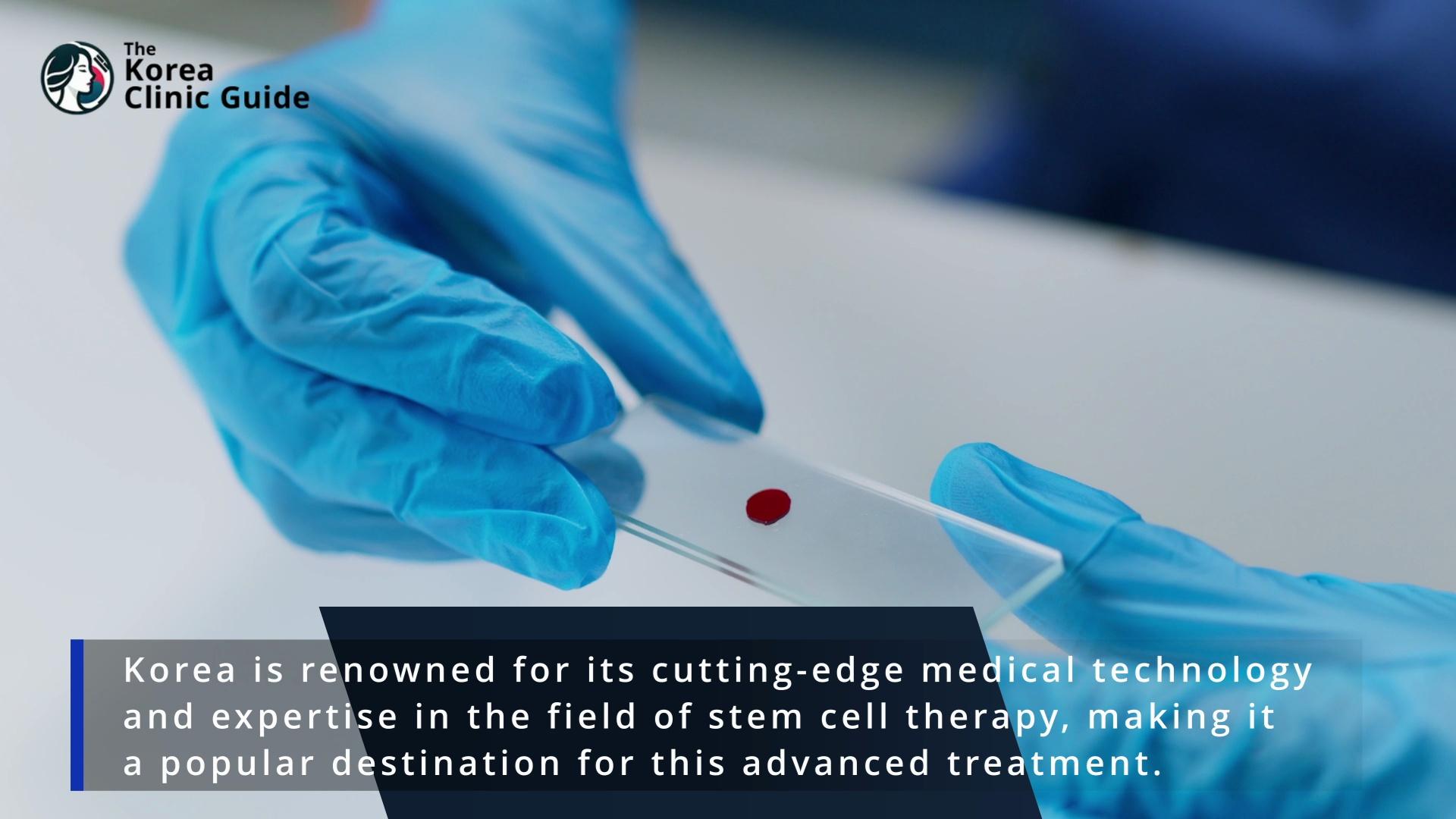
This approach can support multiple goals in one plan: contouring plus potential applications in areas like scars, breast augmentation support, or skin quality improvement. Patients often like this concept because it feels efficient—addressing aesthetic concerns while also leveraging the regenerative potential found within the same tissue being removed.
Another Approach: Delivering Stem Cells Through the Bloodstream
Not every use case involves fat grafting or local placement. Another method is administering stem cells into the bloodstream. From there, the cells circulate and may migrate naturally toward areas that are damaged or in need of repair, differentiating where necessary.
Some people also view this circulation-and-homing idea as having a preventive angle, because the body is constantly accumulating micro-damage over time. While the lived experience is subtle—people may not “feel” stem cells moving—the concept is that the cells can contribute to regenerative processes in areas that need support.
Why Fat-Derived Stem Cell Extraction Can Be Costly
Even though fat can be a rich source of viable cells, extracting adult stem cells from fat is not as simple as flipping a switch. One major limitation is equipment. The machines used to extract stem cells are not widely available, which makes them expensive.
Then there’s the human expertise. Not many professionals are trained to operate this kind of specialized equipment, so the barrier to entry is high. Finally, the extraction process itself requires extremely careful handling. I often describe it as closer to a one-on-one, custom, handcrafted process than a mass-produced lab routine. That degree of precision and individualized processing is another reason the overall treatment can become costly.
Closing Thoughts: Adult Stem Cells Are the Practical Stem Cells Now
Stem cell technology is widely talked about—and it can also be controversial, especially when people mix together very different types of stem cells as if they’re the same. Embryonic stem cells are still a long way off in terms of everyday, practical clinical use in this space. That’s why I encourage people to remember the stem cells most commonly discussed in aesthetic plastic surgery and many regenerative settings today: adult stem cells.
They exist to replace cells we naturally lose, they can be applied in targeted areas that need regeneration, and they fit naturally into procedures like fat grafting and fat-based extraction approaches. As research advances and clinical experience grows—especially in places like Korea where regulated therapies continue to develop—adult stem cells are likely to remain a central, practical tool in regenerative and aesthetic medicine.
More about Lydian Plastic Surgery Clinic
Lydian Plastic Surgery Clinic (Lydian Cosmetic Surgery & Dermatology), located in Cheongdam, Gangnam, Seoul, is a boutique destination for patients seeking adult stem cell–supported regenerative treatments alongside high-definition body contouring and aesthetic surgery, led by Dr. An Kyung Chun—recognized as one of Korea’s Top 18 Aesthetic Plastic Surgery Experts, Director of the 5D Liposculpture Academy, and listed among the World’s Top 100 Doctors in Stem Cell Aesthetic Medicine, with multiple exclusive selections in liposuction and an active role training other Korean physicians in high-definition body sculpting and advanced liposuction devices. Differentiating itself with a strict “no outdated equipment” philosophy, Lydian continuously invests in the newest medical devices from Korea and abroad, pairing technology with anatomy-based design that tailors each plan to the patient’s unique proportions, curves, and overall silhouette. Beyond the procedure itself—whether 5D liposculpture, liposuction, fat grafting enriched for regenerative goals, BBL, or facial rejuvenation—patients benefit from a structured 4-step aftercare program focused on swelling reduction, irregularity correction, skin elasticity recovery, and residual fat contouring, supporting smoother healing and refined results.
Find more about this clinic here: Lydian Plastic Surgery Clinic