
Age-related Length Reduction
Description
Age-related length reduction—often referred to as "penile shrinkage," "penile atrophy," or "penis shortening with age"—is a common concern among men, especially as they reach their 40s, 50s, and beyond. Over time, it’s normal for both flaccid and erect penis length to decrease slightly due to changes in blood flow, natural drops in testosterone, weight gain (sometimes called "buried penis"), and the effects of certain health conditions and medications. While this gradual loss of length can be distressing, it’s important to understand that many contributing factors are manageable, and perceived size loss is a frequent issue fueled by body image worries. South Korea offers advanced consultations and treatments—both non-surgical and surgical—for those seeking medical solutions or reassurance about penile health, with cutting-edge procedures designed to restore confidence and maximize results in a safe, supportive environment.
Procedures that treat this ailment: Penis Lengthening
Search
Categories
Related Posts

Top Age-related Length Reduction Clinics
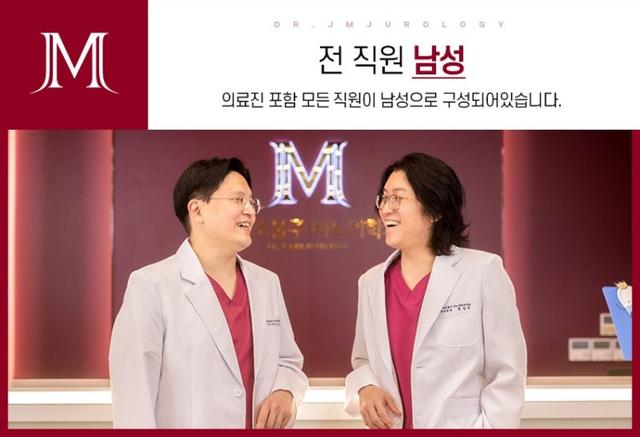
Dr.JMJ Urology
Sinnonhyeon Station
Free consultation from the clinic
Dr.JMJ Urology Clinic in Seocho specializes in men's health and urological surgeries, providing comprehensive care with hospital-grade facilities and experienced medical staff. Men’s Enhancement and Sexual Health Procedures Penile Enlargement (Phalloplasty): This procedure is designed to increase the girth of the penis using advanced surgical techniques. The clinic employs multiple-layer suturing and safe medical materials to achieve natural-looking results. Penile Lengthening Surgery: This surgery aims to increase penile length by releasing the supporting ligament and repositioning the penis. Careful attention is paid to both function and appearance to ensure patient satisfaction. Glans Enhancement (Glans Augmentation): This procedure enhances the size and contour of the glans (head) of the penis for greater confidence and improved aesthetics. It is performed using safe and medically approved substances. Premature Ejaculation Surgery: Aimed at treating premature ejaculation, this minimally invasive procedure targets sensitive nerve pathways. It can help improve control during intercourse and enhance sexual satisfaction. JMJ5 Combination Surgery: This surgery combines penile enlargement, lengthening, glans enhancement, premature ejaculation correction, and erectile function management in a single bundled procedure. It is designed for men seeking comprehensive improvement in overall penile function and appearance. Erectile Dysfunction Treatment Inflatable Penile Implant Surgery: An inflatable prosthesis is surgically implanted into the penis to provide control over erections. Patients can achieve a natural-feeling erection and restore sexual confidence after severe erectile dysfunction. Malleable Penile Implant Surgery: In this procedure, a bendable rod is inserted into the penis, allowing the patient to position it as needed for intercourse. This is a durable, straightforward solution for erectile dysfunction that does not respond to medication. Prostate and Urological Procedures Benign Prostatic Hyperplasia (BPH) Surgery: This surgery addresses enlarged prostate issues by reducing tissue and improving urinary flow. The clinic uses minimally invasive techniques aiming for fast procedures, minimal discomfort, and rapid recovery. UroLift Procedure: UroLift is a minimally invasive treatment for BPH (enlarged prostate) that lifts and holds apart the enlarged prostate tissue, relieving pressure on the urethra. It allows patients to preserve sexual function and return quickly to daily activities. Rezūm Water Vapor Therapy: This procedure uses steam to ablate excess prostate tissue and improve urinary symptoms caused by BPH. It is non-surgical and preserves sexual function, with minimal recovery time. General Urological Surgeries Circumcision: Circumcision is a surgical procedure to remove the penile foreskin, commonly performed for medical, hygienic, or cultural reasons. The clinic offers safe, precise, and aesthetically focused circumcision for adult men. Vasectomy: Vasectomy is a permanent male sterilization procedure that cuts or seals the vas deferens to prevent sperm from entering the semen. It is a safe, minor outpatient procedure with a short recovery period. Dr.JMJ Urology Clinic is dedicated to providing safe, effective, and personalized care for all men’s urological and sexual health needs.
learn more

GoldMan Urology Clinic - Incheon
Incheon Terminal Station
Free consultation from the clinic
GoldMan Urology Clinic - Incheon is a renowned clinic offering advanced urological treatments with a patient-oriented approach. Penile Augmentation: Direct Glans Augmentation: This procedure involves enhancing the size and shape of the glans penis using specialised techniques. Artificial Derma: Utilizes a synthetic dermal graft to enhance penile dimensions. Autologous Derma: Involves using the patient's own dermal tissue for penile enlargement, ensuring biocompatibility and natural results. Silicone Implant: Silicone implants are surgically inserted to increase penile size and improve appearance. Injecting Fillers: Non-surgical procedure using dermal fillers to enhance the girth and contour of the penis. Non-scalpel Vasectomy: This is a minimally invasive procedure offering a permanent method of contraception without the need for incisions. It reduces the risk of complications and allows for a quicker recovery compared to traditional vasectomy methods. Laser Circumcision: A quick and precise circumcision method using laser technology to remove the foreskin. This technique minimizes bleeding, reduces pain, and accelerates the healing process. Benign Prostate Hyperplasia (BPH): Specialized treatments aimed at alleviating symptoms of benign prostate enlargement. These treatments can range from medication management to advanced surgical procedures depending on the severity of the condition. GoldMan Urology Clinic is dedicated to providing state-of-the-art procedures with a focus on patient safety, comfort, and satisfaction.
learn more
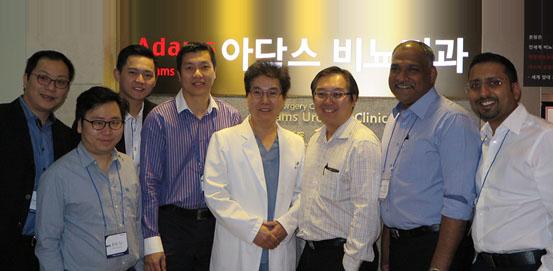
Adams Urology
Samsung Station
Free consultation from the clinic
Adams Urology in Samsung offers a range of urological procedures using advanced technologies to ensure effective treatment and patient care. Below are the main procedures grouped into respective categories: Sexual Health Procedures Penile Implant Surgery (Inflatable Penile Prosthesis): This procedure involves the insertion of a device into the penis to allow men with erectile dysfunction to achieve an erection. The device can be pumped up when an erection is desired and deflated afterward. Glans Penis Augmentation: This surgery involves the enhancement of the glans (head) of the penis using fillers or implants. The procedure is aimed at increasing the size of the glans for either aesthetic or functional purposes. Prostate Health Procedures Prostate Surgery: This includes various surgical methods to treat benign prostatic hyperplasia (BPH) or prostate cancer. Techniques may range from traditional open surgery to minimally invasive methods like laser therapy. Adams Urology also provides consultations and post-operative care to ensure patient satisfaction and effective outcomes.
learn more