
Medical Tourism Blog
Sculptra in Korea: Treatment Process, Recovery, Safety, and Travel Planning
Table of contents
- Sculptra at a Glance
- What Is Sculptra?
- Who Is a Good Candidate for Sculptra?
- How Is Sculptra Performed?
- Why Visit Korea for Sculptra?
- Key Information for International Patients
- Which Are the Best Clinics in Korea for Sculptra?
- Sculptra From Start to Finish
- Alternatives to Sculptra
- How Can I Prepare for Sculptra?
- Aftercare Advice
Considering treatment in Korea? Everything you need to know e.g. — how to avoid scams, visas, interpreters, recovery tips — in our Medical Tourism Master Guide. Plan with confidence in minutes, not weeks!
Last updated: September 2026
Sculptra at a Glance
- What it is — Sculptra is an injectable poly-L-lactic acid (PLLA) collagen stimulator for gradual facial volume restoration; unlike hyaluronic-acid filler, it does not create an immediate, reversible gel result.
- Best candidates — It suits adults with diffuse facial volume loss, cheek lines, folds, or creasing who want progressive improvement and can complete a staged plan; it does not reliably correct major jowling, ptosis, or excess skin.
- Treatment schedule — A typical facial course uses 2–3 sessions spaced at least 3–4 weeks apart, with a meaningful outcome review 2–6 months after the final planned session.
- Results and longevity — Early fullness from the water carrier fades, while collagen-mediated improvement develops over weeks; some studies report benefits lasting at least 25 months, but individual durability varies.
- Recovery — Redness, tenderness, swelling, itching, bruising, and temporary firmness usually resolve within days, although bruising can last longer; follow the injector’s massage instructions, often the 5-5-5 routine.
- Key risk — Superficial or concentrated placement can cause delayed palpable or visible nodules, and rare vascular injury can threaten skin, vision, or neurologic function; severe pain, skin color change, or visual symptoms require urgent assessment.
- Korea travel planning — Plan 2–3 nights for one uncomplicated session and expect separate trips or home-clinician handover for later sessions; verify the clinic’s foreign-patient registration, exact product and lot, local indication, and English follow-up plan.
What Is Sculptra?
Sculptra is an injectable poly-L-lactic acid collagen stimulator that gradually restores facial volume rather than creating immediate gel-like fullness. It addresses diffuse volume loss, cheek lines, folds, and creasing for people seeking progressive facial rejuvenation. Sculptra is a minimally invasive, non-surgical injectable treatment.
Who Is a Good Candidate for Sculptra?
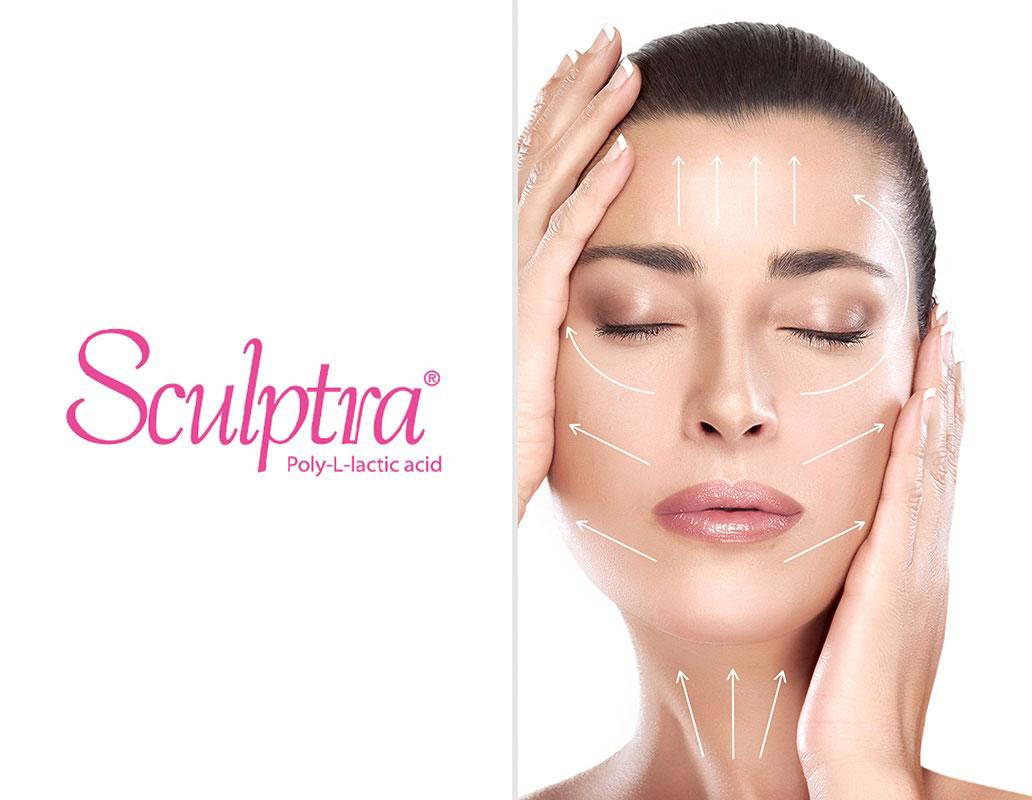
- Adults seeking gradual volume restoration — Good candidates want progressive improvement in diffuse facial volume loss, cheek fine lines, nasolabial folds, or creasing rather than instant contour change.
- People able to complete a staged plan — Treatment commonly involves two or three sessions, generally spaced at least 3–4 weeks apart, followed by a result review 2–6 months after the final planned session.
- Patients with realistic expectations — Sculptra is a poly-L-lactic acid (PLLA) collagen stimulator, not a hyaluronic-acid (HA) gel filler. Early fullness from the water carrier fades and is not the final result.
- Patients with stable facial health — The assessment should separate volume loss from skin laxity, pronounced jowling, major asymmetry, and skin excess. Sculptra does not reliably correct substantial ptosis or excess skin.
Sculptra is not appropriate for anyone with hypersensitivity to PLLA, carboxymethylcellulose, or mannitol; a history of anaphylaxis or multiple severe allergies; or keloid or hypertrophic-scar susceptibility. Postpone injections for pimples, cysts, rash, sores, hives, or infection near the planned area. Safety has not been established in patients under 18 or during pregnancy and breastfeeding, so elective treatment is ordinarily deferred. Lidocaine allergy matters when lidocaine is added to the reconstituted product; bleeding disorders, blood-thinning medicines, immunosuppression, autoimmune or connective-tissue disease, permanent fillers, and prior delayed filler reactions require individualized medical assessment.
How Is Sculptra Performed?
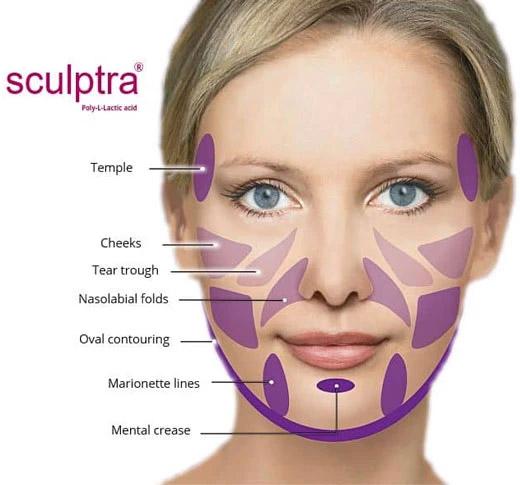
There are no consumer-facing “types” of Sculptra. The treatment plan changes with facial anatomy, skin thickness, degree of volume loss, prior procedures, and the injector’s technique; no single evidence-based protocol applies to every face.
- Needle or blunt cannula — A needle permits precise deposits; a cannula distributes product through fewer entry points in selected areas. Neither device eliminates vascular injury risk.
- Injection plane and pattern — The injector selects the tissue layer and distribution pattern for areas such as the cheeks and nasolabial folds. Superficial or concentrated placement increases the chance of palpable or visible papules and nodules.
- Reconstitution and dilution — Sterile water reconstitutes the PLLA powder, and lidocaine can be added for comfort. Dilution and resting time are technical choices that influence spread and treatment planning.
- Session dose and distribution — Historical protocols permitted up to four sessions at three-week intervals; contemporary facial courses are often staged over two or three sessions at least 3–4 weeks apart. Vial number and area distribution should follow examination findings rather than a fixed package.
- Facial versus nonfacial treatment — US labeling covers facial wrinkles and cheek fine lines and wrinkles in immunocompetent adults. Treatment of temples, jawline, neck, chest, hands, abdomen, buttocks, or thighs can have a different local indication or be off-label; evidence for many nonfacial uses remains less mature than facial evidence.
Why Visit Korea for Sculptra?
South Korea has a large international aesthetic-care sector and established systems for registered institutions treating overseas patients. This can make multilingual coordination and local post-injection review practical for travelers. It does not prove that Sculptra in Korea produces better safety, durability, or aesthetic outcomes than treatment elsewhere.
- High international dermatology volume — Official 2024 reporting recorded 1,170,467 foreign patients from 202 countries, with dermatology accounting for about 705,000 patients, or 56.6% of the total, indicating substantial access to aesthetic dermatology services for visitors.
- International-patient registration framework — Institutions registered to attract foreign patients must meet requirements that include malpractice liability insurance, under the Medical Korea registered-institution framework.
- Product verification matters — Korea’s MFDS medical-device approval database is the appropriate source for current product records. Confirm the exact product presentation, local indication, lot number, and instructions for use with the treating institution before paying or traveling.
- Evidence limitation — A 2024 review found favorable facial PLLA results in several trials lasting at least 25 months, but judged the overall evidence low quality because protocols, outcomes, and study quality varied substantially. Country-level patient volume is not comparative Sculptra outcome evidence.
Key Information for International Patients
- Minimum stay — Plan 2–3 nights for an uncomplicated facial session: consultation and treatment, plus 1–2 days for in-person review of early swelling, bruising, or an unexpected problem.
- Repeat visits — Sessions are generally separated by at least 3–4 weeks. A multi-session course usually requires separate Korea trips or an agreed handover plan with a qualified clinician at home.
- Flying — US patient labeling does not give a universal post-Sculptra flight restriction. The 2–3-night stay is a conservative logistics recommendation, not a proven safety threshold. Do not fly onward with severe pain, skin color change, visual symptoms, or neurologic symptoms.
- Itinerary impact — Redness, tenderness, swelling, itching, minor bleeding, and bruising are common short-term effects and usually settle within days; bruising can last longer. Avoid scheduling major photographs, media appearances, or strenuous tours immediately after treatment.
- Records for home care — Obtain an English procedure note, consent, product and lot record, injection map and volumes, standardized photographs, written aftercare, and an after-hours clinic contact before departure.
- Remote follow-up — Arrange photo-based follow-up before treatment and confirm who will assess delayed nodules, persistent swelling, or suspected infection after you return home.
Travel note: A local injector may be reluctant to manage an overseas treatment complication without complete records. Keep your documents and clinic emergency contact accessible throughout the trip.
Which Are the Best Clinics in Korea for Sculptra?
Listed below are some of the best clinics in Korea for sculptra.
1. B.V Clinic
You may consider B.V Clinic if you want to discuss Sculptra alongside a broader non-surgical approach to facial volume loss and laxity. While the provided information does not specifically confirm Sculptra, it does describe individualized volume-lifting plans, collagen-focused skin tightening, and post-treatment regeneration care that may be relevant when planning an injectable rejuvenation strategy.
- URL: B.V Clinic Website
- Location: Seoul
- Related rejuvenation options:
- Volume lifting is offered to address depleted facial volume and reduced elasticity while supporting natural facial structure.
- Shurink HIFU, Potenza radiofrequency, and Thor radiofrequency treatments are available for skin tightening and collagen-focused care.
- Thread-lifting options include 3D thread lifting, full-face lifting, and treatment focused on upper-face laxity and forehead wrinkles.
- Aftercare and wellness:
- The clinic describes post-treatment skin-regeneration management intended to minimize swelling and support elasticity, including skincare products and ultrasound-based care.
- Wellness options include detox injections, vitamin drips, and immune-support treatments.
2. Hev Clinic
You may consider Hev Clinic for Sculptra if you want a collagen-stimulating injectable plan overseen consistently by a board-certified dermatologist. The clinic describes Sculptra as a poly-L-lactic-acid treatment that gradually improves facial volume and firmness over a series of sessions, with results maintained for about 18–24 months, and it bases treatment planning on consultation and AI-assisted skin analysis.
- URL: Hev Clinic Website
- Location: Gangnam-gu, Seoul
- Sculptra details:
- Sculptra is presented as a collagen-stimulating poly-L-lactic-acid injectable for gradual improvement in volume and skin firmness.
- Improvement is designed to build across a series of sessions rather than appear as an immediate volumizing result.
- The clinic states that results may be maintained for approximately 18–24 months.
- Dermatologist-led care:
- Dr. Shin Ji-yeon is a board-certified dermatologist whose stated areas of focus include well-aging, structural dermal restoration, device-based lifting, and customized non-surgical facial contouring.
- The same attending dermatologist performs care from consultation through procedure completion, according to the clinic.
- The clinic describes anatomy-based planning intended to reduce the risk of nerve and vascular injury, along with cannula and needle techniques for injectable treatments.
- Planning and comfort:
- AI diagnostic equipment is used to assess factors including skin thickness, aging, and pigment depth for an individualized plan.
- A non-sedation pain-control anesthesia system allows you to communicate during treatment.
- The clinic uses a 100% appointment-based private care model and provides post-treatment care with its Repair Barrier Cream.
- Maintenance planning may be aligned with an approximately 3–4-week skin-cell regeneration cycle.
- Related treatments:
- Other injectable and regenerative options include Juvelook, Rejuran, Profhilo, PRP, Re2O, Botox, and hyaluronic-acid fillers.
- Ultherapy, Thermage FLX, HIFU, and ONDA are available for non-surgical lifting, tightening, or contouring.
- RF microneedling, Fraxel, CO2 laser, chemical peels, and microneedling are available for texture, pores, scars, and resurfacing concerns.
3. Club Miz Lamiche Clinic
You may consider Club Miz Lamiche Clinic for Sculptra if you want collagen-stimulating volume restoration included within a customized aesthetic plan. The clinic lists Sculptra among its injectable “petit” treatments alongside Olydia and Ellansé, and describes 1:1 treatment planning supported by individual treatment rooms and 4D skin analysis.
- URL: Club Miz Lamiche Clinic Website
- Location: Songpa-gu, Seoul
- Sculptra and injectable options:
- Sculptra is listed as an injectable option for volume restoration and collagen stimulation.
- Other listed injectable options include Olydia, Ellansé, fillers, Botox, Rejuran Healer, Juvelook, Belotero, water-light injections, and double-chin injections.
- Thread lifting and Baby Shot are also listed among minimally invasive rejuvenation treatments.
- Personalized treatment setting:
- The clinic describes 1:1 customized treatments in private individual treatment rooms.
- 4D skin-analysis technology is available to support treatment planning.
- The clinic reports 22 years of clinical experience since opening in 2002.
- Complementary skin and lifting treatments:
- Available tightening and contouring options include Ulthera, Thermage FLX/CPT, InMode, Oligio, BBL, and Enerjet.
- Fraxel Dual, Legato 2, PDT, and other laser or energy treatments are listed for acne, pores, scars, and skin texture.
- Excel V, Picosure, BBL, and other devices are listed for pigmentation and redness concerns.
- Scheduling: Evening hours are offered on Monday, Wednesday, and Friday, and the clinic is open on Saturdays.
Sculptra From Start to Finish
- Remote inquiry and consultation — Send clear, unfiltered front and side photographs, a medical history, current medicines and supplements, allergy history, and details of prior fillers, threads, implants, fat grafting, facial surgery, and energy-based treatments. Confirm English communication or interpreter arrangements.
- Treatment planning before travel — Ask for the exact Sculptra product, anticipated treatment areas, proposed number of sessions, estimated vial use, injection device, planned aftercare, complication escalation process, and whether the proposed use matches the local product indication.
- In-person assessment — The clinician examines volume loss, facial asymmetry, skin quality, laxity, scars, and active skin disease. Standardized photographs are taken, and the plan changes if the concern is better addressed with HA filler, fat grafting, skin tightening, or surgery.
- Consent and preparation — Review gradual onset, the lack of HA-style hyaluronidase reversal, bruising and nodule risk, rare vascular complications, and staged-treatment expectations. A healthy patient receiving topical or local anesthetic normally does not need fasting.
- Injection session — Makeup is removed and skin is cleansed. Reconstituted PLLA suspension is injected using a needle or cannula at planned depths and patterns; topical anesthetic, local anesthetic, or lidocaine in the product can improve comfort. Facial treatment is generally an office procedure.
- Immediate review and discharge — The clinician checks early symmetry, bleeding, pain, and skin color, then provides massage and activity instructions. Expect temporary swelling or fullness; neither represents the final collagen-mediated result.
- Korea-based early recovery — Remain locally available for 1–2 days after treatment. Contact the clinic promptly for worsening pain, unusual swelling, blanching, dusky or mottled skin, or a spreading rash.
- Staged treatment and remote follow-up — Complete further sessions no sooner than 3–4 weeks apart when indicated. Assess meaningful change over weeks and arrange a formal outcome review 2–6 months after the final planned session.
Alternatives to Sculptra
The best alternative depends on whether the main problem is focal contour loss, diffuse volume loss, mild laxity, or significant skin descent. Injectable options avoid surgery but have different materials, reversibility, and delayed-reaction profiles; surgery offers more structural correction but requires longer recovery.
Hyaluronic-Acid Filler
- Best for — Immediate, focal contouring of selected areas such as folds, cheeks, chin, or lips.
- Tradeoff — HA filler produces an immediate gel effect and is generally amenable to hyaluronidase reversal, unlike PLLA. See facial filler.
Calcium-Hydroxylapatite
- Best for — Patients considering another biostimulatory filler approach for selected contour and collagen goals.
- Tradeoff — Product behavior, injection technique, and risk profile differ from PLLA; it is not a direct vial-for-vial substitute. See Radiesse filler.
PDLLA Collagen Stimulators
- Best for — Patients discussing locally available collagen-stimulator products with a clinician.
- Tradeoff — PDLLA and PLLA have different material properties and protocols. Do not assume that a “Sculptra-like” product has the same evidence, indication, or duration. See Juvelook Volume filler.
Facial Fat Grafting
- Best for — Surgical candidates seeking autologous volume transfer, often when broader volume restoration is needed.
- Tradeoff — Fat grafting requires donor-site harvesting and recovery, and fat survival is variable. See face fat grafting.
Energy-Based Tightening or Facelift
- Best for — Energy devices suit mild laxity; facelift assessment is more appropriate for substantial jowling, ptosis, and skin excess.
- Tradeoff — Tightening devices do not replace meaningful volume loss, while facelift surgery has greater downtime and surgical risk. See Thermage lifting, Ultherapy lifting, or face lift.
How Can I Prepare for Sculptra?
- Disclose every prior facial treatment — Provide dates and areas for fillers, collagen stimulators, threads, implants, fat grafting, facial surgery, laser, radiofrequency, ultrasound treatments, and recent dental work. Report autoimmune disease, immunosuppression, bleeding disorders, allergies, and abnormal scar history.
- Review medicines early — Tell the injector about aspirin, warfarin, other anticoagulants, antiplatelet medicines, anti-inflammatory drugs, and supplements associated with bruising or bleeding. Do not stop prescribed medicines independently; the prescribing clinician and injector must decide whether any change is appropriate.
- Report skin problems — Reschedule if acne cysts, open sores, rash, hives, infection, or dental/facial inflammation affects or approaches the injection area.
- Eat and hydrate normally — Fasting is not normally required for topical or local anesthetic treatment. Follow fasting instructions exactly if the clinic plans sedation or an oral anxiolytic.
- Avoid avoidable bruising triggers — Follow the injector’s instructions on alcohol, strenuous exercise, heat exposure, and any nonessential supplements before treatment. The required timeframe depends on medical history and the clinic protocol.
- Arrive with clean skin — Attend without heavy makeup when practical. Do not schedule aggressive facial treatments immediately before the appointment unless the injector approves them.
- Plan transport and flexibility — A companion is usually unnecessary for local-only injections, but arrange one for sedation, oral anxiety medication, significant pain concerns, or language support. Keep flights and high-visibility events flexible.
Travel note: Bring your passport, medication list, allergy details, prior procedure records, and a way to receive calls or messages from the clinic after leaving Korea.
Confirm the treating doctor’s clinic-specific requirements, which take precedence over general preparation advice.
Aftercare Advice
Protect the treated area, follow the prescribed massage plan exactly, and treat severe pain or skin-color change as an emergency.
- Massage — A common instruction is the “5-5-5” routine: massage for 5 minutes, 5 times daily, for 5 days. Use this only unless the injector gives an area- or technique-specific alternative.
- Activity and heat — Avoid vigorous exercise, heavy sweating, sauna, hot baths, substantial heat exposure, and pressure or aggressive facial manipulation for the period directed by the injector.
- Expected effects — Redness, tenderness, swelling, itching, bruising, small amounts of bleeding, and temporary firmness commonly resolve within days. Bruising can persist longer. Do not judge the outcome from immediate fullness.
- Skin protection — Use gentle skincare as directed and apply broad-spectrum SPF 50 to exposed treated skin. Avoid procedures, massage devices, or facials over the area until the injector clears them.
- Urgent warning signs — Seek immediate medical assessment for increasing or unusual severe pain, blanching, dusky or mottled skin, cold skin, vision changes, severe headache, facial droop, difficulty speaking, weakness, numbness, confusion, or trouble walking. These signs can indicate rare intravascular ischemic, visual, or neurologic injury.
- Prompt clinic contact — Contact the injector for fever, spreading redness or warmth, pus, rapidly worsening rash, persistent marked swelling, or a new firm nodule. Delayed nodules and granulomatous reactions can require medical management.
- Result timing — Collagen-mediated improvement develops over weeks. Review the outcome 2–6 months after the final planned session rather than expecting a stable result in the first days.
Follow the treating doctor’s instructions over this general guidance and contact the clinic promptly when anything appears wrong.
Frequently Asked Questions
Related Blogs
Fraxel Laser in Korea: Treatment Methods, Recovery, Risks and Travel Planning
Non-ablative Fraxel DUAL uses 1550-nm resurfacing for scars, texture and fine lines, 1927-nm treatment for pigment and photodamage, or both with individualized settings. The article covers candidacy, travel planning for Korea, treatment steps, recovery, aftercare, warning signs and alternatives such as CO2 laser, RF microneedling and subcision.
Updated: Sep 17, 2026
IPL in Korea: Uses, Recovery, Safety, and Travel Planning
IPL is a broad-spectrum light treatment for superficial pigment, redness, small vessels, and long-term hair reduction, usually delivered in 3–6 sessions spaced 2–4 weeks apart. The article covers candidate screening, treatment steps, travel planning, preparation, aftercare, expected recovery, warning signs, and alternatives.
Updated: Sep 17, 2026

Oligio Lifting in Korea: Candidates, Results, Recovery, and Travel Planning
Oligio lifting uses monopolar RF to gradually tighten mild-to-moderate facial and neck laxity without incisions or formal downtime. The article covers candidacy, contraindications, treatment steps, Korea travel planning, aftercare, warning signs, and follow-up through six months.
Updated: Sep 17, 2026
Juvelook Collagen Booster in Korea: Treatment Methods, Recovery, Risks, and Travel Planning
Juvelook collagen booster uses PDLLA-HA microinjections or selected cannula placement for gradual improvement in texture, fine lines, pores, mild laxity, and selected shallow acne scars. International patients can plan a 2–3-night Korea stay, obtain product traceability records, follow aftercare guidance, and arrange follow-up for swelling or other concerns.
Updated: Sep 17, 2026
Clinics offering Sculptra
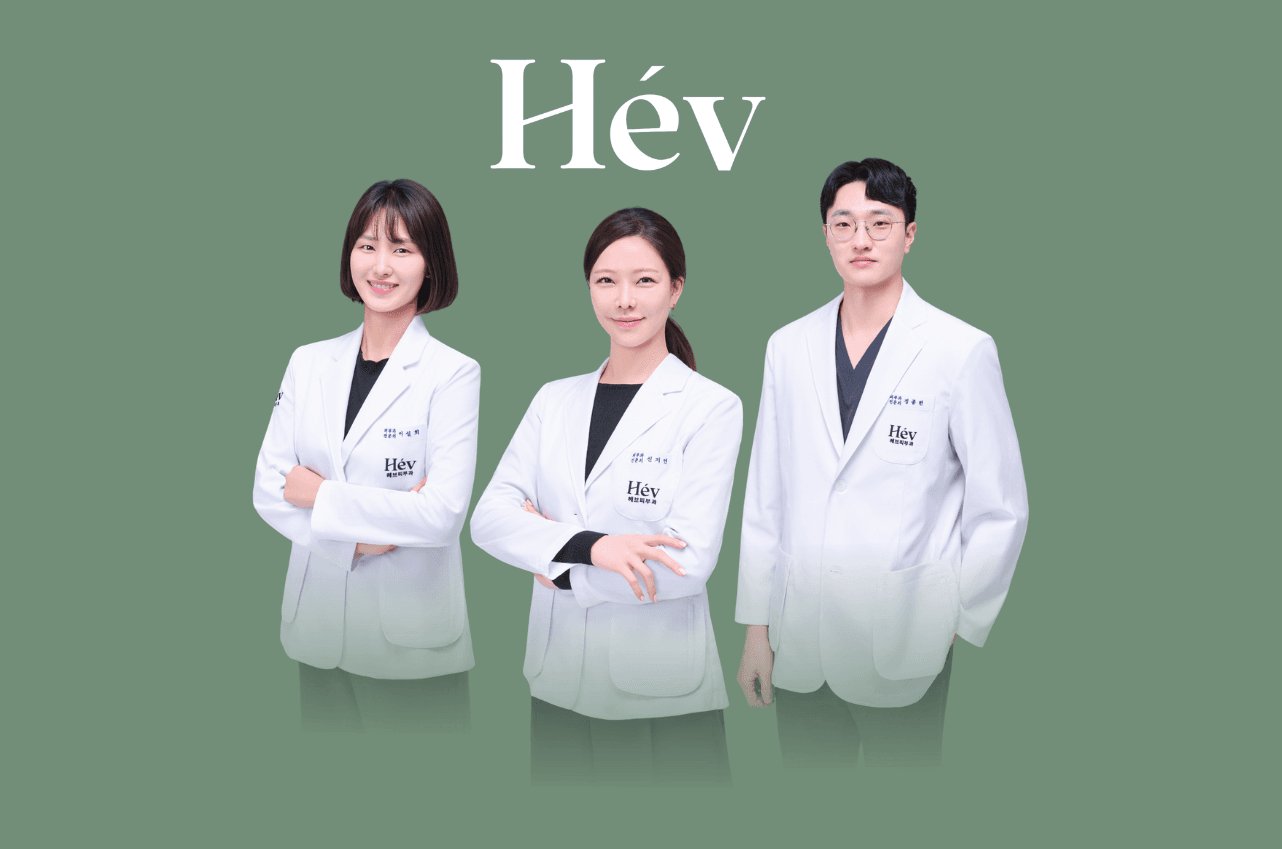
Hev Clinic Korea | Sinsa Skin, Laser & Injectables
Sinsa

B.V Clinic Korea: Advanced Aesthetic Treatments for Natural Beauty Enhancement & Rejuvenation
Sinnonhyeon Station

Club Miz Lamiche Clinic: Leading Korean Aesthetic Medicine with Personalized 1:1 Treatments and Advanced 4D Skin Analysis Technology
Jamsil

Secret Clinic: Unveiling Advanced Skin and Body Treatments in Seongnam, Korea
Sinnonhyeon Station