Medical Tourism Blog
Stem Cell Fat Grafting - All About the Volumcell Treatment with Dr. Kim from Cellinique
Table of contents
- A natural way to restore facial volume and glow
- What Volumcell is—and what I’m trying to achieve
- Why stem cells matter in fat grafting: improving the “take rate”
- How Volumcell can feel gentler: less scraping, less swelling
- What results I’m aiming for in the face
- Why combining treatments can elevate outcomes
- Closing thoughts: rebuilding volume with biology on your side
- More about Cellinique Clinic
Considering treatment in Korea? Everything you need to know e.g. — how to avoid scams, visas, interpreters, recovery tips — in our Medical Tourism Master Guide. Plan with confidence in minutes, not weeks!
Disclaimer: The following is a guest post. The information and opinions expressed are not of koreaclinicguide.com but of Cellinique Clinic
A natural way to restore facial volume and glow
When I meet patients who feel like their face has “deflated” over time—hollows under the eyes, flatter cheeks, deeper folds, or a generally tired look—the core issue is often simple: volume loss. Volumcell is my approach to addressing that problem with your own tissue. The goal isn’t just to “fill” the face, but to restore supportive volume in a way that also helps the skin look healthier and more resilient.
In this article, I’ll explain what Volumcell is, why adding stem cell–rich components can improve fat graft survival, why many patients experience noticeably less discomfort during harvesting, and how I like to combine fat grafting with other facial treatments for a more complete result.
What Volumcell is—and what I’m trying to achieve
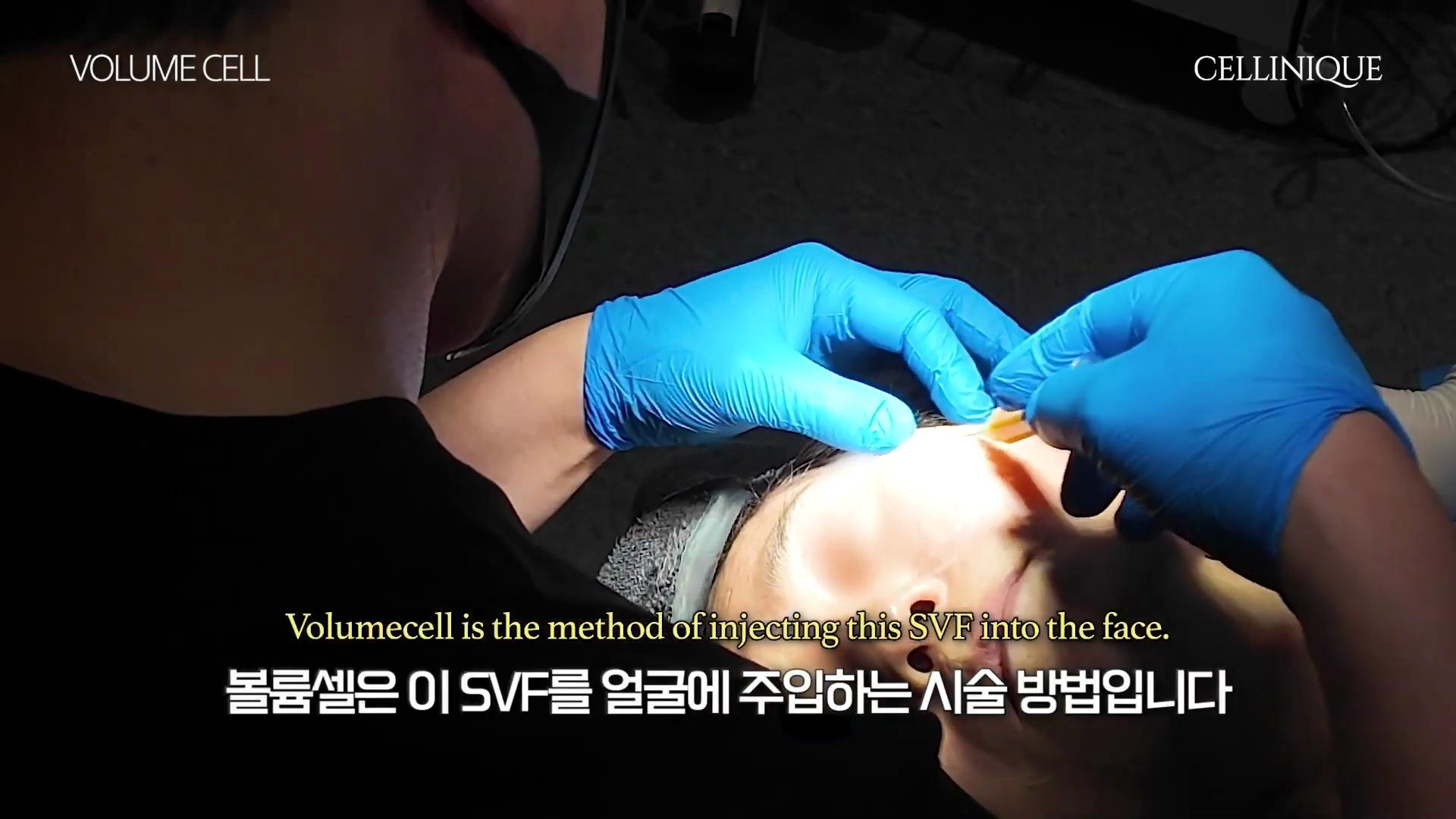
At its core, Volumcell is a type of autologous fat grafting. That means I harvest a small amount of your own fat, process it, and then inject it into areas of the face that have lost volume. The purpose is structural: I’m adding volume back to where it used to be, so the face looks softer, more balanced, and more like a refreshed version of you.
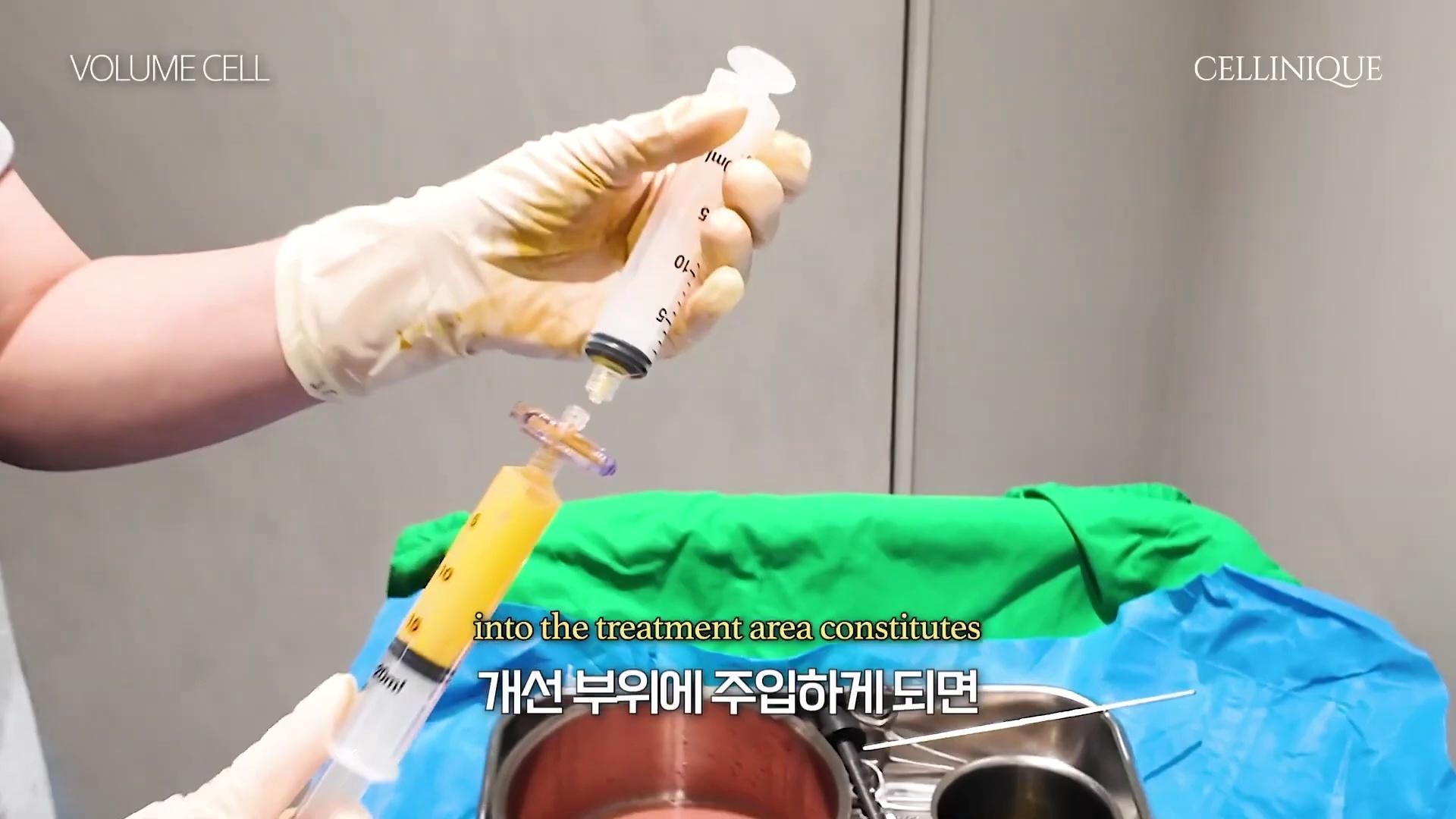
What makes this concept especially interesting is what happens when fat is prepared in a very fine, micro-fragmented form and paired with stem cell–rich elements. In practical terms, when fat is micro-fragmented and injected with stem cells, it can function like an autologous SVF-style skin booster. Fat tissue isn’t just “padding”—fat cells contain a large amount of growth factors, and that biological activity is a big reason this approach can improve not only volume, but also the quality and feel of the skin.
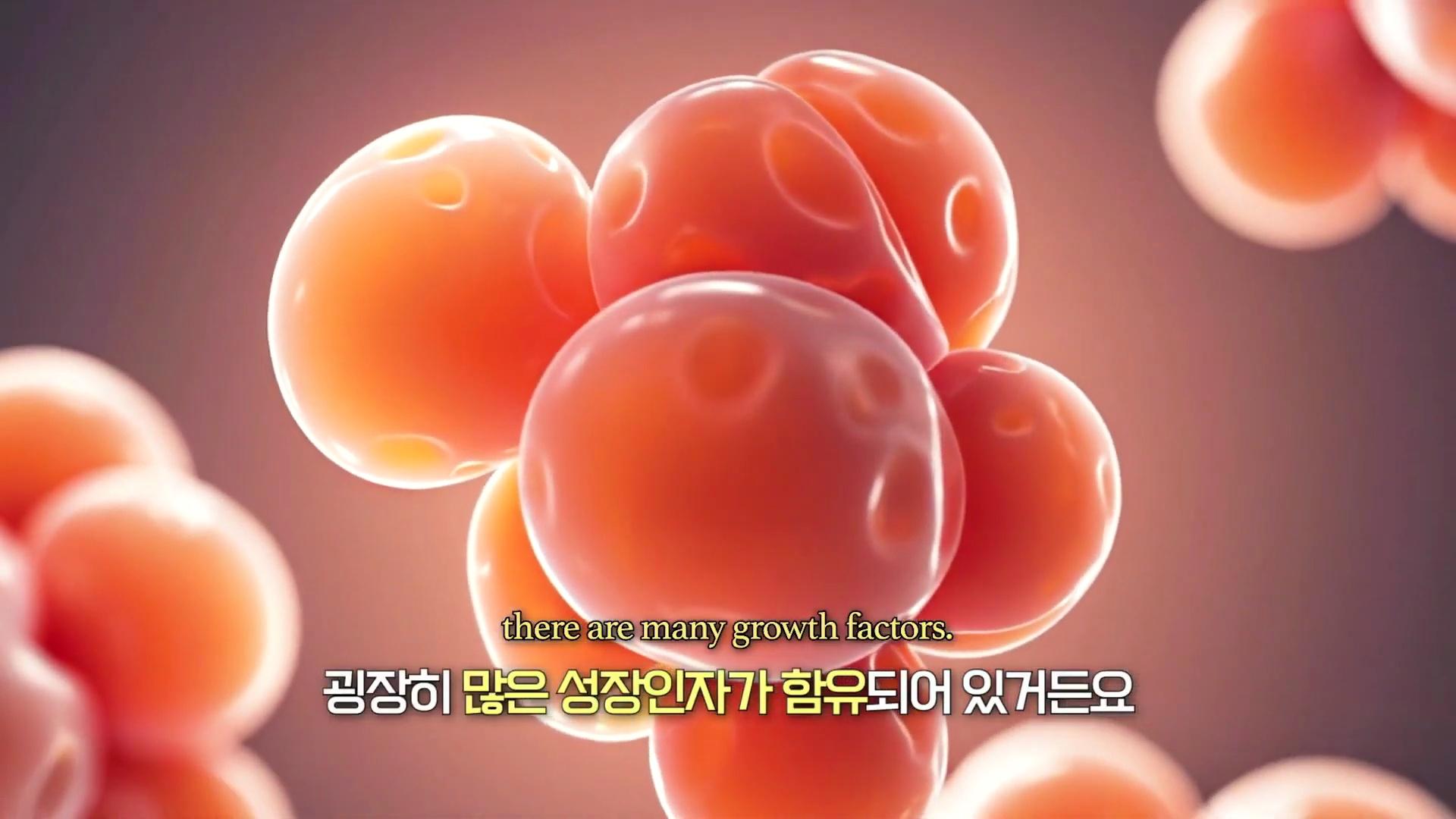
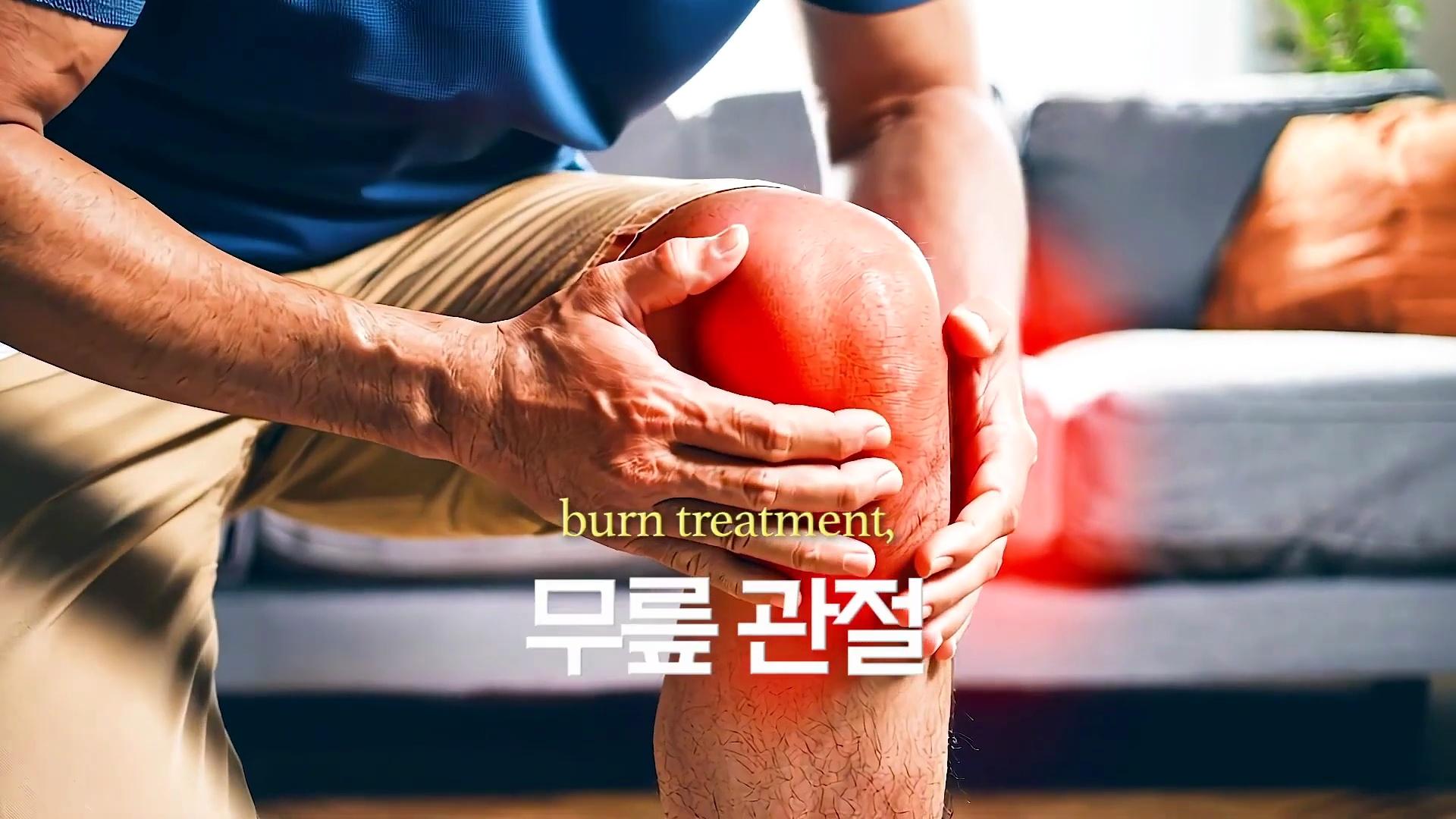
Although we’re focusing on facial rejuvenation here, the broader concept of SVF has been used widely in other areas, including burn care and applications involving knees and cartilage regeneration. The underlying idea is similar: supporting tissue repair and regeneration by using biologically active components from the patient’s own body. In Volumcell, I’m essentially applying that same regenerative logic to facial volume restoration.
Why stem cells matter in fat grafting: improving the “take rate”
One of the most important concepts in fat grafting is the survival rate—often called the “take rate.” If you transfer fat without adding stem cell support, even when the procedure goes well, survival can average around 50%. That doesn’t mean the result fails; it means that a significant portion of the transferred fat may not survive long-term.
The reason is biological and straightforward. Fat is made of living cells, and living cells need nourishment to survive. After fat is transferred, those cells rely on oxygen and nutrients delivered through blood vessels. Immediately after injection, the new fat doesn’t have its own established blood supply. Some cells may be close enough to nearby vessels to receive nourishment early, but cells farther away—often toward the outer edges of the grafted fat—can’t get fed quickly enough before new vessels form. Those cells tend to die off early.
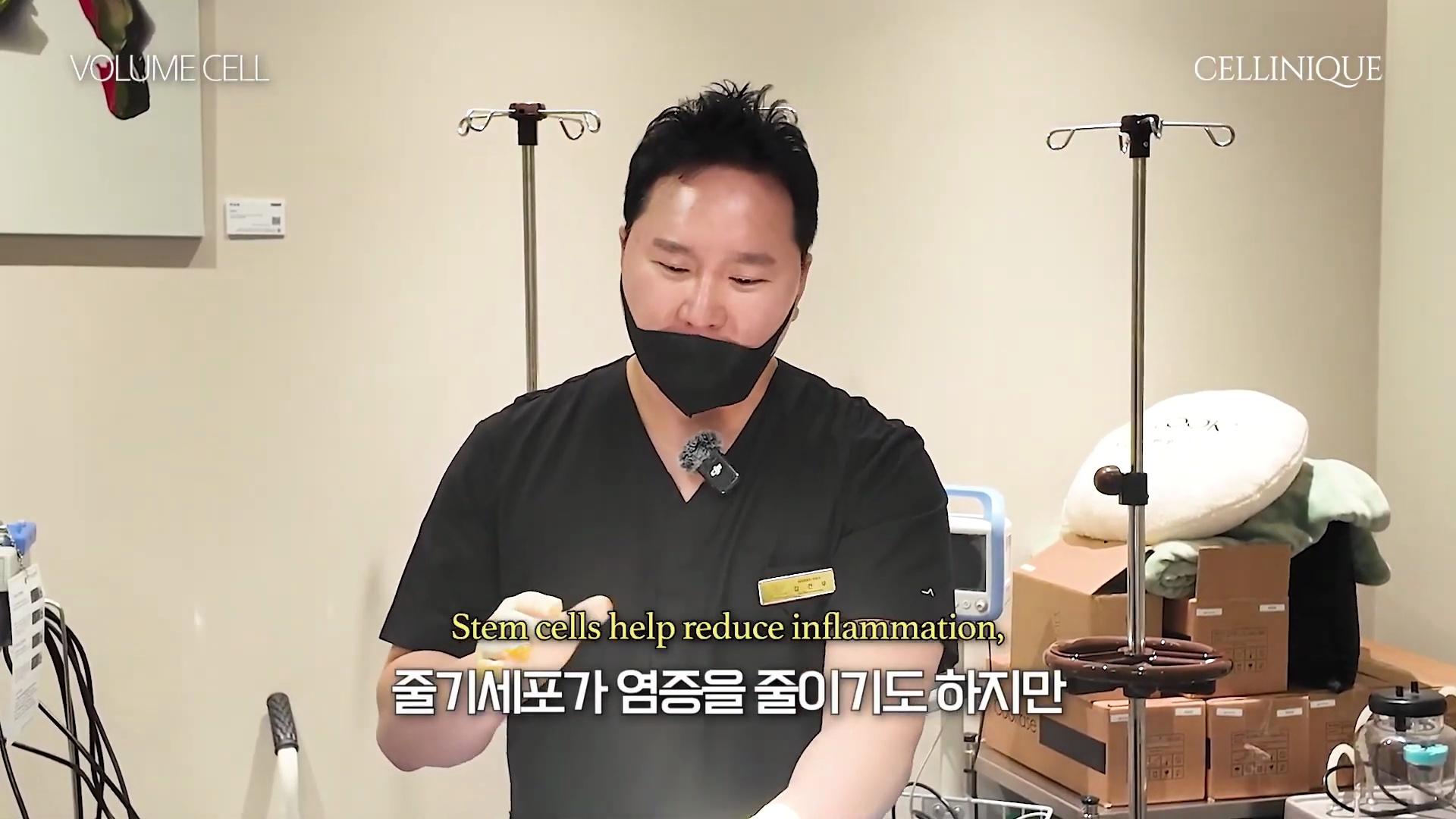
This is where stem cell–rich support becomes so valuable. Stem cells can help reduce inflammation, and they also help blood vessels grow. In other words, they promote revascularization—the development of new micro-blood vessels—so that nourishment can reach the transferred fat cells more evenly and more quickly. When revascularization happens efficiently, more of the transferred fat survives.
Clinically, this is why I see higher take rates when the process is done properly. Achieving around 70% to 80% fat survival is very realistic, and it can make a meaningful difference in how stable and long-lasting the volume looks.
How Volumcell can feel gentler: less scraping, less swelling
Patients often worry about the harvesting step. Traditional fat harvesting can be uncomfortable, and it can leave more swelling or bruising depending on how much fat is taken and how aggressively the tissue is handled.
The amount of discomfort tends to depend heavily on volume. If you’re harvesting a lot of fat, the work becomes more involved. You may need to harvest through multiple layers—middle, superficial, and deeper layers—in a technique many people describe as “scraping.” Functionally, that becomes closer to classic liposuction. And if the goal is a beautifully even contour, then the procedure can turn into real-time body contouring and design. To sculpt smoothly, you may work closer to the muscle underneath or closer to the skin above, and that can increase swelling. If there’s more bleeding, bruising is more likely as well.
With Volumcell, even when I take a relatively generous amount for facial work, it’s typically around 100 cc. That’s a key point. Because the harvest volume is modest, the experience is often much easier on the body. One of the most satisfying things I hear from patients afterward is: “It healed so fast, and it didn’t hurt at all.” That recovery experience is not an accident—it’s closely tied to keeping harvesting controlled and purpose-driven rather than overly aggressive.
What results I’m aiming for in the face
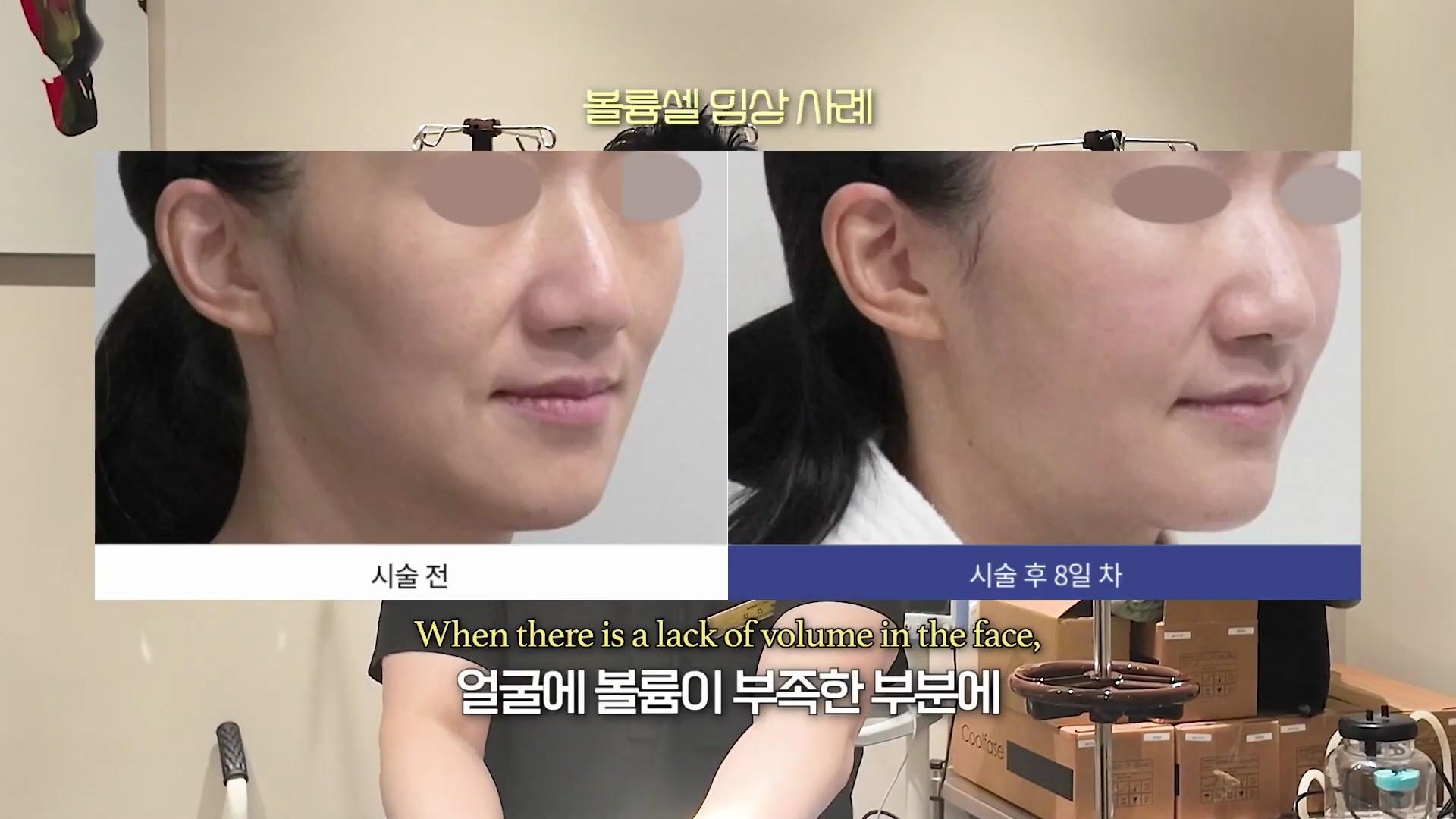
The first objective is clear: add volume where the face has lost volume. That might mean restoring cheek projection, softening transitions under the eyes, improving the midface, balancing temples, or supporting areas that have become sunken.
But I also want the surface to look better. Ideally, as volume is restored, the face looks more supported from within, and the skin can appear slightly tighter and healthier. Because fat contains growth factors—and because of how stem cell–supported approaches can help calm inflammation and support healthier tissue behavior—patients often describe improvements that go beyond “plumpness.” The face can look more rested, the texture can appear smoother, and the overall quality can feel more youthful.
Of course, every face is different, and the plan depends on anatomy and goals. My approach is always to treat the face as a three-dimensional structure. Volume is not placed “everywhere”—it’s placed strategically, with attention to natural contours, symmetry, and how light falls across the face.
Why combining treatments can elevate outcomes
Fat grafting can do a lot, but facial aging is multi-layered. Volume loss is only one part of the story; skin laxity and loss of firmness also matter. That’s why I often recommend combination approaches—especially when the goal is a more comprehensive rejuvenation.
One category I frequently discuss is EBDs, or energy-based devices. In my experience, if you improve firmness first and then do combination therapy, the results can be stronger and more refined. When the skin and underlying support are firmer, the face can “hold” the refreshed structure more beautifully.
Thread lifting is another complementary option I like. Threads physically create lift and tension, which can be very useful when gravitational changes are noticeable. When I combine that physical lift with improvements in the elasticity of the skin’s outer layer, the synergy can be impressive. In simple terms, one modality helps lift, and the other helps the skin behave more youthfully—so the overall effect looks more harmonious.
The best combination plan depends on what you’re starting with: how much volume has been lost, how lax the skin is, and what kind of change you want (subtle refresh versus a more transformative rejuvenation).
Closing thoughts: rebuilding volume with biology on your side
Volumcell stem cell fat grafting is, to me, a thoughtful blend of structure and biology. Structurally, it restores facial volume using your own tissue. Biologically, micro-fragmented fat and stem cell–rich support can help the transferred fat survive by reducing inflammation and encouraging the growth of new blood vessels—so more of what we place is nourished and maintained.
When the harvesting is kept controlled and purposeful, many patients find the recovery surprisingly easy, with fast healing and minimal discomfort. And when facial volume restoration is combined intelligently with skin-firming treatments like energy-based devices or lifting approaches like threads, the results can look even more balanced and natural.
Ultimately, my aim is simple: to help you look like yourself again—just with the volume, softness, and vitality brought back to the places time has taken it away.
More about Cellinique Clinic
Cellinique Clinic in Gangnam, Seoul is a premium, one-doctor stem cell clinic centered on immunity, regeneration, and restoring natural health and beauty, making it a distinctive destination in Korea for Volumcell autologous stem cell fat grafting. Led by Dr. Chris Gunwoo Kim, a recognized stem cell medicine expert who has delivered major educational lectures across Asia and in leading Korean academic meetings—including presentations on high-concentration blood cell zones, SDF-1alpha injection, and “Blood Stem Cells” for anti-aging and tissue regeneration—the clinic pairs clinical experience with an ongoing research-driven approach. Cellinique’s key differentiator is its 100% personalized, end-to-end care model, with treatment plans that can integrate Volumcell stem cell fat grafting alongside complementary regenerative and aesthetic options such as PRP, blood purification, NK cell therapy, Radiesse, exosomes, and proprietary minimally manipulated cell biotechnology like the NovaStem Kit, allowing patients to address facial rejuvenation, full-body concerns, and overall health within a single, cohesive program.
Find more about this clinic here: Cellinique Clinic