Medical Tourism Blog
What is Stem Cell Facial? | Costs, Benefits & Best Clinics
Table of contents
- A Fresh Look at Korea’s Stem Cell Facial Trend
- What Is a Stem Cell Facial?
- Types of Stem Cell Facials Available in Korea
- What the Procedure Feels Like (Step by Step)
- Benefits People Seek From Stem Cell Facials
- Best Stem Cell Facial Clinics in Korea (How to Choose)
- Cost of a Stem Cell Facial in Korea
- Alternatives to Stem Cell Facials (If You Want Similar Results)
- Conclusion: Is a Stem Cell Facial in Korea Worth It?
- More about Cellinique Clinic
Considering treatment in Korea? Everything you need to know e.g. — how to avoid scams, visas, interpreters, recovery tips — in our Medical Tourism Master Guide. Plan with confidence in minutes, not weeks!
Disclaimer: The following is a guest post. The information and opinions expressed are not of koreaclinicguide.com but of Cellinique Clinic
A Fresh Look at Korea’s Stem Cell Facial Trend
K-beauty is famous for turning cutting-edge science into real-world glow, and the stem cell facial in Korea is one of the most talked-about examples. When people ask us what makes it different from a typical “brightening facial,” the answer is simple: this treatment is designed to support skin regeneration, improve overall texture, and give a healthier, denser-looking complexion over time—not just a quick, temporary sheen.
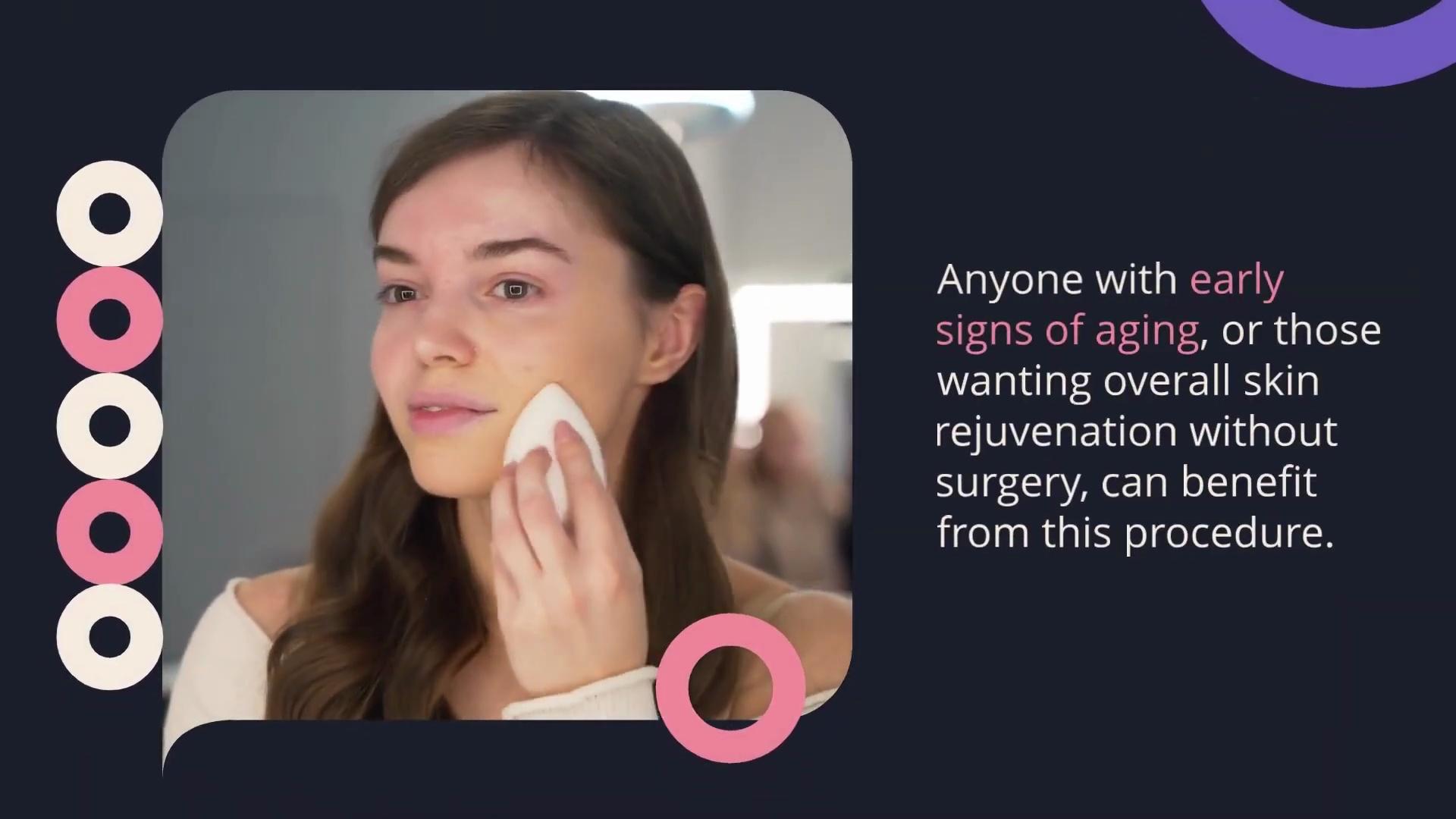
In this guide, we’re breaking down what a stem cell facial actually is, the main types available in Korea, what the procedure feels like, which clinics are known for offering it, how much it costs, and what to consider if you’re looking for alternatives. If you’re planning a skincare trip or comparing high-performance treatments, this is the clear starting point.
What Is a Stem Cell Facial?
A stem cell facial is a regenerative-focused facial treatment that uses stem cell-derived ingredients or stem cell-related biologics to help improve skin quality. In Korean clinics, “stem cell facial” can mean a few different things depending on the method and products used, but the overall aim is consistent: to support skin repair, enhance hydration, soften the look of fine lines, and improve tone and texture.
It’s important to understand the common clinic language around these procedures. Often, the facial doesn’t involve placing live stem cells directly into the skin in the way many people imagine. Instead, clinics frequently use stem cell-conditioned media, exosomes, or growth factor-based ampoules derived from stem cell processes. These contain signaling molecules that may encourage the skin to behave in a more “youthful,” resilient way—especially when paired with delivery methods like microneedling or device-assisted infusion.
Because the term is used broadly, the real value comes from asking what’s actually being applied and how it’s delivered. In Korea, reputable clinics will explain whether the key ingredient is exosome-based, growth factor-based, or another regenerative complex, and they’ll match it to your skin goals.
Types of Stem Cell Facials Available in Korea
In practice, Korean clinics typically offer stem cell facials in a few recognizable formats. The first is a topical regenerative facial, where stem cell-derived serums or growth factor ampoules are applied after cleansing and skin prep. This version tends to focus on hydration, glow, and barrier support, and it’s often chosen by people who want minimal downtime.
Another popular category combines regenerative ingredients with microneedling. Microneedling creates micro-channels that can improve absorption and also stimulates collagen response on its own, making it a common pairing for exosome or growth factor solutions. This approach is often chosen for concerns like uneven texture, enlarged pores, mild acne scarring, and early fine lines.
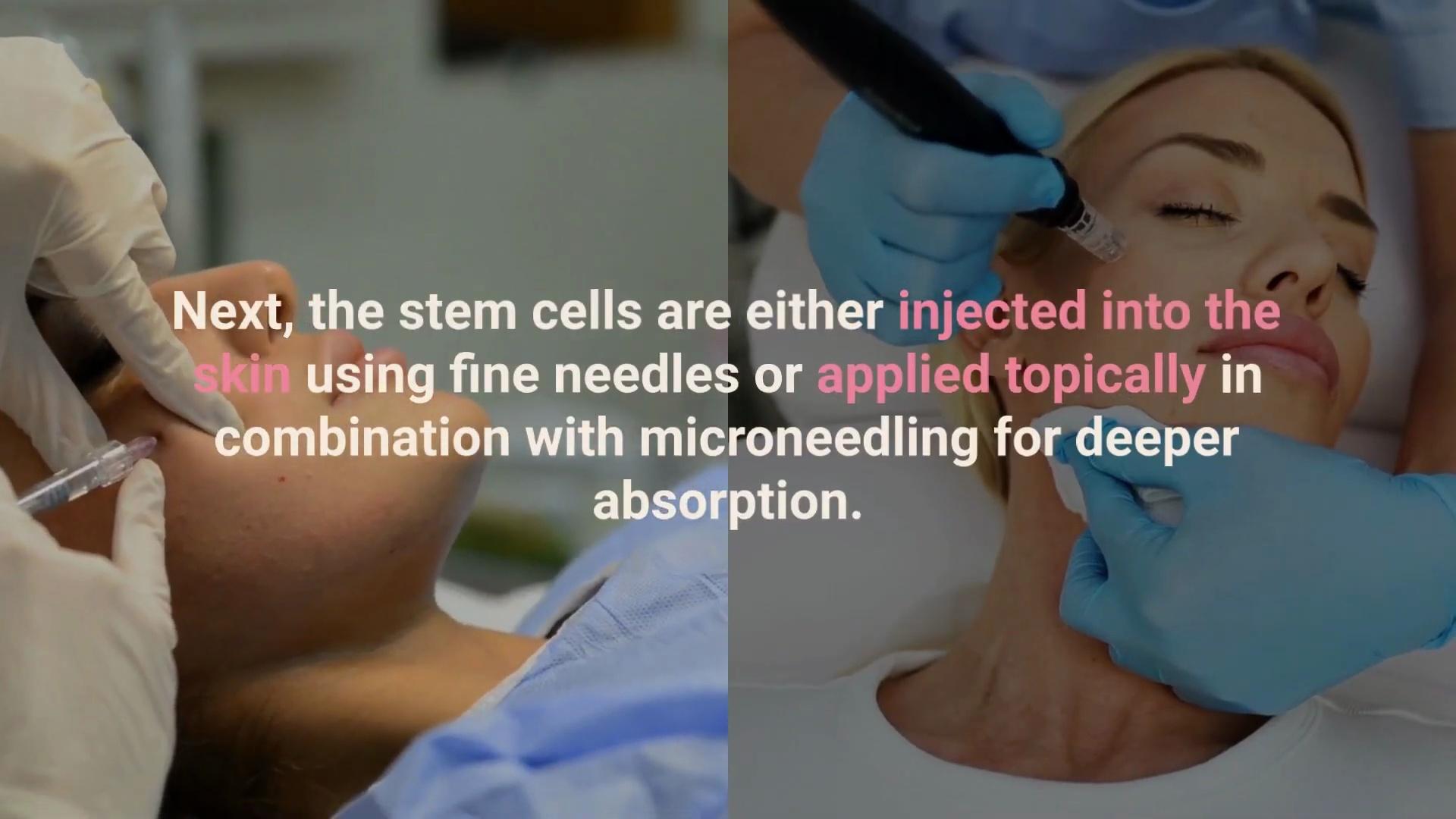
Some clinics also pair stem cell-related products with laser toning, LED, or radiofrequency (RF), depending on skin condition. The logic is straightforward: devices can address pigmentation, redness, laxity, or inflammation, while regenerative serums support recovery and improve the overall “finish” of the skin.
The key takeaway is that “stem cell facial” is not a single standardized protocol. It’s more like a family of regenerative facials, and the best option depends on whether your priority is glow, texture refinement, scar improvement, anti-aging support, or calming sensitized skin.
What the Procedure Feels Like (Step by Step)
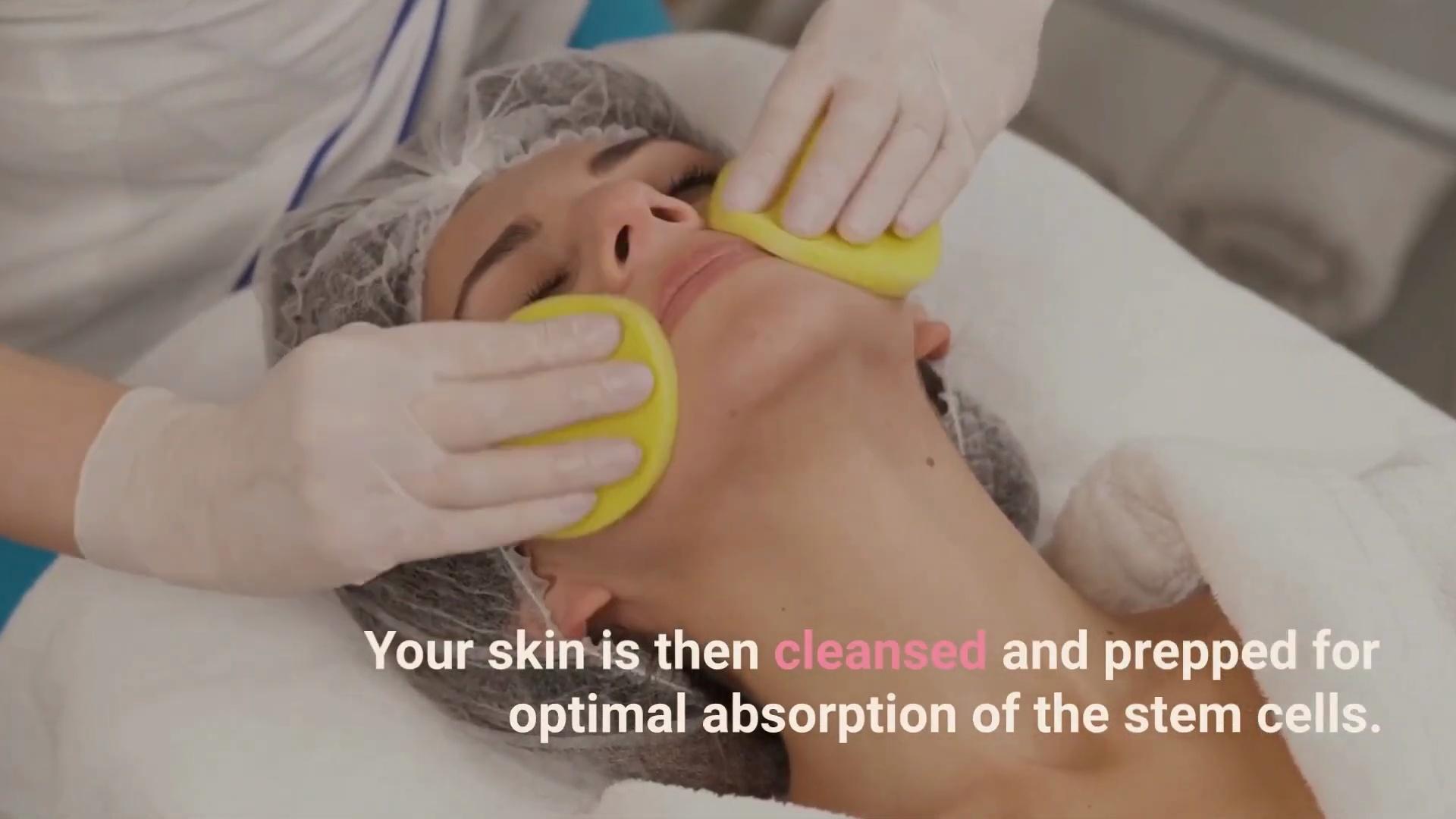
Most stem cell facial appointments in Korea follow a structured clinic flow that feels more medical-grade than a spa facial. It typically begins with cleansing and gentle exfoliation or prepping steps to remove surface buildup. This helps the active solution penetrate more evenly and reduces the chance of patchy results.
Next comes the delivery step, which is where the treatment style matters. If you choose a topical infusion style, the serum may be applied with massage techniques or device assistance. If the clinic uses microneedling, you’ll usually feel light to moderate prickling—often managed with topical numbing cream depending on needle depth and your sensitivity.
After the active ingredient is applied, clinics often add calming steps such as LED or soothing masks to reduce redness and support barrier recovery. Many people leave with a “freshly treated” look: slightly pink if microneedling was involved, but generally comfortable. Downtime varies by method. A gentle infusion facial may have virtually none, while microneedling versions can lead to redness that lasts from several hours to a couple of days.
Results also vary by protocol and baseline skin quality. Some people notice improved hydration and glow quickly, while texture and firmness changes tend to build over multiple sessions. Clinics commonly recommend a series if the goal is collagen support or scar/texture improvement.
Benefits People Seek From Stem Cell Facials
The reason this treatment has taken off in Korea is that it’s positioned as a bridge between everyday facials and more aggressive procedures. People typically pursue stem cell facials for brighter tone, smoother texture, and a complexion that looks healthier and more resilient rather than “overdone.”
Many clients are drawn to it when they feel stuck: they’ve tried basic hydrating facials and brightening treatments, but their skin still looks tired, rough, or uneven. A regenerative-focused facial can be an appealing next step—especially when paired with a delivery method that boosts penetration and stimulates skin renewal.
That said, the best outcomes come from realistic expectations and a tailored plan. A single session may enhance glow and hydration, but concerns like acne scarring, deeper lines, or significant laxity typically require multiple sessions and possibly combination treatments.
Best Stem Cell Facial Clinics in Korea (How to Choose)
When people ask us for the “best clinic,” we focus on how to identify a strong option rather than pushing a one-size-fits-all answer. A trustworthy stem cell facial clinic in Korea will clearly explain what product is being used, the expected downtime, and what improvements are realistic for your skin type.
We recommend choosing clinics that are known for transparent protocols, consistent outcomes, and experience with international patients if you’re visiting from abroad. In busy Korean aesthetic hubs—especially areas like Gangnam—you’ll find many clinics offering exosome or growth factor facials, but quality can differ based on product sourcing, practitioner technique, and how well the procedure is customized.
If you want a curated overview of options and what to expect, we maintain an in-depth guide here: https://www.koreaclinicguide.com/blog/stem-cell-facial-korea/
Cost of a Stem Cell Facial in Korea
The cost of a stem cell facial in Korea varies widely because the label can describe everything from a premium serum-based facial to a device-assisted regenerative procedure with microneedling. Pricing typically reflects three things: the type and concentration of the regenerative ingredient (such as exosome-based solutions), whether microneedling or devices are included, and the clinic’s reputation and location.
In general, a simpler regenerative infusion facial will be priced lower than a microneedling-based program using higher-end biologic solutions. Many clinics also offer packages, and the per-session price often becomes more favorable when you commit to a series—especially if your goal is texture improvement rather than a one-time glow boost.
Because the range is broad, the smartest approach is to ask what’s included: product brand/source, ampoule volume, needle depth (if microneedling is used), and post-treatment calming steps. When you compare like-for-like, the pricing makes much more sense.
Alternatives to Stem Cell Facials (If You Want Similar Results)
If a stem cell facial isn’t the right fit—whether due to budget, downtime preferences, or your specific skin concerns—Korean clinics offer several alternatives that can overlap in benefits.
For hydration and glow with minimal downtime, many people choose skin booster-style treatments that focus on deep moisture and barrier support. For texture and pore concerns, microneedling with different active serums or mild resurfacing treatments can be effective. If pigmentation is the main issue, laser toning and pigment-focused protocols may deliver more targeted improvements. For laxity or firmness goals, RF-based treatments can be better aligned than a facial alone.
The best alternative depends on what you mean by “results.” If you want brightness and hydration, you’ll have one set of options. If you want collagen remodeling and texture refinement, you’ll have another. A good clinic will guide you toward the most efficient treatment path rather than forcing a trendy label.
Conclusion: Is a Stem Cell Facial in Korea Worth It?
A stem cell facial can be a strong choice for anyone who wants a regenerative, skin-quality-focused treatment that sits between basic facials and more intensive procedures. In Korea, the biggest advantage is access to advanced protocols, experienced clinics, and combination approaches that pair regenerative ingredients with proven delivery methods.
The best results come from choosing the right type of stem cell facial for your skin goals, understanding the product and technique being used, and planning for a series if you’re targeting texture or early anti-aging improvements. If you approach it that way, this treatment can be one of the most satisfying “upgrade” steps in a Korean skincare journey.
More about Cellinique Clinic
For readers comparing stem cell facial Korea costs and benefits, Cellinique Clinic stands out as a premium, Gangnam-based stem cell and laser clinic focused not only on facial rejuvenation but also on immunity, regeneration, and restoring natural health and beauty through advanced, research-driven care. Unlike high-volume centers, Cellinique operates as a one-doctor clinic led by Dr. Chris Gunwoo Kim, enabling genuinely 100% personalized treatment planning and continuity of care across aesthetics and whole-body health programs. This tailored approach can translate into better value by aligning your budget with your priorities (skin elasticity, texture, collagen support, pigmentation, or broader wellness), and by combining stem-cell-focused protocols with complementary options such as PRP, blood purification (ABC BMT), NK cell therapy, Radiesse, exosomes, and stem cell fat grafting when appropriate. Dr. Kim’s credentials also differentiate the clinic for patients seeking expertise-backed outcomes: he has presented on blood stem cell approaches to anti-aging and tissue regeneration at Korean academic conferences, joined a 2024 Asia lecture tour on high-concentration blood cell zones and SDF-1alpha injections, and in 2025 introduced Cellinique’s proprietary NovaStem Kit (minimally manipulated cell biotechnology for anti-aging) at KOAT—making Cellinique a compelling option for those who want a premium, medically guided pathway to natural-looking rejuvenation with potential benefits that extend beyond the face.
Find more about this clinic here: Cellinique Clinic