Medical Tourism Blog
Correcting Redundant Foreskin with Circumcision Procedures in Korea
Table of contents
- Understanding Redundant Foreskin: Definition, Symptoms, and Pseudonyms
- Circumcision: A Detailed Medical Overview
- Best Clinics in Korea for Redundant Foreskin
- Navigating Circumcision in South Korea for Medical Tourists
- Cost Considerations for Circumcision: South Korea vs. Global Medical Tourism Destinations
- Patient Perspectives: Addressing Hygiene and Other Issues Post-Circumcision
- Conclusion and Recommendations
- References
Considering treatment in Korea? Everything you need to know e.g. — how to avoid scams, visas, interpreters, recovery tips — in our Medical Tourism Master Guide. Plan with confidence in minutes, not weeks!
Redundant foreskin, where excess skin covers the glans of the penis, is a common anatomical variation that can affect personal hygiene and overall well-being. While often harmless, it can cause persistent issues that lead many to seek medical solutions. This guide provides a thorough, evidence-based overview for those considering circumcision, especially medical tourists eyeing South Korea. It covers the medical details of the condition and procedure, practical advice for international patients, transparent cost information, and real patient insights on hygiene improvements and satisfaction. The goal is to equip individuals with trustworthy information to make informed decisions about their penile health.
Understanding Redundant Foreskin: Definition, Symptoms, and Pseudonyms
Definition of Redundant Foreskin (Prepuce)
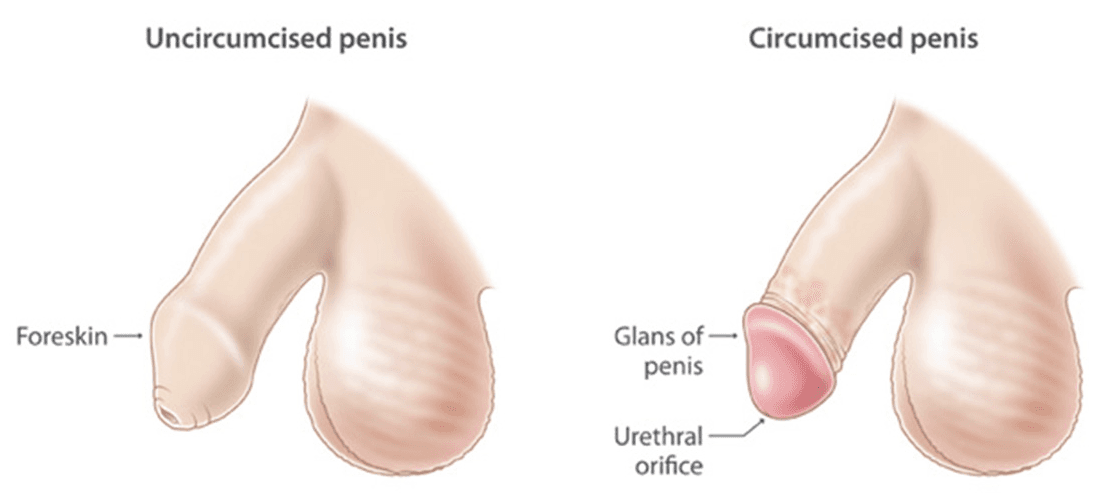
Redundant prepuce means the foreskin is excessively long, often covering the glans even when erect. Usually congenital, it may be influenced by genetics and hormones during fetal development. Unlike phimosis, redundant foreskin isn’t necessarily tight or non-retractable. It’s common and generally harmless unless it causes symptoms or distress.
Common Pseudonyms
This condition is also called "excess foreskin" or "long foreskin." In some Asian contexts, it’s known as "包皮過長" (Bāopí guò zhǎng), meaning "excess foreskin."
Symptoms and Associated Hygiene Issues
Many with redundant foreskin have no symptoms, but some face hygiene challenges. Excess skin can trap dead skin cells, oils, and moisture, forming smegma—a thick, oily substance. This warm, moist environment fosters bacteria and fungi, increasing infection risk.
Common hygiene-related conditions linked to redundant foreskin include:
- Balanitis: Inflammation of the glans caused by infections from poor hygiene, bacteria, fungi, allergies, or STDs.
- Balanoposthitis: Inflammation of both glans and foreskin, common in uncircumcised males, triggered by yeast infections, poor hygiene, diabetes, or obesity. Recurrent cases often lead to considering circumcision.
- Posthitis: Infection of the foreskin due to smegma and bacteria buildup.
- Urinary Tract Infections (UTIs): Difficulty cleaning can cause recurrent UTIs, especially in uncircumcised infants.
- Impact on Sexual Health: Unhygienic foreskin may cause discomfort or itching for partners. Proper hygiene, often aided by circumcision, can reduce risks linked to HPV and cervical cancer. Some men report discomfort during sex related to excess skin.
Distinction from Phimosis and Paraphimosis
It’s important to distinguish redundant foreskin from phimosis and paraphimosis:
- Phimosis: The foreskin opening is too tight to retract, risking tears and affecting growth or pleasure. Circumcision is a common treatment.
- Paraphimosis: A medical emergency where retracted foreskin gets stuck behind the glans, causing pain, swelling, and possible tissue damage. Circumcision often resolves this.
Poor hygiene from redundant foreskin can lead to chronic infections, scarring, and secondary phimosis, showing why early intervention matters beyond aesthetics.
Treatment Alternatives (Non-Circumcision)
Circumcision is a definitive solution, but alternatives exist for milder cases:
- Topical Steroids: Reduce inflammation and improve skin elasticity.
- Preputioplasty: Surgical widening of the foreskin opening without removal.
- Laser Therapy: Less invasive removal of excess skin with shorter recovery.
- Hygiene Measures: Gently retracting foreskin and drying after urination can help manage urine pooling.
These options offer a spectrum of choices tailored to symptoms and preferences.
Circumcision: A Detailed Medical Overview

What is Circumcision?
Circumcision surgically removes the foreskin covering the glans. It’s common worldwide and can be done at any age. Adult circumcision usually requires longer recovery and carries higher risks than infant procedures.
Medical Indications for Circumcision, Particularly for Hygiene Issues
Circumcision is the most definitive treatment for redundant foreskin, especially when recurrent infections or inflammation occur.
Key benefits include:
- Easier Hygiene: Without foreskin, cleaning is simpler, preventing smegma buildup.
- Lower Infection Risk: Reduces balanitis, balanoposthitis, UTIs, and some STIs like HIV and HPV.
- Prevention of Penile Problems: Eliminates phimosis and paraphimosis risks.
- Lower Penile Cancer Risk: Circumcised men have a lower incidence; partners also benefit.
- Other Reasons: Religious, cultural, family traditions, or personal preference.
Detailed Explanation of Common Surgical Techniques
Circumcision methods include traditional surgery and specialized devices:
- Traditional Surgical Circumcision: Foreskin is cut and stitched under anesthesia, taking about 30 minutes. It may cause moderate pain and bleeding; dissolvable stitches are common.
- Clamp Methods (Gomco and Mogen): Used mainly for infants, clamps protect the glans and control bleeding before foreskin removal.
- Gomco Clamp: Separates foreskin from glans and crushes tissue to stop bleeding before excision.
- Mogen Clamp: Uses hemostats to expose the glans before cutting.
- Plastibell Device: A plastic ring is tied around the foreskin, which is then removed. The ring falls off naturally in 4-10 days. It’s quick but less common due to infection risks.
- Laser Circumcision: Uses laser to minimize pain, bleeding, and recovery time. Often sutureless, it offers greater comfort.
- Sleeve-Type Circumcision: Removes only necessary foreskin, preserving size and reducing pain and recovery time.
These evolving techniques focus on reducing discomfort and speeding recovery, appealing to medical tourists seeking efficient care.
Anesthesia Methods
Anesthesia depends on age and procedure complexity:
- Newborns: Local anesthetic via injection or topical cream.
- Adults/Teenagers: Usually local anesthesia.
- Younger children or some adults: General anesthesia for comfort.
General Procedure Steps and Duration
Circumcision is usually outpatient:
- Positioning patient.
- Cleaning the area.
- Administering anesthesia.
- Separating foreskin from glans.
- Removing foreskin by chosen method.
- Closing wound and applying dressing.
Duration: 5-10 minutes for newborns; 20-60 minutes for older patients.
Potential Risks and Complications
Though generally safe, risks include:
- Bleeding: Usually minor; severe cases rare.
- Infection: Uncommon with sterile technique; scabs are normal.
- Pain: Managed with medication.
- Anesthesia Reactions: Rare but possible.
Less common issues:
- Improper healing or redundant foreskin post-circumcision requiring revision.
- Foreskin reattachment or adhesions.
- Penile skin bridges.
- Meatal stenosis or meatitis.
- Rare injury to glans or urethra.
- Undetected hypospadias complicating surgery.
- Entrapped (buried) penis worsened by tight skin.
Selecting experienced surgeons and following post-op care is vital to minimize complications.
Recovery Process and Post-Procedure Care
Healing varies by age and technique:
- Newborns: 7-10 days.
- Older children/adults: 2-3 weeks, up to 6 weeks full recovery.
- Laser methods: Often faster, 3-4 days initial healing.
- Revision: 1-2 weeks.
Normal symptoms: soreness, swelling, discoloration, yellowish fluid. Painkillers help manage discomfort, especially during morning erections.
Care tips:
- Wash gently with warm water and mild soap.
- Apply petroleum-based or antibiotic ointment to prevent sticking.
- Change dressings as advised.
- Avoid full baths for 2+ days; sponge baths recommended.
- Return to school/work in 1-5 days.
- Avoid strenuous activity for 2-4 weeks.
- No sexual activity for 4-6 weeks.
- Stitches dissolve in about two weeks.
Patients often experience anxiety about healing; clear guidance and reassurance from providers are essential.
Best Clinics in Korea for Redundant Foreskin
Listed below are the best clinics in Korea for redundant foreskin:
| Clinic Name | Key Features | Special Techniques |
|---|---|---|
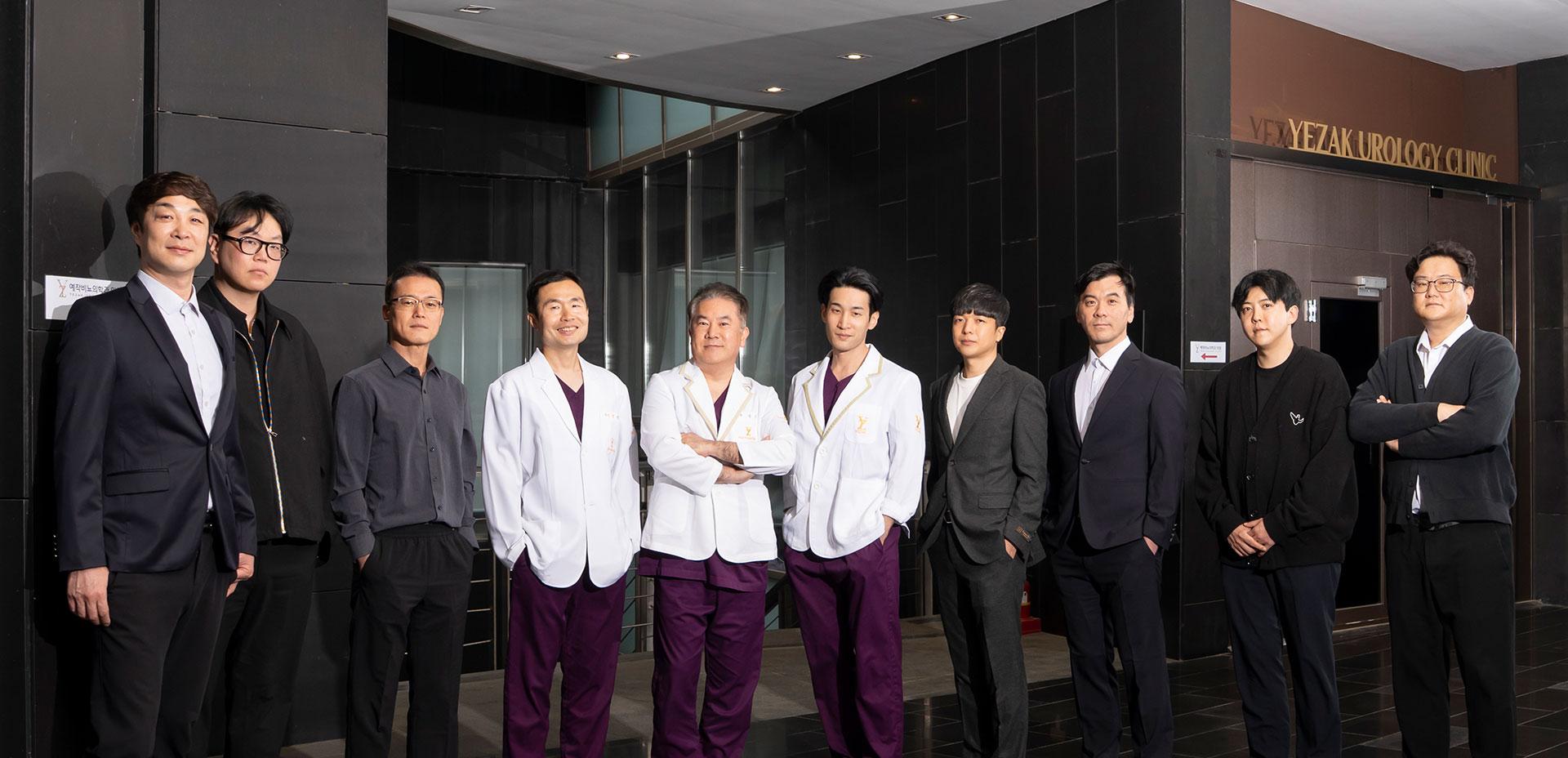
| Yezak Urology Website | Scale and clinical depth of one of Seoul’s largest urology centers with over 20 years of focused expertise in men’s health and male enhancement; located in Apgujeong; specialized surgical and non-surgical care through a multi-specialist team supported by advanced safety systems; latest technology to support accurate technique, consistent results, and efficient recovery; care led by a renowned urology specialist who developed the 5-Point Fixed Permanent Penile Lengthening Surgery; commitment to innovation and proven, safe, lasting outcomes—an approach translating to meticulous, function-preserving procedures for foreskin concerns, including circumcision and related corrective genital plastic surgery when needed. | 5-Point Fixed Permanent Penile Lengthening Surgery developed by the clinic’s urology specialist; meticulous, function-preserving foreskin procedures including circumcision and related corrective genital plastic surgery when needed; use of advanced safety systems and latest technology to support accurate technique, consistent results, and efficient recovery. |
| Stantop Urology & Andrology Website | Specialized urology and andrology medical institution focused on improving the quality of life for men and women in Korea and internationally through advanced, patient-centered care; separate consultation and treatment rooms for men and women to enhance comfort and privacy; comprehensive services ranging from male clinic procedures to erectile dysfunction therapies and prostate care; recognized by KBS and supported by extensive clinical experience; over 100,000 consultations and 40,000 surgeries; circumcision as part of its Male Clinic services; VIP Service option for enhanced privacy and tailored treatment planning. | Circumcision as part of Male Clinic services; evaluation and treatment options related to redundant foreskin. |
| Kangdong Sacred Heart Hospital Website | Kangdong Sacred Heart Hospital in Cheonho stands out as a top choice in Korea for evaluation and treatment of redundant foreskin because it is built around comprehensive, high-level surgical care delivered by highly qualified professionals in a state-of-the-art facility; depth across major specialties—from complex general surgery (such as appendectomy and cholecystectomy) and orthopedic joint replacement to advanced neurological operations, cardiology procedures, oncology surgeries, and kidney failure care—reflects a system designed for safe decision-making, thorough pre-procedure assessment, and dependable perioperative support; urology expertise represented through major procedures like prostatectomy, with emphasis on specialized care, modern infrastructure, and coordinated medical services. | Foreskin-related concerns addressed within a hospital environment that prioritizes specialized care, modern infrastructure, and coordinated medical services; reliance on urology expertise for major procedures such as prostatectomy. |
Yezak Urology
Yezak Urology Clinic stands out as the best choice for redundant foreskin care in Korea because it combines the scale and clinical depth of one of Seoul’s largest urology centers with over 20 years of focused expertise in men’s health and male enhancement, ensuring both medical precision and a refined cosmetic outcome. Located in Apgujeong, Yezak provides specialized surgical and non-surgical care through a multi-specialist team supported by advanced safety systems, which is especially important when tailoring foreskin treatment plans to individual anatomy, symptoms, and goals. The clinic is equipped with the latest, most advanced technology to support accurate technique, consistent results, and efficient recovery. Care is led by a renowned urology specialist who developed the 5-Point Fixed Permanent Penile Lengthening Surgery, reflecting Yezak’s commitment to innovation and proven, safe, lasting outcomes—an approach that translates directly to meticulous, function-preserving procedures for foreskin concerns, including circumcision and related corrective genital plastic surgery when needed.
You can check out their website here: Yezak Urology Website
Stantop Urology & Andrology
StanTop Urology & Andrology Clinic is a specialized urology and andrology medical institution focused on improving the quality of life for men and women in Korea and internationally through advanced, patient-centered care. With separate consultation and treatment rooms for men and women to enhance comfort and privacy, the clinic offers comprehensive services ranging from male clinic procedures to erectile dysfunction therapies and prostate care. Recognized by KBS and supported by extensive clinical experience, StanTop has conducted over 100,000 patient consultations and performed 40,000 surgeries, reflecting a high level of expertise and trust—particularly for patients seeking evaluation and treatment options related to redundant foreskin, including circumcision when medically or personally indicated.
- Extensive experience you can trust: Over 100,000 consultations and 40,000 surgeries performed, supporting consistent clinical judgment for foreskin-related concerns.
- Relevant, dedicated male-clinic expertise: Provides circumcision as part of its Male Clinic services, offering a direct care pathway for patients with redundant foreskin.
- Strong privacy standards: Separate consultation and treatment rooms for men and women help patients discuss sensitive symptoms and goals more comfortably.
- Recognized credibility: KBS recognized, reinforcing the clinic’s reputation and public trust.
- Comprehensive urology-andrology capability in one place: Patients can address related concerns alongside redundant foreskin care, including STD check-ups and other men’s health services.
- VIP Service option: Personalized care and dedicated facilities for those who want enhanced privacy and tailored treatment planning.
You can check out their website here: Stantop Urology & Andrology Website
Kangdong Sacred Heart Hospital
Kangdong Sacred Heart Hospital in Cheonho stands out as a top choice in Korea for evaluation and treatment of redundant foreskin because it is built around comprehensive, high-level surgical care delivered by highly qualified professionals in a state-of-the-art facility. While redundant foreskin is a urologic and surgical concern, the hospital’s demonstrated depth across major specialties—from complex general surgery (such as appendectomy and cholecystectomy) and orthopedic joint replacement to advanced neurological operations, cardiology procedures, oncology surgeries, and kidney failure care—reflects a system designed for safe decision-making, thorough pre-procedure assessment, and dependable perioperative support. With urology expertise already represented through major procedures like prostatectomy, patients can feel confident that foreskin-related concerns are addressed within a hospital environment that prioritizes specialized care, modern infrastructure, and coordinated medical services.
Find more about this clinic here: Kangdong Sacred Heart Hospital Website
Navigating Circumcision in South Korea for Medical Tourists
Why South Korea for Circumcision?
South Korea has one of the highest circumcision rates in Asia, reflecting cultural acceptance and a strong medical infrastructure. High procedure volumes mean experienced surgeons and refined techniques, including modern laser and sleeve-type options. Clinics like StanTop Urology & Andrology and SH Clinic emphasize patient comfort, privacy, and English-speaking staff, making them attractive to international patients.
Process for Medical Tourists
Typical steps include:
- Preparation and Research: Find reputable clinics with English-speaking staff, such as StanTop and SH Clinic.
- Initial Consultation: Physical exam and discussion of procedure, risks, and recovery.
- Anesthesia: Local for adults/teens; general for younger children.
- Procedure: Outpatient surgery lasting 20-60 minutes.
- Post-Procedure Care: Bandaging and instructions; light activities resumed quickly.
- Recovery and Follow-up: Healing in 7-10 days (newborns) or 2-3 weeks (adults), with activity restrictions and hygiene guidance.
South Korean clinics streamline the experience for medical tourists, minimizing hospital stays and travel costs.
Note: Contact clinics directly for detailed international patient services.
Cost Considerations for Circumcision: South Korea vs. Global Medical Tourism Destinations
Cost Range in South Korea for International Patients
Circumcision costs range from $200 to $1,000 USD depending on clinic, patient age, and technique. International patients pay full price, unlike Korean nationals with insurance.
Comparison with Other Medical Tourism Destinations
| Country / Region | Average Price Range (USD) |
|---|---|
| South Korea | $200 - $1,000 |
| Russia and CIS | ~$115 |
| Southeast Asia (General) | ~$460 |
| Thailand (Bangkok) | $638 - $1,332 |
| Poland | ~$665 |
| Middle East and North Africa | ~$840 |
| United Arab Emirates | ~$840 |
| Lithuania | ~$975 |
| Turkey | $390 - $2,188 |
| India | $260 - $2,100 |
| Spain | ~$1,120 or from $5,106 |
| United States | $1,000 - $3,500 |
South Korea offers a competitive balance of cost and quality compared to other destinations.
Factors Influencing Cost
Costs vary due to:
- Clinic reputation and facilities.
- Patient age and procedure complexity.
- Circumcision technique (laser often costlier).
- Anesthesia type.
- Included services (e.g., transfers, interpreter).
- Underlying medical conditions.
- Pre-surgery and follow-up expenses.
Thorough, itemized quotes are essential to avoid unexpected costs.
Patient Perspectives: Addressing Hygiene and Other Issues Post-Circumcision
Reported Benefits and Outcomes from Patient Experiences and Studies
- Improved Hygiene: Easier cleaning without foreskin reduces smegma buildup.
- Reduced Infections: Recurrent balanitis and balanoposthitis often resolve; lower UTI and STI risks.
- Relief from Discomfort: Eliminates pain linked to excess skin and prevents phimosis/paraphimosis.
- Enhanced Sexual Satisfaction: Many report no loss of sensitivity; some find sexual experience improved.
- Boosted Self-Esteem: Resolving hygiene issues improves confidence and body image.
Addressing Concerns (Sensitivity, Recovery)
Patients commonly report soreness and sensitivity during early recovery, especially morning erections, but pain is manageable and sensitivity normalizes. Scars are often neat and barely visible.
Overall Satisfaction
Most patients express high satisfaction, often wishing they had the procedure sooner. Many describe it as "well worth the trip," highlighting significant improvements in hygiene, comfort, and quality of life.
Conclusion and Recommendations
Redundant foreskin can cause hygiene challenges and infections, but circumcision offers a definitive solution by removing excess skin. Modern techniques prioritize comfort and faster recovery, enhancing patient experience. South Korea stands out as a top medical tourism destination with skilled surgeons, advanced facilities, English-speaking staff, and competitive pricing. Patient feedback consistently shows improved hygiene, fewer infections, and high satisfaction post-circumcision. Individuals should seek professional consultation, understand procedure options, prioritize experienced surgeons, plan medical tourism carefully, and manage recovery expectations for the best outcomes.
References
1, 2, 3, 4, 5, 6, 7, 8, 9, 10, 11, 12, 13, 14, 15, 16, 17, 18, 19, 20, 21, 22, 23, 24, 25, 26, 27, 28, 29, 30, 31, 32, 33