Medical Tourism Blog
Missing Tooth Solutions: Dental Implant Procedures in Korea for Restoring Your Smile
Table of contents
- Dental Implants: A Comprehensive Clinical and Surgical Overview
- Best Clinics in Korea for Missing Tooth
- Navigating Dental Implant Surgery as a Medical Tourist in South Korea
- The Economic Landscape of Dental Implants: Cost Analysis and Value Proposition
- Patient Outcomes: Functional, Aesthetic, and Psychosocial Benefits
- Conclusion
- References
Considering treatment in Korea? Everything you need to know e.g. — how to avoid scams, visas, interpreters, recovery tips — in our Medical Tourism Master Guide. Plan with confidence in minutes, not weeks!
Losing a single permanent tooth due to decay, trauma, or congenital reasons is more than just a cosmetic issue—it can result in shifting teeth, difficulty chewing, and jawbone loss. The dental implant procedure is now considered the gold standard for replacing missing teeth by mimicking natural tooth structure and function through a series of surgical stages. For patients from countries where dental care is costly, medical tourism, especially to South Korea, offers a high-quality, technologically advanced alternative at much lower prices—sometimes half the cost of Western nations. This article covers the origins and impact of tooth loss, details the dental implant procedure, explores the dental tourism process in South Korea, provides a cost comparison, and reviews patient outcomes.
Defining "Missing Tooth": A Clinical Perspective on Tooth Loss and its Consequences
Losing a single permanent tooth sets off a range of challenges for an individual’s oral and overall health. While it might start as an aesthetic concern, having a gap causes neighboring teeth to shift, which can lead to bite problems, uneven wear, and eventual weakening of other teeth. It can also affect speech and self-esteem, impacting social interactions and quality of life.
The effects extend beyond the smile. Without a tooth, the jawbone underneath loses necessary stimulation and gradually begins to shrink, leading to further tooth loss or facial changes that can make a person appear older. Poor oral health from missing teeth has even been linked in research to increased risks of non-cardiovascular, non-cancer mortality, highlighting how crucial oral health is for general well-being.
Pseudonyms and Associated Conditions: Hypodontia, Tooth Agenesis, and Their Broader Health Implications
In clinical practice, terms like Hypodontia or Tooth Agenesis are used to describe the congenital absence of one or more teeth—not including wisdom teeth. Hypodontia affects about one in five people and may occur alongside genetic conditions. Other related terms include oligodontia (absence of six or more teeth), though “partial anodontia” is considered outdated.
This terminology does more than classify missing teeth; it can point to broader health concerns. For example, Hypodontia is often seen in people with genetic syndromes such as Hypohidrotic ectodermal dysplasia (which includes symptoms like sparse hair and reduced sweating), Incontinentia pigmenti, and Aarskog-Scott syndrome. Recognizing these conditions helps dental professionals spot hidden health problems and offer holistic care.
| Clinical Term | Definition | Associated Conditions |
|---|---|---|
| Hypodontia | Congenital absence of one or more teeth, excluding third molars. | Incontinentia pigmenti, Hypohidrotic ectodermal dysplasia, Aarskog-Scott syndrome |
| Tooth Agenesis | Synonym for Hypodontia, absence of teeth due to development issues. | Sporadic or familial; linked to mutations in PAX9, WNT10A, MSX1 |
| Oligodontia | Absence of six or more permanent teeth, excluding third molars. | Related to specific genetic mutations |
Dental Implants: A Comprehensive Clinical and Surgical Overview
The Anatomy of an Implant: Components, Materials, and Function
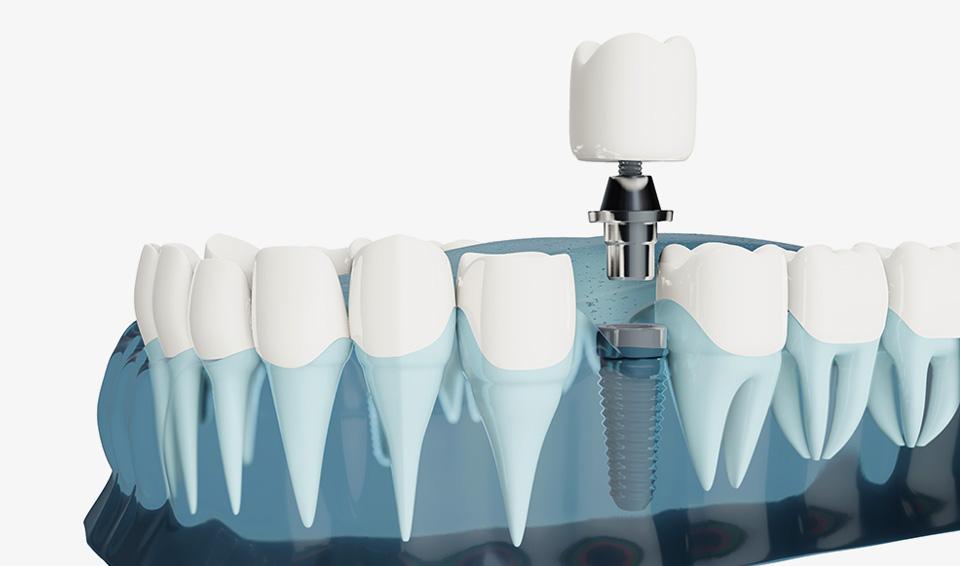
A dental implant is made up of three major parts: the implant fixture, abutment, and crown. The implant fixture, usually made from titanium, is inserted into the jawbone to serve as the tooth root. Titanium’s biocompatibility means it naturally fuses with bone through osseointegration, which is key for stability.
The abutment is a connector placed atop the implant fixture, sticking out above the gumline, and allowing the crown to be attached. Abutments are typically titanium but may vary in material depending on the clinical case.
The crown is the visible replacement tooth, designed to look and feel like a real tooth. It is secured to the abutment with cement or a screw and is often crafted from porcelain, zirconia, or ceramic. Material choices depend on the tooth’s location and load—molar crowns might use tough zirconia, while porcelain is favored for front teeth aesthetics. Selecting the right materials balances durability with appearance.
Types of Implants: Indications for Endosteal, Subperiosteal, and Advanced Techniques
Different implant types are chosen based on jawbone health and patient needs. The most common is the Endosteal implant—a titanium post placed directly into healthy jawbone. If there isn’t enough bone, Subperiosteal implants may be used, employing a metal framework beneath the gums but above the bone.
For severe bone loss, solutions like Zygoma implants (anchoring in the cheekbone) or the All-on-4 technique (using four implants to support a full arch of teeth) come into play. The All-on-4 approach often allows for temporary teeth the same day and streamlines the treatment process for complex cases.
The Multi-Stage Surgical Protocol: From Initial Assessment to Final Prosthesis
Dental implant treatment spans several structured stages over months. It starts with thorough consultation and diagnostic imaging to plan personalized care. If a damaged tooth is present, it's removed and allowed to heal first. Some patients might also need a bone graft to build up jawbone, which adds additional months to treatment time.
The core surgery involves placing the titanium fixture into the jaw and allowing two to six months for osseointegration, during which a temporary tooth may be used. Once the implant is stable, a minor procedure places the abutment, then the custom crown is made and attached, restoring aesthetics and function.
Best Clinics in Korea for Missing Tooth
Listed below are the best clinics in Korea for missing tooth:
| Clinic Name | Key Features | Special Techniques |
|---|---|---|
| Gangnam Gentle Dental Clinic | International-friendly communication, individualized planning, and modern, safety-focused dentistry in Seocho-gu, Seoul. Dr. Travis Kim, who studied at Ohio State University and St. Johnsbury Academy, speaks fluent English, making consultations and treatment discussions clear and comfortable for international patients. Honest and safe care with personalized treatment tailored to each patient’s unique needs and ensuring only necessary procedures are recommended after thorough consultations. For missing teeth, advanced implant options such as 3D guided implants as well as trusted systems like Straumann and Osstem, supported by digital equipment for precise examinations and a strong infection-prevention and sterilization system for peace of mind. Weekday and weekend hours and access to emergency treatment, with ongoing research and development to reduce treatment time and the number of visits. | 3D guided implants; Straumann; Osstem; digital equipment for precise examinations; infection-prevention and sterilization system |
| Minish Dental Hospital | Elite clinical capability with an exceptionally patient-friendly international experience. Korea’s premier dental hospital trusted by expats and international patients, with a 14-floor facility designed to remove language barriers and streamline everything from consultation to treatment. Missing teeth can be addressed with multiple advanced options under one roof, including Minish Bridges for aesthetic, efficient replacement—especially for front teeth—along with Minish Implants and comprehensive prosthodontic solutions, all supported by the clinic’s in-house laboratory and its own technology company driving the latest dental advancements. Minish is highly awarded in Asia, backed by scale and expertise: 113,118 cases, 84,504 hours of R&D, and a dedicated team of 102 top dentists and technicians using 19 advanced pieces of dental equipment, with celebrity-level aesthetics and care, including visits from BLACKPINK and NewJeans. CEO Dr. Jung Ho Kang leads a patient-first philosophy with honest, ethical, highly tailored plans that restore both function and confidence after tooth loss. | Minish Bridges; Minish Implants; comprehensive prosthodontic solutions; in-house laboratory; technology company driving latest dental advancements; 19 advanced pieces of dental equipment; 102 top dentists and technicians; 113,118 cases; 84,504 hours of R&D |
| TU Dental Clinic | Trend-setting dental clinic near Gangnam Station focused on creating natural, beautiful smiles while minimizing pain during treatment and prioritizing the preservation of natural teeth. For missing teeth, careful diagnosis and a plan that restores both function and appearance, aiming for results that look and feel as close to natural teeth as possible. For tooth replacement, implant options range from partial implants—designed to restore one or more teeth in a short period while considering shape, color, and transparency—to fullcase implants for more complex cases involving at least 4 to 6 teeth. Fullcase implant treatment is planned with a digital system using 3D imaging to accurately assess oral conditions, create a precise surgical plan, and proceed with minimal incision and a customized prosthesis. When missing teeth are accompanied by alignment concerns, personalized orthodontic treatment with various bracket options designed for aesthetics and comfort. | 3D imaging; digital system for planning fullcase implants; partial implants; fullcase implants (4-6 teeth); minimal incision; customized prosthesis; orthodontic bracket options for aesthetics and comfort |
Gangnam Gentle Dental Clinic
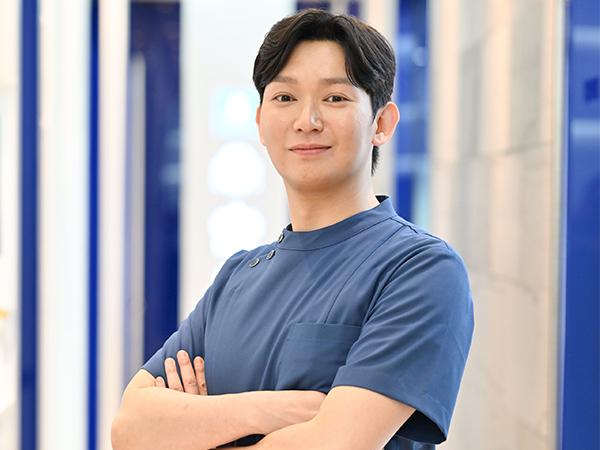
Gangnam Gentle Dental Clinic stands out as one of the best choices in Korea for missing-tooth care because it combines international-friendly communication, individualized planning, and modern, safety-focused dentistry in the heart of Seocho-gu, Seoul. Dr. Travis Kim, who studied at Ohio State University and St. Johnsbury Academy, speaks fluent English, making consultations and treatment discussions clear and comfortable for international patients who worry about language barriers. The clinic is committed to honest and safe care, providing personalized treatment tailored to each patient’s unique needs and ensuring only necessary procedures are recommended after thorough consultations. For missing teeth, patients benefit from advanced implant options such as 3D guided implants as well as trusted systems like Straumann and Osstem, supported by digital equipment for precise examinations and a strong infection-prevention and sterilization system for peace of mind. With weekday and weekend hours and access to emergency treatment, the clinic also prioritizes convenience and continuity of care, while ongoing research and development help reduce treatment time and the number of visits—delivering a smoother, more comfortable path back to a confident, functional smile.
You can check out their website here: Gangnam Gentle Dental Clinic Website
Minish Dental Hospital
For patients seeking the best clinic for missing tooth treatment in Korea, Minish Dental Hospital in Gangnam stands out for combining elite clinical capability with an exceptionally patient-friendly international experience. As Korea’s premier dental hospital trusted by expats and international patients, Minish delivers world-class care in a 14-floor facility designed to remove language barriers and streamline everything from consultation to treatment. Missing teeth can be addressed with multiple advanced options under one roof, including Minish Bridges for aesthetic, efficient replacement—especially for front teeth—along with Minish Implants and comprehensive prosthodontic solutions, all supported by the clinic’s in-house laboratory and its own technology company driving the latest dental advancements. Minish is also the most highly awarded dental clinic in Asia and backs its reputation with scale and expertise: 113,118 cases, 84,504 hours of R&D, and a dedicated team of 102 top dentists and technicians using 19 advanced pieces of dental equipment to deliver precise, personalized treatment. Known for celebrity-level standards of aesthetics and care—including visits from major K-pop acts such as BLACKPINK and NewJeans—Minish is guided by a patient-first philosophy, with CEO Dr. Jung Ho Kang and specialist teams committed to honest, ethical, highly tailored plans that restore both function and confidence after tooth loss.
You can check out their website here: Minish Dental Hospital Website
TU Dental Clinic (TU Dental)
TU Dental Clinic (TU Dental) near Gangnam Station is a trend-setting dental clinic focused on creating natural, beautiful smiles while minimizing pain during treatment and prioritizing the preservation of natural teeth. For patients dealing with missing teeth, TU Dental emphasizes careful diagnosis and a plan that restores both function and appearance, aiming for results that look and feel as close to natural teeth as possible.
For tooth replacement, TU Dental provides implant options ranging from partial implants—designed to restore one or more teeth in a short period while considering shape, color, and transparency—to fullcase implants for more complex cases involving at least 4 to 6 teeth. Fullcase implant treatment is planned with a digital system using 3D imaging to accurately assess oral conditions, create a precise surgical plan, and proceed with minimal incision and a customized prosthesis. When missing teeth are accompanied by alignment concerns, TU Dental also offers personalized orthodontic treatment with various bracket options designed for aesthetics and comfort.
Find more about this clinic here: TU Dental Clinic (TU Dental) Website
Navigating Dental Implant Surgery as a Medical Tourist in South Korea
The Patient's Journey: A Step-by-Step Guide for Foreign Patients
Dental tourism to South Korea is tailored for international visitors. The experience often begins with a remote consultation, where patients send their dental images and medical history for initial evaluation and treatment planning.
- First Trip: The patient travels to Korea for the implant surgery, which is a quick outpatient procedure under local (or sometimes general) anesthesia.
- Healing at Home: After surgery, the patient returns home for the required healing and osseointegration period.
- Second Trip: Upon returning to Korea, the abutment and crown are completed, often in just a single day thanks to in-house dental labs. This minimizes time spent abroad and streamlines recovery.
Logistical Considerations: Visa, Travel, and Clinic Selection
International patients should prepare for travel logistics. Many nationalities can visit Korea visa-free for up to 90 days, but from January 2026, a Korean Electronic Travel Authorization (K-ETA) will be necessary. Dedicated medical tourist visas are also available—patients should check with their local embassy.
Choosing a dental clinic is key. South Korean clinics, like Gangnam Gentle Dental Clinic, are recognized for their modern technology and internationally trained staff. Patients should review a clinic’s credentials, sterilization protocols, and guarantee policies. The competitive dental market in Korea drives quality and innovation, boosting patient confidence.
South Korea's Competitive Advantages in Dental Tourism
South Korea stands out in dental tourism through its blend of advanced technology, highly trained professionals, and efficiency—not just lower pricing. Clinics have cutting-edge imaging and laboratory capabilities, enabling fast, precise custom restorations. With high standards and quick turnaround, patients find exceptional value for both the quality and speed of care, making South Korea an appealing option for dental implants.
The Economic Landscape of Dental Implants: Cost Analysis and Value Proposition
Detailed Cost Analysis for a Single Implant in South Korea
Pricing in South Korea is a big draw: a single dental implant—including abutment and crown—costs between $1,160 and $2,000 USD, depending on the surgeon’s expertise, clinic location, and material quality. Patients typically put down a 10% deposit, but the overall cost remains dramatically lower than in many Western countries.
Global Cost Comparison: A Financial Perspective for the Medical Tourist
Compared to places like the US, Canada, and Australia, it’s easy to see the savings—a comparable procedure can be up to $4,800 in North America or $2,100 in Australia. While Turkey or Mexico sometimes offer slightly lower prices, South Korea’s advantage is the combination of moderate pricing, advanced technology, and international accreditation. The savings in South Korea reflect a highly efficient system and competitive marketplace, not a compromise on quality.
| Procedure (Single Tooth) | South Korea | US/Canada | Australia | Turkey |
|---|---|---|---|---|
| Dental Implant | $1,160 - $2,000 | $3,000 - $4,800 | $2,100 | $550 - $1,080 |
| Bone Graft | $450 | $2,000 | $5,514 | Not specified |
| Same-Day Dental Crown | $690 | $1,300 - $3,500 | $1,300 | Not specified |
All costs are in USD and approximate.
Patient Outcomes: Functional, Aesthetic, and Psychosocial Benefits
Restoring Oral Function: Chewing, Speech, and Jawbone Preservation
Dental implants restore full chewing function, giving people the confidence and freedom to eat comfortably. Implants feel and function like natural teeth, and because they don’t depend on neighboring teeth—as bridges do—they preserve the health of adjacent teeth. Implants also provide vital stimulation to the jawbone, preventing bone loss that could otherwise alter facial appearance over time.
The Aesthetic and Psychological Impact: Case Studies and Testimonials
Beyond physical benefits, dental implants can dramatically boost self-confidence and quality of life. Case studies show patients regain their smiles after trauma, illness, or dental disease, with some describing the experience as life-changing. Many report minimal pain and express deep appreciation for the supportive, professional dental care they receive. Ultimately, the restoration goes beyond the tooth—patients regain confidence, social ease, and are able to speak and smile freely once again.
Conclusion
Dental implants effectively restore function, appearance, and confidence for patients with a single missing tooth. South Korea offers a compelling mix of affordability, quality, and speed for medical tourists, providing a premium experience at substantially reduced costs. The procedure not only addresses dental needs but also contributes to better overall well-being.
References
1, 2, 3, 4, 5, 6, 7, 8, 9, 10, 11, 12, 13, 14, 15, 16, 17, 18, 19, 20, 21, 22, 23, 24, 25, 26, 27