Medical Tourism Blog
Achieve Clearer Labial Edge with Labia Minora Whitening Procedures in Korea
Table of contents
- Labia Minora Whitening Procedures: Methods, Mechanisms, and Considerations
- Best Clinics in Korea for Labial Edge Pigmentation
- The Medical Tourist's Guide to Labia Minora Whitening in South Korea
- Cost Analysis: South Korea vs. Global Medical Tourism Destinations
- Patient Experiences and Outcomes
- Conclusion: Making an Informed Decision
- References
Considering treatment in Korea? Everything you need to know e.g. — how to avoid scams, visas, interpreters, recovery tips — in our Medical Tourism Master Guide. Plan with confidence in minutes, not weeks!
Variations in the natural color of intimate areas are common, but for many, pigmentation of the labia can become a significant cosmetic concern. Often described as a "dark border on the labia," this can cause psychological discomfort and lower self-confidence. To address these concerns, cosmetic solutions like labia minora whitening have gained popularity. This guide offers evidence-based information for patients considering labia minora whitening, focusing on the unique aspects of pursuing these procedures as medical tourists in South Korea. The goal is to empower patients with knowledge to make informed, autonomous decisions about their health and aesthetic goals.
Labial pigmentation refers to changes or darkening of the labia minora (inner folds of the vulva) and labia majora (outer folds around the vaginal opening). It’s important to know that labia naturally vary in color, ranging from pink to darker brown or purplish hues, influenced by genetics and hormones.
One common pigmentation type is vulvar melanosis, which appears as very dark, irregular patches that may be asymmetrical or unevenly bordered. These patches usually occur on the labia minora but can also appear on the labia majora or other vulvar mucosal areas. Vulvar melanosis is generally harmless and benign, but because it looks similar to more serious conditions like vulvar melanoma, professional diagnosis is essential. About 70% of vulvar melanosis cases remain stable over time, while roughly 30% may change gradually over about 18 months; however, it rarely progresses to malignancy.
Common Medical Terms and Pseudonyms
When researching labial edge pigmentation, you may encounter various medical terms and pseudonyms. Understanding these helps navigate online information and medical consultations effectively.
Table 1: Common Pseudonyms for Labial Edge Pigmentation
| Term | Description |
|---|---|
| Vulvar Melanosis | Benign, often irregular dark patches on the vulva |
Causes of Pigmentation
Several factors contribute to labial pigmentation:
- Hormonal Fluctuations: Hormones play a major role. Increased estrogen during pregnancy or puberty can darken the labia. Hormonal contraceptives or hormone replacement therapy may also affect pigmentation. Polycystic Ovary Syndrome (PCOS) can cause pigmentation changes due to elevated androgens affecting insulin.
- Friction and Irritation: Physical irritation from tight clothing, synthetic underwear, sexual activity, or shaving can increase pigmentation.
- Genetics: Your genetic makeup influences baseline labial color and variations. Though the exact cause of vulvar melanosis is unknown, estrogen’s role in stimulating melanin production is suspected.
- Aging: The vulva changes with age, including skin darkening.
- Infections or Medical Conditions: Some conditions like lichen sclerosus, HPV infections, acanthosis nigricans, vitiligo, atypical genital nevi, seborrheic keratosis, and post-inflammatory hyperpigmentation can cause pigmentation changes. Rarely, vulvar cancer may appear as a new or changing dark spot.
Importance of Medical Evaluation
Because benign pigmentation can look like serious conditions such as vulvar melanoma, consulting a medical professional for an accurate diagnosis is crucial. Even if your concern is cosmetic, a dark border on the labia should prompt a thorough health evaluation. Doctors typically perform a clinical exam, review your history, and may do a biopsy to rule out serious issues. Seek immediate care if you notice bleeding, new lumps, or open sores. If pigmentation stems from hormonal imbalances like pregnancy or PCOS, cosmetic treatments might only offer temporary results. Understanding underlying causes helps manage expectations and plan for maintenance.
Labia Minora Whitening Procedures: Methods, Mechanisms, and Considerations
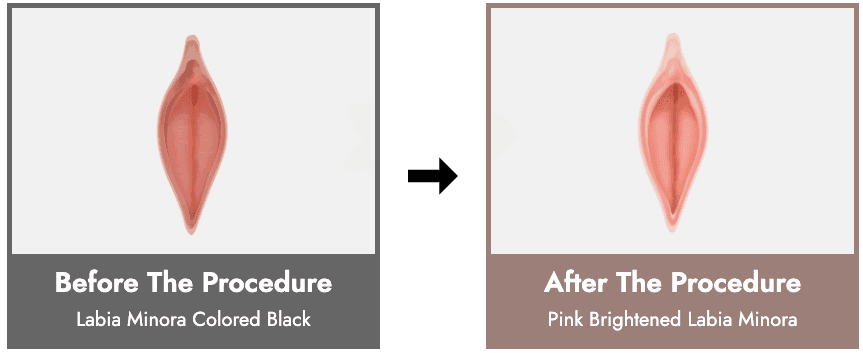
Labia minora whitening is a cosmetic procedure aimed at lightening the inner vulvar skin. People seek it for aesthetic reasons, personal preference, and to boost self-confidence, body image, and sexual quality of life. It’s often recommended for those distressed by naturally dark labia, pigmentation from childbirth or aging, or discoloration linked to hypertrophy and asymmetry.
Detailed Procedure Methods
Several methods are used for labia minora whitening, each with unique mechanisms and considerations:
-
Topical Creams and Lotions:
- Mechanism: These contain ingredients like hydroquinone, kojic acid, or arbutin that inhibit tyrosinase, an enzyme essential for melanin production. Hydroquinone is potent, destroying melanosomes and melanocytes, while arbutin releases slowly causing less irritation. Kojic acid, from fungi, also reduces melanin but is less strong.
- Application: Applied daily over a set period, with gradual lightening.
- Considerations: Generally gentle but can cause irritation, redness, and rare ochronosis with prolonged hydroquinone use. They increase sun sensitivity, so sunscreen is essential.
-
Laser Treatments:
- Mechanism: Lasers target melanin, converting light to heat to destroy pigmented cells. They also stimulate collagen, tightening and smoothing skin. This “peeling process” removes thin pigmented layers, revealing lighter skin and promoting regeneration. Multiple sessions are usually needed.
- Types: Include pico and nanosecond lasers, Q-switched Nd:YAG, fractional lasers (Fraxel, Clear + Brilliant), and IPL. Pico lasers use ultra-short pulses, minimizing downtime.
- Sessions & Duration: Typically 3-4 sessions spaced monthly, each lasting 20-30 minutes. Severe cases may need extra treatments.
- Considerations: Effective but costly, with possible recovery time. Fractional lasers may cause complications in sensitive or darker skin types.
-
Chemical Peels and Microdermabrasion:
- Mechanism: Chemical peels use acids to remove the top skin layer, stimulating regeneration. Milder acids like glycolic acid suit sensitive genital skin. Microdermabrasion exfoliates gently.
- Considerations: Can improve uneven pigmentation but stronger peels may be harsh. Proper aftercare is vital.
-
Surgical Methods:
- Rarely used for color correction alone, reserved for severe color inequalities or complex issues. Should only be done by specialized plastic surgeons.
Table 2: Comparison of Labia Minora Whitening Methods
| Method | Mechanism/Application | Advantages | Risks/Considerations | Typical Sessions/Duration |
|---|---|---|---|---|
| Topical Creams & Lotions | Inhibit melanin production (hydroquinone, kojic acid, arbutin); daily application. | Accessible, non-invasive, gradual results, generally gentle. | Skin irritation, redness, ochronosis (hydroquinone), sun sensitivity. | Daily use over specified period; gradual results. |
| Laser Treatments | Light energy breaks down melanin, stimulates collagen; “peeling process.” | Faster, effective, longer-lasting, skin tightening. | Costly, recovery, burns, scarring, pain, pigment changes, not for all skin types. | Multiple sessions (3-4), monthly; 20-30 mins each. |
| Chemical Peels & Microdermabrasion | Exfoliate top skin layer, stimulate regeneration; mild acids for sensitive areas. | Improve tone and texture, correct inequalities. | Can be harsh, redness, sensitivity, requires aftercare. | Varies; often multiple sessions. |
| Surgical Methods | Physical skin removal (rarely for color alone); for severe inequalities. | Addresses significant color issues. | Infection, scarring, anesthesia risks; highly invasive. | Single procedure (rare). |
General Post-Procedure Care
Proper aftercare is key for healing and best results. Keep treated areas clean and moisturized with gentle products, avoiding medicated topicals for at least a week unless advised. Wear loose or disposable underwear to reduce friction. Avoid sexual intercourse for 48 hours to 2-3 weeks depending on clinic advice. Use tepid water for washing and avoid hot baths for 48-72 hours. Mild sunburn-like sensations are common initially. Normal activities can resume immediately, but avoid strenuous exercise for 48-72 hours. Protect the area from sun exposure for at least two weeks with SPF 30+ sunscreen. Follow your provider’s specific instructions carefully.
Safety, Risks, and Side Effects
It’s important to know that vaginal bleaching is not medically approved for non-medical reasons and can be risky. Major organizations like the American College of Obstetricians and Gynecologists (ACOG) warn that cosmetic genital alteration carries significant risks, despite commercial claims of safety.
The FDA has not approved any cosmetic vaginal rejuvenation treatments, including bleaching, due to dangers such as:
- Burns: Especially from lasers or chemicals.
- Scarring: From improper procedures or aftercare.
- Pain: Long-lasting pain or painful intercourse; mild discomfort or itching is common.
- Discoloration Issues: Unintended lightening or darkening, including ochronosis.
- Infection: Risk with any skin procedure.
- Skin Problems from Unregulated Products: Rashes, steroid acne, thinning skin, ulcers.
- Unbalanced Vaginal Flora: Potential disruption.
- Dangerous Ingredients: Some creams contain harmful substances like hydroquinone, steroids, arsenic, or mercury, sometimes undisclosed.
Avoid home bleaching due to high risks. Medical-grade creams differ from over-the-counter products. The procedure is not recommended for pregnant or breastfeeding individuals or those with genital herpes or warts, as it may worsen these conditions.
Ethical debates surround intimate cosmetic procedures, with concerns about reinforcing unrealistic beauty standards and negative body image. Pressure to alter appearance can be coercive. Given limited scientific evidence on long-term safety and efficacy, patients should rely on qualified professionals and be fully informed.
Best Clinics in Korea for Labial Edge Pigmentation
Listed below are the best clinics in Korea for labial edge pigmentation:
| Clinic Name | Key Features | Special Techniques |
|---|---|---|
| SH Clinic Website | SH Clinic in Sinsa, Seoul is a specialized women’s care center where all surgeries and procedures are performed directly by a highly experienced, board-certified gynecologist recognized with a commendation from the Minister of Health and Welfare. Combining gynecology, stem-cell science, aesthetic dermatology, and modern plastic surgery under one roof, the clinic provides a full spectrum of women’s health and vaginal rejuvenation services—such as vaginal fillers, stem cell injections, HIFU treatments, vaginal tightening, and implant surgery—in a setting designed for comfort, discretion, and expertise. For patients seeking evaluation and care for labial edge pigmentation, SH Clinic offers gynecology-led consultations and personalized treatment planning that draw on the clinic’s integrated strengths in intimate aesthetics, regenerative medicine, and energy-based therapies. From careful assessment through tailored procedures and follow-up, female patients receive consistent, specialist-led care focused on achieving natural-looking refinement while prioritizing safety, sensitivity, and overall gynecologic health. | Vaginal fillers; stem cell injections; HIFU treatments; vaginal tightening; implant surgery; gynecology-led consultations; personalized treatment planning; energy-based therapies; labial edge pigmentation evaluation and care. |
| Sinsoe Women's Clinic Website | Sinsoe Women’s Clinic, located at Gangnam Station, specializes in comprehensive, women-focused care that spans both functional and aesthetic needs—making it a thoughtful choice for individuals exploring concerns such as labial edge pigmentation. With dedicated expertise in women’s plastic surgery, including vaginoplasty to improve function and labiaplasty to enhance comfort and appearance, the clinic provides care aligned with the unique goals of vulvar aesthetics and well-being. Beyond plastic surgery, Sinsoe offers a full spectrum of services that support holistic women’s health. Its Uterine Fibroid Center provides non-invasive HIFU treatment, while the gynecology department addresses infections and STDs, menstrual disorders, urinary incontinence, and menopause management. Complementing this, the Skin, Obesity, and Hair Clinic delivers customized skin and body programs and comprehensive hair loss care—enabling personalized, multidisciplinary plans that align aesthetic goals with overall reproductive and dermatologic health. Find more about this clinic here: Sinsoe Women's Clinic Website | Vaginoplasty; labiaplasty; non-invasive HIFU treatment; gynecology department addressing infections, STDs, menstrual disorders, urinary incontinence, and menopause management; Skin, Obesity, and Hair Clinic with customized skin and body programs and comprehensive hair loss care. |
| Gangnam Podo Woman Clinic Website | Gangnam Podo Woman Clinic is a hospital where women are happy, dedicated to providing comfortable, comprehensive care for women’s health—physically and mentally. With a one-stop system and customized consultations led by a prepared medical team of gynecologists, dermatologists, and plastic surgeons, the clinic is well positioned to evaluate and address concerns related to labial edge pigmentation within the broader context of vulvar aesthetics and wellness. Patients benefit from individualized treatment planning that emphasizes safety, privacy, and natural-looking harmony. For women seeking refined management of labial edge color and contour alongside overall vulvar rejuvenation, the clinic offers a wide spectrum of procedures. Within vulvoplasty, options such as Laser Sculpture Labioplasty, labia majora rejuvenation, and Laser Clitoris Rejuvenation can be integrated with dermatologic strategies to support balanced tone and texture, while gynecologic rejuvenation services—including Laser Vaginal Tightening, Anti-incontinence Laser Rejuvenation, M-sling Implant Rejuvenation, filler injections, and regenerative approaches like Stem-Cell Vaginal Rejuvenation—allow for coordinated internal and external care. This multidisciplinary, technology-forward approach helps patients explore appropriate, tailored solutions for both aesthetic and functional goals. Find more about this clinic here: Gangnam Podo Woman Clinic Website | A hospital where women are happy, dedicated to providing comfortable, comprehensive care for women’s health—physically and mentally. One-stop system with customized consultations by a team of gynecologists, dermatologists, and plastic surgeons; focus on labial edge pigmentation within vulvar aesthetics and wellness; individualized treatment planning emphasizing safety, privacy, and natural-looking harmony. Within vulvoplasty, Laser Sculpture Labioplasty, labia majora rejuvenation, Laser Clitoris Rejuvenation; gynecologic rejuvenation services including Laser Vaginal Tightening, Anti-incontinence Laser Rejuvenation, M-sling Implant Rejuvenation, filler injections, and Stem-Cell Vaginal Rejuvenation. This multidisciplinary, technology-forward approach supports aesthetic and functional goals. |
SH Clinic
SH Clinic in Sinsa, Seoul is a specialized women’s care center where all surgeries and procedures are performed directly by a highly experienced, board-certified gynecologist recognized with a commendation from the Minister of Health and Welfare. Combining gynecology, stem-cell science, aesthetic dermatology, and modern plastic surgery under one roof, the clinic provides a full spectrum of women’s health and vaginal rejuvenation services—such as vaginal fillers, stem cell injections, HIFU treatments, vaginal tightening, and implant surgery—in a setting designed for comfort, discretion, and expertise.
For patients seeking evaluation and care for labial edge pigmentation, SH Clinic offers gynecology-led consultations and personalized treatment planning that draw on the clinic’s integrated strengths in intimate aesthetics, regenerative medicine, and energy-based therapies. From careful assessment through tailored procedures and follow-up, female patients receive consistent, specialist-led care focused on achieving natural-looking refinement while prioritizing safety, sensitivity, and overall gynecologic health.
You can check out their website here: SH Clinic Website
Sinsoe Women's Clinic
Sinsoe Women’s Clinic, located at Gangnam Station, specializes in comprehensive, women-focused care that spans both functional and aesthetic needs—making it a thoughtful choice for individuals exploring concerns such as labial edge pigmentation. With dedicated expertise in women’s plastic surgery, including vaginoplasty to improve function and labiaplasty to enhance comfort and appearance, the clinic provides care aligned with the unique goals of vulvar aesthetics and well-being.
Beyond plastic surgery, Sinsoe offers a full spectrum of services that support holistic women’s health. Its Uterine Fibroid Center provides non-invasive HIFU treatment, while the gynecology department addresses infections and STDs, menstrual disorders, urinary incontinence, and menopause management. Complementing this, the Skin, Obesity, and Hair Clinic delivers customized skin and body programs and comprehensive hair loss care—enabling personalized, multidisciplinary plans that align aesthetic goals with overall reproductive and dermatologic health.
Find more about this clinic here: Sinsoe Women's Clinic Website
Gangnam Podo Woman Clinic
Gangnam Podo Woman Clinic is a hospital where women are happy, dedicated to providing comfortable, comprehensive care for women’s health—physically and mentally. With a one-stop system and customized consultations led by a prepared medical team of gynecologists, dermatologists, and plastic surgeons, the clinic is well positioned to evaluate and address concerns related to labial edge pigmentation within the broader context of vulvar aesthetics and wellness. Patients benefit from individualized treatment planning that emphasizes safety, privacy, and natural-looking harmony.
For women seeking refined management of labial edge color and contour alongside overall vulvar rejuvenation, the clinic offers a wide spectrum of procedures. Within vulvoplasty, options such as Laser Sculpture Labioplasty, labia majora rejuvenation, and Laser Clitoris Rejuvenation can be integrated with dermatologic strategies to support balanced tone and texture, while gynecologic rejuvenation services—including Laser Vaginal Tightening, Anti-incontinence Laser Rejuvenation, M-sling Implant Rejuvenation, filler injections, and regenerative approaches like Stem-Cell Vaginal Rejuvenation—allow for coordinated internal and external care. This multidisciplinary, technology-forward approach helps patients explore appropriate, tailored solutions for both aesthetic and functional goals.
Find more about this clinic here: Gangnam Podo Woman Clinic Website
The Medical Tourist's Guide to Labia Minora Whitening in South Korea
South Korea is a global leader in cosmetic treatments and plastic surgery, known for advanced technology and high safety standards. It offers cutting-edge lasers and experienced specialists in intimate skin treatments. Competitive pricing compared to Western countries makes it attractive for medical tourists. Clinics provide English-speaking staff, privacy-focused consultations, and dedicated post-treatment care. Confidentiality is emphasized, reducing typical anxieties of international medical travel.
Step-by-Step Process for International Patients
- Initial Consultation: Many clinics offer free online consultations via questionnaires, photos, and video calls (WhatsApp, Zoom). This helps assess needs, recommend doctors, and provide quotes. An in-person consultation upon arrival is essential for detailed evaluation and planning.
- Personalized Treatment Plan: Based on diagnosis and skin condition, the plan outlines the number of laser sessions and expected outcomes.
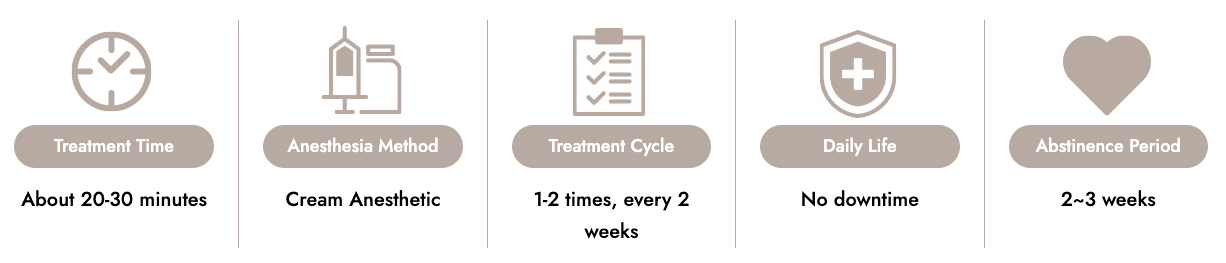
- Procedure Day: Sessions last 20-30 minutes, usually with topical anesthesia included. Procedures are outpatient with no overnight stay.
- Recovery and Post-Treatment: Patients often resume normal activities immediately but should abstain from sex for 48 hours to 2-3 weeks. Mild redness and sensitivity are common initially. Lightening appears within 1 week, with visible results in 2-4 weeks. Multiple sessions and yearly maintenance may be needed.
Choosing a Reputable Clinic
Research is vital. Review patient testimonials, before-and-after photos, and independent reviews. Look for certifications from recognized medical boards, especially in dermatology and cosmetic treatments. Verify staff qualifications and training. Hygiene standards and advanced technology use are key quality indicators.
Many Korean clinics offer English translators and excellent customer service. Public resources like the Medical Korea Support Center provide interpretation. Scheduling consultations with multiple clinics helps compare expertise and pricing. Despite convenience, patients must conduct thorough due diligence to ensure safety and quality.
Travel and Accommodation Logistics
- Flights: Round-trip airfare from the US or Europe ranges from $600 to $1,500 depending on season and booking.
- Local Transportation: Efficient public transport is available; AREX train to Seoul Station costs about $9; taxis and buses vary from $6 to $80.
- Accommodation: Budget $500-$1,450 for a week. Some clinics offer complimentary lodging during treatment.
- Visa: Check visa requirements; clinics may provide invitation letters.
- Required Documents: Passport copy, medical history, medication list, and health tests may be needed.
- Booking Timeline: Book 1-3 months in advance for availability.
Cost Analysis: South Korea vs. Global Medical Tourism Destinations
Cost Breakdown in South Korea
Labia majora whitening (often called "Vaginal laser whitening") costs $400-$600 per session. Laser treatments range from ₩800,000 to ₩2,500,000 ($580-$1,800) per session; chemical peels cost ₩500,000 to ₩1,500,000 ($360-$1,100) per session. Since 2-4 sessions are typical, total costs can range from $1,200 to $7,200, excluding travel and accommodation.
A 10% deposit usually secures the date, deducted from the total on procedure day. Costs often include the laser procedure, local anesthesia, and a brief 1-day observation stay. Multiple sessions may require multiple trips or extended stays, increasing expenses. Initial consultation fees ($35-$110) may be separate, though some clinics offer free consultations.
Factors Influencing Cost
- Clinic Location: Urban clinics, especially in Seoul, tend to charge more.
- Technology Used: Advanced lasers or techniques affect pricing.
- Practitioner Expertise: Experienced specialists command higher fees.
- Number of Sessions: More sessions increase total cost.
Global Cost Comparison
South Korea offers a strong value with advanced technology, skilled specialists, and competitive prices. Despite travel costs, total expenses often remain lower than in Western countries, making it an attractive option.
Table 3: Estimated Costs of Labia Minora/Majora Whitening: South Korea vs. Other Countries (USD)
| Country | Estimated Cost Range (USD) (Per Session / General) | Notes |
|---|---|---|
| South Korea | General: $400 - $600 | Usually per session for basic procedures. |
| Laser per session: $580 - $1,800 | Multiple sessions typically required. | |
| Chemical peel per session: $360 - $1,100 | Multiple sessions typically required. | |
| USA | $1,000 - $2,000 | Higher prices in urban and top facilities. |
| Australia | $260 - $650 | Varies by clinic location and reputation. |
| Mexico | $700 - $1,200 | Research clinic accreditation and experience. |
| Turkey | ~$520 | Stable pricing; inquire directly with clinics. |
| Thailand | $500 - $1,197 | Competitive pricing; consider travel and language. |
Patient Experiences and Outcomes
Patients seek these procedures mainly to improve self-confidence and intimate relationships, addressing concerns about dark vulva areas visible during intimacy. The goal is a more harmonious appearance and enhanced psychological comfort.
A study of 38 women in Turkey reported high satisfaction:
Table 4: Patient Satisfaction Levels with Vulvar Whitening Procedures (N=38)
| Satisfaction Level | Number of Participants | Percentage |
|---|---|---|
| Delighted | 28 | 73.7% |
| Satisfied | 8 | 21.0% |
| Less Satisfied | 2 | 5.3% |
| Not Satisfied | 0 | 0.0% |
No participants reported being "not satisfied." Satisfaction was consistent across demographics, including marital status, childbirth history, and PCOS presence. Even young, single women with no sexual experience reported delight.
Treatments brighten the vulva, creating a smoother, more even tone. Laser treatments also stimulate collagen, tightening skin. Results are described as a "radiant transformation" or "refreshed, youthful glow." Lightening appears gradually over 3-4 weeks, with significant improvement by 5-8 weeks. Multiple sessions and maintenance are needed.
Patients should have realistic expectations: complete evenness or a "natural" color match may not be achievable. Results require consistent care and multiple sessions, not instant fixes.
High satisfaction often reflects psychological benefits rather than medical cures. This contrasts with medical warnings about safety and efficacy. The report acknowledges patients’ valid desires while emphasizing medical caution.
Ethical debates highlight concerns that such procedures may reinforce unrealistic beauty standards and cultural pressures, especially in parts of Asia and the Middle East where lighter intimate skin is preferred. Patients should reflect on their motivations to ensure decisions are autonomous and well-informed.
Conclusion: Making an Informed Decision
Labial edge pigmentation is often natural but can cause cosmetic concern, leading many to consider labia minora whitening. This guide covered causes, terminology, whitening methods, and safety considerations.
South Korea is a leading destination for these procedures, offering advanced technology, skilled specialists, and competitive pricing with a strong medical tourism infrastructure. However, patients should remember that multiple sessions are usually needed, increasing total costs and logistics.
Prioritizing health and safety starts with a thorough medical evaluation to rule out serious conditions like vulvar melanoma. Major medical organizations warn that vaginal bleaching for cosmetic reasons is not medically approved and carries risks such as burns, scarring, and pain. While many report high satisfaction linked to improved confidence, these benefits must be balanced against medical risks.
Ultimately, labia minora whitening is a personal choice. Patients should research thoroughly, seek multiple professional opinions, maintain realistic expectations, and understand all risks. Choosing reputable clinics and following post-procedure care ensures decisions align with personal values while protecting health and well-being.
References
1, 2, 3, 4, 5, 6, 7, 8, 9, 10, 11, 12, 13, 14, 15, 16, 17, 18, 19, 20, 21, 22, 23, 24, 25, 26, 27, 28, 29, 30, 31, 32, 33, 34, 35, 36, 37, 38, 39, 40, 41, 42, 43