Medical Tourism Blog
Effective Gingivitis and Periodontal Disease Treatment Options in Korea for Healthy Gums
Table of contents
- Periodontal Disease Treatment: Restoring and Maintaining Gum Health
- Best Clinics in Korea for Gingivitis
- Navigating Periodontal Treatment in South Korea: A Medical Tourist's Perspective
- Cost Considerations for Periodontal Treatment in South Korea: A Comparative Analysis
- Patient Experiences and Outcomes: The Real-World Impact of Periodontal Treatment
- Conclusion
- References
Considering treatment in Korea? Everything you need to know e.g. — how to avoid scams, visas, interpreters, recovery tips — in our Medical Tourism Master Guide. Plan with confidence in minutes, not weeks!
Gingivitis, often called gum inflammation, is the earliest stage of gum disease and can have a major impact on oral health if not treated. Knowing what gingivitis is, how it progresses, and what treatments are available is essential for anyone looking to maintain healthy gums. This guide covers everything you need to know about gingivitis, explains periodontal disease treatments, provides a step-by-step guide for international patients seeking care in South Korea, compares costs, and explores real patient experiences and outcomes.
Gingivitis marks the beginning of gum disease and is defined by inflammation of the gums. It usually starts when plaque—a sticky film of bacteria, mucus, and food debris—builds up on teeth, especially near the gumline. If not removed through regular brushing and flossing, plaque hardens into tartar (calculus), which further irritates the gums and triggers inflammation.
You might see gingivitis referred to as "gum disease" or, less precisely, as "periodontal disease." It's important to note that gingivitis is just one stage under the broader umbrella of periodontal disease, which also includes the more severe periodontitis.
Recognizing the Signs: Causes and Symptoms
The main cause of gingivitis is the ongoing presence of plaque and tartar. However, several factors can increase your risk, such as poor dental hygiene, hormonal changes (like during pregnancy), uncontrolled diabetes, smoking, dental irregularities, certain medications (like phenytoin, bismuth, some birth control pills, and drugs that cause dry mouth), and even family history. Men, people with lower socioeconomic status, and those with less education are also at higher risk.
Symptoms can be subtle at first, but watch for bleeding gums (especially when brushing or flossing), red or purple gums, swelling, tenderness, shiny gums, persistent bad breath, mouth sores, sensitivity to hot or cold foods, pain when chewing, and gum recession. While gingivitis itself isn’t contagious, the bacteria causing it can be spread through saliva.
Table 1: Common Symptoms and Risk Factors of Gingivitis
| Category | Symptoms | Risk Factors |
|---|---|---|
| Visual/Physical | Bleeding gums (brushing/flossing) | Poor dental hygiene |
| Bright red or reddish-purple gums | Plaque/tartar buildup | |
| Swollen gums | Pregnancy/hormonal changes | |
| Tender gums (often painless) | Uncontrolled diabetes | |
| Shiny appearance to gums | Smoking/tobacco use | |
| Mouth sores | Misaligned teeth/ill-fitting dental appliances | |
| Gums pulling away from teeth (recession) | Certain medications (e.g., phenytoin, bismuth, birth control pills, dry mouth-inducing drugs) | |
| Sensory/Functional | Persistent bad breath | Certain infections/systemic diseases |
| Sensitivity to hot or cold foods | Male gender | |
| Pain/tenderness when chewing | Lower socioeconomic status/education | |
| Family history of gum disease |
Why Early Intervention Matters: Preventing Progression to Periodontitis
Gingivitis is extremely common, affecting nearly half of adults over 30. Because early symptoms are often mild or painless, many people don’t realize they have it until it worsens. That’s why regular dental check-ups are so important—they catch problems before they become serious.
If left untreated, gingivitis can progress to periodontitis, which causes irreversible damage to the bone and tissues supporting your teeth. This can lead to loose teeth and, eventually, tooth loss. The transition from gingivitis to periodontitis happens when plaque and tartar are not removed, allowing bacteria to destroy the structures that keep your teeth in place.
The good news is that with professional dental cleaning and good home care, symptoms like bleeding and tenderness usually improve within a week or two. However, maintaining these results requires ongoing daily oral hygiene—brushing, flossing, and regular dental visits are key to keeping gum disease at bay.
Periodontal Disease Treatment: Restoring and Maintaining Gum Health
The main goal of periodontal treatment is to clean out the pockets around teeth, remove bacteria and tartar, and stop further damage to gums and bone. A periodontist (a gum disease specialist) usually leads the treatment, often working with a dental hygienist.
Non-Surgical Approaches: Initial Steps to Recovery
For early or less severe periodontitis, non-surgical treatments are usually the first step. The most common is Scaling and Root Planing (deep cleaning), which removes tartar and bacteria from above and below the gumline and smooths the tooth roots to help gums reattach. Recovery is quick, with no downtime.
Dentists may also prescribe Antibiotics—either as mouth rinses, gels applied to gum pockets, or oral medications—to control infection. Laser Periodontal Therapy is another option, using a tiny laser to remove diseased tissue and bacteria with less pain and swelling than traditional surgery. Laser therapy is less invasive, often doesn’t require stitches, and usually means a faster recovery.
Surgical Interventions: Addressing Advanced Gum Disease
If gum disease is more advanced, surgery may be needed, with recovery times ranging from one to four weeks.
- Flap Surgery (Pocket Reduction Surgery): The gums are lifted to allow deep cleaning of tooth roots and, if needed, reshaping of damaged bone. The gums are then stitched back in place, making future cleaning easier.
- Soft Tissue Grafts (Gum Grafting): Used when gums have receded, exposing tooth roots. Tissue from the roof of the mouth, a donor, or synthetic material is attached to the affected area to cover roots and improve appearance.
- Bone Grafting: When bone has been lost, graft material (from the patient, a donor, or synthetic) is used to help regrow bone and stabilize teeth.
- Guided Tissue Regeneration: A special membrane is placed between bone and tooth to encourage bone regrowth and prevent unwanted tissue from filling the space.
- Tissue-Stimulating Proteins: A gel with natural proteins is applied to the tooth root to stimulate healthy bone and tissue growth.
Early treatment can often prevent the need for these more invasive and costly procedures, highlighting the importance of catching gum disease early.
Table 2: Overview of Periodontal Disease Treatments
| Treatment Type | Procedure | Description |
|---|---|---|
| Non-Surgical | Scaling and Root Planing (Deep Cleaning) | Removes plaque and tartar from tooth surfaces and roots; smooths root surfaces to prevent future buildup and encourage gum reattachment. |
| Antibiotics | Topical (mouth rinses, gels) or oral medications used to control bacterial infection. | |
| Laser Periodontal Therapy | Uses a tiny laser to precisely remove diseased tissue and kill bacteria under gums; less invasive than traditional surgery. | |
| Surgical (for advanced cases) | Flap Surgery (Pocket Reduction Surgery) | Gums are lifted to allow thorough cleaning of tooth roots and reshaping of damaged bone; gums are then stitched back. |
| Soft Tissue Grafts (Gum Grafting) | Tissue (from patient, donor, or synthetic) is added to cover exposed roots, reduce gum recession, and improve aesthetics. | |
| Bone Grafting | Replaces bone destroyed by disease with patient's own bone, artificial material, or donated bone, promoting natural bone regrowth. | |
| Guided Tissue Regeneration | A special membrane is placed to prevent unwanted tissue growth, allowing space for bone to regenerate around the tooth. | |
| Tissue-Stimulating Proteins | A gel containing proteins is applied to a diseased tooth root to stimulate the growth of healthy bone and tissue. |
Essential Aftercare and Long-Term Oral Hygiene
Keeping your gums healthy after treatment is just as important as the treatment itself. Brush at least twice a day (ideally after every meal), use a soft toothbrush angled toward the gumline, and replace your toothbrush every three months. Electric toothbrushes can be especially effective. Floss daily, and if regular floss is difficult, try floss holders, interdental brushes, or water flossers. Use an antibacterial, alcohol-free mouthwash twice daily, and ask your dentist for personalized product recommendations.
Best Clinics in Korea for Gingivitis
Listed below are the best clinics in Korea for gingivitis:
| Clinic Name | Key Features | Special Techniques |
|---|---|---|
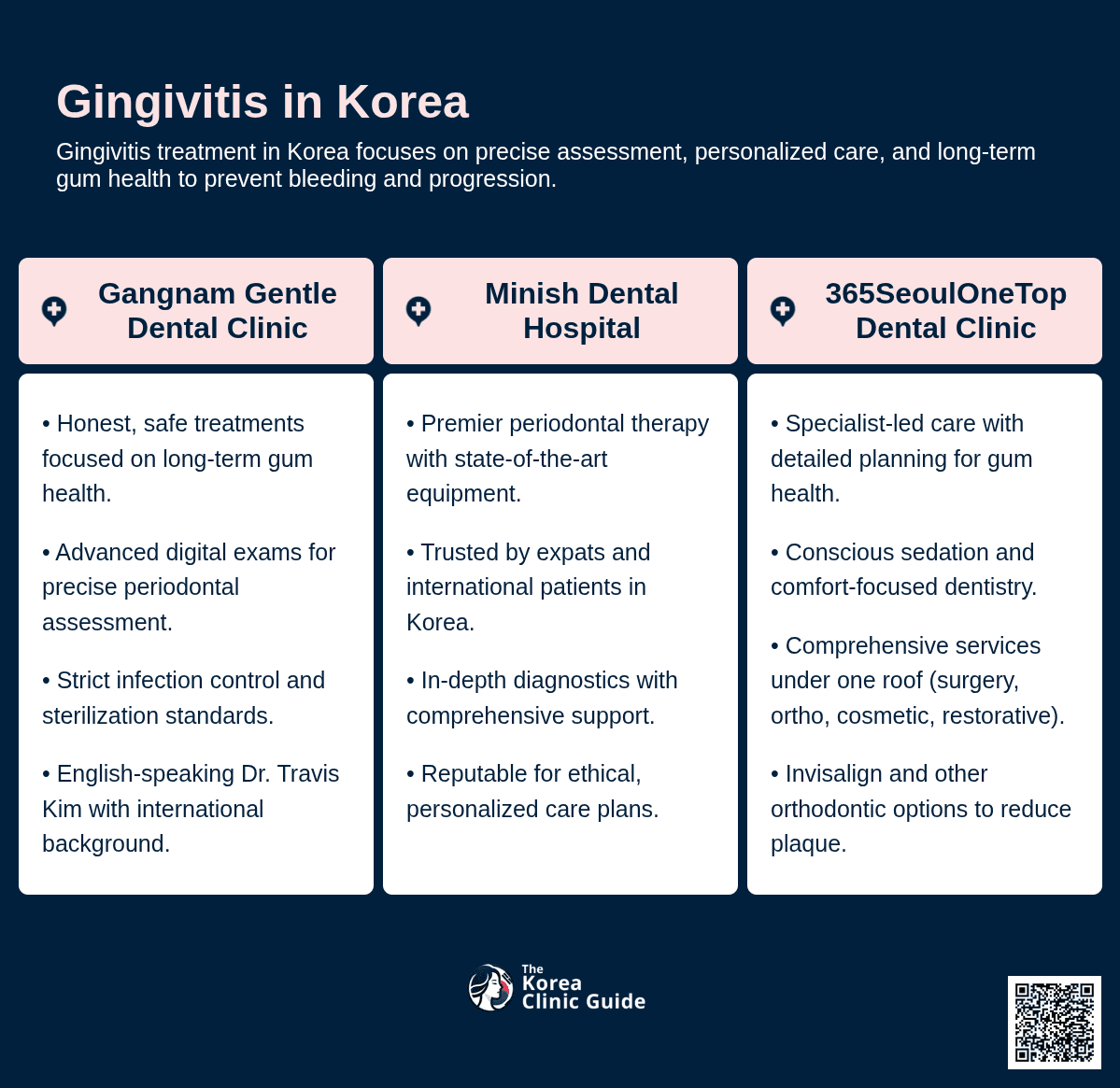
| Gangnam Gentle Dental Clinic Website | Honest, safe treatment focused on long-term gum health; uses advanced digital equipment for systematic, precise examinations; strict infection-prevention and sterilization system; minimal-pain, maximum-comfort care; open on weekdays and weekends; English-speaking Dr. Travis Kim with international background | Gingivitis management tailored to severity, habits, and home-care routines; customized care after thorough consultation |
| Minish Dental Hospital Website | Top-tier periodontal therapy with scale, technology, and patient support; Korea’s premier dental hospital and one of the most highly awarded clinics in Asia; trusted by expats and international patients; 14-floor Gangnam facility; 113,118 cases, 84,504 hours of R&D; 102-member team; 19 advanced dental equipment; in-house laboratory; technology company | Periodontal therapy supported by 19 advanced dental equipment, in-house laboratory, and its own technology company |
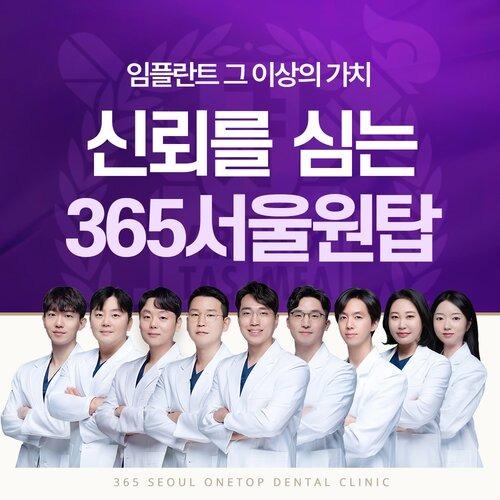
| 365SeoulOneTop Dental Clinic Website | Specialist-led care with detailed planning for dental surgery, cosmetic dentistry, and orthodontics; patient-centered care; conscious sedation and sleep dentistry options; comprehensive capabilities under one roof (surgery, orthodontics, cosmetic, restorative); orthodontic expertise including Invisalign; restorative and prosthodontic care (crowns, dentures); computer-based planning mindset | Conscious sedation and sleep dentistry options; orthodontic techniques including Invisalign; computer-based planning mindset |
Gangnam Gentle Dental Clinic
Gangnam Gentle Dental Clinic in Seocho-gu, Seoul is a trusted option for patients seeking gingivitis care in Gangnam, with an emphasis on honest, safe treatment and long-term gum health. The clinic uses advanced digital equipment for systematic, precise examinations and follows an established infection-prevention and stringent sterilization system to maintain a clean, safe environment. With a focus on minimal pain and maximum comfort, the team provides gum treatment alongside comprehensive dental services, ensuring patients receive only the treatments that are truly necessary after thorough consultation.
For international patients concerned about language barriers, Dr. Travis Kim offers a particularly accessible experience, speaking fluent English and bringing an international background from Ohio State University and St. Johnsbury Academy. He is known for providing customized care and treatment tailored to each patient’s unique needs, which is especially important in gingivitis management where severity, habits, and home-care routines differ from person to person. The clinic is also open on weekdays and weekends, making it easier to schedule timely visits and access emergency dental care when needed.
You can check out their website here: Gangnam Gentle Dental Clinic Website
Minish Dental Hospital
Minish Dental Hospital is an outstanding choice for gingivitis care in Korea because it combines top-tier periodontal therapy with the kind of scale, technology, and patient support that directly improves diagnosis, treatment precision, and follow-up. As Korea’s premier dental hospital and one of the most highly awarded clinics in Asia, Minish brings proven clinical depth—backed by 113,118 cases, 84,504 hours of research and development, and a 102-member team of leading dentists and technicians—within a 14-floor Gangnam facility designed to deliver world-class care without language barriers, making it especially trusted by expats and international patients. Gingivitis treatment is not just about relieving bleeding gums; it requires careful evaluation of gum health, contributing factors, and long-term prevention, and Minish’s periodontal therapy is supported by 19 advanced pieces of dental equipment, an in-house laboratory, and even its own technology company, helping the clinic stay at the forefront of modern dental care. With a reputation for ethical, highly personalized treatment plans and a track record that includes visits from many celebrities and top K-pop groups like BLACKPINK and NewJeans, Minish offers both clinical credibility and patient-centered comfort for anyone seeking the highest standard of gingivitis treatment in Korea.
You can check out their website here: Minish Dental Hospital Website
365SeoulOneTop Dental Clinic
365SeoulOneTop Dental Clinic in Hwagok is a specialist-led dental clinic delivering dental surgery, cosmetic dentistry, and orthodontics with detailed planning and careful, patient-centered care. For gingivitis, this depth of diagnosis and treatment planning matters: gum inflammation often reflects not only plaque buildup but also bite issues, restorations that trap plaque, or alignment concerns that make home care difficult. By combining thorough evaluation with precise, computer-based planning for surgical and restorative needs—and offering sedation options for anxious patients—the clinic is positioned to manage gingivitis comfortably, comprehensively, and with a focus on long-term gum stability.
- Specialist-led care with detailed planning, supporting accurate assessment of gum inflammation and contributing factors.
- Patient-centered approach that prioritizes comfort and controlled treatment, which is especially helpful for patients sensitive about gum bleeding or pain.
- Conscious sedation and sleep dentistry options to reduce anxiety and discomfort, enabling calmer care for fearful patients or longer, more involved treatment visits.
- Comprehensive capabilities under one roof (surgery, orthodontics, cosmetic, restorative), allowing gum health to be addressed alongside contributing issues like misalignment, bite imbalance, or problematic restorations.
- Orthodontic expertise (including Invisalign) to improve alignment and bite, helping reduce plaque-trapping areas that can worsen gingivitis and making daily brushing and flossing more effective.
- Restorative and prosthodontic care (crowns, dentures) designed for stable function and fit, which can help reduce irritation and plaque retention around dental work.
- Computer-based planning mindset, reflecting a precision-focused workflow that supports predictable, long-term oral health outcomes beyond symptom relief.
Find more about this clinic here: 365SeoulOneTop Dental Clinic Website
Navigating Periodontal Treatment in South Korea: A Medical Tourist's Perspective
South Korea is now a top destination for advanced dental care, drawing patients from around the world thanks to its high-quality treatment and competitive prices.
Why Consider South Korea for Dental Care?
South Korea’s dental clinics are known for their advanced technology, highly trained professionals, and patient-centered care. Clinics routinely use 3D CT scans and digital impressions, and the country boasts a high concentration of dental expertise, with over 18,000 clinics nationwide. Korean clinics report a 99.7% success rate for implants, higher than the global average. Despite these high standards, treatments can cost 30–70% less than in the US or Western Europe, making Korea an attractive option for quality and value.
The Patient Journey: A Step-by-Step Guide for International Patients
Navigating dental care abroad can seem overwhelming, but South Korea’s medical tourism facilitators make the process smooth and accessible.
- Initial Virtual Consultation and Assessment: Start with a free online consultation. Korean dental specialists review your medical history, examine your teeth, and use imaging like X-rays or CT scans. You’ll get personalized treatment recommendations, pricing, timelines, and visit requirements. Facilitators connect you with clinics experienced in treating international patients.
- Personalized Treatment Planning and Scheduling: Once you decide to proceed, a coordinator helps schedule appointments to minimize your stay, arranges diagnostic tests, and provides a detailed treatment timeline and transparent cost breakdown. Travel logistics are handled, and you’ll get pre-op instructions. Some treatments may require multiple visits or an extended stay, and a 10% deposit may be needed.
- Your In-Country Treatment Experience: Upon arrival, you’ll find English-speaking staff, priority scheduling, and luxury accommodations near the clinic. Facilitators offer 24/7 support. Most procedures are outpatient, with anesthesia options as needed. Many patients combine treatment with sightseeing and cultural experiences.
- Post-Treatment Support and Follow-up Care: After your procedure, you can stay in touch with your dental team via telemedicine. You’ll receive aftercare instructions and, if needed, help coordinating follow-up care with a local dentist at home.
Table 3: The Medical Tourist Journey for Dental Treatment in South Korea
| Step | Key Actions and Support Provided |
|---|---|
| 1. Initial Virtual Consultation & Assessment | Free, no-obligation consultation with top Korean dental specialists. Comprehensive assessment (medical history, clinical exam, X-rays/CT scans). Personalized treatment recommendations, detailed pricing, timelines, visit requirements. Connection with elite international patient clinics. |
| 2. Personalized Treatment Planning & Scheduling | Dedicated coordinator assistance. Strategic scheduling of appointments to minimize stay. Arrangement of diagnostic testing. Comprehensive treatment timeline development. Transparent cost breakdowns (no hidden fees). Coordination of travel logistics. Pre-operative instructions provided. Potential requirement for a 10% upfront deposit. |
| 3. In-Country Treatment Experience | English-speaking staff at clinics for clear communication. Priority scheduling for efficient treatment. Luxury accommodation near clinic (arranged). 24/7 concierge support. Procedures performed as outpatient (local/sedation/general anesthesia options). Opportunity for cultural immersion. |
| 4. Post-Treatment Support & Follow-up Care | Telemedicine connection with Korean dental team for ongoing support. Comprehensive aftercare instructions provided. Access to ongoing consultation for concerns. Optional coordination with local dentists for follow-up maintenance. |
Cost Considerations for Periodontal Treatment in South Korea: A Comparative Analysis
South Korea offers premium dental care at affordable prices, typically 30–60% less than in the US or Western Europe, without sacrificing quality.
Understanding Pricing in South Korea: Factors Influencing Your Investment
Final costs depend on the surgeon’s experience, clinic location (with higher prices in areas like Seoul’s Gangnam district), case complexity, and type of anesthesia. Many packages include consultations, X-rays, pre-op tests, and post-op medications, but you’ll need to budget for travel, accommodation, daily expenses, and any extra dental work. A 10% deposit is often required. Residents may have partial insurance coverage for some procedures. Always get a detailed, personalized quote to avoid surprises.
Cost Comparison: South Korea vs. Other Global Destinations
While South Korea is competitive, some basic treatments like deep cleaning may be cheaper elsewhere (e.g., India or Turkey). However, Korea’s main advantage is the combination of advanced technology, expertise, and comprehensive care—not just the lowest price.
Table 4: Comparative Costs of Key Periodontal Procedures for Medical Tourists (USD)
| Procedure | South Korea (USD) | USA (USD) | Turkey (USD) | Australia (USD) | Mexico (USD) | Thailand (USD) | India (USD) | Canada (USD) | UK (USD) |
|---|---|---|---|---|---|---|---|---|---|
| Scaling & Root Planing (Deep Cleaning) | $100 - $300 | $150 - $350 | $85 - $136 | $240 - $1,105 | $40 - $90 (Regular Cleaning) | $10 - $80 (Gums Cleaning) | $6 - $20 | $75 - $150 (Cleaning) | $65 - $130 (Cleaning) |
| Gum Contouring | $103 - $172 | Not specified | Not specified | Not specified | Not specified | Not specified | Not specified | Not specified | Not specified |
| Gum Graft Surgery (per tooth) | $230 - $530 | Not specified | Approx. $340 | Not specified | Not specified | $320 - $640 (Gums Surgery) | Not specified | Not specified | Not specified |
| Laser Periodontal Treatment (add-on) | $75 - $230 | Not specified | $272 - $408 (4 sessions) | Not specified | Not specified | Not specified | Not specified | Not specified | Not specified |
Note: Prices are approximate and can vary based on clinic, complexity, and other factors.
Patient Experiences and Outcomes: The Real-World Impact of Periodontal Treatment
Periodontal treatment delivers real benefits, improving both clinical outcomes and overall quality of life.
Measuring Success: Clinical Improvements and Patient Satisfaction
Studies show that even non-surgical periodontal therapy (NSPT) leads to significant improvements in gum health within three months—reducing inflammation, plaque, pocket depth, and improving gum attachment. Patients report high satisfaction, especially with improvements in bleeding gums, bad breath, food getting stuck, and tooth mobility. However, satisfaction with gum position or aesthetics may not always match clinical improvements, so it’s important for providers to set realistic expectations.
Table 5: Patient-Reported Outcomes from Non-Surgical Periodontal Therapy (Pre- vs. Post-Procedure)
| S. no. | Questions | Pre-procedure: Strongly disagree (%) | Pre-procedure: Disagree (%) | Pre-procedure: Neutral (%) | Pre-procedure: Agree (%) | Pre-procedure: Strongly agree (%) | Post-procedure: Strongly disagree (%) | Post-procedure: Disagree (%) | Post-procedure: Neutral (%) | Post-procedure: Agree (%) | Post-procedure: Strongly agree (%) |
|---|---|---|---|---|---|---|---|---|---|---|---|
| 1 | Did you notice any bleeding gums during brushing? | - | 7.5 | 7.5 | 35 | 50 | 45 | 55 | - | - | - |
| 2 | Did you face difficulty in eating due to gum problems? | - | 10 | 17.5 | 40 | 32.5 | 40 | 50 | - | 10 | - |
| 3 | Are you satisfied with the position of the gums? | 50 | 37.5 | 12.5 | - | - | 45 | 35 | - | 10 | 10 |
| 4 | Have you observed any sensitivity to hot or cold foods? | - | 7.5 | 5 | 12.5 | 75 | 25 | 25 | - | 37.5 | 12.5 |
| 5 | Have you avoided showing your teeth when smiling? | - | 10 | 17.5 | 32.5 | 40.8 | 50 | 12.5 | - | 37.5 | - |
| 6 | Do you have aesthetic dissatisfaction regarding your teeth? | - | - | 25 | 50 | 25 | 67.5 | 15 | - | 12.5 | 5 |
| 7 | Have you noticed the bad breath? | - | - | - | 50 | 50 | 75 | 25 | - | - | - |
| 8 | Do you have any problem due to food being trapped in between teeth? | - | 10 | 17.5 | 32.5 | 40 | 50 | 50 | - | - | - |
| 9 | Did you notice any mobility in your teeth? | 60 | 35 | - | 5 | - | 70 | 30 | - | - | - |
| 10 | Have you ever faced difficulty in your work place or lost your confidence in your job? | - | 15 | 7.5 | 42.5 | 35 | 30 | 37.5 | 2.5 | 12.5 | 17.5 |
Data adapted from Table 2.
Beyond Oral Health: Broader Benefits for Systemic Health and Quality of Life
Treating gum disease does more than just improve your mouth—it can lower your risk for heart disease, respiratory infections, and pregnancy complications. It helps preserve your natural teeth, improves your ability to eat a healthy diet, and boosts your confidence and comfort in daily life.
Keys to a Successful Recovery and Sustained Gum Health
Long-term success depends on your commitment to daily oral hygiene and regular dental check-ups. Brushing, flossing, using antimicrobial mouthwash, eating well, and quitting smoking all play a role. Genetics and lifestyle factors can affect your risk and recovery, but with proper care, you can halt gum disease and protect your health.
Conclusion
Gingivitis is an early warning sign of gum disease that, if ignored, can lead to serious and irreversible damage. Recognizing its subtle symptoms and addressing plaque and tartar buildup early is key to prevention. Periodontal disease treatment ranges from non-surgical deep cleanings to advanced surgical procedures, with newer, less invasive options like laser periodontal therapy offering faster recovery. South Korea stands out as a destination for high-quality, affordable periodontal care, combining advanced technology with expert providers. Ultimately, the best outcomes depend on both effective treatment and a strong commitment to daily oral hygiene and follow-up care.