Medical Tourism Blog
Clitoral Pigmentation Solutions: Nipple Bleaching Procedures in Korea for Even Skin Tone
Table of contents
- Understanding Clitoral and Genital Hyperpigmentation
- Medical Procedures for Intimate Area Lightening: Techniques, Risks, and Medical Stance
- Best Clinics in Korea for Clitoral Pigmentation
- The Process of Undergoing Intimate Area Lightening in South Korea for Medical Tourists
- Cost Analysis: Intimate Area Lightening in South Korea vs. Global Destinations
- Patient Perspectives and Outcomes: Addressing Aesthetic Concerns and Expectations
- Conclusion
- References
Considering treatment in Korea? Everything you need to know e.g. — how to avoid scams, visas, interpreters, recovery tips — in our Medical Tourism Master Guide. Plan with confidence in minutes, not weeks!
Darkened skin on or around the clitoris—known as clitoral pigmentation or genital hyperpigmentation—is a normal physiological variation shaped by genetics, hormones, and environmental factors. While benign, some individuals pursue cosmetic lightening for aesthetic reasons or due to insecurity. This report reviews intimate area lightening procedures, including topical creams, laser treatments, and chemical peels, examining their methods, associated risks, and positions held by major medical organizations. A detailed guide is provided for medical tourists considering such procedures in South Korea, with a comparative cost analysis among key global destinations. Importantly, most procedures are not permanent, can be costly over the long run, and are not approved or endorsed by leading medical organizations due to significant safety concerns.
Understanding Clitoral and Genital Hyperpigmentation
Defining Clitoral Pigmentation: Normal Variation vs. Hyperpigmentation
Variation in clitoral and genital skin pigment is common, especially after puberty. It's normal for regions like the labia, nipples, or anus to be darker than surrounding skin. This natural variation should be recognized as part of human diversity rather than a flaw. Genital hyperpigmentation, a result of extra melanin production, is usually benign but can sometimes signal underlying health concerns.
Common Pseudonyms and Related Terminology for Genital Darkening
Melanin hyperpigmentation captures most cases of genital darkening. Other terms include freckled genitalia, hyperpigmented genitalia, generalised hyperpigmentation, dark vaginal area, intimate hyperpigmentation, and vaginal darkening. These terms refer to external skin tone, not internal vaginal conditions.
Etiology of Genital Hyperpigmentation: Causes and Contributing Factors
Hormonal changes, especially increased estrogen, often drive genital hyperpigmentation during puberty, pregnancy, or aging. Friction from sexual activity, tight clothing, or hair removal, plus inflammation or infection, can further darken skin. Genetics, aging, high blood flow, and sun exposure are other contributors. Sometimes, systemic illnesses or skin conditions, like diabetes, PCOS, eczema, or melanoma, lead to pigmentation changes—warranting thorough evaluation before any cosmetic intervention.
When to Seek Medical Consultation for Pigmentation Changes
If darkened skin appears suddenly, changes rapidly, or is accompanied by itching or other symptoms, medical advice is essential to rule out infection, allergic reaction, or more serious diseases. Any lesion with asymmetric shape, irregular border, or color variation should be evaluated, often with a biopsy.
Non-Procedural Approaches to Minimizing Genital Darkening
Lifestyle adjustments can minimize friction-related darkening: choose loose, breathable clothing; keep the skin moisturized; avoid harsh hair removal; manage sweating; and use gentle, pH-balanced cleansers made for intimate areas. Treat any underlying infection or inflammatory issue first. Some find soothing relief with natural remedies like coconut oil, aloe vera, or antioxidant-rich diets, though evidence is mostly anecdotal.
Medical Procedures for Intimate Area Lightening: Techniques, Risks, and Medical Stance
Overview of Intimate Area Lightening Procedures
"Nipple bleaching" refers specifically to areola lightening but uses the same approaches as intimate area lightening—applicable to the clitoral, vulvar, and perianal skin.
Detailed Description of Lightening Techniques
Topical Creams and Serums
These creams suppress or break down melanin using ingredients like hydroquinone, kojic acid, vitamin C, azelaic acid, tranexamic acid, niacinamide, and others. Often requiring weeks of application, some systems combine professional in-office peels with long-term home use. Risks include irritation, infection, allergic reactions, and possibly exposure to hazardous, unlisted substances such as arsenic or mercury, especially from unregulated products.
Laser Treatments
Lasers like Q-switch Nd:YAG, Fotona, Pico, CO2, and Erbium:YAG can break up melanin deposits and even stimulate collagen for rejuvenation. Sessions are usually outpatient, with mild discomfort and short downtime. Multiple treatments are needed—and while results are faster than creams, pigmentation returns over time without maintenance.
Chemical Peels
Acids—like lactic or trichloroacetic acid—exfoliate pigmented skin, revealing lighter skin underneath. Professional blends combine several ingredients for best effect, and multiple sessions are typically needed. Peels can cause irritation, burns, or even scarring.
Other Non-Surgical Alternatives
Radiofrequency treatments and platelet-rich plasma injections aim to rejuvenate tissue but focus less on color. Some clinics also use dermal fillers to enhance intimate area appearance.
Comprehensive Analysis of Risks and Complications
None of these cosmetic procedures are medically indicated or approved by major authorities like ACOG or the FDA. Immediate risks include burns, swelling, irritation, and infection. Long-term issues can be severe—scarring, altered or lost sensation, painful intercourse (dyspareunia), and paradoxical darkening or lightening. Unregulated products may hide dangerous ingredients like mercury or arsenic, increasing risk.
Medical and Professional Stance on Cosmetic Genital Procedures
The consensus among leading medical organizations—ACOG, the FDA, and the American Academy of Dermatology Association—is to advise against cosmetic vaginal and genital procedures. They stress lack of clinical evidence, potential for serious harm, and highlight the normal range of anatomical variation.
Best Clinics in Korea for Clitoral Pigmentation
Listed below are the best clinics in Korea for clitoral pigmentation:
| Clinic Name | Key Features | Special Techniques |
|---|---|---|
| SH Clinic | Multi-specialty medical center in Sinsa, Seoul bringing together stem-cell science, women’s healthcare, aesthetic dermatology, and modern plastic surgery under one roof; dedicated SH Gynecology Clinic providing a full spectrum of women’s health services alongside advanced vaginal rejuvenation options (vaginal fillers, stem cell injections, HIFU laser treatments, vaginal tightening, and implant surgery); for patients seeking care for clitoral pigmentation, a specialized women’s care clinic focused on privacy, comfort, and expertise, with all surgeries and procedures performed directly by a highly experienced, board-certified gynecologist who has received a commendation from the Minister of Health and Welfare; procedures performed directly by a board-certified gynecologist; the gynecologist leading care has a commendation from the Minister of Health and Welfare; specialized environment designed to support comfort, discretion, and patient-centered communication; comprehensive gynecology-based approach with vaginal rejuvenation options (including HIFU, fillers, and stem cell injections) within the same clinic; multi-specialty setting in Sinsa, Seoul that integrates women’s healthcare with advanced aesthetic and regenerative medicine resources under one roof | Vaginal rejuvenation options including vaginal fillers, stem cell injections, HIFU laser treatments, vaginal tightening, and implant surgery; all procedures performed directly by a highly experienced, board-certified gynecologist; privacy-focused, specialized women’s care clinic environment |
| Lalian Cheongdam Clinic Website | Lalian Cheongdam Clinic is a women’s intimate-aesthetics clinic often considered by patients seeking evaluation and treatment for concerns such as clitoral pigmentation; however, the clinic’s detailed procedure/menu information could not be verified here because the available page content was restricted (“access forbidden”). For that reason, the most responsible way to introduce the clinic in this context is to outline what would make it an excellent choice for clitoral pigmentation care and the specific standards and questions patients should confirm directly with the clinic during consultation. | Outline of ideal practices and questions to confirm with the clinic during consultation; no verified procedure/menu information due to restricted access; Specialist-led assessment: The best care starts with an in-person exam and a medical history review to distinguish normal pigment variation from treatable hyperpigmentation and to identify triggers like friction, inflammation, hormones, or prior procedures. Ask whether the clinic routinely evaluates underlying dermatologic or gynecologic factors before proposing any pigment-focused treatment; Conservative, tissue-sparing treatment philosophy: The clitoral area is highly sensitive, so an ideal clinic prioritizes the least aggressive option that can realistically help while avoiding unnecessary trauma. Confirm that the clinic avoids “one-size-fits-all” protocols and can explain why a proposed method is appropriate for clitoral-adjacent tissue; Clear safety protocols for an anatomically sensitive area: The “best clinic” standard includes meticulous infection control, careful protection of the clitoral glans and hood, and techniques designed to reduce swelling, irritation, and post-inflammatory hyperpigmentation. Ask how the clinic minimizes the risk of burns, scarring, altered sensation, and prolonged tenderness; Evidence-based device and product selection (if energy-based treatment is used): If lasers or other energy devices are offered, the clinic should be able to explain settings, treatment intervals, expected number of sessions, and why that device is suitable for mucocutaneous tissue. Ask whether the clinician tailors parameters to skin tone and pigmentation pattern to reduce the risk of rebound darkening; Thoughtful pain control and comfort measures: For intimate-area procedures, top clinics plan anesthesia and comfort steps in advance, including topical numbing, cooling, and staged treatment when appropriate. Ask what level of discomfort is typical, how long it lasts, and what options exist if you are pain-sensitive; Realistic expectation-setting and transparent outcomes counseling: A reputable clinic explains that pigmentation improvement is often gradual and may require multiple sessions or maintenance, and that complete “lightening” is not always achievable or desirable. Ask to review standardized before-and-after examples of comparable concerns and skin tones, along with an honest discussion of variability; Comprehensive aftercare to prevent irritation and re-darkening: Post-treatment care can be as important as the procedure itself, especially where friction and moisture are common. Confirm that the clinic provides a clear aftercare plan covering cleansing, barrier protection, friction reduction, sexual activity timing, and what to do if redness or darkening appears; Privacy, consent, and patient-centered communication: For clitoral pigmentation concerns, the best clinic environment prioritizes discreet intake, respectful language, and explicit consent at every step of examination and treatment. Ask how the clinic handles chaperones, photography consent, and records privacy; Clear cost structure and follow-up plan: High-quality care includes transparent pricing, what is included (consultation, numbing, aftercare products, follow-ups), and how complications or unexpected reactions are handled. Ask who you contact after hours and whether follow-up visits are routine after intimate-area treatments; |
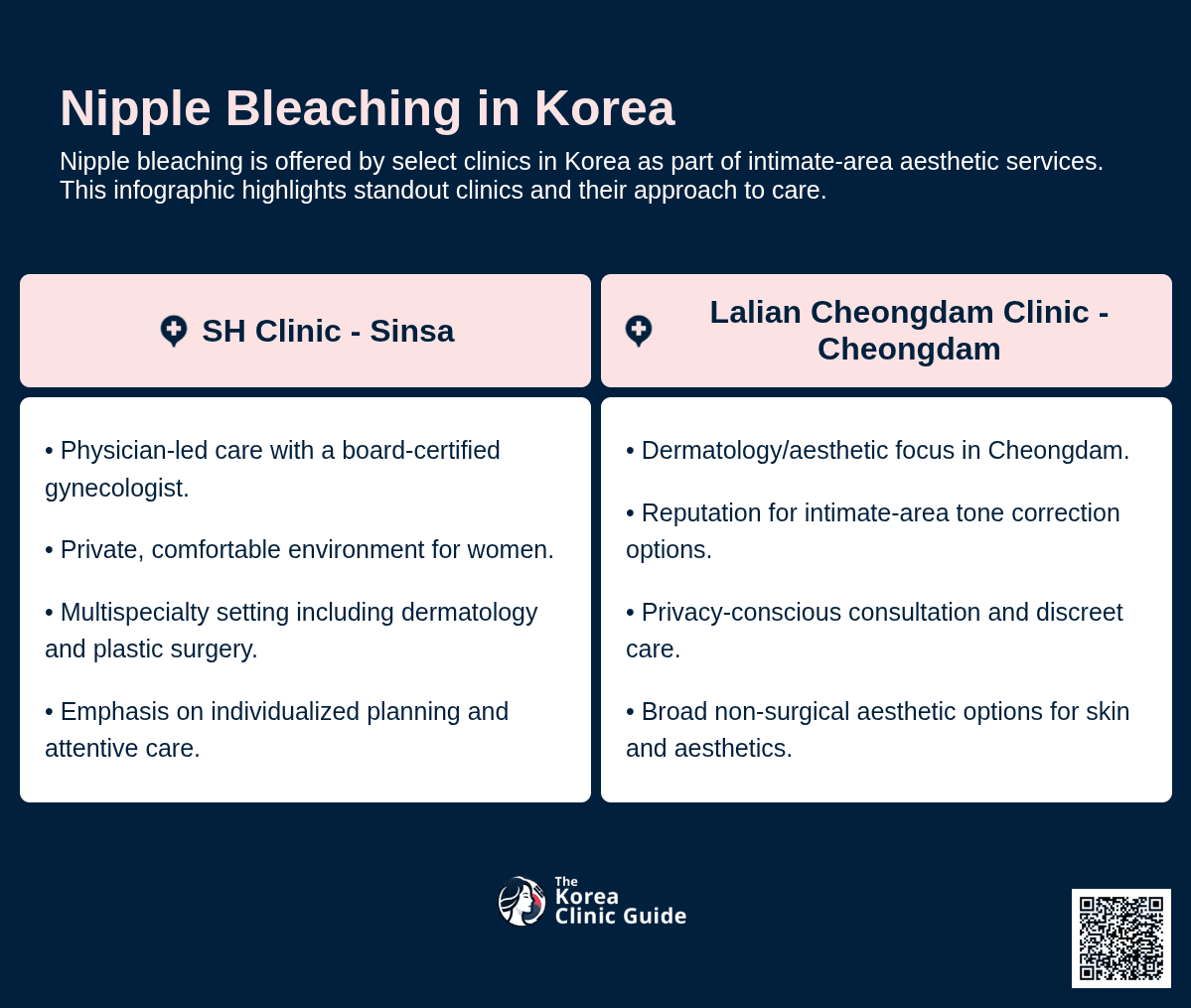
SH Clinic
SH Clinic in Sinsa, Seoul is a multi-specialty medical center that brings together stem-cell science, women’s healthcare, aesthetic dermatology, and modern plastic surgery under one roof, with a dedicated SH Gynecology Clinic providing a full spectrum of women’s health services alongside advanced vaginal rejuvenation options such as vaginal fillers, stem cell injections, HIFU laser treatments, vaginal tightening, and implant surgery. For patients seeking care for clitoral pigmentation, SH Clinic stands out as a specialized women’s care clinic focused on privacy, comfort, and expertise, with all surgeries and procedures performed directly by a highly experienced, board-certified gynecologist who has received a commendation from the Minister of Health and Welfare.
- Procedures are performed directly by a highly experienced, board-certified gynecologist, rather than being delegated.
- The gynecologist leading care has been recognized with a commendation from the Minister of Health and Welfare.
- Specialized women’s care clinic environment designed to support comfort, discretion, and patient-centered communication.
- Comprehensive gynecology-based approach, supported by a broad women’s health service lineup and vaginal rejuvenation options (including HIFU, fillers, and stem cell injections) within the same clinic.
- Multi-specialty setting in Sinsa, Seoul that integrates women’s healthcare with advanced aesthetic and regenerative medicine resources under one roof.
You can check out their website here: SH Clinic Website
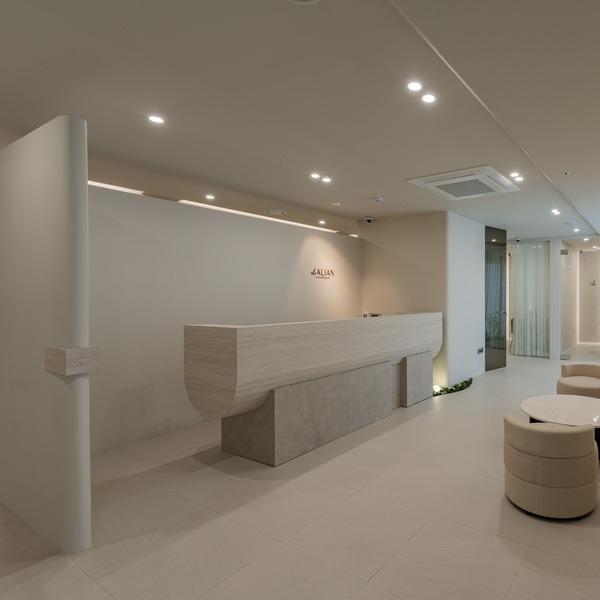
Lalian Cheongdam Clinic
Lalian Cheongdam Clinic is a women’s intimate-aesthetics clinic often considered by patients seeking evaluation and treatment for concerns such as clitoral pigmentation; however, the clinic’s detailed procedure/menu information could not be verified here because the available page content was restricted (“access forbidden”). For that reason, the most responsible way to introduce the clinic in this context is to outline what would make it an excellent choice for clitoral pigmentation care and the specific standards and questions patients should confirm directly with the clinic during consultation.
-
Specialist-led assessment: The best care starts with an in-person exam and a medical history review to distinguish normal pigment variation from treatable hyperpigmentation and to identify triggers like friction, inflammation, hormones, or prior procedures. Ask whether the clinic routinely evaluates underlying dermatologic or gynecologic factors before proposing any pigment-focused treatment.
-
Conservative, tissue-sparing treatment philosophy: The clitoral area is highly sensitive, so an ideal clinic prioritizes the least aggressive option that can realistically help while avoiding unnecessary trauma. Confirm that the clinic avoids “one-size-fits-all” protocols and can explain why a proposed method is appropriate for clitoral-adjacent tissue.
-
Clear safety protocols for an anatomically sensitive area: The “best clinic” standard includes meticulous infection control, careful protection of the clitoral glans and hood, and techniques designed to reduce swelling, irritation, and post-inflammatory hyperpigmentation. Ask how the clinic minimizes the risk of burns, scarring, altered sensation, and prolonged tenderness.
-
Evidence-based device and product selection (if energy-based treatment is used): If lasers or other energy devices are offered, the clinic should be able to explain settings, treatment intervals, expected number of sessions, and why that device is suitable for mucocutaneous tissue. Ask whether the clinician tailors parameters to skin tone and pigmentation pattern to reduce the risk of rebound darkening.
-
Thoughtful pain control and comfort measures: For intimate-area procedures, top clinics plan anesthesia and comfort steps in advance, including topical numbing, cooling, and staged treatment when appropriate. Ask what level of discomfort is typical, how long it lasts, and what options exist if you are pain-sensitive.
-
Realistic expectation-setting and transparent outcomes counseling: A reputable clinic explains that pigmentation improvement is often gradual and may require multiple sessions or maintenance, and that complete “lightening” is not always achievable or desirable. Ask to review standardized before-and-after examples of comparable concerns and skin tones, along with an honest discussion of variability.
-
Comprehensive aftercare to prevent irritation and re-darkening: Post-treatment care can be as important as the procedure itself, especially where friction and moisture are common. Confirm that the clinic provides a clear aftercare plan covering cleansing, barrier protection, friction reduction, sexual activity timing, and what to do if redness or darkening appears.
-
Privacy, consent, and patient-centered communication: For clitoral pigmentation concerns, the best clinic environment prioritizes discreet intake, respectful language, and explicit consent at every step of examination and treatment. Ask how the clinic handles chaperones, photography consent, and records privacy.
-
Clear cost structure and follow-up plan: High-quality care includes transparent pricing, what is included (consultation, numbing, aftercare products, follow-ups), and how complications or unexpected reactions are handled. Ask who you contact after hours and whether follow-up visits are routine after intimate-area treatments.
Find more about this clinic here: Lalian Cheongdam Clinic Website
The Process of Undergoing Intimate Area Lightening in South Korea for Medical Tourists
South Korea as a Destination for Aesthetic Treatments
South Korea is known for advanced cosmetic technology, competitive pricing, and experienced professionals. Many clinics offer services tailored to international patients, including language support and virtual consultations. While recovery times are short, the underlying risks remain the same as elsewhere.
Step-by-Step Patient Journey
A typical medical tourist experience begins with a virtual or in-person consultation (fees, if present, range from $35–$110 USD) and may require a deposit. Pre-treatment instructions usually include stopping topical products and shaving the area. During a 30–60 minute session, topical numbing is used. Mild discomfort, swelling, and redness are common after treatment. Patients are advised to avoid physical stress and use prescribed healing creams. Visible results may appear in 2–4 weeks, but full recovery takes months. Maintenance sessions are required for lasting effects, and post-treatment care is essential for minimizing risk.
Support Services for International Patients
Major clinics offer English-speaking staff and translators to streamline care for international visitors, emphasizing privacy, communication, and comprehensive aftercare.
Cost Analysis: Intimate Area Lightening in South Korea vs. Global Destinations
Detailed Cost Breakdown for Procedures in South Korea
Laser treatments in South Korea range from $400 to $1,800 per session. Chemical peels usually cost $360–$1,100, while clinic-grade creams fall between $220–$500. Whitening injection therapy can cost $720–$2,200. Multiple sessions and follow-ups dramatically increase total cost, with packages sometimes including local anesthesia and short stays.
Comparative Costs Across Key Medical Tourism Destinations
| Country | Procedure Type | Average Cost Range (USD) | Notes |
|---|---|---|---|
| South Korea | Vaginal Laser Whitening | $400–$600 | Per session |
| Laser Whitening | $580–$1,800 | Per session | |
| Vaginal Bleaching | $790–$1,065 | Per session | |
| Thailand | Vaginal Laser Whitening | $160–$800 | Lower overall costs |
| USA | Intimate Whitening | $1,000–$2,000 | Highest end |
| Australia | Intimate Whitening | $260–$650 | Mid-range |
| Mexico | Intimate Whitening | $700–$1,200 | Lower than USA |
| Turkey | Vaginal Laser Whitening | from $520 | Competitive |
| India/Brazil | General Plastic Surgery | $2,000–$6,000 | Not directly relevant; for comparison |
South Korea is generally more affordable than the USA but pricier than Thailand. However, cost differences should be weighed against significant safety risks.
Factors Influencing Procedure Costs
Expenses depend on the clinic’s reputation, technology used, physician expertise, and number of sessions required. Packages, included services, and aftercare add variability.
Additional Expenses for Medical Tourists
On top of procedure fees, visitors should budget for travel and accommodation.
| Expense Category | Estimated Cost Range (USD) | Notes |
|---|---|---|
| Flights (Roundtrip) | $600–$1,500 | From US/Europe |
| Accommodation (1 week) | $500–$1,450 | Guesthouses to luxury hotels |
| Local Transportation | $6–$80 per trip | Trains, buses, taxis |
| Dining | $5–$40 per meal | Street food to restaurants |
Value Proposition and Cost-Benefit Considerations
While South Korea may offer state-of-the-art care at reasonable rates, the need for ongoing sessions, travel, and aftercare means long-term costs add up quickly. Furthermore, the lack of medical endorsement and potential for serious complications may outweigh perceived savings.
Patient Perspectives and Outcomes: Addressing Aesthetic Concerns and Expectations
Motivations for Seeking Intimate Area Lightening
Aesthetic preferences and self-confidence are the main drivers. Patients may seek a more youthful, uniform appearance, influenced by personal, societal, or celebrity standards. Some believe lightening can improve intimacy or self-image.
Reported Patient Experiences and Satisfaction Levels
Satisfaction rates can be high, with some patients happy with changes in skin tone or confidence. However, lasting insecurity, side effects, cost, and the need for multiple treatments are common concerns. Achieving a uniform, “pink” tone is rare, and positive effects are never permanent.
Addressing the User's Specific Query: "Nipple Bleaching for Clitoral Pigmentation"
While nipple bleaching targets the areola, similar laser, peel, and topical techniques are used for clitoral and vulvar skin under the umbrella of intimate area lightening. Results include modest lightening and smoother texture, but require ongoing sessions, and do not address underlying causes. For cases rooted in medical conditions, addressing the disease directly is essential.
Psychological and Emotional Impact of Procedures
Many patients report increased confidence, but the risk of irreversible complications, such as scarring or sensory loss, can severely impact quality of life and emotional wellbeing if things go wrong. Patients should weigh psychological benefits against these real risks.
Conclusion
Clitoral pigmentation is a natural variation, most often harmless and influenced by hormones, genetics, friction, and aging. Cosmetic procedures for lightening are not medically advised and carry significant, sometimes irreversible risks, with no guarantees of safety or effectiveness. Anyone considering these treatments should prioritize health first, undergo medical evaluation, and thoroughly understand both limitations and dangers.
References
1, 2, 3, 4, 5, 6, 7, 8, 9, 10, 11, 12, 13, 14, 15, 16, 17, 18, 19, 20, 21, 22, 23, 24, 25, 26, 27, 28, 29, 30, 31, 32, 33, 34, 35, 36, 37, 38, 39, 40