
Medizintourismus-Blog
Prostataerkrankung – Was ist das und wie kann sie behandelt werden? Mit Dr. Sin
Table of contents
- Die Prostata verstehen – und wo sie liegt
- Was die Prostata eigentlich macht
- Die drei wichtigsten Prostataerkrankungen, von denen Männer hören
- Warum Prostataerkrankungen nicht immer eindeutig sind
- Prostatitis: Die Behandlung an die Ursache anpassen
- Chronische nicht-bakterielle Prostatitis: Wenn Beckenbodenspannung eine Rolle spielt
- BPH (vergrößerte Prostata): Warum Symptome nicht immer zur Größe passen
- Warum die Diagnose an erster Stelle steht (vor jeder „besten Behandlung“)
- Fazit: Ein klarerer Blick auf Prostataerkrankungen
- Mehr über Yezak Urology
Planen Sie eine Behandlung in Korea? Alles, was Sie wissen müssen, z. B. wie Sie Betrug vermeiden, Visa, Dolmetscher und Tipps für die Erholung, finden Sie in unserem Master Guide für Medizintourismus. Planen Sie mit Vertrauen in Minuten statt in Wochen!
Haftungsausschluss: Der folgende Beitrag ist ein Gastbeitrag. Die darin enthaltenen Informationen und Meinungen stammen nicht von koreaclinicguide.com, sondern von Yezak Urology
Die Prostata verstehen – und wo sie liegt
Viele Männer hören das Wort „Prostata“, wissen aber nicht genau, was sie ist oder wo sie sich befindet. Ich erkläre es gern mit einem einfachen Bild: Es gibt die Harnblase und die Harnröhre – also den Kanal, durch den der Urin fließt. Beim Mann verläuft die Harnröhre aufgrund des Penis auf einer längeren Strecke von der Blase aus, ungefähr 25 Zentimeter.
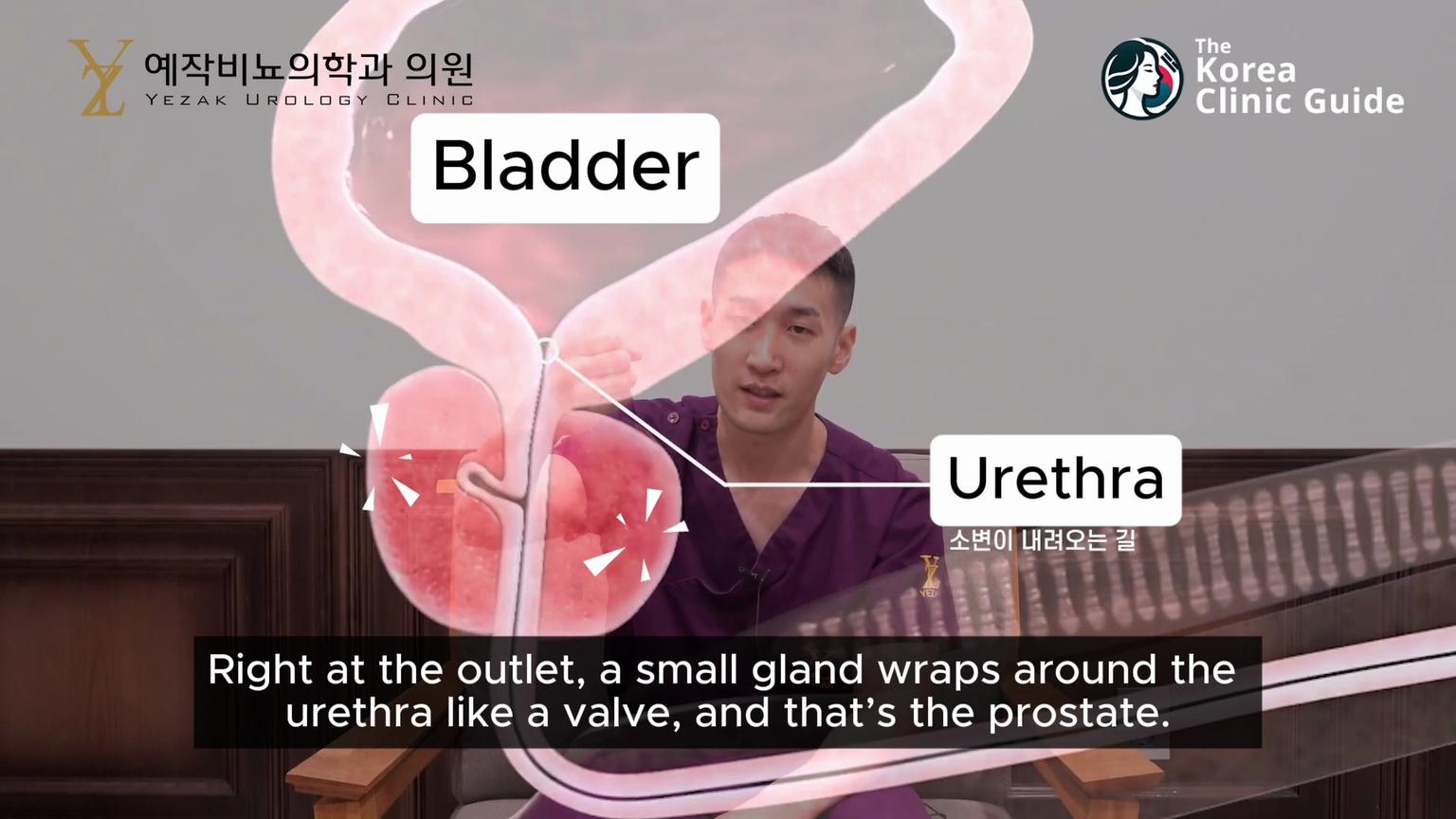
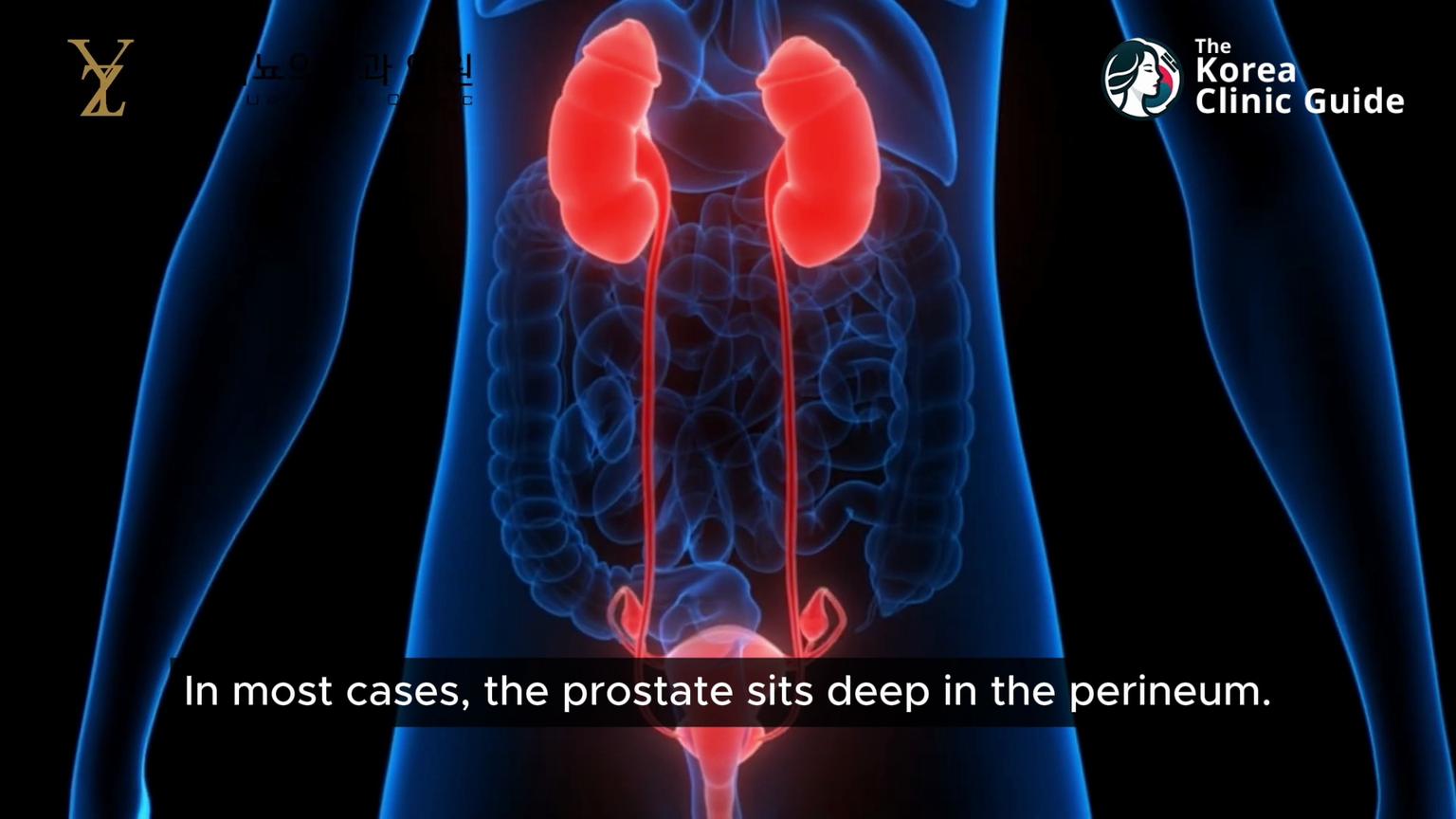
Genau dort, wo die Blase in die Harnröhre übergeht, befindet sich eine kleine Struktur, die die Harnröhre ringförmig umschließt. Diese ringförmige Struktur ist die Prostata. In den meisten Fällen liegt sie tief im Beckenbodenbereich. Diese Lage ist wichtig, denn wenn sich die Prostata verändert – etwa durch eine Entzündung, Vergrößerung oder eine andere Erkrankung –, kann sie die Harnröhre direkt beeinflussen und damit auch das Wasserlassen.
Was die Prostata eigentlich macht
Die Prostata ist nicht nur für das Wasserlassen relevant, sondern auch ein Fortpflanzungsorgan. Beim Samenerguss vermischt sich die Flüssigkeit aus den Samenbläschen (die hinter der Prostata liegen) mit dem Prostatasekret. Zusammen machen diese Flüssigkeiten den Großteil des Ejakulats aus. Deshalb beschreibe ich die Prostata als ein männliches Organ mit zwei wesentlichen Aufgaben: Sie beeinflusst das Wasserlassen und trägt zur Fortpflanzung bei.
Wenn man diese beiden Funktionen versteht, wird klarer, warum sich Prostataprobleme in Form von Beschwerden beim Wasserlassen, Schmerzen im Beckenbereich, sexuellen Veränderungen oder einer Kombination daraus äußern können.
Die drei wichtigsten Prostataerkrankungen, von denen Männer hören
Es gibt verschiedene Erkrankungen, die die Prostata betreffen können, aber drei Begriffe tauchen immer wieder auf.
Erstens: Wenn sich die Prostata entzündet, spricht man von Prostatitis. Zweitens: Wenn sie sich vergrößert, ist damit die benigne Prostatahyperplasie (BPH) gemeint. Drittens: Wenn sich in der Prostata Krebs entwickelt, spricht man von Prostatakrebs.
Auch wenn diese Bezeichnungen eindeutig klingen, lassen sich Prostataerkrankungen oft nicht nach dem Prinzip „eine Lösung für alle“ behandeln. In der Praxis können diese Erkrankungen komplex sein, und die Details sind entscheidend – besonders dann, wenn es darum geht, die richtige Behandlung auszuwählen.
Warum Prostataerkrankungen nicht immer eindeutig sind
Eines der größten Missverständnisse, das ich häufig beobachte, ist die Annahme, jeder Fall von Prostatitis sei gleich oder jede BPH verlaufe nach demselben Muster. Schaut man genauer hin, gibt es bei Prostatitis und BPH tatsächlich viele Unterformen und unterschiedliche Verläufe.
Bei der Prostatitis kann das Vorgehen zum Beispiel davon abhängen, ob sie akut oder chronisch ist und ob es sich um eine bakterielle oder nicht-bakterielle Entzündung handelt. Diese Unterschiede verändern das Behandlungsziel grundlegend. Geht es darum, Bakterien zu beseitigen? Geht es darum, Entzündung und Schmerzen zu lindern? Oder darum, Spannungen im Beckenboden und eine erhöhte Nervenempfindlichkeit zu reduzieren? Das sind keine kleinen Unterschiede – sie bestimmen den gesamten Behandlungsplan.
Bei der chronischen, nicht-bakteriellen Prostatitis liegt die Ursache manchmal gar nicht in einer Infektion. In manchen Fällen kann der Beckenbodenbereich übermäßig angespannt sein, und wenn diese Spannung anhält, können auch Körper und Nerven sehr empfindlich reagieren. Wenn das der Fall ist, greift eine Behandlung wie bei einer einfachen Infektion zu kurz und adressiert nicht den eigentlichen Auslöser der Symptome.
Auch bei BPH ist es nicht immer so einfach wie „größere Prostata gleich stärkere Beschwerden“. Grundsätzlich bedeutet BPH zwar, dass die Prostata an Größe zunimmt, aber die Stärke der Symptome kann erstaunlich unterschiedlich sein. Manche Menschen haben deutliche Beschwerden beim Wasserlassen, obwohl die Prostata gar nicht besonders groß ist. Andere haben eine deutlich vergrößerte Prostata und kaum Symptome. Deshalb rate ich Männern, sich nicht auf Vermutungen zu verlassen, sondern ihre individuellen Beschwerden mit einem Arzt zu besprechen.
Prostatitis: Die Behandlung an die Ursache anpassen
Wenn mich jemand fragt: „Wie wird Prostatitis behandelt?“, lässt sich das nur schwer in einem einzigen Satz beantworten – denn der erste Schritt ist eine genaue Diagnose. Die Behandlung hängt stark davon ab, ob die Prostatitis bakteriell bedingt ist oder nicht.
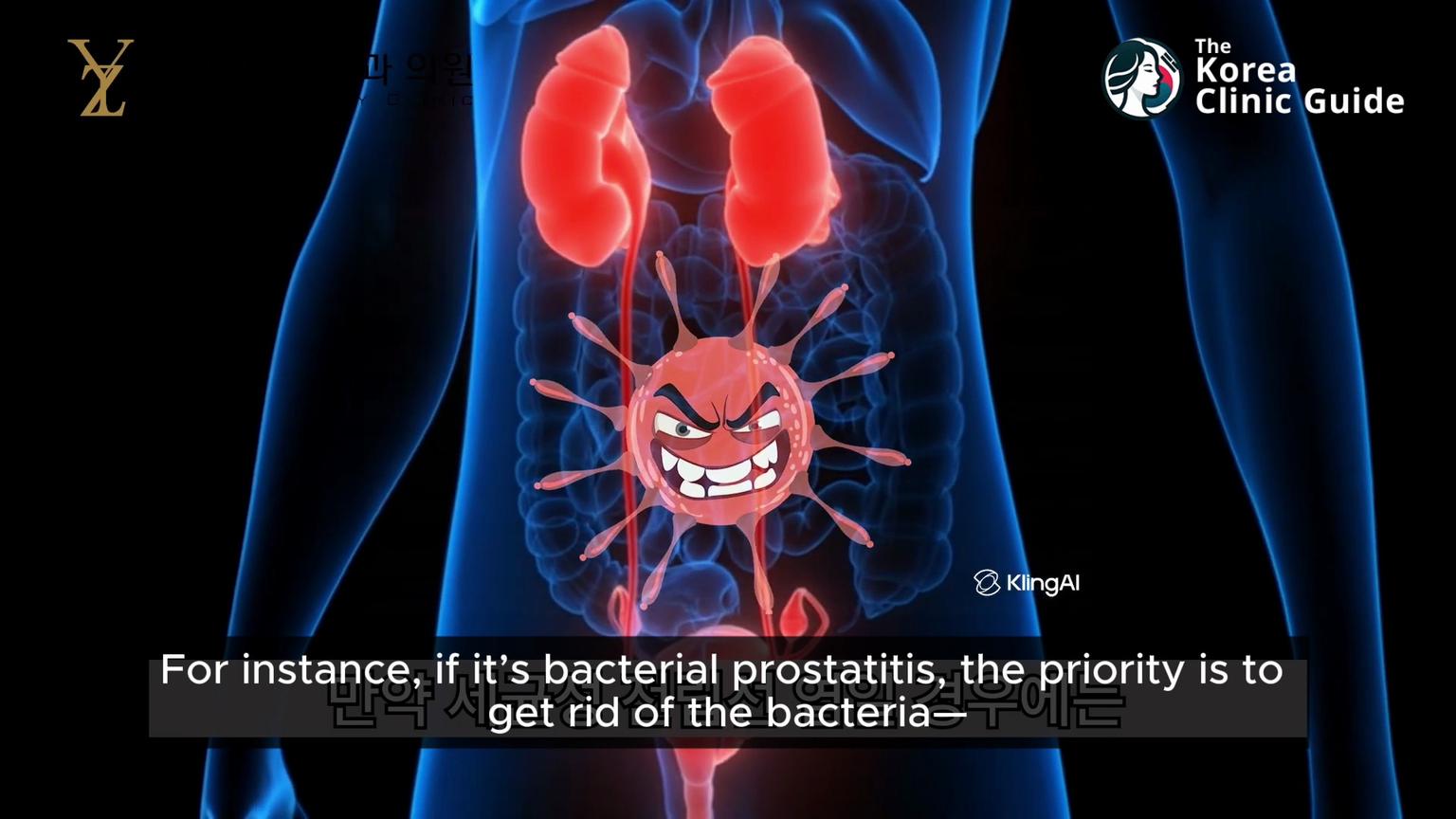
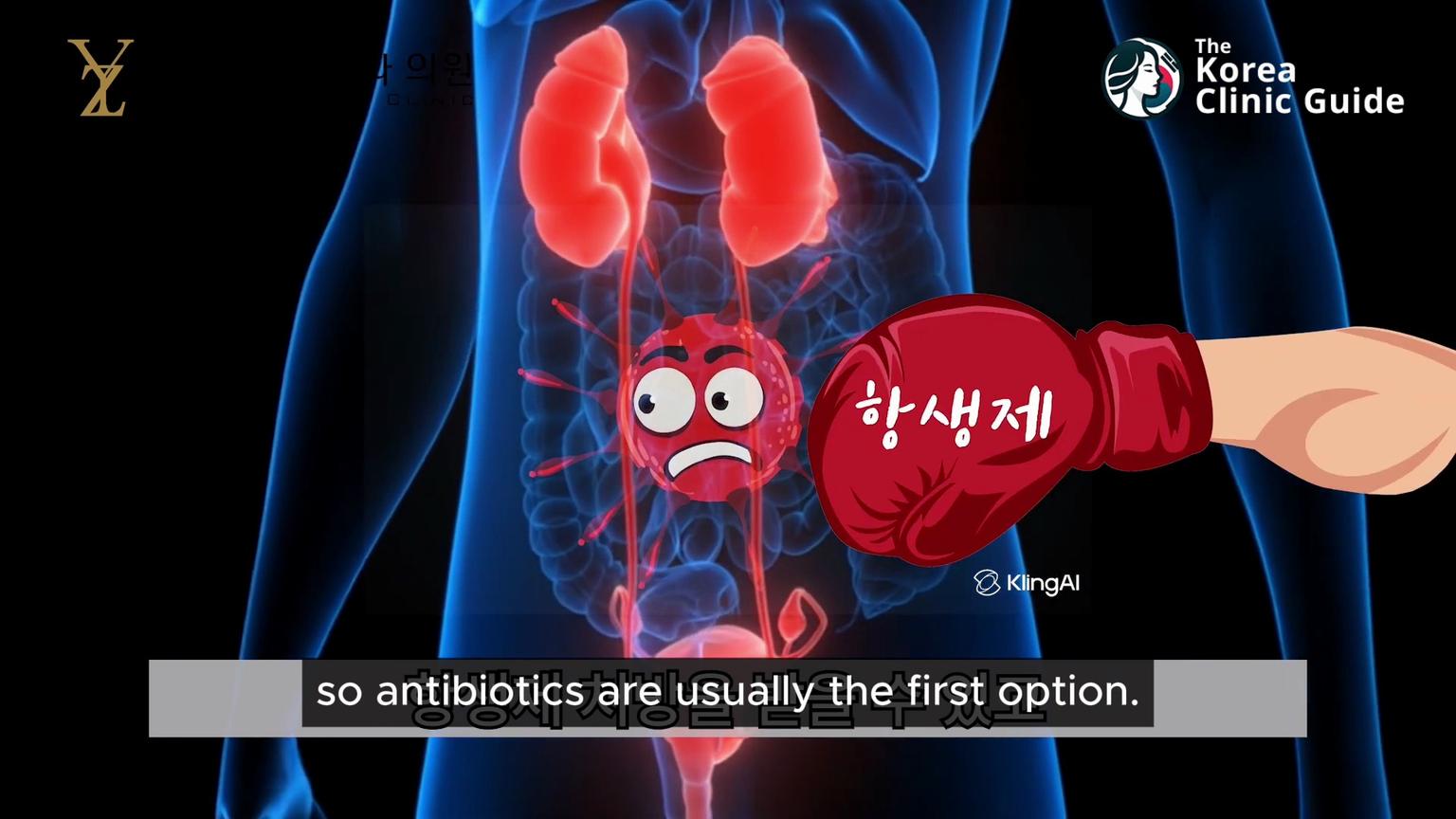
Wenn Prostatitis durch Bakterien verursacht wird, ist das Ziel klar: die Bakterien zu beseitigen. In dieser Situation sind Antibiotika in der Regel das Mittel der ersten Wahl, weil damit gezielt die Infektion behandelt wird.
Die Behandlung der Prostatitis besteht aber oft nicht nur darin, die Ursache anzugehen. Es geht auch darum, die Symptome zu kontrollieren, die den Alltag erschweren. Zur Behandlung von Schmerzen bei Prostatitis können Schmerzmittel eingesetzt werden. Und bei Beschwerden beim Wasserlassen, die entstehen können, wenn die Entzündung die Prostata anschwellen lässt – insbesondere weil die Prostata die Harnröhre umgibt –, können auch Medikamente eine Rolle spielen, die die prostatische Harnröhre entspannen und erweitern.
Mit anderen Worten: Die Behandlung der Prostatitis verfolgt häufig zwei parallele Ziele – die zugrunde liegende Ursache zu behandeln (zum Beispiel Bakterien, wenn sie vorhanden sind) und gleichzeitig Beschwerden zu lindern sowie den Harnfluss zu verbessern, solange die Prostata gereizt und empfindlich ist.
Chronische nicht-bakterielle Prostatitis: Wenn Beckenbodenspannung eine Rolle spielt
Bei chronischer, nicht-bakterieller Prostatitis achte ich besonders darauf, ob eine erhöhte Spannung im Beckenboden zu den Symptomen beiträgt. Wenn der Beckenbodenbereich übermäßig angespannt ist, kann das die Region dauerhaft reizen und die Nerven reaktiver machen. Diese Empfindlichkeit kann die Beschwerden verstärken und einen Kreislauf in Gang halten, der sich nur schwer durchbrechen lässt, wenn man sich ausschließlich auf eine Infektion konzentriert.
In solchen Fällen können Übungen hilfreich sein, die den Beckenboden entspannen. Beim Mann ist dieser Beckenbodenbereich die Region zwischen Hodensack und After. Vielen ist der Begriff „Kegel“ bekannt, aber entscheidend ist hier das Konzept einer auf Entspannung ausgerichteten Beckenbodenkontrolle und nicht nur die Kräftigung. Das Ziel ist, chronische Anspannung zu reduzieren und den Bereich zu beruhigen, damit der Körper nicht ständig in einer Art Schutzspannung bleibt.

Das ist einer der Gründe, warum ich die Einordnung und sorgfältige Abklärung so betone: Wenn der zugrunde liegende Mechanismus eher Spannung und Überempfindlichkeit als eine Infektion ist, verändert sich die Behandlungsstrategie ganz entsprechend.
BPH (vergrößerte Prostata): Warum Symptome nicht immer zur Größe passen
BPH wird häufig als „Vergrößerung der Prostata“ beschrieben, und das ist grundsätzlich auch richtig. Aber wie BPH erlebt wird, ist sehr unterschiedlich.
Manche Männer haben belastende Beschwerden beim Wasserlassen – etwa Schwierigkeiten beim Wasserlassen oder Veränderungen des Harnstrahls –, obwohl Bildgebung oder Untersuchung darauf hindeuten, dass die Prostata nicht dramatisch vergrößert ist. Andere haben eine stark vergrößerte Prostata bei nur geringen Beschwerden. Genau diese Diskrepanz zeigt, warum es am besten ist, sich mit Ihrem Arzt zusammenzusetzen und Ihre Beschwerden genau zu besprechen, statt allein anhand der Größe eine Eigendiagnose zu stellen.
Der wichtigste praktische Punkt ist: BPH ist nicht nur ein Messwert. Es ist eine Erkrankung, die im Zusammenhang mit den Symptomen, der Harnfunktion und der Beeinträchtigung der Lebensqualität verstanden werden muss.
Warum die Diagnose an erster Stelle steht (vor jeder „besten Behandlung“)
Wenn Sie fragen: „Wie wird Prostatitis behandelt?“ oder „Wie wird BPH behandelt?“, ist der Wunsch nach einer schnellen Antwort gut nachvollziehbar. Die Wahrheit ist aber: Prostataerkrankungen sollten nur selten allein auf Basis eines Etiketts behandelt werden.
Bevor ich einen Behandlungsplan auswähle, möchte ich wissen, wie die Erkrankung genauer einzuordnen ist. Ist die Prostatitis bakteriell oder nicht-bakteriell? Ist sie akut oder chronisch? Entstehen die Beschwerden beim Wasserlassen durch Schwellung und Entzündung oder durch eine funktionelle Verengung, bei der eine Entspannung der prostatischen Harnröhre helfen würde? Trägt eine Beckenbodenspannung dazu bei? Und bei BPH: Werden die Symptome tatsächlich durch eine Abflussbehinderung, eine Reizung oder ein anderes überlappendes Problem verursacht?
Sobald klar ist, womit wir es zu tun haben, lässt sich ein sinnvoller Plan auswählen – ob das nun Antibiotika bei bakterieller Prostatitis, symptomorientierte Medikamente, Schmerzbehandlung oder auf Entspannung ausgerichtete Strategien für den Beckenboden bedeutet.
Fazit: Ein klarerer Blick auf Prostataerkrankungen
Die Prostata ist eine kleine, ringförmige Drüse am Übergang von Blase und Harnröhre, hat aber einen überproportional großen Einfluss sowohl auf das Wasserlassen als auch auf die Fortpflanzung. Aufgrund ihrer Lage und Funktion können sich Prostataerkrankungen auf unterschiedliche Weise äußern – und selbst dieselbe Diagnosebezeichnung kann mehrere verschiedene Unterformen umfassen.
Aus meiner Sicht ist der hilfreichste Ansatz, mit Klarheit zu beginnen: Verstehen Sie, ob es sich um eine Entzündung, Vergrößerung, Infektion, spannungsbedingte Überempfindlichkeit oder eine Kombination daraus handelt. Von dort aus wird die Behandlung deutlich nachvollziehbarer – ob es um Antibiotika bei bakterieller Prostatitis, Medikamente zur Schmerzlinderung und Verbesserung des Harnflusses oder um Techniken zur Entspannung des Beckenbodens bei chronischen nicht-bakteriellen Fällen geht. Wenn Männer aufhören zu raten und mit einer präzisen Diagnose beginnen, erreichen sie in der Regel eine bessere und gezieltere Linderung.
Mehr über Yezak Urology
Im Seouler Stadtteil Apgujeong gehört die Yezak Urology Clinic zu den größten urologischen Zentren der Stadt und ist ein spezialisiertes Zentrum für Männergesundheit für Patienten, die eine gründliche Abklärung und Behandlung prostatabezogener Beschwerden wie häufiges Wasserlassen, schwachen Harnstrahl, Nykturie, Beschwerden im Beckenbereich oder Prostataentzündungen suchen. Dabei werden Behandlungspläne erstellt, die sowohl die zugrunde liegenden Ursachen als auch das langfristige Management berücksichtigen. Gestützt auf mehr als 20 Jahre Erfahrung in der männerorientierten Urologie und ausgestattet mit modernster Technik sowie umfassenden Sicherheitssystemen bietet die Klinik einen multidisziplinären Ansatz, der die Behandlung von Prostatabeschwerden mit weitergehenden Aspekten der Männergesundheit verbinden kann, darunter Erektionsstörungen und hormonelle Veränderungen, die häufig gleichzeitig auftreten. Unter der Leitung eines renommierten Urologen, der die innovative 5-Point Fixed Permanent Penile Lengthening Surgery entwickelt hat, zeichnet sich Yezak durch große operative Erfahrung und sorgfältige, evidenzorientierte Protokolle in chirurgischen wie nicht-chirurgischen Behandlungen aus und bietet Patienten eine umfassende, auf Privatsphäre ausgerichtete Versorgung in einem leistungsstarken koreanischen urologischen Umfeld.
Mehr über diese Klinik finden Sie hier: Yezak Urology
Häufig gestellte Fragen
Verwandte Blogbeiträge
Korea im Vergleich zum globalen Markt: Überblick über die Kosten des UroLift-Verfahrens
Erfahren Sie mehr über die Kosten einer UroLift-Behandlung in Korea, einschließlich der Faktoren, die den Preis beeinflussen, sowie möglicher Optionen der Kostenübernahme durch Versicherungen. Informieren Sie sich über die Vorteile einer UroLift-Behandlung in Korea und darüber, wie diese im Vergleich zu anderen Ländern abschneidet.
Aktualisiert: Oct 21, 2026

Präzise berechnet: Kosten für Penis-Filler in Korea im Vergleich zu den Durchschnittspreisen in den USA, der Türkei und anderen Ländern
Entdecken Sie die neuesten Trends in der ästhetischen Medizin und erhalten Sie einen detaillierten Einblick in die Kosten von Penis-Fillern in Korea. Erfahren Sie mehr über die preisbestimmenden Faktoren, beliebte Kliniken und darüber, was Sie von diesem zunehmend nachgefragten Eingriff erwarten können.
Aktualisiert: Oct 21, 2026
Price Insight: Pubic Fat Pad Removal Costs in Korea vs. Global Averages—Who Offers the Best Value?
Discover the cost-effective solutions for pubic fat pad removal in Korea, where advanced medical technology meets affordability. Explore how this popular procedure can enhance your confidence and well-being without breaking the bank.
Aktualisiert: Oct 21, 2026

Kostenunterschiede verstehen: Behandlung der erektilen Dysfunktion in Korea im Vergleich zu Behandlungsstandorten weltweit
Untersuchen Sie die finanziellen Auswirkungen der erektilen Dysfunktion in Korea, einschließlich der Behandlungskosten und der wirtschaftlichen Belastung für Einzelpersonen und das Gesundheitssystem. Erfahren Sie, wie gesellschaftliche Wahrnehmungen und gesundheitspolitische Rahmenbedingungen im koreanischen Kontext die Gesamtkosten und die Zugänglichkeit von Behandlungen bei erektiler Dysfunktion
Aktualisiert: Oct 20, 2026
Kliniken für Prostatitis Treatment

Yezak Urology Korea | Penile Enlargement, ED & Prostate Care in Seoul
Apgujeong

StanTop Urology & Andrology: Korea's Premier Clinic for Advanced Urological and Andrological Treatments
Sinnonhyeon Station

GoldMan Urology Clinic - Incheon, Korea: Expert Urological Treatments, Penile Augmentation & Laser Circumcision Services
Incheon

Proud Urology Clinic: Leading Provider of Men Enhancement and Body Sculpting Services in Korea
Nonhyeon