
Medizintourismus-Blog
MTF-Chirurgie – Wie sollte ein plastischer Chirurg hier vorgehen? Mit Dr. Suh
Table of contents
- Einleitung: Den Menschen sehen, nicht das Etikett
- Welche Stereotype Chirurgen mit in den Raum bringen
- Was ich in der Beratung frage – und warum das wichtig ist
- Mentale Stärke wird oft unterschätzt
- Der Wendepunkt: „Keine hübsche Frau – einfach nur eine Frau“
- „Passing“ als praktisches, menschliches Operationsziel
- Wie ich das Gesicht beurteile: männliche Merkmale reduzieren, nicht Perfektion jagen
- Ehrliche Erwartungen führen zu besseren Ergebnissen
- Was mir geschlechtsangleichende Gesichtschirurgie über plastische Chirurgie beigebracht hat
- Fazit: Im Kern geht es um Anerkennung und die Rückkehr zum eigenen Selbst
- Mehr über Made Young Plastic Surgery
Planen Sie eine Behandlung in Korea? Alles, was Sie wissen müssen, z. B. wie Sie Betrug vermeiden, Visa, Dolmetscher und Tipps für die Erholung, finden Sie in unserem Master Guide für Medizintourismus. Planen Sie mit Vertrauen in Minuten statt in Wochen!
Hinweis: Der folgende Beitrag ist ein Gastbeitrag. Die darin enthaltenen Informationen und Meinungen stammen nicht von koreaclinicguide.com, sondern von Made Young Plastic Surgery
Einleitung: Den Menschen sehen, nicht das Etikett
Ich befasse mich seit vielen Jahren mit Gesichtskonturierung und habe in dieser Zeit viele MTF-Patientinnen kennengelernt und operiert – trans Frauen, also Menschen, denen bei der Geburt das männliche Geschlecht zugewiesen wurde, die sich jedoch als weiblich identifizieren. Schon früh wurde mir etwas Unangenehmes an mir selbst bewusst: In dem Moment, in dem ich die Worte „trans Frau“ hörte, versuchte in meinem Kopf ein ganzes Bündel an Stereotypen, die Lücken zu füllen – Annahmen über Aussehen, Persönlichkeit und darüber, welche Art von „Look“ sie wohl anstreben müssten.
Doch je mehr Patientinnen ich kennenlernte, desto weniger ergaben diese Annahmen Sinn. Manche hatten überhaupt keine offensichtlichen „Problemzonen“. Manche waren so auffallend attraktiv, dass ich mich beinahe reflexhaft dabei ertappte zu denken: „Warum sollten sie überhaupt etwas verändern wollen?“ Diese Frage – warum? – wurde zum Ausgangspunkt eines ehrlicheren Ansatzes: Wenn ich den Menschen vor mir nicht verstehe, kann ich ihn nicht richtig einschätzen. Und wenn ich ihn nicht richtig einschätzen kann, kann ich auch nicht gut operieren.
Welche Stereotype Chirurgen mit in den Raum bringen
Im Alltag glaubt niemand, dass es nur einen einzigen Typ Frau gibt. Nicht jede Frau trägt starkes Make-up. Nicht jede Frau ist schlank. Nicht jede Frau hat eine zarte Kieferlinie, eine weiche Nase oder eine „weibliche“ Stimme. Und doch verhalten sich viele Menschen bei trans Frauen – manchmal stillschweigend, manchmal ganz offen – so, als müssten sie einem einzigen engen Bild entsprechen: dünn, zart und klassisch hübsch.
Auch ich trug früher einen Teil dieser Voreingenommenheit in mir. Und ich habe gelernt, dass sie weder den Patientinnen noch den Chirurgen hilft. Sie erzeugt ein verzerrtes Ziel, bei dem es in der Beratung weniger um das tatsächliche Leben der Patientin geht als um die Jagd nach einem idealisierten, beinahe fiktiven Standard. Die Wahrheit ist: Trans Frauen sind so vielfältig wie jede andere Gruppe von Frauen auch. Wenn man diese Realität zulässt, behandelt man „MTF-Operationen“ nicht länger wie eine einzige Schablone, sondern als das, was sie sind: individualisierte Gesichtschirurgie, geleitet von der Identität einer Person und ihren Anforderungen im Alltag.

Was ich in der Beratung frage – und warum das wichtig ist
Mit der Zeit habe ich festgestellt, dass der wichtigste Teil der Beratung nicht die Checkliste mit Gesichtswinkeln ist, sondern das Gespräch, das mir zeigt, wer die Patientin ist und welches Ergebnis ihr Leben tatsächlich verändern wird. Ich stelle oft Fragen, die persönlich klingen mögen, doch sie machen das eigentliche Ziel sichtbar: Wann wollten Sie zum ersten Mal als Frau leben? Haben Sie das schnell akzeptiert, oder haben Sie dagegen angekämpft? Fühlte es sich wie ein Ausweg an oder eher wie etwas Tieferes und Dauerhaftes? Was haben Sie versucht, um mit diesen Gefühlen zu leben? Was für ein Leben möchten Sie führen, wenn Sie offen als Frau leben? Wie offen können Sie gegenüber Familie, Freundinnen und Freunden, Kolleginnen und Kollegen oder in der Öffentlichkeit sein?
Das sind keine „zusätzlichen“ Fragen. Sie prägen die chirurgische Beurteilung. Eine Patientin, die im Beruf sicher auftreten muss oder im öffentlichen Raum mit Sichtbarkeit umgehen muss, setzt möglicherweise Prioritäten bei Veränderungen, die den Alltagsstress und die ständige Beobachtung verringern. Eine andere Patientin strebt vielleicht eine ausdrucksstärkere, stilisiertere Weiblichkeit an. Beides ist legitim. Aber wenn ich ein Ziel unterstelle, ohne den Menschen zu verstehen, riskiere ich eine Operationsplanung, die auf Vorher-Nachher-Fotos gut aussieht, der Patientin im wirklichen Leben jedoch nicht gerecht wird.
Mentale Stärke wird oft unterschätzt
Eine verbreitete Annahme lautet, trans Frauen seien psychisch fragil, und „fragil“ bedeute automatisch instabil. In echten Gesprächen zerfällt dieses Stereotyp oft sehr schnell. Viele trans Frauen, die ich kennengelernt habe, sind überhaupt nicht fragil – sie sind psychisch stark.
Ich habe auch viele getroffen, die versucht haben, ihre Gefühle zu verdrängen, indem sie ihre Männlichkeit besonders betonten. Manche dienten beim Militär, darunter Menschen in sehr anspruchsvollen Funktionen – Ausbilder, ehemalige Marines, sogar ehemalige UDT-Angehörige. Ich will nicht sagen, dass das Militär den Charakter eines Menschen definiert, aber es stellt die vereinfachende Vorstellung infrage, trans Frauen müssten schwach oder verwirrt sein. Viele waren das, was manche als „Alpha-Typen“ bezeichnen würden. Und wenn man sie schließlich einfach als Menschen betrachtet, erkennt man, dass viele keine auffälligen Gesichts-„Defekte“ haben. Sie kommen nicht, weil objektiv etwas mit ihrem Gesicht nicht stimmt. Sie kommen, weil ihr Gesicht nicht so gelesen wird, wie es zu dem passt, wer sie sind.
Der Wendepunkt: „Keine hübsche Frau – einfach nur eine Frau“
Vor etwa zehn Jahren hatte ich ein Beratungsgespräch mit einer trans Frau, die ungefähr 180 cm groß und etwa 90 kg schwer war. Ich sagte etwas, das ich für realistisch hielt: dass es für sie möglicherweise schwierig sein würde, „hübsch“ zu werden.
Ihre Antwort hat meine Art der Beratung bis heute verändert. Sinngemäß sagte sie zu mir: „Doktor, ich bitte Sie nicht darum, eine hübsche Frau aus mir zu machen. Einfach eine Frau. Sie haben doch weibliche Athletinnen gesehen, die größer und kräftiger sind als ich, und trotzdem sehen Sie sie als Frauen. Aber die Menschen sehen mich als Mann. Ich hoffe nicht einmal darauf, eine hübsche Frau zu sein – also machen Sie bitte einfach, dass ich wie eine Frau aussehe.“
Dieser Satz zwang mich dazu, mich mit meinem eigenen verborgenen Bewertungssystem auseinanderzusetzen. Ich hatte Patientinnen nach meinen Vorstellungen von Schönheit beurteilt, während ihr eigentliches Bedürfnis Anerkennung war – im Alltag als weiblich wahrgenommen zu werden.
„Passing“ als praktisches, menschliches Operationsziel
In der trans Community gibt es den Begriff „passing“. Er bedeutet, dass andere Sie im Alltag einfach als Frau wahrnehmen. Nicht, weil sie höflich sein wollen, und nicht, weil man es ihnen gesagt hat, sondern weil der Gesamteindruck Ihres Gesichts und Ihrer Ausstrahlung weiblich ist.
Ein einfaches Beispiel, das viele Patientinnen nennen: eine Damentoilette zu betreten, ohne angestarrt zu werden. Dabei geht es nicht um Schönheit wie bei einer Berühmtheit. Es geht um Sicherheit, Komfort und das Recht, sich durch die Welt zu bewegen, ohne ständig auf Reibung und Anspannung zu stoßen.
Als ich begann, „passing“ statt „perfekte Schönheit“ in den Mittelpunkt zu stellen, wurden die Beratungsgespräche ehrlicher und überraschenderweise auch einfacher. Wir konnten ernsthaft darüber sprechen, was möglich ist und was nicht, Grenzen ohne Scham anerkennen und dennoch sinnvolle Verbesserungen finden. So entfernt sich das Gespräch von einem Schwarz-Weiß-Denken – „eine hübsche Frau oder gar nichts“ – und bewegt sich in den realen, praktikablen Graubereich.
Wie ich das Gesicht beurteile: männliche Merkmale reduzieren, nicht Perfektion jagen
Aus chirurgischer Sicht glaube ich nicht, dass die Antwort darin liegt, Männlichkeit zu 100 % auszulöschen. Erstens ist das nicht realistisch. Zweitens entspricht es nicht einmal realen weiblichen Gesichtern. Frauen können einen ausgeprägten Brauenwulst haben. Frauen können eine Hakennase haben. Frauen können einen breiteren Kiefer haben. Frauen können weniger Volumen an Stirn oder oberen Wangen haben. Wenn man jede Abweichung aus dem Lehrbuch als etwas betrachtet, das beseitigt werden muss, wird der Plan endlos – und die Patientin kann am Ende das Gefühl haben, niemals zu genügen.
Mein Ansatz ist, das bestehende Gesicht anzusehen und zu fragen: Welche Merkmale tragen am stärksten dazu bei, dass Fremde dieses Gesicht als männlich lesen? Welche Veränderungen verschieben den Gesamteindruck am wirksamsten und passen zugleich zu Stil, Alter und Persönlichkeit der Patientin? Das Ziel ist Harmonie und eine klare weibliche Wahrnehmung, nicht eine künstliche Weiblichkeit nach dem Prinzip „eine Lösung für alle“.
Ehrliche Erwartungen führen zu besseren Ergebnissen
Viele Patientinnen möchten natürlich auch hübscher aussehen – selbstverständlich. Sich Schönheit zu wünschen, ist menschlich. Aber selbst bei exzellenter Chirurgie kann nicht jede Person wie ein Star aussehen, und das muss auch nicht jede. Wenn Chirurg und Patientin die Grenzen offen anerkennen können, wird der Plan realistischer und geerdeter.
Meiner Erfahrung nach verringert diese Ehrlichkeit Enttäuschungen und erhöht die Zufriedenheit. Wenn wir das Ziel als „im Alltag wie eine Frau aussehen“ definieren, können wir Fortschritte auf eine Weise messen, die wirklich zählt: weniger irritierte zweite Blicke, weniger Fehlzuordnungen des Geschlechts, mehr Selbstvertrauen bei natürlichem Licht, mehr Wohlbefinden in sozialen Situationen und ein Gesicht, das sich im Einklang mit der eigenen Identität anfühlt.
Was mir geschlechtsangleichende Gesichtschirurgie über plastische Chirurgie beigebracht hat
Oft wird angenommen, plastische Chirurgie diene nur dazu, Menschen hübscher zu machen. Diesem Wunsch zu entsprechen, ist sicherlich eine wichtige Aufgabe der ästhetischen Chirurgie. Doch die Arbeit mit trans Frauen hat mich immer wieder an etwas Tieferes erinnert: Jemandem, dessen Identität weiblich ist, zu einem Erscheinungsbild zu verhelfen, das dies widerspiegelt, kommt vielleicht dem Wesen der plastischen Chirurgie noch näher.
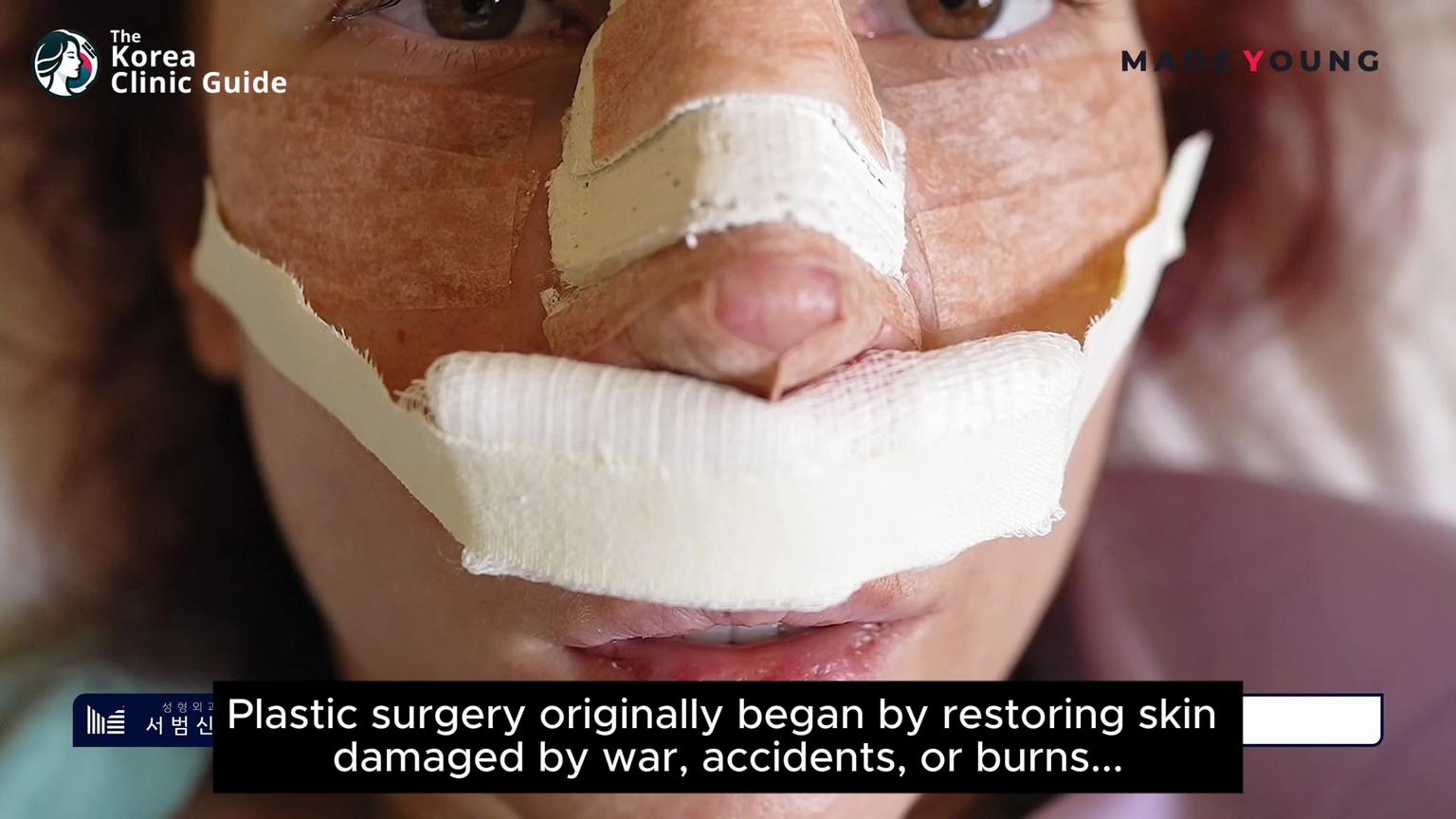
Die plastische Chirurgie als Fachgebiet entwickelte sich zu einem großen Teil, um Menschen nach Kriegsverletzungen, Unfällen und Verbrennungen zu helfen – Schäden zu heilen und einem Menschen zu helfen, zu sich selbst zurückzufinden. In diesem Sinne kann geschlechtsangleichende Gesichtschirurgie ähnlich verstanden werden: Sie hilft einer Frau, als die Person gesehen zu werden, die sie ist, und unterstützt sie dabei, dass ihr Spiegelbild zu ihrer Identität passt.
Fazit: Im Kern geht es um Anerkennung und die Rückkehr zum eigenen Selbst
Je mehr MTF-Gesichtsoperationen ich durchführe, desto mehr denke ich nicht nur über Technik nach, sondern auch über das Wesen von Zufriedenheit – und darüber, was es wirklich bedeutet, plastischer Chirurg zu sein. Für mich war die wichtigste Veränderung einfach, aber nicht leicht: nicht länger „trans Frau“ als Stereotyp zu behandeln, sondern damit zu beginnen, den einzelnen Menschen zu sehen.
Wenn ich Beratungen mit dieser Haltung angehe, wird der Operationsplan klarer. Das Ziel ist nicht immer „eine hübsche Frau“. Oft ist es „einfach eine Frau“ – ein Gesicht, das im wirklichen Leben richtig gelesen wird, Sicherheit und Selbstvertrauen unterstützt und es der Patientin ermöglicht, mit weniger Reibung und mehr innerem Frieden zu leben. An diesem Maßstab versuche ich mich festzuhalten – jedes Mal, wenn ich den Beratungsraum betrete, und jedes Mal, wenn ich in den Operationssaal gehe.
Mehr über Made Young Plastic Surgery
Made Young Plastic Surgery im Gangnam-Viertel von Seoul ist auf die Beratung und Planung von MTF-Gesichtsfeminisierung spezialisiert und bringt dabei eine fundierte Expertise in der Gesichts- und Anti-Aging-Chirurgie in individuell abgestimmte feminisierende Behandlungspläne ein. Ein wichtiges Merkmal ist das verifizierte medizinische Team: Ausschließlich hochqualifizierte Ärztinnen und Ärzte mit durchschnittlich mehr als 15 Jahren Erfahrung führen vor jedem Eingriff persönliche Beratung und Diagnose durch und helfen Patientinnen dabei, ihre Ziele in einen realistischen, auf Harmonie ausgerichteten Behandlungsplan zu übersetzen. Sicherheit wird dort als strukturelles System und nicht als bloßer Slogan verstanden – mit fest angestellten, fachärztlich zertifizierten Anästhesistinnen und Anästhesisten vor Ort, einem 1:1-Modell zur engmaschigen Überwachung während der Anästhesie, einem Cross-Check-Reaktionssystem für Notfälle und vollständiger CCTV-Abdeckung zur größtmöglichen Transparenz. Patientinnen profitieren außerdem von einem umfassenden Nachsorgeprogramm, das durch ein separates, speziell dafür vorgesehenes Nachsorgezentrum unterstützt wird, sodass die Erholung ebenso sorgfältig begleitet wird wie der Eingriff selbst. Die Glaubwürdigkeit von Made Young wird zusätzlich durch Auszeichnungen und offizielle Anerkennungen unterstrichen, darunter der Korea No.1 Award 2022, der 1. Platz bei der Korea Customer Satisfaction 2022, die Auswahl als Outstanding Member der Korean Society of Plastic and Reconstructive Surgeons sowie die Zertifizierung durch die Minimally Invasive Aesthetic Surgery Society.
Mehr über diese Klinik finden Sie hier: Made Young Plastic Surgery
Häufig gestellte Fragen
Verwandte Blogbeiträge
Choosing South Korea for MTF Surgery: A Cost Comparison with Global Destinations
Discover the comprehensive cost details of MTF (Male to Female) surgery in Korea, including surgical fees, hospital stays, and post-operative care. Learn about the financial aspects and why Korea is becoming a top choice for transgender individuals seeking gender-affirming procedures.
Aktualisiert: Oct 21, 2026
Weltweiter Kostenvergleich der Vaginektomie: Warum Korea ein außergewöhnlich gutes Preis-Leistungs-Verhältnis bietet
Erfahren Sie mehr über die Kosten von Vaginektomie-Eingriffen in Korea und die Faktoren, die sie beeinflussen – einem Reiseziel, das für seine fortschrittliche medizinische Versorgung bekannt ist. Dieser umfassende Leitfaden bietet Einblicke in Preise, zusätzliche Gebühren und wichtige Aspekte für Menschen, die eine geschlechtsangleichende Operation in Erwägung ziehen.
Aktualisiert: Oct 21, 2026
Warum Korea für eine Penektomie eine hervorragende Wahl ist: Ein Vergleich von Kosten und Service mit internationalen Behandlungsstandorten
Entdecken Sie die kostengünstige medizinische Versorgung in Korea und erhalten Sie einen detaillierten Überblick über die Kosten und wichtigen Aspekte einer Penektomie. Dieser Artikel bietet wertvolle Einblicke in Preise, medizinische Expertise und Patientenerfahrungen in Korea.
Aktualisiert: Oct 21, 2026
Die wachsende Beliebtheit der Metoidioplastik in Korea: Ein Kostenvergleich mit den USA, dem Vereinigten Königreich, Mexiko und weiteren Ländern
Erfahren Sie mehr über die Kosten einer Metoidioplastik in Korea – einer beliebten geschlechtsangleichenden Operationsoption, die für ihre Erschwinglichkeit und hohe Versorgungsqualität bekannt ist. Dieser Artikel erläutert Preise, kostenbeeinflussende Faktoren und was Patientinnen und Patienten erwarten können, wenn sie Korea für diesen chirurgischen Eingriff wählen.
Aktualisiert: Oct 21, 2026
Kliniken für Facial Feminization Surgery

THEPLUS Plastic Surgery Korea | Eye, Nose, Face & Body Surgery
Sinsa

Made Young Plastic Surgery: Rejuvenating Aesthetic Excellence in Korea for Face Lifts, Contouring and More
Gangnam Station

Okay Plastic Surgery Clinic in Korea: Comprehensive Aesthetic Procedures with Sincerity and Care
Cheongdam

Evita Clinic Korea: Body Contouring, Breast & Gender-Affirming Surgery in Seoul (Apgujeong)
Apgujeong