
Medical Tourism Blog
Diet Korean Medicine in Korea: Methods, Safety, Travel Planning, and Alternatives
Table of contents
- What Is Diet Korean Medicine?
- Which Are the Best Clinics in Korea for Diet Korean Medicine?
- Diet Korean Medicine in Korea
- Cost of Diet Korean Medicine in Korea
- Alternatives to Diet Korean Medicine
- Conclusion
Considering treatment in Korea? Everything you need to know e.g. — how to avoid scams, visas, interpreters, recovery tips — in our Medical Tourism Master Guide. Plan with confidence in minutes, not weeks!
Have you ever considered how traditional medicine can provide personalized and holistic solutions for modern health challenges like weight management? Diet Korean Medicine (DKM) offers an intriguing blend of ancient practices such as herbal remedies and acupuncture with modern dietary insights, presenting a culturally rich and individualized approach to achieving and maintaining a healthy weight.
What Is Diet Korean Medicine?
Diet Korean Medicine, known as "Hanbang" in Korea, is an integrative approach that combines traditional Korean medicine with modern practices to aid weight management and support overall health. Rooted in centuries-old practices, it is becoming increasingly popular for those seeking natural and holistic methods to address obesity and weight-related health concerns. This approach is not about quick fixes but focuses on balancing the body's internal energy, enhancing metabolism, and fostering sustainable lifestyle changes.
Who Is It For?
Diet Korean Medicine is suitable for a diverse range of individuals. It is particularly beneficial for those who have struggled with conventional weight loss methods or are looking to complement their weight management efforts with alternative medicine. It is also ideal for people with specific dietary needs, sensitivities, or those who favor holistic and non-invasive treatment methodologies. Patients often seek this approach when they desire a comprehensive plan that addresses not only weight but also associated symptoms like digestive issues, fatigue, or stress, which can often hinder weight loss progress.
Procedure Types
-
Herbal Medicine: Herbal formulations are central to Diet Korean Medicine. Tailored to each individual's constitution, these formulations aim to correct imbalances within the body, promote healthy digestion, and increase the metabolic rate. Commonly used herbs include green tea extract, lotus leaf, and ephedra, all known for their fat-burning and digestive properties.
-
Acupuncture: Acupuncture is employed to stimulate specific points on the body connected to weight regulation and metabolism. This traditional technique is believed to help balance the body's energy or "Qi," reduce cravings, and improve the function of digestive organs. Regular sessions can help regulate internal systems and promote a healthier appetite.
-
Diet Therapy: An integral part of the treatment plan, diet therapy focuses on personalized nutrition guidelines that align with traditional Korean dietary principles. Patients are advised on foods that are easy to digest and promote energy balance, often incorporating nutrient-rich ingredients that boost overall wellness and facilitate weight loss.
-
Moxibustion and Cupping: These therapies are often used in conjunction with acupuncture. Moxibustion involves burning specific herbs near the skin to stimulate circulation and enhance energy flow. Cupping, which involves placing suction cups on the skin, can help improve lymphatic flow and detoxify the body. Both methods work to augment the effects of other treatments by promoting blood circulation and reducing bodily aches, which may be related to weight issues.
-
Lifestyle Counseling: Understanding that weight management is multifaceted, practitioners provide comprehensive lifestyle counseling. This includes guidance on physical activity, stress management techniques, and sleep hygiene, all of which play crucial roles in maintaining a healthy weight and preventing rebound weight gain.
Customization and Holistic Approach
A core tenet of Diet Korean Medicine is its highly personalized approach. Treatments are tailored to the individual after detailed consultation and diagnosis, which might include pulse reading and tongue examination, to determine the body’s specific needs. Unlike one-size-fits-all solutions, this method acknowledges that each person has unique bodily compositions and metabolic processes requiring personalized interventions.
This holistic approach ensures that the treatment plan not only addresses weight concerns but also enhances overall physical and mental health, making it a sustainable lifestyle choice rather than a temporary solution. By integrating these elements, Diet Korean Medicine promotes a harmonious state, aiming for equilibrium within the body that supports long-term health and wellness.
Which Are the Best Clinics in Korea for Diet Korean Medicine?
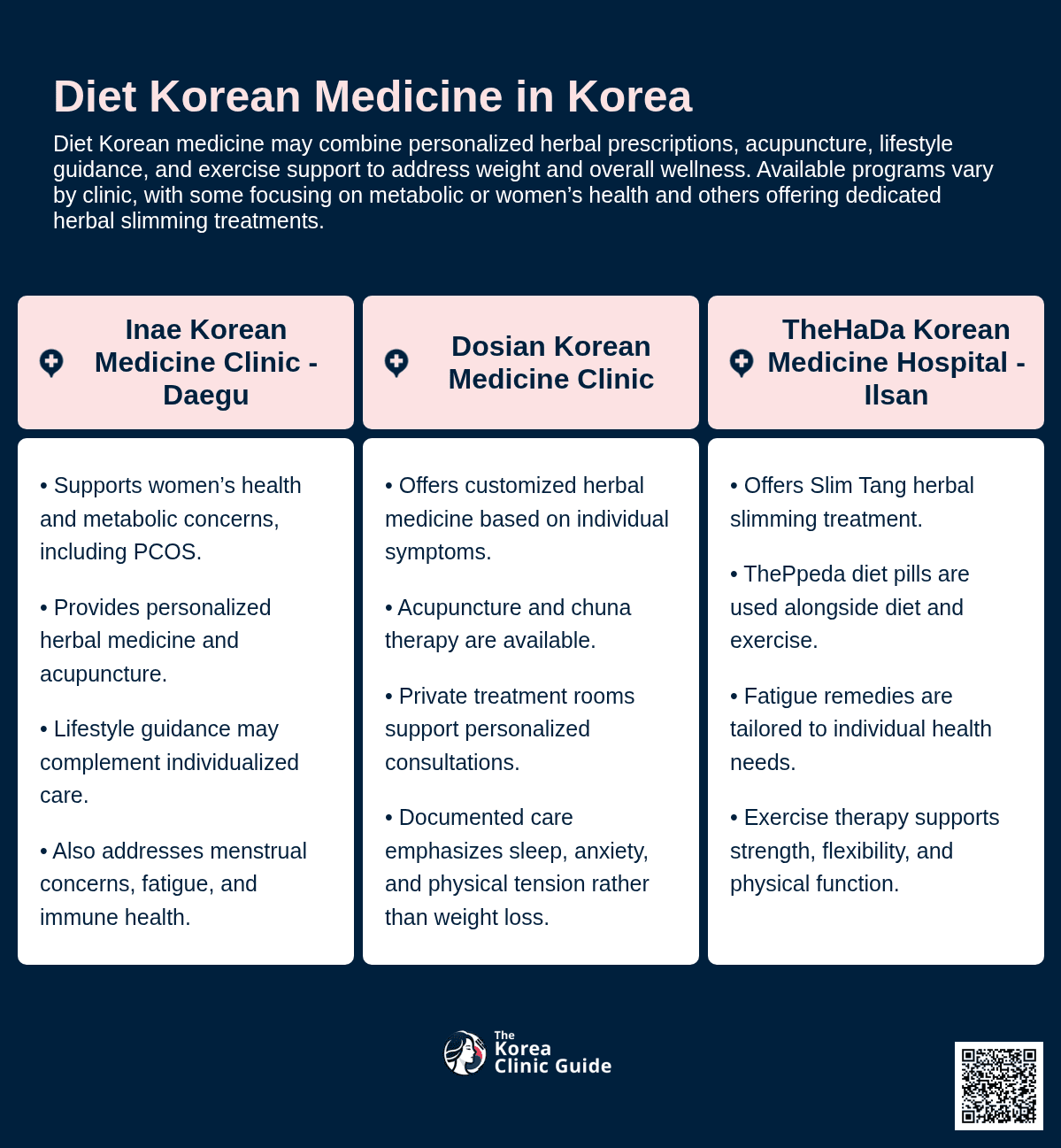
Listed below are some of the best clinics in Korea for diet korean medicine.
1. Inae Korean Medicine Clinic - Daegu
You may consider Inae Korean Medicine Clinic if your diet and weight concerns overlap with women’s health or metabolic issues, particularly PCOS, as its documented care combines personalized herbal medicine, acupuncture, and lifestyle guidance; however, the available information does not identify a dedicated weight-loss program.
- URL: Inae Korean Medicine Clinic - Daegu Website
- Location: Jung-gu, Daegu
- Relevant health considerations:
- PCOS care focuses on hormonal balance and metabolic health, which may be relevant if weight concerns occur alongside PCOS symptoms.
- Care for irregular menstruation, menstrual pain, menopause, and other reproductive-health concerns incorporates herbal prescriptions and acupuncture.
- Individualized Korean medicine:
- Available approaches include herbal medicine, acupuncture, and lifestyle guidance.
- The clinic also provides support for chronic fatigue, cold hands and feet, and immune health.
2. Dosian Korean Medicine Clinic
You may consider Dosian Korean Medicine Clinic if you want individualized Korean medicine in a private setting, especially when sleep, anxiety, tension, or related well-being concerns are part of your broader health picture; the provided information does not describe a specific diet or weight-management treatment.
- URL: Dosian Korean Medicine Clinic Website
- Location: Mapo-gu, Seoul
- Personalized care:
- Customized herbal medicine is prepared around your predominant symptoms and physical reactions.
- Acupuncture and chuna therapy can be provided in private treatment rooms.
- Documented treatment focus:
- Herbal options described by the clinic focus on insomnia and anxiety-related symptoms rather than weight loss.
- Chuna manual therapy is used to address tension and cranial-joint alignment, with the aim of supporting nerve function.
3. TheHaDa Korean Medicine Hospital - Ilsan
You may consider TheHaDa Korean Medicine Hospital - Ilsan for Korean medicine–based weight management because it specifically offers Slim Tang herbal slimming treatment and ThePpeda diet pills, with diet pills described for use alongside dietary changes and exercise.
- URL: TheHaDa Korean Medicine Hospital - Ilsan Website
- Location: Deogyang-gu, Goyang-si, Gyeonggi
- Diet-focused options:
- Herbal Slimming Remedy (Slim Tang) is described as supporting weight loss by improving metabolism and promoting fat burning.
- ThePpeda diet pills are intended to aid weight loss and are used alongside dietary changes and exercise.
- Complementary support:
- Fatigue remedies are tailored to individual health needs and are intended to support energy levels.
- Exercise therapy provides tailored programs to build strength, flexibility, and overall physical function.
- The hospital is open daily.
Diet Korean Medicine in Korea
Diet Korean Medicine, a unique approach rooted in traditional Korean medical practices, has gained prominence as an alternative method for weight management. It differs from the conventional Western approach by emphasizing holistic wellness, natural therapies, and personalized treatment plans. Here is an in-depth look into what it’s like to undergo Diet Korean Medicine in Korea.
Initial Consultation
The journey begins with an initial consultation, which typically involves a thorough assessment of the individual’s body constitution and health status. Practitioners of Korean medicine, known as "Hanui," undergo rigorous training to become experts in diagnosing imbalances and health issues. They employ a variety of diagnostic tools such as pulse diagnosis, tongue inspection, and a detailed health history evaluation. This helps in creating a tailored treatment plan that aligns with the patient’s unique health profile.
Treatment Modalities
Diet Korean Medicine encompasses a range of treatment modalities designed to promote weight loss and improve overall health. Key components of the treatment include:
-
Herbal Medicine: Central to the practice is the use of herbal formulas crafted specifically for weight management. These herbal concoctions are tailored to the individual’s needs and are believed to aid in metabolism enhancement, fat breakdown, and appetite suppression. Common ingredients may include red ginseng, lotus leaf, and orange peel.
-
Acupuncture: This ancient technique involves the insertion of fine needles into specific points on the body to stimulate energy flow and balance bodily functions. For weight loss, acupuncture is aimed at enhancing digestive function, reducing stress, and curbing hunger.
-
Moxibustion: Often used alongside acupuncture, moxibustion involves burning dried mugwort near the skin to warm the body and stimulate energy flow. It is used to enhance circulation and remove excess moisture in the body, which is thought to contribute to weight gain.
-
Cupping and Chuna Therapy: Cupping therapy is employed to boost circulation and eliminate toxins, while Chuna therapy—involving manual manipulation techniques similar to chiropractic methods—can be used to improve body balance and posture, which are important in maintaining a healthy weight.
Dietary Recommendations
Dietary advice is an integral part of the treatment plan. Practitioners provide specific nutritional guidance tailored to the patient's body type and health condition. The focus is on whole, natural foods with an emphasis on balance and moderation. Common recommendations include increased consumption of grains, legumes, and vegetables while limiting processed foods and sugars.
Lifestyle Modifications
True to its holistic nature, Diet Korean Medicine extends beyond just herbal medicine and therapy. Patients are encouraged to adopt lifestyle changes that may include regular physical activity, stress reduction techniques such as meditation or yoga, and proper sleep hygiene. The aim is to achieve lasting lifestyle changes that support a healthy weight naturally and sustainably.
Progress Monitoring
Regular follow-ups are crucial for monitoring progress and making necessary adjustments to the treatment plan. These sessions allow practitioners to assess improvements, address any concerns, and support the patient’s ongoing journey towards their weight loss and health goals. This hands-on approach ensures that treatment remains effective and relevant to the patient's evolving needs.
In Korea, Diet Korean Medicine is offered in specialized clinics and wellness centers, often set in serene environments that promote relaxation and healing. The comprehensive and personalized nature of this treatment approach continues to attract individuals seeking a natural, sustainable path to weight management without the heavy reliance on pharmaceutical interventions.
Cost of Diet Korean Medicine in Korea
Diet Korean Medicine, also known as "Hanbang," is an intriguing aspect of traditional Korean medicine that focuses on holistic approaches to weight management. If you're considering traveling to Korea specifically to explore this form of therapy, it's important to be aware of the associated costs.
Understanding the Cost of Diet Korean Medicine
The cost of Diet Korean Medicine varies widely depending on the clinic, location, the reputation of the practitioner, and the specific treatments involved. Generally, a consultation and initial treatment session could range from approximately 100,000 to 300,000 KRW (about 75 to 225 USD). Follow-up sessions, which may include herbal medicine and acupuncture, typically cost between 80,000 and 250,000 KRW (about 60 to 190 USD) per visit.
Some clinics offer package deals or customized programs that span several weeks or months. These programs can cost anywhere from 1,000,000 to 5,000,000 KRW (approximately 750 to 3,750 USD), depending on the length of the program and the specific services included.
Additional Costs: Flights and Accommodation
When planning a trip to Korea specifically for Diet Korean Medicine, you should also factor in the cost of flights. Depending on your departure location, round-trip flights to South Korea can cost between 700 and 1,500 USD for economy class, although prices can fluctuate significantly based on the season and airline.
Once in Korea, accommodation costs will vary based on your preference for lodging. Budget travelers might opt for guesthouses or hostels, which can range from 20,000 to 60,000 KRW (around 15 to 45 USD) per night. Mid-range hotels typically charge between 70,000 and 150,000 KRW (approximately 50 to 112 USD) per night, while luxury hotels can exceed 300,000 KRW (about 225 USD) per night.
Considering Travel Expenses
Local transportation is relatively affordable in Korea. The extensive public transportation network in cities like Seoul and Busan allows for easy commuting at a low cost. A single subway or bus ride typically costs between 1,250 and 1,500 KRW (about 1 to 1.15 USD). Taxis are also reasonably priced, with a starting fare of around 3,800 KRW (approximately 2.85 USD) for the first two kilometers.
Dining and other daily expenses can also vary significantly. An average meal at a local restaurant may cost between 8,000 and 15,000 KRW (roughly 6 to 11 USD), while dining at a high-end restaurant can range from 30,000 to 100,000 KRW (approximately 23 to 75 USD) per person.
In conclusion, seeking Diet Korean Medicine in Korea involves several financial considerations beyond the medical treatments themselves. By planning ahead and budgeting for your travel, accommodation, and daily expenses, you can ensure a smoother, cost-efficient experience while exploring this holistic approach to weight management.
Alternatives to Diet Korean Medicine
While Diet Korean Medicine has gained popularity in South Korea for its holistic approach to weight management, there are alternative methods that individuals can consider. These alternatives often focus on a combination of lifestyle changes, dietary adjustments, and exercise routines to promote health and wellness.
1. Mediterranean Diet
The Mediterranean Diet is renowned for its heart-healthy benefits and is often recommended for those seeking sustainable weight management. This diet is inspired by the traditional eating habits of countries bordering the Mediterranean Sea, such as Greece and Italy. It emphasizes the consumption of whole foods such as fruits, vegetables, whole grains, nuts, and legumes. Healthy fats, particularly from olive oil, and lean proteins, especially fish, are also key components.
Additionally, the Mediterranean Diet encourages moderate consumption of dairy products and a limited intake of red meat and sweets. The diet's balance and focus on nutrient-rich foods not only support weight management but also reduce the risk of chronic diseases, making it a widely endorsed option by nutritionists worldwide.
2. Intermittent Fasting
Intermittent fasting has emerged as a popular eating pattern that alternates between periods of fasting and eating. Unlike traditional diets that focus on what to eat, intermittent fasting emphasizes when to eat. Common methods include the 16/8 method, where individuals fast for 16 hours and eat during an 8-hour window, and the 5:2 method, which involves eating normally for five days a week and restricting calorie intake on two non-consecutive days.
This approach to dieting can lead to weight loss by reducing calorie intake and also has potential metabolic benefits. Some studies suggest that intermittent fasting may improve insulin sensitivity, lower inflammation levels, and support cell repair processes. However, as with any dietary change, it’s important to ensure that nutritional needs are met despite the restricted eating windows.
3. Plant-Based Diet
A plant-based diet focuses predominantly on foods derived from plants, which includes not only fruits and vegetables but also nuts, seeds, oils, whole grains, legumes, and beans. This diet minimizes the intake of animal products and is often associated with numerous health benefits, from weight loss to reduced risks of heart disease and improved blood sugar control.
Transitioning to a plant-based diet involves replacing meat and dairy products with plant-derived alternatives, which are often lower in calories and saturated fats. This dietary approach can be highly beneficial for weight management as it promotes increased intake of fiber and essential nutrients, which can aid in satiety and reducing caloric intake overall. Moreover, plant-based diets have been linked to environmental benefits, making them an attractive choice for those looking to adopt a more sustainable lifestyle.
Conclusion
In conclusion, Diet Korean Medicine offers a unique and culturally rooted approach to weight management, deeply intertwined with Korea's rich heritage of traditional medicine. It combines herbal formulations, acupuncture, and personalized dietary guidelines to promote holistic well-being and sustainable weight loss. While it presents a cost-effective option compared to many modern weight loss regimens and shares a growing cachet in Korea as a natural alternative, individuals should carefully consider their options, including mainstream medical treatments and lifestyle changes, to determine the best path tailored to their personal health goals. The increasing accessibility and acceptance of this traditional practice highlight its potential as a viable complement or alternative to western methods, yet consultation with a qualified healthcare provider is essential to ensure its appropriateness for individual health needs.
Frequently Asked Questions
Related Blogs
Discover Acupuncture Costs Abroad: How Korea Stacks Up Against the USA, Mexico, Turkey, and Thailand
Discover the affordability of acupuncture in Korea as we explore typical costs, factors influencing prices, and tips for finding quality treatment. Learn how Korea's approach offers a balance of traditional techniques and modern healthcare practices.
Updated: Aug 8, 2026
Korean Medicine Uncovered: Compare Costs and Experience of Cosmetic & Traditional Treatments Worldwide
Discover the intricacies of Korean medicine pricing with our comprehensive guide, exploring both traditional and modern treatments available in Korea. Uncover the factors influencing costs and how you can access affordable healthcare in this unique medical landscape.
Updated: Aug 7, 2026
Discover the Cost Disparities in Diet Korean Medicine: Why Korea is a Top Destination for Holistic Weight Management
Discover the unique benefits and costs of Diet Korean Medicine, a traditional approach to weight management in Korea. Explore how these tailored treatments can impact your health journey without breaking the bank.
Updated: Aug 7, 2026
Korean Medicine in Korea: Methods, Safety, Travel Planning and Follow-Up
Korean Medicine in Korea may include acupuncture, moxibustion, cupping, Chuna manual therapy, herbal prescriptions, or pharmacopuncture after an individualized assessment and separate consent. International patients can plan a one-day consultation or 3–7-day trial, request English records and ingredient lists, and arrange reassessment and follow-up while screening for medication interactions and u
Updated: Aug 6, 2026
Clinics offering Diet Korean Medicine

Chamdain Korean Medicine Clinic: Comprehensive Traditional Healthcare & Wellness Services in Korea
Euljiro

Teo Korean Medicine Clinic - Hanam Misa: Comprehensive Traditional and Integrative Health Treatments in Korea
Hanam

Beau Oriental Clinic - Korea's Premier Destination for Holistic Weight Management and Beauty Treatments
Hwaseong

Ilmaek Oriental Clinic - Gangnam, Korea: Specialized Traditional Korean Medicine for Metabolic Syndrome, Weight Management, Pain Relief, and Overall Wellness
Gangnam Station