Medical Tourism Blog
cracked teeth minish
Table of contents
- Cracked Tooth Treatment: Veneer, Crown, or Guard?
- Why a Tiny Crack Can Become a Big Problem
- Why a Veneer-Like Covering Can Be the Best Early Treatment
- The Hidden Cause: Cracks Often Start During Sleep
- Conservative Treatment: Night Guards and Botox
- When a Crown Becomes the Next Step
- When Cracks Reach the Nerve and Root
- How Cracked Teeth Are Diagnosed
- Why Restoring Tooth Shape Also Matters
- Toothpaste and Toothbrush Advice for Protecting Teeth
- The Best Strategy Is to Act Early
- More about Minish Dental Hospital
Considering treatment in Korea? Everything you need to know e.g. — how to avoid scams, visas, interpreters, recovery tips — in our Medical Tourism Master Guide. Plan with confidence in minutes, not weeks!
Disclaimer: The following is a guest post. The information and opinions expressed are not of koreaclinicguide.com but of Minish Dental Hospital
Cracked Tooth Treatment: Veneer, Crown, or Guard?
Why a Tiny Crack Can Become a Big Problem
A cracked tooth often seems minor at first. Many people do not even realize it is there until they start feeling sharp discomfort when they bite down or sensitivity when they drink something hot or cold. That is what makes cracked teeth so concerning. In many cases, the crack is difficult to see, difficult to diagnose, and easy to underestimate. By the time it becomes obvious to the eye, the damage may already be advanced.
When I explain cracked teeth to patients, I emphasize one simple point: a crack is not something to ignore. Once a tooth begins to split, the force from chewing or grinding can keep prying it open. If that process continues, the tooth may become increasingly painful, the nerve can be affected, and in severe cases the tooth can split so deeply that it cannot truly be saved. That is why early treatment matters so much.
Why a Veneer-Like Covering Can Be the Best Early Treatment
The best way to treat a crack, honestly, is often something like a veneer. If the tooth is still worth preserving and replacement is not the plan, the goal is to bond a thin layer over it as quickly as possible. I often compare it to putting a sticker over the tooth. The purpose is not cosmetic alone. The real objective is to block the force that is trying to open the crack further.
That is the idea behind Minish treatment. Adhesive is applied, the tooth is coated very thinly, and the entire area is covered precisely in a matching color. The important benefit is that the crack is completely covered, which helps prevent it from spreading. When a patient has sensitivity because of a crack, that sensitivity often improves after the tooth is protected in this way. In other words, the treatment is not just about appearance. It is about reinforcing the tooth while preserving as much natural structure as possible.
The Hidden Cause: Cracks Often Start During Sleep
One of the most surprising things for patients is that cracked teeth do not always happen because they bit into something hard. Of course, hard foods can be a problem, and I still tell patients not to chew aggressively on a cracked tooth. But in reality, many cracks begin or worsen while people are asleep.
Clenching and grinding create enormous force. During sleep, a person may repeatedly overload the same tooth without realizing it. Over time, that pressure can start a crack or make an existing one worse. That is why cracked teeth are often connected to bruxism. Patients who grind severely often have very strong, thick jaw muscles because those muscles are working constantly. In those cases, the crack is not just a tooth problem. It is part of a larger pattern of excessive force.
Conservative Treatment: Night Guards and Botox
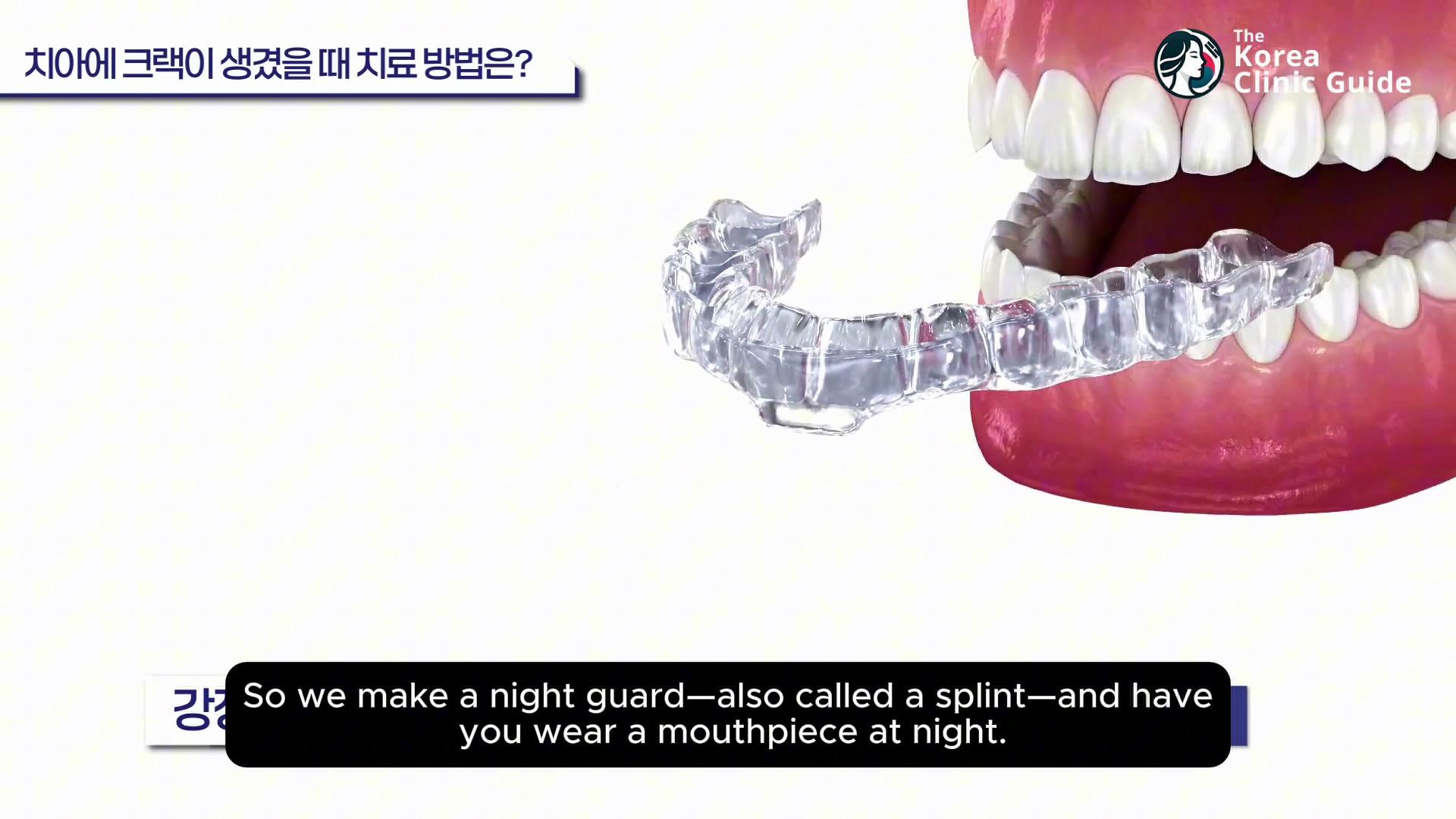
If Minish is not being done right away, the first conservative step is usually to reduce the force on the tooth. That means avoiding overload as much as possible and, very often, wearing a night guard, also called a splint. This mouthpiece is worn at night to reduce the load placed on the teeth during clenching and grinding.
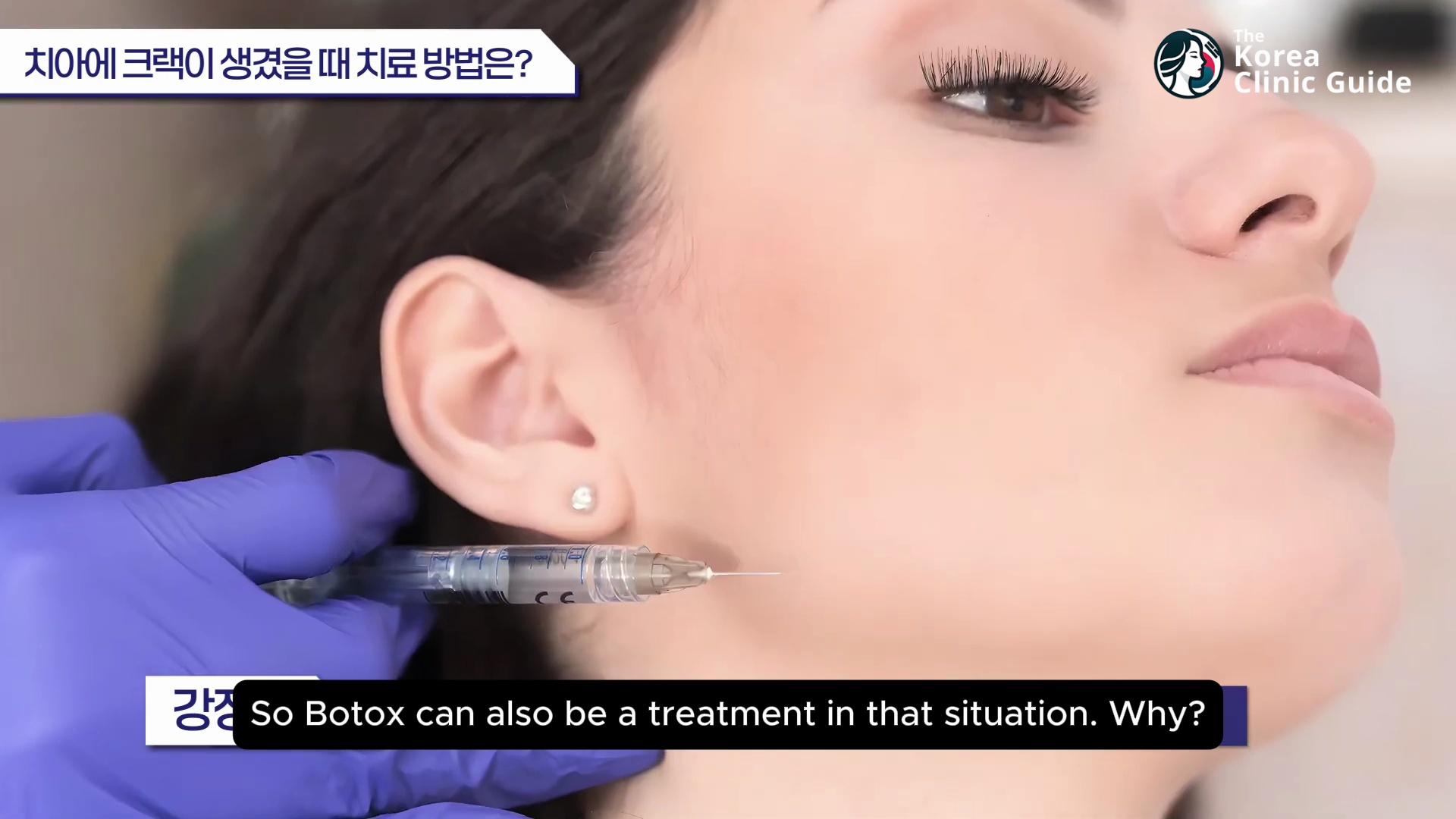
For some patients, the grinding force is so strong that they wear through the guard itself. That shows just how powerful these nighttime habits can be. In those situations, Botox can also be a useful treatment. The reasoning is straightforward: if the jaw muscles are too strong, reducing their force can help lower the pressure on the teeth. Combined with a splint, Botox becomes part of a conservative approach focused on protecting the tooth rather than cutting it down immediately.
When symptoms improve with this kind of force control, that is often a very good sign. It suggests that the crack may not be too severe yet. At that stage, careful use of the tooth and long-term protection can make a meaningful difference.
When a Crown Becomes the Next Step
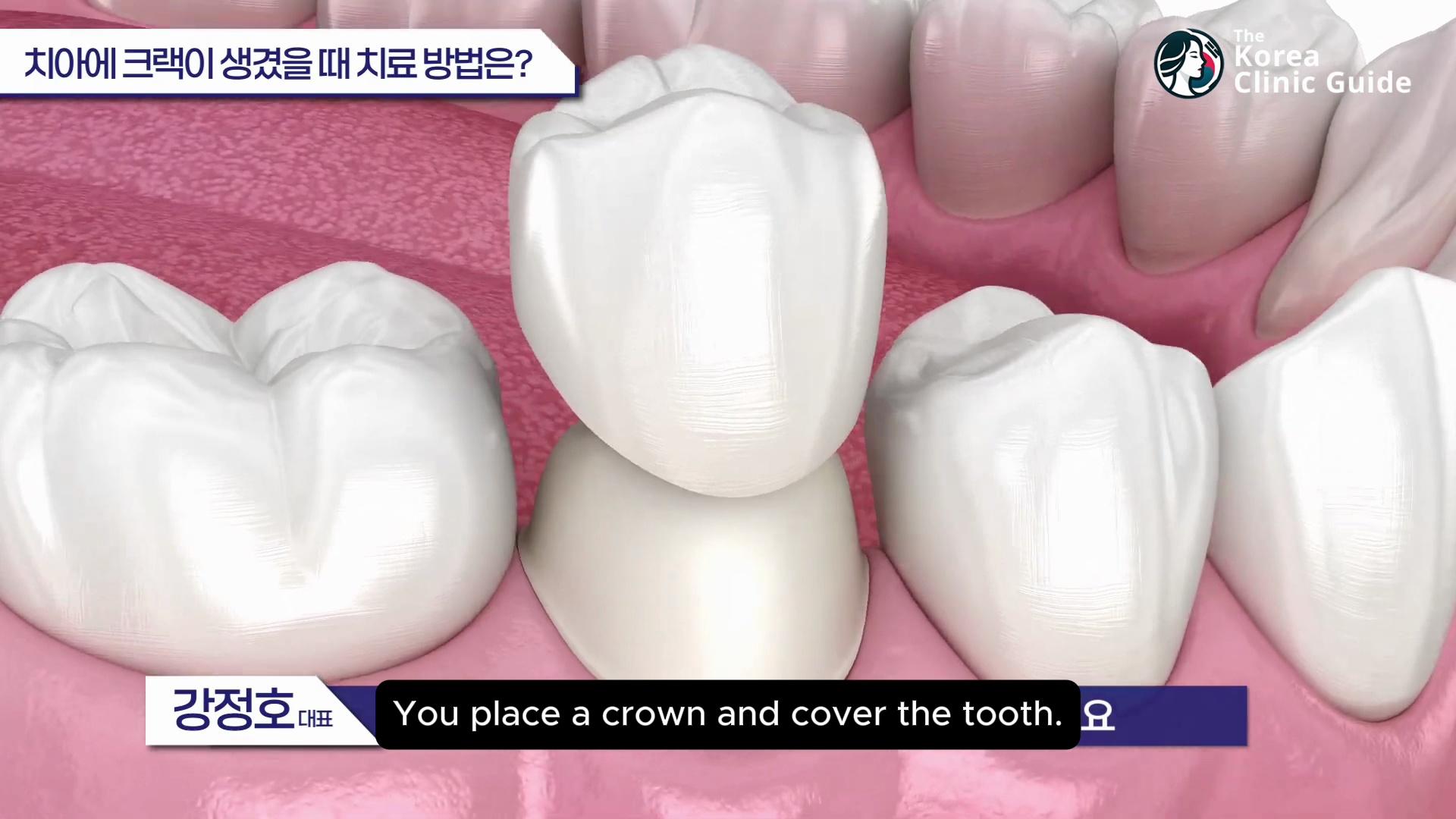
If symptoms continue or the crack seems more advanced, the next option may be a crown. A crown covers the tooth more fully and can help stop the crack from opening during function. If the pain improves and the tooth becomes stable, that can still be a success. The tooth is being preserved, even if a more invasive treatment was necessary.
At the same time, I do not consider a crown a light recommendation. A crown requires shaving down a significant amount of tooth structure, which is why dentists often hesitate before moving in that direction. It is not that a crown is a bad treatment. If the goal is to save the tooth and less invasive methods are not enough, then a crown may absolutely be the right treatment. The decision depends on how much damage is suspected, how severe the symptoms are, and how strongly the patient wants to keep the tooth.
When Cracks Reach the Nerve and Root
The worst situation is when treatment is attempted, but the sensitivity still does not resolve. At that point, a root canal may be necessary, followed by a crown. That usually means the crack has irritated the nerve deeply enough that the tooth can no longer recover on its own.
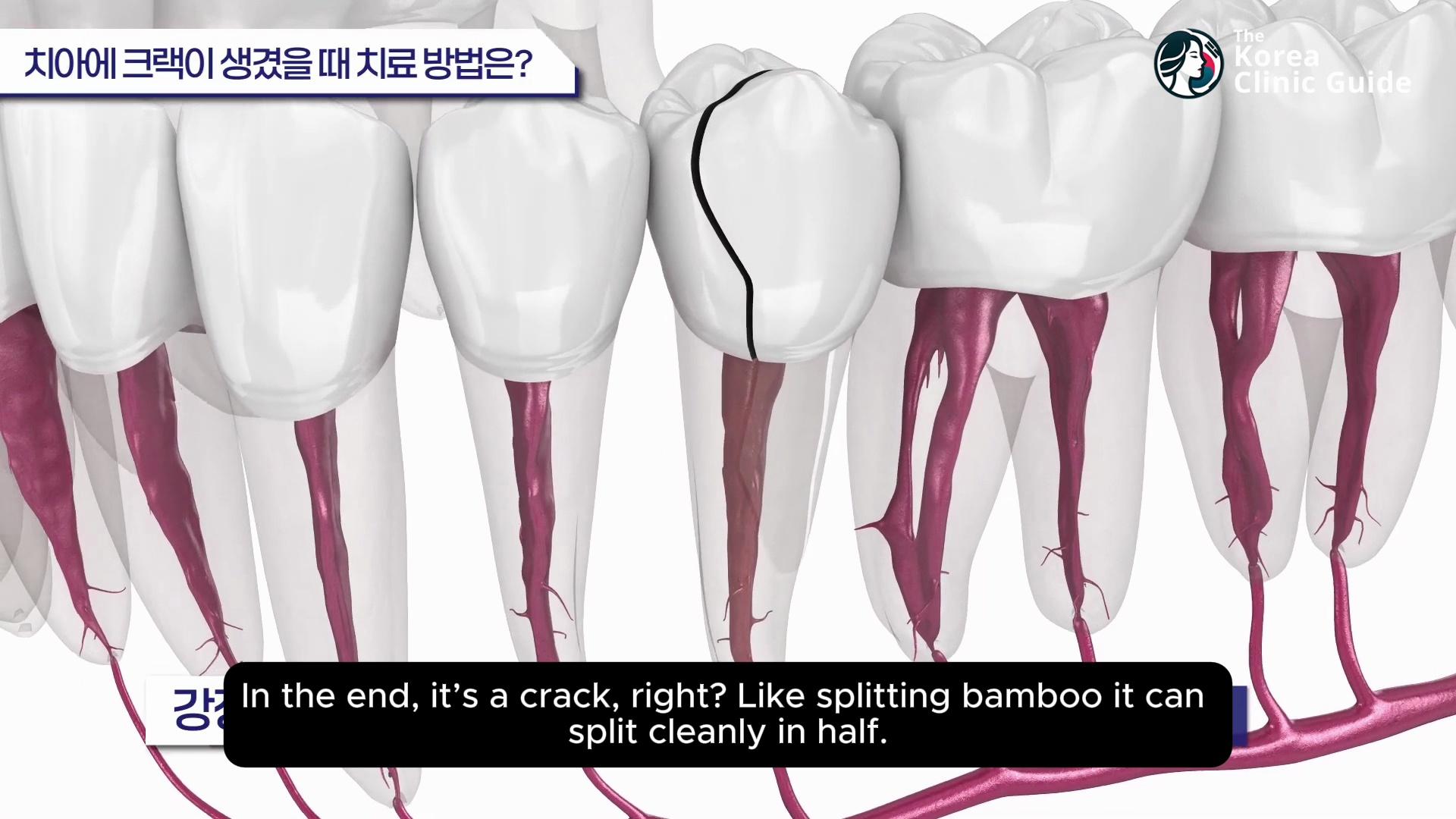
Even then, the long-term outlook can be uncertain. A cracked tooth may appear to be held together on top, but the crack can continue down into the root. If that happens, the tooth may eventually split in two. When a crack reaches that stage, the nerve can die, bacteria can collect, swelling and pus can develop, and extraction may become unavoidable. In severe cases, when the tooth is removed, it literally comes out in two pieces. That is why cracked teeth are so frightening clinically. Once the crack progresses far enough, there is no true way to reverse it.
How Cracked Teeth Are Diagnosed
Cracks are notoriously hard to diagnose because they often do not show up clearly. If a crack is easily visible with the naked eye, it is often already at a stage where the tooth may be close to extraction. For that reason, diagnosis depends heavily on symptoms.
One common method is to have the patient bite on a testing stick or similar instrument. If biting causes pain, that tells me the crack may be opening slightly under pressure. That type of symptom, along with a history of grinding or clenching, helps guide the diagnosis. Because cracks can hide so well, paying attention to small warning signs matters. Sensitivity when biting, a sudden sharp pain on release, or unexplained discomfort in one tooth should never be ignored.
Why Restoring Tooth Shape Also Matters
Patients who grind their teeth usually have significant wear. Over time, worn teeth become flat, almost like a millstone. Natural teeth are supposed to have cusps and grooves that help guide force properly. When that anatomy is lost, biting pressure does not disperse the way it should.
Restoring the tooth shape is therefore very important. It is not only about protecting the damaged tooth. It is also about helping the bite work more efficiently. When force is directed more vertically instead of turning into rubbing or shearing forces, the load can be distributed better across the teeth. In some cases, improving the shape of the teeth can even help reduce grinding-related damage over time.
Toothpaste and Toothbrush Advice for Protecting Teeth
When it comes to everyday home care, toothpaste is often less important than people think. Most toothpastes are fairly similar, and foam does not mean a product cleans better. Foaming agents, strong flavors, and fragrance may make brushing feel more satisfying, but they do not necessarily improve treatment or oral health.
What matters more is avoiding unnecessary harm. A toothpaste with too much abrasive material can wear teeth down over time, and tooth wear is real damage. For someone already dealing with cracks or grinding, aggressive abrasion is the last thing the teeth need.
The toothbrush matters more in terms of shape and use. A good brush is one that can clean effectively in the small spaces between teeth. But even the best toothbrush only works if it is used properly. Many people use the wrong pressure or scrub the wrong areas with the wrong technique. In the end, the tool matters less than how it is used. Gentle, precise cleaning is always better than aggressive scrubbing.
The Best Strategy Is to Act Early
A cracked tooth is one of those dental problems that becomes much harder to manage once it progresses. The earlier the tooth is protected, the better the chance of preventing the crack from spreading. In many cases, a thin bonded covering such as Minish can be an excellent way to preserve the tooth while reducing sensitivity and blocking the forces that keep pulling the crack open.
If grinding is part of the picture, then treatment has to address that too. Night guards, Botox, bite correction, and restoring worn anatomy can all play a role in reducing stress on the teeth. If the crack becomes more serious, a crown may be needed, and if it reaches the nerve or root, treatment becomes much more difficult.
That is why the smartest approach is not to wait for the crack to become obvious. If a tooth hurts when you bite, reacts sharply to pressure, or feels sensitive without a clear reason, it is worth checking early. With cracked teeth, timing can make all the difference between simple protection and losing the tooth altogether.
More about Minish Dental Hospital
For patients seeking the best treatment options for cracked teeth in Korea, Minish Dental Hospital in Gangnam stands out as a premier choice thanks to its rare combination of advanced technology, conservative tooth-preserving treatments, and truly international patient care. Widely regarded as Korea’s leading dental hospital and the most highly awarded clinic in Asia, Minish offers expert solutions for damaged teeth, including Molar Minish and other restorative procedures designed to protect as much natural tooth structure as possible while restoring strength, function, and aesthetics. Its 14-floor facility is equipped with 19 advanced dental systems, supported by an in-house laboratory and its own dental technology company, allowing Minish to stay at the forefront of innovation and deliver highly customized treatment with exceptional precision. Backed by 84,504 hours of research and development, 113,118 completed cases, and a team of 102 top dentists and technicians, Minish is also especially trusted by expats and international patients for its seamless, no-language-barrier experience and personalized, ethical approach to care. Known for treating everyone from families to celebrities, including members of BLACKPINK and NewJeans, Minish has earned a reputation as a destination for world-class dentistry, cosmetic treatment, and even one-day smile makeovers.
Find more about this clinic here: Minish Dental Hospital