Medical Tourism Blog
Transgender Breast Implant Surgery - All About MTF Top Surgery with Dr. Lee from Seojin PS
Table of contents
- Why do many transgender women consider breast implant surgery?
- What do I focus on first when planning transgender breast implant surgery?
- Where should the implant be placed for MTF top surgery—over or under the muscle?
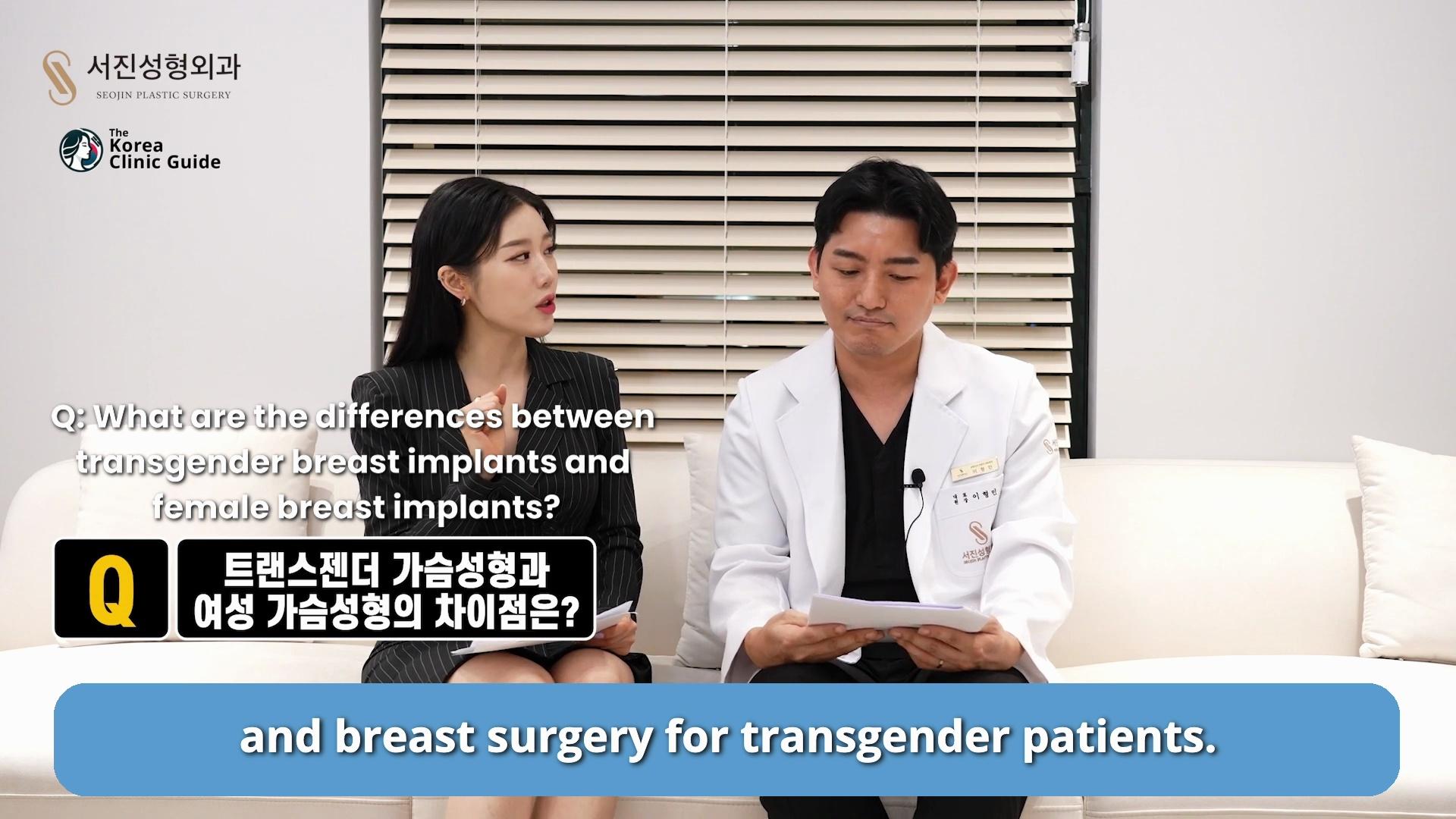
- Is transgender breast augmentation different from breast augmentation for cisgender women?
- How should estrogen therapy be managed around breast implant surgery?
- Can nipple size and areola color be adjusted during transgender breast surgery?
- How do I decide the “right” implant size for an MTF top surgery patient?
- Do breast implants feel different for transgender patients compared with cisgender patients?
- What is my advice to transgender patients considering breast implant surgery?
- What should you remember before making your final decision?
- More about Seojin Plastic Surgery Clinic
Considering treatment in Korea? Everything you need to know e.g. — how to avoid scams, visas, interpreters, recovery tips — in our Medical Tourism Master Guide. Plan with confidence in minutes, not weeks!
Disclaimer: The following is a guest post. The information and opinions expressed are not of koreaclinicguide.com but of Seojin Plastic Surgery Clinic
Why do many transgender women consider breast implant surgery?
For many transgender women, breast surgery is one of the most meaningful steps in feminizing the body and aligning appearance with identity. In my clinic, I often meet patients who have thought about MTF top surgery for a long time—sometimes for years—before deciding to proceed. That time and care matters, and I approach the operation with the same level of seriousness: planning the technique to match the patient’s anatomy, choosing an implant that looks natural on their frame, and making decisions that support both safety and long-term satisfaction.
What do I focus on first when planning transgender breast implant surgery?
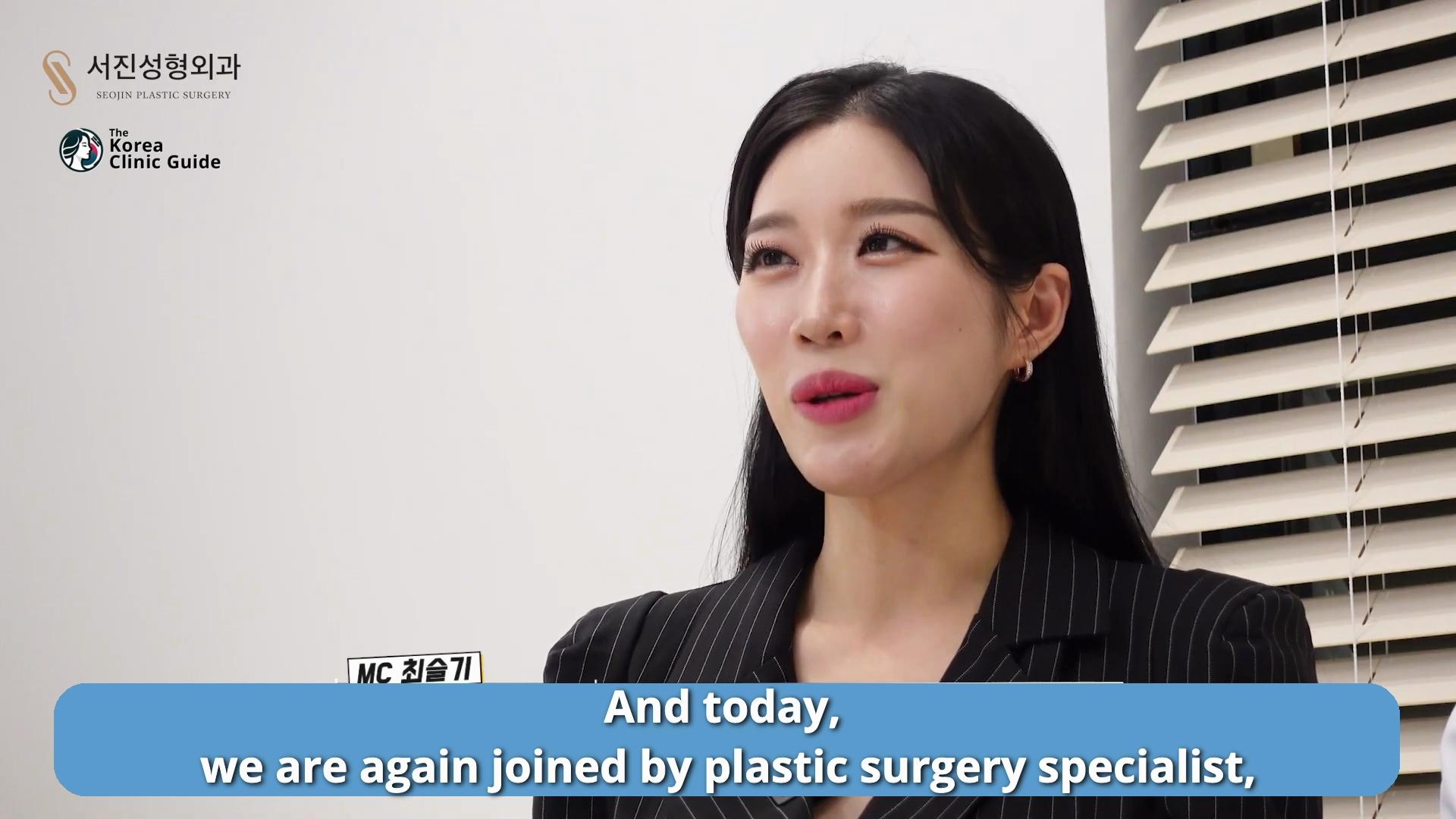
The first thing I evaluate is the thickness and characteristics of the chest muscle. In practice, there isn’t a “completely different” surgery reserved for transgender patients; the fundamentals of breast augmentation remain similar. However, chest muscle thickness is a particularly important variable because it strongly affects which implant plane will create the most natural result and the most stable outcome.
Some patients arrive after hormone therapy has softened the chest and reduced muscle thickness, while others still have a relatively thick, strong pectoral muscle. This difference can change the ideal surgical approach, so I treat it as one of the key starting points in consultation and preoperative assessment.
Where should the implant be placed for MTF top surgery—over or under the muscle?
Implant placement depends on the individual’s chest. If the chest has become thinner and softer—often seen in patients whose tissue has changed with hormone therapy—placing the implant under the chest muscle can be helpful. It can provide a smoother transition in the upper portion of the breast and help the implant blend more naturally with the patient’s existing tissue.
On the other hand, if the chest muscle is still thick, placing the implant above the muscle can actually be more helpful. A very thick muscle can sometimes influence the implant shape or movement when the implant is placed beneath it. This is why I don’t treat implant placement as a one-size-fits-all decision. Instead, I match the plane to the body in front of me—because the “best” placement is the one that fits the patient’s anatomy and goals.
Is transgender breast augmentation different from breast augmentation for cisgender women?
Aside from deciding implant placement based on chest muscle characteristics, there isn’t a major difference in the core surgical concept. Breast augmentation is breast augmentation: the goals are proportion, symmetry, natural contours, and safe healing.
That said, there are practical points I pay close attention to before and after surgery—especially for patients taking estrogen. These details matter because they can affect bleeding risk and recovery. So while the operation itself may not be dramatically different, the surrounding medical planning can require more coordination depending on the patient’s hormone regimen.
How should estrogen therapy be managed around breast implant surgery?
Hormone therapy varies greatly from person to person. Even after years of hormone therapy, some patients may not experience significant thinning of the chest muscle, while others may notice substantial changes after a shorter period. Because of this variability, there isn’t a fixed rule that someone “must” start hormones for a certain length of time solely to qualify for breast implant surgery.
What is important is timing hormone pauses safely around surgery. If a patient is undergoing estrogen therapy, I generally recommend stopping estrogen one week before surgery because estrogen can more easily induce bleeding. Then, I typically recommend resuming it three days after surgery. This approach helps reduce unnecessary bleeding risk while still allowing patients to return to their usual hormone routine soon after the operation.
Can nipple size and areola color be adjusted during transgender breast surgery?
Yes, these details can be addressed, and they are an important part of creating a result that feels complete to the patient. Patients often focus on implant size, but the nipple and areola—position, size, and pigmentation—can also affect how feminine the chest appears.
If the nipple is excessively small, nipple reconstruction surgery can be performed. If the areola is smaller than expected, areola semi-permanent tattooing can be used to add color around the periphery, visually enlarging and enhancing the areola. These options allow patients to refine features that implants alone cannot change.
How do I decide the “right” implant size for an MTF top surgery patient?
When people think about implant size, they often think only in terms of total volume. In my planning, volume matters, but it is not the only factor—and it is often not the most important. I consider the implant’s width and projection separately because these dimensions influence both appearance and safety.
If the width becomes wider than the individual’s baseline anatomy can accommodate, it can increase the risk of sensory nerve damage. This is why I’m careful not to choose an implant that “spills” beyond the natural footprint the chest can safely support.
Projection is equally important. If the projection is higher than what the skin’s elasticity can realistically accommodate, it may not be possible—even if the patient strongly desires it—because pushing beyond the skin’s limits can compromise the quality of the result and the comfort of the patient.
And if the overall volume is too large, the breasts can feel firm, and some patients may experience chest tightness. My goal is to choose an implant that matches the patient’s body frame, tissue characteristics, and desired silhouette—so the result looks proportional and feels comfortable, not forced.
Do breast implants feel different for transgender patients compared with cisgender patients?
My conclusion is that there is no special difference. People sometimes assume the “feel” must be different in transgender breast augmentation, but in real clinical situations, the factors that affect softness and sensation are not determined by whether someone is transgender or cisgender.
Even among cisgender women, those who exercise frequently may have less fat around the mammary gland and a thicker chest muscle, which can create a situation similar to what some transgender patients have. Because of that, I don’t think patients need to be overly concerned with preconceptions. Outcomes vary primarily because body types vary—tissue thickness, muscle characteristics, skin elasticity, and implant selection all matter.
What is my advice to transgender patients considering breast implant surgery?
Breast surgery is often one of the most significant procedures transgender patients undergo. Many people consider it deeply and for a long time before moving forward. I respect that process, and I perform the surgery with careful attention that matches the weight of the decision.
When patients follow post-operative care instructions well, it is possible to achieve beautiful breasts without bleeding, sensory abnormalities, or other side effects. The key is thorough consultation and planning with a board-certified plastic surgeon—someone who will evaluate your anatomy carefully, explain realistic options for implant width and projection, and guide you through safe hormone coordination and recovery.
What should you remember before making your final decision?
Think of MTF top surgery breast implants not as a single choice—“small or large”—but as a set of personalized decisions: implant plane, implant dimensions, tissue limitations, and the finer aesthetic details such as nipple and areola appearance. When these elements are planned thoughtfully and you participate actively in aftercare, the result can be both natural-looking and deeply affirming. My strongest recommendation is to consult fully, ask detailed questions, and choose a surgical plan that fits your body—not anyone else’s expectations.
More about Seojin Plastic Surgery Clinic
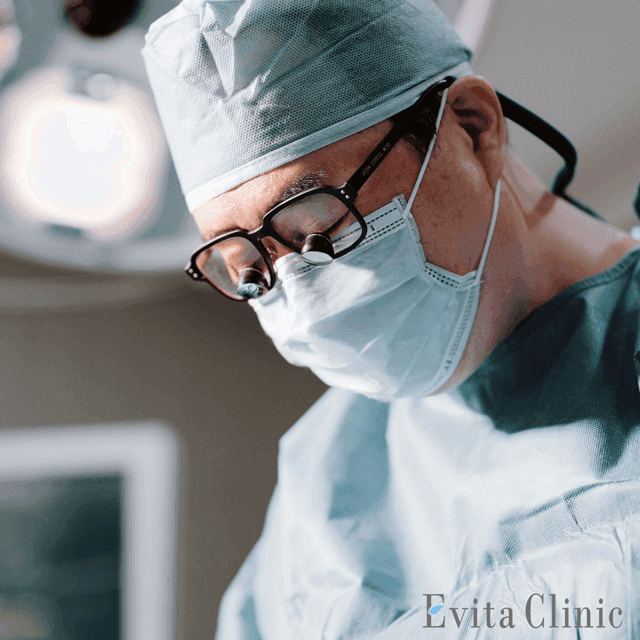
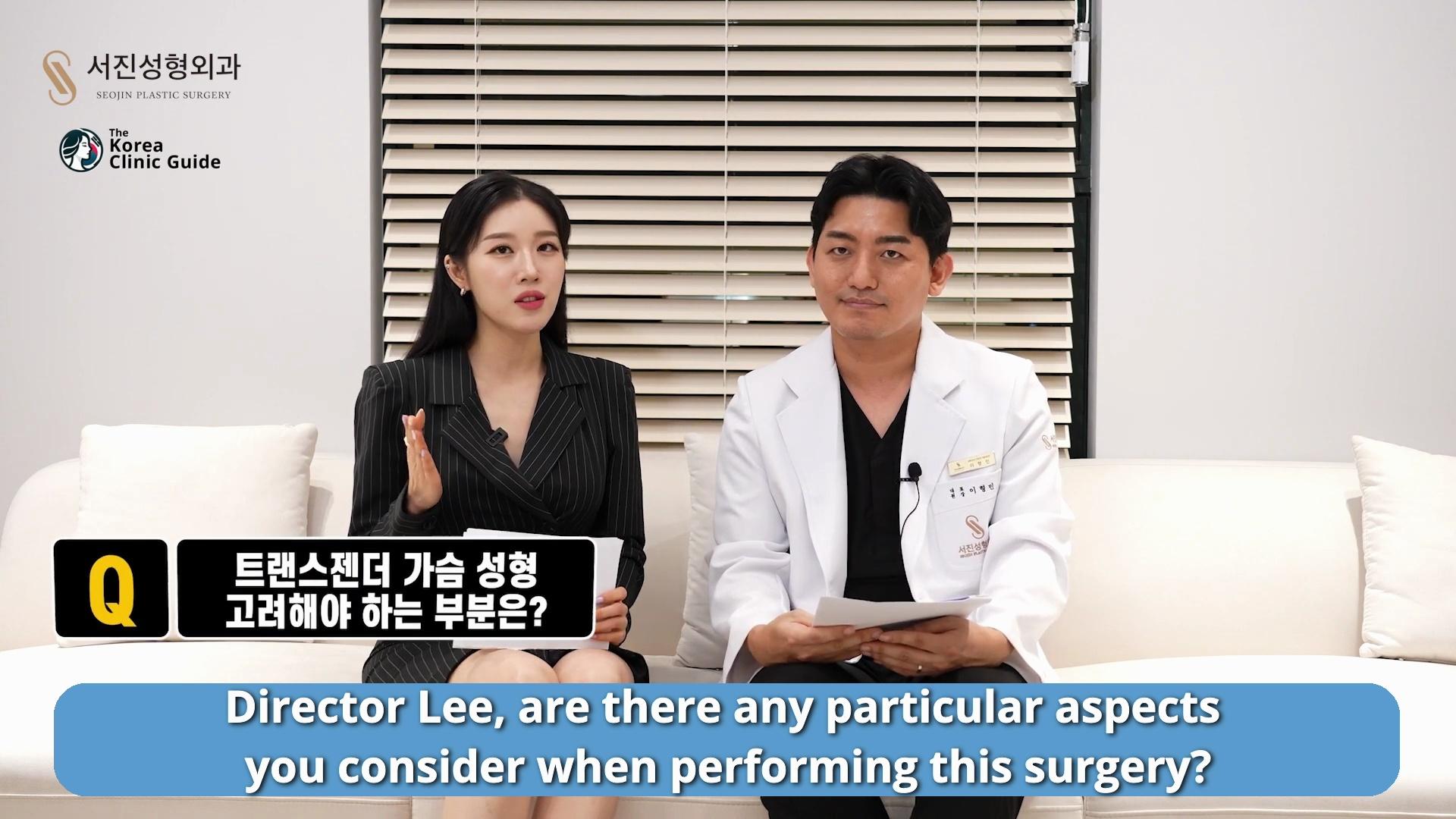
Seojin Plastic Surgery Clinic in Gangnam, Seoul, offers transgender MTF breast implant top surgery with a distinctly personalized approach: as a one-doctor clinic, Dr. Lee Hyungmin oversees every step from consultation and surgical planning to the operation and follow-up care, helping patients feel consistently supported and clearly informed throughout their transition journey. With more than 16 years of experience and recognition as one of Korea’s “100 Good Doctors,” Dr. Lee is known for attentive, detail-driven results that prioritize both aesthetics and safety. Seojin differentiates itself through individualized consultations supported by advanced tools like 3D imaging and high-definition endoscopy, and through options such as hybrid breast augmentation (implant plus fat grafting) designed to create a softer, more natural contour tailored to each patient’s body proportions and goals.
Find more about this clinic here: Seojin Plastic Surgery Clinic