Medical Tourism Blog
Transgender Breast Implants in Korea with Dr. Lee Hyungmin from Seojin Clinic
Table of contents
- A Clear, Calm Starting Point
- Is It Really Different From Breast Augmentation in Cisgender Women?
- The First Thing I Check: Chest Muscle Thickness
- Hormone Therapy: When to Pause and When to Restart
- Nipple and Areola Options: Creating, Enhancing, and Refining
- Choosing Implants: I Focus on Width and Projection, Not Just “CC”
- What Large Implants Can Feel Like Over Time
- Preparing for Surgery: Set Yourself Up for a Smooth Recovery
- Conclusion: Fewer Assumptions, Better Results
- More about Seojin Plastic Surgery Clinic
Considering treatment in Korea? Everything you need to know e.g. — how to avoid scams, visas, interpreters, recovery tips — in our Medical Tourism Master Guide. Plan with confidence in minutes, not weeks!
Disclaimer: The following is a guest post. The information and opinions expressed are not of koreaclinicguide.com but of Seojin Plastic Surgery Clinic
A Clear, Calm Starting Point
When someone comes to me for transgender breast implants in Korea, the first thing I try to do is remove unnecessary fear and confusion. Many patients have spent months—or years—thinking about breast augmentation, and it’s often one of the most emotionally significant surgeries they’ll undergo. Because of that, it’s easy to arrive with a lot of preconceived ideas about how “different” the surgery must be.

In reality, I don’t believe you need to approach transgender breast augmentation with the assumption that it’s a completely separate category of surgery. The fundamentals of safety, planning, implant selection, and careful technique remain the same. What does matter is understanding a few practical differences that can affect the surgical plan—especially chest muscle thickness and how hormone therapy is managed around the time of surgery.
Is It Really Different From Breast Augmentation in Cisgender Women?
From a surgical standpoint, there isn’t usually a “big difference.” The main decision points are ones that I also consider in cisgender women. For example, some cisgender women who work out regularly have a thick pectoralis major muscle and very little fat over the chest, which can create a situation that looks quite similar to what I see in some transgender patients.
So rather than framing this as “transgender vs. cisgender” and expecting a dramatic gap in technique, I encourage patients to think in terms of individual anatomy. That mindset leads to better planning and fewer surprises.
The First Thing I Check: Chest Muscle Thickness
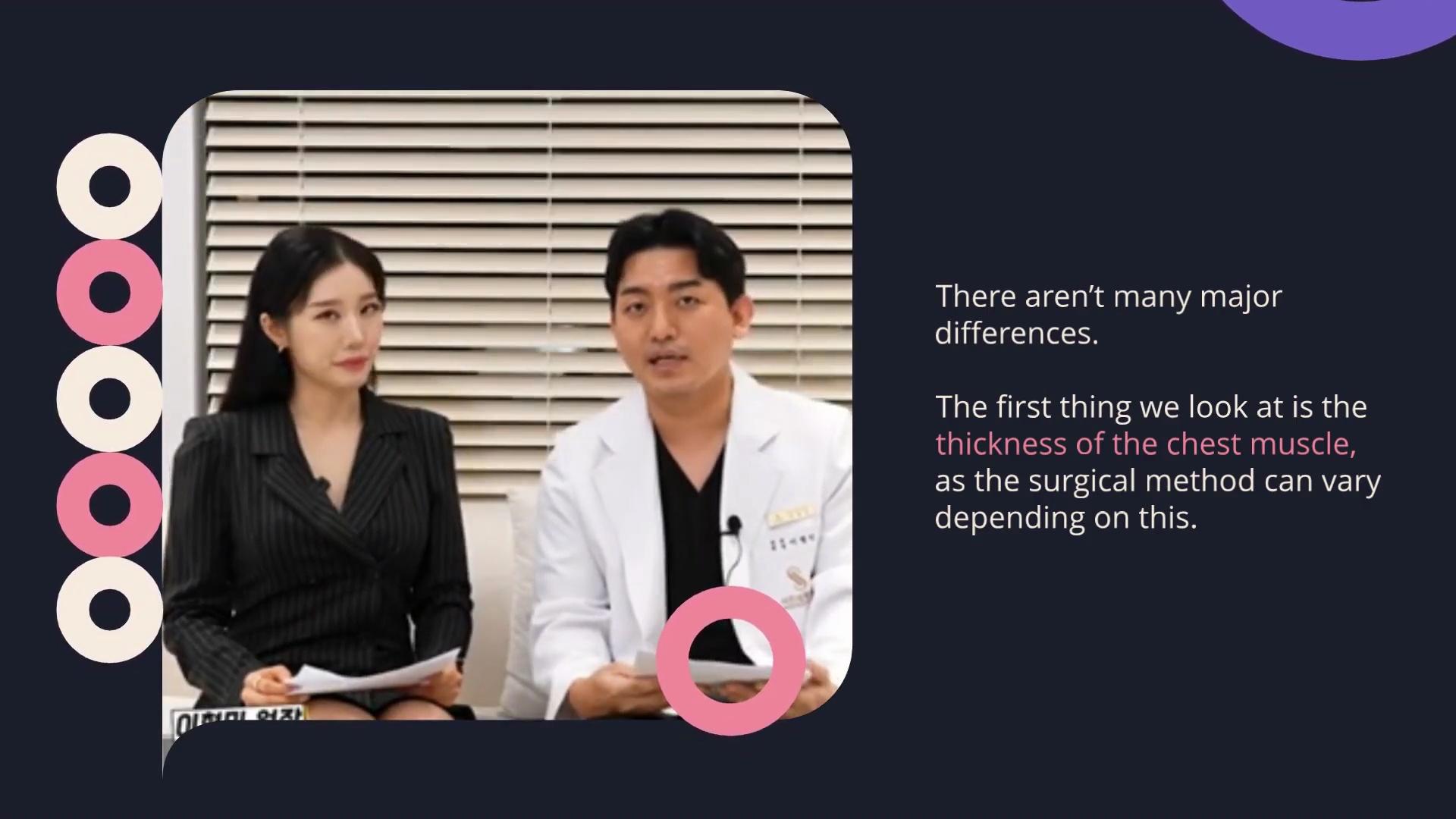
For transgender patients, the first thing I assess carefully is how thick the chest muscle is, because the surgical plan changes depending on that.
If feminizing hormone therapy has thinned the muscle significantly and the tissue feels softer, placing the implant under the muscle can be more beneficial. This can help create a smoother transition and may improve how the implant edge is covered.
On the other hand, if the muscle is still thick, placing the implant under the fascia (the connective tissue layer associated with the muscle) may actually work better. In these cases, going fully under the muscle isn’t automatically the “best” option. The right plane is the one that matches the patient’s anatomy and goals.
Once that implant-plane decision is made, the rest of the operation is typically not very different from standard breast augmentation planning.
Hormone Therapy: When to Pause and When to Restart
Hormone therapy affects every patient differently. Even after years of hormones, sometimes the muscle doesn’t thin enough to change the surgical approach as much as someone expects. In other cases, even after a relatively short time, it thins sufficiently. That’s why I don’t believe there is a strict rule that you must start hormones for a specific length of time before breast augmentation.
What matters most is managing hormones safely around surgery.
If you’re on feminizing hormones, estrogen can increase bleeding risk, so I generally recommend stopping estrogen one week before surgery. After surgery, I usually recommend restarting three days post-op.
This timing is one of the most important “before and after” precautions to discuss in detail during consultation. It’s a small adjustment, but it can make a meaningful difference in safety and recovery.
Nipple and Areola Options: Creating, Enhancing, and Refining
Patients sometimes ask whether the nipple or areola can be corrected as part of achieving a more feminine-looking chest. In many cases, the answer is yes.
If the nipple is very small, it’s possible to perform a procedure to create a nipple. And if the areola is smaller than you’d like, one option is to add pigment using semi-permanent areola tattooing. This can help adjust the appearance of size and balance without relying solely on surgical changes.
The key is to plan these steps thoughtfully—sometimes as part of the primary operation, and sometimes staged—based on what will heal best and look most natural for your body.
Choosing Implants: I Focus on Width and Projection, Not Just “CC”
A common mistake I see is focusing only on implant volume—how many “cc” someone wants. Instead, I plan implants in terms of width and projection, because these measurements are what determine whether the implant actually fits your frame and can be supported by your tissue.
If an implant is too wide for your body, it can increase the risk of damaging sensory nerves, which may affect sensation. And if you’re aiming for more “height” or projection than your skin elasticity can safely accommodate, it may not be achievable the way you imagine.
I take these limits seriously—not to discourage patients, but to make sure the result is both beautiful and sustainable.
What Large Implants Can Feel Like Over Time
It’s also important to talk about feel, not just appearance. As overall implant volume increases, the breast can feel firmer, and you may notice tightness in the chest.
This doesn’t mean large implants are “wrong,” but it does mean there are tradeoffs. I want patients to understand how implant size interacts with tissue coverage and elasticity so they can choose a look they’ll enjoy not only in photos, but also in everyday life.
Preparing for Surgery: Set Yourself Up for a Smooth Recovery
Because breast augmentation is often a major milestone for transgender patients, I approach it with extra care and patience. Many people have carried this decision for a long time, and I want the surgical experience to match the importance of that choice.
Preparation starts with an honest consultation: review your anatomy, clarify your goals, and talk through implant plane options, implant dimensions, and nipple/areola preferences. Just as importantly, you’ll want a clear plan for hormone timing—when to pause and when to restart.
When patients follow these precautions and plan carefully, it’s absolutely possible to achieve a beautiful outcome without complications like bleeding, sensory changes, or other unwanted side effects.

Conclusion: Fewer Assumptions, Better Results
My core message is simple: transgender breast implants in Korea usually aren’t “mysteriously different.” The surgery becomes straightforward when we focus on what truly matters—your muscle thickness, the safest implant plane, thoughtful implant dimensions, and proper hormone management around the operation.
If you’ve been considering breast augmentation for a long time, I encourage you to discuss it thoroughly with a board-certified plastic surgeon and build a plan based on your body rather than assumptions. With careful technique and good preparation, you can move forward with confidence and achieve a result that feels right for you.
More about Seojin Plastic Surgery Clinic
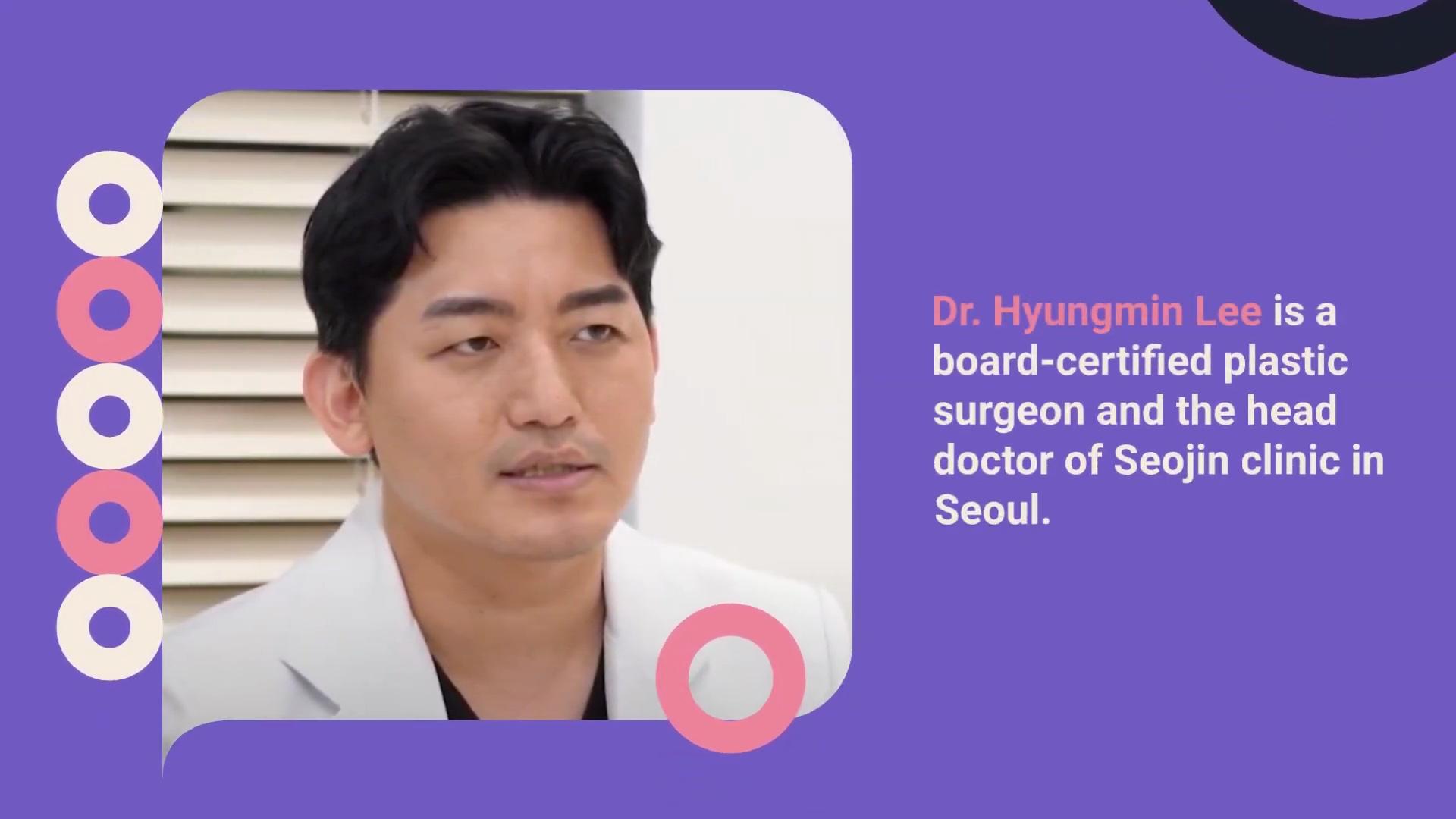
Seojin Plastic Surgery Clinic in Gangnam, Seoul, offers dedicated transgender breast augmentation planning in Korea with an approach centered on continuity, precision, and individualized aesthetics. As a one-doctor clinic, Dr. Lee Hyungmin personally manages the entire journey—from consultation and surgical design to postoperative care—so patients receive consistent, attentive guidance tailored to their body frame, goals, and transition pathway. With more than 16 years of experience and recognition as one of the 100 Good Doctors in Korea, Dr. Lee is known for combining meticulous technique with patient-focused decision-making, including options such as transgender breast implants and hybrid augmentation (implant plus fat grafting) for a softer, more natural contour. Using state-of-the-art tools like 3D imaging and high-definition endoscopy, Seojin emphasizes detailed preoperative planning and safety, helping patients visualize outcomes and make informed choices while aiming for balanced proportions and confidence-building results.
Find more about this clinic here: Seojin Plastic Surgery Clinic