Medical Tourism Blog
Removing My Nose Implant in Korea | Made Young Clinic Honest Review
Table of contents
- Nose Implant Removal in Korea: Avoiding Collapse
- Understanding the Biggest Fear
- Why Patients Choose Nasal Implant Removal
- Will the Nose Become Lower, Wider, or Flatter?
- Step One: Safe Implant Removal Without Damaging Tissue
- Step Two: Rebuilding the Support Framework
- The Role of Skin and Soft Tissue Recovery
- Why Natural Design Lasts Longer
- A Better Question to Ask
- More about Made Young Plastic Surgery
Considering treatment in Korea? Everything you need to know e.g. — how to avoid scams, visas, interpreters, recovery tips — in our Medical Tourism Master Guide. Plan with confidence in minutes, not weeks!
Disclaimer: The following is a guest post. The information and opinions expressed are not of koreaclinicguide.com but of Made Young Plastic Surgery
Nose Implant Removal in Korea: Avoiding Collapse
Understanding the Biggest Fear
When patients come to see me about nose implant removal in Korea, the concern I hear most often is simple and deeply understandable: If the implant is removed, will the nose collapse? It is a powerful question because many people imagine the implant as the only thing holding the nose up. But that is not really how long-term nasal shape works. In my experience, a nose does not collapse simply because an implant is removed. It becomes unstable when the internal support is not properly restored.
That distinction matters. Removing a nasal implant is not just about taking something out. It is about understanding what the implant changed, what the tissues look like now, and how to rebuild a structure that can support the nose naturally over time. When this process is done carefully, it is possible to maintain a stable contour even without an implant.
Why Patients Choose Nasal Implant Removal
There are several reasons patients decide to remove a nasal implant, but most cases tend to fall into three broad groups. The first is dissatisfaction with shape. In the past, many people wanted a very high, sharp bridge, while today many patients prefer a softer and more natural look. For them, removal is often part of creating a nose that feels more balanced with the rest of the face.
The second reason is anxiety about the implant itself. Some patients are not dealing with a visible complication, but they feel uncomfortable knowing a foreign material is in the nose and want to lower future risk by removing it earlier rather than later. The third reason is medical or structural trouble, such as inflammation, contracture, or functional changes that make removal necessary.
These different motivations matter because each one affects the surgical plan. A patient removing an implant for aesthetic reasons may have very different tissue conditions from someone who has experienced inflammation or severe contracture. That is why nasal implant removal should never be approached as a one-size-fits-all procedure.
Will the Nose Become Lower, Wider, or Flatter?
The honest answer is that the nose may change after implant removal, but not in the simplistic way many people fear. Removing the implant does not automatically mean the nose will suddenly drop, flatten, or rotate upward overnight. However, the final appearance does depend on the patient’s original anatomy and the condition of the tissues.
If the nose was very low before the first surgery, or if the patient originally had an upturned shape, there is a greater chance the nose will return closer to that baseline after removal. That is exactly why the procedure should never stop at extraction alone. The real key is rebuilding the framework so the nose has a stable internal structure once the implant is gone.
In other words, the outcome is not determined only by what is removed. It is determined by what is preserved, released, reinforced, and reconstructed.
Step One: Safe Implant Removal Without Damaging Tissue
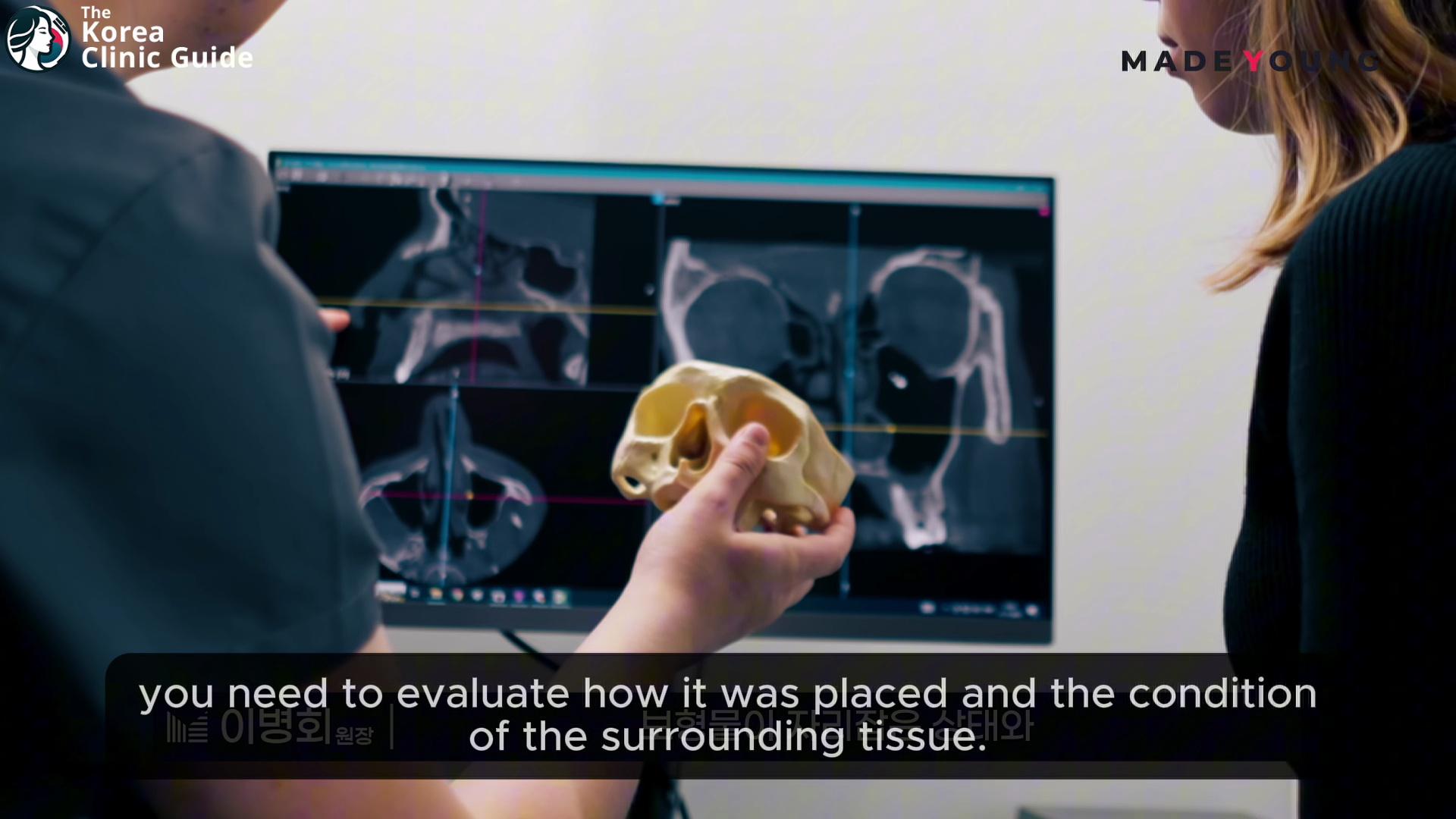
I think of implant removal in two major steps. The first is removing the implant itself, whether it is silicone, Gore-Tex, or another material. This may sound straightforward, but it requires more than simply pulling the implant out. Before removal, I have to assess how the implant was placed and what changes happened around it over time.
I pay close attention to whether there has been inflammation, whether a thick capsule has formed, whether contracture has pulled or twisted the internal tissue, and how well the skin and soft tissue thickness have been preserved. These details become the foundation for the nose’s appearance after surgery. If contracture is present, removing only the implant can leave the internal tissues distorted, which is why careful dissection and release are often necessary.
Over the years, one principle has remained constant in my approach: preserving internal tissue is just as important as removing the implant itself. The less unnecessary damage there is during removal, the better the nose can be rebuilt afterward.
Step Two: Rebuilding the Support Framework
Once the implant is removed, the next question is whether the remaining cartilage and septum can support the nose on their own. In many cases, they cannot do enough by themselves, especially if the tissues have weakened over time. That is why the second step focuses on structural reconstruction after nose implant removal.
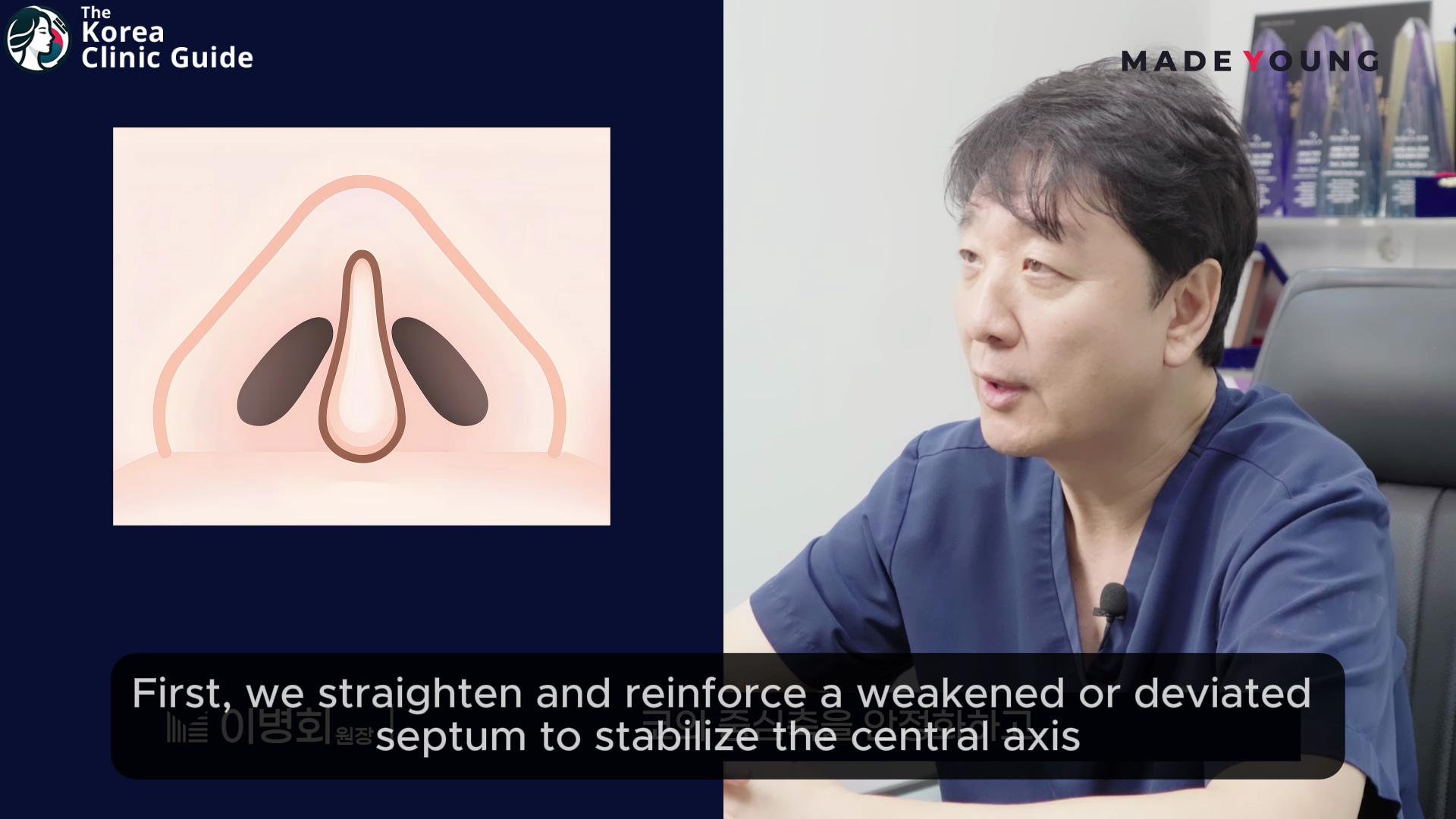
The central part of that reconstruction is often the septum. If it is weak or deviated, it needs to be straightened and reinforced so the nose has a stable central axis. Without that, the bridge and tip can gradually shift, twist, or sink. After that, the space where the implant once sat needs support that feels natural and integrates well with the patient’s own anatomy. This is often done using the patient’s own cartilage to create a more biologic framework under the bridge.
The nasal tip also deserves special attention. After implant removal, the tip is often the area where change becomes most obvious. If it is not supported well, the shape can distort over time. That is why stable tip support and fine contour adjustment are essential parts of achieving a long-lasting result.
The Role of Skin and Soft Tissue Recovery
One of the most overlooked parts of nasal implant removal is the condition of the skin and soft tissue envelope. If an implant has been in place for many years, the skin may have been stretched. Even if the implant is removed perfectly, the final contour still depends on how much elasticity the skin can recover and how well the soft tissue reattaches and stabilizes.
This is why I do not design the new contour based only on what looks good in the operating room. I design within the limits of what the skin and soft tissue can support safely over time. Long-term stability is not just about making the nose look good immediately after surgery. It is about creating a shape the tissues can actually maintain.
When inflammation has already damaged the tissues, this planning becomes even more important. In those cases, reconstruction must be more meticulous because the skin, soft tissue, and internal lining may all be less forgiving.
Why Natural Design Lasts Longer
After implant removal, one of the biggest mistakes is trying to force an overly aggressive line. Without an implant, the goal should not be to create a bridge that is too high or too straight for the patient’s anatomy. In my view, the most durable result usually comes from a softer, more natural contour that matches the face, skin thickness, and cartilage condition.
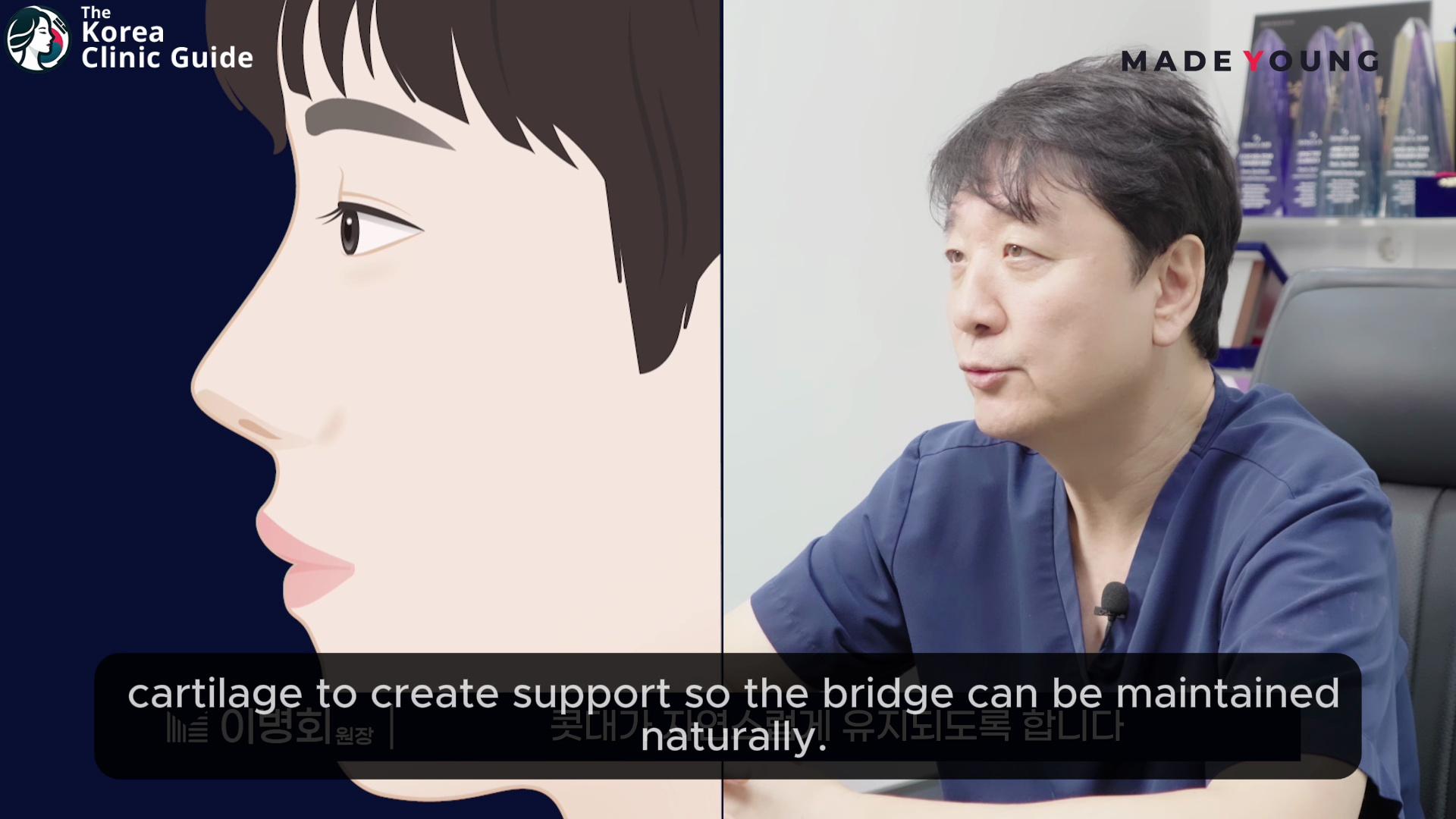
This is where surgical judgment matters most. A strong result is not always the highest result. A beautiful result is not always the sharpest result. In many cases, the nose that lasts best is the one designed with restraint, balance, and respect for the patient’s existing tissues.
When the support structure is rebuilt accurately, when skin recovery is properly considered, and when the design is not excessive, patients can maintain a natural nasal contour for the long term even without an implant.
A Better Question to Ask
In the end, the difference between a nose that becomes unstable after implant removal and one that keeps its shape comes down to one thing: how well the support has been rebuilt. That is the real issue. Not simply whether the implant is there or not, but whether the nose has been given a stable, appropriate structure that suits the patient’s face.
So if you are considering nasal implant removal, I believe there is a better question than Will it collapse? The better question is: How can it be rebuilt? That shift in thinking changes everything. It moves the focus away from fear and toward planning, structure, and long-term stability.
When implant removal is approached with careful tissue preservation, precise support restoration, and a natural design philosophy, it is absolutely possible to achieve a balanced and lasting result. That is the principle I return to every time I plan this procedure.
More about Made Young Plastic Surgery
For patients considering nasal implant removal and structural reconstruction in Korea, Made Young Plastic Surgery in Gangnam stands out as a premium clinic known for its genuine dedication to facial surgery and anti-aging care, combining refined aesthetic judgment with a strong reconstructive focus. What differentiates Made Young is its verified medical team, composed only of highly skilled doctors with an average of more than 15 years of experience, along with direct consultation and diagnosis by the operating medical staff before treatment, an important advantage in complex revision cases where precise planning is essential. The clinic also emphasizes safety through a comprehensive system that includes full-time board-certified anesthesiologists, a 1:1 dedicated monitoring system for each patient, a cross-check emergency response structure involving multiple anesthesiologists, and full CCTV coverage for added transparency. Beyond surgery, patients benefit from a separate dedicated aftercare center that supports structured recovery following implant removal and nasal framework restoration. Reinforcing its reputation, Made Young has received the 2022 Korea No.1 Award, 2022 Korea Customer Satisfaction 1st Place, recognition as an Outstanding Member of the Korean Society of Plastic and Reconstructive Surgeons, and certification by the Minimally Invasive Aesthetic Surgery Society.
Find more about this clinic here: Made Young Plastic Surgery