Medical Tourism Blog
Korean Dermatologist Reveals Their Exact Skincare Routine | Dr. Yeoun Korea
Table of contents
- A Simple Routine That Changed My Skin
- Why Daily Skincare Matters More Than People Think
- My Skin Type: Sensitive, Acne-Prone, and Combination
- The Core of My Routine: Moisturizing Well
- Affordable Skincare Can Work Extremely Well
- Why I Skip Toner and Most Serums
- How I Choose Products for Sensitive Skin
- The Takeaway: Keep It Basic and Be Consistent
- More about Hev Clinic
Considering treatment in Korea? Everything you need to know e.g. — how to avoid scams, visas, interpreters, recovery tips — in our Medical Tourism Master Guide. Plan with confidence in minutes, not weeks!
Disclaimer: The following is a guest post. The information and opinions expressed are not of koreaclinicguide.com but of Hev Clinic
A Simple Routine That Changed My Skin
Whenever people find out I’m a dermatologist, they ask the same questions: what I use on my skin, what treatments I get, and what routine I actually follow at home. The funny thing is, many people expect the answer to be complicated or expensive. They imagine a shelf full of luxury products and some secret method only dermatologists know. But the truth is much simpler. My skincare routine is built on basics, and that simple approach is exactly what transformed my skin.
My skin was not always calm or clear. In fact, I used to feel like it was in the bottom tier. I dealt with acne, sensitivity, and the kind of skin issues that can make you lose confidence. Looking at my skin now, most people would never guess that history. What made the biggest difference was not chasing trendy products or using the most steps. It was learning how to protect my skin barrier, choosing products that matched my skin type, and staying consistent every single day.
Why Daily Skincare Matters More Than People Think
One thing I explain often is that skincare routines and procedures are not separate from each other. Treatments can absolutely help, but your everyday habits determine how much you benefit from them. I think of procedures the same way I think of exercise. A single workout can be helpful, but your results depend on what you do every day before and after.
I see this all the time in clinic. Two people can receive the exact same treatment for pigmentation or uneven tone, but the one who applies sunscreen carefully, moisturizes well, and avoids irritation will often look dramatically better after a week. Meanwhile, someone who skips sun protection and continues heavy sun exposure may not heal as well or see the same improvement. That is why I always emphasize the same message: if you want better skin, start with the routine you follow at home.
My Skin Type: Sensitive, Acne-Prone, and Combination
Before talking about products, I always like to explain my skin type, because that changes everything. My skin is sensitive, acne-prone, and combination. My T-zone gets oily, but my cheeks are dry. That means I cannot just follow random skincare advice and expect it to work. I have to pay attention to texture, ingredients, and how each product feels on different parts of my face.
This is why I believe skincare should be personal. Even when a product is widely praised, it may still feel too rich, too irritating, or simply wrong for your skin. A routine that works beautifully for dry, resilient skin may overwhelm acne-prone skin. A lightweight soothing lotion may be perfect for oily areas but not enough for drier zones. Knowing your skin type is the first step toward building a routine that actually helps instead of making things worse.
The Core of My Routine: Moisturizing Well
If I had to describe my skincare philosophy in one sentence, it would be this: I focus on moisturizing and protecting my barrier. That is the foundation of my everyday routine. I do not rely heavily on toners, ampoules, or multiple treatment layers. Most days, I keep things very straightforward and let my skin stay calm.
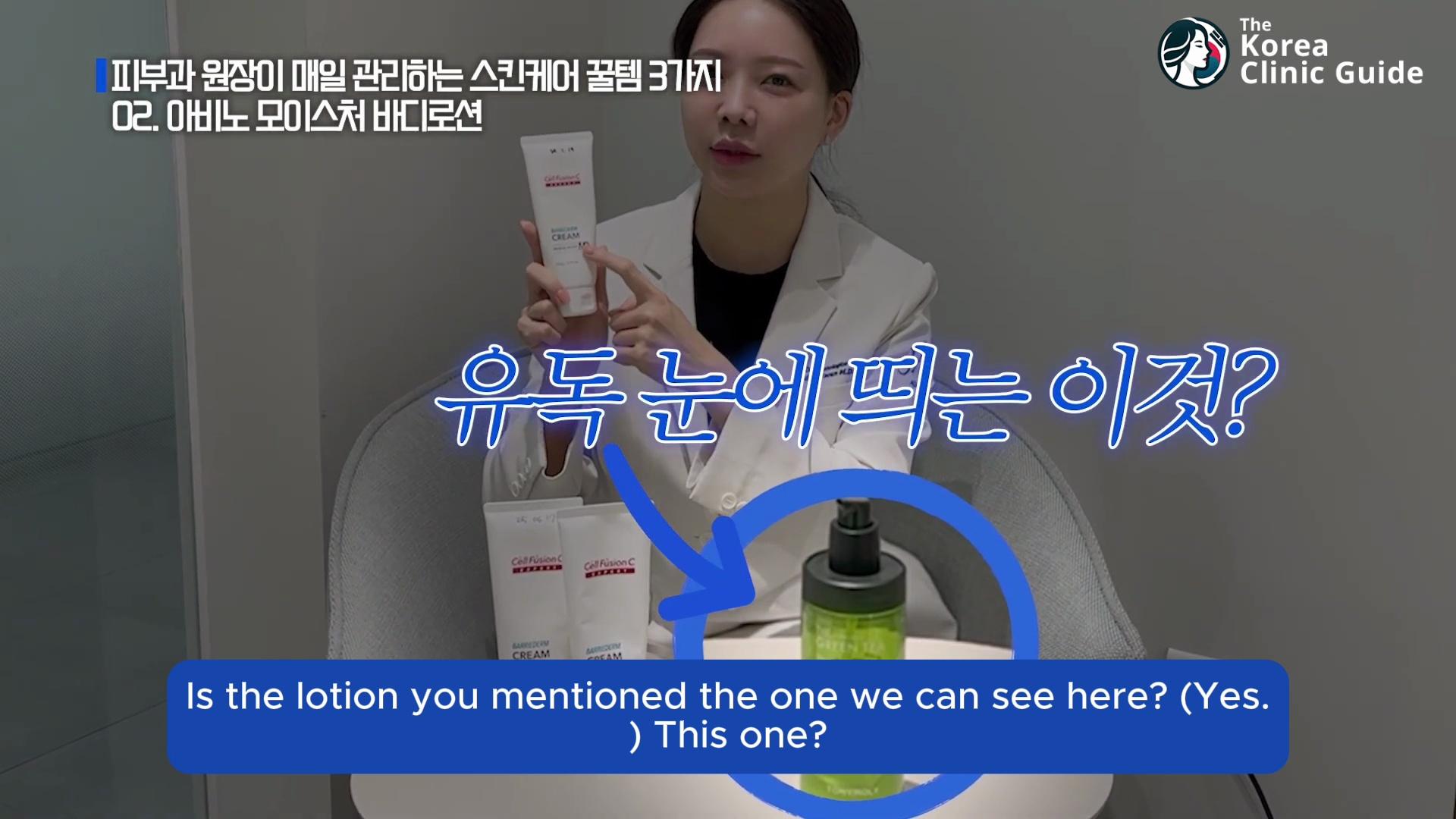
For richer moisture, especially on my cheeks or when my skin feels very dry, I reach for Cell Fusion C Expert Barrier-Derm Cream MD. It is the product I use when I want intense hydration and barrier support. It is especially helpful in colder weather, and I also use it on dry areas beyond my face. I like it because it delivers the kind of deep moisture that sensitive skin often needs, but I also know it can feel heavy for some people. If your skin dislikes rich or occlusive textures, something lighter may suit you better.

That is why I also think lines such as Zeroid or Atobarrier can be good alternatives. They still moisturize well, but they tend to feel lighter on the skin. There is no single universal answer here. The best moisturizer is the one your skin tolerates well and that you can use consistently without feeling greasy, irritated, or clogged.
Affordable Skincare Can Work Extremely Well
One of the biggest misconceptions about dermatologist skincare is that it must be expensive. I do not believe that at all. A product does not need a luxury label to be effective. If anything, I often value practical, well-formulated products over flashy branding.
For a budget-friendly option, I think Aveeno body lotion is a very solid choice when the main goal is moisture. I used products like that often when I was younger, especially when my hands became dry and chapped. It performed well, and that taught me an important lesson early: simple formulas that support the skin barrier can sometimes do more than trendy products with long ingredient lists.
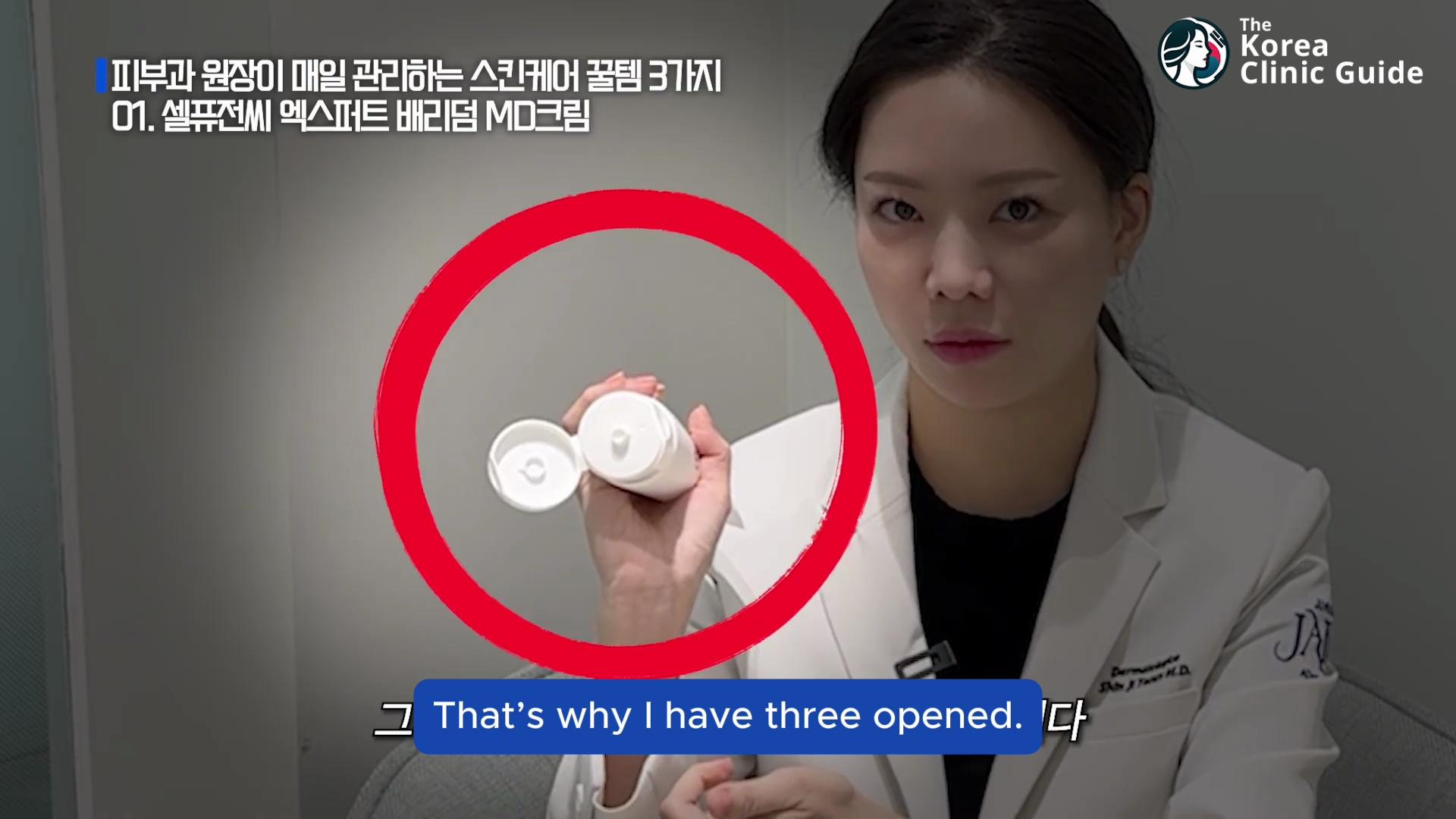
For lighter hydration, especially in my oilier areas, I use TonyMoly Green Tea Lotion. Because my T-zone gets oily, I do not always want something rich all over my face. Green tea is known for antioxidant and soothing benefits, and I like this lotion because it feels light, non-irritating, and easy to wear. It gives me enough hydration without making my skin feel heavy.
Why I Skip Toner and Most Serums
This surprises a lot of people, but I do not really use toner, and I do not use many ampoules or serums either. That is not because those products are always bad. It is because my skin does better when I minimize unnecessary steps and avoid irritation.
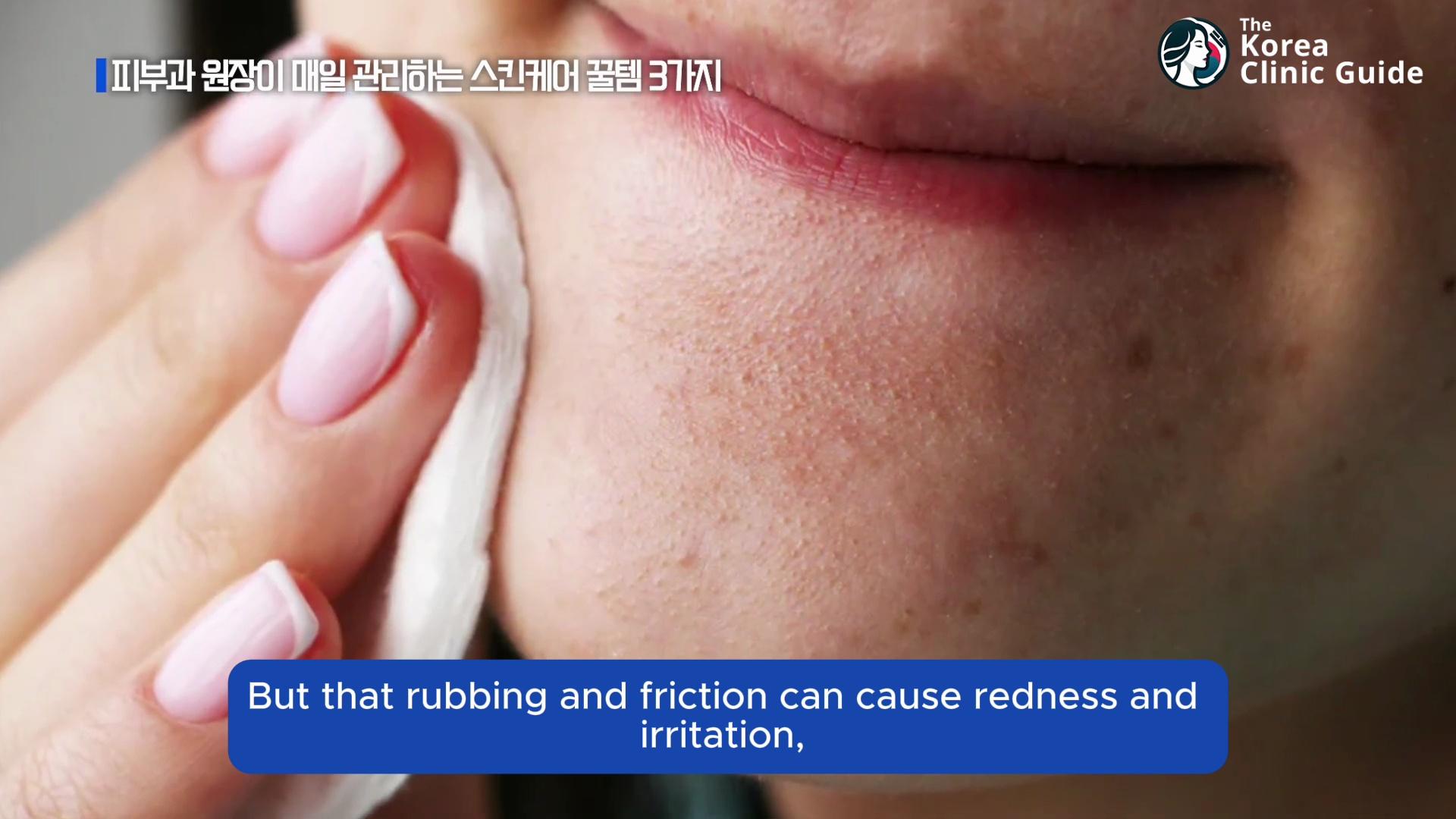
One issue I see often is the overuse of wipe-off toners. Many people soak a cotton pad and rub it across the skin, thinking they are gently exfoliating or cleaning more thoroughly. In reality, that repeated friction can trigger redness, sensitivity, and even breakouts in some people. For sensitive, acne-prone skin, constantly wiping at the skin barrier is often the opposite of what we need.

I prefer to think in terms of protecting and coating the barrier rather than stripping it down. If my skin is calm, I keep my routine very simple. If I am tired or my pores feel congested in a certain area, I may adjust slightly. But I still try to avoid making irritation part of my normal routine.
How I Choose Products for Sensitive Skin
I do not choose products based on brand name alone. I look at ingredients first. Over the years, I have learned which ingredients are more likely to trigger sensitivity or acne for me, and I actively avoid them. That ingredient-focused mindset matters much more than marketing.
For anyone trying to build a better routine, I think this is one of the most useful habits to develop. Instead of asking whether a product is popular, ask whether its formula makes sense for your skin type. Then test gradually. Skincare is often trial and error, but it becomes much easier when you narrow your choices with logic.
The Takeaway: Keep It Basic and Be Consistent
If there is one thing I hope people understand, it is that healthy skin does not always come from doing more. In many cases, it comes from doing less, but doing it well. A routine built around gentle hydration, barrier support, and consistency can take you much further than a cabinet full of exciting but irritating products.
My own routine is not fancy, and that is exactly why it works. I focus on what my skin actually needs: enough moisture for dry areas, lighter hydration for oily areas, and as little friction and irritation as possible. When you stop chasing everything and start listening to your skin type, skincare becomes much more effective.
If your skin is sensitive, acne-prone, or easily overwhelmed, you do not need a complicated plan to begin. You need a solid basic routine, a little patience, and the willingness to adjust based on how your skin responds. Sometimes the most powerful skincare advice is also the simplest: protect your barrier, moisturize consistently, and let your skin calm down enough to heal.

More about Hev Clinic
For readers exploring a Korean dermatologist routine for sensitive acne-prone skin, Hev Dermatology Clinic in Sinsa stands out as a dermatologist-led clinic that combines medical acne care with advanced rejuvenation in a way that prioritizes skin barrier health, safety, and natural-looking results. Rather than offering one-size-fits-all treatments, Hev’s board-certified dermatologists use precise skin analysis and in-depth consultation to build personalized plans that may include gentle acne laser toning, LED therapy, professional extraction care, skin Botox for sebum control, and scar-focused options such as Fraxel, microneedling, or RF microneedling when appropriate. A key differentiator is that the same attending dermatologist performs every step from consultation through treatment completion, creating consistency and trust that is especially important for reactive, easily irritated skin. Backed by active participation in Korean and international academic societies, Hev also offers a broader level of regenerative and lifting expertise, including Rejuran, Juvelook, stem cell therapy, hyperbaric oxygen therapy, Ultherapy, Thermage, and InMode, making it a strong choice for patients who want acne management today and healthier, more resilient skin over time.
Find more about this clinic here: Hev Clinic