Medical Tourism Blog
FTM Top Surgery in Korea | Transgender Patient Experience at Okay Plastic Surgery in Seoul
Table of contents
- A New Kind of Comfort I’ve Wanted Since Childhood
- Why I Decided on FTM Top Surgery
- Why I Chose Okay Plastic Surgery in Seoul
- Pre-Surgery Design: Planning for the Best Silhouette
- The Surgical Plan: Free Nipple Graft (FNG)
- Right After Surgery: Seeing a Flat Chest for the First Time
- Healing and Pain: Better Than I Expected
- Lifestyle Changes: No More Binder, Lighter Clothes, More Freedom
- My Advice to Anyone Considering FTM Top Surgery
- What I’m Looking Forward To Next
- Closing Thoughts: A Decision That Gave Me My Life Back
- More about Okay Plastic Surgery Clinic
Considering treatment in Korea? Everything you need to know e.g. — how to avoid scams, visas, interpreters, recovery tips — in our Medical Tourism Master Guide. Plan with confidence in minutes, not weeks!
Disclaimer: The following is a guest post. The information and opinions expressed are not of koreaclinicguide.com but of Okay Plastic Surgery Clinic
A New Kind of Comfort I’ve Wanted Since Childhood
Since I was young, my gender identity felt natural and unmistakable—especially once the world started drawing clear lines like “girls go here, boys go there.” From that point on, it wasn’t something I had to “figure out” so much as something I simply knew. My parents didn’t think much of it at first, treating it like, “Oh, this kind of thing can happen.” But as I got older and moved toward adulthood, their feelings shifted and they seemed to dislike it more. Over time, though, they ultimately came to a place of acceptance: “OK, I guess that’s how you are.”
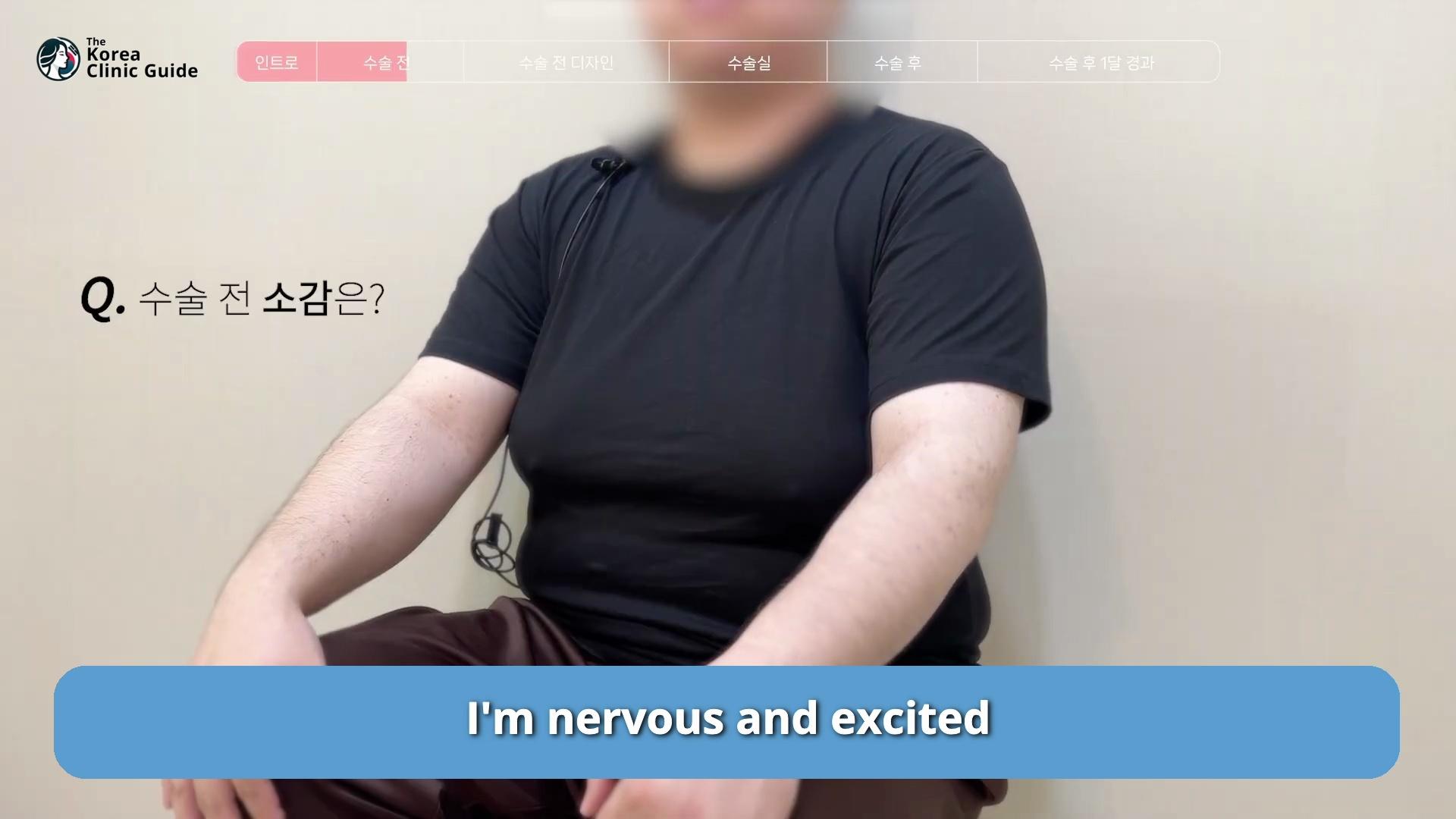
Top surgery became, for me, more than a cosmetic change—it felt like the first real step toward living comfortably. I was nervous and excited at the same time, and I mostly wanted the day to come and go quickly. I just wanted to reach the point where my body could match the way I’ve always understood myself.
Why I Decided on FTM Top Surgery
My motivation was simple and deeply practical: I wanted to live without the constant weight—physical and mental—of having to manage my chest every single day. I wanted to be able to wear a light T-shirt sometimes and do water activities comfortably. Before surgery, I wore a compression garment under my clothes, and it was stifling. What surprised me most was how that discomfort became such a constant that, if I didn’t have the binder on, I’d actually feel anxious.
It affected everything. I only dressed comfortably when I was alone. If someone was around, I always wore the binder. Even if it was “just” a tank top, and even if other people might have seen it as a normal layer, I felt pressure knowing it was there and worrying about how it looked.
So when I thought about what top surgery could change, it wasn’t only about appearance—it was about getting my everyday life back.
Why I Chose Okay Plastic Surgery in Seoul
Choosing a clinic mattered to me because I wanted results that felt right and looked good. I had heard that the head doctor graduated from Seoul National University, and that detail gave me confidence. And since this is plastic surgery, I wanted it to turn out “pretty”—not just medically successful, but aesthetically satisfying too.
I also felt reassured hearing that patients’ satisfaction after surgery was very high. That mattered because this wasn’t a casual decision for me; it was a major step in how I’d live moving forward. I remember thinking: they’ll do it well—so please, make it pretty.
Pre-Surgery Design: Planning for the Best Silhouette
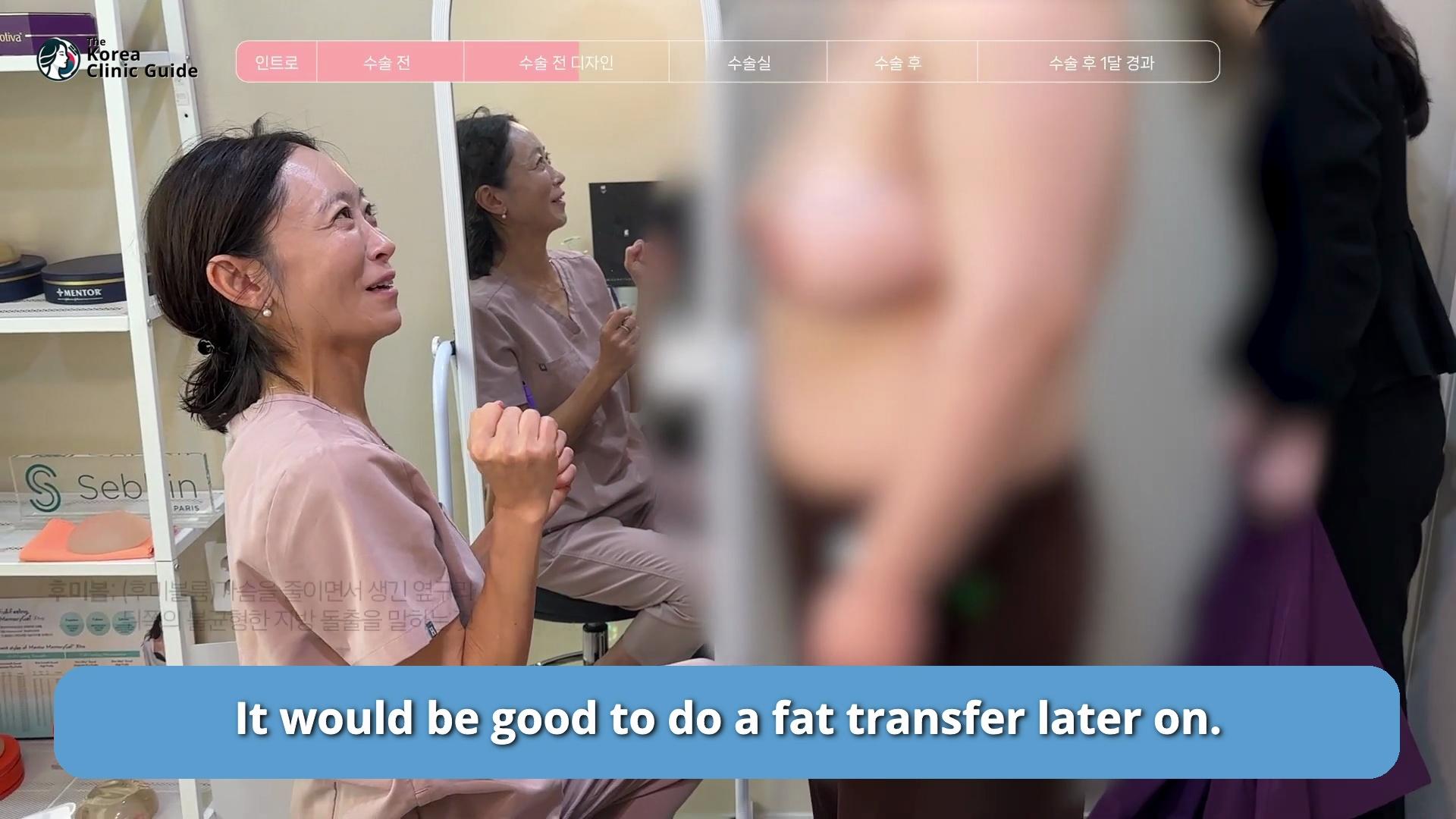
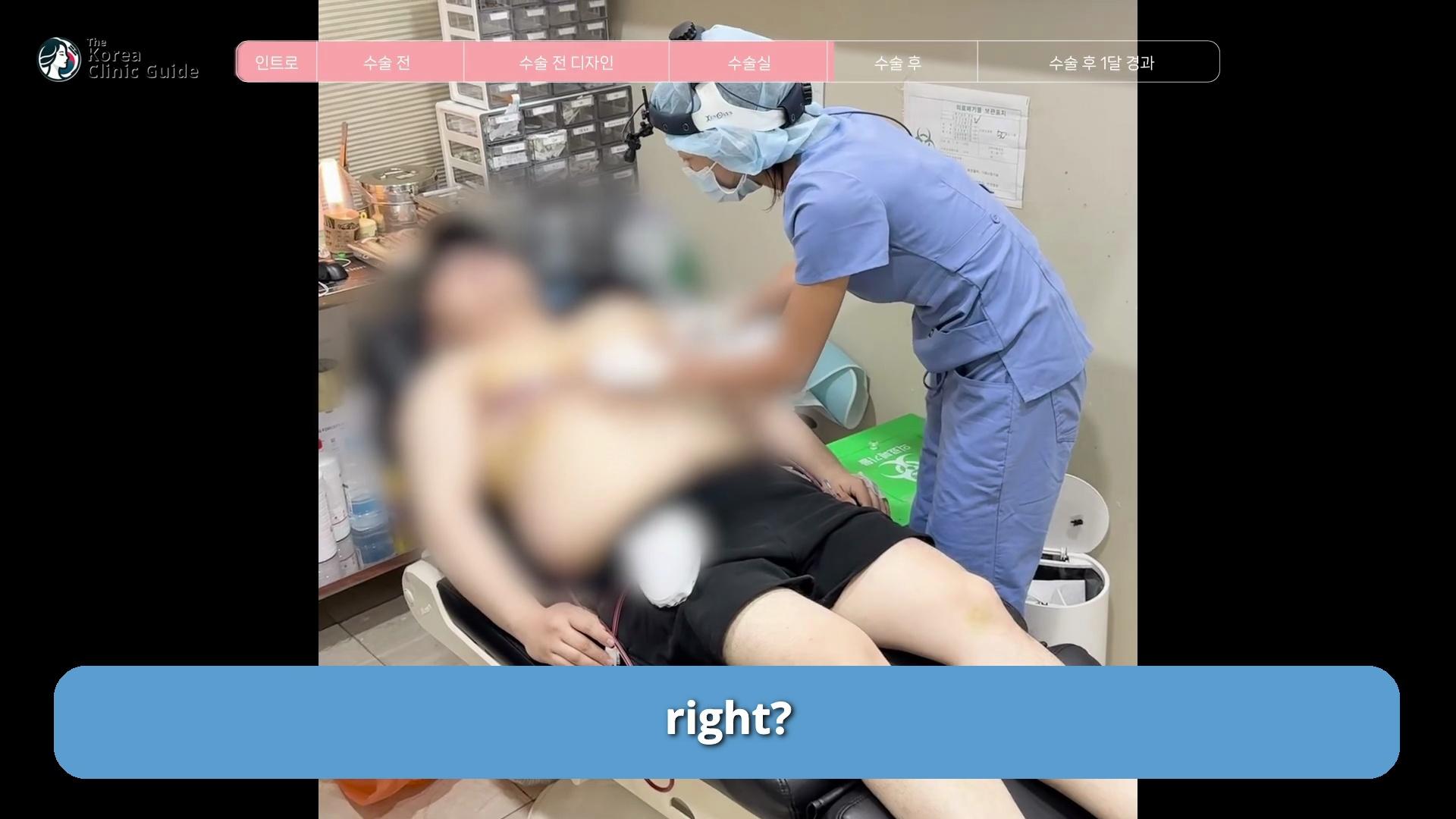
Before surgery, the design process focused not only on removing what needed to be removed, but also on shaping the overall result. During consultation, I was told that after surgery, the flank and side areas could become a source of stress. The suggestion was that a fat transfer might be helpful later on—either next time or if I became conscious of those areas after seeing how my body healed.
What stayed with me was the emphasis on creating the “prettiest silhouette possible.” It made me feel like the clinic was thinking beyond the operating room—considering not just the procedure, but how I would feel looking at myself afterward.
The Surgical Plan: Free Nipple Graft (FNG)
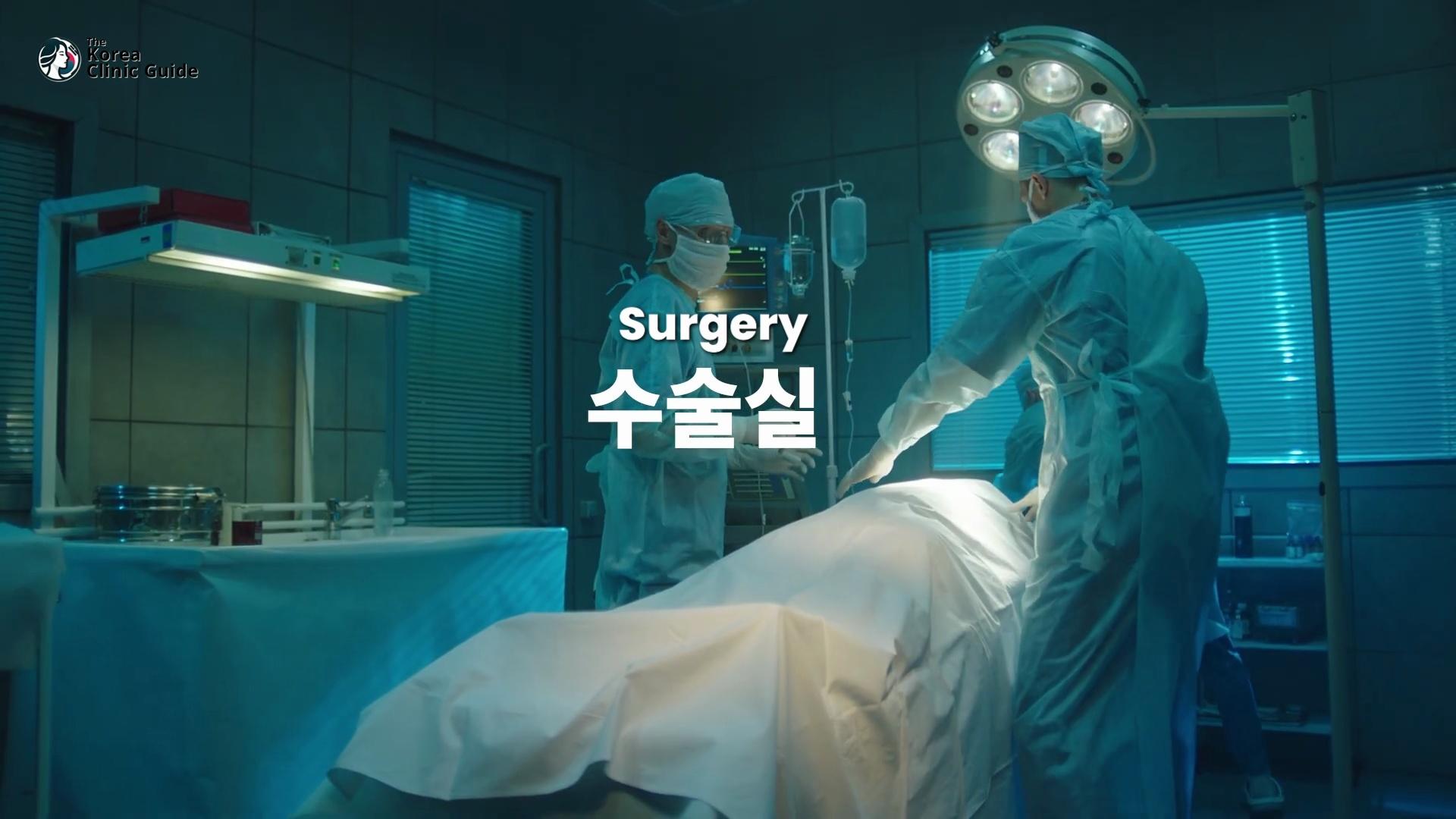
Because my chest was larger than a D-cup, the surgical plan was very clear and comprehensive: to totally remove the mammary glands and all breast fat, and to perform a complete nipple transplant using the Free Nipple Graft (FNG) method. In this approach, the nipple is completely removed and later reattached.
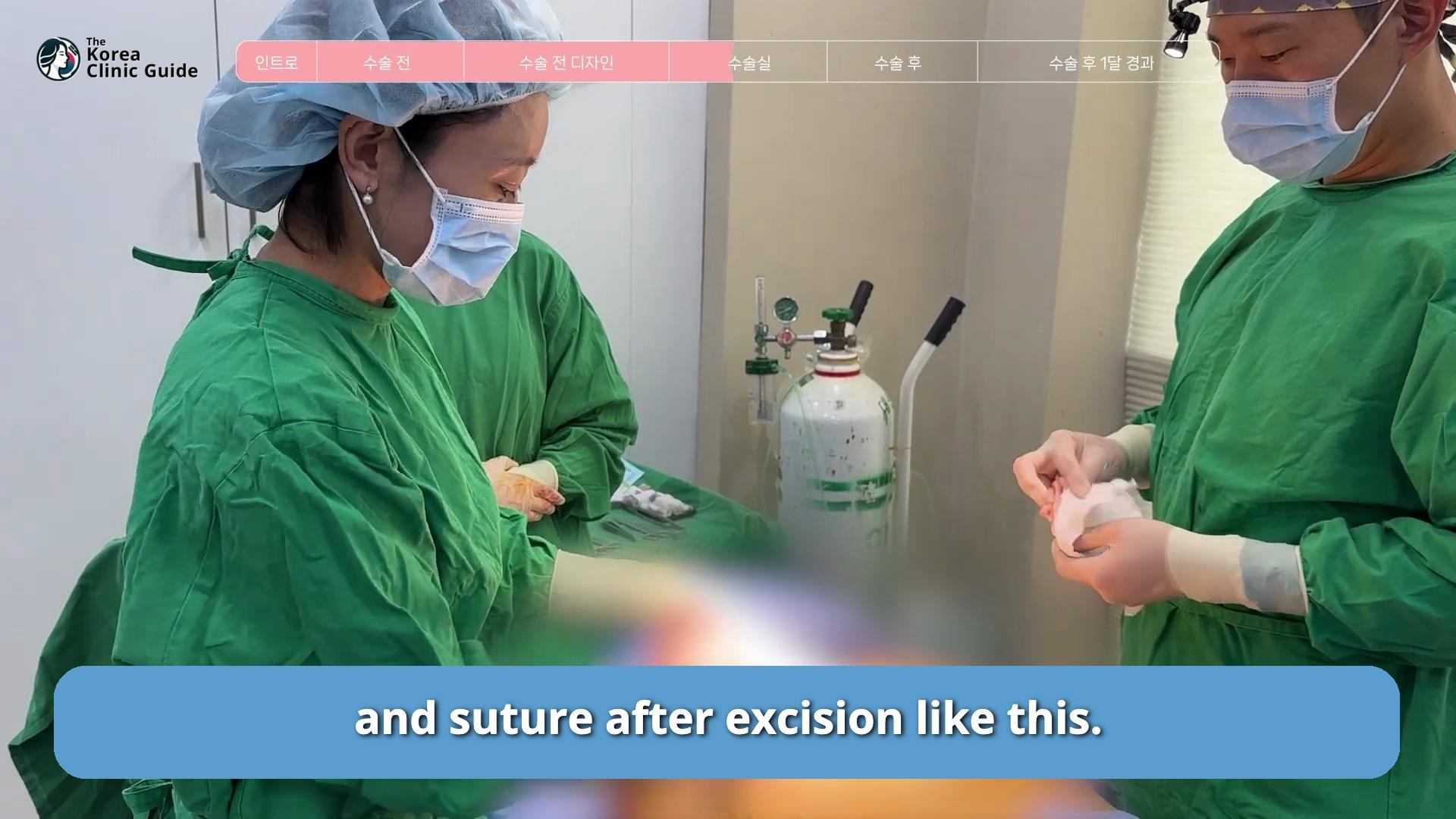
The explanation was detailed: after precisely dissecting and removing tissue layer by layer, only the necessary amount of skin is left, and the area is sutured after excision. Then comes the process of preparing to transplant the separated nipple.
The doctor described having extensive experience with this kind of skin transplantation, mentioning a background in microsurgery and having performed similar grafting countless times. Hearing that level of familiarity and diligence made the plan feel steadier and more real.
Right After Surgery: Seeing a Flat Chest for the First Time
After surgery, it hit me immediately how much was removed. It was one of those moments where you can’t help but react: it’s gone.
I also learned what to expect with the nipple graft as it heals. Right after surgery, the graft can look a bit brown. A dark, scab-like layer forms and later falls off. As it sheds, an inner layer—pinkish to brown—starts to come through. Knowing this ahead of time made the healing process feel less alarming, because the changes are part of what’s supposed to happen.
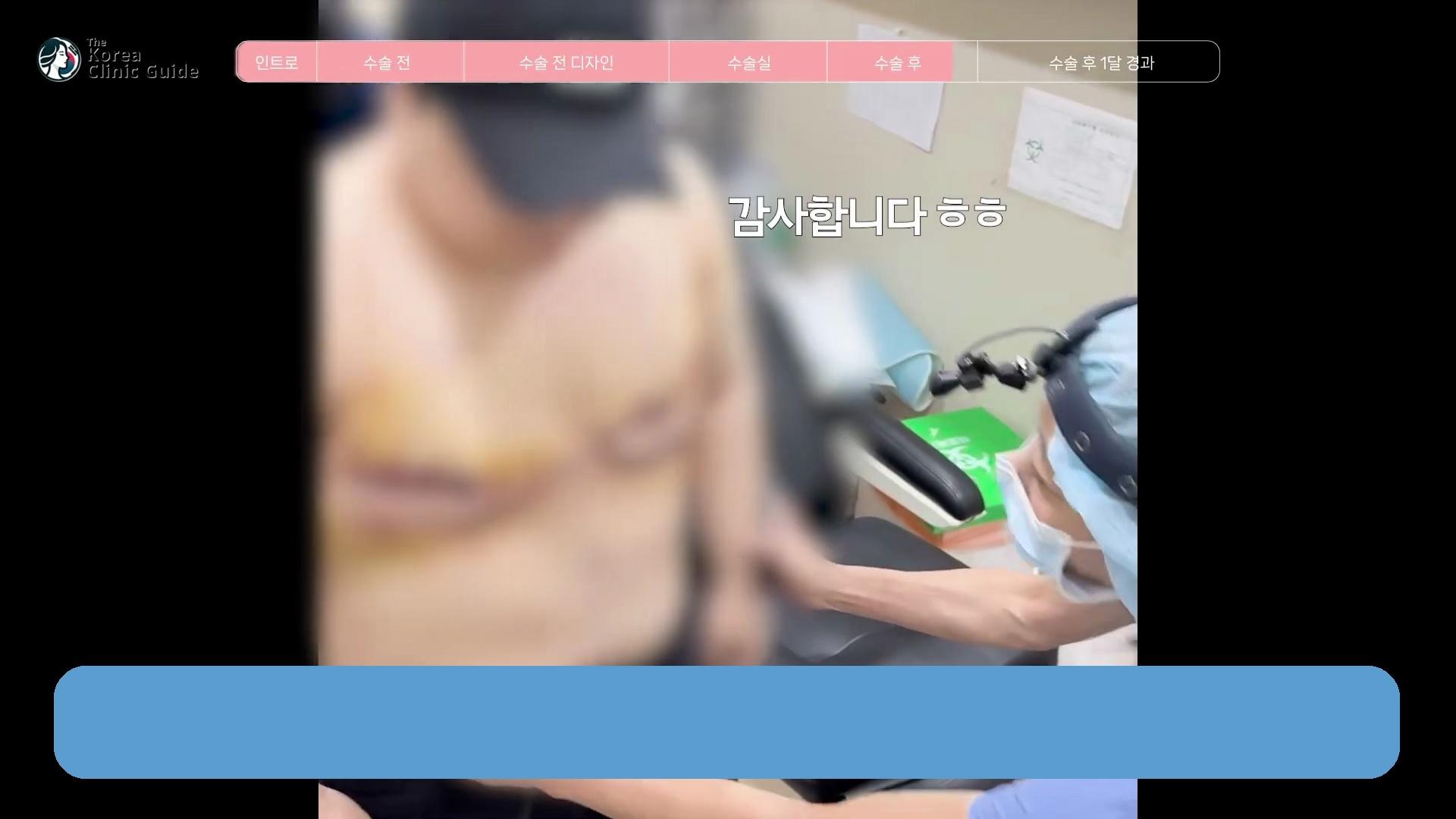
When I tried standing up slowly, I looked down and felt an instant sense of relief. It was so flat. It felt so good. For the first time, my stomach was visible in a way it never had been. The difference was undeniable.
Healing and Pain: Better Than I Expected
A month later, I found myself genuinely surprised at how positive the experience felt overall. To the point where I don’t even remember what it was like before, I’ve been so happy—because I did what I wanted.
Pain was not as severe as I expected. For the first two to three weeks, I didn’t feel like there was much pain. There was swelling, of course, but the discomfort didn’t overwhelm me. Interestingly, after that early period, I became more aware of sensations when walking, running, or getting dressed. It wasn’t that things suddenly became “bad”—it was more that my body was still adjusting and I could feel it during movement.
At one month post-op, there was still some discomfort from taping, but the trade-off was enormous: something that used to be there was now gone.
Lifestyle Changes: No More Binder, Lighter Clothes, More Freedom
The biggest change in my day-to-day life has been not wearing a compression garment anymore. My clothing style hasn’t completely changed, but the way I can dress has. I can wear thinner, lighter clothes without constantly thinking about whether a binder line or color will show through.
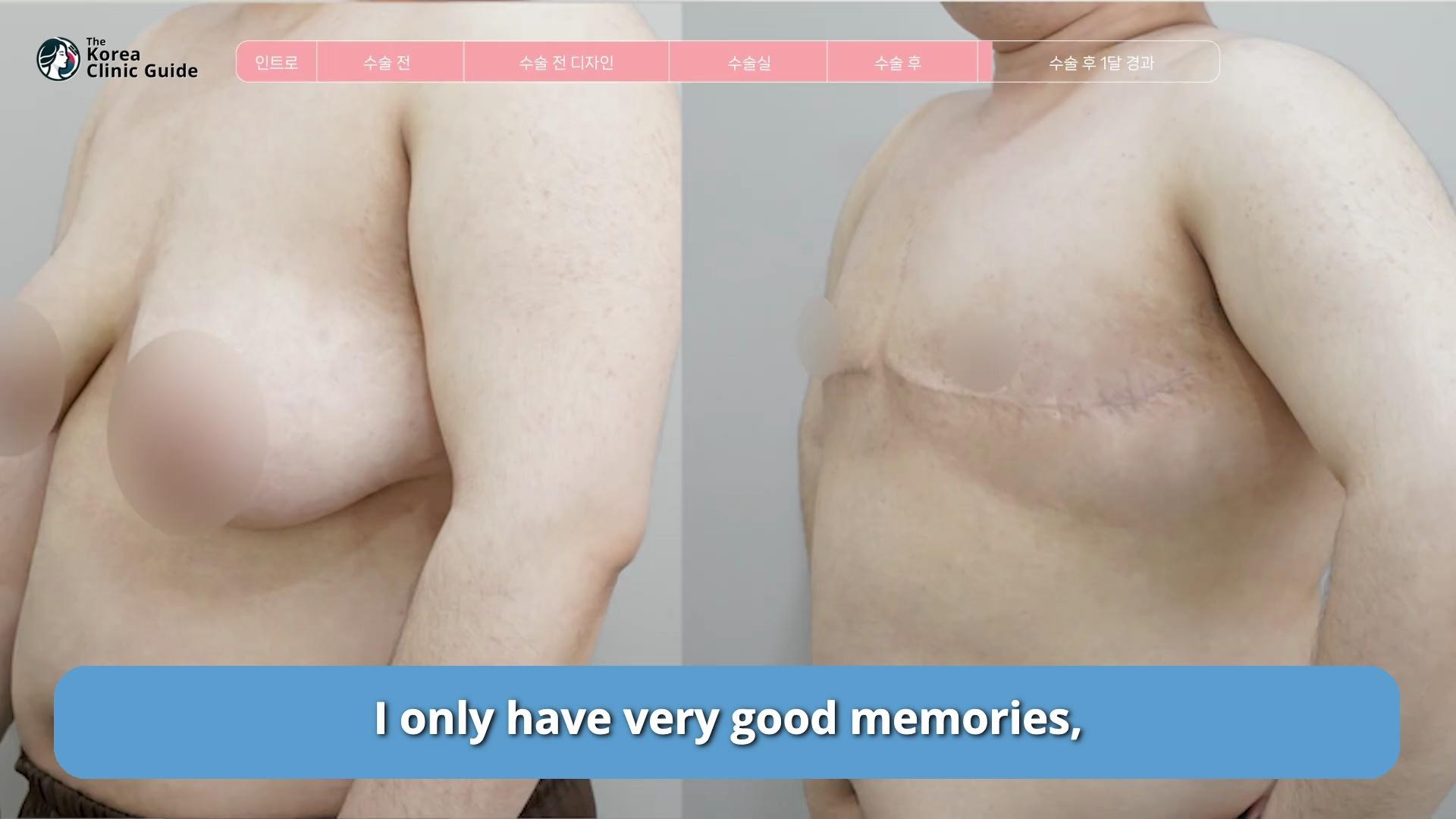
The small daily moments have become easier in a way that’s hard to overstate. Washing myself, getting dressed, getting ready to go out, coming home and undressing—now I just take my clothes off. I don’t have to put on a binder or build my day around it. It’s gotten so, so much better.
More than anything, I feel lighter.
My Advice to Anyone Considering FTM Top Surgery
If I could share one piece of advice, it would be this: think about it seriously and thoroughly. And if you reach a point where you feel no more thinking is needed, then—my opinion is—it’s best to do it as soon as possible.
If possible, I also think it helps to do it when you’re healthy and after getting in shape. Recovery is faster, and you can start living the life you want sooner. For me, once I knew this was the direction I needed, I didn’t want to agonize over it any longer.
What I’m Looking Forward To Next
Even simple things—like going to the swimming pool—feel newly possible. It’s not “a big deal” in theory, but in real life it changes everything. I’ve only recently had my first post-op shower, and I still have tape and the ongoing healing process, but I’m already looking forward to exercising soon.
And yes—going out wearing just a tank top. I can feel the confidence starting to show up naturally, because for once I’m not fighting my body to get through a normal day.
Closing Thoughts: A Decision That Gave Me My Life Back
Top surgery in Seoul at Okay Plastic Surgery wasn’t just a medical event for me—it was a reset. It helped me step away from the constant discomfort of binding and the anxiety of always needing to hide. From the careful pre-surgery design to the clear surgical plan with Free Nipple Graft, and then into healing and daily life afterward, the entire journey has felt like moving closer to ease.
A month later, what stands out most is how quickly “flat” started to feel like the new normal—and how much happier I’ve been living in that normal.
More about Okay Plastic Surgery Clinic
Okay Plastic Surgery Clinic in Korea approaches FTM top surgery as part of a broader, patient-centered transformation rather than a one-size-fits-all procedure, emphasizing sincerity, precision, and individualized planning to align surgical outcomes with each person’s goals. Care is led by a specialized team that includes a highly experienced, well-regarded female plastic surgeon, combining technical expertise with empathy and clear guidance throughout the process. Another differentiator is the clinic’s comprehensive infrastructure and breadth of aesthetic specialization—ranging from body contouring and breast procedures to scar and keloid management and advanced skincare—supporting thoughtful preoperative assessment and coordinated postoperative care with attention to healing, comfort, and long-term results.
Find more about this clinic here: Okay Plastic Surgery Clinic